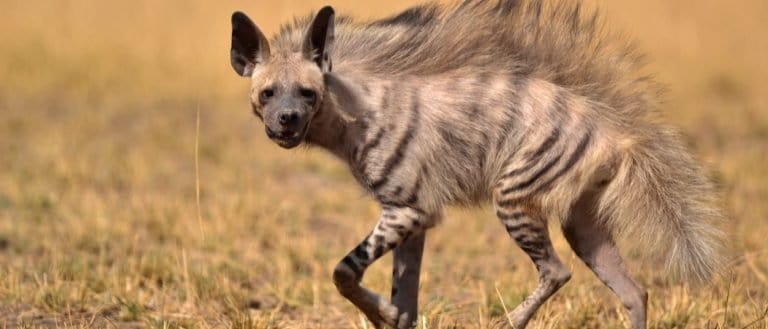
Striped Hyena
Nature's night-shift carrion recycler

Nature's night-shift carrion recycler
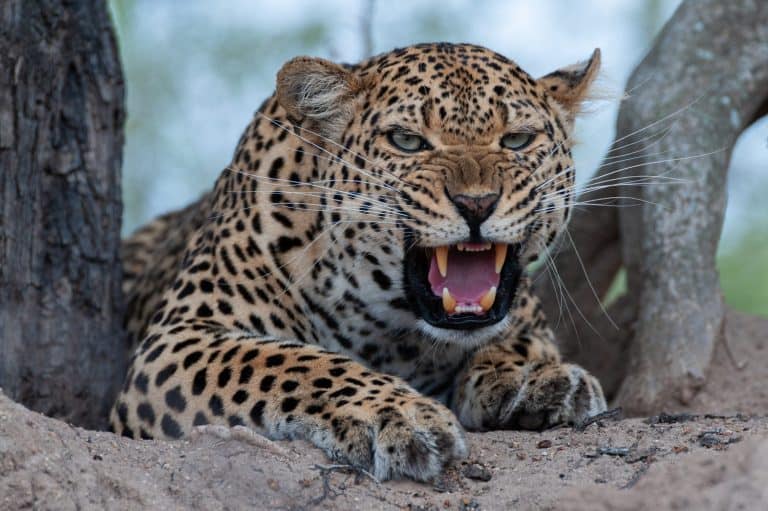
Rosettes in the shadows.
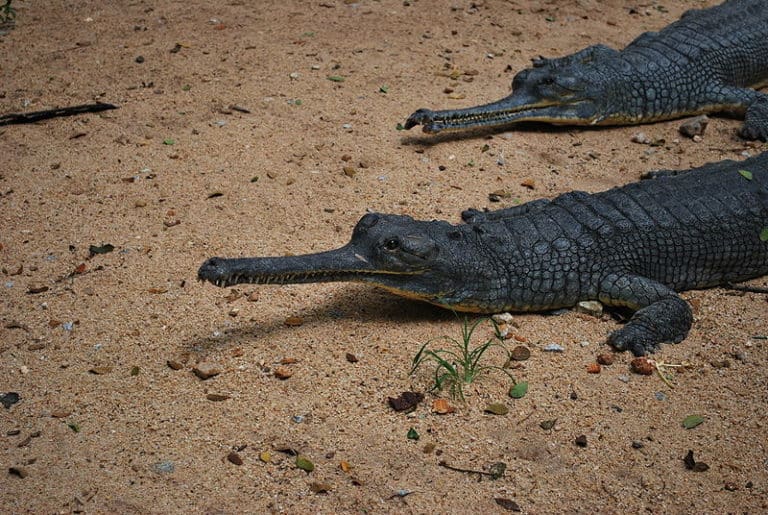
The long-snouted fisher of big rivers
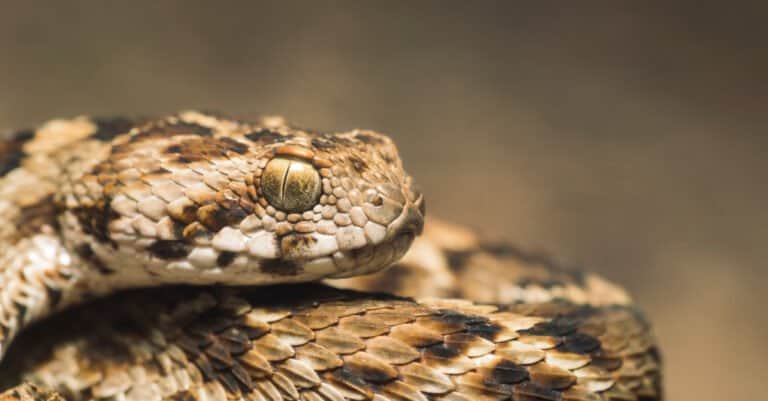
Hear the hiss, heed the saw
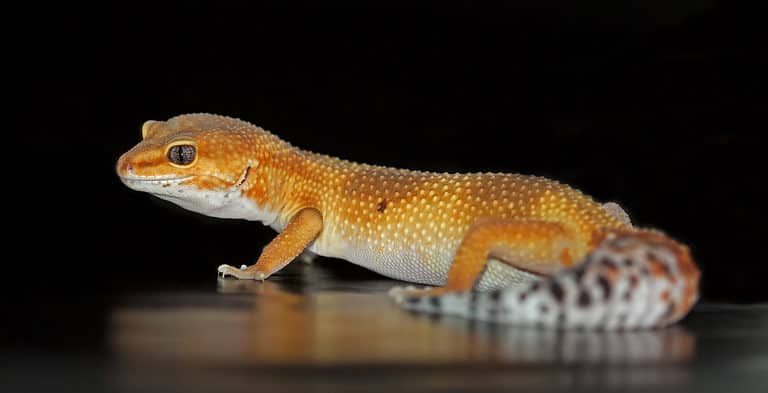
Orange glow, true eyelids, big personality
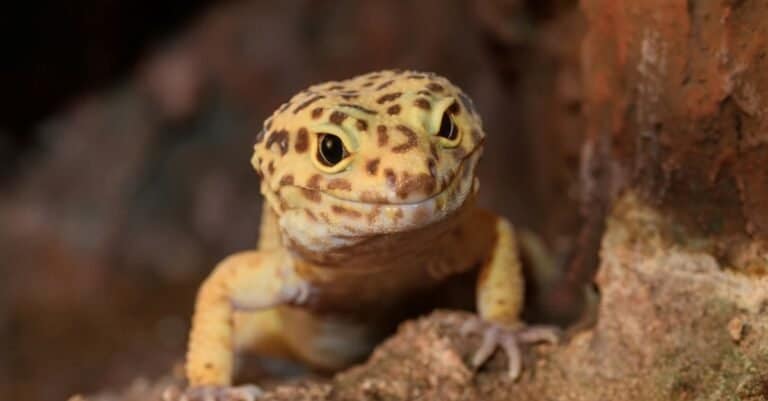
Eyelids, spots, and a power-tail
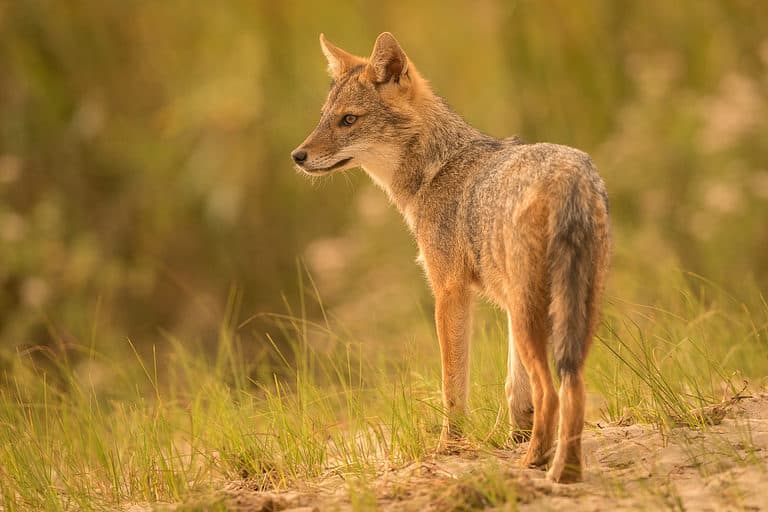
Eurasia's adaptable, omnivorous canid
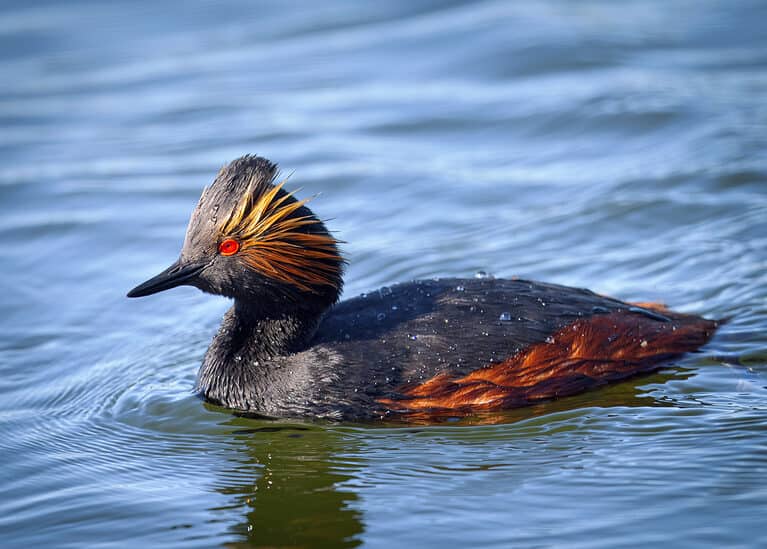
Golden ears, black neck, master diver
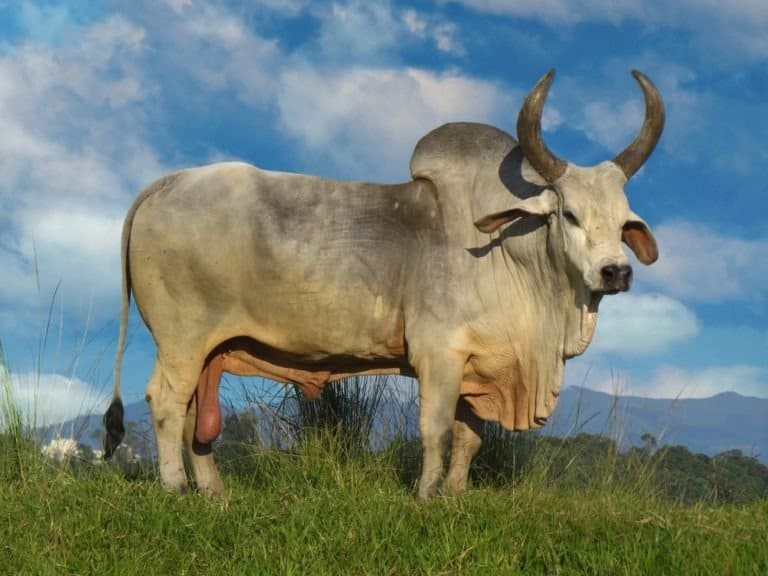
Humped cattle, built for the tropics.
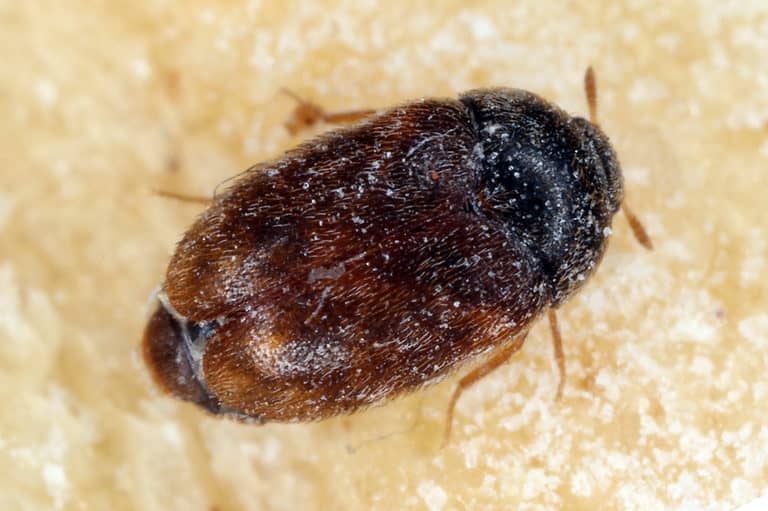
Tiny beetle, massive quarantine threat.
Rajasthan's wildlife is shaped by extremes: the Thar Desert's dunes, salt flats and seasonal wetlands, the Aravalli hills, and dry deciduous woodlands. Desert specialists like the chinkara and desert fox survive where water is scarce, while rewilded grasslands and scrub still hold small numbers of the critically endangered Great Indian Bustard. Key habitats include the Thar, semi-arid grasslands and orans (community-protected groves/commons), and the Aravalli-Vindhyan dry forests that support more large mammals. These dry mosaics are some of South Asia's best arid-zone biodiversity, where small rain changes bring wintering waterbirds and short bursts of food for hoofed animals and their predators. Rajasthan is unique for offering desert safaris and big-cat reserves together, a strong local conservation culture, wide open views, and rare species not seen in greener regions.
Rajasthan's wildlife follows an arid to semi-arid climate: the Thar Desert and saline flats support desert-adapted animals like chinkara and the Great Indian Bustard in open grassland and scrub. Eastern areas shift to dry forests, ravines and river corridors that give more water, cover and birds. Aravalli hills form cool, rugged islands affecting movement and local endemism.
~100 m to ~1,722 m (Guru Shikhar, Mount Abu, Aravalli Range)
Rajasthan's protected areas focus on key national parks, tiger landscapes, and important wetlands, plus many state wildlife sanctuaries across the Thar Desert, Aravalli hills, and dry deciduous forests. Main goals are protecting grassland and desert homes for the Critically Endangered Great Indian Bustard, keeping prey for tigers and leopards, and guarding wetland stopovers for migratory waterbirds.
≈2.6% of Rajasthan's land area (about 9,000 km² out of 342,239 km²; based on national parks + wildlife sanctuaries)
One of India's most important arid protected areas, combining sand dunes, rocky desert and scrub-grassland-key habitat for threatened desert specialists and raptor migrations; central to Great Indian Bustard conservation in the Thar landscape.
India's best-known dry-forest tiger-viewing destination, with high wildlife visibility around lakes and open valleys; crucial source population within the wider Ranthambore Tiger Reserve landscape.
Aravalli hill forests and valleys that support a recovering tiger population alongside diverse carnivores; notable for rugged terrain, waterholes, and mixed dry deciduous habitat.
A compact but globally famous managed wetland (UNESCO site) and one of India's premier birding locations, supporting large congregations of wintering and breeding waterbirds.
A relatively large, connected forested hill system (part of a larger protected mosaic) important for maintaining landscape connectivity and supporting reintroduction/management of large carnivores.
Open grassland refuge in the Shekhawati region-excellent visibility for grassland fauna and raptors; an important stronghold for blackbuck and wintering harriers.
Rajasthan's primary montane/evergreen-tinged Aravalli habitat 'island,' supporting higher moisture biodiversity and several species rare elsewhere in the state.
Large, rugged Aravalli sanctuary with strong landscape value for wide-ranging mammals; good for leopard and dry-forest assemblages across hills and valleys.
Long Aravalli ridge-and-valley system with relatively low road density in places, important for carnivores and as a connectivity block between protected forests.
A large, multi-use conservation landscape (core + buffer) that secures tiger dispersal, prey recovery, and connectivity with surrounding forests and ravines beyond the national park boundary.
Aravalli tiger landscape managed at reserve scale to support re-established tigers, prey base, and conflict mitigation across a wider forest-village matrix.
Riverine sanctuary protecting one of North India's most important clean-water fauna assemblages; notable for crocodilians, river dolphins and nesting riverbirds on sandbanks.
Seasonal salt-lake ecosystem that can host very large congregations of waterbirds when conditions are favorable; important for migratory shorebirds and flamingos in wet years.
Rajasthan's wildlife is defined by extremes: the sand-dune systems and saline flats of the Thar Desert, thorn scrub and semi-arid grasslands, and pockets of dry deciduous forest in the Aravallis and southeastern plateau. This mix supports classic desert and grassland fauna (bustards, sandgrouse, chinkara, desert fox) alongside forest species (tiger, leopard, sloth bear) and internationally important wetlands (e.g., Keoladeo, Sambhar) that concentrate migratory waterbirds.
Rajasthan has rich wildlife in arid and semi-arid lands: Thar Desert dunes, scrub, salt flats, and dry deciduous forests. You can see desert specialists like chinkara (Indian gazelle), desert fox, and sometimes caracal; big cats like tigers and leopards in forests; and many birds near lakes and seasonal wetlands.
Peak wildlife season: cooler days for long safaris; best birding as migratory waterfowl and raptors arrive at wetlands (e.g., Bharatpur/Keoladeo, Sambhar, Tal Chhapar). Great time for leopard viewing in Jhalana and Bera, and for tiger safaris in Ranthambore and Sariska. Desert nights can be cold-pack layers.
Warming temperatures; excellent visibility as vegetation thins. Many species concentrate near water, improving sightings of deer, antelope, and predators. Good for photography (clear air, golden light) and for combining desert wildlife (Thar, Tal Chhapar) with forest reserves (Ranthambore/Sariska).
Best time for big-cat focus if you can handle heat: animals visit waterholes more frequently, often boosting tiger/leopard encounter chances in Ranthambore/Sariska/Jhalana. Midday is harsh-plan early morning/late afternoon drives and rest during peak heat.
Landscapes turn greener; some parks restrict access during peak rains (seasonal closures and limited routes are common, especially for core areas). Wildlife is more dispersed, but this can be rewarding for scenery, resident birds, and fewer crowds. Check park opening status before booking.
Fresh greenery with improving road conditions; good all-round wildlife as parks fully reopen. Early migratory birds begin arriving, and temperatures become comfortable again-an excellent shoulder season for mixed itineraries.
Rajasthan ranges from the hyper‑arid Thar Desert in the west to semi‑arid scrub and dry deciduous forests east and southeast. Aravalli hills add habitat variety. Low, variable rain, salty soils, dunes, seasonal rivers and man‑made reservoirs and village ponds shape ecosystems. Desert grasslands and scrub are vital for the Great Indian Bustard; dry deciduous forests near the Aravallis are key.
Across the Thar, the main biome has shifting and stable sand dunes, sandy plains, saline flats, and rocky outcrops with sparse dry shrubs and grasses, supporting desert species like chinkara and Great Indian Bustard.
Largest share of the state, especially western and northwestern districts (Thar Desert belt).
Tropical dry deciduous to thorn-dominated forests/woodlands on the eastern and southeastern margins and along parts of the Aravallis; includes Anogeissus pendula-dominated forests, teak in the southeast, and thorn forests grading into scrub.
Patchy but extensive in the east, southeast, and parts of the Aravalli range; generally increases with rainfall eastward.
Semi-arid grassland systems (often termed desert grasslands/steppe in India) on sandy or loamy plains; frequently interwoven with scrub and used as rangelands. Critical for bustards, floricans (where present), and raptors.
Scattered across arid and semi-arid zones, notably in western Rajasthan and pockets where grasslands persist outside intensive cultivation.
Seasonal rivers and numerous reservoirs, tanks, and village ponds (many rain-fed) that become key dry-season water sources; supports waterbirds and riparian vegetation where flow persists.
Statewide but concentrated around major reservoirs and along river courses; highly seasonal in arid west.
Marshy fringes of lakes/reservoirs, floodplain pockets, saline/alkaline depressions, and man-made wetlands; important for migratory waterfowl (e.g., at Keoladeo Ghana, Sambhar Lake).
Localized nodes across the state; highest ecological importance around major wetland complexes and salt lakes.
Thar Desert dunes and sandy plains (e.g., Jaisalmer-Barmer belt), including interdunal areas and saline flats; key landscape for desert fauna and hardy xerophytic flora.
Desert and semi-arid grasslands used as grazing commons and fallows; remaining high-quality patches are crucial for the Great Indian Bustard and other open-country wildlife.
Thorn scrub and dwarf shrub communities (for example, Prosopis and acacia-dominated mosaics), often forming transitions between desert and dry forests.
Open thorn woodlands and savanna-like tree-grass mosaics, especially in semi-arid tracts and Aravalli foothills, with scattered acacias and other drought-tolerant trees.
Dry deciduous forests in the east/southeast (including parts of Hadoti and along the Aravallis), with denser canopy in higher-rainfall pockets and more open structure on drier slopes.
Aravalli hills and associated ridges/inselbergs creating rocky habitats, cooler microclimates, and important wildlife corridors (e.g., around Mount Abu and Kumbhalgarh landscapes).
Rocky escarpments and cliff faces in hill regions and ravines; nesting/roosting sites for raptors and other cliff-using species.
Small caves/rock shelters in hill and ravine systems, locally important for bats and roosting fauna (distribution patchy).
Seasonal and perennial stretches of rivers such as Chambal (noted for gharial/dolphin downstream), Banas, Luni (often intermittent), with riparian strips where moisture persists.
Natural and man-made lakes/reservoirs (e.g., Sambhar Salt Lake, Ana Sagar, Jaisamand/Dhebar, Rajsamand) supporting waterbirds and fisheries in many areas.
Village ponds/talabs and small tanks that act as critical stepping-stone habitats for amphibians, reptiles, and waterbirds, especially during dry seasons.
Marshes and wetland mosaics around reservoirs and protected sites (notably Keoladeo Ghana National Park) supporting high densities of migratory and resident birds.
Reedbeds and marsh fringes around lakes and impoundments; important for nesting waterbirds and as fish nurseries where water persists.
Extensive croplands (irrigated and rain-fed) forming a dominant matrix in many districts; includes pearl millet/wheat/mustard systems and influences grassland persistence through conversion and fragmentation.
Urban and peri-urban habitats around major cities (Jaipur, Jodhpur, Udaipur, Kota), including parks, lakes, and built-up areas that can support adaptable bird and mammal species.
Rajasthan's 'desert state' hosts globally important wetlands: Bharatpur's Keoladeo wetland and the vast Sambhar salt lake show that waterbird hotspots can exist right beside arid and semi-arid landscapes.
Chinkara (Indian gazelle) in the Thar are adapted to extreme dryness-often meeting much of their water needs from the moisture in plants, so they can be seen far from permanent water sources.
In the Khichan-Phalodi area, a dramatic long-distance migration plays out every winter: Demoiselle Cranes fly from Central Asia to Rajasthan, turning a desert-edge village into a crane hub for months.
Ranthambore's tigers live in a landscape that looks more 'dry forest and lakes' than 'jungle': seasonal waterholes and rocky ravines concentrate prey and predators, making sightings unusually common compared with many denser forests.
A major modern threat to Rajasthan's flagship desert bird is man-made rather than natural: Great Indian Bustards are highly vulnerable to collisions with overhead power lines in open landscapes, which has driven intensive calls for line marking/burying in priority habitat.
Sambhar Lake (near Jaipur) is India's largest inland salt lake-its hypersaline waters support huge blooms of algae and brine shrimp that, in good monsoon years, can attract large numbers of flamingos and other waterbirds.
Keoladeo Ghana National Park (Bharatpur) packs exceptional bird diversity into a tiny area: ~29 km² with 370+ bird species recorded, making it one of India's most species-rich bird sites per unit area.
Khichan village (Phalodi, Jodhpur district) is famous for one of the world's best-known winter congregations of Demoiselle Cranes-often numbering in the tens of thousands in peak season.
Ranthambore Tiger Reserve is widely documented as having among the highest tiger densities in India, and it is one of the country's most reliably photographed wild tiger landscapes in a dry deciduous setting.
Desert National Park (Jaisalmer-Barmer) is among India's largest national parks (~3,162 km²) and is one of the last major strongholds for the Critically Endangered Great Indian Bustard in the wild.
35 species documented in our encyclopedia
Thank you for reading! Have some feedback for us?
We appreciate your help in improving our content.
Our editorial team will review your suggestions and make any necessary updates.
There was an error submitting your feedback. Please try again.