N S W E
Wildlife Expeditions

Wildlife of
Sikkim

A compact slice of the eastern Himalaya where subtropical valleys rise to alpine tundra-home to red pandas, snow leopards, and riotous rhododendron forests.
16 Species
7,096 km² Land Area
Overview

About Sikkim

Sikkim's wildlife is shaped by big height changes over short distances: warm river valleys and temperate broadleaf forests quickly give way to conifer belts, flower-rich alpine meadows, and icy high ridges. This steep rise creates a great variety of plants and animals, with Himalayan specialists living alongside many birds, butterflies, and orchids, plus many species found only here. Protected areas and sacred landscapes tied to local traditions help keep these natural areas safe. Main habitats include subtropical and temperate forests of oak, magnolia, and laurel; rhododendron forests and mixed conifer stands of fir and hemlock; and high-altitude alpine scrub and meadows that support cold-adapted hoofed animals and predators. These areas form vital corridors between Nepal, Bhutan, and the Tibetan Plateau, allowing seasonal movements and gene mixing. You can cross major Himalayan zones fast here and see well-known mountain animals and spring rhododendron blooms in one trip.

Physical Features

Geography

Sikkim's very mountainous land has steep height changes, making many habitats close together from subtropical river valleys to temperate broadleaf and conifer forests, subalpine rhododendron belts, alpine meadows, and high glacial zones. Deep valleys like the Teesta basin and ridges shape where animals live, supporting species such as the red panda and cold-adapted alpine animals.

7,096 km² Land Area
2nd smallest state in India (by area) Size Rank
India Country
State Type
Elevation Range

Approx. ~280 m (Teesta valley lowlands near the Rangpo area) to 8,586 m (Kangchenjunga)

Key Landscapes

Eastern Himalayan mountain ranges and steep ridgelines (high relief driving habitat turnover over short distances) Kangchenjunga massif and surrounding high peaks (extensive alpine and subnival environments) Teesta River basin and major tributaries (including the Rangeet River), forming deep valleys, riparian habitats, and movement corridors Temperate and subalpine forest belts (notably rhododendron-rich forests important for montane wildlife) Alpine meadows and high pastures above the treeline (seasonal foraging grounds for high-elevation species) Glaciers and glacial valleys (e.g., Zemu Glacier system), influencing cold-water hydrology and downstream habitats
State Symbols

Official Wildlife Symbols

animal

Red panda

bird

Blood pheasant

wildflower

Noble orchid

tree

Rhododendron (Rhododendron niveum)

insect

Blue Duke (butterfly)

Designated 2021

Parks & Reserves

Protected Areas

Sikkim's protected areas center on the Khangchendzonga landscape—glaciers, alpine meadows, subalpine conifer-rhododendron forests—and smaller sanctuaries from subtropical river valleys to alpine zones. Managed by state forest and wildlife authorities under India's Wildlife (Protection) Act, with Khangchendzonga National Park as core of the Khangchendzonga Biosphere Reserve and UNESCO landscape. They protect red panda, snow leopard, musk deer, rhododendrons, and temperate forests.

Protected Coverage

≈30-32% of Sikkim (by area) is under formally notified Protected Areas (National Park + Wildlife Sanctuaries/Bird Sanctuary).

National Parks & Preserves

Khangchendzonga National Park

≈1,784 km²

Sikkim's only National Park, core of the Khangchendzonga landscape, ranges from temperate forests to high alpine and glaciers. It has rare large mammals and Himalayan pheasants. Wildlife sightings are few due to steep terrain and dense forest.

Red panda Snow leopard Himalayan musk deer Himalayan black bear Himalayan monal

State & Provincial Parks

Pangolakha Wildlife Sanctuary

≈124 km²

A key eastern Sikkim forest-to-alpine sanctuary important for landscape connectivity toward the Bhutan border; supports temperate broadleaf and conifer forests with strong potential for elusive carnivores and red panda habitat.

Red panda Himalayan black bear Himalayan serow Himalayan monal Satyr tragopan

Barsey Rhododendron Sanctuary

≈104 km²

Famous for extensive rhododendron forests and spring blooms; an accessible sanctuary on the western side of Sikkim with strong birding and good habitat for red panda and mid-elevation Himalayan mammals.

Red panda Himalayan black bear Himalayan serow Blood pheasant Satyr tragopan

Fambong Lho Wildlife Sanctuary

≈52 km²

One of the most accessible wildlife forests near Gangtok; mid-elevation temperate forest with rich birdlife and a realistic chance of seeing signs of red panda and other mammals (sightings are still rare).

Red panda Himalayan black bear Himalayan serow Leopard cat Kalij pheasant

Maenam Wildlife Sanctuary

≈36 km²

A compact but biodiversity-rich sanctuary protecting temperate forests and ridge-top habitats above southern Sikkim; valued for birds, orchids, and mammal diversity along steep elevational transitions.

Red panda Himalayan black bear Himalayan serow Barking deer Satyr tragopan

Wildlife Refuges

Kyongnosla Alpine Sanctuary

≈31 km²

High-altitude sanctuary near the Gangtok-Nathu La corridor protecting alpine meadows, dwarf rhododendron scrub, and headwater catchments; notable for alpine birds and cold-adapted mammals.

Himalayan musk deer Blood pheasant Himalayan monal Snow partridge Red panda

Shingba Rhododendron Sanctuary

≈43 km²

A rhododendron hotspot in North Sikkim (Yumthang/Lachung region), renowned for exceptional floral diversity and associated Himalayan bird communities.

Red panda Himalayan black bear Himalayan monal Blood pheasant Satyr tragopan

Kitam Bird Sanctuary

≈6 km²

A small, lower-elevation sanctuary protecting subtropical broadleaf habitat and riverine forest-important for birding and for representing Sikkim's warm, lowland biodiversity (often overlooked compared with alpine areas).

Great hornbill Assamese macaque Sambar deer Common leopard Himalayan serow

Wilderness Areas

  • Zemu Glacier and Green Lake basin (remote high-Himalaya wilderness within the Khangchendzonga landscape)
  • Lhonak Valley (high-altitude, sparsely roaded terrain important for trans-Himalayan wildlife movement)
  • Goecha La-Dzongri high ridges (alpine/subalpine wilderness corridor inside the Khangchendzonga massif trekking zone)
  • Upper Teesta headwaters and high passes toward the Tibet border (road-limited areas with rugged alpine habitat, much of it within/adjacent to protected forests and sanctuaries)
  • Barsey-Singalila ridge line (wind-swept ridge forests and alpine edges with relatively low road density and strong rhododendron habitat)
Animals

Wildlife

Sikkim's wildlife is shaped by extreme elevation gradients (from subtropical river valleys to alpine meadows and the nival zone around Kangchenjunga). This creates tightly stacked habitat belts-broadleaf and temperate forests rich in orchids and rhododendrons, conifer forests, high-elevation scrub, and alpine grasslands-supporting a Himalayan mix of Palearctic and Indo-Malayan fauna. The signature experience is viewing forest and alpine specialists (red panda, high-altitude pheasants, blue sheep, snow leopard sign) within protected landscapes such as Khangchendzonga National Park and surrounding community forests.


~150-170 species (statewide, reported/compiled from regional checklists) Mammals
~550-600 species Birds
~50-70 species Reptiles
~25-35 species Amphibians
~40-60 species (Teesta-Rangeet basin and highland streams) Fish
Examples

Iconic Species

Red Panda
Red Panda Sikkim is one of India's strongestholds for this temperate-forest specialist; visitors seek it in bamboo-rich temperate forests and rhododendron belts, especially in and around Khangchendzonga landscapes.
Snow Leopard
Snow Leopard A flagship of Sikkim's high Himalaya; rarely seen but heavily sought via tracking, camera-trap tourism narratives, and sign in alpine zones of Khangchendzonga National Park.
Himalayan Blue Sheep (Bharal) Key alpine ungulate of open slopes and an important prey species for snow leopards; commonly encountered in suitable high-elevation valleys.
Himalayan Musk Deer A secretive high-elevation deer of subalpine and alpine scrub/forest edges; notable due to historic hunting pressure for musk and ongoing conservation focus.
Himalayan Monal One of the most celebrated Himalayan pheasants; males are striking and occur in upper temperate to subalpine habitats that many visitors traverse on treks.
Blood Pheasant A characteristic high-elevation bird of rhododendron and alpine scrub; often one of the most attainable 'high Himalaya' sightings on treks.
Satyr Tragopan A highly sought, elusive pheasant of dense temperate forests; Sikkim lies within a key part of its central-eastern Himalayan range.
Clouded Leopard
Clouded Leopard A flagship cat of lower and mid-elevation forests; rarely seen but important to the region's reputation for elusive felids.
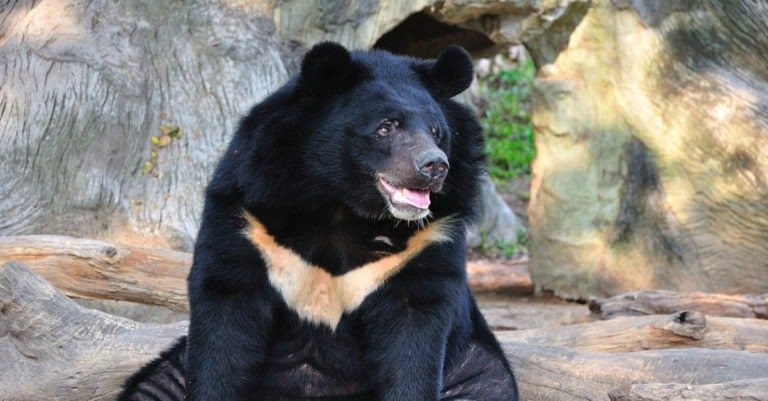
Himalayan Black Bear (Asiatic Black Bear) Widely distributed across forest belts; notable both for ecological role and for human-wildlife interactions near farms and forest edges.
Golden Mahseer An iconic Himalayan river fish of the Teesta-Rangeet system; valued as a flagship for river health and angling heritage where allowed/managed.

Endemic & Rare Species

Sikkim Pika

Ochotona sikimaria

Regionally rare/high-elevation specialist; taxonomy and distribution are of conservation interest

A high-alpine pika associated with talus slopes; emblematic of Sikkim's cold-climate fauna and potentially sensitive to warming and habitat shifts.

Himalayan Musk Deer

Moschus leucogaster

Threatened by poaching/illegal trade pressure; protected species in India

Sikkim's subalpine forests and scrub provide important habitat; conservation attention focuses on anti-poaching and habitat integrity.

Chinese Pangolin

Manis pentadactyla

Critically Endangered (IUCN)

Occurs in parts of the eastern Himalaya; rare and heavily threatened by trafficking. Any populations in Sikkim's lower forests are of high conservation value.

Rufous-necked Hornbill

Aceros nipalensis

Vulnerable (IUCN); very local in the eastern Himalaya

A flagship of mature broadleaf forests; where present it signals high-quality, contiguous forest and is sensitive to logging and disturbance.

Himalayan Newt (Himalayan Salamander)

Tylototriton verrucosus

Regionally uncommon; sensitive to wetland/stream degradation

A notable amphibian of forested wetlands and seepage areas in the eastern Himalaya; important for highlighting freshwater microhabitat conservation.

King Cobra

Ophiophagus hannah

Vulnerable (IUCN)

A rare apex reptile of lower and mid-elevation forests; its presence indicates relatively intact forest-agro mosaic and healthy snake assemblages.

Notable Populations

  • Red panda populations in Sikkim's temperate broadleaf-conifer forests form an important part of the species' Indian Himalayan stronghold (with connectivity relevance to Nepal/Bhutan).
  • High-altitude predator-prey systems (snow leopard-bharal) in Khangchendzonga National Park represent one of India's key eastern Himalayan snow leopard landscapes.
  • Exceptional pheasant diversity across elevation bands (monal, blood pheasant, satyr tragopan and other Himalayan forest/alpine galliforms) is a defining feature of Sikkim birding.
  • Cold, fast-flowing headwaters and mid-river stretches of the Teesta-Rangeet basin support characteristic Himalayan river fish assemblages (e.g., mahseer and snow trout) where connectivity and flows persist.

Recent Changes

  • Improved monitoring (camera traps and landscape surveys) has increased confirmed detections and distribution knowledge for elusive carnivores (e.g., snow leopard, clouded leopard), though true population trends remain difficult to quantify.
  • Hydropower development, flow regulation, and river fragmentation in the Teesta basin have increased concern about declines/pressures on migratory and large-bodied river fishes (including mahseer) and overall riverine biodiversity.
  • Human-wildlife interface reports (crop raiding and livestock depredation) have expanded in some areas as agriculture/settlements and wildlife share tighter edge habitats, involving species such as black bear and leopard.
  • Climate-linked upslope pressure is a growing concern for alpine specialists (pikas, high-elevation birds and mammals), with potential range contraction where suitable cold habitat diminishes.
Visit

Wildlife Viewing

Sikkim has rich Himalayan wildlife in a small mountain area, from warm subtropical valleys to temperate forests, rhododendron zones, and high alpine meadows near Tibet. Key animals include red panda, Himalayan black bear, musk deer, goral, serow, and rarely snow leopard. Birding is excellent, with pheasants, laughingthrushes, yuhinas, sunbirds, raptors, and other high-altitude species.

Best Seasons

Spring (March-May)

Peak all-around season. Rhododendrons bloom (especially in mid-elevation forests), visibility is generally good, and birds are active with breeding displays and song. Excellent time for temperate-forest mammals like red panda in key habitats (still never guaranteed) and for pheasant-focused birding in areas such as Khangchendzonga landscapes and forest corridors around Gangtok-Pakyong-Ranka.

Monsoon (June-September)

Lush forests, abundant butterflies, frogs, and other herpetofauna activity; rivers and waterfalls at their most dramatic. However, leeches, frequent rain, cloud cover, and landslides can disrupt travel-many high routes and trails may be impractical. Best for naturalists comfortable with wet conditions and interested in insects, amphibians, and rainforest-like ambience in lower valleys.

Autumn (October-November)

Crisp weather and the clearest mountain views; trails reopen and road access is typically strongest. Great for high-altitude birding and raptors, and for combining wildlife watching with scenic trekking in the Khangchendzonga region. Mammal encounters are still chance-based but mornings can be productive in quiet forests.

Winter (December-February)

Best time for certain high-altitude and open-country birds (some altitudinal migrants move lower), with fewer tourists and clear, cold mornings. Snow can close high passes and restrict access above mid-elevations; wildlife viewing shifts to lower and mid-elevation forests and river valleys. Ideal for focused birding, photography with crisp light, and tranquil forest walks around accessible sanctuaries.

Top Wildlife Experiences

  • Red panda tracking-style forest walks (with local naturalist) in and around Khangchendzonga-linked habitats-commonly approached via the Yuksom/West Sikkim gateway for multi-day nature treks and quiet temperate forests.
  • Birding the Fambong Lho Wildlife Sanctuary (near Gangtok): early-morning walks for mixed feeding flocks, laughingthrushes, yuhinas, and forest raptors; great for visitors with limited time who still want high-quality Himalayan birding.
  • Kyongnosla Alpine Sanctuary day trip (Gangtok-Tsomgo corridor): high-altitude birding and alpine habitat exploration; look for accentors, rosefinches, and raptors depending on season (carry warm layers and plan for quick weather shifts).
  • Pheasant and high-biodiversity birding circuits in South and East Sikkim's forest belts (e.g., around Ravangla/Temi tea area and forest edges): dawn-and-dusk sessions for elusive Himalayan pheasants, plus sunbirds and barwings in flowering seasons.
  • Butterfly and moth watching in lower-elevation subtropical valleys (especially during warm months and post-monsoon clear spells): targeted walks along sunny forest roads and riverine edges for swallowtails and other Himalayan specialties.
  • Dawn wildlife-and-bird photography hide-style sessions (informal, mobile 'sit spots') along quiet forest tracks near sanctuaries: focus on light, calls, and patience rather than distance-excellent for natural behavior shots.
  • Multi-day Khangchendzonga landscape trek that prioritizes biodiversity (not just viewpoints): incorporate slow forest days, rhododendron belts, and alpine meadows with dedicated birding/mammal time rather than rushing to passes.

Wildlife Watching Types

Mammal tracking and quiet forest walks (red panda-focused in suitable habitats) High-altitude wildlife viewing (alpine birds, mountain ungulates; rare big-cat sign) Birding hotspots and mixed-flock watching in temperate broadleaf and conifer forests Pheasant-focused dawn/dusk birding sessions Butterfly and insect watching (best in warm/monsoon and post-monsoon periods) Herping (amphibians/reptiles) in monsoon-friendly lower valleys Raptor watching from ridgelines and open valleys (especially autumn/winter) Wildlife photography (forest light, rhododendron blooms, high-alpine landscapes)

Guided Options

  • Khangchendzonga National Park & Biosphere Reserve-oriented guided treks (Yuksom/West Sikkim entry) with certified local guides-best for combining trekking with wildlife interpretation and ethical red panda searching.
  • Sikkim Forest Department-approved guides for Fambong Lho Wildlife Sanctuary and Kyongnosla Alpine Sanctuary day trips (arranged via local tour operators in Gangtok).
  • Dedicated birding tours based out of Gangtok/Ravangla that rotate across elevations (subtropical-to-alpine in a single itinerary) to maximize species variety across seasons.
  • Community-based homestay + naturalist programs in West and South Sikkim that include guided forest walks, bird lists, and local habitat knowledge (excellent for slower, low-impact wildlife travel).
  • Butterfly/photography-focused guiding (seasonal) in lower valleys and forest roads where local guides know puddling sites and flowering corridors-useful in spring and post-monsoon windows.
  • Custom private jeep + walking safaris (not a 'safari park'-a road-and-trail approach) for positioning at dawn birding points, sanctuary entrances, and quiet forest tracks with a local naturalist/driver-guide team.
Habitats

Ecosystems

Sikkim has a big height range from about 300 m to over 8,000 m, giving big changes from subtropical river valleys to temperate forests, then subalpine krummholz, alpine meadows, and nival/tundra-like zones. Heavy rain, glaciers, and fast rivers create moist forests and freshwater habitats, supporting rich plants especially rhododendrons and orchids and animals like the red panda.

Biomes

Tropical Rainforest

Warm, very moist low-elevation valleys and foothill zones support lush evergreen/semi-evergreen forests with dense understory and climbers, grading quickly into subtropical broadleaf forests as elevation rises.

Small and localized in the far south and lower Teesta/Rangit valley belts (lowest elevations); patchy due to steep terrain and land use.

Temperate Rainforest

Moist temperate broadleaf and mixed forests with frequent fog/cloud immersion (cloud-forest-like conditions) on humid slopes; rich epiphytes, mosses, and diverse rhododendrons in mid-elevations.

Widespread on wetter mid-elevation slopes (generally ~1,800-3,000 m), especially in protected and less-settled catchments.

Temperate Forest

Broadleaf (oak, maple, magnolia) and mixed temperate forests transitioning to conifer-dominated stands at higher elevations; strong aspect-driven variation across valleys and ridges.

Major share of the state's natural vegetation across mid to upper elevations (~1,200-3,500 m), interspersed with settlements and agriculture.

Alpine

Above treeline, alpine meadows, dwarf rhododendron/juniper scrub, scree slopes, and glaciated/nival zones; short growing season with high seasonal snow cover.

Extensive in the high north and around major peaks/glaciers (roughly >3,800-4,000 m), forming a large portion of the state by area though sparsely vegetated.

Tundra

Cold, wind-exposed high-elevation zones with very sparse vegetation (cushion plants, lichens) on rocky ground near the nival belt; functions as tundra-like habitat at the highest, harshest elevations.

Localized patches near the upper alpine/nival transition (highest ridgelines and glacial margins).

Freshwater

Glacier- and snow-fed rivers (notably the Teesta and Rangit), steep torrents, high-altitude lakes, springs, and riparian corridors; strong seasonality in flow and sediment transport.

Statewide along all major valleys and headwaters; highest density in mountainous catchments and glacial source areas.

Wetland

High-altitude marshy flats, lake-edge wetlands, peat-forming boggy patches, and riparian wetlands along broader valley bottoms; important for water storage and specialized flora.

Scattered and generally small in area, concentrated around high-altitude lakes/valley bottoms and along riparian zones.

Habitats

Mountain

Steep Himalayan terrain with sharp climatic gradients, frequent landslides, and strong differences between sunny/leeward slopes and humid/cloudy slopes.

Forest

Continuous forest cover across large elevational bands; includes subtropical to subalpine formations and many protected tracts supporting red panda habitat.

Rainforest

Very moist low-elevation evergreen/semi-evergreen pockets with dense understory and high plant diversity in sheltered valleys.

Deciduous Forest

Temperate broadleaf stands (often oak-maple-mixed broadleaf) that can be partially deciduous/seasonally leaf-shedding depending on elevation and exposure.

Coniferous Forest

Upper temperate to subalpine conifer forests (fir, hemlock, spruce, pine in some belts), often with mossy ground layers and rhododendron understories.

Shrubland

Subalpine/alpine dwarf rhododendron and juniper scrub, especially above treeline and on wind-exposed slopes.

Grassland

Alpine and subalpine grasslands used seasonally for grazing; includes flower-rich meadows during the monsoon/summer growing season.

Alpine Meadow

High-elevation meadows (often within/near protected areas) with short, seasonal bursts of wildflowers; key summer habitat for many alpine species.

Cliff/Rocky Outcrop

Rock faces, gorges, and escarpments along deeply incised valleys (e.g., Teesta corridor) supporting cliff plants and nesting/roosting sites.

Cave

Small caves/rock shelters occur locally in cliff bands and limestone/rocky areas; limited but important microhabitats for bats and invertebrates where present.

River/Stream

Fast-flowing glacier-fed rivers and tributaries (Teesta, Rangit) with braided sections in wider valleys and strong monsoon-driven discharge peaks.

Lake

High-altitude lakes (including glacial and moraine-dammed lakes) with cold, oligotrophic waters and sensitive shore wetlands.

Pond

Small village ponds and minor natural pools, often important for amphibians and local water storage in settled valleys.

Wetland

Marshy valley bottoms, lake-edge wetlands, and riparian wet patches supporting sedges, reeds, and moisture-dependent species.

Bog

Localized peat-accumulating wet patches at higher elevations where drainage is impeded; ecologically sensitive and carbon-storing.

Agricultural/Farmland

Terraced farming on slopes (e.g., maize, paddy in lower areas, and diverse horticulture); creates a mosaic with forest edges and hedgerows.

Plantation

Cardamom-based agroforestry and other cash-crop plantings integrated into forested landscapes, often under partial shade.

Urban

Compact towns (e.g., Gangtok and valley market centers) concentrated on ridges/valley sides, creating localized habitat fragmentation and human-wildlife interfaces.

Suburban

Peri-urban expansion around towns with mixed gardens, smallholdings, and secondary scrub/woodland patches.

Ecoregions

Eastern Himalayan broadleaf forests Eastern Himalayan subalpine conifer forests Eastern Himalayan alpine shrub and meadows Himalayan subtropical broadleaf forests Himalayan subtropical pine forests
Protection

Conservation

Primary Threats

  • Road widening, border-road construction, and hydropower development-especially in the Teesta basin-fragment forests, destabilize slopes (landslides), increase sediment loads in rivers, and open previously remote habitats to higher human access, raising disturbance and poaching risk.
  • Forest and riparian habitat fragmentation occurs around expanding towns (e.g., Gangtok corridor), new roads, quarry sites, and conversion/expansion of horticulture (cardamom and other cash crops) in lower to mid elevations, reducing connectivity for species like red panda and clouded leopard.
  • Warming-driven glacier retreat and changing snow cover affect alpine water availability and meadow phenology; treeline shifts and altered bamboo/understory dynamics can change red panda forage and shelter. Increased intensity of extreme rainfall events elevates landslide frequency, impacting both habitats and infrastructure.
  • High tourism and trekking pressure (popular trails, alpine lakes, and high passes) brings noise, trail proliferation, campsite impacts, and wildlife displacement; waste and off-trail movement can degrade sensitive alpine and subalpine zones that recover slowly.
  • Transboundary trafficking risk is elevated due to proximity to Nepal, Bhutan, and the Tibet Autonomous Region; targeted species include pangolins (scales), musk deer (musk pod), and high-value cat species (skins/bones), with movement facilitated by road networks.
  • Localized opportunistic or traditional hunting persists in some remote areas (often aimed at ungulates and small mammals), which can reduce prey availability for large carnivores and threaten small, isolated populations.
  • Crop raiding by wild boar and bears and livestock depredation by snow leopard and other carnivores occur in fringe villages and high-elevation pastoral areas, sometimes leading to retaliatory harm or pressure to remove problem animals.
  • Solid-waste accumulation along tourist routes and towns, plus construction debris and increased sedimentation from road cutting/hydropower works, affects rivers and wetlands and can degrade habitat quality in valley bottoms.
  • Fuelwood collection and harvesting of non-timber forest products (including medicinal plants and orchids) can be locally intense near settlements and trekking corridors, reducing understory structure and regeneration in temperate forests.
  • In lower and mid elevations, invasive weeds along roadsides, disturbed slopes, and agricultural edges can outcompete native understory plants, degrading habitat quality and complicating forest regeneration after landslides or construction.
  • Spillover risk from free-ranging dogs and livestock (e.g., canine disease impacting carnivores; livestock pathogens affecting wild ungulates) is a concern near villages, roads, and grazing areas, especially where wildlife and domestic animals overlap.
  • Riverbed extraction (sand/stone) and small quarrying for construction materials can destabilize banks, increase turbidity, and degrade aquatic/riparian habitats, particularly where demand rises with road and hydropower projects.
  • River flow regulation from hydropower cascades alters seasonal discharge and sediment transport in the Teesta system; fire regimes can also be altered near settlements and roads, affecting forest structure and regeneration.
  • Expansion around Gangtok and other growth nodes increases land conversion, night lighting, traffic, and waste-pressuring nearby forest patches and creating more frequent human-wildlife encounters on the urban-forest edge.
  • Shifts toward market-linked horticulture and plantation-style crops in suitable mid-elevation zones can simplify habitat mosaics and reduce native forest cover/connectivity, with knock-on effects for forest specialists.
  • While large-scale legal logging is constrained, localized illegal felling and chronic lopping for timber/fuelwood near access routes can degrade forest quality and remove old trees important for nesting/denning and ecosystem stability.
Fun Facts

Did You Know?

Red pandas in Sikkim aren't "mini giant pandas": they're in their own family (Ailuridae) and use a "false thumb" (an enlarged wrist bone) to grip bamboo-one reason intact temperate bamboo-understory forests are critical for them.

In Sikkim you can move through many biomes: low valleys have subtropical animals, mid hills have broadleaf-conifer forests with red panda, and high alpine zones have cold-loving species like blue sheep (bharal) and snow leopard prey.

Sikkim's state bird, the blood pheasant, gets its dramatic name from crimson feathering-not from blood-yet it thrives in harsh, near-treeline habitats where few other pheasants regularly forage.

The Himalayan monal's metallic greens and blues (seen in Sikkim's high forests) come largely from microscopic feather structure that manipulates light-more like natural "nanotechnology" than pigment-based color.

In Sikkim's steep, forested areas many famous Himalayan mammals are spotted more by camera traps than by people; shy animals like red panda, musk deer, and clouded-leopard-range cats show up first on timed cameras.

One of the world's highest protected wildlife areas, Khangchendzonga National Park ranges from about 1,800 m to the Kanchenjunga massif (8,586 m), with wildlife from forests to near-summit alpine desert.

Bird diversity packed into a tiny map: despite being only ~7,096 km², Sikkim has 550+ recorded bird species-an unusually high species-to-area ratio for any Indian state.

Butterfly hotspot for its size: publications and checklists report 700+ butterfly species from Sikkim, a very high total for a single Himalayan state (and a major draw for butterfly-focused ecotourism and surveys).

Rhododendron concentration at high elevation: Sikkim is documented with ~40+ rhododendron species, and North Sikkim's Shingba Rhododendron Sanctuary protects dense, high-altitude rhododendron forests (roughly 3,000-4,500 m), making it one of India's most notable rhododendron-focused reserves.

Thank you for reading! Have some feedback for us?