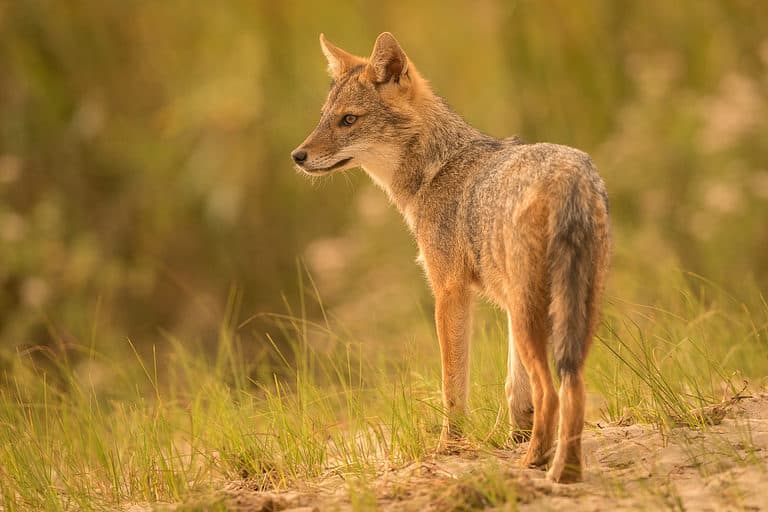
Golden Jackal
Eurasia's adaptable, omnivorous canid

Eurasia's adaptable, omnivorous canid
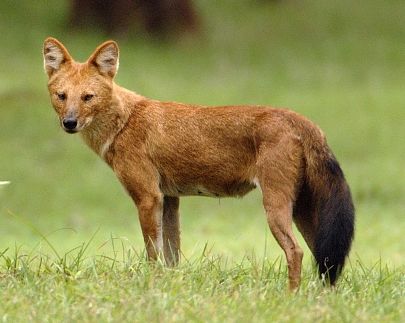
The Whistling Pack Hunter of Asia
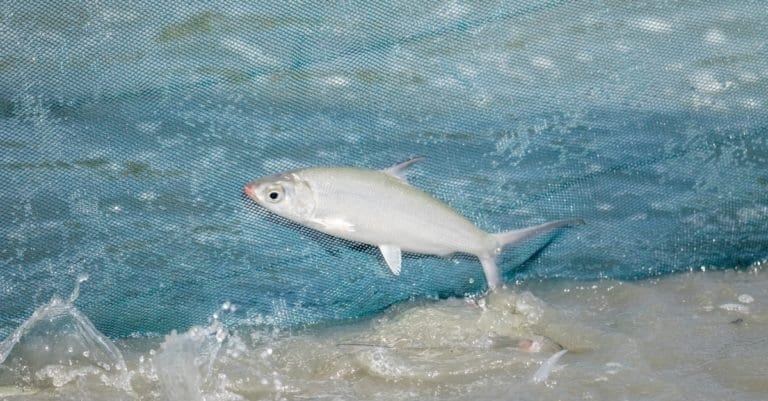
Milkfish: silver strength of the tropics
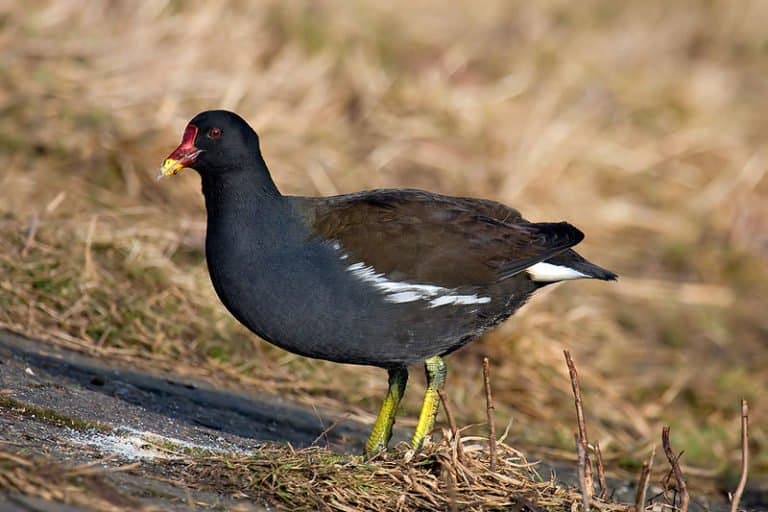
The reed-bed runner on lily pads
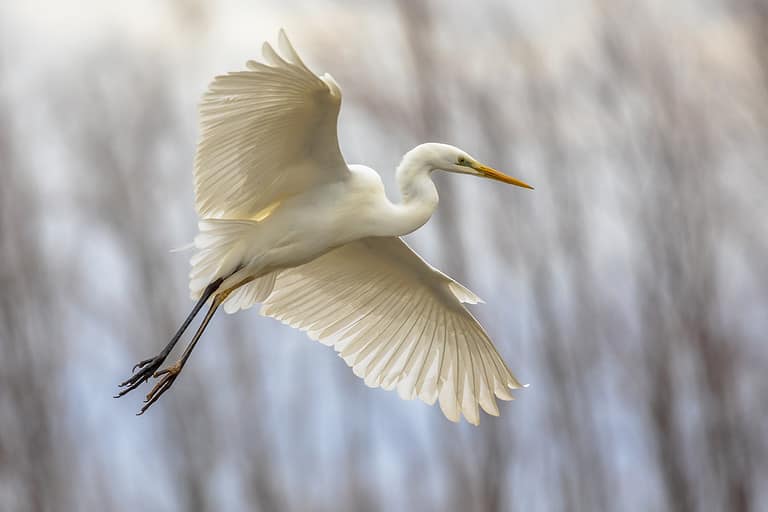
Big white hunter of the wetlands
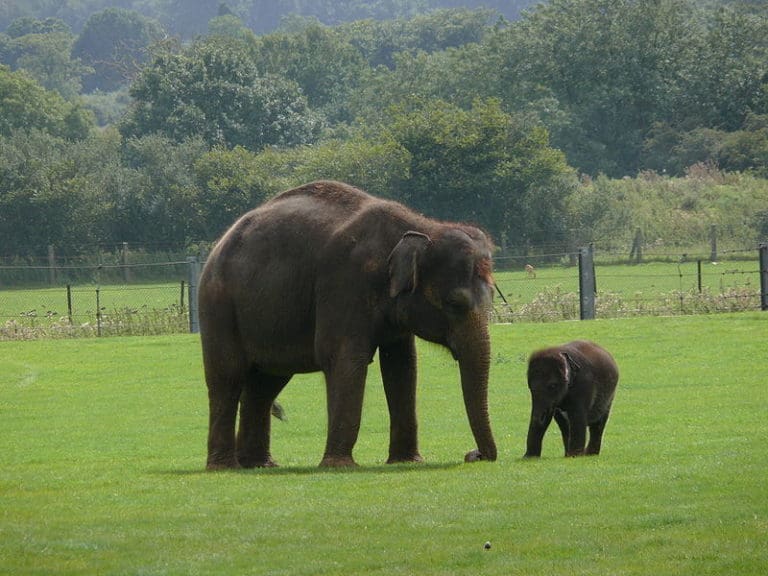
One trunk-many forests sustained
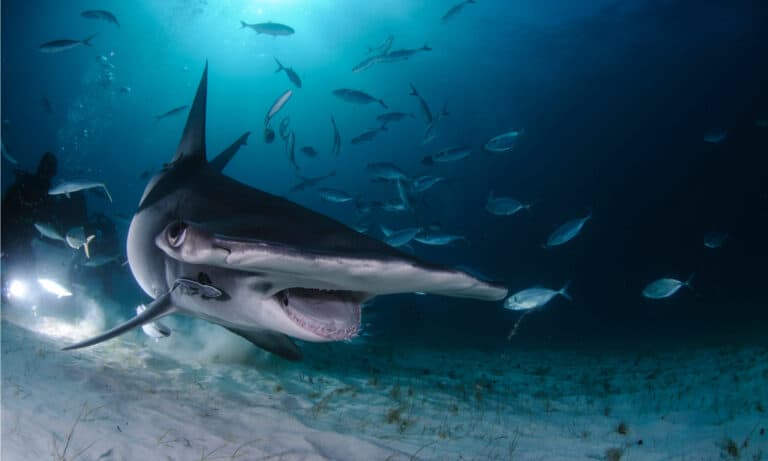
Biggest hammerhead, biggest comeback needed
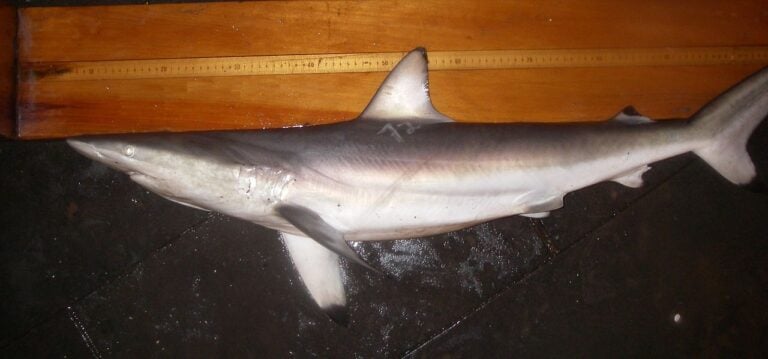
Spin, surge, strike-coastal hunter

Spotted swimmer of Asia's wetlands
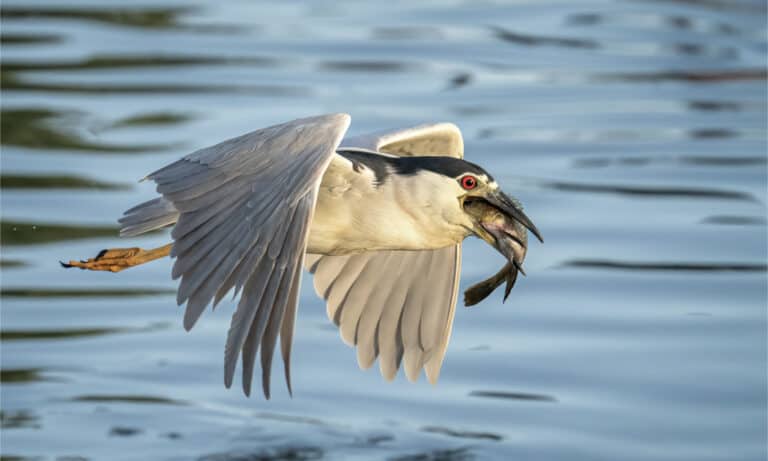
Night hunter with a black-crowned cap
Kerala's wildlife is shaped by quick changes in habitat: wave-battered Arabian Sea shores and mangrove-lined backwaters to lowland evergreen forests and misty high-elevation shola–grassland patches in the Western Ghats. As part of the Western Ghats global biodiversity hotspot, Kerala has many endemic species—plants, frogs, reptiles, and birds that live nowhere else—especially in wet monsoon forests and isolated mountain pockets. Main habitats include the Western Ghats' evergreen and semi-evergreen forests (important for mammals that move over large areas, like elephants and big predators), montane shola forests and grasslands (safe places for cool-loving endemics), and a coastal wetland network of estuaries, lagoons, and backwaters that serve as fish nurseries and support many birds. You can move quickly from rainforest trails to wetland birding and estuary boat trips, seeing Western Ghats endemics and coastal animals in one trip.
Kerala's wildlife follows a steep west-to-east rise from the Arabian Sea coast and brackish backwaters to the forested Western Ghats. This creates tight habitat zones—mangroves, estuaries, wetlands; lowland evergreen and moist deciduous forests; and montane evergreen forests with grassland mosaics—leading to many species changing over short distances and many Western Ghats endemic species in the hills.
Sea level to ~2,695 m (Anamudi, the highest peak in South India)
Arabian Sea coastline (~590 km) with extensive estuaries and brackish backwaters/lagoons (e.g., the Vembanad backwater system).
Designated 2013
Kerala's protected areas center on the Western Ghats and coastal and backwater wetlands for migratory waterbirds. Most key habitats are run by the Kerala Forest Department as National Parks, Wildlife Sanctuaries and Tiger Reserves, connecting with Tamil Nadu and Karnataka (Periyar-Agasthyamalai, Nilgiri-Wayanad). The network protects Asian elephant, tiger, Nilgiri tahr and wetland bird groups.
~9% of Kerala's land area is under formal protection (National Parks/Wildlife Sanctuaries/Tiger Reserves; approximate).
One of South India's premier large-mammal landscapes, centered on evergreen forests and the Periyar Lake; excellent for viewing Asian elephants and conserving a full Western Ghats predator-prey community.
Iconic high-altitude shola-grassland mosaic on the Anamalai hills; globally important for the largest wild population of Nilgiri tahr and spectacular montane endemism.
One of India's best-preserved tracts of tropical evergreen rainforest; a stronghold for Western Ghats endemics and rainforest primates, with high wilderness integrity.
Compact but biodiversity-rich shola forest in the Idukki high ranges, protecting rare montane habitat and acting as part of a larger Western Ghats connectivity mosaic.
High-elevation shola patches near Kerala's highest peaks; important for endemic birds and mammals and for securing headwater catchments.
Small, intact shola forest complex that complements nearby montane parks; noted for endemic fauna and as a stepping-stone habitat for wide-ranging mammals.
A major elephant and tiger landscape linking Bandipur-Nagarahole (Karnataka) with Mudumalai (Tamil Nadu); excellent for large-herbivore viewing and corridor conservation.
Notable for its drier rain-shadow forests and riparian habitats-distinct within Kerala-supporting species less common in the state's wetter forests.
Part of the Agasthyamalai region, with evergreen forest and reservoir-edge habitats; important for endemic primates and intact rainforest assemblages.
One of India's best-known birding sites in lowland Western Ghats forests, with high species richness and excellent chances for forest specialties.
India's largest lake-wetland system on the Kerala coast, critical for migratory waterbirds, fish nurseries, and brackish-water biodiversity across the backwaters.
A large palm-fringed estuarine backwater with extensive mangroves and clam/fish resources; a key wintering and staging habitat for waterbirds.
Estuary, mudflat and mangrove habitats supporting migratory shorebirds and terns; best visited seasonally for passage/wintering flocks.
A tiny but important urban mangrove refuge in Kochi, functioning as a breeding/roosting site for herons and egrets and a showcase for coastal mangrove conservation.
Kerala's wildlife is defined by a steep ecological gradient from the Arabian Sea coast and vast backwaters (lagoons, estuaries, mangroves, mudflats) up into the rainforests, montane evergreen forest-grassland mosaics, and montane cliffs of the Western Ghats-one of the world's major biodiversity hotspots. This mix supports iconic megafauna (elephants, tigers), exceptionally rich birdlife (hornbills, raptors, wetland birds), and very high endemism among amphibians, reptiles, and freshwater fishes in the Ghats' short, fast-flowing rivers.
Kerala packs varied wildlife into a small area: rainforests and shola-grassland mosaics, tea-and-cardamom hills, lowland evergreen forests, and coastal wetlands, estuaries and backwaters along the Arabian Sea. See Asian elephant, gaur, sambar, dhole, and Western Ghats endemics (Nilgiri tahr, lion-tailed macaque, Malabar trogon). Options include jeep safaris, guided forest walks, boat birding, and turtle nesting walks.
Best overall visibility and comfort for safaris and birding. Migratory waterbirds peak in wetlands (Kole Wetlands, Vembanad backwaters, Mangalavanam). Good chances for elephants, gaur, sambar, and leopard sightings on forest edges in Periyar, Wayanad, and Parambikulam. Ideal for multi-day itineraries combining hills + backwaters.
Excellent for mammal viewing around water sources and open areas-often strong for elephants and gaur. Tiger/leopard sightings are never guaranteed but this is a productive time to scan forest edges and waterholes (Periyar/Parambikulam/Wayanad). Midday heat can be intense; prioritize early mornings/late afternoons and carry hydration.
Lush landscapes, dramatic rainforest atmosphere, and great conditions for amphibians, butterflies, and monsoon-specialist life. Some trails/safaris may be limited due to heavy rain; leech protection is useful in forests. Birding can still be rewarding (resident endemics active), but visibility is reduced and boat trips depend on weather.
Forests are fresh and waterfalls/full wetlands create photogenic conditions. Many parks reopen/normalize routes; good time for rainforest walks and birding with comfortable temperatures. Increasing chances of clear days before peak season crowds; good for combining trekking + wildlife.
Kerala runs from the Arabian Sea coast and backwaters to midland laterite plains and the high Western Ghats, including shola‑grassland. This creates a tight mix of marine, estuarine, wetland, riverine, lowland evergreen/semi‑evergreen, moist deciduous, and montane ecosystems. The Western Ghats has many endemic plants, amphibians, and birds. Coastal and backwater areas support fisheries, migratory waterbirds, and help protect from floods.
Evergreen and semi-evergreen forests on the windward slopes of the Western Ghats and in key protected landscapes; includes very wet low- to mid-elevation forests and pockets of extremely species-rich evergreen canopy.
Patchy but significant along the Western Ghats belt, especially in higher-rainfall districts; mostly within protected areas and remaining forest blocks.
Drier deciduous formations occur on leeward/rain-shadow edges and in more seasonal tracts of the Ghats foothills; often transitional with moist deciduous forest.
Localized and discontinuous, mainly toward the eastern margins and drier interior pockets.
Montane grasslands interspersed with shola forest patches form a savanna-like grass-tree mosaic in high-altitude plateaus (shola-grassland system).
Restricted to high elevations of the Western Ghats (e.g., Anamalai-Palani-Nilgiri complex edges within/near Kerala).
Dense network of short, fast-flowing westward rivers from the Western Ghats, reservoirs, hill streams, and floodplain waterbodies; supports high freshwater fish diversity and riparian corridors.
Statewide along river basins (e.g., Periyar, Bharathapuzha, Pamba, Chalakudy) and major dams/reservoirs.
Arabian Sea coastal waters with sandy and rocky nearshore zones, productive continental shelf fisheries, and offshore pelagic systems influenced by monsoon upwelling.
Along the entire Kerala coastline and adjoining shelf waters.
Extensive brackish lagoons/backwaters, estuaries, mangrove-fringed creeks, paddy wetlands (including below-sea-level systems in places), and seasonal floodplain marshes; key for waterbirds and nursery habitats.
High along the coastal plain and estuarine mouths (notably Vembanad-Kol and Ashtamudi systems), plus scattered inland wetlands.
Lowland to mid-elevation evergreen/semi-evergreen tracts in the Western Ghats (e.g., Silent Valley-Nilgiri landscape edges, Periyar-Agasthyamalai complexes) with multilayered canopy and high endemism.
Broad mix of evergreen, semi-evergreen, moist deciduous, and riparian forests across the Ghats; strong protection footprint in wildlife sanctuaries and reserved forests.
Moist deciduous forests with teak and mixed hardwoods in mid-elevation Ghats and foothills; often forms buffer/transition around evergreen cores.
High-elevation montane grasslands interspersed with shola patches; important for endemic flora and specialized fauna, and sensitive to fire/invasive species.
Western Ghats escarpments, plateaus, and peaks shaping sharp rainfall and temperature gradients; includes steep valleys and high-altitude landscapes.
Short, high-gradient rivers with rapids and waterfalls in the Ghats transitioning to lowland alluvial channels; critical corridors for otters, fish, and riparian birds.
Large brackish-freshwater lagoon systems functionally behave as lakes (e.g., Vembanad Lake, Ashtamudi Lake) with complex salinity gradients.
Backwaters, paddy wetlands (kole/pokali landscapes), seasonal marshes, and floodplains supporting migratory waterbirds and fish nurseries.
Fresh to brackish marshy fringes around backwaters and river mouths; important for herons, egrets, and amphibians.
Mangrove patches in estuaries and tidal creeks (e.g., around Kannur, Kozhikode, Ernakulam and other estuarine pockets), acting as coastal buffers and nurseries.
Multiple river mouths with strong monsoon-driven flushing and dry-season salinity intrusion; high productivity and fisheries value.
Narrow coastal plain with dunes, spits, lagoons, fishing harbors, and dense human settlement; heavily modified but ecologically crucial.
Long sandy beaches and barrier spits along the Arabian Sea; turtle nesting occurs regionally and beaches are erosion-sensitive.
Scattered laterite/rocky headlands and intertidal platforms (more common in the north) with tidepools and benthic communities.
Nearshore sandy/muddy bottoms and continental shelf habitats supporting demersal fisheries (e.g., prawns, flatfish) and benthic fauna.
Pelagic waters off Kerala influenced by seasonal monsoon currents and upwelling, supporting tuna and other pelagic fisheries.
Dense urban corridors and port cities (e.g., Kochi, Thiruvananthapuram, Kozhikode) with fragmented green spaces and wetland pressures.
Mosaic of paddy fields, mixed homegardens, and smallholder plots; many areas intergrade with wetlands and canals.
Tea, coffee, rubber, cardamom and other plantations especially in mid/high elevations and midlands; biodiversity varies with shade/understory and proximity to forests.
In Kerala's Western Ghats lives the purple frog (Nasikabatrachus sahyadrensis), a strange burrowing amphibian that stays underground most of the year, surfacing only in the monsoon to breed; its closest relatives are in the Seychelles.
Some of Kerala's Western Ghats "bush frogs" (genus Raorchestes) skip the tadpole stage entirely: their eggs develop directly into tiny froglets on land, a strategy that avoids fast-flowing stream risks in monsoon forests.
Periyar's famous lake-and-forest scenery is partly the result of engineering: the Periyar Lake was created by the Mullaperiyar dam (late 1800s). What began as a reservoir later became prime habitat edges where elephants, gaur, sambar, otters and waterbirds concentrate.
Kerala has "rain-shadow" wildlife too: sanctuaries like Chinnar protect thorny dry forests on the eastern slopes of the Ghats-habitat that feels more like semi-arid Deccan than coastal Kerala and supports dry-zone specialists such as the grizzled giant squirrel.
In Kerala's backwaters, salinity changes with seasons, river flow, and local barriers. Lagoons and canals shift between salt and fresh, changing which fish and crustaceans thrive instead of a fixed sea vs freshwater divide.
Eravikulam National Park (Rajamalai, near Munnar) holds the largest single stronghold of the Nilgiri tahr (an endemic mountain goat of the Western Ghats), with population estimates often cited in the ~700-800 range in recent counts-making it the species' best-known refuge.
The Nilgiri-Wayanad-Bandipur-Nagarahole landscape (which includes Kerala's Wayanad and adjoining forests) is widely recognized by conservation assessments as the largest single connected population/landscape for Asian elephants anywhere in the world.
Vembanad Lake-core of the Vembanad-Kol Wetland (a Ramsar site)-is the longest lake in India (about 96 km), and its lagoon-marsh mosaic is one of South India's most important wintering and staging areas for migratory waterbirds.
Thattekad Bird Sanctuary (also called Dr. Salim Ali Bird Sanctuary) packs exceptional bird diversity into a very small area (~25 km²) and is often described (following Salim Ali's assessment) as among the richest bird habitats in peninsular India.
Periyar Tiger Reserve, in the southern Western Ghats, is one of India's oldest continuously run large protected areas. Its lake-edge areas give very reliable views of large herds of wild Asian elephants, especially in the dry season.
45 species documented in our encyclopedia
Thank you for reading! Have some feedback for us?
We appreciate your help in improving our content.
Our editorial team will review your suggestions and make any necessary updates.
There was an error submitting your feedback. Please try again.