N S W E
Wildlife Expeditions

Wildlife of
Mizoram

A rain-drenched, forest-cloaked hill state in the Indo-Burma hotspot where cloud forests, bamboo brakes, and borderland ridges shelter rare mammals and vivid birdlife.
18 Species
21,081 km² Land Area
Overview

About Mizoram

Mizoram’s wildlife grows from steep mountains, deep valleys, and some of Northeast India’s most unbroken forest—part of the Indo-Burma biodiversity hotspot where Indian and Southeast Asian species meet. High rain and rough land have kept subtropical broadleaf forests, bamboo-covered hills, and river-cut ravines that shelter shy, wide-ranging mammals and many kinds of birds. Key habitats are evergreen and semi-evergreen hill forests (home to canopy birds, primates, and forest carnivores), large bamboo stands (food and cover for herbivores and small mammals), and riparian corridors that help amphibians, reptiles, and wet-forest specialists. Protected areas like Dampa Tiger Reserve and Phawngpui (Blue Mountain) National Park protect life from warm lowlands to cool, misty mountains. Mizoram’s borderland mix of Indo-Malayan species, bamboo-and-cloud-forest homes, and quiet, rain-washed ridgelines give it a wild, patient-feel for wildlife viewing.

Physical Features

Geography

Mizoram's north–south hills and deep river valleys create changes in elevation and rainfall, shaping where wildlife live. Subtropical broadleaf forests, bamboo slopes, and riparian corridors support high species richness in the Indo‑Burma biodiversity hotspot. Shifting cultivation and forest edges affect where mammals and birds feed and move. Borders with Myanmar and Bangladesh link its forests and rivers to transboundary areas.

21,081 km² Land Area
5th smallest state in India by area Size Rank
India Country
State Type
Elevation Range

Approx. ~40 m to 2,157 m (Phawngpui/Blue Mountain)

Key Landscapes

Mizo (Lushai) Hills / Patkai hill system: steep, forested ridges and narrow valleys forming the dominant habitat template High-elevation massif of Phawngpui (Blue Mountain) and surrounding montane forests/grasslands River valleys and riparian forests: Tlawng, Tuirial, Tuivai, and the Chhimtuipui/Kolodyne system (key movement corridors and moist forest refugia) Western low hill tracts and riverine approaches toward the Barak-Surma basin (wetter low-to-mid elevation forests and edge habitats) Bamboo-rich slopes and secondary forests shaped by jhum (shifting cultivation), creating a patchwork of successional habitats Inland lakes and wetlands (e.g., Palak Dil, Tam Dil) supporting aquatic and waterbird habitat
State Symbols

Official Wildlife Symbols

animal

Serow

bird

Mrs. Hume's pheasant

tree

Indian ironwood

wildflower

Red vanda

Parks & Reserves

Protected Areas

Mizoram's protected areas lie in the Indo-Burma biodiversity hotspot, on steep, forested hills (subtropical broadleaf, bamboo, and montane forests). The official network has two National Parks, a large tiger reserve, and several Wildlife Sanctuaries that guard river valleys, ridges, and the Palak wetland. Reserved and Protected Forests and roadless border ridges (Myanmar–Bangladesh) add habitat links for wide-ranging mammals and forest birds.

Protected Coverage

~10-12% of Mizoram's land area is under notified protected areas (approximate; varies by source and whether tiger-reserve buffer/forest reserves are included).

National Parks & Preserves

Phawngpui (Blue Mountain) National Park

~50 km²

High-elevation montane forests and grassland slopes around Mizoram's highest peak; noted for upland birdlife and montane mammals, with strong scenic and conservation value.

Clouded leopard Himalayan serow Blyth's tragopan Hoolock gibbon Asiatic black bear

Murlen National Park

~100 km²

Dense, relatively intact forest near the Myanmar border, known for 'old-growth' character in parts, high bird diversity, and secretive small-to-medium carnivores typical of Indo-Burma forests.

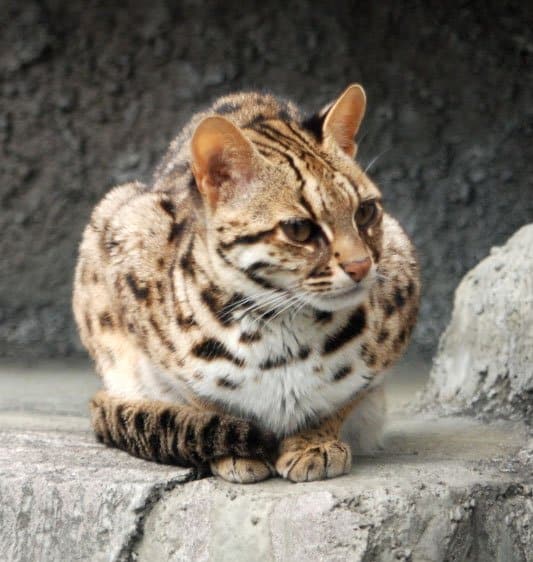
Clouded leopard Marbled cat Hoolock gibbon Wreathed hornbill Chinese pangolin

State & Provincial Parks

Reiek Tlang / Reiek Forest-Eco Park (Aizawl district)

Local forest-park complex (exact notified area varies by management unit).

State-managed forested ridge popular for nature walks and birding; useful for experiencing typical Mizo hill-forest mosaics (secondary broadleaf forest and bamboo) close to the capital region.

Hoolock gibbon Capped langur Kalij pheasant Bar-backed partridge Great barbet

Hmuifang Tlang Forest Recreation Area (near Aizawl)

Local forest-park complex (area varies by designated recreation/forest blocks).

High-rainfall hill forest and open glades that can be good for forest-edge birds and small mammals; a representative example of cooler upland habitats used for conservation awareness and low-impact visitation.

Capped langur Sambar Mountain scops owl Blue-throated barbet Asian fairy-bluebird

Vantawng-Thenzawl Forest & Eco-tourism Area (Serchhip district)

Site-based forest/eco-park area (not a single large notified PA).

Moist evergreen forest patches around one of Mizoram's best-known waterfall landscapes; notable for butterflies, amphibians, and forest birds in very wet subtropical habitat.

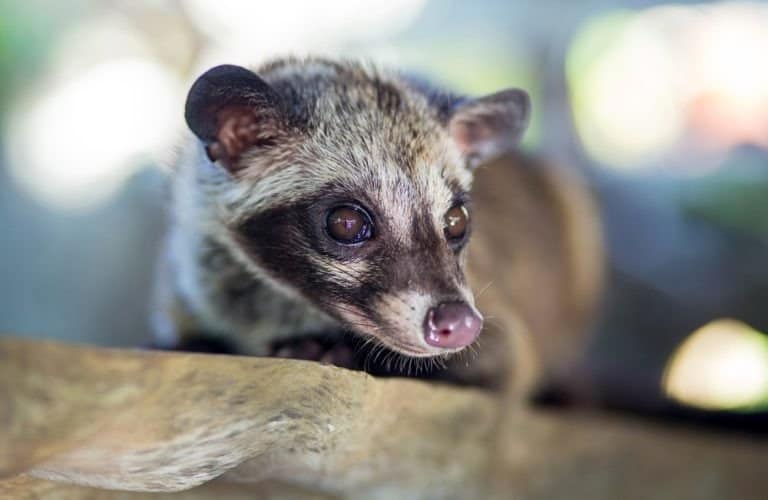
Wreathed hornbill Asian palm civet Himalayan striped squirrel Assamese macaque Mixed-species babbler flocks (forest passerines)

Wildlife Refuges

Ngengpui Wildlife Sanctuary

~110 km²

Important southern Mizoram sanctuary (near the Myanmar border) protecting rugged hills, riverine forest, and bamboo-strong for rare cats and intact Indo-Burma forest fauna.

Clouded leopard Marbled cat Asiatic black bear Hoolock gibbon Great hornbill

Lengteng Wildlife Sanctuary

~60 km²

Montane ridge-and-valley forests in eastern Mizoram; valued for high bird diversity and cooler-elevation forest communities, including pheasants and hornbills.

Blyth's tragopan Wreathed hornbill Clouded leopard Hoolock gibbon Himalayan serow

Palak Wildlife Sanctuary

~30 km²

Protects Palak Dil (Mizoram's largest natural lake) and surrounding forest-key for wetland birds, reptiles, and riparian biodiversity; one of the best sites in the state for waterbird viewing in a forest setting.

Otters (small-clawed/otter spp. reported regionally) Waterbirds (herons, egrets, kingfishers) Hoolock gibbon Capped langur Turtles and freshwater fish assemblages

Tawi Wildlife Sanctuary

~35 km²

Compact sanctuary protecting riverine habitats and moist hill forests; important as a connectivity node for wildlife moving through southern/central forest belts.

Leopard Clouded leopard Barking deer Wild boar Great hornbill

Dampa Wildlife Sanctuary (Dampa Tiger Reserve)

500 km² (Wildlife Sanctuary; tiger-reserve landscape is larger including buffer)

Mizoram's flagship protected area on the Bangladesh border, with large contiguous tracts of evergreen/semi-evergreen forest and bamboo; notified as a Wildlife Sanctuary and also designated as a Tiger Reserve.

Bengal tiger Clouded leopard Asian elephant Hoolock gibbon Great hornbill

Wilderness Areas

  • Dampa-western Mizoram hill forests along the Bangladesh border (large, relatively roadless forest blocks outside the core reserve that help maintain connectivity).
  • Chhimtuipui (Kaladan) river headwaters and gorge country in southern Mizoram (remote river-valley forests with high habitat heterogeneity).
  • Phawngpui (Blue Mountain) massif and adjoining high ridges (montane forest-grassland transitions with limited road access in parts).
  • Murlen-eastern border forests toward Myanmar (steep, sparsely settled tracts with intact evergreen forest patches).
  • Indo-Myanmar border ridgeline forests around Champhai-Ngengpui (mosaic of ridge forests and deep valleys supporting wide-ranging mammals and hornbills).
Animals

Wildlife

Mizoram's steep, rain-soaked hills support some of India's most intact Indo-Burma subtropical evergreen and semi-evergreen forests, with bamboo brakes, river valleys, and montane ridgelines (e.g., Phawngpui/Blue Mountain). This landscape produces a wildlife experience defined by forest primates, secretive cats, large herbivores moving through rugged corridors, and exceptionally rich birdlife (hornbills, laughingthrushes, and montane specials). Hunting pressure and shifting cultivation have historically reduced wildlife in many areas, but several protected areas (notably Dampa Tiger Reserve, Murlen NP, Phawngpui NP, Ngengpui WLS) remain key refuges and survey hotspots.

≈90-110 species (statewide checklists/surveys; includes multiple primates, cats, and ungulates) Mammals
≈550-650 species (among the richest bird lists in India's hill states, boosted by Indo-Malayan elements) Birds
≈60-90 species (forest and riverine reptiles, including large snakes and hill turtles) Reptiles
≈30-50 species (high rainfall supports diverse frogs; new records continue) Amphibians
≈150-250 species (hill-stream and river fishes; taxonomy and totals vary by survey coverage) Fish
Examples

Iconic Species

Eastern Hoolock Gibbon India's only ape; heard more often than seen in Mizoram's tall forests, especially in well-protected valleys-its dawn duets are a signature experience.
Clouded Leopard
Clouded Leopard A flagship secretive forest cat of Indo-Burma hills; camera-trap highlights from dense evergreen forests (e.g., Murlen-Dampa landscapes) draw wildlife enthusiasts.
Asian Elephant
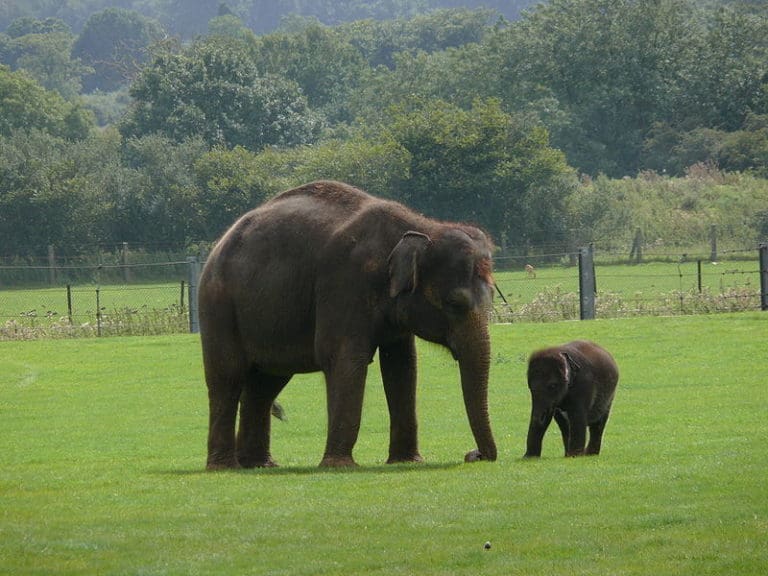
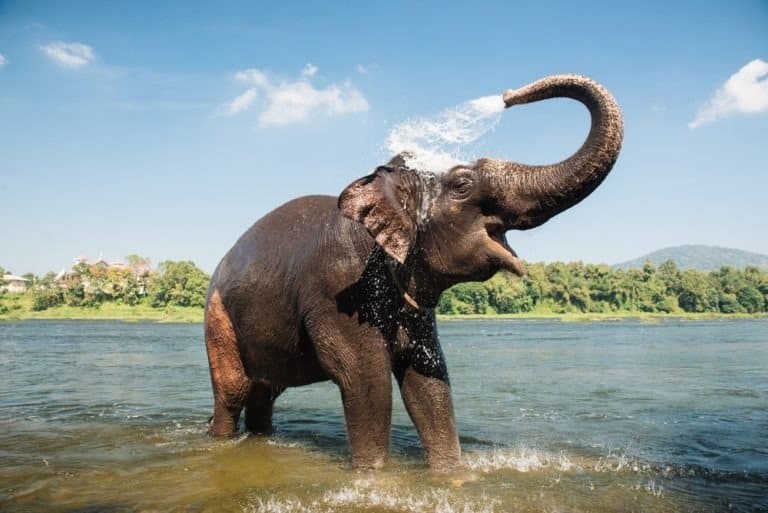
Asian Elephant Small, mobile herds use forest corridors and river valleys; sightings are most likely near low-elevation forest tracts and edge mosaics, though conflict can occur.
Gaur (Indian Bison) The largest wild bovine; seen in robust lowland forests and clearings-an indicator of relatively intact habitat in parts of Dampa and adjoining areas.
Great Hornbill A canopy icon of mature forests; its presence signals large old trees needed for nesting-key for Mizoram's forest-bird identity.
Wreathed Hornbill Often more frequent than Great Hornbill in Indo-Malayan hill forests; impressive flocks can appear along fruiting trees and ridge forests.
Blyth's Tragopan A sought-after montane pheasant of Northeast India; encountered (rarely) in cool hill forests and undergrowth, especially in better-protected highlands.
Asiatic Black Bear
Asiatic Black Bear A wide-ranging hill-forest bear; mostly nocturnal/secretive, but signs are common in montane forests and bamboo-rich areas.
Mainland Serow A rugged cliff-and-forest ungulate typical of steep Mizoram terrain; prized by naturalists for its elusive behavior on rocky slopes.

Endemic & Rare Species

Chinese Pangolin

Manis pentadactyla

Critically Endangered (IUCN); heavily threatened by poaching/illegal trade

Mizoram lies within a key remaining range belt in Northeast India; protection here matters for one of Asia's most trafficked mammals.

Western Hoolock Gibbon

Hoolock hoolock

Endangered (IUCN); locally vulnerable to forest fragmentation

Globally important Indo-Burma ape populations persist where continuous canopy remains-making Mizoram's intact valleys especially valuable.

Bengal Tiger

Panthera tigris tigris

Endangered (IUCN); very low density/rare in Mizoram

Occasional presence is most associated with Dampa and adjoining forest blocks; maintaining prey and connectivity is critical for any recovery.

Dhole (Asiatic Wild Dog)

Cuon alpinus

Endangered (IUCN); declining across much of its range

An indicator of functioning forest ecosystems with adequate prey; persists patchily in larger forest landscapes of the Indo-Burma hills.

White-winged Duck

Asarcornis scutulata

Endangered (IUCN); rare and local

Depends on quiet, forested wetlands/oxbows; any Mizoram records are conservation-significant in the Indo-Burma region.

Asian Small-clawed Otter

Aonyx cinereus

Vulnerable (IUCN); threatened by wetland degradation and hunting

A charismatic riverine species; Mizoram's clean hill streams and forest rivers can still support otters where disturbance is low.

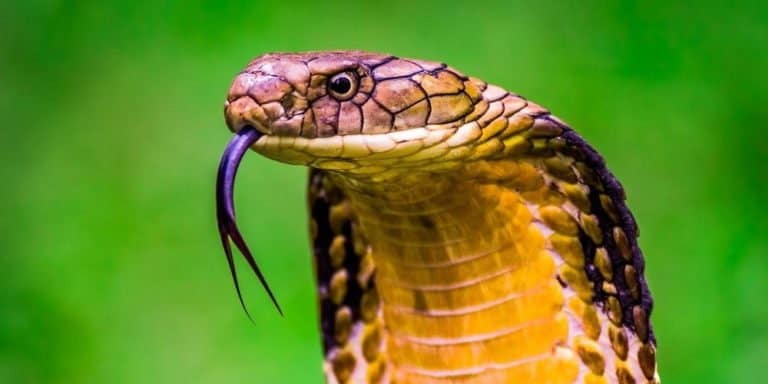
King Cobra

Ophiophagus hannah

Vulnerable (IUCN); persecuted and affected by habitat loss

An Indo-Malayan forest emblem; persists in well-wooded tracts and bamboo-dominated landscapes, but is sensitive to disturbance and killing.

Notable Populations

  • Western Hoolock Gibbon populations in larger continuous forest blocks (notably the Dampa landscape) are among the more important remaining strongholds in Northeast India.
  • Hornbill assemblages (Great Hornbill and Wreathed Hornbill) in mature lowland-to-mid elevation forests represent a nationally important indicator of intact canopy and large nesting trees.
  • Dampa Tiger Reserve and adjacent forests function as a significant connectivity zone for wide-ranging mammals (elephants, large carnivores) within the Indo-Burma hill arc bordering Bangladesh/Myanmar.

Recent Changes

  • Better camera-trapping and targeted surveys in protected areas have increased recent confirmations of elusive carnivores (especially clouded leopard and other small cats), improving understanding of their distribution.
  • Wildlife depletion persists in some unprotected areas due to hunting and habitat conversion, with local declines most evident in large-bodied mammals and ground birds where enforcement/community controls are weak.
  • Human-elephant interactions have intensified in some landscapes as herds move through edge mosaics (farms/secondary growth), increasing conflict risk and highlighting the need for corridor protection.
  • Expanded documentation of herpetofauna (new state records and taxonomic updates) continues as more hill streams and remote forest tracts are surveyed.
Visit

Wildlife Viewing

Mizoram is a rugged, rainy state in India's Northeast, inside the Indo-Burma biodiversity hotspot. Wildlife viewing means deep forest trips—listening for gibbons at dawn, watching river edges for otters, and birding in subtropical evergreen and bamboo forests. It needs tracking and patience, with many birds and rare mammals like the clouded leopard.

Best Seasons

Winter (Nov-Feb)

Best overall for comfortable travel and wildlife time: clear mornings, lower humidity, and good trail conditions. Peak season for birding (mixed flocks, laughingthrushes, barbets, hornbills in suitable habitats) and for dawn primate listening walks. Rivers and forest edges are easier to scan; leeches are minimal compared to monsoon months.

Spring (Mar-Apr)

Excellent for birds (breeding calls, brighter plumage activity) and for forest photography-fresh foliage and good light before heavy rains. Great time for guided hikes in sanctuaries and community forests; butterflies begin to pick up on sunny days.

Early monsoon (May-Jun)

Forests become intensely green and alive-amphibians, reptiles, and insects are active, and bird vocal activity can be high. Expect frequent rain, slippery trails, leeches, and occasional road disruptions; best for visitors who want a rainforest-style experience and don't mind wet conditions.

Peak monsoon (Jul-Sep)

Spectacular rainforest atmosphere but the most challenging for logistics: heavy rainfall, landslide risk on hill roads, limited visibility, and difficult trekking. Wildlife is present, but viewing can be harder. Best for short, flexible, low-risk outings near towns or with local guides who can adjust plans.

Post-monsoon (Oct-early Nov)

A strong shoulder season: waterfalls and streams are full, forests remain lush, and travel conditions steadily improve. Good for birding and general wildlife walks; fewer crowds and comfortable temperatures as the state dries out.

Top Wildlife Experiences

  • Dampa Tiger Reserve (western Mizoram): guided forest drives and early-morning birding on forest roads and clearings, focus on hornbills, woodpeckers, barbets and primates; seeing big cats is rare—look for tracks and signs with a skilled local naturalist.
  • Ngengpui Wildlife Sanctuary (southern Mizoram): quiet, low-traffic forest hikes for "deep forest" species-excellent for listening-based wildlife watching (gibbons, cuckoos, laughingthrushes) and for spotlighting nocturnal insects/amphibians with a guide after dark (where permitted).
  • Blue Mountain (Phawngpui) National Park near Sangau, Lawngtlai: high-elevation treks with wide views and rare birds. Walk ridges and scan forest edges for raptors, hill birds, and seasonal mixed flocks—one of the state's best-known nature areas.
  • Palak Lake area (near Phura): dawn-and-dusk birding around the lake margins and surrounding forest patches; ideal for water-edge species plus forest birds in a compact area-plan for slow, quiet stakeouts with binoculars and a local spotter.
  • Tawi/Tlawng river corridors near Aizawl and central Mizoram: riverbank birding and mammal sign walks (otter possibilities in suitable stretches, kingfishers and herons where habitat persists); best as half-day excursions with community guidance and flexible stops.
  • Community forest birding and village-led nature walks (across Mizo hills): arrange a local guide for short, productive walks focusing on calls and canopy movement-often the most practical way to see birds and small mammals in Mizoram's dense forests.
  • Night walk/spotlight session in designated areas (with permissions): target nocturnal life-civet, flying squirrels, frogs, geckos, and moth diversity-best in spring/early monsoon when nights are warm and active.

Wildlife Watching Types

Birding hotspots (evergreen & bamboo forests, lake edges, ridge lines and high-elevation trails) Primate watching (dawn listening walks; gibbons/leaf monkeys depending on locality and habitat) Forest mammal tracking (sign-based walks for cats, bears, ungulates; camera-trap storytelling with guides where available) Herping (frogs, reptiles, and other monsoon-active species; best with ethical handling/no handling) Butterfly and insect watching (spring through monsoon; excellent macro photography opportunities) Scenic nature trekking (high-elevation viewpoints, ridge walks, waterfall-and-stream corridors) Night wildlife viewing (spotlighting for nocturnal mammals, amphibians, and insects in permitted zones)

Guided Options

  • Forest Department-facilitated entries and local guide arrangements in Dampa Tiger Reserve, Ngengpui Wildlife Sanctuary, and Phawngpui National Park (check current permit rules, vehicle requirements, and closed seasons).
  • Community-based guiding through village councils near key sites (especially around Palak Lake and community forests): local bird spotters and trail leaders can dramatically improve sightings and safety.
  • Custom birding itineraries (Aizawl-based operators and independent naturalists): typically 3-8 day circuits linking Dampa + Phawngpui + Palak Lake/Ngengpui, with flexible stops for mixed-flock birding.
  • Nature interpretation programs at select forest rest houses/eco-tourism facilities (availability varies by season): guided walks, bird lists for the locality, and short sign-tracking outings.
  • Responsible night-walk programs (where allowed): arranged through local guides/forest staff with clear rules on lighting, noise, and distance-best booked in advance during peak seasons.
Habitats

Ecosystems

Mizoram is a rugged, high-rainfall, Indo-Burma hotspot landscape dominated by subtropical evergreen to semi-evergreen hill forests with extensive bamboo stands, transitioning to cooler montane forests on higher ridges. River gorges, headwater streams, and small lakes/wetlands add strong freshwater and riparian diversity, while shifting cultivation and plantations create a fine-grained mosaic of secondary forests, scrub, and agricultural habitats.

Biomes

Tropical Rainforest

Subtropical evergreen and semi-evergreen hill forests with high rainfall, dense canopy, abundant epiphytes, and extensive bamboo components; much of the state's forest biodiversity is expressed in these moist broadleaf systems.

Dominant biome across most elevations and districts; extensive but variably intact due to shifting cultivation and fragmentation.

Temperate Forest

Cooler montane broadleaf forests on higher ridges and peaks, with more temperate floral elements and frequent cloud/fog influence compared with lower hills.

Patchy at higher elevations (upper slopes/ridgetops), especially in the higher Lushai/Chin hill ranges.

Freshwater

Fast-flowing hill streams, river valleys and gorges (e.g., Tlawng, Tuivai, Kolodyne/Chhimtuipui systems) supporting riparian forests, gravel/bedrock channels, and seasonal floodplain pockets.

Linear network statewide; most prominent along major valleys and perennial headwaters.

Wetland

Small natural lakes, marshy depressions, riparian backwaters, and saturated valley-bottom areas; includes notable sites such as Palak Dil and other local wetlands important for birds and amphibians.

Localized and scattered; small total area but high ecological importance.

Habitats

Forest

Extensive hill forests forming the primary matrix habitat; includes mature stands, community forests, and large areas of regenerating secondary forest.

Rainforest

Moist evergreen/semi-evergreen patches in high-rainfall zones with dense understory, climbers, and epiphytes; often on sheltered slopes and valleys.

Deciduous Forest

More seasonal/moist-deciduous elements occur in drier aspects and disturbed areas, commonly as secondary growth following shifting cultivation.

Woodland

Open-canopy secondary woodland and degraded forest edges around settlements and shifting-cultivation fallows, often interspersed with bamboo.

Shrubland

Early-successional scrub and bamboo brakes on shifting-cultivation fallows and landslide scars; a widespread transitional habitat in the shifting-cultivation mosaic.

Grassland

Small, scattered grass-dominated openings on ridges, landslides, and along river terraces; often maintained by disturbance and burning.

Mountain

Steep ridges, high hilltops, and complex topography driving strong microclimatic variation and elevational turnover in plant communities.

Cliff/Rocky Outcrop

Rocky escarpments and gorge walls that provide nesting/roosting sites and specialized flora on exposed substrates.

River/Stream

Perennial rivers and tributaries with riparian corridors, pools/rapids sequences, and important aquatic connectivity across valleys.

Lake

Natural lakes such as Palak Dil and smaller hill lakes/impoundments that support waterbirds, amphibians, and wetland plants.

Pond

Village ponds and small waterbodies used for water storage/fisheries; provide breeding habitat for amphibians and aquatic invertebrates.

Wetland

Valley-bottom marshy areas, seepage zones, and riparian wetlands important for nutrient retention and wildlife.

Marsh

Shallow, emergent-vegetation wetlands around lake margins and floodplain pockets, seasonally expanding in the monsoon.

Swamp

Waterlogged forested or bamboo-dominated depressions in sheltered valleys; typically small and fragmented.

Agricultural/Farmland

Shifting cultivation and terraced/valley agriculture producing a mosaic of cropped fields and multi-year fallows.

Plantation

Teak, rubber, oil palm (limited/local), and other tree plantations, typically near access corridors and lower elevations; structurally simpler than native forest.

Urban

Built-up areas around Aizawl and district towns; concentrated habitat conversion with remnant green patches on steep slopes.

Ecoregions

Mizoram-Manipur-Kachin Rain Forests Chin Hills-Arakan Yoma Montane Forests Ganges-Brahmaputra (freshwater ecoregion) Irrawaddy (freshwater ecoregion)
Protection

Conservation

Primary Threats

  • Forests are broken and damaged by short-fallow jhum farming, conversion to single-crop plantations (oil palm and other cash crops), and growing settlements on ridge roads. Small clearings cut the tree canopy and isolate tree-living animals (gibbons, hornbills) near Dampa and Murlen.
  • Expansion/intensification of cash crops and plantations in accessible low-to-mid elevation areas reduces mixed native forest and increases edge effects. Simplified habitats reduce fruiting-tree diversity important for hornbills and primates and increase human-wildlife interactions (crop raiding by macaques, wild pigs, and occasionally elephants in some landscapes).
  • Selective illegal felling, fuelwood collection, and local timber extraction (including for housing and road-side markets) degrade mature forest structure. This reduces nesting trees for hornbills and denning/cover for large mammals and can increase landslide risk on high-rainfall slopes.
  • Hunting for bushmeat and traditional use persists in some remote areas and along forest-village interfaces, affecting ground birds, ungulates, and primates. Even where large-scale commercial hunting is limited, widespread opportunistic take can depress wildlife densities and disrupt ecological roles (seed dispersal, prey base for big cats).
  • Cross-border routes and porous hill borders elevate risk of trafficking (notably pangolins, bear parts, and other high-value wildlife). Trade pressure compounds local hunting and can rapidly remove rare species from forests that otherwise appear intact.
  • Road widening, new connectivity projects, and associated quarrying/cut slopes fragment habitats and increase access for hunting and timber removal. In high rainfall areas, road cuts can trigger chronic landslides and sedimentation that degrade downstream river habitats.
  • Stone quarrying, sand/gravel extraction, and small-scale mining for construction materials can destabilize slopes, increase silt loads in streams, and create localized habitat loss near expanding towns and road projects.
  • Solid-waste leakage and untreated sewage around growing urban centers (notably the Aizawl region) contaminate streams; agrochemical runoff from intensified cultivation affects aquatic life. Siltation from slope disturbance is a major water-quality stressor in monsoon conditions.
  • Localized overharvest in rivers and streams-sometimes using destructive methods (poisons/explosives/electricity in some areas)-reduces native fish and aquatic invertebrates, undermining food webs and riparian livelihoods.
  • Crop depredation by wild pigs, macaques, and deer is common near forest edges; occasional conflicts with elephants occur where movement corridors intersect cultivated valleys. Retaliatory actions and negative attitudes can undermine tolerance for wildlife around protected areas.
  • High visitation pressure at iconic landscapes (e.g., Phawngpui/Blue Mountain) and increased footfall in accessible forests cause disturbance, litter, trail erosion, and greater fire risk during dry spells.
  • Altered fire regimes in jhum landscapes, stream modification for small irrigation, and periodic bamboo flowering events (which can drive rodent irruptions and secondary forest clearing pressures) reshape habitats and can trigger cascading impacts on crops, forests, and wildlife.
  • Changing monsoon timing/intensity and warmer temperatures amplify landslides, flash floods, and dry-season water stress. These shifts can alter bamboo/forest phenology, reduce habitat suitability for cool-adapted montane species, and increase disease/parasite pressures at forest edges.
  • Spillover risk between domestic animals (free-ranging dogs/pigs) and wildlife near villages can affect carnivores and ground fauna; outbreaks can be exacerbated by habitat disturbance and increased edge contact. Monitoring is limited in remote terrain, delaying detection/response.
  • Overharvest of non-timber forest products (bamboo, cane, medicinal plants, and wild edibles) and extraction of river materials can reduce regeneration and simplify understorey structure, affecting species reliant on dense shrub layers and riparian zones.
  • Growth of towns and peri-urban sprawl (especially around Aizawl and district headquarters) increases demand for construction materials, water, and fuelwood, driving nearby forest degradation and stream pollution.
  • Fragmentation of hill forests into smaller patches around roads and jhum mosaics can isolate populations of arboreal mammals and forest specialists, raising long-term risks from reduced gene flow-especially in species with naturally low densities such as big cats and some pheasants.
Fun Facts

Did You Know?

In Mizoram, the bamboo Melocanna baccifera flowers about every 48–50 years (the 'Mautam'). Its huge seed crop can cause rat population explosions and later crop raids; the last big peak was in the mid-2000s.

Clouded leopards in Mizoram are built for life in trees: they can climb down trunks head-first thanks to unusually flexible ankle joints that let the hind feet rotate backward-more like a squirrel than a typical big cat.

Hornbills in Mizoram's forests, especially the Dampa landscape, have a strange nesting habit: the female seals herself inside a tree cavity with mud and fruit pulp, leaving a small slit for the male to pass food.

Mizoram's gibbons don't just call-they duet: bonded pairs of hoolock gibbons perform loud, coordinated songs that act as both pair-bonding and territory advertisement, carrying far across steep valleys.

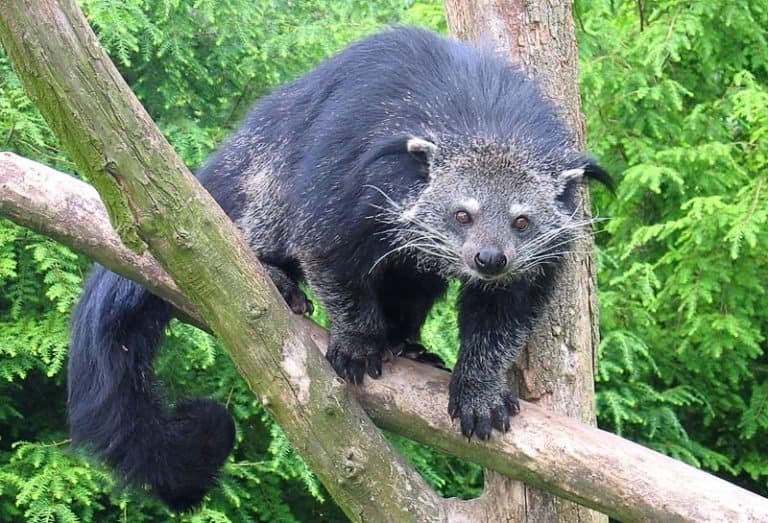
Binturong (Arctictis binturong) lives in Northeast Indian forests, including Mizoram. This large tree-climber has an unusual carnivore trait: a prehensile tail that acts like an extra limb, and a buttery popcorn smell from scent chemicals in its markings.

King cobra (Ophiophagus hannah)-the world's longest venomous snake-occurs in Mizoram's wet forests; the species can exceed ~5.5 m in length (with a longest-recorded individual ~5.85 m).

Clouded leopard (Neofelis nebulosa), recorded from Mizoram (e.g., Dampa landscape), is famous for a global extreme among living cats: it has the proportionally longest canine teeth relative to skull size.

The hoolock gibbon (Hoolock hoolock), found in Mizoram's forests, is India's only ape-making Mizoram one of the few Indian states where an ape occurs in the wild.

Dampa Tiger Reserve is Mizoram's largest protected area and its only tiger reserve-covering ~988 km² (with a ~500 km² core), it is the state's biggest stronghold for wide-ranging mammals like tiger and elephant.

Thank you for reading! Have some feedback for us?