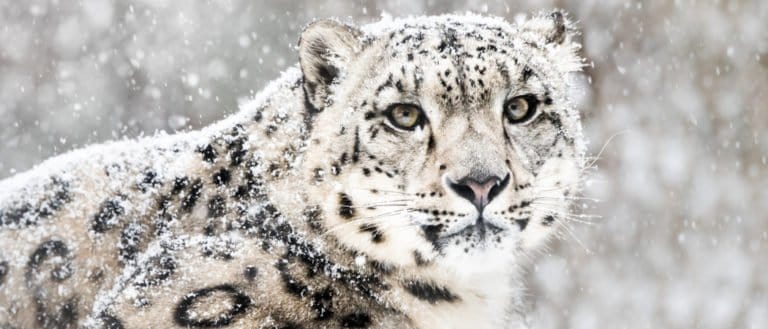
Snow Leopard
Built for cliffs. Made for cold.

Built for cliffs. Made for cold.
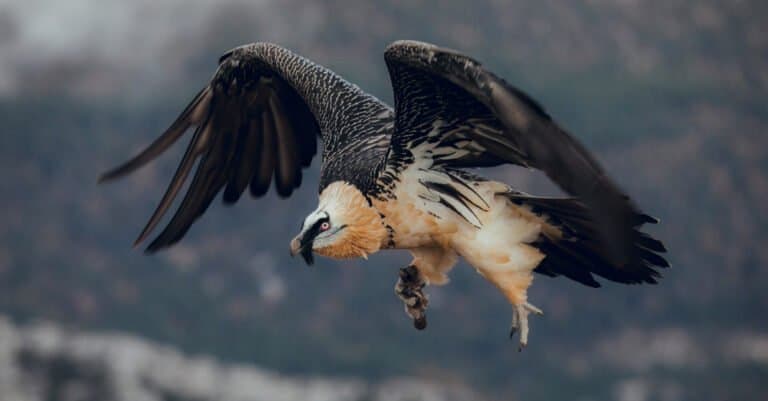
The Bone-Breaking Mountain Vulture
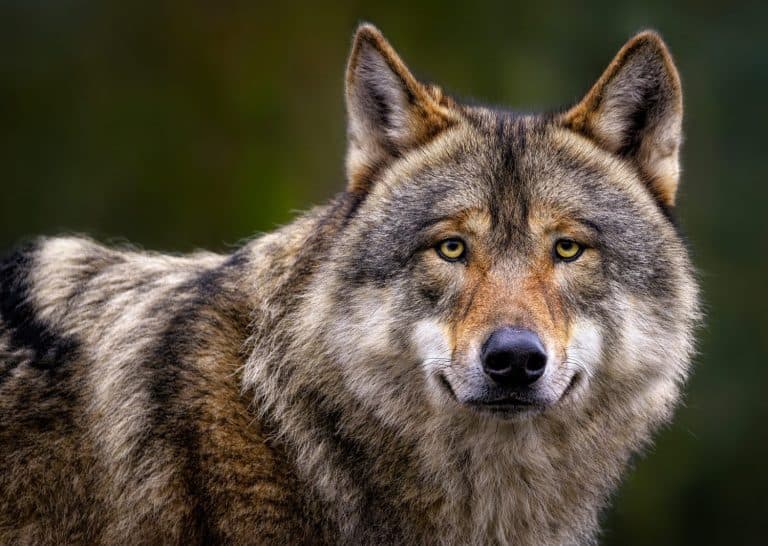
Packs, howls, and healthy wildlands
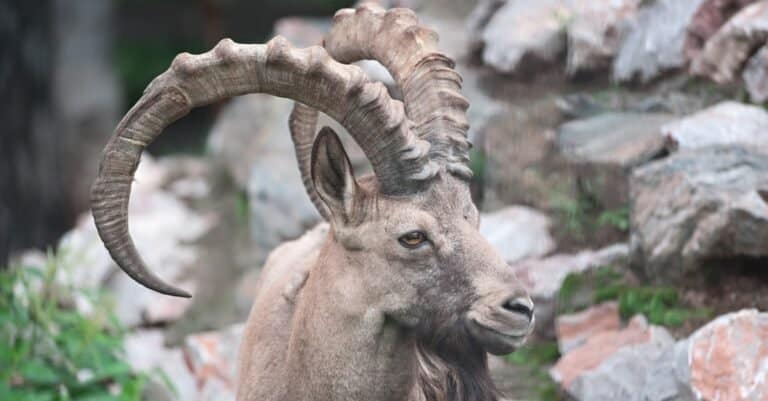
Built for cliffs, crowned with horns
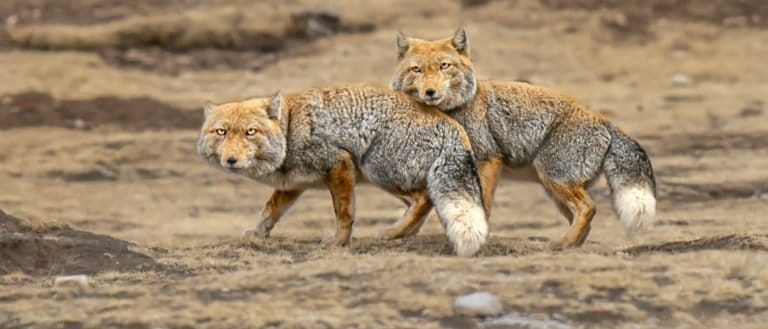
Square-faced hunter of the high plateau
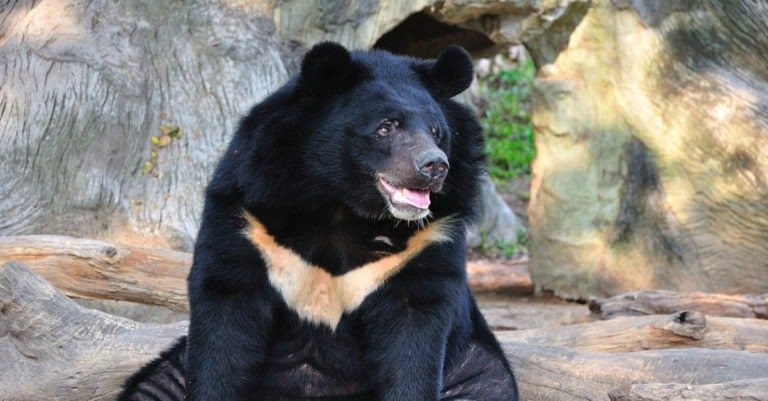
Moon-marked climber of Asian forests

Flat-faced monarch of the steppe
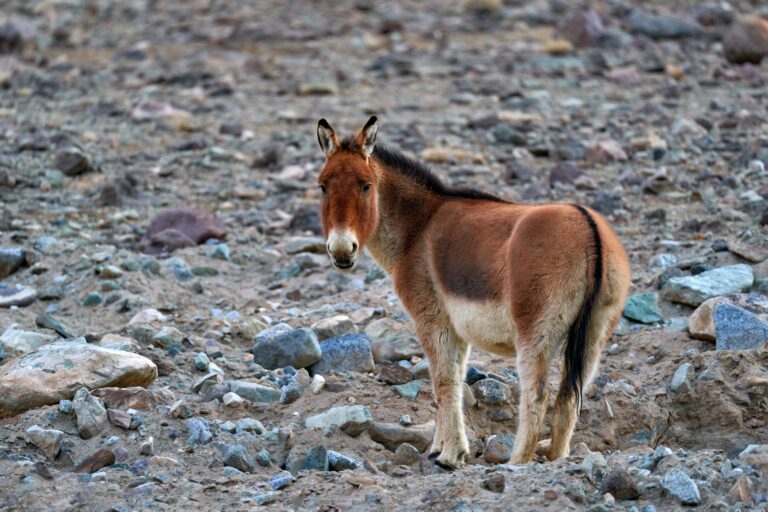
Tough hooves for the Roof of the World
Ladakh is a high, dry Trans-Himalayan region where life survives in thin air, little plant cover, and long winters. From wind‑swept ridges and scree slopes to broad valleys along the Indus, it supports animals like snow leopard, Himalayan wolf, bharal and ibex, plus many high‑altitude birds. Key habitats include cold‑desert steppe and alpine meadows that feed plant‑eating animals, steep cliffs used by ibex and nesting birds of prey, and high‑altitude lakes and marshes such as Pangong Tso and Tso Moriri. These wetlands are vital for migrating waterbirds and breeders like the black‑necked crane. Unlike wetter Himalayan valleys, Ladakh lies in a rain shadow with open, treeless land, clear views, and signs of animals shown as scrapes, pugmarks, or distant shapes. It links Central Asian and Himalayan wildlife in a harsh but rich refuge.
Ladakh is a Trans-Himalayan high-altitude cold desert with deep river valleys and very high mountains that shape wildlife. River corridors along the Indus, Shyok and Zanskar and alpine valleys provide food and routes for hoofed mammals (bharal/blue sheep, ibex). Plateaus and scree support snow leopard and Tibetan argali. Pangong Tso and Tso Moriri are key bird breeding and stopover sites.
≈2,550 m (lower Indus/Suru valley floors) to ≈7,672 m (Saser Kangri I, Karakoram)
No ocean coastline; notable inland high-altitude lakes and associated wetlands (e.g., Pangong Tso, Tso Moriri, Tso Kar).
Ladakh's protected areas are high‑altitude and large under India's Wildlife (Protection) Act, 1972, including Hemis National Park and sanctuaries in Changthang and Karakoram‑Nubra. They protect cold‑desert steppe, alpine valleys, high passes and wetlands (Pangong Tso, Tso Moriri, Tso Kar) for migratory waterbirds and Trans‑Himalayan mammals. Managed by UT Forest & Wildlife Dept with Changpa, anti‑poaching, grazing rules and snow‑leopard programs.
~22-25% of Ladakh's land area (approx., driven by a few very large protected areas plus smaller sanctuaries/wetlands)
India's flagship Trans-Himalayan national park and one of the world's best-known snow leopard landscapes, with rugged mountains and valleys (e.g., Markha-Rumbak) supporting high densities of wild prey and strong community-based conservation.
A very large high-altitude cold-desert protected area on the Changthang plateau (Rupshu-Changthang region), including grasslands and lake basins; notable for populations of wide-ranging Trans-Himalayan wildlife and important breeding habitat for black-necked crane.
Remote high-mountain protected area in the Nubra-Shyok and Karakoram region, conserving alpine to subnival habitats that support ibex and large carnivores.
Trans-Himalayan valleys and slopes near the Indus corridor; important habitat for Ladakh urial and other mountain wildlife.
Small protected area established primarily to conserve the Ladakh urial in lower-elevation steppe/scrub habitats near the Indus Valley.
High-altitude brackish lake and marshes that are among Ladakh's most important breeding and staging sites for waterbirds; a core area for black-necked crane conservation and wetland-dependent biodiversity.
Saline lake, freshwater marsh, and surrounding steppe-one of Ladakh's top birding areas and a stronghold for breeding black-necked cranes and migratory geese/ducks, with frequent kiang and Tibetan gazelle in adjacent plains.
Large, high-altitude transboundary lake (India-China) important for migratory waterfowl and high-elevation shorebird habitats; wildlife values are strongest in quieter bays, marshy fringes, and nearby steppe.
Ladakh's wildlife is shaped by the Trans-Himalayan cold desert: treeless plateaus, rocky mountains, alpine meadows, and high wetlands (Pangong Tso, Tso Moriri, Tso Kar). Harsh winters, thin air, and little plant life favor hardy mammals (cats, wolves, wild sheep and goats, equids) and important high-altitude birds, especially birds of prey and migratory waterfowl that use the Indus valley and salty lakes. There are fewer species than in the forested Himalaya, but many special mountain animals make Ladakh one of India's best places to see snow leopards and wetland birds.

Ladakh’s cold-desert offers dramatic high-altitude wildlife: Trans-Himalayan predators (snow leopard, Tibetan wolf), mountain sheep and goats (bharal/blue sheep, ibex, argali), plus Himalayan griffon, lammergeier and plateau birds at Pangong Tso and Tso Moriri (bar-headed goose, ruddy shelduck, black-necked crane). Best by slow travel—scan ridgelines and valleys at dawn/dusk in Hemis National Park and the Changthang plateau for expedition-style viewing.
Peak snow leopard season in Ladakh's prime snow-leopard areas: around Hemis National Park (e.g., Rumbak and nearby valleys) and also in the Sham region (e.g., Ulley Valley). Predators often descend lower to follow prey, and tracking on snow makes signs easier to read. Expect very cold mornings (often below -15°C), short days, and road/weather disruptions-plan buffer days and flexible routes.
Excellent shoulder season: ibex and bharal are active on sunlit slopes; raptors soar as thermals return (lammergeier, golden eagle, Himalayan griffon). Lakes begin to thaw and early migrants appear. Conditions are still crisp at night but generally more comfortable than mid-winter.
Best overall access and variety: Pangong Tso and Tso Moriri host rich waterbird activity; high passes are open; wildflowers bring insect life and more bird diversity in alpine meadows. Snow leopard sightings can still happen but are less predictable. Expect peak tourism and plan quieter valleys or longer stays to avoid crowds.
Clear, stable weather and superb visibility-often ideal for photography. Bharal/ibex remain conspicuous; raptor viewing can be strong. By late Oct, nights get sharply colder and some routes start to quiet down, creating a more wilderness feel with fewer visitors.
Solitude and crisp conditions as temperatures drop; wildlife is still visible in lower valleys and along south-facing slopes. Some lakes/streams begin freezing; access becomes more variable. A good time for dedicated, cold-tolerant travelers before deep winter sets in.
Ladakh is a Trans-Himalayan high-altitude cold desert with dry air, strong sun and large temperature swings. Landscapes include scree, wind-scoured plateaus and alpine meadows used as summer pastures. Life is mostly near water: the Indus and tributaries, glacial streams, and lakes like Pangong Tso and Tso Moriri. Small woody patches occur in irrigated oases and near Kargil/Dras.
The prevailing biome across much of Leh district and the Changthang plateau: sparsely vegetated cold-arid plains, gravel fans, dune fields, and rocky slopes with xeric shrubs (e.g., Caragana, Artemisia) and high-elevation steppe vegetation.
Dominant-roughly most of the territory outside wetter valley bottoms and highest alpine zones (about ~60-75%).
High mountain and plateau environments above treeline: alpine shrub-meadows, fellfields, scree, and glaciated terrain supporting species adapted to short growing seasons (e.g., alpine forbs, cushion plants) and high-mountain fauna.
Widespread at higher elevations across Zanskar, Ladakh Range, and Karakoram (about ~20-35%).
Very high, windswept ridge/plateau tops with extremely short growing seasons and low plant stature; transitions into alpine steppe/tundra mosaics in exposed areas of Changthang and high passes.
Patchy at the highest exposed elevations (generally a few percent, locally more on plateau tops).
Glacial-fed rivers (Indus, Zanskar, Shyok, Nubra) and high-altitude lakes and streams; productivity and wildlife concentrate along riparian corridors and lake margins.
Linear and localized but ecologically critical-river corridors and lake basins throughout (<~5% by area).
High-altitude marshes, wet meadows, sedge beds, and peat-forming patches around lake shores and spring-fed valley bottoms; key breeding/stopover sites for waterbirds (e.g., around Tso Moriri, Pangong fringe wetlands, Hanle basin).
Small, scattered pockets near lakes, springs, and floodplains (<~1-2%).
Very limited, mostly in comparatively wetter/less arid pockets toward western Ladakh (notably parts of Kargil/Dras and sheltered valleys) and as riparian/poplar-willow groves in irrigated areas; natural closed-canopy forest is scarce in most of Ladakh proper.
Highly restricted and fragmented (<~1-3%, largely localized).
Cold-arid valleys and plateaus with gravel flats, dunes, and saline/brackish basins-core habitat for Trans-Himalayan cold-desert specialists.
High-altitude alpine steppe on Changthang and broad valleys, with drought-tolerant grasses and low shrubs; important grazing areas for wild and domestic ungulates.
Xeric shrub communities (e.g., Artemisia/Caragana-type) on slopes and valley edges; provides cover and forage in otherwise sparsely vegetated terrain.
Short-grass pastures and valley-bottom grasslands, often enhanced by irrigation and meltwater, supporting livestock and wild herbivores.
Seasonal, flower-rich meadows in moister alpine pockets and near snowmelt zones; key summer forage and pollinator habitat.
Rugged high-relief terrain including the Karakoram, Zanskar, and Ladakh ranges with extensive scree, moraines, and glacial landscapes.
Steep rock faces and escarpments used by nesting raptors and cliff-dwelling mammals; common throughout gorge systems and high valleys.
Rock shelters and small caves in eroded cliffs and canyon walls; locally important as roosts/shelter (availability varies by geology).
Glacial-fed rivers and braided channels (Indus, Zanskar, Shyok, Nubra) with dynamic floodplains, islands, and riparian strips.
Large high-altitude lakes (Pangong Tso, Tso Moriri, Tso Kar) with brackish-to-saline waters and shoreline habitats supporting waterbirds and endemic biota.
Lake-edge and riverine wetlands-sedge meadows, wet grasslands, and spring-fed flats-critical breeding and staging habitats for migratory birds.
Shallow, emergent-vegetation zones around lake margins and oxbows; often the most productive habitats in the cold desert.
Small peat-accumulating or peat-like wet patches in persistently waterlogged alpine settings (where groundwater/springs maintain saturation).
Irrigated oasis agriculture in the Indus and tributary valleys (barley, wheat, vegetables, orchards), forming a mosaic with poplar/willow windbreaks.
Built-up areas concentrated around Leh and Kargil, with peri-urban riverine corridors and associated human-wildlife interfaces.
Ladakh is a dry desert that acts like a wetland crossroads: its lake marshes—Tso Moriri, Tso Kar, parts of Pangong—get melt water and springs, making green belts that host many seasonal birds.
Tso Kar is a very salty lake, but freshwater springs and stream inlets make narrow living zones where insects and water plants grow, so waterbirds gather at certain shore sections.
Snow leopards in Ladakh often live close to people: they hunt blue sheep and ibex above villages and are seen a few kilometers from settlements, especially in Hemis, so camera or track surveys work well.
Not all small mammals "sleep through" Ladakh's winter: Himalayan marmots hibernate for months, but pikas remain active year-round, storing hay piles and foraging under snow-so predators like red foxes and raptors still have prey even in deep winter.
India's 'giant-horned' wild sheep survives here: the Tibetan argali (one of the world's largest wild sheep, famed for enormous curling horns) persists in small, scattered herds in eastern Ladakh-making it one of India's rarest high-altitude hoofed mammals.
India's largest national park protects Ladakh's apex predator: Hemis National Park (~4,400 km²) is the largest national park in India and is one of the country's key strongholds for snow leopards and their main prey, blue sheep (bharal).
Some of the highest published snow-leopard densities come from Ladakh: camera-trap-based studies in valleys of Hemis National Park have reported roughly ~1-2 adult snow leopards per 100 km² in some sites-among the higher density estimates reported anywhere for the species.
World's largest wild ass-India's only population lives in Ladakh: the kiang (Tibetan wild ass), the largest of all wild asses, occurs in India only on the Changthang plateau of eastern Ladakh.
One of the highest crane nesting landscapes on Earth: black-necked cranes breed on Ladakh's Changthang wetlands (notably around Tso Moriri/Tso Kar) at ~4,400-4,700 m-among the highest-altitude breeding sites used by any crane species.
World-record high-altitude migrant uses Ladakh's lakes: the bar-headed goose-famous for record Himalayan crossings-regularly stages and feeds at Ladakh's high lakes and marshes (e.g., Tso Moriri, Tso Kar), which sit above ~4,500 m in a "cold desert."
8 species documented in our encyclopedia
Thank you for reading! Have some feedback for us?
We appreciate your help in improving our content.
Our editorial team will review your suggestions and make any necessary updates.
There was an error submitting your feedback. Please try again.