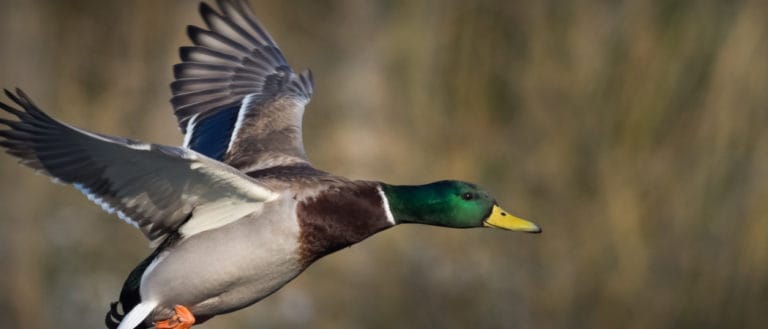
Mallard
The adaptable original duck

The adaptable original duck
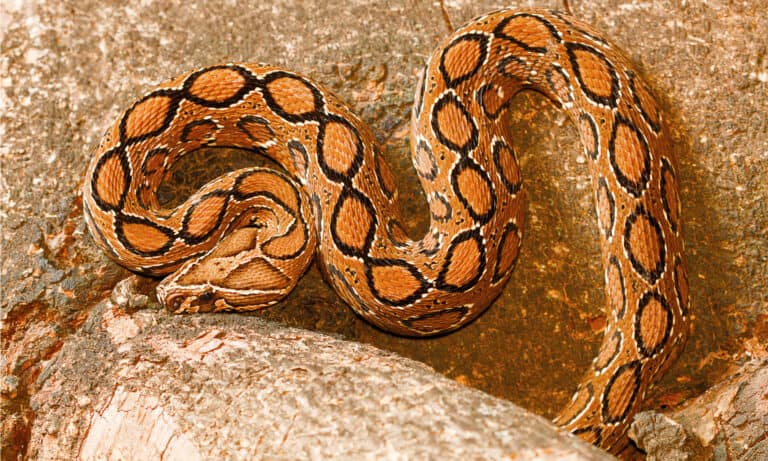
Spots, hiss, and high-stakes venom
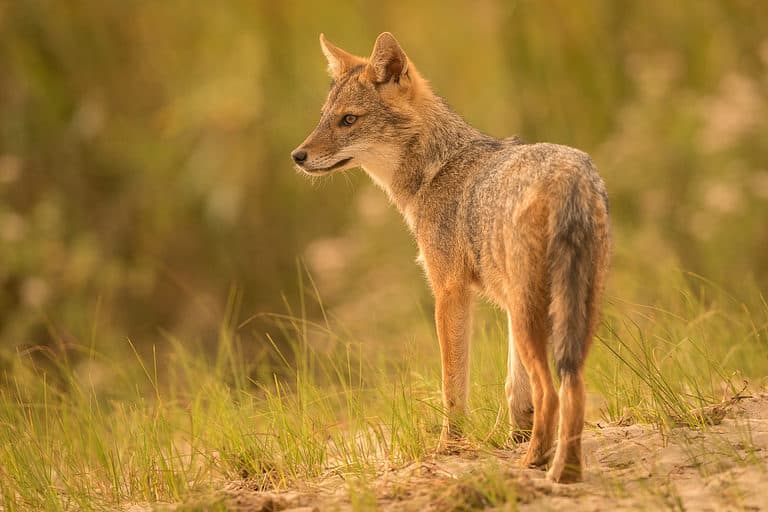
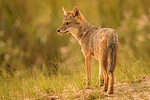
Eurasia's adaptable, omnivorous canid
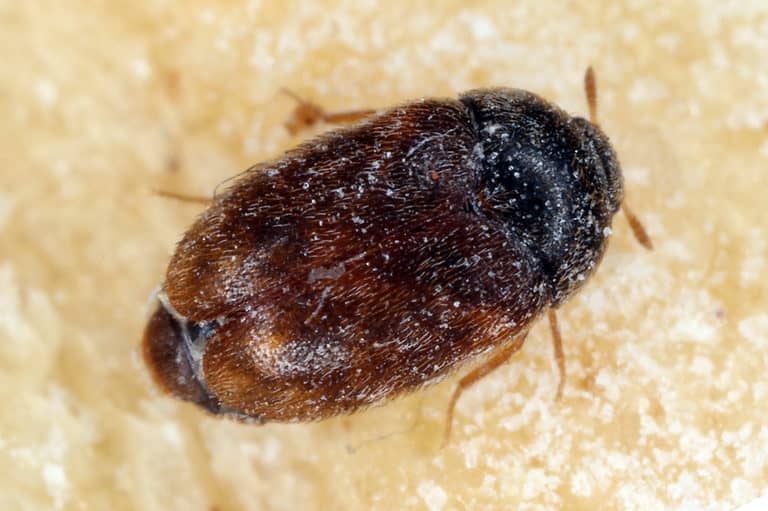
Tiny beetle, massive quarantine threat.
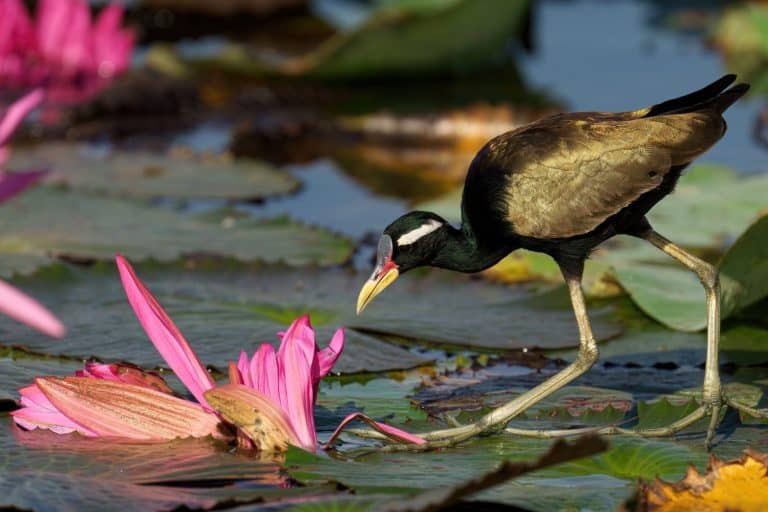
Bronze wings, lily-pad footsteps
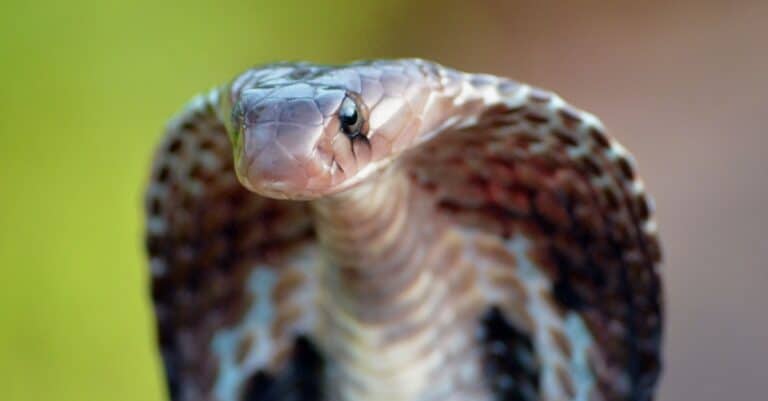
Hood up: the spectacled sentinel
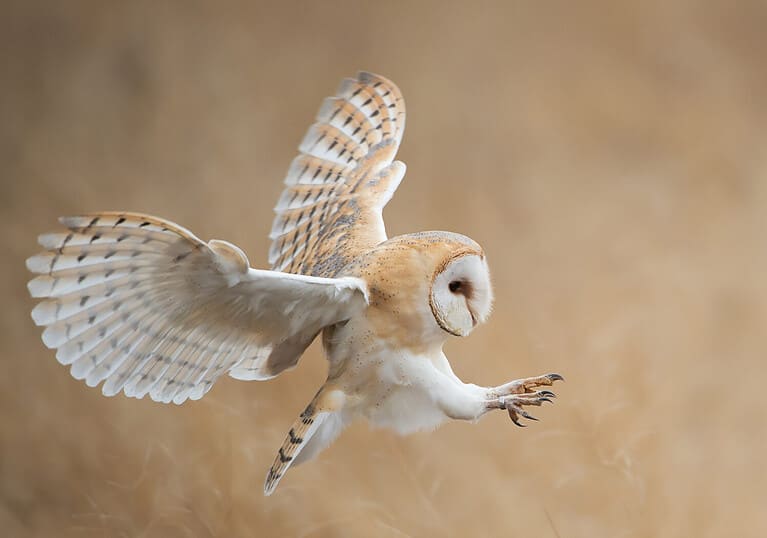
Heart-faced hunter of the night
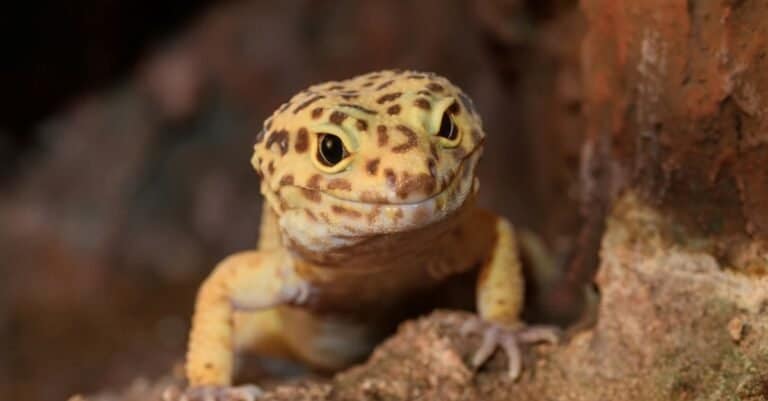
Eyelids, spots, and a power-tail
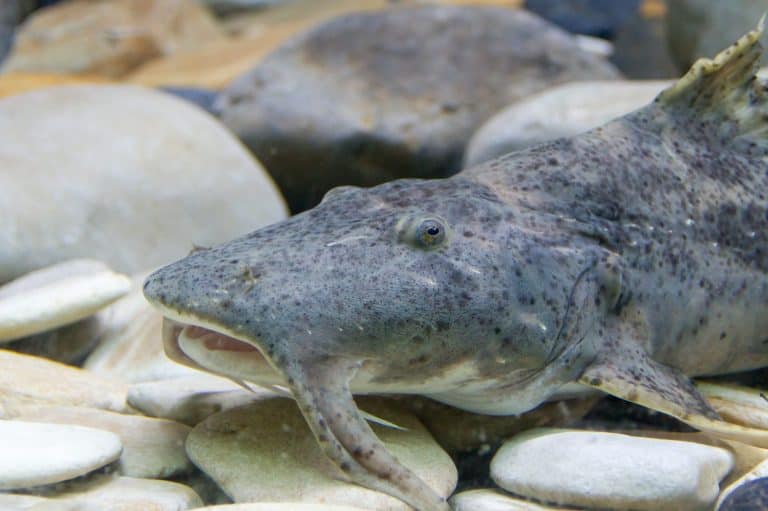
Built for rapids, born to ambush
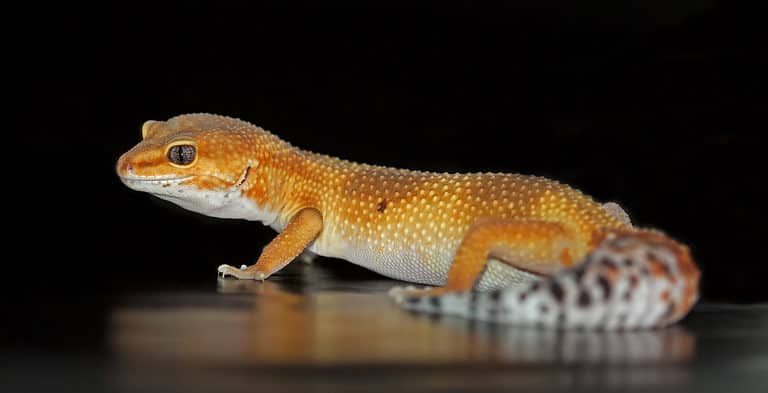
Orange glow, true eyelids, big personality
Punjab's wildlife is shaped by water and farming. The big rivers—Sutlej and Beas, with the Ravi along parts of the border—plus wide canal networks and seasonally flooded lowlands mix with crop fields and small forest patches to make a rich, human-made landscape that still holds much wildlife. Large, unbroken wild areas are few, but nature survives in protected wetlands, river edges, and the outer Shivalik foothills where native woodland and scrub remain. Important habitats include wetlands and reservoirs that host many wintering waterfowl, waders, and fish-eating birds; riverbanks and canals that act as narrow homes for reptiles, frogs, and small mammals; and Shivalik piedmont forests and scrub that support raptors, deer, and dry-forest birds. These places feed and rest birds on major migratory flyways and serve as islands of life in farm country. Wildlife watching is easy and often spectacular, especially during winter migrations.
Punjab (India) is dominated by fertile Indo-Gangetic alluvial plains shaped by major Himalayan-fed rivers and extensive irrigation. This flat, intensively farmed landscape supports widespread open-country and farmland wildlife, while remaining natural habitats are concentrated along river corridors, floodplains, wetlands/reservoirs, and the low Shivalik foothills in the northeast, which add scrub/forest habitats and higher microclimatic diversity.
Approximately ~180 m in the southwestern plains to ~1,000 m in the northeastern Shivalik foothills
Punjab (India) has a small area of protected land because most land is farmed. Wildlife protection focuses on wetland complexes along the Sutlej-Beas river system, including several Ramsar Sites important for migratory waterbirds, and on small forested Shivalik foothill reserves in the northeast. It relies on sanctuaries, conservation/community reserves, and Ramsar wetlands to protect rivers, reservoirs, and remnant woodlands.
Approximately ~1-2% of Punjab's land area is under formal protection (wildlife sanctuaries + conservation/community reserves), with much additional biodiversity value occurring in river corridors, farmlands, and village commons.
Shivalik foothill forest patch important for maintaining a remnant corridor for hill wildlife; good for woodland bird diversity and signs of larger mammals.
Wetland- and scrub-associated sanctuary that supports seasonal waterbirds and provides nesting/foraging habitat in a largely agricultural matrix.
A community reserve in the Shivalik/Kandi belt that protects foothill forest and scrub-valuable for sustaining local mammal populations and woodland birdlife.
Reservoir-and-foothill habitat complex supporting raptors, waterbirds, and Shivalik forest mammals; contributes to landscape connectivity in the north.
A key riverine protected stretch focused on conserving Punjab's flagship aquatic fauna and river-channel ecology; among the best places in the state for rare river wildlife conservation.
A highly productive wetland mosaic (ponds, marsh, farmland edges) that can host dense congregations of wintering waterfowl and waders; strong example of community-linked wetland stewardship.
Reservoir wetland important for waterbirds and wintering flocks, with adjoining habitats that improve roosting and foraging opportunities.
Indian Punjab's wildlife is mostly farmland cut by major rivers (Sutlej, Beas, Ravi, Ghaggar), canal networks, and a few large wetlands and reservoirs like Harike, Ropar/Rupnagar, Kanjli, and Nangal. Because of this, the state is especially good for wintering and migrating waterbirds, raptors, and farmland birds. Larger forest mammals are few and mostly live in the Shivalik foothills, scrub, and protected wooded patches. The main wildlife draw is bird-rich wetlands in winter and open-country mammals like blackbuck and nilgai in the southwest plains.
Punjab, India, is a great wildlife area around big river-wetland systems (Sutlej-Beas-Ravi) and the Shivalik foothills. Expect great winter birding at internationally important wetlands, rare river wildlife on the Beas, and easy half-day trips from Amritsar, Jalandhar, Ludhiana, Patiala, and Chandigarh. Best viewing is at sunrise or sunset on wetland embankments, river edges, and protected forests.
Peak wildlife season. Huge numbers of migratory waterbirds and raptors at Harike Wetland, Ropar (Rupnagar) Wetland, Kanjli Wetland, and Nangal Wetland. Clearer air, comfortable temperatures, best chance for large mixed flocks (ducks, geese, waders) and marsh specialists; excellent photography light.
Migrants taper off but resident birds become highly active (breeding displays, calls, nest building). Good time for forest-edge birding in Shivalik-side sanctuaries (e.g., Takhni-Rehmapur) and for butterflies and wildflowers on nature trails.
Hot conditions; plan dawn outings. Reliable sightings of resident wetland birds, egrets/herons, kingfishers, and reptiles near water. Best for short, focused morning sessions and shaded woodland walks in forest reserves.
Lush landscapes, high water, and dramatic river/wetland scenes. Breeding activity increases for many resident species; frogs and reptiles more visible. Viewing can be weather-dependent; leeches/mosquitoes and muddy tracks-pack rain gear and insect protection.
A strong "shoulder season" as temperatures cool and the first winter migrants begin arriving. Great time to scout wetlands before peak season, with improving light and comfortable field conditions.
Punjab (India) lies in the northwestern Indo-Gangetic plain, with heavily farmed alluvial lowlands and a narrow band of Shivalik foothills. Rivers (Sutlej, Beas, Ravi, Ghaggar) and many irrigation canals shape the area. Leftover thorn scrub and small subtropical foothill forests occur, but natural habitats are broken up, with key wildlife in protected wetlands and forest patches.
Punjab is in the subtropical Indo-Gangetic plain. Its natural open habitats were tropical/subtropical grassland-savanna and shrub mosaics, now mostly converted, leaving degraded grassland, floodplain grass, and scrub patches among farmland.
Historically widespread across the plains; today largely transformed to cropland, with only small, fragmented remnants-most evident along river corridors/floodplains and in drier southwestern areas.
In Punjab's northeastern Shivalik foothills, remaining forests are mainly subtropical—Himalayan subtropical pine and nearby subtropical broadleaf/mixed forests—in protected and broken patches along the lower Himalayan fringe, facing strong human pressure.
Small; mainly confined to the northeastern Shivalik foothill belt and scattered protected forest blocks.
Major rivers, canal networks, reservoirs/barrages, and oxbow/pond systems structure much of Punjab's ecology, supporting aquatic fauna and riparian vegetation.
Linear and patchy but statewide; concentrated along the Sutlej-Beas-Ravi corridors and canal-fed landscapes.
Important floodplain wetlands and human-made waterbodies (reservoir margins, marshy reaches, reedbeds) serve as major migratory bird habitats and fish nurseries.
Localized hotspots; notable complexes in the river confluences and around barrages/reservoirs (e.g., Harike).
Extensive irrigated cropland (wheat-rice rotation dominant) with canal banks, hedgerows, and field-edge vegetation providing secondary habitat; high landscape fragmentation.
Sutlej, Beas, Ravi (and tributaries), with seasonally shifting channels, sandbars, and riparian strips; key for waterbirds, otters, and riverine fish where water quality allows.
Large protected and semi-protected wetland mosaics with open water, reedbeds, and mudflats (e.g., Harike Wetland; also Kanjli and Ropar wetlands/reservoir reaches).
Reed- and sedge-dominated margins of rivers and reservoirs, seasonally expanding during monsoon/high releases; critical for nesting and roosting birds.
Village ponds and irrigation-linked waterbodies, often eutrophic but locally important for amphibians, reptiles, and common waterbirds.
Reservoir-like lakes and barrage backwaters (e.g., Ropar headworks area) that function as lacustrine habitat within an otherwise plain-dominated landscape.
Remnant thorn scrub and dry woodland patches, especially toward drier southwestern districts; often highly degraded and interspersed with farms.
Riverine grass patches, fallows, and degraded open areas; more continuous historic grasslands are largely converted to agriculture.
Foothill broadleaf stands and mixed deciduous patches in the Shivalik fringe, typically fragmented and pressured by grazing and fuelwood collection.
Limited subtropical pine-dominated patches in the northeastern foothills (Shivalik belt), occurring in small, discontinuous blocks.
Major cities and industrial corridors (e.g., Ludhiana, Amritsar, Jalandhar) with urban green spaces that provide limited refuge for generalist species.
Expanding peri-urban mosaics with gardens, institutional campuses, and small wetlands/ponds; often important for common birds and bats.
Overall forest habitat is scarce and fragmented, primarily in protected/managed blocks in the Shivalik foothills and scattered plantations/avenues elsewhere.
Tree plantations and linear plantings (canal-side and roadside) that add canopy cover and connectivity but typically low native understory diversity.
The Indus river dolphin found in Punjab's Beas is functionally blind; it "sees" by echolocation, hunting fish by interpreting returning sound waves in muddy river water.
Abohar Wildlife Sanctuary is not a single fenced forest block: it's a mosaic of habitat spread across farmland in 13 villages-blackbuck are routinely seen moving through crop fields rather than deep wilderness.
Punjab's state bird is the Northern Goshawk-a powerful forest raptor more associated with cold, wooded foothills than with the state's farm-dominated landscapes.
Harike Wetland is essentially a human-made ecosystem: it formed after the Harike headworks/barrage (1952), yet it now functions as a major wintering ground on the Central Asian Flyway.
Some of Harike's winter visitors, like bar-headed geese, are famed for extreme high-altitude migration-crossing the Himalayas before settling into Punjab's lowland wetlands for the season.
Punjab's Beas Conservation Reserve (a ~185 km stretch of the Beas River, notified in 2017) protects the only known population of the Indus river dolphin in India-every other wild Indus dolphin lives across the border in Pakistan.
Kanjli Wetland (near Kapurthala) is a Ramsar site of about 183 hectares-making it one of India's smallest Ramsar-listed wetlands, but still a major winter stop for migratory waterbirds.
Bir Moti Bagh Wildlife Sanctuary (Patiala) covers roughly 2.6 km², placing it among the smallest notified wildlife sanctuaries in India.
Harike Wetland (a Ramsar site since 1990) is Punjab's largest wetland, spanning about 4,100 hectares at the confluence of the Beas and Sutlej-an outsized wildlife hotspot for its footprint.
Keshopur-Miani (Gurdaspur district), notified in 2007, is widely cited as India's first Community Reserve-an early example of a protected area designed around community stewardship.
14 species documented in our encyclopedia
Thank you for reading! Have some feedback for us?
We appreciate your help in improving our content.
Our editorial team will review your suggestions and make any necessary updates.
There was an error submitting your feedback. Please try again.