N S W E
Wildlife Expeditions

Wildlife of
Gujarāt

Gujarat pairs India's only wild Asiatic lions with the otherworldly Rann of Kutch-salt deserts, coral-fringed coasts, and rich wetlands alive with migratory birds.
42 Species
196,024 km² Land Area
Overview

About Gujarāt

Gujarat's wildlife shows strong contrasts: thorny dry forests, scrub, river plains, mangroves and lagoons, and the wide salt wilderness of the Rann of Kutch. This western coastal state has a special natural heritage where desert-adapted animals, big carnivores, and huge groups of waterbirds live close to each other. The dry deciduous forests and savannas of Saurashtra support Gir's predators and prey, including the Asiatic lion. Coastal mudflats and mangroves along the Gulf of Kachchh and Gulf of Khambhat feed fish, marine life, and many birds. The Rann of Kutch is flooded part of the year and then becomes a salt desert. It is important for arid-zone wildlife, migratory waterbirds, and species that like open, hard lands like wild ass and flamingos. Moving from lion country to mangroves and then to the salt flats makes Gujarat very diverse.

Physical Features

Geography

Gujarat's wildlife shifts from the salty Rann of Kutch and dry scrub in the west to hills in the south. Rivers Narmada and Tapi with floodplains make rich river and farm habitats for deer, birds, and wetland species. A long Arabian Sea coast with estuaries, mangroves, and reefs adds coastal life. Gir holds dry forests and the last Asiatic lion.

196,024 km² Land Area
5th largest state in India (by area) Size Rank
India Country
State Type
Elevation Range

Sea level to ~1,145 m (Girnar peak), creating strong habitat contrasts from coastal wetlands/salt flats to dry forests and moist hill forests

Coastline

Arabian Sea coastline (India's longest for a state, ~1,600 km) with the Gulf of Kutch and Gulf of Khambhat; includes mangroves, estuaries, mudflats, sandy beaches, and nearshore reefs/islands (notably in the Gulf of Kutch).

Key Landscapes

Rann of Kutch (Great and Little Rann): seasonal salt desert with monsoon-flooded flats and surrounding thorn scrub/grasslands Kutch mainland and Banni grasslands: arid savanna/grassland-scrub matrix important for desert-adapted fauna and migratory birds Saurashtra Peninsula: dry deciduous forests, scrub, and pastoral landscapes; includes Gir forest ecosystem Gir hills and Girnar massif: rugged uplands and dry deciduous forest refugia influencing large carnivore and ungulate distributions Southern hill forests (The Dangs and adjacent ranges): more humid, higher-rainfall forests forming a biodiversity-rich transition zone Aravalli fringe and northeastern uplands: rocky hills and scrub-forest mosaics supporting habitat heterogeneity in the east/northeast interior
State Symbols

Official Wildlife Symbols

animal

Asiatic lion

bird

Greater flamingo

tree

Banyan

wildflower

Marigold

Parks & Reserves

Protected Areas

Gujarat's protected areas span many habitats: Saurashtra's dry forests (Gir), Velavadar's arid grasslands, the salty Little and Great Rann of Kutch, and the Gulf of Kutch's coastal zones (mangroves, corals, seagrass). Most are National Parks and Wildlife Sanctuaries and include Ramsar wetlands for migratory waterbirds. The network protects the last wild Asiatic lion and large Indian wild ass populations.

Protected Coverage

~7-8% of Gujarat's land area is under the formal protected-area network (national parks + wildlife sanctuaries; approximate).

National Parks & Preserves

Gir National Park (Sasan Gir National Park)

~258 km² (core national park; the larger Gir Protected Area includes extensive surrounding sanctuary/buffer)

The world's last stronghold of the Asiatic lion, with a well-protected dry deciduous forest-scrub mosaic and high prey density that supports reliable big-cat viewing in the broader Gir landscape.

Asiatic lion Leopard Sambar Chital (spotted deer) Marsh crocodile (mugger)

Blackbuck National Park, Velavadar

~34 km²

A flagship grassland NP famed for open-country wildlife viewing-large blackbuck herds, grassland birds, and raptors-making it one of India's best places to experience intact semi-arid savanna/grassland conservation.

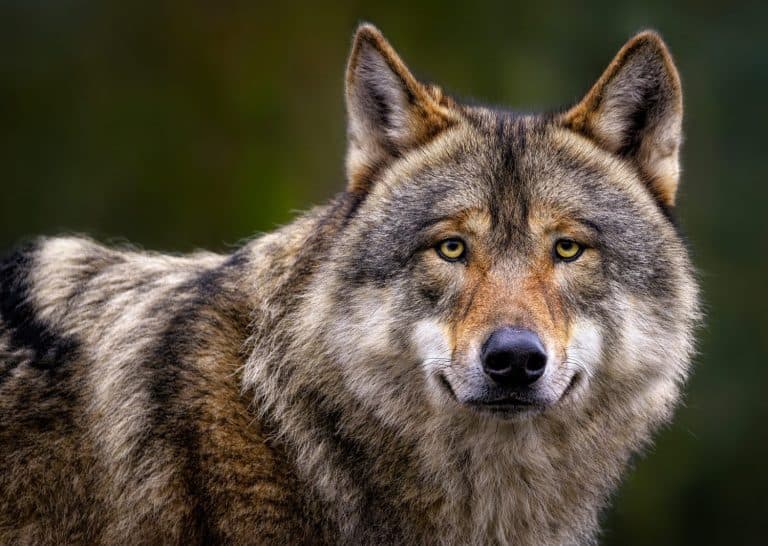
Blackbuck Indian wolf Striped hyena Lesser florican Nilgai

Marine National Park, Gulf of Kutch

~163 km² (marine national park; adjoining marine sanctuary is larger)

India's first marine national park, protecting coral communities, mangroves, seagrass and intertidal habitats that support marine megafauna and large congregations of coastal birds.

Indo-Pacific humpback dolphin Green sea turtle Olive ridley sea turtle Reef-building corals (e.g., hard corals) Flamingos (seasonal in adjoining mudflats)

Vansda National Park

~24 km²

A compact but biologically rich forest block in the Dangs/Western Ghats fringe, important for moist deciduous biodiversity, butterflies, and forest mammals in southern Gujarat.

Leopard Gaur (Indian bison) Sambar Four-horned antelope Malabar giant squirrel

State & Provincial Parks

Gir Wildlife Sanctuary (Gir Protected Area buffer)

~1,153 km² (sanctuary component; surrounds/abuts the NP core)

The broader Gir sanctuary and buffer forests are crucial to the long-term viability of the Asiatic lion (dispersal, prey base, genetic resilience) and offer some of Gujarat's best large-mammal tracking outside the NP core.

Asiatic lion Leopard Chital (spotted deer) Blue bull (nilgai) Marsh crocodile (mugger)

Indian Wild Ass Sanctuary (Little Rann of Kutch)

~4,954 km²

A vast saline desert-seasonal wetland landscape protecting one of the largest remaining populations of the Indian wild ass and supporting spectacular winter birdlife on inundated flats.

Indian wild ass Desert fox Striped hyena Greater flamingo Demoiselle crane

Nalsarovar Bird Sanctuary

~120 km²

A major shallow-lake wetland and Ramsar site that hosts very large wintering congregations of ducks, geese, pelicans, flamingos, and other waterbirds-one of western India's premier birding sites.

Greater flamingo Dalmatian pelican Bar-headed goose Northern shoveler Painted stork

Shoolpaneshwar Wildlife Sanctuary

~607 km²

A large forested tract in the Satpura-Narmada landscape, valuable for forest connectivity and a diverse mammal community; also important for riparian habitats around the Narmada basin.

Leopard Sloth bear Four-horned antelope Gaur (local/occasional) Indian pangolin (reported)

Wildlife Refuges

Khijadia Bird Sanctuary (Jamnagar)

~6 km²

A compact but high-impact coastal wetland-saltpan-freshwater mosaic that can hold dense concentrations of waders, ducks, and flamingos, making it excellent for close-range bird viewing.

Greater flamingo Black-winged stilt Northern pintail Eurasian spoonbill Marsh harrier

Thol Lake Bird Sanctuary

~7 km²

An accessible reservoir wetland near Ahmedabad that supports strong winter waterfowl and wader assemblages; valuable for education, monitoring, and local recreation tied to conservation.

Sarus crane Greater flamingo (seasonal) Spot-billed duck Black-headed ibis Pallid harrier (seasonal)

Porbandar Bird Sanctuary

~0.09 km²

A tiny urban wetland that still provides critical roosting/feeding habitat for waterbirds on the Saurashtra coast-an example of small-site conservation value.

Purple swamphen Little grebe Eurasian coot Black-crowned night heron Various egrets and herons

Jessore Sloth Bear Sanctuary

~180 km²

Hilly, dry forest and scrub in north Gujarat that protects an important regional population of sloth bears and supports broader carnivore conservation in a human-dominated landscape.

Sloth bear Leopard Striped hyena Indian wolf (regionally) Four-horned antelope

Wilderness Areas

  • Great Rann of Kutch (remote salt-desert expanse and seasonal wetlands; major migratory bird and flamingo landscape)
  • Little Rann of Kutch salt flats beyond core tourist tracks (wide-open, roadless desert-wetland feel supporting wild ass and winter birds)
  • Gir-Saurashtra scrub-forest buffers and riverine corridors outside the NP core (key lion dispersal areas)
  • Barda Hills forest block (near Porbandar-Jamnagar; relatively rugged, less-fragmented habitat compared to surrounding plains)
  • The Dangs forest belt (southern Gujarat; larger roadless forest patches on the Western Ghats fringe)
  • Gulf of Kutch intertidal mudflats, mangrove belts, and offshore reef/islet zones (seasonally remote marine-coastal wilderness character)
Animals

Wildlife

Gujarat's wildlife comes from sharp habitat contrasts: dry deciduous forests and scrub of Saurashtra (Gir); open savannas and grasslands (Velavadar, Banni); the salty mudflats and islands of the Great and Little Rann of Kutch; and a long Arabian Sea coast with mangroves, coral patches, seagrass beds, and offshore waters. This mix supports big mammals, grassland birds, salt-desert waterbirds, and marine megafauna, notably the Asiatic lion in Gir, herds of Indian wild ass, wintering flamingos and raptors, and whale sharks off Saurashtra.
≈ 90-110 species (including marine mammals recorded offshore) Mammals
≈ 470-520 species (major wintering and migratory flyway stopover) Birds
≈ 90-110 species (notably sea turtles, crocodilians, desert reptiles) Reptiles
≈ 18-25 species Amphibians
≈ 700-1,000+ species (high due to extensive marine/coastal diversity) Fish
Examples

Iconic Species

Asiatic Lion Gir and the wider Saurashtra landscape hold the world's only wild population of Asiatic lions-Gujarat's flagship wildlife draw.
Indian Leopard Frequently encountered in Gir and adjoining scrub-forest mosaics, often sharing space with lions-an unusual big-cat assemblage.
Indian Wild Ass Signature species of the Little Rann of Kutch; visitors come to see large herds on stark salt-desert flats.
Blackbuck A grassland specialist and centerpiece of Velavadar National Park, where open-country viewing is excellent.
Nilgai (Blue Bull) Common across semi-arid plains and agricultural edges; a characteristic large herbivore of Gujarat's open landscapes.
Greater Flamingo A defining spectacle of the Rann and coastal lagoons, especially in winter when large flocks feed on saline wetlands.
Lesser Flamingo Irregular but sometimes abundant in the Rann region; globally Near Threatened and a major draw when concentrations occur.
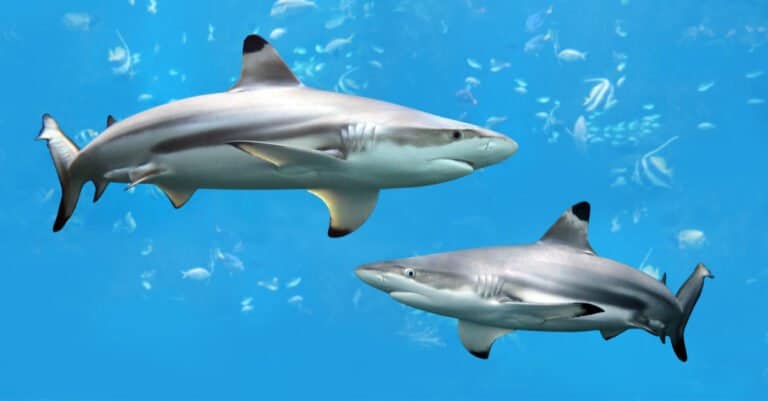
Whale Shark
Whale Shark Seasonal sightings off the Saurashtra coast made Gujarat one of India's best-known places for this gentle giant.
Mugger Crocodile Seen in reservoirs, rivers, and wetlands (including parts of Gir landscape); a reliable large reptile for visitors.
Harrier (winter roosts; e.g., Montagu's Harrier) Velavadar is famous for winter harrier roosts and open-country raptor viewing, a distinctive Gujarat birding highlight.

Endemic & Rare Species

Asiatic Lion

Panthera leo persica

Endangered (small, single-region wild population globally)

Gujarat effectively carries the global responsibility for this lion lineage; long-term viability depends on landscape connectivity beyond Gir.

Indian Wild Ass

Equus hemionus khur

Near Threatened globally (subspecies with restricted range in India)

The Little Rann supports the core Indian population; drought cycles and disease risk make it conservation-sensitive.

Lesser Florican

Sypheotides indicus

Endangered

A grassland bustard relative with strongholds in western India; Gujarat's monsoon grasslands are important for display and breeding.

White-rumped Vulture

Gyps bengalensis

Critically Endangered

Severely depleted across South Asia; remaining and recovering pockets in western India are regionally important indicators of safe veterinary drug use and food availability.

Indian Vulture

Gyps indicus

Critically Endangered

Cliff- and tree-nesting scavenger that suffered catastrophic declines; conservation in Gujarat contributes to the wider western Indian recovery arc.

Green Sea Turtle

Chelonia mydas

Endangered

Uses Gujarat's coastal waters; nesting and foraging areas are vulnerable to fishing pressure, coastal development, and light pollution.

Olive Ridley Sea Turtle

Lepidochelys olivacea

Vulnerable

Occurs along the Gujarat coast with nesting on some beaches; bycatch remains a major risk.

Indian Skimmer

Rynchops albicollis

Endangered

A rare riverine bird of wide sandbars and calm channels; when present, Gujarat wetlands/rivers can be important seasonal habitat.

Notable Populations

  • World's only wild Asiatic lion population (Gir-Saurashtra landscape).
  • India's key stronghold for Indian wild ass in the Little Rann of Kutch (large free-ranging herds).
  • Major wintering and staging area for migratory waterbirds in the Rann of Kutch and associated wetlands (including large flamingo aggregations in suitable years).
  • Internationally notable grassland raptor viewing and winter roosting of harriers in Velavadar.
  • Seasonal whale shark presence along the Saurashtra coast-one of India's most recognized regions for the species.

Recent Changes

  • Asiatic lion range expansion beyond Gir into broader Saurashtra, increasing sightings outside the core protected area but also elevating conflict and road/rail mortality risk.
  • Improved protection and community engagement along the Saurashtra coast has reduced targeted killing of whale sharks and increased live-release awareness, though entanglement/bycatch risk persists.
  • Grassland-dependent birds (including bustard/florican guilds) face ongoing pressure from grassland conversion, infrastructure, and disturbance; local declines and fragmentation are widely reported concerns.
  • Vulture numbers in parts of western India show localized stabilization/recovery compared to the 1990s crash, linked to reduced diclofenac exposure, but populations remain highly threatened.
  • Coastal and marine habitats (mangroves, reefs, seagrass-associated systems) face rising stress from development, pollution, and warming events, affecting fish and shoreline-dependent wildlife.
Visit

Wildlife Viewing

Gujarat has a special wildlife circuit: Asiatic lions in dry teak and acacia forests, wild asses on a huge salt desert, and large winter bird flocks in wetlands and the Rann of Kutch. Along the Arabian Sea there are whale sharks and dolphins. Protected areas like Gir, Girnar and the Little Rann support wildlife viewing.

Best Seasons

Winter (Nov-Feb)

Peak season for most wildlife travel. Cool, dry weather makes safaris comfortable and visibility high. Best time for birding: thousands of migratory waterfowl and raptors at Nal Sarovar, Thol, Khijadiya, and the Rann wetlands. Excellent for Little Rann wild ass safaris and for coastal experiences around Jamnagar/Khijadiya. Gir safaris are productive and pleasant.

Late winter to early summer (Mar-Apr)

Warmer days but still good for mammals. In Gir, animals concentrate near water sources and open areas, often improving lion/leopard sighting chances on well-timed drives. Birding begins to taper as migrants depart, but resident wetland birds and raptors remain. Good shoulder season with fewer crowds than mid-winter.

Summer (May-mid Jun)

Hot and dry; conditions can be intense but can reward determined wildlife watchers. In Gir and other dry forests, early-morning safaris near waterholes can be excellent for lions, leopards, and other mammals. Birding is limited mostly to residents. Consider combining short wildlife outings with coastal stays; plan strictly around heat and hydration.

Monsoon (mid Jun-Sep)

Lush landscapes, dramatic skies, and fewer visitors. Some protected areas and safari routes may be restricted/closed due to rains (especially core safari operations), so focus on accessible wetlands, coastal birding, and nature walks where permitted. Great for photography of greener habitats, but wildlife viewing can be less predictable and logistics weather-dependent.

Post-monsoon (Oct-early Nov)

Fresh, green habitats and improving weather. A good time for landscape photography and for early arriving migrants at wetlands. Mammal viewing picks up as roads and safari operations normalize; an excellent ramp-up period before peak winter crowds.

Top Wildlife Experiences

  • Track the Asiatic lion in Gir National Park & Wildlife Sanctuary (Sasan Gir): book official jeep safaris (early morning/late afternoon) and add a guided visit to Devalia Safari Park for a time-efficient 'guaranteed habitat' overview.
  • Add leopard-and-raptor focused drives in the broader Gir landscape (Gir Wildlife Sanctuary buffer areas) and Girnar foothills: pair safaris with dawn birding for crested serpent eagle, vultures (where present), and dry-forest specialties.
  • Do a Wild Ass Sanctuary safari in the Little Rann of Kutch (near Dasada/Zinzuwada): jeep across salt flats and scrub islands to see Indian wild ass, desert fox, nilgai, and wintering flamingos/pelicans.
  • Spend a morning birding and boating at Nal Sarovar Bird Sanctuary (near Ahmedabad): winter boat rides plus shoreline walks for massive waterfowl congregations, harriers, and waders-especially photogenic at sunrise.
  • Visit Khijadiya Bird Sanctuary (near Jamnagar) for a high-density wetland-and-saltpan birding circuit: look for flamingos, avocets, stilts, terns, and raptors with excellent close-range viewing.
  • Explore the marine-and-intertidal wildlife of Marine National Park, Gulf of Kutch (Jamnagar region): guided low-tide reef walks (where permitted) for corals, sea anemones, crabs, starfish, and shorebirds; combine with coastal dolphin watching opportunities in the broader gulf.
  • Join a whale shark-focused coastal experience (Saurashtra coast-often associated with Veraval/Porbandar/Okha region depending on season and local programs): learn about community-led conservation and, when conditions align, observe whale shark presence from shore/boat with responsible operators.
  • Plan a Rann of Kutch wildlife-and-birding circuit (Great Rann edges and Banni grasslands, around Dhordo/Hodka): winter birding for cranes, raptors, and desert specialists, plus night drives/early starts for foxes and other arid-land wildlife (follow local permissions and ethical spotlighting rules).

Wildlife Watching Types

Big-cat safaris (Asiatic lion; leopard) in dry deciduous and thorn forests (Gir landscape) Desert/saltpan wildlife safaris (Indian wild ass; desert fox; arid-land birds) in the Little Rann of Kutch Wetland birding hotspots (migratory waterfowl, waders, raptors) at Nal Sarovar, Thol Lake, Khijadiya, and other reservoirs Coastal and marine wildlife watching (intertidal reef life, shorebirds) in the Gulf of Kutch / Marine National Park Dolphin watching (seasonal/local) along parts of the Gujarat coast, especially around the Gulf and select coastal stretches Whale shark experiences (seasonal, conservation-linked; availability varies year to year) along the Saurashtra coast Grassland/savanna-style birding and mammal watching in Banni grasslands and open scrub landscapes Night wildlife viewing (where legally permitted and ethically run) for desert foxes and nocturnal species in arid regions

Guided Options

  • Official Gir jeep safaris booked through the Gujarat Forest Department system (choose zones/timings; use authorized guides/drivers at the gate).
  • Devalia (Gir Interpretation Zone) guided bus/jeep experience-useful for families, tight schedules, and as a primer before open safaris.
  • Wild Ass Sanctuary (Little Rann of Kutch) authorized jeep safaris from Dasada/Zinzuwada with local naturalists (best arranged via eco-resorts or registered operators).
  • Nal Sarovar and Thol local birding guides + licensed boatmen (winter mornings are best; request a bird-focused guide, not just a boat ride).
  • Khijadiya Bird Sanctuary guided bird walks (often arranged through local naturalists or Jamnagar-based birding operators).
  • Marine National Park, Gulf of Kutch: low-tide guided reef walks and interpretation programs coordinated locally (tide-timing is essential).
  • Community-led whale shark conservation/awareness programs on the Saurashtra coast (availability varies; seek operators aligned with local NGOs and fisheries communities).
  • Multi-day Gujarat wildlife circuits run by specialized birding/wildlife tour companies (common routes: Ahmedabad-Nal Sarovar/Thol-Little Rann-Jamnagar/Khijadiya-Gir; or Ahmedabad-Kutch/Banni-Little Rann-Gir).
Habitats

Ecosystems

Gujarat ranges from the salt flats of the Great and Little Rann of Kutch to semi-arid thorn scrub and dry deciduous forests, with coastal and marine areas along the Gulf of Kutch and Gulf of Khambhat. Rivers Narmada, Tapi, Sabarmati and Mahi create wetlands for migratory waterbirds. It has Asiatic lions in Gir, flamingo-rich saline wetlands, and key mangrove-seagrass-coral habitats.

Biomes

Tropical Dry Forest

Main biome in Gujarat outside the Rann and wet coast. It includes dry deciduous teak and mixed forests in Dangs and Narmada uplands, drier woods in Saurashtra, and Gir's dry forest-savanna with the Asiatic lion.

Patchy to extensive across southern and eastern belts (Dangs-Narmada-Tapi corridor) and pockets in Saurashtra (incl. Gir); largely absent from the Rann core and most intensively farmed plains.

Savanna

Open thorn woodland, scrub, and grassland mosaics of Saurashtra and Kutch margins that support ungulates like chital, nilgai, and wild boar, plus predators in Gir and nearby areas.

Broadly distributed in Saurashtra and semi-arid interiors; especially prominent around Gir and in open country transitioning toward Kutch.

Hot Desert

Arid to very dry areas: Great and Little Rann of Kutch (seasonal salt flats), nearby sandy/rocky deserts and saline plains. Little Rann is key for Indian wild ass; salt basins host flamingos and other waterbirds.

Concentrated in Kutch district and adjacent fringes; the Rann salt desert forms the largest continuous arid/saline expanse.

Freshwater

Riverine and reservoir systems (Narmada, Tapi, Mahi, Sabarmati and tributaries) with canals, lakes and seasonal village tanks; includes riparian habitats, floodplains, and man-made wetlands (dams/reservoirs) used heavily by migratory birds.

Linear networks throughout the state, densest in central/southern Gujarat and along major river valleys; many sites are seasonal/monsoon-driven.

Marine

Coastal waters of the Arabian Sea, including the Gulf of Kutch and Gulf of Khambhat, host coral reefs, seagrass beds, tidal flats, fisheries, large marine animals and intertidal zones near Marine National Park and Sanctuary.

Entire coastline (~1,600 km) with strongest habitat complexity in the Gulf of Kutch; high turbidity/strong tides in Gulf of Khambhat shape different marine assemblages.

Wetland

Saline and brackish wetlands (Rann seasonal inundation, coastal mudflats, creeks) and freshwater marshes/reservoir margins. Critical for migratory shorebirds, flamingos, pelicans, and cranes; includes estuarine and deltaic wetlands in southern/coastal districts.

Extensive in Kutch (Rann and coastal flats) and along both gulfs; scattered inland around reservoirs, river floodplains, and seasonal lowlands.

Habitats

Forest

Dry forest blocks in the south/east (including Dangs) and Saurashtra; includes protected areas and community forests with strong pressure at edges from fuelwood and grazing.

Deciduous Forest

Teak-dominated and mixed dry deciduous forests in the Dangs and adjoining belts; seasonal leaf-fall and monsoon-driven productivity support diverse birdlife and herbivores.

Woodland

Open thorn woodland and scrubby tree cover across semi-arid plains and Saurashtra; often mixed with grazing lands and agriculture.

Grassland

Natural/semi-natural grasslands and saline grasslands on Rann fringes and in Saurashtra; important for ground-nesting birds and open-country mammals (e.g., wild ass in Little Rann landscape mosaic).

Shrubland

Arid and semi-arid thorn scrub (Acacia/Prosopis-dominated in many places, including invasive spread) across Kutch and Saurashtra interiors.

Desert

Salt desert flats and adjacent sandy/rocky desert in Kutch; extreme seasonal conditions with monsoon flooding and dry-season salinity.

River/Stream

Major rivers (Narmada, Tapi, Mahi, Sabarmati) and tributaries with riparian corridors, sandbars, and floodplain patches; heavily regulated by dams and diversions.

Lake

Natural and man-made lakes/reservoirs (notably large dam reservoirs) that function as key waterbird sites and local fisheries hubs, especially in central and southern Gujarat.

Pond

Village tanks and seasonal ponds that fill during monsoon; important stepping-stone wetlands for amphibians and migratory birds in agricultural matrices.

Wetland

Seasonal freshwater marshes, reservoir margins, and saline wetlands; includes major bird areas and monsoon-driven ephemeral wetlands.

Marsh

Freshwater and brackish marshes along river deltas, reservoir edges, and low-lying coastal zones; high bird use in winter.

Mangrove

Mangrove forests along the Gulf of Kutch and parts of the Gulf of Khambhat, with tidal creeks and mudflats; important for coastal protection, fish nurseries, and shorebirds.

Estuary

Estuarine zones and tidal creeks especially along the gulfs where river outflows meet strong tidal regimes; productive nursery habitats for fish and crustaceans.

Coastal

Long coastline with tidal flats, dunes, creeks, and industrial/port complexes; includes protected stretches as well as heavily modified areas.

Beach

Sandy beaches and dune-backed shores in patches along the Arabian Sea coast, used by coastal birds and supporting dune vegetation where intact.

Rocky Shore

Rocky intertidal habitats particularly around parts of Saurashtra and the Gulf of Kutch, supporting rich invertebrate communities.

Coral Reef

Coral communities and reef-associated habitats in the Gulf of Kutch (notably near islands within the Marine National Park); adapted to high turbidity and strong tidal currents.

Open Ocean

Offshore Arabian Sea waters supporting pelagic fisheries and migratory marine fauna; influenced by monsoon-driven productivity.

Seabed/Benthic

Soft-bottom and mixed substrates in the gulfs and nearshore shelf, including extensive mudflats and subtidal sediments that support benthic food webs.

Urban

Major urban/industrial hubs (e.g., Ahmedabad, Surat, Vadodara, Rajkot, Jamnagar) creating fragmented habitats, heat-island effects, and altered waterways.

Suburban

Rapidly expanding peri-urban fringes around major cities with mixed horticulture, remnant scrub/woodland, and increasing infrastructure.

Agricultural/Farmland

Large areas under irrigated and rainfed agriculture (cotton, groundnut, wheat, millet, etc.), forming the dominant matrix in many plains; field margins and canals provide secondary habitat for birds and small fauna.

Plantation

Localized plantations/orchards and tree planting (including some Prosopis and other species in arid zones) that alter native scrub/grassland structure.

Ecoregions

Northwestern Thorn Scrub Forests Kathiawar-Gir Dry Deciduous Forests Rann of Kutch Seasonal Salt Marsh Indus River Delta-Arabian Sea Mangroves (Kutch/Gulf of Kutch mangrove complex within this broader unit)
Protection

Conservation

Primary Threats

  • Conversion and fragmentation of grasslands and scrub (Kutch, Saurashtra) into agriculture, settlements, saltpans, and industrial/port estates reduces habitat for species like the Great Indian bustard (historical/rare in Kutch) and lesser florican; coastal habitats are also lost or squeezed by shoreline development.
  • Rapid growth of ports, shipyards, roads/rail, and pipelines along the Gulf of Kutch/Khambhat, plus extensive wind and solar build-out in Kutch and Saurashtra, increases collision/electrocution risk for large birds (bustards, cranes, raptors) and fragments movement routes used by lions dispersing beyond Gir.
  • Asiatic lions increasingly use agro-pastoral landscapes across Amreli-Bhavnagar-Junagadh and coastal belts, leading to livestock depredation, occasional attacks, and retaliatory risks; conflict also occurs around crop damage and competition for water/fodder in dry seasons.
  • The Asiatic lion remains a single, geographically concentrated population centered on the Gir landscape; despite numerical recovery, limited population redundancy heightens vulnerability to outbreaks or catastrophic events and constrains long-term genetic resilience.
  • High interface between lions, feral dogs, and livestock around Gir and satellite habitats elevates risk of spillover diseases (notably canine distemper virus and other pathogens), a recognized concern after recent lion mortality events in the region.
  • Industrial effluents, coastal industrial clusters, and port activity in the Gulfs (especially Gulf of Khambhat and Gulf of Kutch) can degrade mangroves, mudflats, and nearshore fisheries; the Alang shipbreaking area contributes to localized contamination and disturbance risks for coastal ecosystems.
  • Intensive nearshore fishing and bycatch in Gujarat's productive coastal waters (Saurashtra and Kutch) threaten marine megafauna such as whale sharks and sea turtles and can reduce prey availability for coastal food webs in the Marine National Park/Sanctuary seascape.
  • Illegal trade pressures persist for high-value species and parts-most notably pangolin scales and other wildlife products-requiring continued enforcement across transport corridors connecting ports and major cities.
  • Although reduced compared to past decades, localized poaching of ungulates and waterbirds can occur in remote grasslands, wetlands, and along the Rann fringes, particularly where enforcement is thin and access is easy.
  • Prosopis juliflora dominates large parts of the Banni grasslands and other semi-arid commons, suppressing native grasses, altering fire/grazing dynamics, and reducing forage and habitat quality for grassland biodiversity.
  • Chronic water scarcity and heavy groundwater extraction in arid/semi-arid districts (Kutch, parts of Saurashtra) reduce wetland persistence and increase competition for water; overgrazing and fodder extraction on commons further degrade grassland structure.
  • Dams, canals, shoreline engineering, and saltpan expansion alter hydrology feeding wetlands and coastal mudflats; changes in freshwater inflow to estuaries and seasonal wetlands affect migratory bird habitats and productivity of mangrove-fringed systems.
  • Expansion and intensification of irrigated agriculture in suitable plains and around canal networks can replace scrub/grasslands and increase pesticide loads, affecting bustard/florican habitats and reducing insect prey availability.
  • Growth around Ahmedabad-Gandhinagar, Surat, Rajkot, Jamnagar and coastal towns increases land take, traffic, and disturbance; peri-urban sprawl also constrains wildlife corridors used by dispersing lions and other carnivores.
  • Limestone, lignite and other quarrying/mining activity in parts of Kutch and Saurashtra can remove or degrade scrub/grassland patches, increase heavy vehicle movement, and add dust/noise impacts near sensitive habitats.
  • While large-scale timber logging is less prominent than in some Indian states, ongoing fuelwood pressure and localized cutting-especially in and around mangroves and scrub forests used by pastoral communities-can degrade habitat structure if unmanaged.
  • High tourism pressure in Gir, vehicle movement on sensitive salt desert edges, and intensive shoreline activity (religious tourism, recreation, boating) can disturb breeding/roosting sites of birds and increase stress for wildlife in small protected areas.
  • Rising temperatures and more frequent heat/drought intensify water stress in Kutch and Saurashtra; sea-level rise and stronger cyclones threaten low-lying mangroves, mudflats, and coastal nesting/foraging areas used by turtles and migratory shorebirds.
Fun Facts

Did You Know?

A significant share of Gujarat's Asiatic lions regularly live and move outside the fenced core of Gir-in farmland, scrub, and even near towns-showing an unusual level of coexistence with people compared to most big-cat landscapes.

The Little Rann of Kutch changes from a shallow inland sea in the monsoon to a cracked salt desert in the dry season, yet still supports large mammals like the Indian wild ass that follow fresh-water patches and higher ground.

Gujarat's long, productive coastline has become India's best-known hotspot for whale shark encounters and rescue/release efforts; the species is protected, and many animals caught incidentally are now freed alive rather than landed.

Blackbuck thrive in Gujarat's open grasslands (not forests): Velavadar's flat plains make it one of the clearest places in India to watch high-speed antelope behavior and large-scale raptor hunting in the same habitat.

In the Gulf of Kutch, corals persist in a high-turbidity, high-tidal-range environment-conditions many people assume are too harsh for reef-building corals, yet reef patches survive alongside mangroves and seagrass.

Gir landscape (Gir National Park & surrounding districts) is the only place on Earth where Asiatic lions live in the wild-making Gujarat the species' last natural stronghold.

The Little Rann of Kutch is the only wild home of the Indian wild ass (khur), so Gujarat holds the world's entire wild population of this equid.

Kutch's Rann wetlands are among the most important flamingo breeding areas in South Asia; in good monsoon years they support one of the region's largest breeding concentrations of greater flamingos.

Gujarat created India's first Marine National Park (Gulf of Kutch, declared in 1982), protecting coral reefs, mangroves, seagrass and marine megafauna in a single protected seascape.

Thank you for reading! Have some feedback for us?