N S W E
Wildlife Expeditions

Wildlife of
Himāchal Pradesh

From subtropical foothills to stark cold deserts, Himachal Pradesh's steep Himalayan gradients pack an exceptional range of habitats and iconic mountain wildlife.
27 Species
55,673 km² Land Area
Overview

About Himāchal Pradesh

Himachal Pradesh is a wildlife patchwork shaped by huge height changes, steep river valleys, and long ridges of the western Himalayas. This vertical land packs many climate zones into short distances, so conifer forests, alpine meadows, and high cold plateaus each host special animals. Mountain wildlife includes species that cope with thin air, cold winters, and seasonal moves. Key habitats are chir pine and broadleaf forests at lower heights, wide deodar-fir-spruce belts, and high alpine pastures that bloom in summer and serve as grazing and breeding ground for mountain ungulates and ground-nesting birds. Above the treeline, the cold, dry parts of Lahaul-Spiti and Kinnaur act like Himalayan steppe and desert, good for snow-dependent predators and prey. River corridors (Beas, Sutlej, Ravi, Chenab) link zones, support otters and rich birdlife, and help animals move. The close mix of lush forests, flower meadows, and cold desert—often within a day’s travel—brings together musk deer, pheasants, ibex, bharal, and snow leopard, with strong seasonal rhythms and dramatic views.

Physical Features

Geography

Himachal Pradesh's steep west-Himalayan terrain creates quick climate and plant changes, making a mosaic of habitats, from subtropical scrub and sal forests in the Shivaliks to temperate conifer forests, subalpine birch-rhododendron belts, alpine meadows, glaciers and cold deserts of Lahaul-Spiti. Deep river gorges and valleys act as paths and barriers, shaping where forest, alpine and trans-Himalayan wildlife live and move.

55,673 km² Land Area
17th largest state in India (by area) Size Rank
India Country
State Type
Elevation Range

~350 m to 6,816 m (Reo Purgyil)

Key Landscapes

Western Himalaya mountain ranges and massifs (e.g., Dhauladhar, Pir Panjal, Great Himalayan ranges) creating strong altitudinal zonation Shivalik (outer Himalayan) foothills and lower valleys with subtropical forests/scrub and agricultural mosaics Major river basins and steep valleys/gorges: Sutlej, Beas, Ravi, Chenab, and upper Yamuna catchments-key riparian habitats and dispersal corridors Temperate and subalpine forests (deodar cedar, blue pine, spruce, fir, oak, birch-rhododendron belts) supporting forest-dependent fauna Alpine meadows and high passes-seasonal grazing landscapes and summer habitat for high-altitude species Trans-Himalayan cold desert of Lahaul-Spiti with sparse steppe, scree slopes, and high plateaus-habitat for cold-arid specialists and large carnivores/prey assemblages in open terrain and cliffsides (denning/refuge areas)
State Symbols

Official Wildlife Symbols

animal

Snow leopard

bird

Western tragopan

wildflower

Pink rhododendron

tree

Deodar cedar

Parks & Reserves

Protected Areas

Himachal Pradesh's protected areas span steep elevations from the Shivalik foothills to the trans-Himalayan cold desert, protecting conifer and oak forests, alpine meadows, glacier-fed headwaters and high-altitude steppe. Managed by national parks, state wildlife sanctuaries and community reserves. Main goals: snow leopard areas (Spiti/Lahaul), Western Himalayan pheasants (tragopans, monal, cheer), and river-valley forest–alpine transitions for large carnivores and ungulates.

Protected Coverage

≈12-13% of the state's land area (national parks + wildlife sanctuaries + conservation/community reserves; approximate)

National Parks & Preserves

Great Himalayan National Park (GHNP), Kullu

~754 km² (core national park; much larger surrounding ecozone)

A UNESCO World Heritage alpine-to-temperate wilderness protecting largely intact river valleys (Tirthan-Sainj-Jiwanal) with strong populations of Western Himalayan ungulates and pheasants; a premier landscape for high-elevation biodiversity conservation.

Snow leopard Himalayan brown bear Himalayan tahr Western tragopan Himalayan monal

Pin Valley National Park, Spiti

~675 km²

Cold-desert trans-Himalayan park of high-altitude valleys and steppe; renowned for snow leopard-prey dynamics and dramatic high-elevation wildlife viewing opportunities.

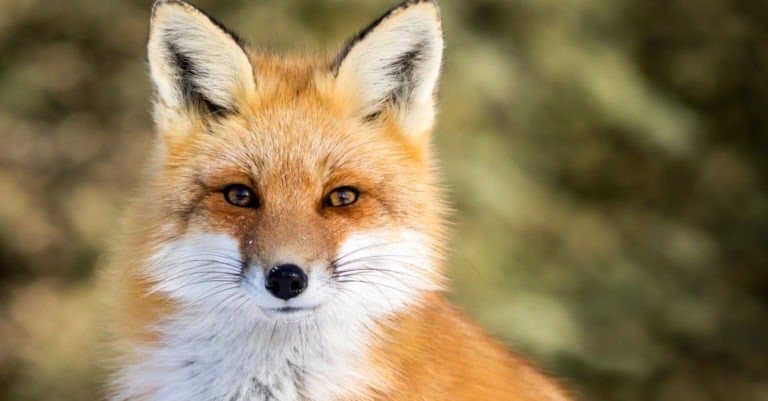
Snow leopard Siberian ibex Blue sheep (bharal) Himalayan wolf Red fox

Inderkilla National Park, Kullu

~104 km²

Compact but rugged high-altitude park adjoining the GHNP landscape; protects steep forest-to-alpine gradients important for carnivores and pheasants.

Himalayan black bear Leopard Himalayan goral Himalayan monal Koklass pheasant

Khirganga National Park, Kullu

~710 km² (reported)

Remote, high-relief Parvati Valley headwaters with subalpine forests and alpine meadows; valued for habitat continuity for bears, leopards, and mountain ungulates.

Himalayan black bear Leopard Himalayan tahr Himalayan monal Musk deer

Simbalbara National Park, Sirmaur (Shivalik foothills)

~28 km²

Low-elevation sal forest and grassland mosaic at the Himalayan foothills; important for smaller carnivores, deer, and rich birdlife in a heavily pressured habitat zone.

Leopard Sambar Chital (spotted deer) Indian peafowl Jungle cat

State & Provincial Parks

Kibber Wildlife Sanctuary, Spiti

~2,220 km²

One of India's best-known high-altitude sanctuaries for snow leopard research and community-linked conservation; expansive cold-desert terrain supports strong ungulate populations.

Snow leopard Siberian ibex Blue sheep (bharal) Himalayan wolf Golden eagle

Chail Wildlife Sanctuary, Solan

~110 km²

Mid-elevation forests and ridgelines near Chail with good birding and mammal diversity; notable for pheasants and as a refuge amid developed hill-station landscapes.

Koklass pheasant Himalayan monal Leopard Himalayan black bear Goral

Kalatop-Khajjiar Wildlife Sanctuary, Chamba

~31 km²

Dense deodar and mixed conifer forests with adjoining meadows; a compact, accessible sanctuary valued for forest birds and ungulates.

Himalayan black bear Goral Koklass pheasant Himalayan monal Yellow-throated marten

Renuka Wildlife Sanctuary, Sirmaur

~4.5 km² (sanctuary; lake-centered)

Small but important foothill-lake ecosystem (Renuka Lake) supporting wetland birds and surrounding forest fauna; popular for birdwatching.

Indian peafowl Red junglefowl Sambar Leopard Spot-billed duck

Wildlife Refuges

Pong Dam Lake (Maharana Pratap Sagar) Wildlife Sanctuary, Kangra

~423 km² (sanctuary around the reservoir; varies with water spread)

Major Himalayan-foothill reservoir wetland and one of north India's key wintering and migratory bird sites; crucial for waterfowl and raptors.

Bar-headed goose Northern pintail Common pochard Great cormorant Osprey

Majathal-Harsang Wildlife Sanctuary, Shimla/Solan

~56 km²

Noted for Western Himalayan bird diversity and historically important habitat for the endangered cheer pheasant in open forest/grassland slopes.

Cheer pheasant Koklass pheasant Himalayan monal Leopard Goral

Rupi Bhaba Wildlife Sanctuary, Kinnaur

~503 km² (reported)

Large, rugged sanctuary spanning temperate forests to alpine zones; stronghold for high-elevation pheasants and ungulates in a relatively remote landscape.

Western tragopan Himalayan monal Himalayan tahr Musk deer Himalayan black bear

Sechu Tuan Nala Wildlife Sanctuary, Lahaul & Spiti

~390 km² (reported)

Remote trans-Himalayan sanctuary of cold-desert valleys and cliffs; important range for snow leopard and high-altitude ungulates away from major roads.

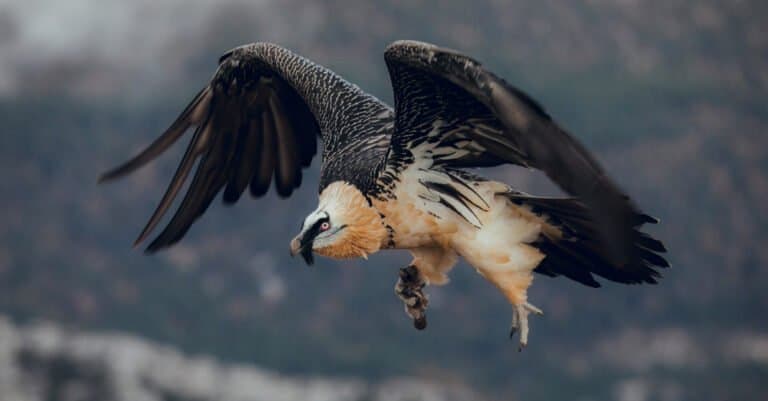
Snow leopard Siberian ibex Blue sheep (bharal) Himalayan wolf Lammergeier (bearded vulture)

Wilderness Areas

  • Upper Spiti plateau and side valleys beyond villages (trans-Himalayan cold desert roadless tracts)
  • Pin-Parvati high passes and upper Parvati Valley headwaters (glaciated ridgelines, alpine meadows)
  • Tirthan-Sainj-Jiwanal backcountry around the GHNP ecozone (roadless temperate-to-alpine valleys)
  • Dhauladhar range backslopes and Bara Bhangal approaches (steep, sparsely roaded high country)
  • Upper Baspa Valley and Kinnaur Kailash landscapes (remote forests, alpine pastures, and high ridges)
  • Chandra-Bhaga headwaters in Lahaul (high-altitude valleys and glacier-fed river corridors)
Animals

Wildlife

Himachal Pradesh's wildlife is shaped by one of the steepest elevation gradients in India-from subtropical Shivalik foothills and broadleaf forests through temperate conifer belts (deodar, blue pine, spruce-fir) up to alpine meadows and the trans-Himalayan cold desert of Lahaul-Spiti. This creates a strong "stacked" biodiversity pattern: pheasants and black bear in mid-elevation forests, musk deer and monal in upper temperate zones, and snow leopard-ibex-bharal assemblages in high, arid landscapes. River valleys (Beas, Sutlej, Chenab, Ravi) add important aquatic and riparian habitats, though many are increasingly modified by dams and roads.
≈80-90 species (sources vary; includes high-altitude specialists and widespread Himalayan forest mammals) Mammals
≈430-500 species (very high diversity across elevation zones; strong pheasant and raptor presence) Birds
≈35-45 species (diversity higher in lower and mid-elevations) Reptiles
≈15-20 species (mostly lower/mid elevations; patchy records) Amphibians
≈90-120 species (native hill-stream fishes plus widespread introductions like trout in some waters) Fish
Examples

Iconic Species

Snow Leopard
Snow Leopard Signature predator of Spiti, Pin Valley and other trans-Himalayan landscapes; visitors seek it in winter tracking/camera-trap-based tourism and for its role as an umbrella species for high-altitude conservation.
Himalayan Brown Bear One of India's rarest large mammals, associated with alpine meadows and high valleys (notably parts of Chamba/Lahaul-Spiti); highly sought-after but difficult to see.
Asiatic Black Bear
Asiatic Black Bear A flagship forest bear of mid- to high-elevation oak-conifer zones; commonly featured in Himachal's human-wildlife conflict and forest-ecosystem narratives.
Himalayan Ibex Key high-altitude mountain ungulate of the cold desert; a principal prey species supporting snow leopard and a classic Spiti/Lahaul wildlife-viewing target.
Blue Sheep (Bharal) Abundant in many trans-Himalayan slopes and a cornerstone prey species for snow leopard; often the most reliably seen large wild herbivore in Spiti.
Himalayan Musk Deer Elusive forest/alpine-edge deer known for musk; an emblem of intact high-elevation forests and strong anti-poaching significance.
Himalayan Monal Himachal's iconic pheasant (and state bird), celebrated for its iridescent plumage; strongly associated with upper temperate forests and alpine edges.
Western Tragopan A globally celebrated, difficult-to-see pheasant of dense Western Himalayan forests; a flagship for protected areas such as the Great Himalayan National Park landscape.
Cheer Pheasant A grassland-scrub pheasant of open hillsides and successional habitats; a classic target around select valleys where habitat management and community protection occur.
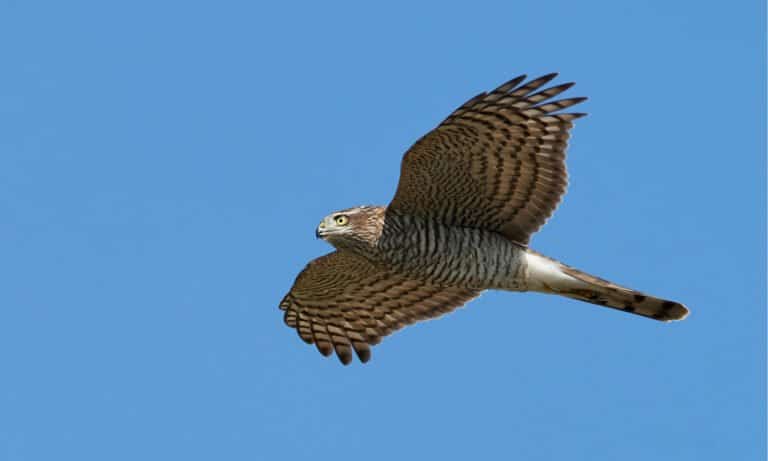
Himalayan Griffon A huge, high-country vulture frequently seen soaring over valleys and cliffs; a dramatic representative of the Western Himalaya's raptor guild.

Endemic & Rare Species

Western Tragopan

Tragopan melanocephalus

Vulnerable (IUCN)

Near-endemic to the Western Himalaya and among Himachal's most conservation-significant birds; depends on mature, undisturbed forest understorey and is sensitive to logging/disturbance.

Cheer Pheasant

Catreus wallichii

Vulnerable (IUCN)

A Western Himalayan specialist tied to open grassy slopes maintained by traditional land use; declines where slopes convert to dense forest, intensive agriculture, or heavy disturbance.

Snow Leopard

Panthera uncia

Vulnerable (IUCN)

Low-density, wide-ranging cat; Himachal's trans-Himalayan protected areas and community landscapes are important in India's overall snow leopard conservation network.

Himalayan Brown Bear

Ursus arctos isabellinus

Least Concern (IUCN) [species: Ursus arctos]

A very rare large mammal in India's high Himalaya; vulnerable locally to habitat fragmentation, conflict, and localized pressures in high valleys.

Himalayan Musk Deer

Moschus leucogaster

Endangered (IUCN)

Targeted historically for musk; persistence indicates effective protection of upper temperate forests and alpine scrub edges.

Himalayan Serow

Capricornis sumatraensis

Vulnerable (IUCN)

Secretive forest ungulate of steep, wooded terrain; threatened by habitat loss and hunting pressure in parts of its range.

White-rumped Vulture

Gyps bengalensis

Critically Endangered (IUCN)

Once widespread in the region's lowlands and foothills; now rare but of high conservation interest due to India-wide declines from veterinary NSAID poisoning and ongoing recovery efforts.

Red-headed Vulture

Sarcogyps calvus

Critically Endangered (IUCN)

A scarce scavenger with slow recovery; any surviving/returning populations in Himachal's lower valleys are nationally significant.

Notable Populations

  • Trans-Himalayan cold-desert landscapes of Lahaul-Spiti (including Pin Valley) support one of India's better-known snow leopard-bharal-ibex assemblages, important for research and community-based conservation models.
  • Great Himalayan National Park (and its broader conservation landscape) is nationally important for Western Himalayan forest biodiversity, including key pheasants (e.g., western tragopan) and high-elevation mammals.
  • Select mid-elevation mosaics (grassland-scrub-open forest) in Himachal hold some of India's most important remaining cheer pheasant pockets, where habitat management can strongly influence persistence.
  • High-altitude raptor and scavenger guilds (griffons, eagles, lammergeier) are a defining feature of the state's alpine and trans-Himalayan valleys, with cliff-nesting and strong thermal-soaring conditions.

Recent Changes

  • Vulture communities experienced severe declines historically (linked to veterinary diclofenac use across South Asia); tighter regulations and safer drug alternatives have supported localized stabilization/recovery in parts of the Himalaya, though populations remain far below historical levels.
  • Increasing road building, hydropower development, and tourism pressure in river valleys and high-elevation corridors are fragmenting habitats and increasing disturbance, with knock-on effects for sensitive species (pheasants, large carnivores) and riparian/aquatic biodiversity.
  • Shifts in snowfall patterns and warming trends are increasingly reported anecdotally to influence elevational use and seasonal movements of high-altitude species (e.g., changes in winter ranging of ungulates and carnivore encounter patterns).
  • Human-wildlife conflict reports (especially involving Asiatic black bear and leopards at mid-elevations) have increased in many Himalayan states, including Himachal, often associated with land-use change, attractants, and expanding human footprint.
  • Introduced trout in some cold-water systems continue to shape angling-based tourism but can negatively affect native hill-stream fishes and aquatic invertebrates where they spread beyond managed stretches.
Visit

Wildlife Viewing

Himachal Pradesh has varied mountain wildlife: subtropical Shivalik forests, deodar–pine–fir woods, alpine meadows, and Lahaul–Spiti cold desert. You can find snow leopard, Himalayan brown bear, musk deer, Himalayan tahr, goral and serow, plus Himalayan monal, tragopan and raptors, otters and winter waterfowl. Best seen early at edges: clearings, cliffs, ridges and high pastures, often after short treks or by 4x4.

Best Seasons

Spring (Mar-May)

One of the best all-round windows: clear mountain mornings, active birdsong and display (pheasants like Himalayan monal and koklass), wildflowers in mid-elevation forests, and improved odds of seeing ungulates (goral/serow/tahr) grazing on open slopes. Ideal for Great Himalayan National Park (GHNP) fringes, Chail-Kufri belts, and mid-altitude valleys.

Summer / Early monsoon (Jun-early Jul)

High-altitude routes and meadows open up as snow retreats-excellent for alpine birding and butterflies; bharal (blue sheep) and ibex are more accessible in cold-desert landscapes (Spiti/Pin Valley). Lower elevations can be hazy and humid; plan higher, drier districts for better visibility.

Monsoon (mid-Jul-Sep)

Lush forests, dramatic landscapes, and peak insect/frog activity; good for herps and forest birding when rain breaks occur. However, landslides and road closures are common in many valleys-choose safer, less rain-prone areas like parts of Lahaul-Spiti (which lies in the rain shadow) and keep itineraries flexible.

Autumn (Oct-Nov)

Crisp air and excellent visibility-prime time for photography and raptor migration along ridgelines. Forests are lively with feeding activity before winter; birding is strong and trekking conditions are comfortable. Many visitors consider this the most reliable season for mixed wildlife goals.

Winter (Dec-Feb)

Best season for cold-desert carnivore tracking (notably snow leopard prospects in Spiti/Pin Valley area) as prey descends and animals concentrate in accessible valleys. Also great for winter waterfowl on lower-elevation wetlands and rivers. Expect sub-zero nights in high valleys and occasional closures/ice on mountain roads.

Top Wildlife Experiences

  • Snow leopard tracking in Spiti Valley (Kibber-Langza-Hikkim-Kaza region) with local trackers, scanning ridgelines at dawn and dusk for cats, bharal, red fox, and wolves.
  • Birding for Western Tragopan and Himalayan Monal around the Great Himalayan National Park (GHNP) ecozone (Tirthan-Sainj valleys), focusing on early-morning forest trails and quiet clearings.
  • High-altitude wildlife drive and short hikes in Pin Valley National Park (Spiti) to spot bharal, ibex (in suitable pockets), red fox, Himalayan griffon, and lammergeier over cliff systems.
  • Musk deer and pheasant-focused forest walks in the Chamba region (Kalatop-Khajjiar area), combining conifer forests and forest-edge meadows at first light.
  • River-valley wildlife watching along the Beas or Sutlej corridors (selected quieter stretches) for otters, kingfishers, dippers, and wintering waterbirds-best with a local naturalist who knows safe access points.
  • Raptor and mountain bird photography at high passes and ridgelines (seasonal access), scanning for golden eagle, Himalayan vulture/griffon, and lammergeier with dramatic backdrops.
  • Night spotlighting (where permitted and responsibly conducted) near forest fringes in lower/mid elevations to look for small mammals and owls, always following park rules and ethical viewing distances.
  • Alpine meadow day hikes in summer (e.g., in accessible high meadows near GHNP fringes or Kinnaur/Chamba trails) for pika, marmot (in suitable habitats), and a strong mix of accentors, rosefinches, and other montane passerines.

Wildlife Watching Types

High-altitude big-cat tracking (snow leopard-focused) Mountain ungulate viewing (bharal/ibex/tahr/goral/serow) Birding hotspots (pheasants, high-altitude passerines, raptors) Raptor watching and migration lookout points (autumn ridgelines, open valleys) Riverine wildlife watching (otters, dippers, kingfishers; winter waterfowl in select areas) Butterfly and wildflower-linked nature walks (spring-summer, mid-elevations and alpine zones) Herpetofauna walks in monsoon breaks (frogs, lizards, and forest-edge reptiles in lower elevations) Responsible night wildlife viewing (owls and small mammals) where local regulations allow

Guided Options

  • Spiti snow leopard programs run with local homestays and community-based trackers (Kibber/Kaza area), typically 5-10 day winter expeditions with daily valley scans and ethical distance protocols.
  • Great Himalayan National Park ecozone guided nature walks (Tirthan/Sainj) with registered local guides-excellent for pheasants, forest birds, and interpretive ecology.
  • Pin Valley / Spiti naturalist-led wildlife days (4x4 + short hikes) focused on bharal, fox, high-altitude birds, and landscape interpretation.
  • State/park-authorized guides for Kalatop-Khajjiar and Chamba forest trails, useful for early-morning birding and safe route selection.
  • Birding-focused private guides based in Shimla-Kufri-Chail belt for mid-elevation specialties and raptor lookouts (best in spring and autumn).
  • Community-based homestay-and-guide networks in remote valleys (Spiti, parts of Kinnaur/Chamba) that combine local knowledge, permits/logistics support, and low-impact wildlife viewing.
  • University/NGO-linked nature interpretation programs and occasional citizen-science bird counts (seasonal, varies by district)-ask local tourism offices or reputable eco-lodges for current schedules.
Habitats

Ecosystems

Himachal Pradesh ranges from subtropical Shivalik foothills and river valleys to temperate forests, subalpine conifers, alpine meadows, and the high-altitude cold desert of Lahaul-Spiti. Habitats change quickly: broadleaf and pine lowlands, mixed forests upslope, alpine scrub near treeline, and sparse steppe in the rain shadow. Snow- and glacier-fed rivers (Sutlej, Beas, Ravi, Chenab) and wetlands support rich freshwater life.

Biomes

Temperate Forest

Dominant mid-elevation Himalayan forests including oak-rhododendron broadleaf stands and mixed conifer-broadleaf belts; extensive on the outer and middle ranges where moisture is higher.

Widespread across mid-elevations (roughly 1,500-3,000 m) in much of the state, especially more humid slopes and valleys.

Alpine

High-elevation ecosystems above/near treeline: alpine meadows (high-elevation pastures), alpine scrub, scree slopes, glaciated terrain; strong seasonal snow cover and short growing season.

High ridges and upper basins across the Greater Himalaya (generally >3,200 m), prominent in Kinnaur, Chamba, Kullu, and upper Shimla districts.

Tundra

Nival/subnival transition zones with very sparse vegetation (cushion plants, lichens) near permanent snow and glaciers; occurs at extreme elevations and exposed ridgelines.

Patchy at the highest elevations and near glacier margins, mainly in the Greater Himalaya and high passes.

Cold Desert

Trans-Himalayan cold desert/steppe in the rain-shadow (low precipitation, high diurnal temperature range), with xeric shrubs, grasses, and barren slopes.

Concentrated in Lahaul-Spiti and parts of upper Kinnaur; forms a major landscape element in the far north/east of the state.

Tropical Dry Forest

Subtropical dry deciduous and chir pine-dominated lower-elevation forests/woodlands in foothills and warmer valleys; influenced by monsoon seasonality and human use.

Lower elevations (generally <1,500 m) in Shivaliks and outer Himalayan valleys; localized compared with temperate belts.

Temperate Grassland

Montane grasslands and open slopes in rainier mid-to-upper elevations; often as natural openings or maintained by grazing/land-use near forest edges.

Patchy openings and upland pastures across mid/high elevations; more extensive where forest is naturally sparse or historically grazed.

Freshwater

Snow- and glacier-fed rivers, high-altitude lakes, springs, and reservoirs; high flow seasonality and strong altitudinal gradients in water temperature and productivity.

Statewide along major river basins (Sutlej, Beas, Ravi, Chenab, Yamuna tributaries) and associated lakes/reservoirs.

Wetland

Riparian floodplains, marshy valley bottoms, high-altitude wetlands, and small peat-forming patches; critical for migratory birds and amphibians in suitable pockets.

Localized along river valleys, around lakes, and in high-altitude basins; limited area but high ecological importance.

Habitats

Mountain

Steep Himalayan terrain with sharp climatic gradients; includes snowfields, talus, and high passes (e.g., Rohtang, Kunzum) shaping species distributions.

Forest

Extensive forest cover across elevation zones; includes protected areas and managed forests supporting Himalayan ungulates and carnivores.

Deciduous Forest

Subtropical to lower-temperate broadleaf patches (e.g., sal-associated foothill fragments and oak-dominated belts in suitable zones), often interspersed with agriculture and settlements.

Coniferous Forest

Large tracts of chir pine at lower elevations and deodar, blue pine, spruce, fir at higher elevations; key habitat for pheasants and many Himalayan mammals.

Woodland

Open pine and mixed woodland mosaics on drier slopes and human-influenced edges, often with grazing and fuelwood extraction pressures.

Grassland

Montane grasslands and valley-bottom grazing grounds; includes subalpine pastures used seasonally by livestock and wildlife.

Alpine Meadow

High-elevation summer meadows with rich herbaceous flora (noted for medicinal plants), important for pollinators and seasonal ungulate foraging.

Shrubland

Subalpine and trans-Himalayan scrub (juniper, dwarf rhododendron, Caragana-type xeric shrubs) on windy ridges and cold-desert slopes.

Steppe

Cold-desert steppe in Spiti/Lahaul with sparse grasses and dwarf shrubs, supporting specialized fauna adapted to aridity and cold.

Desert

Barren cold-desert landscapes (often classified as desert steppe) with rocky slopes and minimal vegetation in the rain-shadow region.

Cliff/Rocky Outcrop

Rock faces and escarpments used by nesting raptors and cliff-dwelling ungulates; common in deep river gorges and high valleys.

Cave

Karst-like and erosional caves/rock shelters occur locally, providing bat roosts and specialized microhabitats (site-specific and patchy).

River/Stream

Major Himalayan rivers and tributaries (Sutlej, Beas, Ravi, Chenab) with braided sections, gorges, and riparian corridors; supports otters and diverse fish where conditions allow.

Lake

High-altitude lakes and tarns plus mid-elevation lakes (e.g., Renuka as a notable regional example; various glacial lakes in higher basins) with strong seasonal dynamics.

Pond

Small village ponds, temple tanks, and seasonal pools in valleys; locally important for amphibians and waterbirds.

Wetland

Marshy valley bottoms, oxbow-like riparian patches, and high-altitude wet meadows; limited in extent but key for breeding and stopover birds.

Marsh

Reed/sedge-dominated marsh pockets along slow river sections and around lakes/reservoir margins.

Bog

Small, localized peat-accumulating wetlands may occur in cold, waterlogged alpine/subalpine hollows (not widespread).

Agricultural/Farmland

Terraced farming in valleys and mid-slopes (maize, wheat, rice in warmer zones; barley/buckwheat in higher areas), creating a strong agro-forest mosaic.

Plantation

Orchards and plantation-like horticulture (notably apple belts in temperate zones; also stone fruits), often replacing or fragmenting natural habitat.

Urban

Concentrated towns in valleys and ridgelines (e.g., Shimla region) with localized habitat loss and human-wildlife interfaces.

Suburban

Peri-urban sprawl around hill stations and valley towns, increasing pressure on forests and riparian zones.

Ecoregions

Himalayan subtropical broadleaf forests Himalayan subtropical pine forests Western Himalayan broadleaf forests Western Himalayan subalpine conifer forests Western Himalayan alpine shrub and meadows Karakoram-West Tibetan Plateau alpine steppe
Protection

Conservation

Primary Threats

  • Road widening, high-altitude border roads, tunnels, and extensive hydropower development in deep river valleys (Sutlej, Beas, Chenab, Ravi) fragment forests and riparian corridors, increase landslide/erosion risk, disturb alpine wildlife, and can isolate populations (e.g., in Kinnaur-Lahaul-Spiti landscapes).
  • Warming temperatures and changing snowfall patterns reduce snowpack and alter alpine meadow phenology, while glacier retreat and glacial-lake hazards affect high-altitude catchments. This reshapes habitats for snow leopard prey (blue sheep and ibex), shifts treelines, and increases extreme events (cloudbursts, flash floods) that damage riverine habitats and protected-area buffers.
  • Conversion and degradation occur through settlement expansion in valleys, orchard-driven land-use change, and encroachment into forest edges. In the cold desert, grazing pressure around villages concentrates in limited productive patches, simplifying alpine steppe and meadow mosaics.
  • Livestock depredation by snow leopard in Spiti/Kinnaur and crop/property damage by Himalayan black bear and rhesus macaque in mid-elevation zones drive retaliatory actions and reduce tolerance. Seasonal movement of pastoral herds can overlap with key carnivore/prey areas, intensifying conflict hotspots.
  • High visitor pressure in popular mountain destinations (e.g., around Manali-Rohtang, Dharamshala-McLeod Ganj, and select Spiti circuits) increases noise, waste, off-road use, and disturbance near nesting/foraging sites, especially in fragile alpine and riverine zones.
  • Although reduced compared to historical levels, localized poaching persists in remote high-altitude areas (for ungulates and occasionally carnivores) and can depress prey bases essential for snow leopard and brown bear.
  • Illegal trade risks include musk deer pods, bear parts, and high-value Himalayan medicinal/aromatic plants (e.g., morel collection pressures and trade-linked harvesting of alpine flora), with enforcement challenges in rugged terrain and across inter-state borders.
  • While large-scale felling is regulated, pressures remain from fuelwood extraction, lopping, and occasional illicit removal in accessible conifer belts; forest-edge degradation reduces habitat quality for pheasants and other forest specialists.
  • Overharvesting of non-timber forest products (NTFPs), intense seasonal collection of morels and medicinal herbs, and high grazing loads in alpine pastures can degrade soils and vegetation, reducing forage for wild ungulates and increasing competition with livestock.
  • Tourism-related solid waste and sewage around hill towns and trekking routes, plus river-valley construction debris, degrade streams and wetlands; this is especially visible along major corridors and near reservoirs such as Pong Dam, affecting aquatic biodiversity and waterbird habitats.
  • Disturbed slopes and road verges facilitate invasive plants (commonly including Lantana in lower elevations), which can suppress native understorey regeneration and reduce forage/cover for native fauna in foothill and mid-hill zones.
  • Flow regulation and sediment trapping by dams and hydropower diversions modify river ecology, affecting downstream wetlands, fish movement, and riparian vegetation dynamics; channelization and bank protection further reduce natural floodplain functions.
  • Localized quarrying and extraction for construction materials (stone/sand) in river valleys and foothills increase habitat disturbance, noise, and siltation, adding pressure on riparian corridors and adjacent forest patches.
Fun Facts

Did You Know?

Spiti's 'cold desert' look is misleading: its thin plants still support a high-altitude food chain — bharal (blue sheep) and ibex eat alpine plants, and snow leopards and Himalayan wolves live on that tiny food base.

Western tragopan (Himachal's state bird) is famously hard to spot because it is a dense-understory specialist-its prime habitat is shadowy, moist conifer-broadleaf forest with thick ground cover, not the open alpine meadows most visitors expect to associate with Himalayan wildlife.

Cheer pheasant populations in parts of Himachal are tied to 'messy' human-shaped slopes: they prefer early-successional grasslands and scrub, so traditional grazing and periodic burning can (when not excessive) maintain the very habitat this threatened bird needs.

Pong Dam's winter visitors include high-altitude champions like the bar-headed goose-birds that breed around the Tibetan Plateau and then drop to a relatively low-elevation reservoir in Himachal for the winter, essentially swapping thin-air summers for easy-foraging winters.

In Himachal, big mammals share mountains by season, not maps: the same ridge can have different animals as snowlines move—hooved animals and their predators go up in summer and down in winter.

Great Himalayan National Park (Kullu) compresses an extreme elevation span-roughly ~1,500 m to ~6,000 m-inside one protected landscape, meaning subtropical forests and near-permanent snowfields occur within the same park boundary.

Pin Valley National Park (Spiti) is one of India's highest-altitude national parks, with much of the park between ~3,500-6,000 m-prime habitat for cold-desert specialists like snow leopard and Himalayan ibex.

Kibber Wildlife Sanctuary (Spiti) ranks among India's highest-altitude wildlife sanctuaries, extending from roughly the high-3,000 m range to well above 6,000 m, protecting a large, continuous cold-desert ecosystem rather than a single valley pocket.

Maharana Pratap Sagar (Pong Dam Lake) is one of northern India's largest man-made wetlands-and winter waterbird counts have exceeded 100,000+ individuals in peak seasons, making it a standout congregation site on the Central Asian flyway.

Thank you for reading! Have some feedback for us?