
Wildlife of
Isle of Man
About Isle of Man
The Isle of Man's wildlife character is shaped by a compact but remarkably varied landscape: wave-battered headlands, quiet bays, sandy and shingle shorelines, and an upland interior of heath and moorland. This mix supports classic coastal-and-upland island biodiversity, from cliff-nesting seabirds to moorland specialists, with the added appeal of strong local stewardship and a distinct Manx sense of place. For visitors, the island's scale makes it easy to combine coastal viewpoints, upland walks, and marine-watching in a short trip, often with excellent visibility and easy access to wild habitats.
Key ecosystems include the island's marine environment (the Irish Sea), rocky shores, and sea-cliff nesting sites, alongside upland heath and moorland that provide important habitat mosaics for birds, invertebrates, and plants adapted to wind, thin soils, and exposure. The coast is especially significant: kelp forests and productive waters underpin food webs that draw seabirds and marine mammals, while sheltered bays and estuaries offer feeding and resting areas for migratory birds. Inland, the open, expansive feel of the uplands creates a distinctly "wild" experience uncommon so close to major population centers.
In global conservation terms, the Isle of Man's influence is strongest through marine protection in a heavily used sea: it has been noted for establishing marine protected areas and pioneering management of key seabed habitats, contributing to broader Irish Sea and UK/Ireland conservation connectivity. The wildlife experience here is unique because it blends accessible, close-to-the-action sea-watching with an island's intimacy-short travel distances, big coastal scenery, and the chance to see both seabird colonies and charismatic marine life in the same day, often without the crowds typical of larger destinations.
Geography
The Isle of Man's wildlife is strongly shaped by a compact but varied landscape: a central upland ridge (cooler, windier, wetter) supports heath, blanket bog and rough grassland, while lower, more sheltered lowlands are dominated by pasture and small woodlands. Its long, exposed coastline-cliffs, rocky shores, sandy bays and dunes-creates extensive seabird, seal and intertidal habitats, and the island's isolation in the Irish Sea influences which species naturally colonize and how populations are connected to Britain and Ireland. Short, fast-flowing rivers and glens provide freshwater corridors, but limited floodplains mean wetlands are localized and patchy.
Key Landscapes
- Central uplands and moorland (Snaefell massif and ridge): upland heath, blanket bog, rough grassland
- Glens and steep stream valleys (wooded or scrubby ravines) that act as movement corridors and refuges
- Rugged coastline with cliffs and headlands (important for seabird nesting/roosting and marine mammal haul-outs)
- Rocky shores, wave-cut platforms and intertidal reefs (high marine productivity; feeding for waders and shorebirds)
- Sandy bays, dunes and coastal grasslands (specialized plants/invertebrates; nesting habitat where undisturbed)
- Saltmarsh/estuaries and sheltered harbours (localized brackish wetlands for waders and wildfowl)
- Lowland agricultural mosaic (improved pasture, hedgerows, small woodlands) dominating much of the island
- Freshwater systems: short rivers and burns including the Sulby River, River Neb, River Glass, River Dhoo and associated riparian zones
- Nearshore waters of the Irish Sea (kelp forests, soft sediments, tidal fronts influencing fish and seabird foraging)
Ecoregions
- Celtic broadleaf forests (WWF terrestrial ecoregion; island largely converted to pasture with remnant woodland, scrub and semi-natural habitats)
- Celtic Seas (MEOW marine ecoregion; Irish Sea coastal and shelf habitats influencing marine wildlife distribution)
Protected Areas
The Isle of Man does not have "national parks" in the UK sense; instead, its core conservation network is built around Areas of Special Scientific Interest (ASSIs) designated under Manx legislation (covering key habitats such as upland heath/blanket bog, coastal cliffs, dunes and wetlands). This is complemented by statutory nature reserves (notably the Ayres National Nature Reserve), internationally recognized wetlands (Ramsar sites), and marine protected areas designated as Marine Nature Reserves (MNRs). In addition, several non-government reserves are managed by the Manx Wildlife Trust and Manx National Heritage. The entire Isle of Man is also designated a UNESCO Biosphere Reserve (a sustainable development designation, not a World Heritage listing).
Approximately ~10-15% of the Isle of Man's land area is under formal nature conservation designations (primarily ASSIs, plus NNR and Ramsar coverage). In addition, selected coastal waters are protected through Marine Nature Reserves; the exact combined land+sea percentage depends on which marine boundaries and overlapping designations are counted.
Notable Parks & Reserves
The Ayres National Nature Reserve (Point of Ayre and associated dunes/shingle)
National Nature Reserve (NNR); also designated as an Area of Special Scientific Interest (ASSI) and widely associated with international-level coastal/wetland interest (often listed as Ramsar as part of the north coast wetland complex).A nationally important dune-and-shingle system at the island's northern tip, notable for breeding shorebirds/terns and a mosaic of coastal habitats that support high biodiversity in a small area.
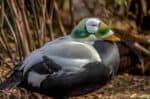
Ballaugh Curragh Ramsar Site
Ramsar Wetland of International Importance; also an Area of Special Scientific Interest (ASSI).The Isle of Man's best-known lowland wetland complex (marsh, reedbed, wet woodland and open water), crucial for breeding and passage waterbirds and for wetland plant diversity.
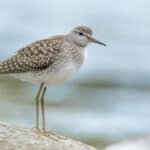
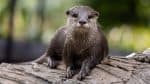
Calf of Man Nature Reserve and Bird Observatory
Nature Reserve / protected area managed for wildlife; also includes ASSI-designated features in practice (site-level statutory designations may overlap).A seabird and migrant hotspot with cliffs, heath and coastal grassland; it is one of the best places in the Irish Sea region to watch seabird colonies and seasonal bird movements.
Ramsey Bay Marine Nature Reserve
Marine Nature Reserve (MNR) / Marine Protected Area.A flagship marine protected area known for seagrass and biogenic habitats (including horse-mussel beds) that support diverse fish and invertebrates and provide nursery areas for marine life.
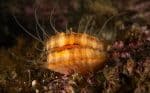
Langness Peninsula (ASSI)
Area of Special Scientific Interest (ASSI).An exposed coastal peninsula with grassland, rocky shore and nearby marine waters-valued for cliff/coastal birdlife and as a reliable area for coastal wildlife watching year-round.
Snaefell / Central Uplands Moorland ASSI (upland heath and blanket bog complex)
Area of Special Scientific Interest (ASSI) (upland/heath/blanket bog features; site naming/boundaries vary across the central hills).The island's upland core supports heather moorland and blanket bog communities important for raptors, upland breeding birds, and peatland ecology (carbon storage and hydrology).
UNESCO World Heritage Sites
- Isle of Man UNESCO Biosphere Reserve (designated 2016; island-wide)
Wildlife
The Isle of Man's wildlife is shaped by its position in the Irish Sea: rugged sea cliffs and offshore islets support seabird colonies, while upland heath and moorland (including plantations and rough pasture) hold a distinctive mix of Atlantic-edge birds and mammals. Marine life is a major part of the experience-seals, porpoises and dolphins are regularly seen from headlands and coastal paths-while terrestrial diversity is comparatively modest, with very few native reptiles and a small suite of amphibians.
Iconic Species

Notable Populations
- Regionally important seabird breeding assemblages on offshore islets and cliffs (including Manx shearwater and auks), making the Isle of Man a standout Irish Sea destination for seabird watching.
- One of the most significant Red-billed Chough populations in the British Isles outside its main Welsh strongholds, strongly associated with Manx coastal grasslands.
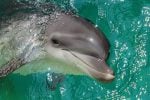
- Consistently good land-based cetacean watching for Harbour Porpoise around tidal headlands compared with many parts of the British-Irish coastline.
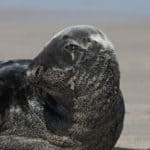
- Irish Sea Grey Seal presence is a defining part of the coastal wildlife experience, with regular haul-outs visible from shore in suitable areas.
Conservation
Primary Threats
- Habitat loss and fragmentation are driven mainly by coastal and peri-urban development around Douglas and other settlements, conversion of semi-natural grassland to improved pasture, and incremental loss of hedgerows/field margins. Upland habitat quality can also be reduced by drainage, burning, and grazing pressure that simplify heath and blanket bog structure.
- While large-scale expansion is limited by the island's size, agricultural intensification (reseeding, higher stocking density, slurry/fertilizer use) reduces botanical diversity in grasslands and can degrade wetlands and streams via nutrient and sediment runoff-particularly affecting lowland marshes and river corridors flowing to coastal bays.
- Historical and ongoing drainage of wetlands and modification of watercourses for land management (and localized peat cutting in uplands) alter hydrology, drying out bog and fen systems and reducing their carbon storage, flood buffering, and specialist wildlife value.
- Sea-level rise and increased storminess heighten erosion risk on soft coasts and dune systems, while warmer seas can shift fish and plankton communities in the Irish Sea. Upland bogs and heaths are vulnerable to drying and wildfire risk during hotter, drier spells, undermining carbon-rich peat habitats.
- Diffuse agricultural pollution (nutrients, fine sediments) affects freshwater and nearshore marine water quality, while marine litter accumulates on exposed west and north coasts. Legacy contamination from historical mining areas can also contribute localized heavy-metal pollution in soils and waterways.
- Invasive plants such as Japanese knotweed and invasive garden escapes can dominate riverbanks and disturbed ground, outcompeting native flora. Biosecurity risks to seabird islets and coastal habitats remain a concern (e.g., accidental introduction of rats/mustelids), and invasive marine species can arrive via shipping and aquaculture pathways in the Irish Sea.
- Tree health threats (notably ash dieback) affect hedgerows, glens, and amenity plantings, reducing habitat connectivity and altering woodland structure. Wildlife disease surveillance capacity is inherently limited by scale, making rapid detection and response important.
- Bottom-towed fishing (e.g., scallop dredging) and broader fisheries pressure can damage seabed habitats and reduce benthic biodiversity if not tightly managed. The Isle of Man's inshore marine ecosystems are sensitive because many priority habitats (maerl, seagrass, reef-like features) are slow to recover from disturbance.
- Coastal recreation (cliff-top paths, boating, kayaking, dog walking) can disturb breeding seabirds and shorebirds, especially at accessible headlands and beaches. Large events and seasonal visitor peaks increase pressure on sensitive sites through trampling, noise, and litter.
- Coastal defenses, road upgrades, utilities corridors, and potential future offshore/nearshore energy and cables can fragment habitats or affect seabed features if routed or timed poorly. On a small island, even modest linear infrastructure can have outsized effects on connectivity for wildlife.
- Growth and densification around Douglas and other towns increases impermeable surfaces and stormwater runoff, pressures nearby green space, and raises demand for coastal amenities-placing planning pressure on dunes, wetlands, and coastal grasslands.
- Although large-scale mining is historical, legacy sites (e.g., former metal mining districts) can leave spoil and contaminated drainage, with localized impacts on freshwater quality, soils, and downstream coastal environments if not managed.
Wildlife Tourism
Wildlife tourism on the Isle of Man is a strong "nature + culture" proposition built around rugged coasts, seabird cliffs, marine life in the Irish Sea, and upland moor/heath habitats-highly accessible in a compact destination. Economically, wildlife watching complements the island's core visitor economy (heritage, walking, cycling, TT events) by extending the season into spring and autumn and encouraging multi-day stays (guided walks, boat trips, wildlife-friendly accommodation, local transport). Conservation-led visitor experiences have grown in step with protections around key bird and marine areas, plus local initiatives for pollinators and coastal habitats. Accessibility is excellent: regular ferries and flights connect the island with Great Britain and Ireland; once on-island, short driving distances, a well-used path network, and coastal viewpoints make independent wildlife viewing easy, while boat operators and local guides add specialist access to seabird colonies and marine sightings.
- March-April: Early seabird return and courtship on coastal cliffs; spring migrant songbirds; amphibians active in wetlands/ponds; clear days for raptor and raven watching over moorland.
- May-June: Peak seabird season (breeding activity, busy cliffs); wildflowers on coastal grassland and heath; excellent time for guided dawn chorus walks and coastal photography.
- July-August: Seabird chick-rearing and fledging; best odds for marine encounters on calm days (seals, porpoises, dolphins); great for family-friendly rockpooling and coastal nature trails.
- September-October: Migration watch from headlands (passage seabirds, waders, and songbirds depending on conditions); dramatic coastal light and fewer crowds.
- November-February: Wintering seabirds offshore, waders in bays/estuaries, and good chances for seal haul-outs in quieter conditions; crisp days suit upland hikes for raptors and corvids (weather-dependent).
Top Wildlife Experiences
- Take a seabird-cliff lookout session at dawn or late afternoon: pick a headland viewpoint, scan with binoculars for guillemots/razorbills/kittiwakes (in season), and watch for passing gannets and skuas during migration periods.
- Join a licensed boat trip to offshore/islet seabird sites: photograph cliff-nesting birds from the water and keep watch for harbour seals and porpoises on the transit (calm summer days are best).
- Do a dedicated "marine mammals from shore" watch: spend 1-2 hours at a prominent coastal vantage point scanning for harbour porpoise blows and dolphin surface activity; pair it with tide planning for best visibility.
- Book a guided coastal foraging-and-nature walk (seasonal): learn to identify coastal plants and seaweeds while also interpreting shorebird behaviour and habitat conservation; finish with a responsible tasting/demo where offered.
- Go rockpooling on a spring low tide with a local guide: explore anemones, crabs, small fish, and seaweeds safely, with an emphasis on minimal disturbance and returning creatures to where found.
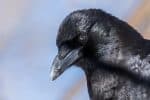
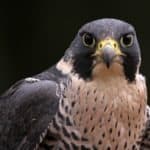
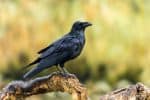
- Hike an upland moorland route for raptors and corvids: look for hen harrier/buzzard (where present), peregrine over cliffs, and ravens; combine with heathland botany and peatland ecology interpretation.
- Take a dusk "bat walk" in woodland/valley habitats: use bat detectors to listen for feeding activity along treelines and waterways (best in warm, calm conditions from late spring to early autumn).
- Plan a spring wildflower and pollinator walk on coastal grassland/heath: focus on orchids (where present), butterflies, and bumblebees; ideal for macro photography and gentle half-day itineraries.
- Visit wetlands/pond edges for amphibian spotting in early spring: slow, quiet observation for frogspawn/tadpoles and basking reptiles where habitat allows (avoid handling; follow local guidance).
- Do an autumn migration 'sea watch': spend a morning on an exposed headland logging passing seabirds and waders; great for birders and photographers, especially after overnight winds and weather fronts.
Safari Types Available
- Self-guided coastal wildlife watching (headlands, bays, cliff viewpoints)
- Guided birding walks and migration 'sea watches'
- Boat-based wildlife trips (seabirds, seals, cetacean-spotting opportunities)
- Shore-based marine mammal watches (porpoise/dolphin scanning from viewpoints)
- Rockpooling and intertidal safaris (guided low-tide explorations)
- Upland moorland/heath hikes focused on raptors and heathland ecology
- Night walks (bat-focused walks with detectors, seasonal)
- Seasonal wildflower/pollinator walks (butterflies, bumblebees, botany-focused)
- Wildlife photography outings (golden-hour coastal sessions, long-lens seabird work)
Did You Know?
The Isle of Man has no native snakes-so the common lizard is effectively the island's headline reptile, a quirky parallel with nearby Ireland's "no snakes" reputation.
There are wild wallabies on the Isle of Man: a small population has lived around the Curraghs area, descended from animals that escaped/were released from captivity.
Manx shearwaters are "home" to the island mainly at night: they return to burrows after dark and fill the hills with eerie, laughing calls-an adaptation that helps them avoid predators and human disturbance.
Red squirrels aren't a remote-forest rarity here: because grey squirrels never established on the island, red squirrels can turn up in gardens and parks in a way that surprises visitors from Great Britain.
The island's wildlife experience is as much offshore as on land: basking sharks, dolphins and porpoises are regularly reported from Manx coasts, and local citizen science (e.g., Manx Whale and Dolphin Watch) has made marine sightings a well-documented part of modern Manx nature culture.
Largest breeding population of grey seals in the Irish Sea: the Isle of Man is widely cited as the Irish Sea's key grey-seal nursery, with pups born each autumn on the Calf of Man and other coastal haul-outs.
First whole nation in the British Isles designated a UNESCO Biosphere Reserve (2016): the entire Isle of Man-land and surrounding sea-was recognised for balancing people and nature at a country scale.
One of the very few places in the British Isles with no grey squirrels at all-making it a standout refuge where native red squirrels remain widespread and easy to spot compared with much of Britain.
Major Manx shearwater stronghold in the Irish Sea: the Calf of Man holds one of the region's most important breeding colonies of the seabird literally named after the island ("Manx" shearwater).
One of the British Isles' longest-running island bird observatories: the Calf of Man Bird Observatory (founded 1959) has produced decades of migration records from a single small seabird island-an unusually long continuous dataset for the region.