
Wildlife of
Guernsey
About Guernsey
Guernsey, a British Crown Dependency in the Channel Islands, is defined by the meeting of land and sea: wave-cut cliffs, rocky headlands, sandy bays, and a mild maritime climate that supports a rich mosaic of coastal habitats. Despite its small size, the island's natural heritage is strongly maritime, with wildlife experiences centered on seabirds, shorebirds, and the life of the tides. Seasonal movements are a major part of its character-breeding seabirds on coastal cliffs, migrant waders and wildfowl using the islands as stopovers, and marine species appearing in inshore waters as conditions change through the year.
Key ecosystems include cliff and heathland edges, dunes and beaches, and-most notably-extensive intertidal reefs, boulder fields, and rock pools that are exposed at low tide. These intertidal zones are ecologically significant because they host dense communities of seaweeds, crustaceans, mollusks, anemones, and small fish, and they provide feeding grounds for waders and gulls. Offshore, the surrounding waters and nearby islets and reefs add important breeding and roosting sites for seabirds, while kelp-rich and rocky seabeds support a diverse marine food web that can be explored from shore, by boat, or through snorkeling and diving in suitable conditions.
In global conservation terms, Guernsey's importance lies less in large megafauna and more in safeguarding coastal and marine biodiversity within a heavily used European seascape. The island contributes to regional stewardship of seabird habitat, migratory bird flyways, and the health of intertidal and nearshore ecosystems-areas that are sensitive to disturbance, marine pollution, and climate-driven shifts in sea temperature and storm intensity. What makes the wildlife experience unique is its intimacy and accessibility: you can watch seabirds from clifftop paths, discover astonishing species richness during a single low-tide walk, and encounter marine life in close proximity to towns and harbors-often with dramatic scenery as a backdrop.
Geography
Guernsey's wildlife is shaped by its small size, strong maritime influence, and highly dissected coastline. The mild oceanic climate supports year-round plant growth and relatively frost-limited habitats, while the island's rugged cliffs, coves, and wide tidal range create extensive intertidal zones that concentrate marine invertebrates, shorebirds, and seabirds. Inland, a patchwork of small fields, hedgerows, lanes, and wet depressions provides fragmented but important habitat for farmland birds, bats, and pollinators; most species distributions are strongly influenced by proximity to the coast, exposure to salt spray/wind, and the availability of semi-natural pockets (heath/grassland, ponds, scrub) within an otherwise managed landscape.
Key Landscapes
- Rugged rocky coastline with cliffs, ledges, and sea caves (key for seabird nesting and roosting)
- Large tidal range creating extensive intertidal flats, rocky shore platforms, and tide pools (major feeding habitat for waders and marine invertebrates)
- Sandy bays and limited dune/strand systems (specialized coastal plants, invertebrates, and shorebird habitat)
- Coastal grassland and heath/scrub mosaics on exposed headlands (salt-tolerant flora; nesting/foraging for coastal birds)
- Small valleys and sheltered coves with woodland/scrub (local refuges from wind; higher structural diversity)
- Agricultural mosaic of small fields, hedgerows, and sunken lanes (connectivity corridors for birds, bats, and pollinators)
- Ponds, reservoirs, and wet depressions (scarce freshwater habitat; important for amphibians, odonates, and wetland birds)
- Offshore islets/reefs within the Bailiwick (e.g., Herm, Jethou, Lihou) supporting seabird colonies and seal haul-out potential; surrounding waters are key for fish and marine mammals
Ecoregions
- WWF terrestrial ecoregion: Celtic broadleaf forests (PA0407)
- Marine realm (MEOW/WWF-style marine biogeography): Celtic Seas / English Channel ecoregion (supports temperate rocky-reef, kelp, and intertidal communities)
Protected Areas
Guernsey (Bailiwick of Guernsey, Channel Islands) has no national parks in the UK sense; instead, biodiversity protection is delivered through a mix of site-based designations and land-management by the States of Guernsey, the States of Alderney, the National Trust of Guernsey, and local NGOs. The most important formally recognized wildlife areas include offshore seabird colonies, intertidal reef and shore complexes, freshwater wetlands and ponds, plus (notably around Alderney) a comparatively extensive set of marine protected areas aimed at safeguarding reefs, kelp habitats, and key fish and shellfish nursery grounds. Internationally, Ramsar wetland listings are a key pillar for protecting Guernsey's and Alderney's seabird and intertidal systems.
Approximate terrestrial area under formal protection is small but meaningful for such a small territory-on the order of ~8-12% of land, depending on whether small offshore islets and buffer areas are included. Marine protection is much more substantial around Alderney (a large MPA network), but a single comparable, territory-wide marine percentage is not consistently reported for the whole Bailiwick.
Notable Parks & Reserves
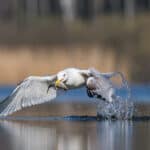
The Etacs and the Dirouilles Islets (Guernsey)
Ramsar Wetland (seabird/islet complex)Two small offshore islets that support internationally important seabird colonies; they are among the most significant breeding sites in the region for cliff- and islet-nesting seabirds.
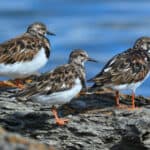
Lihou Island and L'Eree Headland (Guernsey)
Ramsar Wetland (intertidal/coastal complex) / locally managed nature areaA large intertidal landscape of rocky shores, reefs and seaweed beds exposed at low tide, making it one of Guernsey's best places for shorebird foraging and intertidal biodiversity.
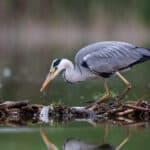
La Claire Mare (Guernsey)
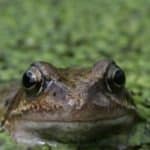
Local Nature Reserve / managed nature reserveA compact but species-rich freshwater reserve known for amphibians and dragonflies; its ponds, wet woodland edges and scrub make it a standout for small-island wetland biodiversity.
Vale Pond (Guernsey)
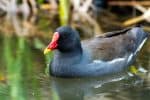
Local Nature Reserve / wetland reserveGuernsey's largest freshwater wetland area, valuable for breeding and wintering wildfowl and reedbed birds, and one of the best sites on the island for freshwater wildlife watching.
Alderney West Coast and the Burhou Islands
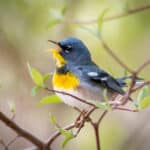
Ramsar Wetland (coastal/islet/marine complex)A highly important seabird and marine-wildlife area with strong tidal waters and offshore islets; it supports notable breeding seabirds and is a key area for marine mammals.
Alderney Marine Protected Area Network (key areas include the Swinge and west-coast reefs)
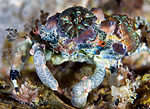
Marine Protected Areas (MPA network; Alderney waters)One of the best-known MPA networks in the British Isles, protecting reef and kelp habitats shaped by extreme tides; strong conservation focus on benthic communities and nursery habitats for fish and shellfish.
Wildlife
Guernsey's wildlife character is strongly maritime: rugged sea cliffs, offshore islets, kelp-fringed reefs, and wide intertidal zones support seabirds, shorebirds, and marine mammals. On land, habitats are small and fragmented (coastal grassland/heath, wooded valleys, ponds and wet meadows), so terrestrial mammal diversity is modest and many species are introduced; the standout experiences are coastal birding, intertidal life, and cetacean/seal watching in the surrounding waters.
Iconic Species
Endemic Species
Notable Populations
- Regionally important seabird assemblages concentrated on cliffs and offshore islets (notably shags and other inshore-feeding seabirds) relative to Guernsey's very small land area.
- Internationally significant intertidal habitat value at low tide: extensive rocky and sandy shore zones support dense invertebrate life that underpins wintering and passage shorebirds (e.g., oystercatchers and other waders).
- Regular marine-mammal use of nearshore waters (porpoises, dolphins, seals) linked to strong tidal currents and productive feeding areas around headlands and reefs.
Conservation
Primary Threats
- Because Guernsey is small and relatively densely settled, even modest housing, tourism, and coastal facility development can fragment remaining semi-natural habitats (coastal grassland, heath-like cliff tops, wetlands/pond margins). Reclamation/armouring and changes to shoreline management can reduce the extent and quality of intertidal habitat used by waders and shore invertebrates.
- Sea-level rise and more frequent/intense storm events increase erosion and pressure for hard coastal defenses, which can squeeze intertidal habitats. Warming seas and marine heatwaves can shift the timing/availability of prey for seabirds and affect kelp and other cold-temperate marine communities, while warmer winters can also favor invasive plants and pests.
- Runoff from roads and agriculture, intermittent wastewater/sewage overflow risks, and contamination from marinas/harbors (fuel residues, antifouling paints, heavy metals) can degrade nearshore water quality. Marine litter and microplastics accumulate on beaches and in wrack lines, affecting wildlife and the visitor economy that supports conservation funding.
- Invasive plants (e.g., aggressive coastal and garden escape species) can outcompete native cliff and dune flora, reducing habitat value for invertebrates and ground-nesting birds. Invasive predators such as rats can threaten seabird nesting success on offshore rocks/islets and coastal sites, requiring ongoing biosecurity and control.
- Seabird colonies and coastal bird assemblages are vulnerable to episodic disease events (notably avian influenza), which can cause rapid population declines and complicate monitoring and rehabilitation efforts. Small, localized populations on islands also have limited resilience to sudden mortality events.
- Pressure on inshore fisheries (notably shellfish such as lobster/crab and other nearshore resources) can alter food webs and reduce prey availability for marine predators. In a small-island setting, local depletion can occur quickly if effort concentrates in accessible bays and reefs, especially during good weather seasons.
- High recreational use of the coast-cliff-path walking, dog walking, coasteering, boating/kayaking, and shoreline foraging-can disturb roosting waders, breeding seabirds, and sensitive intertidal communities. Repeated disturbance at popular viewpoints and access points can reduce breeding success and push birds away from high-quality feeding areas.
- Harbor works, sea defenses, coastal road protection, and utilities placed in constrained coastal corridors can directly remove habitat and create barriers between cliff-top habitats and the shore. Hard engineering solutions can also simplify shoreline structure, reducing refuge and nursery space for intertidal species.
- Routine grooming of beaches, removal of seaweed wrack, drainage/management changes to ponds and wet depressions, and stabilization/reshaping of coastal slopes can reduce habitat complexity. These changes especially affect invertebrates and the birds that depend on them, as well as native coastal plant communities adapted to dynamic disturbance.
- While large-scale expansion is constrained by land limits, intensification (field enlargement, hedge/bank removal, higher nutrient inputs) can reduce farmland biodiversity and increase nutrient and sediment runoff into bays and streams/ponds.
- Ongoing infill and redevelopment pressure increases light and noise along the coast and reduces remaining semi-natural patches within the settlement matrix. This can particularly affect bats, nocturnal seabirds, and other species sensitive to artificial lighting and habitat fragmentation.
Wildlife Tourism
Guernsey offers compact, coast-focused wildlife tourism built around seabirds, marine life, and exceptionally accessible intertidal habitats. Wildlife-related visits are an important part of the wider visitor economy (especially outside peak beach season), with local operators, guides, and museums benefiting from birdwatching, marine tours, and nature walks. The island's wildlife appeal has grown alongside stronger habitat awareness and protections (notably around cliffs, offshore islets, and coastal reefs), and it's easy to reach via short flights from the UK or ferries from the UK and France-making it ideal for long weekends or slow, multi-day coastal itineraries. Because Guernsey is small, you can base in one place and still reach prime wildlife spots quickly by bus, bike, taxi, or on foot along cliff paths.
- March-April: Spring migration begins; increasing seabird activity on cliff ledges; good time for guided coastal bird walks before summer crowds.
- May-June: Peak seabird season (cliff-nesting species active), wildflowers on coastal headlands, and excellent low-tide rockpooling; long daylight hours for coastal hikes.
- July-August: Warmest seas and generally calm conditions for boat trips; best for marine wildlife outings and snorkel/sea-swim style nature experiences (weather-dependent).
- September-October: Post-breeding seabird movements and autumn passage; often pleasant temperatures for hiking and photography; marine sightings can still be good early autumn.
- November-February: Quieter, windier season; good for wintering coastal birds and storm-driven seabird watching from headlands (dress for exposure).
Top Wildlife Experiences
- Join a guided low-tide rockpool safari to identify anemones, crabs, sea stars, and seaweeds, and learn safe foraging/shorecraft basics on Guernsey's reefs and bays.
- Hike a section of the south-coast cliff paths at dawn with binoculars for seabird viewing and coastal raptor/shorebird scans, stopping at key viewpoints for photography.
- Take a small-boat wildlife cruise to offshore islets/reefs to look for seabirds and marine life (choose a skipper experienced in wildlife-sensitive approaches).
- Do a seabird-focused watch session from an exposed headland after a blow (classic 'seawatching'), scanning for passing pelagic birds and listening for local naturalist insights.
- Book a guided intertidal ecology walk at spring tides (the biggest tidal ranges) to explore sea caves, kelp zones, and the transition between sand, shingle, and rocky reef habitats.
- Try a kayak or stand-up paddle 'nature paddle' along sheltered stretches of coastline, combining quiet access to coves with interpretation of geology, birds, and marine habitats (conditions permitting).
- Take a night-time moth and bat walk in season with a local guide, using light traps and detectors to explore the island's lesser-seen wildlife.
- Visit a nature and maritime heritage site/museum day to add context-then pair it with a short coastal loop walk for practical ID practice (birds, plants, intertidal life).
- Plan a 'slow wildlife day' using buses: sunrise seabird viewpoints, midday rockpooling at low tide, and dusk coastal birding-maximizing sightings without a car.
Safari Types Available
- Coastal walking safaris (cliff-path birding and wildflower/nature walks)
- Intertidal/rockpool safaris (guided low-tide ecology walks)
- Boat safaris / wildlife cruises (offshore islets, reefs, and coastal wildlife viewing)
- Seawatching sessions (headland-based scanning for seabirds, especially after storms)
- Kayak/SUP wildlife tours (quiet-water nature paddles, weather-dependent)
- Snorkel/sea-swim nature experiences (seasonal, safety- and condition-dependent)
- Night wildlife walks (bats, moths, and nocturnal invertebrates in season)
- Photography-focused wildlife outings (sunrise/sunset coastal sessions, macro intertidal focus)
Did You Know?
You can 'walk to an island' through wildlife habitat: at low tide a causeway lets you reach Lihou on foot, crossing rock pools and seaweed-covered reefs that are submerged again just hours later.
Shellfish harvesting is literally tide-and-calendar regulated: Guernsey's traditional ormering (for European abalone, ormer) is only legal on tightly controlled dates linked to the spring-tide cycle, making it one of the most strictly scheduled shoreline fisheries in Europe.
Dolphins from the shore isn't unusual: because deep water and fast tidal races sit close to land, harbour porpoises and bottlenose dolphins are often spotted from headlands - no boat trip required.
Despite its mild climate, the Bailiwick has notably "Atlantic" seabird wildlife: for example, Les Etacs (off Alderney) supports a major Northern Gannet colony, while species like Atlantic Puffin are only occasional visitors rather than regular local breeders.
English Channel seabird record: Les Etacs (a sea stack off Alderney in the Bailiwick of Guernsey) hosts the English Channel's largest northern gannet colony, around 6,000 breeding pairs packed onto a single rock.
Channel Islands puffin hotspot: Burhou (Alderney) is the Channel Islands' key breeding site for Atlantic puffins and is widely cited as the islands' largest remaining colony.
Intertidal 'mega-shore' for its size: Guernsey's tidal range reaches roughly 10 metres on big spring tides, among the largest in Europe, creating an outsized area of rock pools, reefs, and seaweed habitat compared with the island's small land area.
Powerful tidal stream: the Alderney Race is among the strongest tidal currents in Europe, with peak speeds commonly cited up to about 12 knots.
Protected wetland standout: Lihou and The Rocques is Guernsey's Ramsar-listed wetland (internationally recognized), designated specifically for its unusually rich intertidal reefs and the migratory shorebirds they support.