
Wildlife of
Jersey
About Jersey
Despite its small size, Jersey punches above its weight for wildlife thanks to a mosaic of coastal habitats shaped by strong winds, salt spray, and exceptional tidal range. The island's natural heritage is defined by rugged sea cliffs, sandy bays, dune systems, and rocky shorelines, supporting everything from cliff-nesting seabirds to specialized plants and invertebrates adapted to maritime conditions. For visitors, the appeal is how accessible it all is: within short drives or walks you can move from wave-battered headlands to tranquil reedbeds and open water, with constant opportunities for birdwatching and shore exploration.
Key ecosystems include the intertidal zone-expansive at low tide-where rock pools, eelgrass and seaweed beds, and sand/mud flats shelter crabs, anemones, whelks, and other shoreline species that in turn fuel migrating and wintering waders. Jersey's dunes and coastal grasslands add another layer of biodiversity, while wetlands and reservoirs provide refuges for freshwater birds and dragonflies. Offshore, productive surrounding waters support marine food webs that draw in seabirds and regularly produce sightings of seals and cetaceans, making boat trips and headland watching rewarding at many times of year.
In a global conservation sense, Jersey is a small but important piece of the wider Northwest European flyway and the Channel's marine ecosystem, contributing habitat stepping-stones for migratory birds moving between northern breeding areas and southern wintering grounds. The wildlife experience here is uniquely "tide-led": timing your day to the ebb and flow reveals a changing world of feeding flocks, exposed reefs, and life-packed pools-often with excellent viewing opportunities from coastal paths and vantage points without the need for long-distance travel.
Geography
Jersey's small area but highly indented coastline creates a high ratio of shore-to-land habitat, concentrating wildlife along rocky cliffs, intertidal reefs, sandy bays, and adjacent dunes and wetlands. Strong tidal ranges in the English Channel expose extensive intertidal zones that drive food availability for waders and seabirds, while the island's mild maritime climate supports a mosaic of coastal heath/grassland, small woodlands, and hedgerow-lined farmland that shapes the distribution of bats, songbirds, and invertebrates. Marine and nearshore habitats (reefs, seagrass/seaweed beds, sandbanks) are especially influential for biodiversity compared with the limited inland freshwater network.
Key Landscapes
- Rocky north-coast cliffs and headlands (nesting/roosting sites for seabirds; cliff-top grassland/heath for invertebrates and passerines)
- Extensive intertidal rocky reefs and wave-cut platforms (high biodiversity; feeding grounds for waders; rich seaweed communities)
- Sandy bays and dune systems, notably St Ouen's Bay (dune grassland and slack habitats; important for specialist plants/invertebrates)
- Saltmarsh and tidal wetlands where present (nursery habitat for fish and invertebrates; feeding habitat for waterbirds)
- Shallow coastal waters, sandbanks, and offshore reefs/islets (e.g., Minquiers, Ecrehous) supporting seabirds, seals, and diverse marine life
- Low inland plateau with agricultural mosaic (fields, hedgerows, and small copses influencing songbird and pollinator distribution)
- Small valleys and short streams/ponds/reservoirs (limited freshwater habitat but locally important for amphibians, dragonflies, and riparian birds)
- Coastal grasslands and scrub (key for nesting/foraging birds and insect communities, especially where grazing/disturbance maintains open structure)
Ecoregions
- WWF (terrestrial, approximate): Celtic broadleaf forests (Temperate Broadleaf & Mixed Forests biome)
- Marine (MEOW framework, commonly used for marine biogeography): Celtic Seas ecoregion (Northeast Atlantic Shelf province)
Protected Areas
Jersey's protected-area system is built around (1) statutory Sites of Special Interest (SSSIs/SSIs) that safeguard key terrestrial habitats such as dunes, cliffs/heathland, wetlands and semi-natural grassland; (2) large intertidal and offshore protections led by the South East Coast of Jersey Ramsar site; and (3) marine conservation measures, including Marine Protected Areas and fisheries restrictions around important reefs and islets. Because Jersey is small but has an extensive intertidal zone, the most significant conservation footprint is coastal and marine, supporting migratory shorebirds, seabird colonies, and rich reef/invertebrate communities.
Approx. ~10% of Jersey's land area is under formal terrestrial protection (varies by how SSIs and conservation ownerships are counted). If intertidal and marine designations (notably the Ramsar site and MPAs) are included, the protected footprint is much larger than the island's land area alone.
Notable Parks & Reserves
South East Coast of Jersey Ramsar Site
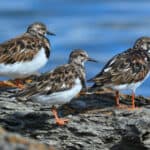
Ramsar Wetland of International ImportanceOne of the island's most important wildlife areas, protecting a vast intertidal landscape of reefs, sandflats and seagrass/seaweed habitats that supports internationally important numbers of wintering and passage shorebirds.
Ecrehous Reefs (offshore reef and islet complex)
Marine Protected Area / part of wider marine and intertidal protected network (often managed alongside the Ramsar coast)A nationally important offshore reef system with tide-swept rocky platforms and pools that concentrate marine life; it is also a key haul-out and foraging area for marine mammals and a magnet for seabirds.
Minquiers (offshore reef plateau and islets)
Marine Protected Area / key offshore conservation area (managed within Jersey's marine protection framework)An exceptionally large reef platform exposed at low tide, famous for its biodiversity-rich rock pools and productive waters that support seabirds, predatory fish and commercially important invertebrates.
St Ouen's Bay Dune System (incl. major dune habitats along the west coast)
Site of Special Interest (SSI) / protected coastal dune habitat (local statutory designation)Jersey's largest dune landscape, important for coastal specialists and as a refuge for reptiles, amphibians and dune-associated birds; it also provides natural coastal buffering and high habitat diversity over a small area.
St Ouen's Pond and associated wetlands
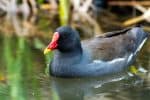
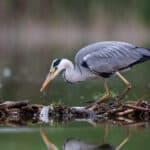
Site of Special Interest (SSI) / freshwater wetland protected under local designationThe island's best-known freshwater wetland for birdwatching, with open water, reedbed and wet grassland features that attract breeding and migratory waterbirds and support diverse aquatic invertebrates.
The Heathlands (north-west coastal heath and cliff landscape)
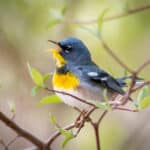
Site of Special Interest (SSI) / protected coastal heath-cliff habitat (local statutory designation)A rugged coastal mosaic of heath, grassland and cliffs that supports cliff-nesting birds and raptors, and is one of Jersey's standout areas for viewing coastal wildlife and migration movements.
Wildlife
Jersey's wildlife is defined by its maritime setting: extensive rocky intertidal reefs, sea cliffs, sandy bays and dunes, small wetlands, and productive surrounding waters in the English Channel. Despite the island's small land area, the mix of coastal habitats and its position on major migration routes support a high diversity of seabirds and shorebirds, while nearby seas regularly host dolphins, porpoises, and seals. Terrestrial wildlife is comparatively limited but includes notable herpetofauna with strong affinities to nearby Normandy and the wider Channel Islands.
Iconic Species

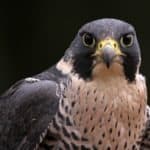
Notable Populations
- The offshore reef systems (including Ramsar-designated areas such as the Minquiers and the Ecrehous) support internationally important assemblages of intertidal life and provide key feeding habitat for large numbers of migratory and wintering shorebirds on the East Atlantic flyway.
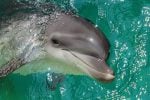
- Jersey's surrounding waters are a reliable place in the region to encounter small cetaceans (notably bottlenose dolphins and harbour porpoises) thanks to strong tidal currents and productive feeding conditions.
- Sea cliffs and offshore rocks support characteristic Channel seabird communities (e.g., gannets feeding offshore, shags along the coast), creating a wildlife experience strongly focused on marine and coastal viewing rather than large terrestrial mammals.
Conservation
Primary Threats
- Limited land area and high demand for housing, roads, and amenities can squeeze remaining semi-natural habitats (dunes, coastal grassland, wet meadows, and cliff-top habitat). Fragmentation is especially acute because many wildlife sites are small and isolated, making them sensitive to edge effects and disturbance.
- Concentrated settlement and ongoing redevelopment (including coastal and town-edge pressures) can lead to incremental loss of green space and increased lighting, noise, and domestic predator presence (cats) affecting bats, nesting birds, and invertebrates.
- Coastal defenses, sea walls, harbor works, road upgrades, and utility corridors can alter shore processes and fragment habitats. In a small island context, even modest infrastructure changes can have outsized impacts on connectivity (e.g., between wetlands and surrounding feeding areas).
- Coastal protection and drainage/management of low-lying land can modify hydrology and sediment movement, affecting dune dynamics, saltmarsh development, and wetland water levels. Historical land drainage and ongoing water management can reduce wet meadow and pond quality for amphibians and wetland plants.
- While Jersey retains agricultural landscapes, intensification and field reconfiguration can reduce hedgerows, unimproved grassland, and small wetlands, lowering habitat quality for pollinators, farmland birds, and bats. Nutrient management challenges can also link agriculture to coastal eutrophication.
- Nutrient runoff and effluent can contribute to eutrophication risks in nearshore waters and bays, affecting seagrass, algae dynamics, and intertidal communities. Marine litter and microplastics accumulate along beaches and in wrack lines, impacting seabirds and intertidal wildlife through ingestion and entanglement.
- Sea-level rise, increased storm surges, and coastal erosion threaten dunes, beaches, and low-lying wetlands; warmer seas can shift marine species composition and affect food availability for seabirds. Heatwaves and altered rainfall patterns can stress freshwater wetlands and amphibian breeding sites.
- Non-native plants can outcompete native dune and coastal vegetation; invasive predators (notably rats) can severely impact seabird breeding success on offshore reefs and islets, and invasive invertebrates can alter woodland and garden-edge ecosystems. Biosecurity is challenging because of frequent travel and freight links.
- Local inshore fishing and broader regional pressures in the English Channel can reduce stocks and alter food webs, potentially affecting seabirds and marine mammals. Sensitive habitats such as reefs and seagrass areas can be impacted by extractive activity and gear contact if not well managed.
- High recreational use of beaches, dunes, cliff paths, and intertidal zones (walking, dog exercise, water sports, bait digging, shore gathering) can disturb roosting/wintering waders and breeding seabirds, and can damage fragile dune and saltmarsh vegetation through trampling.
Wildlife Tourism
Jersey's wildlife tourism is built around its coastline: seabird cliffs, intertidal reefs, sandy dunes, offshore reefs/islets, and pockets of wetlands. While not a "big game" destination, it's a high-value, low-footprint place for marine and coastal wildlife encounters-especially seabirds, seals, dolphins/porpoises, and the rich life of Jersey's huge tidal range. Nature-focused travel supports local operators (boat trips, guides, dive/snorkel businesses), heritage/coastal infrastructure (paths, reserves, interpretation), and conservation groups through memberships, donations, and visitor spend in rural/coastal communities. Wildlife watching has long been tied to Jersey's maritime culture and coastal access; today it's very accessible: compact driving distances, an excellent coastal path network, frequent guided shore walks and boat excursions (seasonal), and easy links via flights and ferries from the UK and France. The key planning factor is tide times and sea conditions-many of Jersey's best wildlife moments happen on the shoreline at low tide or on boats when the sea is calm.
Practical wildlife calendar (what to see when):
- January-February: Wintering shorebirds on bays and estuaries (oystercatchers, curlew, dunlin), storm-driven seabird sightings from headlands, and occasional seal/dolphin encounters on calm days. Great for quiet coastal walks and birding.
- March-April: Spring migration begins; seabirds return to breeding areas, and intertidal life is very active on warming low tides. Good time for guided rockpooling and coastal birdwatching before peak crowds.
- May-June: Peak for breeding seabirds and coastal wild nature. Excellent visibility for boat trips; high diversity on shore walks (crustaceans, anemones, seaweeds) during spring low tides. One of the best windows for "do a bit of everything."
- July-August: Warmest water and longest days-best for snorkel/scuba wildlife, calm-sea dolphin/porpoise cruises, and family-friendly rockpool safaris. Early mornings/late evenings are nicest for birds and heat management.
- September-October: Another top period-post-breeding seabird movement, autumn migration of waders, and often good marine mammal viewing in settled weather. Quieter than midsummer but still very active.
- November-December: Excellent for winter birds again; dramatic seas can bring pelagic birds close in. Boat trips are more limited, but headland watches and wetland birding can be superb.
Tip: Plan at least 1-2 activities around big low tides (spring tides) for the richest intertidal viewing; check tide tables when booking.
Top Wildlife Experiences
- Join a guided rockpool safari on a spring low tide to find crabs, blennies, anemones, limpets, and seaweeds-learning safe footing and how to spot camouflage in tidal pools.
- Take a RIB/boat wildlife cruise to offshore reefs and islets to look for dolphins/porpoises and seals, with seabirds feeding around tide lines (go on a calm-weather day for the best experience).
- Do a headland "seawatch" at dawn: scan for gannets, auks in season, shearwaters on migration days, and rafts of seabirds offshore-bring binoculars and dress for wind.
- Book a coastal birding walk focused on waders and shorebirds across bays and estuaries; time it around a rising tide when birds concentrate into tighter roosts for easier viewing.
- Try a guided snorkel safari in sheltered bays in summer to see fish, kelp-edge life, and reef habitat-ideal for confident swimmers and those wanting an in-the-water encounter.
- Take a sea-kayak wildlife paddle (tide- and skill-dependent) along cliffs and rocky shoreline to quietly approach feeding birds and explore sea caves/reefs without engine noise.
- Join a dusk bat walk in green lanes/wooded pockets (seasonal) using detectors to hear and identify local bats-an easy add-on after a coastal day.
- Go on a night-time shore walk (where permitted and with a guide) to observe nocturnal intertidal behavior-crabs and other species becoming active as temperatures drop.
- Combine wildlife with conservation by joining a beach clean or citizen-science style shore survey (often run by local groups), turning your visit into tangible support for Jersey's coast.
Safari Types Available
- Guided intertidal/rockpool safaris (shore-based, tide-timed)
- Boat safaris (RIBs/cruises) for marine mammals and seabirds
- Seawatching from headlands (self-guided or guided birding sessions)
- Coastal walking safaris (cliff paths, bays, dunes; bird- and habitat-focused)
- Kayak/sea-kayak wildlife excursions (low-impact, tide-dependent)
- Snorkel safaris and guided shore-entry marine wildlife swims (summer)
- Scuba diving wildlife trips (experienced divers; seasonal conditions)
- Wetland/bird hide style viewing and guided birdwatching walks (seasonal)
- Night wildlife walks (e.g., bats; guided/seasonal)
Did You Know?
Despite being tiny, Jersey has four internationally recognized Ramsar wetlands: the South-East Coast of Jersey, the Minquiers, the Ecrehous and Dirouilles, and the Pierres de Lecq-so a large share of its biodiversity hotspots are protected under a global treaty.
On big spring low tides, the sea doesn't just 'go out'-it can retreat so far that you can walk (with local knowledge/guides) out across vast sandflats to places like Seymour Tower, crossing habitat that's normally underwater and packed with burrowing invertebrates that draw in foraging birds.
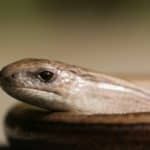
Jersey is naturally snake-free, which surprises many visitors given how close it is to France; the island's native reptile scene is dominated by lizards and the slow worm (which looks like a snake but is actually a legless lizard).
Two of Jersey's most 'continental' headline species-the agile frog and the Western green lizard-make the island feel more like a slice of northwest France than the British Isles, even though it's under the British Crown.
Jersey's wildlife viewing can be genuinely 'edge-of-the-map' without leaving the shore: the island's unusually large intertidal zone means rockpools and reefs can be explored over a huge area on foot at low tide, revealing a high diversity of seaweeds, anemones, crabs, and other shore life in a very small geographic space.
Les Minquiers, a Jersey offshore group, is widely described as the largest tidal reef in Europe-at low tide it exposes an enormous maze of rocks and sandbars that becomes a major feeding ground for intertidal wildlife and wading birds.
Jersey sits next to one of the world's biggest tidal ranges: spring tides around the Channel Islands can reach roughly 10-12 metres, creating exceptionally extensive intertidal habitat (a 'larder' for worms, shellfish, crabs, and the birds that eat them).
St Ouen's Pond is the largest area of open freshwater in the Channel Islands, making it a standout site for wetland wildlife on an otherwise coastal, marine-dominated island.
The Western green lizard (Lacerta bilineata)-a large, bright-green 'continental' reptile-is found in the British Isles in the wild in the Channel Islands (including Jersey), making Jersey one of the very few places under the British Crown where you can encounter it outside captivity.
Jersey is the only place in the British Isles with a wild population of the agile frog (Rana dalmatina), a species otherwise associated with mainland Europe-making the island uniquely important for this amphibian in a British context.