N S W E
Wildlife Expeditions

Wildlife of
Macedonia

North Macedonia stands out for its dramatic mountain-and-lake landscapes-especially ancient Lake Ohrid-where rare Balkan mammals, spectacular raptors, and globally important wetland birds can be seen within a compact, easily explored country.
124 Species
25,713 km² Land Area
Overview

About Macedonia

North Macedonia's wildlife character is shaped by rugged Balkan mountains, deep tectonic lakes, and sun-warmed valleys that mix continental and Mediterranean influences. This variety supports a classic "large carnivore" guild-brown bear, wolf, and wildcat-alongside rich birdlife and a remarkable suite of freshwater endemics. For visitors, the appeal is the density of habitats: in a short drive you can move from oak woodlands and river gorges to alpine meadows and glacial lakes, with frequent opportunities for birdwatching, tracking, and nature photography.

Key ecosystems include the high mountain massifs of Mavrovo, Shar, Pelister, and Galicica (important refuges for forest and alpine species), and the lake-and-wetland systems of Ohrid and Prespa. Lake Ohrid-among Europe's oldest lakes-functions as a living museum of evolution, harboring many endemic fish and invertebrates found nowhere else. Prespa's wetlands and reedbeds are regionally significant for breeding and migratory waterbirds, while river valleys such as the Vardar corridor help funnel migration between the Aegean and the interior Balkans.

In global conservation terms, North Macedonia plays an outsized role in safeguarding Balkan biodiversity hotspots and serving as a critical piece of transboundary conservation with neighboring countries (notably around the Ohrid-Prespa basin). It is particularly important for the critically endangered Balkan lynx, whose survival depends on connected forest landscapes across borders and effective protection from habitat fragmentation and poaching. The wildlife experience here feels intimate and "wild"-less about mass tourism and more about quiet, close-to-nature encounters: listening for owls in beech forests, scanning cliffs for eagles, and exploring one of Europe's most extraordinary endemic-lake ecosystems.

Physical Features

Geography

North Macedonia's wildlife is strongly shaped by its rugged topography and sharp climate gradients. Mountain massifs create alpine and subalpine habitats, cool forested slopes, and isolated refugia that promote high biodiversity, while broad river valleys (especially the Vardar corridor) act as migration and dispersal routes and bring warmer, more Mediterranean-influenced conditions northward. Deep ancient lakes-most notably Lake Ohrid-support globally significant freshwater endemism, and wetland fringes around the major lakes and river floodplains provide critical habitat for fish, amphibians, reptiles, and waterbirds. The result is a compact but highly varied mosaic of habitats ranging from montane conifer-beech forests to dry oak woodlands, rocky gorges, and lake/river wetlands.

25,713 km² Land Area
Around the 148th largest country; about the size of Vermont (USA) Size Rank

Key Landscapes

  • Shar Mountains and adjacent highlands (alpine meadows, glacial lakes, montane forests)
  • Korab-Mavrovo massif (rugged peaks, deep valleys; large protected landscapes)
  • Pelister (Baba) Mountains (montane conifer and mixed forests; high-elevation habitats)
  • Osogovo-Maleshevo and other eastern ranges (montane forests and upland mosaics)
  • Vardar River valley/corridor (north-south lowland route with warmer, drier influences; riparian zones)
  • Black Drin system and gorges (links Lake Ohrid to downstream river habitats)
  • Lakes Ohrid and Prespa (ancient/deep lake ecosystems, endemic fish and invertebrates; wetland margins)
  • Lake Dojran (shallow lake and reedbeds important for waterbirds)
  • Black River and Treska river gorges/canyons (rocky cliffs, caves, riparian strips)
  • Karst areas, caves, and rocky outcrops (bat roosts, specialized flora/fauna)
  • Intermontane basins and agricultural plains (habitat mosaics, field margins, steppe-like patches in drier zones)

Ecoregions

  • Balkan mixed forests (temperate broadleaf and mixed forests across much of the country)
  • Illyrian deciduous forests (western influences; oak and mixed deciduous woodlands)
  • Rhodope montane mixed forests (eastern/southeastern montane forest influences)
  • Pindus Mountains mixed forests (southwestern montane forest influences, where applicable)
  • Aegean and Western Turkey sclerophyllous and mixed forests (Mediterranean-influenced woodlands/scrub in warmer lowlands, especially toward the south and the Vardar corridor)
Parks & Reserves

Protected Areas

North Macedonia's protected-area network includes four National Parks (Mavrovo, Pelister, Galicica, and Shar Mountain) that protect major mountain-and-lake landscapes managed for ecosystem protection and recreation, complemented by smaller Strict Nature Reserves (highest protection), Nature Parks/Monuments of Nature (often single gorges, caves, or wetlands), and multipurpose protected areas that combine biodiversity conservation with limited sustainable use. Management is led by national institutions and park authorities, with several sites recognized internationally for key wetlands and the globally important Lake Ohrid ecosystem.

Protected Coverage

Approximately ~9% of North Macedonia's land area is under formal national protection (coverage varies by source and by whether newly designated areas are included).

Notable Parks & Reserves

Mavrovo National Park

National Park

The country's largest protected area, Mavrovo safeguards rugged Shar-Korab mountain habitats that are critical for large carnivores and one of the most important strongholds of the Balkan lynx. Its mosaics of forests, alpine meadows, and rocky slopes support high mammal and raptor diversity.

Pelister National Park

National Park

Pelister protects high-elevation forests and alpine zones on Baba Mountain, including some of the best-preserved Balkan mountain ecosystems. It is notable for supporting healthy populations of forest mammals and birds of prey, with excellent opportunities for tracking large wildlife signs.

Galicica National Park

National Park

Set between Lake Ohrid and Lake Prespa, Galicica is outstanding for endemism and the lake-mountain ecological gradient in a compact area. It is particularly notable for endemic lake fauna and for raptors and mammals using the mountain ridge and adjoining shorelines.

Ohrid trout
Balkan chamois
European otter
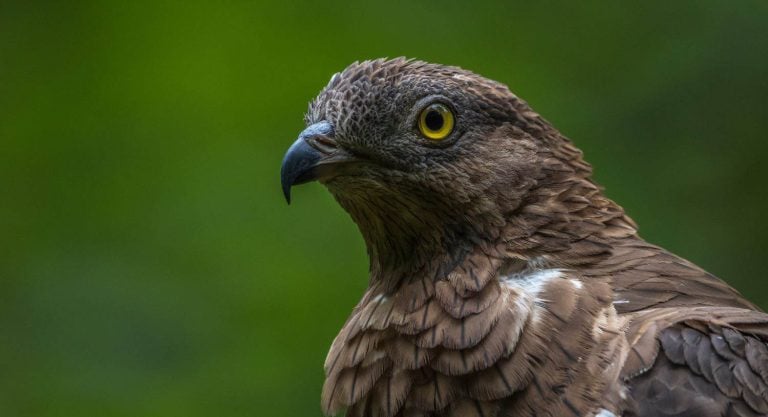
Short-toed snake eagle
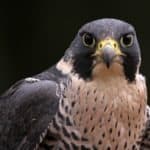
Peregrine falcon
Peregrine falcon
European wildcat
European wildcat

Ezerani Nature Park (Lake Prespa wetlands)

Nature Park / Ramsar wetland (Lake Prespa)

Ezerani protects one of the most important wetland complexes on Lake Prespa, a major pelican and waterbird stronghold in the Balkans. The reedbeds and shallow waters are vital for breeding, stopover, and wintering birds and support rich aquatic food webs.

Dalmatian pelican
Great white pelican
Pygmy cormorant
Ferruginous duck
Great crested grebe
European otter

Jasen Multipurpose Protected Area

Multipurpose Protected Area

A large forested massif west of Skopje, Jasen is a key corridor and refuge for wide-ranging mammals and raptors. Its relatively low fragmentation makes it important for carnivore conservation and landscape connectivity in central North Macedonia.

Matka Canyon (Treska River)

Monument of Nature / Protected Area

Matka is a karst canyon complex known for caves and cliffs that support significant bat colonies and cliff-nesting birds. The river corridor and steep limestone habitats make it one of the best near-Skopje sites for observing raptors and riparian wildlife.

Eurasian otter
Peregrine falcon
Peregrine falcon
Common kingfisher
Greater horseshoe bat
Lesser horseshoe bat
Short-toed snake eagle

Lake Dojran

Ramsar wetland

A shallow, warm lake with extensive reedbeds that is regionally important for waterbirds and migratory stopovers. It supports dense fish and invertebrate communities that attract herons, cormorants, and other wetland specialists.

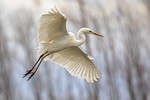
Great egret
Great egret
Little bittern
Pygmy cormorant
Glossy ibis
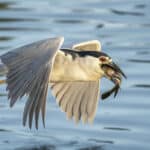
Black-crowned night heron
European pond turtle

Studenchishte Marsh (Lake Ohrid shoreline)

Ramsar wetland

One of the last remaining marsh habitats on the Lake Ohrid shore, critical for wetland birds, amphibians, and nursery habitat for aquatic life. Its conservation is important for maintaining the ecological integrity of the wider Lake Ohrid system.

Purple heron
Eurasian bittern
Common kingfisher
European otter
European pond turtle
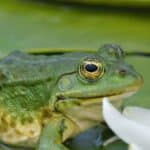
Marsh frog
Marsh frog

Shar Mountain National Park

National Park

Established in 2021 to protect the highest parts of the Shar Mountain range, this park conserves alpine grasslands, rocky peaks, glacial lakes, and extensive mountain forests that are important for large carnivores and high-altitude biodiversity.

Animals

Wildlife

North Macedonia packs high biodiversity into a small, landlocked Balkan country. Rugged mountain ranges (Shar, Korab, Baba, Osogovo), Mediterranean-influenced river gorges (Vardar valley, Demir Kapija), extensive oak-beech forests, alpine grasslands, and internationally important wetlands (Lakes Ohrid and Prespa) create a mosaic of habitats. Wildlife experiences range from large carnivores and mountain ungulates in remote highlands to globally significant birdlife and exceptional freshwater endemism in ancient lakes-especially Lake Ohrid, one of the world's oldest lakes and a hotspot for endemic aquatic species.

~80-90 species (notable: large carnivores incl. Balkan lynx, brown bear, wolf; rich bat diversity) Mammals
~280-320 species recorded (raptors, vultures, and wetland birds especially notable) Birds
~45-55 species (Mediterranean and montane mix; tortoises and snakes well represented) Reptiles
~15-18 species (several Balkan/near-endemic lineages present) Amphibians

Iconic Species

Balkan Lynx
Balkan Lynx The country is a key remaining stronghold for this critically endangered Balkan subspecies. Best searched for (rarely seen) in remote forests of Mavrovo National Park and the Å ar-Korab mountain region; it is emblematic of North Macedonia's wild mountain landscapes.
Brown Bear
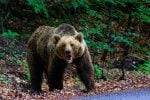
Brown Bear A flagship large mammal of North Macedonia's forested mountains, especially in and around Mavrovo and other western highlands. More often detected by tracks/sign than direct sightings, but central to the country's "true wilderness" character.
Grey Wolf
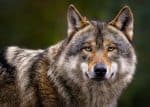
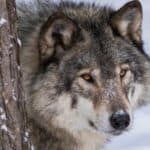
Grey Wolf Widespread in mountainous and forest-steppe mosaics; an important top predator shaping ungulate populations. Likeliest presence in large, rugged landscapes such as Mavrovo and surrounding ranges.
Balkan Chamois A signature mountain ungulate of steep cliffs and alpine slopes. Often associated with higher, rocky terrain in protected areas; a classic species for hikers and mountain visitors.
European Wildcat
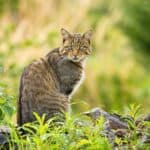
European Wildcat A secretive forest predator found in extensive woodland systems. It highlights the intactness of large forest blocks across the country's uplands.
Dalmatian Pelican A major draw at Lake Prespa, where pelicans use wetlands and open water for feeding and breeding. Prespa is one of the most important pelican sites in the region and a premier birdwatching destination.
Griffon Vulture
Griffon Vulture Soaring scavengers are a hallmark of the country's dramatic gorges and cliffs. The Demir Kapija area and other rocky landscapes are well known for vulture watching and raptor migration viewing.
Golden Eagle
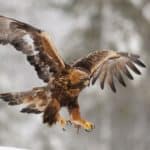
Golden Eagle A flagship raptor of open mountains and rugged highlands; valued by birders scanning alpine slopes and remote ridgelines in western and central ranges.
Eurasian Otter An indicator of healthy rivers and lakeshores; found along cleaner waterways and lake margins. Notably associated with lake and river systems around Ohrid/Prespa and quieter river stretches.

Endemic Species

Ohrid Trout Endemic to the Lake Ohrid basin; one of the lake's best-known endemic fishes and a symbol of Ohrid's ancient-lake biodiversity (with conservation importance due to pressure on native stocks). Endemic
Belvica (Ohrid Trout) Another Lake Ohrid endemic salmonid, tied to the lake's exceptional evolutionary history. Represents the uniquely diversified fish fauna of this ancient lake. Endemic
Prespa Trout A near-endemic trout restricted to the Prespa lake system (shared regionally). It reflects the distinctive freshwater fauna of the Prespa basin and ongoing conservation needs. Endemic
Macedonian Crested Newt A Balkan near-endemic amphibian occurring in North Macedonia and neighboring areas, associated with ponds and wetlands in suitable lowland to foothill habitats. Endemic
Balkan Lynx (subspecies) A regional endemic subspecies with one of its last and most important populations centered on North Macedonia-Albania border mountains; a conservation priority and national flagship. Endemic

Notable Populations

  • Lake Ohrid is one of the world's oldest lakes and a globally important center of endemism; its basin supports an exceptional concentration of endemic aquatic life (especially fishes and invertebrates).
  • North Macedonia is a key stronghold for the Balkan lynx (Lynx lynx balcanicus), one of Europe's most threatened large carnivore lineages, with only a very small remaining population concentrated in the western mountains.
  • The Prespa lake system is a regionally significant wetland for Dalmatian pelicans and other waterbirds, making it one of the premier bird areas in the Balkans.
  • Mountain chains and gorges (notably along the Vardar corridor and southern cliffs) form an important raptor and soaring-bird landscape, supporting vultures and facilitating migration viewing opportunities.
Protection

Conservation

Primary Threats

  • Conversion and fragmentation occur mainly in lowland river valleys (e.g., Vardar corridor) and around lake shorelines where agriculture, settlements, and tourism facilities expand. Wetlands and riparian habitats are squeezed by drainage, shoreline hardening, and construction near Lake Ohrid/Prespa and along regulated river stretches.
  • Transport corridors, ski/tourism infrastructure in mountain areas, and especially small hydropower projects have driven habitat fragmentation and barrier effects. Proposed/constructed hydropower in and around protected landscapes (e.g., Mavrovo region and tributaries) has been a recurring conflict due to impacts on river connectivity and species dependent on intact headwaters.
  • River regulation, water abstraction for irrigation/municipal use, and hydropower diversions alter flow regimes and sediment transport, affecting fish, aquatic invertebrates, and riparian ecosystems. In the Prespa-Ohrid watershed, altered water balances can cascade between connected lake systems (hydrology and groundwater links).
  • Urban wastewater and nutrient runoff threaten lakes and rivers, with eutrophication risks and localized shoreline degradation-particularly sensitive in Lake Ohrid due to its unique endemic biodiversity. Legacy and active mining/industrial sites contribute heavy-metal risks in some catchments, while urban air pollution (notably in winter inversions in valleys) also affects ecosystems and human health.
  • Metal mining and associated tailings/waste-rock (e.g., in eastern mining districts) can generate acid drainage and metal contamination risks for tributaries and groundwater if not managed to high standards. Quarrying for construction materials also affects karst/rock habitats and causes localized landscape disturbance.
  • Illegal and unsustainable harvesting pressures persist in some forested regions, driven by demand for fuelwood and weak enforcement. This degrades habitat quality, increases erosion and landslide risk on steep slopes, and reduces old-growth elements important for forest specialists (raptors, woodpeckers, saproxylic insects).
  • Rising temperatures and more frequent drought/heatwaves increase wildfire risk, stress mountain forests, and reduce summer river flows. Sensitive lake systems face warming, altered stratification, and water-level variability, amplifying eutrophication and invasive-species pressures; alpine and subalpine communities in the Shar Mountains and Pelister are particularly vulnerable to upward habitat shifts.
  • Non-native fish and other aquatic introductions in Lake Ohrid and connected waters can disrupt endemic assemblages through predation/competition. Invasive plants along disturbed riverbanks and shorelines spread where construction, gravel extraction, or fluctuating water levels create open niches.
  • Fishing pressure and illegal gear can affect native fish populations in key lakes (notably Ohrid and Prespa systems), where endemic and commercially valued species are sensitive to overharvest. Weak enforcement and informal markets can exacerbate local declines.
  • Illegal hunting/poaching affects large mammals and birds in remote mountain areas, including disturbance and direct mortality. Enforcement challenges in rugged terrain and along borders can make some populations vulnerable.
  • Primarily manifests as opportunistic illegal take and trade of birds (songbirds/raptors) and reptiles, often linked to cross-border routes in the Balkans. Even small-scale collection can be significant for localized or slow-reproducing species.
  • Unplanned tourism and recreation concentrate on Lake Ohrid's shoreline and mountain destinations, causing noise, waste, trampling of sensitive habitats, and pressure for new facilities. Off-road driving and uncontrolled access in mountain pastures can disturb breeding wildlife and accelerate erosion.
  • Conflicts with wolves and bears occur in pastoral landscapes (the Shar Mountains and other mountain areas) through livestock depredation, sometimes triggering retaliatory killing. Traditional grazing can support biodiversity, but inadequate compensation/guarding measures increase tension.
  • Intensification and expansion in valleys and lake plains increases fertilizer/pesticide runoff and reduces semi-natural habitats (field margins, wet meadows). Orchard/vineyard expansion and land consolidation can simplify landscapes important for pollinators and steppe/grassland species.
  • Growth and densification around Skopje and along the main transport/economic corridors increase land take and pollution loads. Along Lake Ohrid, real-estate and tourism-driven development pressures shorelines and requires strict spatial planning to avoid irreversible loss of natural and cultural values.
Visit

Wildlife Tourism

North Macedonia's wildlife tourism is a niche but growing part of the country's nature-travel offer, driven by its rugged mountains, ancient lakes (especially Lake Ohrid), and a crossroads position for Balkan biodiversity. While not a "Big Five" destination, it's strong for birding, large carnivore tracking (brown bear, wolf, Balkan lynx-very rare), cave/karst ecology, and lake-based endemic species. Economically, wildlife travel typically folds into hiking, cultural touring, and lake holidays, supporting local guides, small guesthouses, boat operators, and protected-area services rather than mass safari lodges. Conservation and ecotourism have expanded in recent decades through national parks (e.g., Mavrovo, Pelister, Galicica), important bird areas, and cross-border initiatives around the Prespa-Ohrid basin. Accessibility is good for independent travelers: Skopje and Ohrid have air links, roads connect major parks, and many prime sites are reachable as day trips-though serious wildlife watching (especially carnivores) benefits from hiring local guides and using 4x4 in mountainous areas.

Best Time to Visit

March-May (spring migration + breeding birds): wetlands and lake edges come alive with migrating and returning birds; raptors and passerines increase, and orchids/wildflowers boost photogenic landscapes.

June-August (high mountains + butterflies/reptiles): best for alpine/meadow wildlife, butterflies, and high-elevation birding; early mornings are best due to heat in valleys and lakeshores.

September-October (autumn migration + rut season): strong bird passage again; crisp weather improves hiking and photography; deer rut activity increases in forested mountain zones.

November-February (winter birding + tracks in snow): fewer species overall but excellent visibility for overwintering waterbirds on major lakes and reservoirs; snow tracking for mammals is best in higher elevations (access can be weather-dependent).

Top Wildlife Experiences

  • Boat-based birdwatching at Lake Prespa at sunrise: hire a local boat to scan reedbeds and open water for pelicans, herons, and other waterbirds; combine with shoreline hides and short walks through wetland edges.
  • Endemic-species nature cruise and snorkeling/shore-watching on Lake Ohrid: take a small boat to quieter stretches to learn about Ohrid's ancient-lake endemism; in clear shallows, look for endemic fish and invertebrate life (best with a nature-focused skipper).
  • Guided Balkan lynx tracking workshop in Mavrovo National Park (winter preferred): join a specialist guide to learn track identification, camera-trap ethics, and winter sign-reading; sightings are rare, but tracking and conservation storytelling are the core experience.
  • High-elevation wildlife hike in Pelister National Park to glacial lakes ("Pelister Eyes"): a full-day trek focusing on mountain birds, amphibians near tarns, and the park's distinctive pine forests; start early and pack layers for sudden weather shifts.
  • Raptor and vulture viewpoint session in the Mariovo-Tikves region: spend a half-day with binoculars at known thermals/cliffs to watch soaring raptors; pair with a picnic and photo session during late morning when lift improves.
  • Dawn chorus birding walk in Galicica National Park (above Lake Ohrid): hike forest-to-meadow transitions for warblers, woodpeckers, and raptors; sunrise light over Ohrid/Prespa makes this a signature photography experience.
  • Butterflies-and-botany day in alpine meadows (June-July): join a naturalist-led walk focusing on Balkan endemics, butterflies, and pollinators; ideal for macro photography and families who want a 'soft safari' feel.
  • Night wildlife listening and spotlight walk near forest edges (summer-autumn): with a licensed guide, look/listen for owls, nocturnal mammals, and amphibians; combine with stargazing in low-light rural areas.
  • Wetland hide session and photography around the Prespa basin (spring/autumn): set up in a morning hide for waterbirds and migratory passerines; best for patient photographers seeking behavior shots rather than long treks.
  • Cave-and-karst ecology outing in western limestone areas: a guided visit focused on bats and cave ecosystems (seasonally managed to avoid disturbance), plus surface karst landscapes where reptiles and specialized flora thrive.

Safari Types Available

  • Guided walking safaris (birding, botany, butterflies, tracking)
  • 4x4 wildlife excursions in mountainous/remote areas (especially for winter access and tracking-focused trips)
  • Boat safaris and lake cruises for waterbirds and endemic-lake natural history (Ohrid and Prespa)
  • Hide/blind-based wildlife photography sessions (wetlands and lake margins)
  • Night walks/spotlight safaris (owls, amphibians, nocturnal mammals)
  • Raptor/vulture viewpoint 'scan sessions' (binoculars/spotting scope focused)
  • Snow-tracking outings (winter mammal sign, guided safety-oriented trips)
  • Citizen-science style experiences (camera-trap demonstrations, track-and-sign workshops with local conservation partners)
Fun Facts

Did You Know?

Lake Ohrid's "wow" isn't just age-it's how evolution played out there: a large share of its molluscs are endemic (many species exist only in Ohrid), making the shoreline a kind of open-air museum of speciation.

Two ancient lake ecosystems sit back-to-back: from viewpoints on Mount Galicica you can see Lake Ohrid and Lake Prespa at once-yet they differ sharply in ecology (Ohrid is deep/oligotrophic; Prespa is shallower/more nutrient-rich), which helps explain their very different wildlife communities.

North Macedonia has its own emblematic ice-age relict tree: the Macedonian pine (Pinus peuce), with some stands protected in Pelister National Park; it is a Balkan endemic that survived past glaciations in mountain refuges.

The Balkan lynx has been rediscovered and tracked largely through modern camera-trap science in places like Mavrovo-many people living nearby may never see one in a lifetime, yet individual cats are identified by their unique coat patterns in research databases.

Lake Ohrid is widely described as Europe's oldest lake (formed ~2-3 million years ago) and a global hotspot of freshwater endemism, with 200+ species found nowhere else (especially snails, crustaceans and fish).

The Prespa lake basin (shared by North Macedonia, Albania and Greece) supports the world's largest breeding colony of Dalmatian pelicans in good years-often 1,000+ pairs-and the Dalmatian pelican is the largest pelican species on Earth.

North Macedonia is a key stronghold for the Balkan lynx (Lynx lynx balcanicus), one of the rarest big-cat populations in Europe; recent assessments commonly cite only a few dozen individuals left in the wild.

Galicica National Park contains about 1,600 plant species within roughly 227 square kilometers (about 22,750 hectares).

Within a relatively small, landlocked country, large carnivores still overlap across multiple mountain regions-brown bear, gray wolf and (rarely) the Balkan lynx-an increasingly uncommon situation in much of Europe.

The complexities of Macedonia’s fauna make it a beautiful and welcoming home to over 10,000 different species of animals to just the northern region. More specifically, it is home to 16 unique species of snakes, but only three of these species are dangerous and venomous. Birds account for 300 different species that have been found in the country, though they do not all build nests for long-term stays.

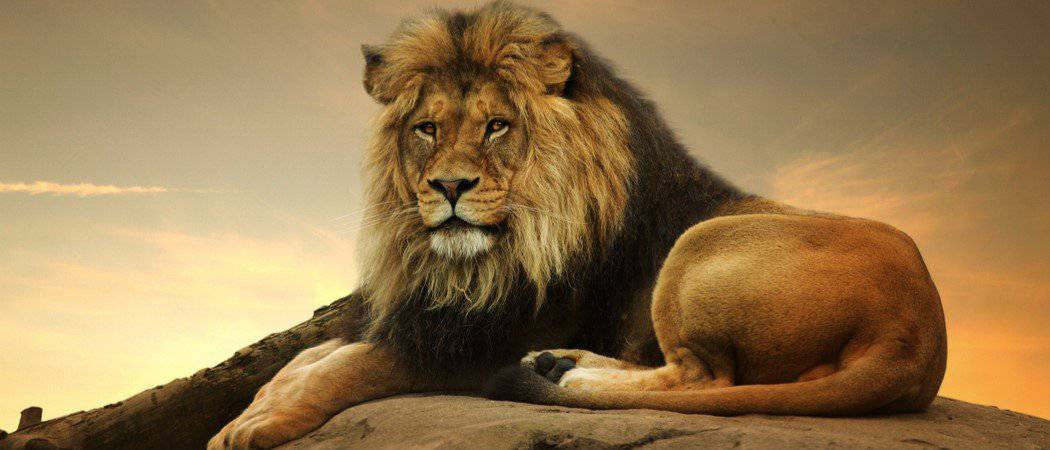
The unique zoological structure has led Macedonia to host many endemic species that can’t be found anywhere else. The lynx, for example, is specific to the mountain region in North Macedonia. With the lion as the national animal of Macedonia, the locals have made it clear how important the many species of birds, snakes, mammals, and invertebrates are to their home.

The Official National Animal of Macedonia

In Macedonia, the official national animal is the Macedonian Lion. The country holds such a high honor for this national animal that it is featured on their coat of arms, holding a crown adopt its head. It is one of the oldest symbols in Europe, though the skin of the animal was once worn by Macedonian kings (including Alexander the Great on the silver tetradrachm of Macedonia).

A lion sculpture was erected centuries ago after the Greeks were defeated by the Macedonians in central Greece. The sculpture of the Macedonian lion matches the one that can be seen in Amphipolis.

Where to Find the Top Wild Animals in Macedonia

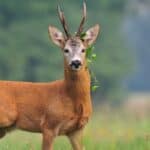
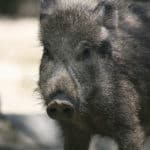
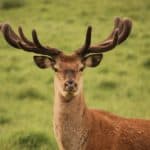
Among the forests in Macedonia, wildlife like wild boars, foxes, chamois, bears, and deer run freely. The wildlife in this region is vast and abundant, but there are a few endemic species that only find their home in certain areas. For instance, the lynx is a unique and rare sighting, only typically arising in the mountains in the northwest region of Macedonia. Deer, on the other hand, have many endemic species that prefer to live in Demir Kapija.

Other wild animals include:

  • Chamois, which lives in the European mountains.
  • Common buzzard, which is found throughout Europe.
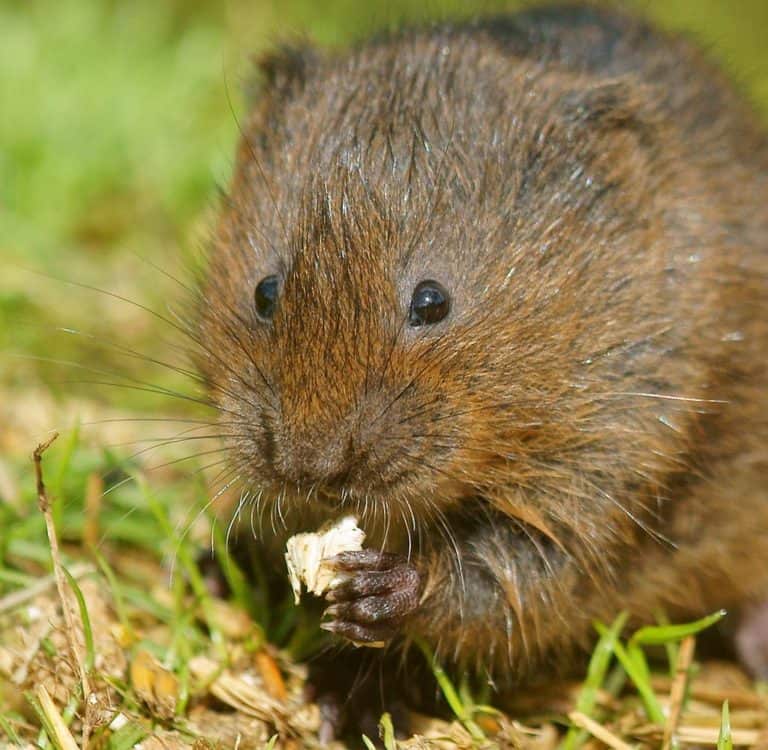
  • European pine vole, which is a mouse that is widespread across Macedonia.

Ultimately, Macedonia’s habitat is such a welcoming area that it would be more difficult to find a place without wildlife than with it.

The Most Dangerous Animals in Macedonia Today

Even though there are many small animals in Macedonia that pose no threat, it is still home to dangerous wildlife like brown bears, which have attacked over 600 people in the last 15 years. However, the country authorized the legal killing of animals, despite banning wolf hunting. While there have been attacks by predators like the lynx and the wolf, no deaths have been recorded. The thousands of insect species are much more dangerous. Other dangerous animals include the Mediterranean black widow and the sea urchin.

North Macedonia is home to three venomous and highly dangerous snakes, which include the Montpellier snakes and the European cat snakes. Interestingly, the latter is an endemic species to the Mediterranean region and Caucasus region.

Endangered Animals in Macedonia

The biggest threat to wildlife in Macedonia is the impact that humans have had on the environment. Between the marsh draining and the agricultural use of land, an unfortunate number of endemic species are endangered, and a few have become extinct.

Some of the endangered species include:

  • Common tortoise, which is also known as Hermann’s tortoise that is commonly exported out of the region.
  • Egyptian vulture, which has largely been endangered as the result of poisoning by the chemicals used in agriculture.
  • Bechstein’s bat, which tends to live in woodland areas and has been exceedingly difficult to locate for years.

As of 2018, the country has reported 8 extinct nesting species of birds. Though the golden jackal was once considered extinct, it has since been re-established in some areas. Without further protection, there is a major risk of extinction among other endemic species of Macedonia.

Animals Found in Macedonia

124 species documented in our encyclopedia

Thank you for reading! Have some feedback for us?