
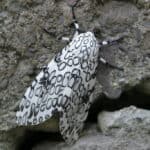
The woolly bear caterpillar (Pyrrharctia Isabella), is the larval stage of the Isabella tiger moth. They are also called banded woolly worms and simply, wooly worms. They look soft and fuzzy at a distance, but upon closer inspection, they are actually covered in stiff black and brown bristles. Often seen crossing roads or hiking trails in the fall as they search for a place to overwinter, these caterpillars are hardy little fellows and gals. Folklore holds that the width of the brown bands on the woolly bear caterpillar can predict the severity of the coming winter, with wider brown bands indicating a milder winter. However, this belief is not scientifically supported. Keep reading to learn more about these truly fascinating creatures!
Five Fascinating Facts about Woolly Bear Caterpillars
- Woolly bear caterpillars are the larval stage of the Isabella tiger moth (Pyrrharctia isabella).
- They are vocal, producing sounds that help them find mates as well as startle would-be predators.
- Folklore holds that the width of the brown bands on the woolly bear caterpillar can predict the severity of the coming winter, but this belief is not scientifically supported.
- These caterpillars are able to survive extremely cold temperatures by generating an antifreeze chemical known as cryoprotectant which helps them to retain their normal body temperature and prevents their body from freezing.
- Woolly bear caterpillars eat a variety of plants, including dandelion, plantain, and clover. They can also eat lichens and mosses
Scientific Name
The scientific name for the woolly bear caterpillar is Pyrrharctia isabella. It is the larval stage of the Isabella tiger moth. Breaking it down, Pyrrharctia Isabella translates to fire cold gray/yellow moth. Pyr is Latin for fire, while arctia means cold, as in the Arctic. This is possibly a nod to this caterpillar’s hardy constitution, which can withstand temperatures of -90 degrees F!
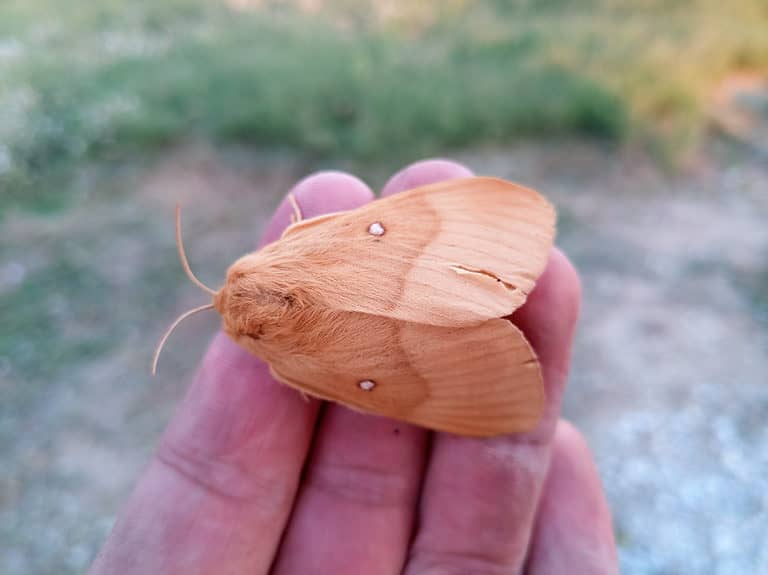
Isabella, more commonly isabelline, is a pale grey-yellow, to pale cream-brown, color. Isabelline describes the coloration of the woolly bear’s adult form to a tee! Isabella was first used to describe a color circa 1600, in relation to an item in the first Queen Elizabeth’s wardrobe.
Woolly Bear Caterpillars: Appearance
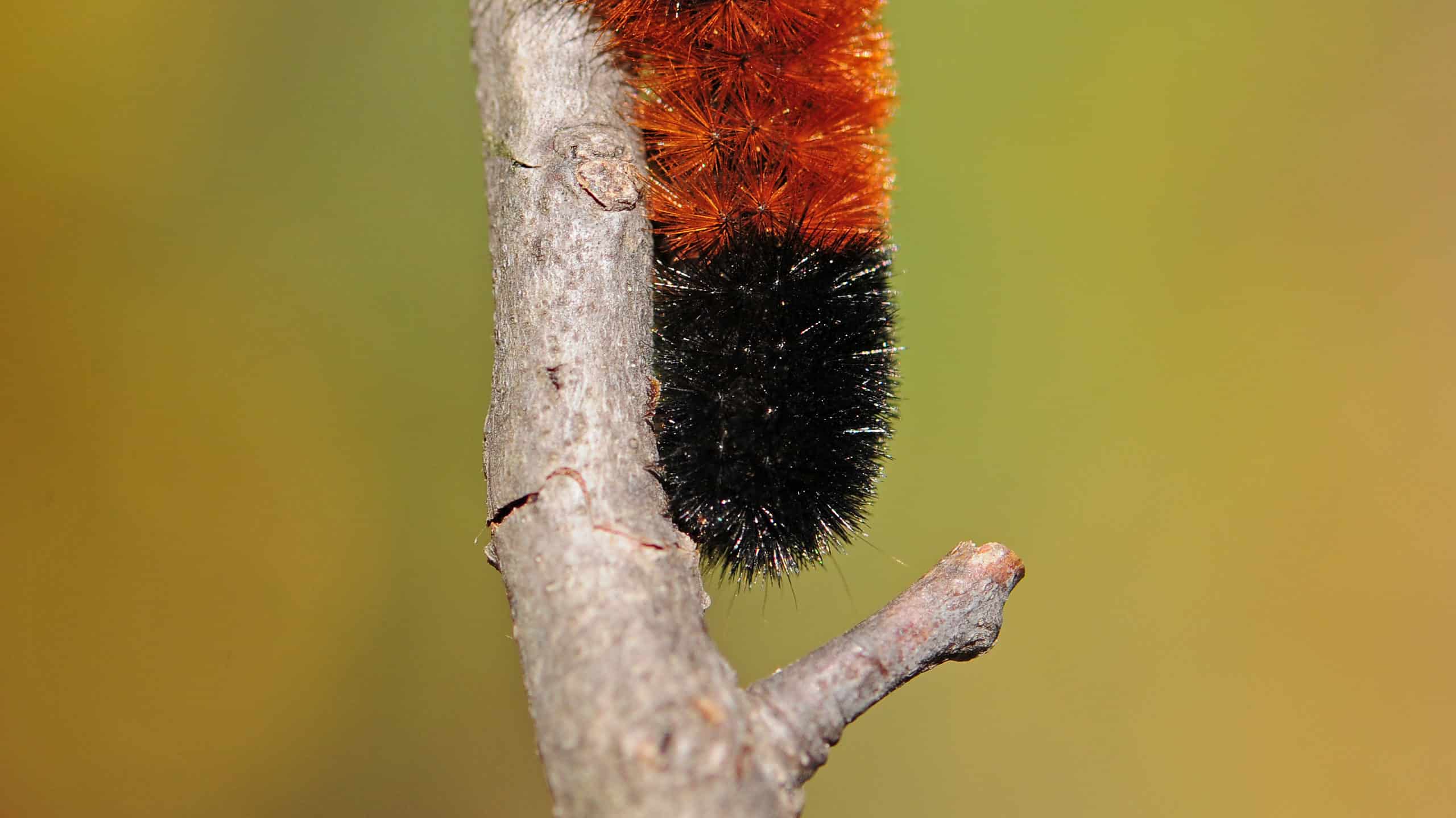
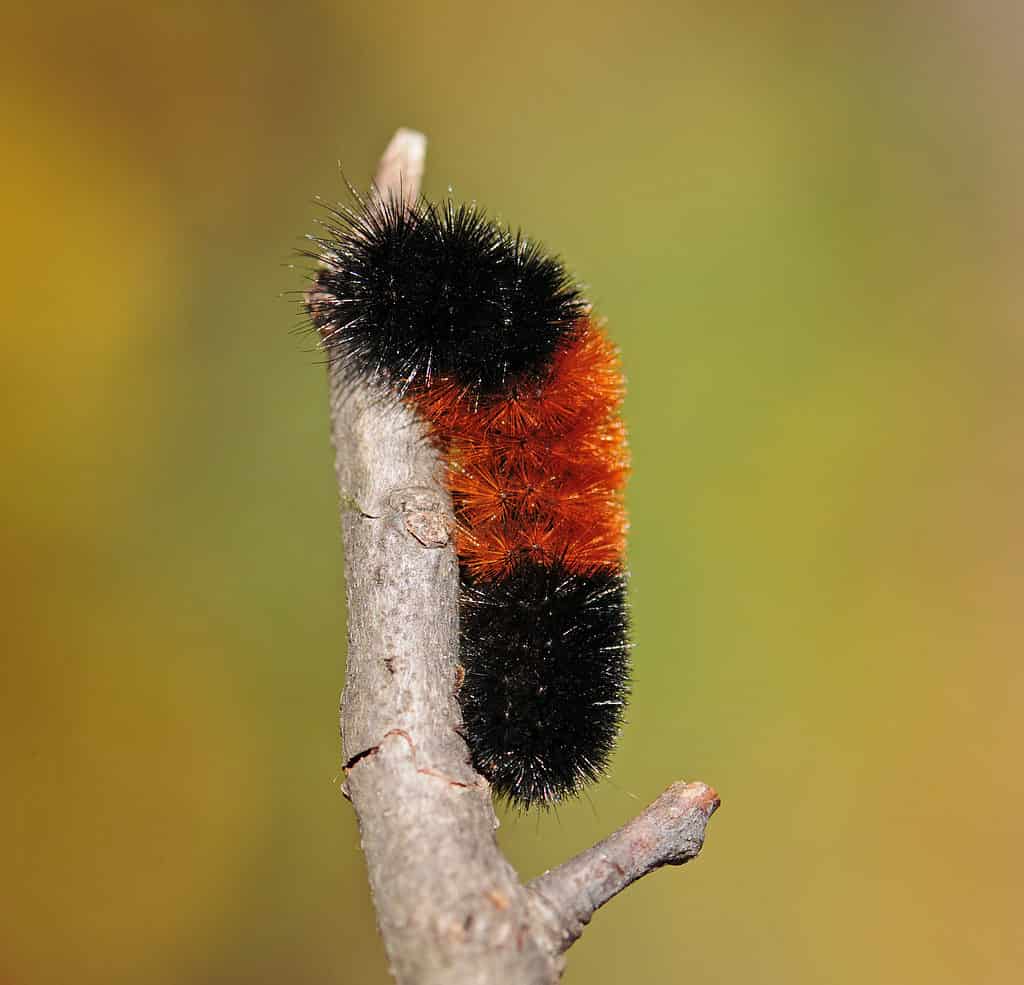
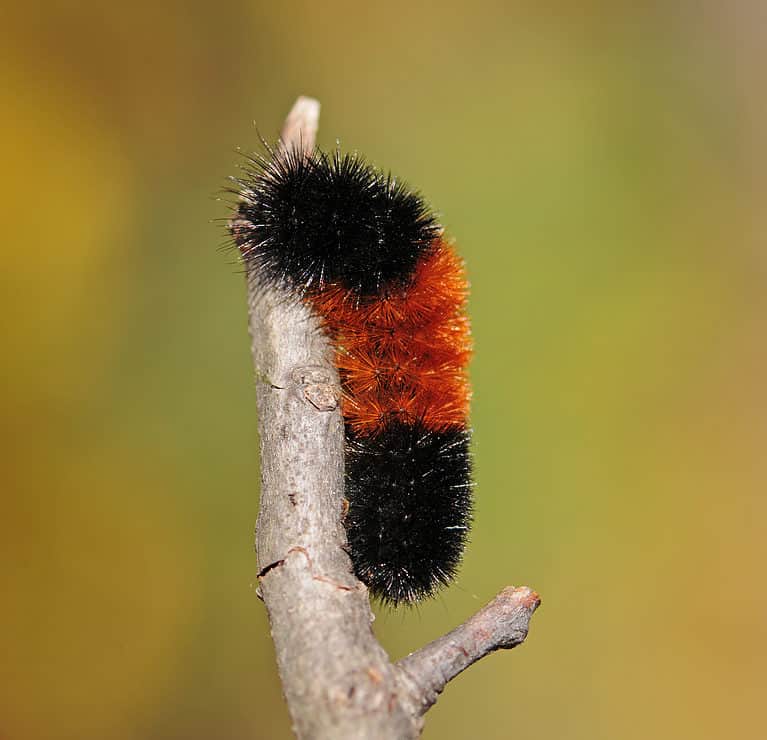
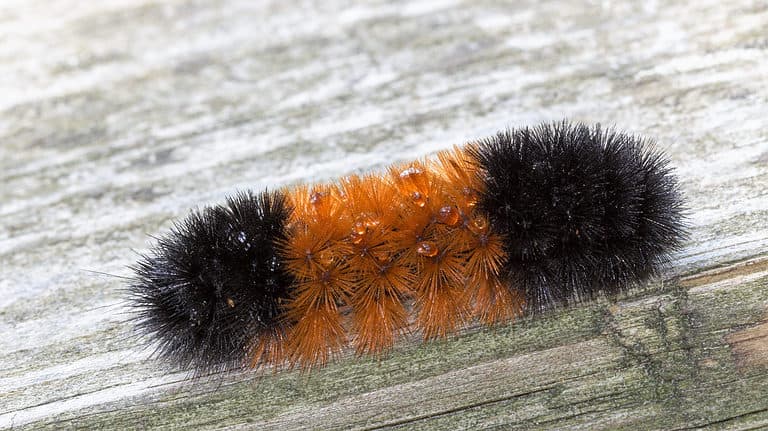
A woolly bear caterpillar is a segmented larva that typically has a cylindrical shape. They are generally black at both ends with a band of reddish-brown or rust-colored fur in the middle. The black segments are the head and the abdomen, and the reddish-brown or rust-colored band is the thorax. Wooly worms are typically between 1.5 – 2 inches long. They are covered in stiff, black and brown bristles.
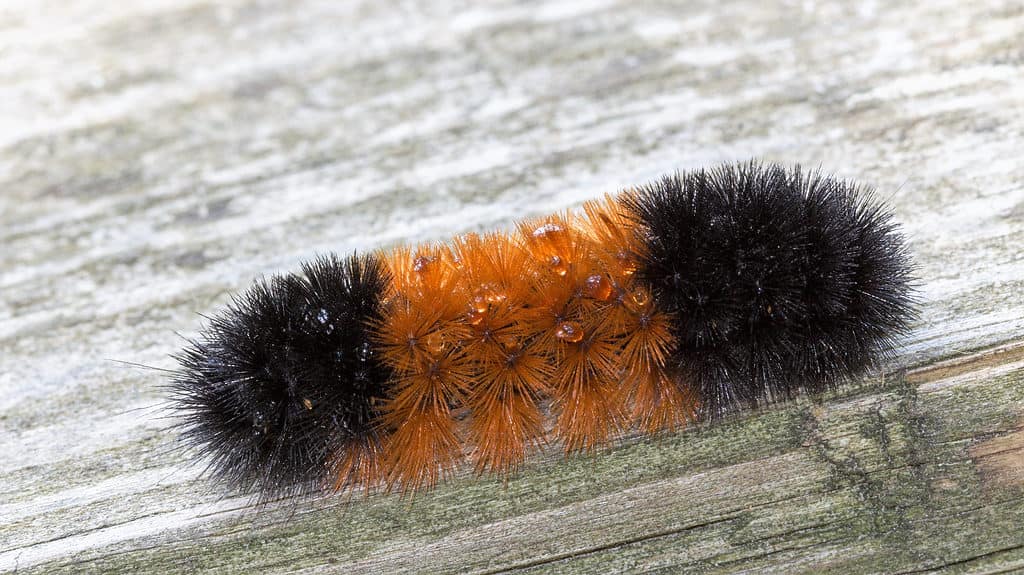
Woolly bear caterpillars are generally black at both ends with a band of reddish-brown or rust-colored fur in the middle.
©Kimberly Boyles/Shutterstock.com
Behavior
Woolly bear caterpillars are slow-moving and not at all aggressive. They are typically solitary creatures. The woolly bear caterpillar can survive extreme temperatures and harsh conditions. The caterpillar’s thick coat of hair is composed of stiff, needle-like setae, (singular, seta), that act as insulation and help to retain body heat in cold temperatures. This adaptation allows the woolly bear caterpillar to survive and continue to grow even in temperatures as low as -90 degrees Fahrenheit. This is possible thanks to the cryoprotectant that these incredible creatures produce! A study funded by the National Institutes of Health determined that dehydration and cold acclimation induce cryoprotectant synthesis in woolly bear caterpillars. It is cryoprotectant synthesis that allows them to retain their normal body temperature and prevents their body from freezing, even in the harshest conditions.
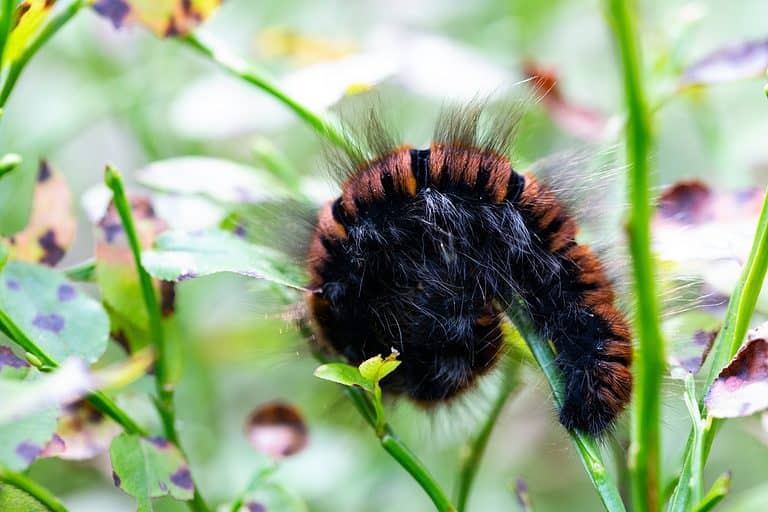
Another adaptation of the woolly bear caterpillar is its coloration. The caterpillar’s black and rusty-brown banded coloration help it blend into its natural environment, making it less visible to predators. When threatened, the woolly bear caterpillar can roll up into a tight ball, with its head and legs tucked inside, while releasing a foul-smelling substance from its osmeteria, or scent glands. This can deter predators and give the caterpillar a chance to escape.
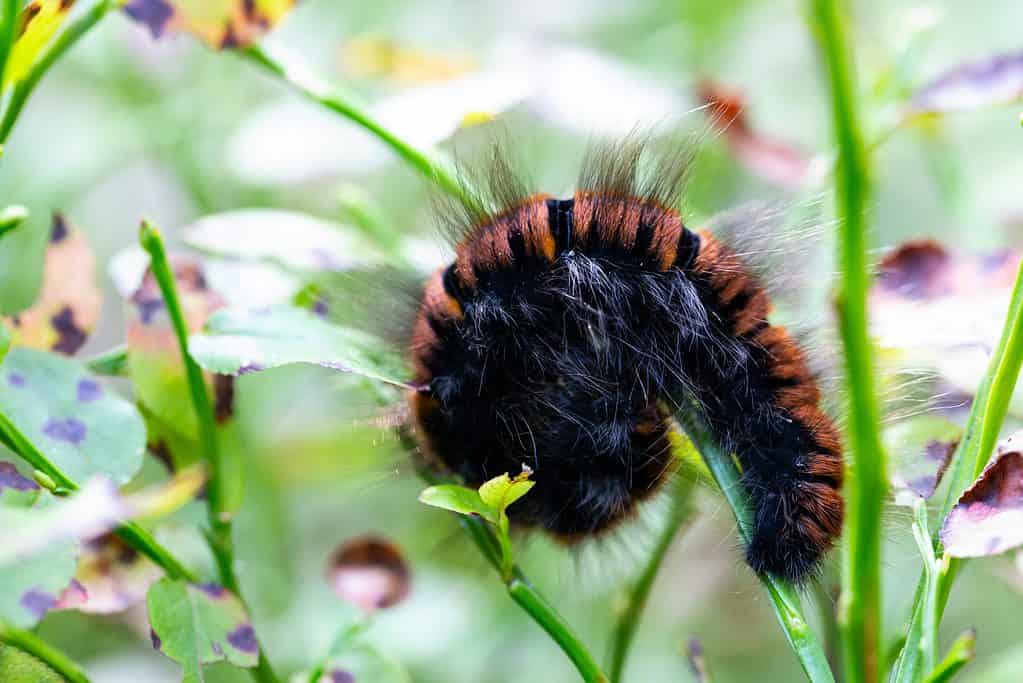
When threatened, the woolly bear caterpillar can roll up into a tight ball, like this European variety.
©AnnaNel/Shutterstock.com
Slow Growth
The woolly bear caterpillar also has a relatively slow growth rate, which allows it to survive when food resources are limited. They are herbivorous and will eat a wide range of plants, including dandelions, clover, and other broadleaf groundcovers. In the fall, the caterpillars migrate to overwintering sites, such as under rocks, logs, and leaf debris.
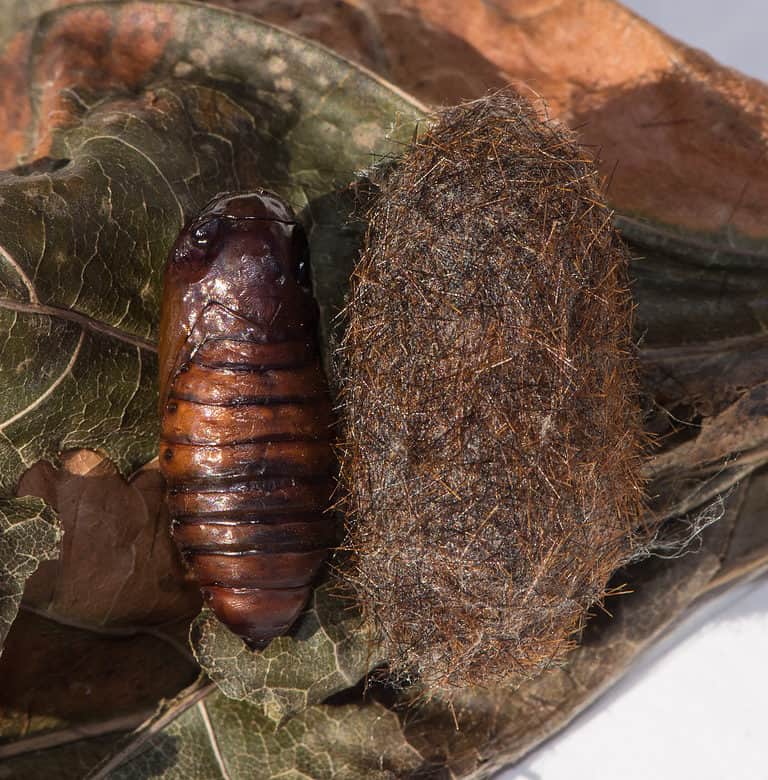
During their larval stage, woolly bears will molt several times before reaching maturity. They will typically spend the winter months in a dormant state, often curled up in a tight ball. In the spring, they will emerge from their dormant state and begin feeding again, before eventually spinning a cocoon and transforming into an adult tiger moth.
Woolly Bear Caterpillars: Habitat
The woolly bear caterpillar lives in North America and is very common in the contiguous 48 United States, Southern Canada, and Northern Mexico. They make their homes in a wide range of habitats. Some woolly bears call meadows, prairies, and grassy areas home. Others live in forests, fields, gardens, and even urban areas! They are often seen on roads and sidewalks during the fall, as they migrate to overwintering sites. They can survive in a wide range of temperatures and can be found at elevations as high as 10,000 feet.
Diet
Woolly bear caterpillars are herbivorous and will eat a wide range of plants. However, they tend to eat low-growing, seed-bearing plants including dandelions, clover, and other groundcovers. They prefer broadleaf plants like lambs quarter, violet, nettle, and burdock. When these plants aren’t available, woolly bears will make do with whatever plants are available.
Woolly Bear Caterpillar: Predators and Threats
Predators
Woolly bear caterpillars have a variety of natural predators. Birds, such as chickadees, robins, and bluejays, are known to feed on woolly bear caterpillars. Many species of spiders, such as orb weavers and jumping spiders, also prey on the caterpillars. In addition, various types of insects, including ladybugs and wasps, will feed on woolly bear caterpillars. Some species of ground beetles and soldier beetles also prey on woolly bear caterpillars. Additionally, small mammals like shrews, mice, and chipmunks may also consume the caterpillars. Woolly bear caterpillars are sometimes attacked by parasitic wasps, which lay their eggs on or inside the caterpillars. When the eggs hatch, the wasp larvae feed on the caterpillar, ultimately killing it.
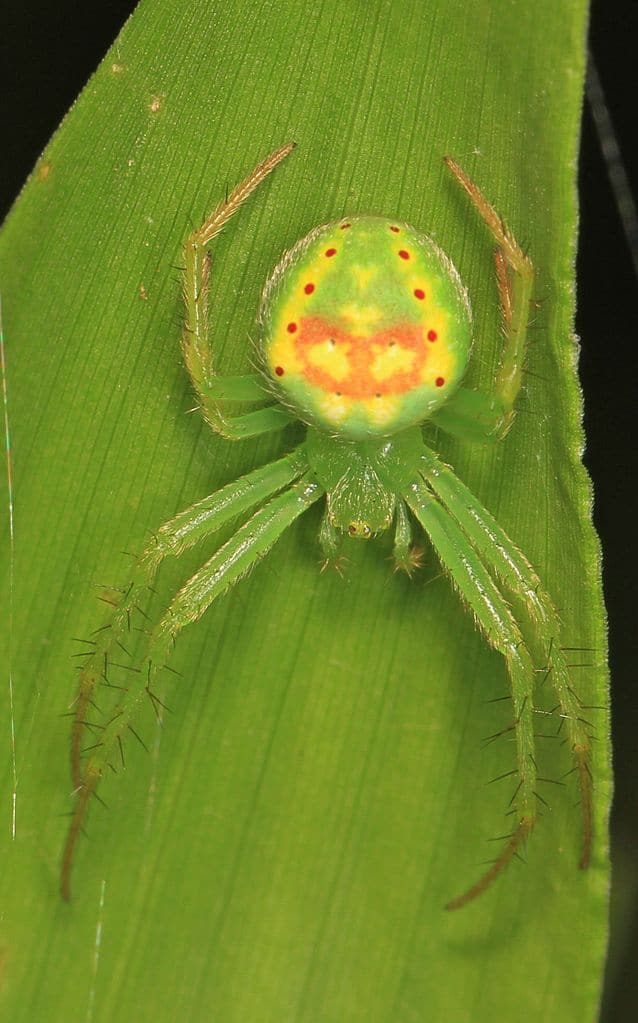
Many species of spiders, such as orb weavers (pictured) prey on the caterpillars.
Threats
Woolly bear caterpillars face a variety of threats from increased highway traffic to habitat loss. Woolly worms don’t move fast and are easy prey for the big rigs and cars that crowd America’s roads and highways. Higher temperatures and dry conditions can be detrimental to woolly bear caterpillars, who prefer cooler climes. Climate change and loss of habitat are also threatening the survival of these amazing creatures. As human development continues, woolly bear caterpillars lose more of their natural habitats and sources of food. Herbicides and pesticides are threats to these endearing caterpillars, as well, either by killing them directly or by reducing the availability of their food sources.
Woolly Bear Caterpillar: Lifecycle
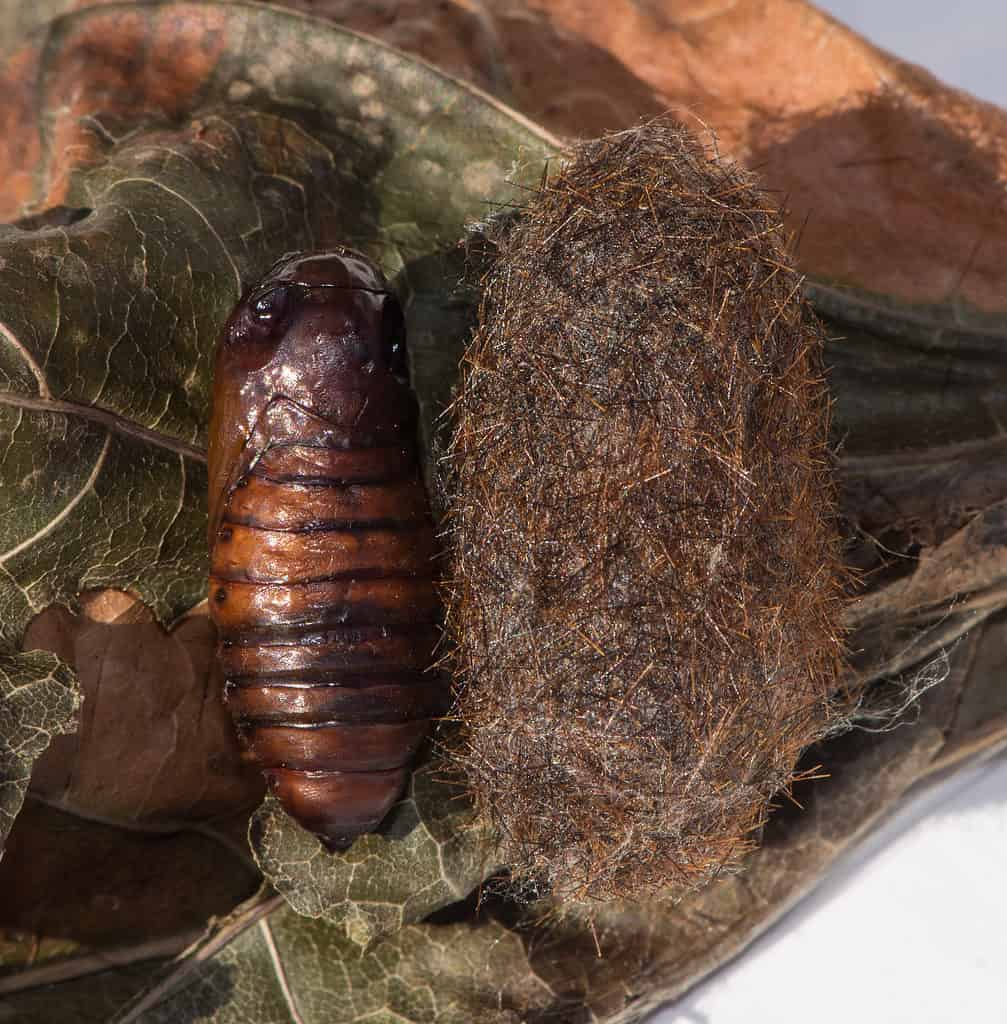
The woolly bear caterpillar goes through four stages of development: egg, larva, pupa, and adult.
1. Egg: The adult female Isabella tiger moth lays her eggs in the fall, usually on or near the host plant on which the caterpillars will feed.
2. Larva: When the eggs hatch the caterpillars begin to feed. They have voracious appetites and will eat almost any kind of low-growing broadleaf vegetation. They grow rapidly and molt several times before reaching maturity.
3. Pupa: Unlike other species of caterpillars, woolly worms don’t pupate during the winter. Woolly worms remain in caterpillar form throughout winter. This is made possible by the presence of cryoprotectant. Cryoprotectant helps the caterpillars maintain their body temperature, preventing them from freezing. As the winter approaches, they come out in huge numbers to search for safe, warm places to pass the winter. This is when they enter hibernation mode, or suspended animation. During this stage, the woolly worm tends to curl up in a tight ball which also aids heat retention. In the spring, once the mercury rises, the woolly bears will resume activity for a few days before spinning the cocoon from which their adult form will emerge in about one month.
4. Adult: The pupa metamorphoses, emerging from the cocoon as an isabella tiger moth. Isabella tiger moths are generally nocturnal, feeding at night. The tiger moths live for about a week, during which they mate and lay eggs to start the cycle again.
©Landshark1/Shutterstock.com
Woolly Bear Caterpillar: Lifespan
Woolly bear caterpillars’ lifespans vary from a couple of months to approximately one year, depending on when they hatch. The Isabella tiger moth produces multiple generations within a season. The last generation produced has the longest lifespan. This caterpillar spends the majority of its time in its larval stage, which typically lasts for several months. During this time, the caterpillar will go through several molts as it grows, before entering a state of suspended animation to overwinter. Once the temperature rises in the spring, the caterpillar spins a cocoon and enters the pupal stage, which lasts for a month. Once the pupal stage is complete, the adult Isabella tiger moth emerges from the cocoon.
Woolly Bear Caterpillar: Conservation Status
The woolly bear caterpillar is considered a species of least concern. They are not endangered or threatened. However, it is worth noting that the health and abundance of any species can be affected by climate change and habitat destruction, so it’s important to be mindful of our impact on the environment and work to preserve natural habitats for all species.
Up Next:
Woolly Bear Caterpillar Pictures
View all of our Woolly Bear Caterpillar pictures in the gallery.

Nancy Bauer/Shutterstock.com
Sources
- weather.gov / Accessed January 19, 2023
- nih.gov / Accessed January 19, 2023
- wikipedia.org / Accessed January 19, 2023