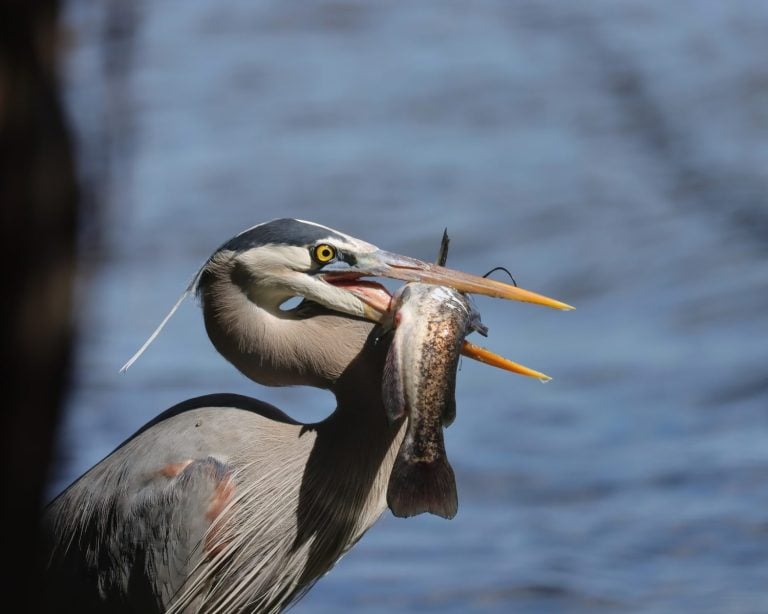
Great Blue Heron
Stand still. Strike fast. Fly blue.

Stand still. Strike fast. Fly blue.
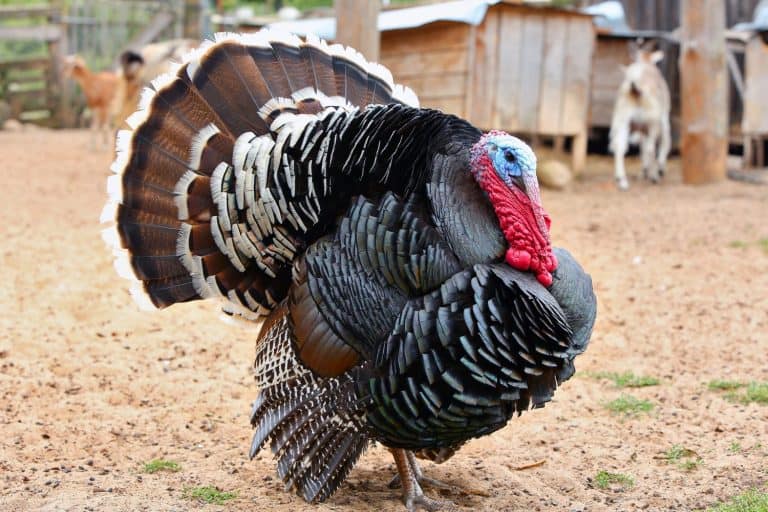
Strut, gobble, and soar-wild-born.
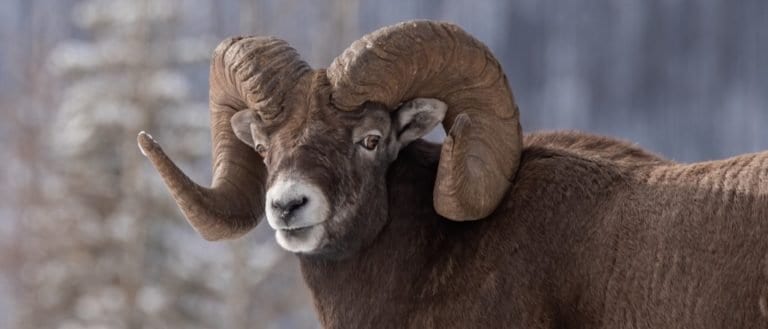
Built for cliffs. Crowned with horns.
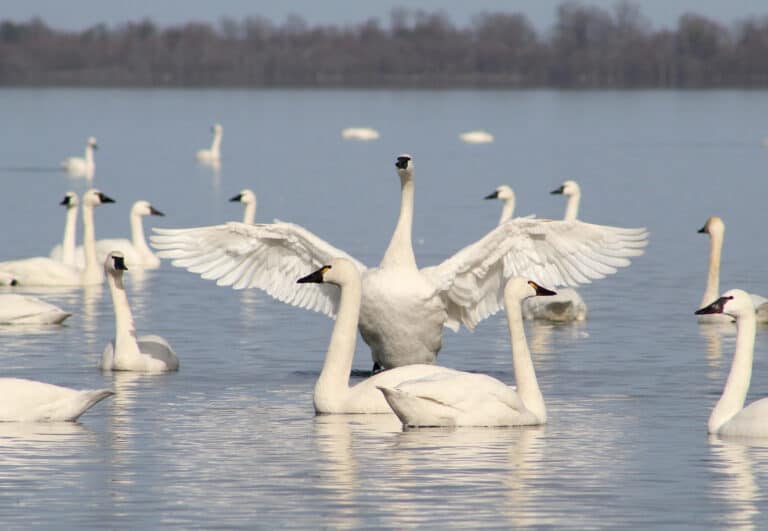
Whistling wings, tundra to tidewater
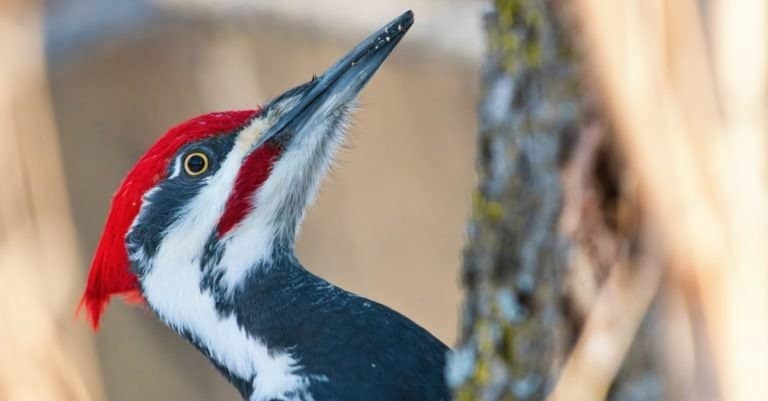
Big crest. Bigger excavations.
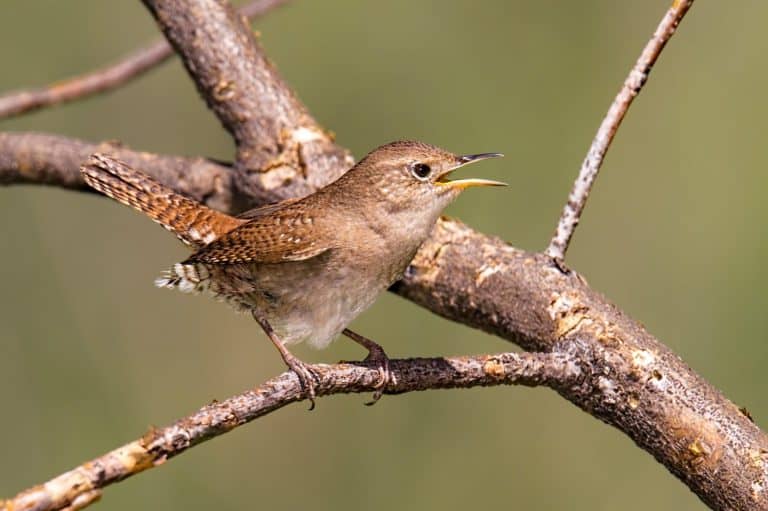
Big song, tiny tail-cocker
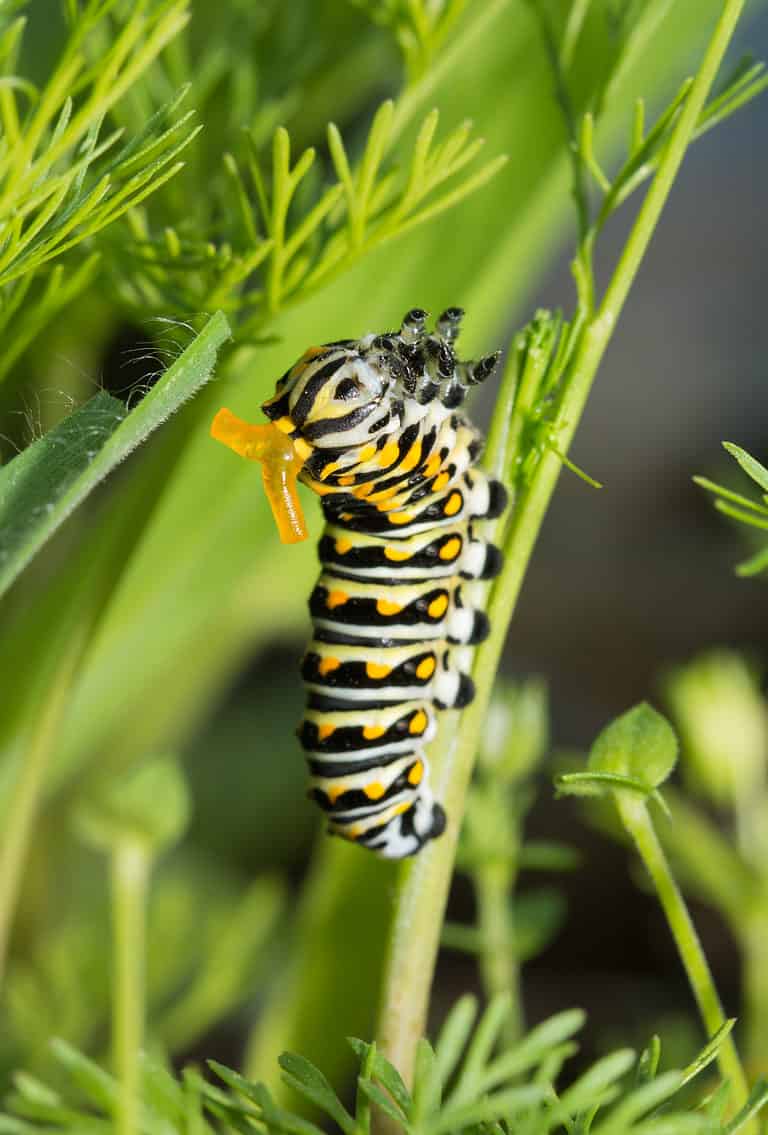
Parsleyworm with a secret orange horn
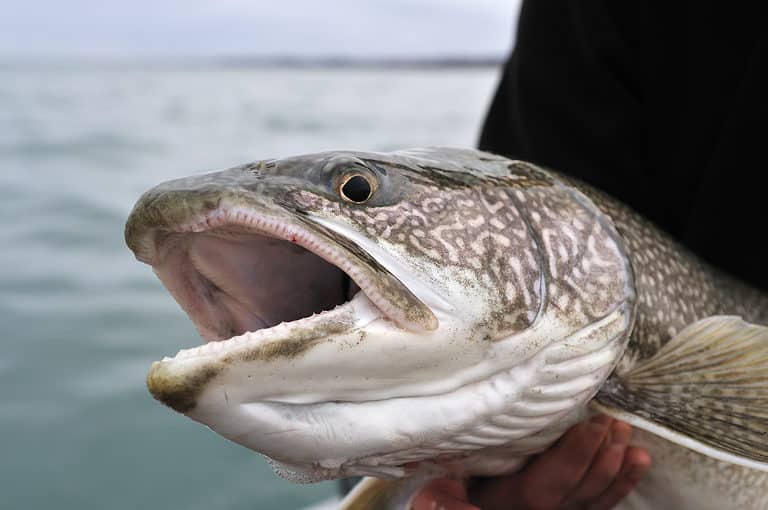
Deep-lake char, built for the cold
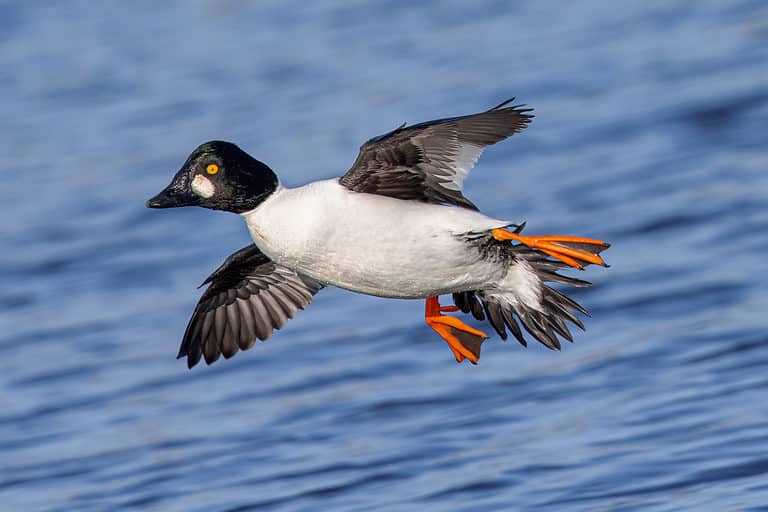
Hear the whistler, spot the gold eye
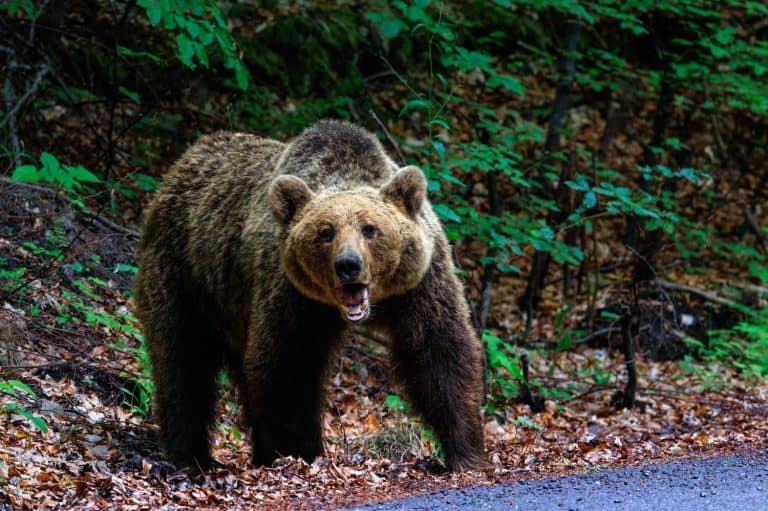
Hump-shouldered king of the wild buffet
Saskatchewan's wildlife is shaped by big changes from south to north: open prairie in the south, aspen parkland in the middle, and vast boreal forest and shield country in the north. This change lets prairie animals, forest mammals, and migratory birds overlap, so visitors can see many kinds of wildlife in one trip. The south's native grasslands and prairie wetlands (the "Prairie Pothole" landscape) are globally important for nesting and resting waterfowl and other marsh birds, and they support prairie mammals like pronghorn and burrowing owls. Farther north, boreal forests, peatlands, lakes, and rivers are home to black bears, moose, wolves, and at-risk woodland caribou in remote, mostly undisturbed areas. Compared with nearby regions, Saskatchewan feels more open and less developed, with big-sky prairie watching, large numbers of waterfowl, and wide boreal areas open to canoe and lake wildlife viewing.
Saskatchewan's north–south gradient—from dry southern mixed-grass prairie and aspen parkland to northern boreal forest and Canadian Shield—creates habitat zones that shape where wildlife live. Grasslands and wetlands support pronghorn and migratory waterfowl. The lake-filled forested north with peatlands and rocky Shield supports black bear, moose, and woodland caribou. Rivers and lakes are key movement and breeding routes.
Approximately 213 m (Lake Athabasca lowlands) to ~1,392 m (Cypress Hills highlands)
No ocean coastline; extensive freshwater shorelines along major lakes, reservoirs, and thousands of northern lakes and river corridors.
Designated 1945
Designated 1941
Designated 1988
Designated 1985
Saskatchewan protects two main wildlife regions: the southern prairie—mixed-grass prairie, prairie pothole wetlands, and saline lakes for waterfowl and shorebirds—and the northern boreal forest/Canadian Shield with lakes, rivers, peatlands, and coniferous forest for large mammals. Protection is by federal and provincial parks, wildlife areas, and other conservation lands. Priorities include burrowing owl, prairie dog communities, migratory birds, and woodland caribou.
≈12-13% of Saskatchewan's land base (approximate; varies by what categories of protected/conserved lands are counted).
One of Canada's largest protected tracts of mixed-grass prairie-globally rare and heavily converted elsewhere. Notable for prairie species-at-risk recovery, dark-sky conditions, and opportunities to see prairie wildlife in open landscapes.
A classic boreal-forest-and-lake park protecting a transition zone between aspen parkland and northern conifer forest. Known for large mammals, intact lakeshore wetlands, and the free-ranging Sturgeon River plains bison herd.
A vast boreal Shield park of islands, rocky outcrops, and clearwater lakes-important for large, relatively intact northern habitat and remote backcountry wildlife viewing.
Protects one of the world's largest active inland sand dune systems plus adjacent boreal wilderness. Extremely remote, with high ecological integrity and unique habitats supporting sensitive northern wildlife.
Boreal forest and a chain of lakes and wetlands that support strong populations of boreal mammals and breeding waterbirds; good access for wildlife viewing relative to more remote northern parks.
A high-elevation 'island' of forest and fescue grassland rising above the surrounding plains, supporting a blend of prairie and montane species and important riparian/wetland pockets.
One of Canada's oldest bird sanctuaries in a major prairie wetland complex. Critical staging and nesting habitat for migratory waterfowl and other waterbirds along the Central Flyway.
A world-renowned saline lake system supporting exceptionally high concentrations of migratory shorebirds and waterbirds; especially important during spring/fall migration.
A key prairie lake for colonial nesting birds, with islands that provide predator-resistant nesting sites; part of a broader internationally recognized conservation landscape.
A prairie pothole wetland complex managed for waterfowl production and research-valuable for breeding ducks and wetland-dependent species near the northern edge of the agricultural prairies.
Saskatchewan's wildlife is defined by a dramatic south-north transition: mixed-grass prairie and parkland in the south (prairie pothole wetlands, sagebrush valleys, native grasslands) grading into vast boreal forest, peatlands, and thousands of lakes and rivers in the north. This creates a province-wide blend of prairie specialists (pronghorn, prairie dogs, burrowing owls), globally important waterfowl and shorebird habitats, and classic boreal fauna (black bear, wolves, woodland caribou), plus major freshwater fisheries (walleye, northern pike, lake trout).

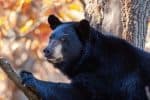
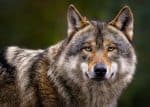
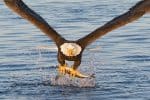
Saskatchewan has prairie in the south and boreal forest in the north. You can see grassland species like pronghorn and sharp-tailed grouse, waterfowl and crane migrations, and northern animals such as black bear, moose, wolves (rare), woodland caribou. Easy wildlife drives and birding marshes are near highways; remote lakes need fly-in or boat-in trips where loons, eagles and bears live.
Peak migration and nesting activity. Prairie pothole wetlands fill with ducks, geese, and swans; shorebirds concentrate on mudflats. Sharp-tailed grouse begin lekking (early spring). Bears emerge in the boreal; moose and deer are active along forest edges. Expect variable weather and muddy roads in some rural areas.
Long days for paddling, lake-based wildlife viewing, and photography in the boreal north. Common sightings include loons, bald eagles, ospreys, beaver, muskrat, moose, and black bear (especially where berries are abundant). Excellent for backcountry camping/canoeing; insects can be intense-pack head nets and repellent.
One of the best all-around seasons: crisp weather, fewer bugs, golden aspen in the north, and major bird movements. Sandhill cranes and geese stage in huge numbers; raptors migrate along ridgelines and open country. Big-game activity increases (moose/deer more visible at dawn/dusk). Nights can be cold; bring layers.
A quiet, dramatic season for tracking and northern specialties. Opportunities include owl searches (great gray, northern hawk owl), winter finches, and mammal tracks in fresh snow. In the boreal, you may spot moose, fox, wolf tracks, and occasional lynx sign. Very cold temperatures and short days-plan with safety margins and vehicle preparedness.
Saskatchewan stretches from dry to semi-humid lands: temperate grasslands and parkland in the south change into boreal forests and boreal shield in the north. Rivers, glacial lakes, peatlands, and prairie pothole wetlands support big waterfowl migrations, many fish, and large mammals such as pronghorn on prairie and black bear and woodland caribou in northern forests.
Dominant in southern Saskatchewan as mixedgrass prairie and aspen parkland mosaics; supports pronghorn, sharp-tailed grouse, and prairie wetland waterfowl.
Primarily the southern third of the province (largest share of settled/agricultural region).
Occurs mainly as deciduous and mixedwood parkland/transition forest (aspen, birch, mixed stands) between open prairie and continuous boreal forest.
Broad central belt (parkland and boreal transition zones).
Large northern forests—spruce, pine, jack pine, mixedwood—cover boreal plains and boreal shield. Many areas are shaped by fires and peatlands; important habitat for black bear and woodland caribou, especially in the far north.
Roughly the northern half of Saskatchewan (largest contiguous natural cover).
Major river basins (e.g., North and South Saskatchewan River system, Churchill River) and abundant glacial lakes and reservoirs; critical for fish communities, beaver, and migratory birds.
Statewide; highest lake density in the north (Canadian Shield and boreal regions).
Prairie potholes, marshes, riparian wetlands, and extensive northern peatlands (bogs/fens) that store carbon and regulate water flow; globally significant for breeding waterfowl.
Statewide; especially dense in the southern prairie pothole landscapes and in northern peatland complexes.
Native mixedgrass prairie remnants in the south and southwest; fire- and grazing-influenced landscapes supporting grassland birds and pronghorn.
Open prairie plains and rolling grasslands (including areas of sandhills and dry uplands) with strong seasonal moisture variability.
Drier short- to mixed-grass areas in the southwest with sparse shrub cover and high exposure; often adjacent to badlands/valley slopes.
Shrubby coulees, valley slopes, and dry transition areas; includes willow/alder shrubs in riparian and parkland edges.
Aspen parkland mosaic (aspen bluffs interspersed with grasslands and wetlands), a key ecotone for deer, waterfowl, and edge-adapted species.
Large forested tracts in central and northern Saskatchewan, ranging from mixedwood to conifer-dominated stands shaped by fire, insects, and hydrology.
Trembling aspen- and birch-dominant stands in parkland and boreal transition zones; high understory productivity and wildlife use.
Boreal conifer stands (spruce, pine, jack pine) common across the northern half; includes sandy jack pine systems and shield conifer forests.
Numerous glacial lakes (especially on the Canadian Shield in the north) plus large managed reservoirs; provide important spawning and migration habitat for fish.
Major rivers and tributaries (e.g., Saskatchewan River system, Churchill River) with riparian corridors, floodplains, and deltaic wetland complexes in places.
Small prairie pothole ponds and ephemeral basins that fluctuate seasonally; critical breeding sites for ducks and other waterbirds.
Prairie potholes, riparian wetlands, and northern peatland wetlands; key for biodiversity, flood mitigation, and carbon storage.
Shallow, emergent-vegetation wetlands common in the south and along lake margins; high productivity and waterfowl use.
Northern peatlands with sphagnum-dominated acidic conditions; important carbon sinks and specialized plant communities.
Forested and shrub swamps in low-lying boreal areas and along slow-moving waterways; often dominated by willow, alder, and spruce in wetter sites.
River cutbanks, coulee walls, and badlands-like exposures in parts of the south (notably valley systems) providing nesting/denning and unique microhabitats.
Limited; small solution features and erosional cavities occur locally (e.g., in some karst/bedrock or valley contexts) but are not widespread province-wide.
Extensive cropland and pasture across the southern prairie/parkland; major driver of habitat conversion and fragmentation, while also intersecting with wetland complexes.
Urban centers (e.g., Saskatoon, Regina) with river-valley greenspaces and modified habitats that still support some wildlife and migratory birds.
Expanding suburban belts around major cities and regional towns; mixed naturalized areas, stormwater ponds, and remnant parkland patches.
Saskatchewan's "salt lakes" can be more valuable to birds than freshwater: at places like the Quill Lakes and Chaplin Lake, salty water limits fish but boosts brine flies and other invertebrates-exactly what migrating sandpipers and phalaropes need to refuel.
American white pelicans are often thought of as coastal birds, but Saskatchewan supports major inland nesting colonies on remote lake islands (e.g., at Redberry Lake)-hundreds of kilometres from any ocean.
Burrowing owls in Saskatchewan don't dig their own homes: they typically nest in abandoned badger or ground-squirrel burrows on grazed prairie, and they're known to decorate nests with cattle dung that attracts insect prey.
You can see "two Canadas" in one province: pronghorn and prairie rattlesnakes in the southwest grasslands, and woodland caribou and black bears in the northern boreal forest-species assemblages that feel like separate countries stitched together.
Some of Saskatchewan's biggest bird gatherings happen on working lands: harvested fields and shallow prairie wetlands near staging sites can hold tens of thousands of geese and cranes during migration, even if they don't look like classic wilderness.
Last Mountain Lake (north of Regina) is North America's oldest bird sanctuary-protected for birds since 1887, long before most modern wildlife laws existed.
Big Quill Lake, part of the Quill Lakes system east of Saskatoon, is widely cited as Canada's largest inland saline lake-its salty, fish-poor waters instead fuel huge insect/brine-fly production that supports mass shorebird staging.
The Saskatchewan River Delta (spanning the Saskatchewan-Manitoba border) is one of the largest inland river deltas in North America (about 10,000 km²), creating an outsized footprint of wetlands that concentrates breeding and migrating waterfowl.
Grasslands National Park contains the only wild black-tailed prairie dog colonies in Canada-meaning 100% of the country's native prairie dogs live in a small area of southwest Saskatchewan.
Canada's pronghorn live mainly in southeastern Alberta, with a smaller but significant population in southwestern Saskatchewan-together forming the species' northernmost stronghold in North America.
165 species documented in our encyclopedia
Thank you for reading! Have some feedback for us?
We appreciate your help in improving our content.
Our editorial team will review your suggestions and make any necessary updates.
There was an error submitting your feedback. Please try again.