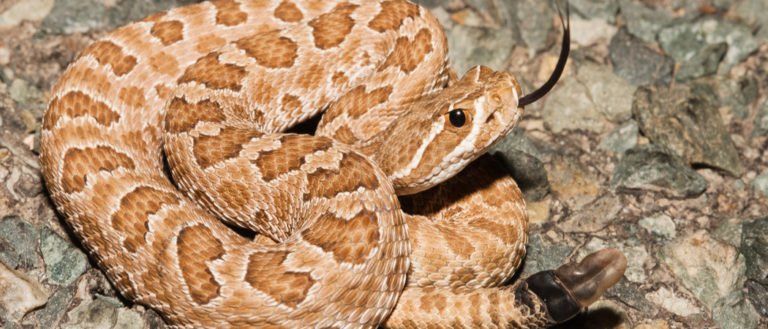
Prairie Rattlesnake
Rattle of the Grasslands

Rattle of the Grasslands
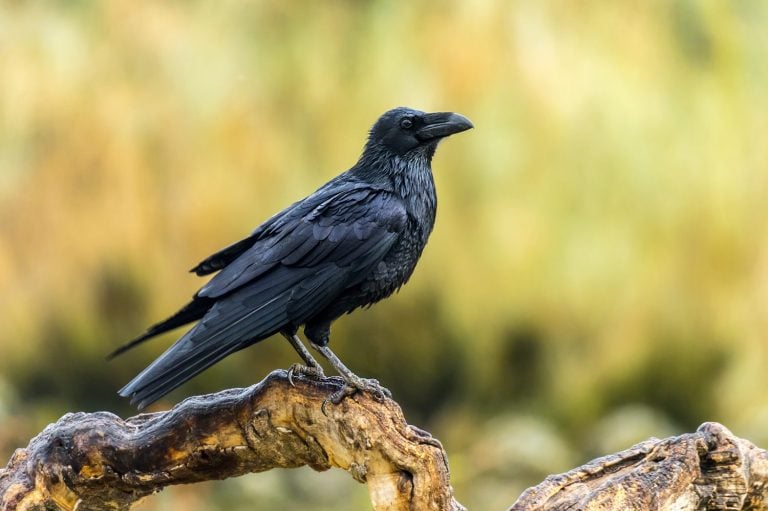
Wedge tail. Deep croak. Big brain.
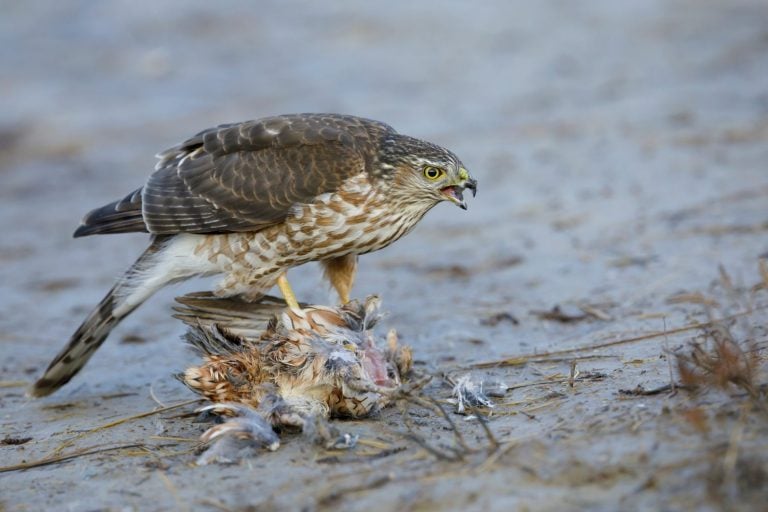
Small hawk, big speed in the woods
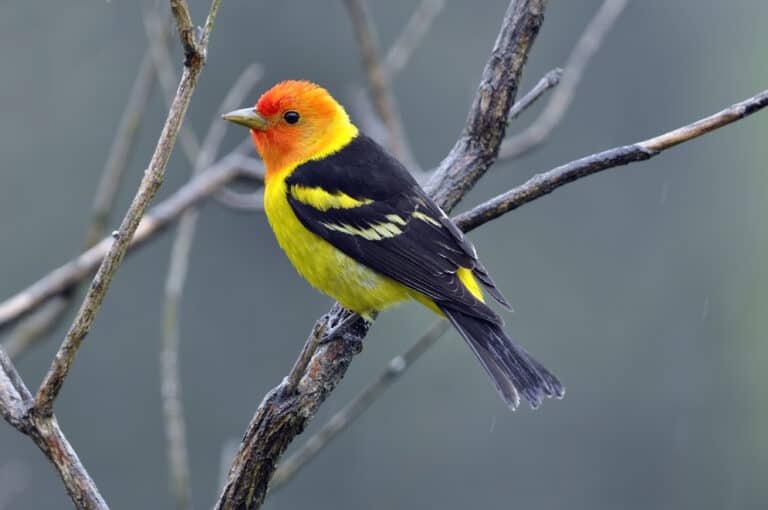
Flame-headed traveler of the pines
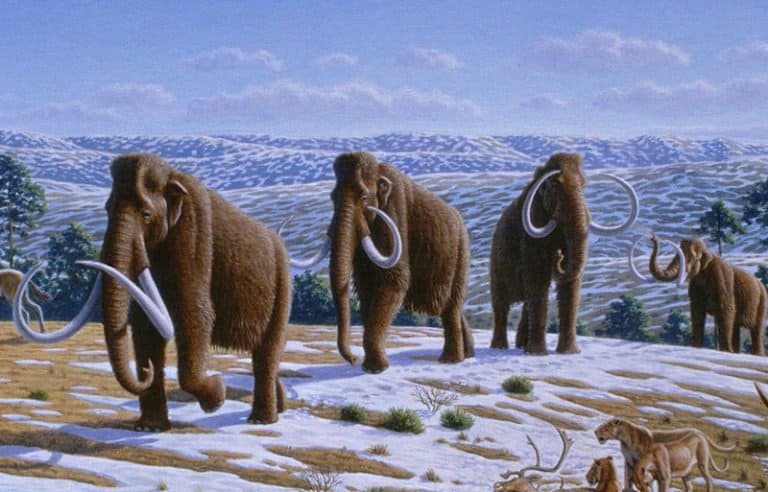
Built for the Ice Age grasslands
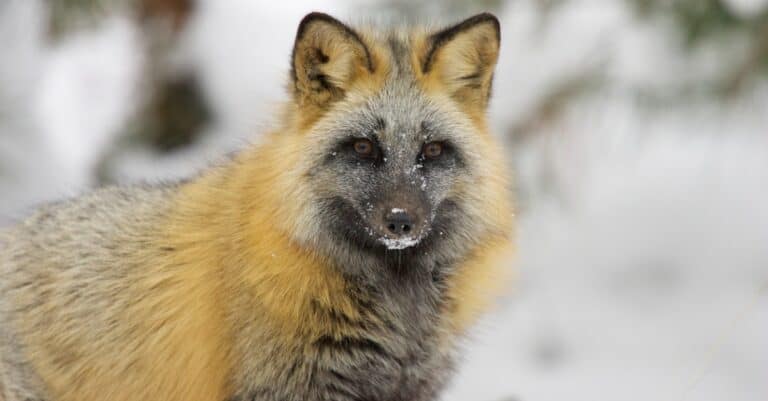
Cross-marked, wild, and wily.
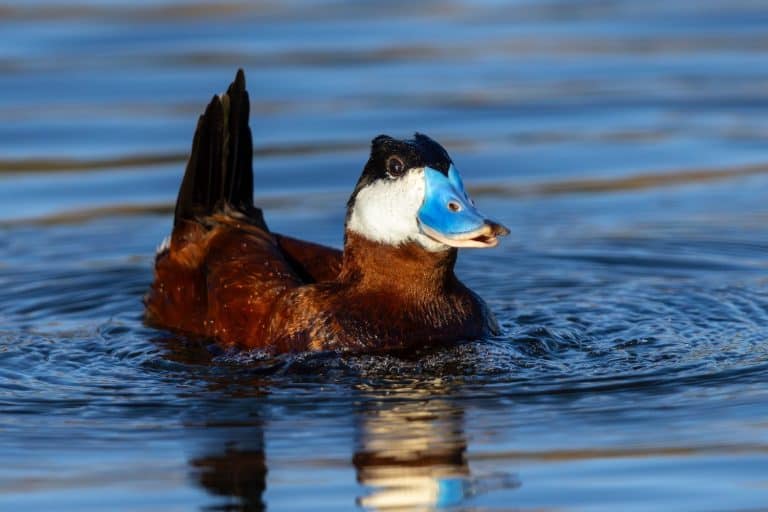
Small duck, big tail attitude
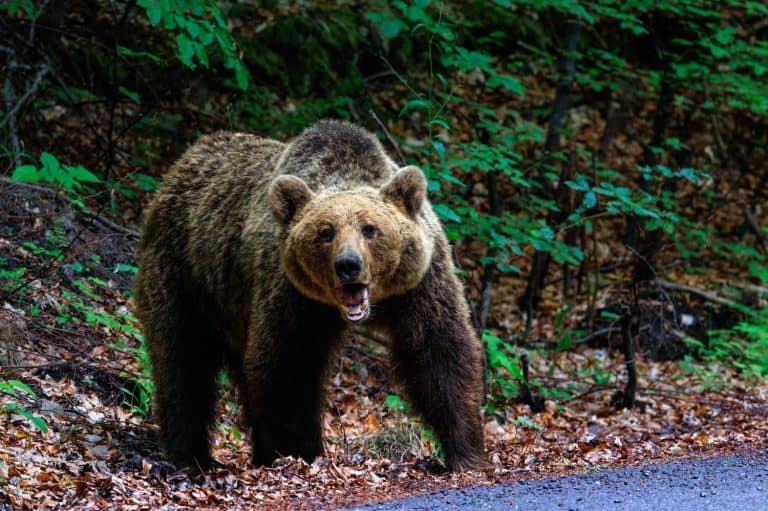
Hump-shouldered king of the wild buffet
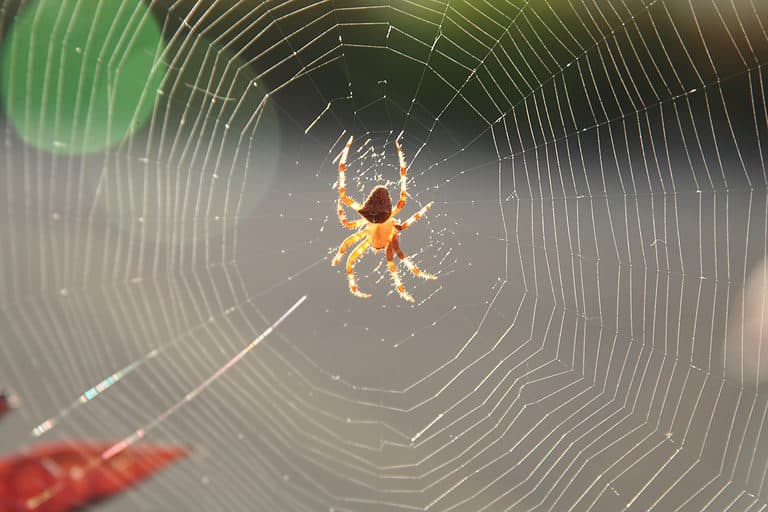
Big web. Cat face. Harmless hunter.
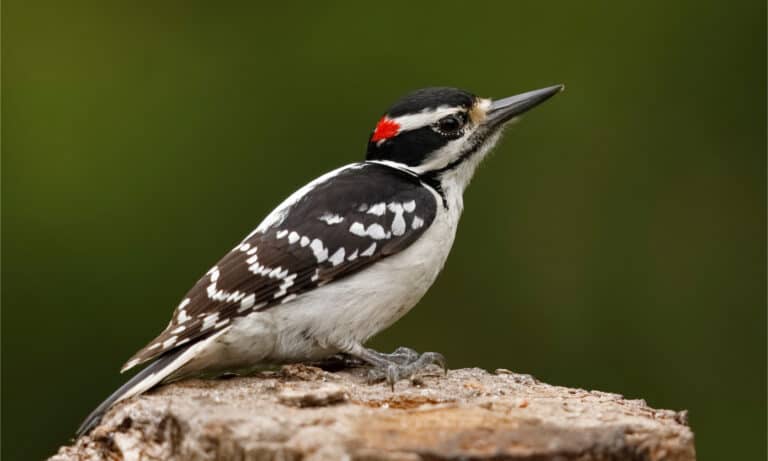
Bigger bill, louder drill!
Alberta's wildlife comes from a wide west-to-east mix of habitats: Rocky Mountain headwaters and foothill forests, vast boreal wilderness, and open prairie grasslands. This range supports many species—from mountain hoofed animals and big predators in the Rockies to grassland mammals and birds on the plains. Major rivers and wetlands act as migration highways and places where young birds and animals grow. Protected parks let visitors see predator-prey systems and seasonal wildlife movements.
Key areas include Rocky Mountain parks and eastern slopes (bighorn sheep, mountain goats, elk, grizzlies, wolves); northern boreal forests and peatlands (moose, woodland caribou in some ranges, beavers, boreal birds); and the prairie and parkland south and central (pronghorn, sharp-tailed grouse, burrowing owl). Rivers like the Athabasca and the North and South Saskatchewan link Alberta to continent-wide bird migrations. You can move quickly between mountains, plains, and wetlands here, more so than in neighboring regions.
Alberta's wildlife follow west-east and north-south habitat changes. In the west, alpine and subalpine areas on the Rocky Mountains grade into foothills, aspen parkland, then prairie grasslands. The north is mainly boreal forest, peatlands, and large river deltas. Rivers, wetlands, and prairie potholes form bird routes and biodiversity hotspots, while elevation, rain-shadow, and harsh winters shape where species live.
~152 m (Slave River lowlands) to 3,747 m (Mt. Columbia, Rocky Mountains)
No ocean coastline (landlocked); extensive freshwater shorelines on major lakes and wetlands (e.g., Lake Athabasca, Lesser Slave Lake, Peace-Athabasca Delta).
Designated 1964
Designated 1977
Designated 1930
Designated 1988
Alberta’s protected areas cover the Rocky Mountains (glaciated peaks, subalpine forests), foothills and parkland, boreal forest and peatlands, and prairie/Badlands river corridors. Protection comes from federal and provincial parks, wildlife areas, ecological reserves, and conservation areas. They support grizzly bear, wolf, wolverine, elk, bighorn sheep, woodland caribou, and migratory birds linked to prairie, Peace-Athabasca, and Beaverhill wetlands.
~15% of Alberta's land base is in protected areas (varies by source and category; roughly mid-teens).
Canada's oldest national park protects a large swath of Rocky Mountain habitats and key wildlife movement corridors along the Bow Valley; notable for mountain ungulates and carnivore conservation alongside intensive visitor management.
A vast, comparatively less-developed Rocky Mountain park with extensive wilderness, high-quality predator habitat, and important connectivity to adjacent protected areas; strong for viewing large mammals in broad valleys.
Where prairie meets mountains, creating exceptional habitat diversity in a compact area; part of the Waterton-Glacier International Peace Park and important for carnivores and montane-prairie edge species.
A globally significant boreal wetland and delta system (including parts of the Peace-Athabasca Delta), critical for waterfowl and threatened bison conservation; remote, large-scale ecological processes remain largely intact.
A key fenced refuge east of Edmonton that has played an outsized role in conservation breeding and reintroduction, especially for bison; also important for waterfowl and beaver ponds in the Beaver Hills.
Large foothills-to-subalpine landscapes with high wildlife viewing potential and important linkages to adjacent mountain protected areas; strong habitat for ungulates and carnivores.
Badlands and cottonwood river corridor habitat along the Milk River; notable for prairie birds, reptiles, and riparian wildlife in an otherwise arid grassland setting.
A high-elevation 'island' of forest and wetlands rising from prairie, supporting a mix of mountain/parkland and grassland species; strong for birds and ungulates.
One of Alberta's most important migratory bird staging and nesting landscapes, with extensive wetlands and surrounding uplands that concentrate waterfowl, shorebirds, and raptors.
Seasonally vital wetland protection focused on migratory birds within the Beaverhill system; complements the adjacent NWA to safeguard core breeding and stopover areas.
A very large protected block of native mixed-grass prairie and coulee habitat within a military reserve-one of the most intact prairie conservation landscapes in Canada, important for species at risk.
Prairie wetland habitat important for breeding and migratory waterbirds; small but valuable as part of Alberta's wetland network in an agricultural matrix.
Alberta's wildlife changes from west to east across mountain, foothill, parkland, boreal forest, peatland, and prairie habitats, with big river valleys and wetlands. This mix supports classic Canadian animals: bears, wolves, hooved animals (ungulates), prairie specialists like pronghorn and burrowing owl, and huge numbers of migratory waterfowl and shorebirds that use the Prairie Pothole Region and northern deltas. You can see bighorn sheep and grizzly bears in the mountains, pronghorn on the open prairie, and pelicans, swans, and cranes at lakes and marshes.
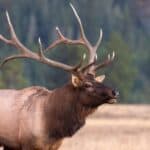

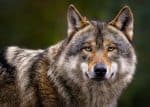
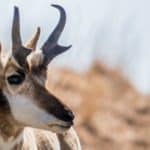
Alberta has three wildlife regions: Rocky Mountains with elk, bighorn sheep, mountain goats and bears; prairie grasslands with pronghorn, mule deer and prairie birds; and boreal forests and wetlands with moose, beaver, wolves and bird stopovers. Best viewing is at dawn or dusk on mountain highways, in river valleys, around wetlands and in winter.
Wildlife becomes active after winter; elk, deer and bighorn are often seen in valley bottoms and road corridors. Bear viewing improves as snowline retreats (be alert and carry bear spray in mountain regions). Prime bird migration at major wetlands (songbirds, waterfowl, shorebirds). Frogs and other wetland life are active, and daylight grows quickly-great for long viewing days.
High-elevation access opens for mountain goat and bighorn sheep viewing on alpine routes; marmots and pikas are easy to spot on rocky slopes. Birds are in breeding season; wetlands and lakes support pelicans, grebes and ducks. Bears may be visible in berry areas later in summer, but crowds and heat mean best viewing is early morning or evening.
One of the best overall wildlife seasons: crisp weather, fewer crowds, and heightened animal activity. Elk rut (notably in Jasper) brings bugling and dramatic behavior; bighorn sheep rut can begin later in fall. Raptors and waterfowl stage during migration at prairie and parkland wetlands. Golden larch color in the Rockies adds outstanding scenery to wildlife trips.
Fresh snow shows tracks, and wildlife often gathers at lower elevations and along plowed roads. Look for bighorn sheep on warm, south-facing slopes (near Canmore and the Icefields Parkway). Bald eagles gather where water stays open. Some owls and winter finches appear in irruption years. Cold snaps cut activity, so plan flexible, warmer viewing windows.
Alberta stretches from the Rocky Mountains in the west through foothills, parkland and prairie to boreal plains in the north. It contains alpine and subalpine zones, montane/foothills forests, aspen parkland, prairie and badlands, and boreal forests and peatlands. Rivers (Athabasca, North Saskatchewan, Peace, Red Deer) and wetlands like the Peace-Athabasca Delta provide habitat for migratory birds, fish and large mammals.
Dominant in northern and central Alberta as boreal plains forest with extensive conifer stands (spruce, pine, tamarack) mixed with deciduous aspen/birch, and large peatland complexes.
Largest biome; broadly across the northern half to two-thirds of the province (Boreal Forest Natural Region and much of the Boreal Plains).
Native prairie in the south and southeast, including mixedgrass and shortgrass communities, with coulees and badlands supporting drought-tolerant shrubs and grasses.
Concentrated in southern Alberta (Grassland Natural Region), with remaining native prairie fragmented by agriculture.
Montane and foothills forests along the eastern slopes of the Rockies and in the aspen parkland transition zone; includes montane conifer forests and broadleaf-dominated stands (notably trembling aspen) in parkland mosaics.
Foothills and parkland belt (central-south to central Alberta) and lower mountain valleys; moderate area relative to boreal.
High-elevation alpine and subalpine zones of the Rocky Mountains with treeline meadows, talus slopes, and alpine tundra-like communities (heaths, sedges, cushion plants).
Narrow but ecologically distinctive band along the western mountain spine (highest elevations of the Rockies).
Large rivers, headwater streams from glaciers/snowpack, prairie pothole ponds, and major lakes/reservoirs support diverse fish communities and riparian corridors.
Widespread statewide; densest surface-water networks in mountain-fed basins and northern lowlands.
Extensive peatlands (bogs and fens) in boreal regions, riparian marshes, and major deltaic wetlands (e.g., Peace-Athabasca Delta) that are vital for waterfowl and other migratory birds.
Very extensive in northern and central Alberta; also present as prairie marshes and riverine wetlands in the south.
Boreal black spruce-tamarack lowlands, jack pine uplands, and foothills/mountain conifer forests (spruce-fir), including post-fire successional mosaics.
Aspen-dominated stands common in the aspen parkland and mixedwood boreal, often interspersed with wetlands and conifer patches.
Continuous forest cover in the boreal north and extensive foothills forests, supporting species such as moose, wolf, black bear, and woodland caribou (in select areas).
Native prairie and grazed rangelands in the south; key for grassland birds and species adapted to open, dry environments.
Mixedgrass and shortgrass prairie (southern Alberta), including remnants with rough fescue and needle-and-thread grasses; many areas are fragmented or converted to cropland.
Dry coulee slopes, sagebrush/low-shrub patches, and badlands shrub communities, especially in the south and along major river valleys.
Rocky Mountain landscapes including glaciated peaks, subalpine forests, avalanche paths, and montane valleys (e.g., Banff/Jasper regions).
Treeline and above-treeline meadows with short growing seasons; important summer range for mountain ungulates and pollinators.
Rocky escarpments and canyon walls in the Rockies and badlands, providing nesting sites for cliff-dwelling birds and specialized plants.
Karst and cave features in parts of the Rockies/foothills, supporting bats and specialized subterranean invertebrates where present.
Major river corridors (Athabasca, Peace, North Saskatchewan, Red Deer, Bow) with dynamic floodplains, cottonwood riparian zones, and critical fish habitat.
Large natural lakes (e.g., Lake Athabasca's Alberta portion, Lesser Slave Lake) and numerous northern lakes important for fish and waterbirds.
Prairie pothole ponds and small boreal waterbodies that support amphibians and breeding waterfowl.
Peatlands (bogs/fens), prairie marshes, and deltaic wetlands; key for water storage, carbon, and biodiversity.
Shallow, vegetated wetlands along lake margins and floodplains, important for nesting and staging migratory birds.
Acidic, peat-accumulating wetlands common in the boreal region with black spruce, sphagnum mosses, and specialized flora.
Forested wetlands along lowland rivers and in boreal depressions, often with willow/alder and mixedwood.
Extensive croplands and pasture across the prairies and parkland; major driver of habitat fragmentation in southern and central Alberta.
Urban ecosystems centered on Calgary, Edmonton, and regional cities with river-valley green spaces and managed parks.
Expanding suburban/commuter landscapes around major cities, with mixed naturalized patches, stormwater ponds, and fragmented woodlots.
Alberta's only venomous snake is the prairie rattlesnake, and one of the best-known places to see its habitat is the Milk River/Badlands region around Writing-on-Stone Provincial Park-far from the "just mountains and forest" stereotype.
American white pelicans-often assumed to be coastal-breed at inland Alberta lakes (including colonies in the boreal parkland zone). Adults can commute tens of kilometres to feeding areas, then return to island nesting sites to reduce predation.
Banff National Park's Trans-Canada Highway wildlife overpasses/underpasses are not just symbolic: long-term monitoring shows wildlife-vehicle collisions dropped by over 80% after fencing and crossing structures were installed, and remote cameras have documented well over 200,000 animal crossings.
Elk Island National Park has functioned as a "bison seed bank": wood bison from Elk Island have been used for reintroduction efforts well beyond Alberta-including international transfers (e.g., to Russia's Sakha/Yakutia region) to establish new conservation herds.
Wood frogs in Alberta's boreal forest can survive being partly frozen in winter-using natural "antifreeze" sugars in their bodies-then thaw and resume normal activity in spring, an extreme adaptation among vertebrates living in the province.
Wood Buffalo National Park (spilling into northeastern Alberta) protects the world's largest free-roaming wood bison herd-thousands of animals in the park's boreal lowlands.
The only natural nesting grounds for the wild whooping cranes of the Aransas-Wood Buffalo population are in Wood Buffalo National Park-every bird in that migratory flock traces back to nests in this AB/NWT wetland complex.
The Peace-Athabasca Delta (in Alberta's far northeast, within Wood Buffalo National Park) is widely cited as one of the world's largest inland freshwater deltas-an outsized engine for waterfowl and wetland wildlife production in the boreal region.
Dinosaur Provincial Park (Alberta badlands) is one of the world's richest dinosaur fossil localities, with more than 50 dinosaur species described from the area and abundant bonebeds that document Alberta's prehistoric ecosystems in exceptional detail.
173 species documented in our encyclopedia
Thank you for reading! Have some feedback for us?
We appreciate your help in improving our content.
Our editorial team will review your suggestions and make any necessary updates.
There was an error submitting your feedback. Please try again.