N S W E
Wildlife Expeditions

Wildlife of
Quebec

From St. Lawrence estuaries to Hudson Bay tundra, Quebec spans Canada's biggest wildlife gradient-whales, boreal giants, and Arctic species in one province.
240 Species
1,356,128 km² Land Area
Overview

About Quebec

Quebec’s wildlife is shaped by a long north–south change: temperate mixed forests and farm edges in the south, then vast boreal forest, taiga, and Arctic tundra in Nunavik. This gradient supports moose and black bear in the Laurentians and boreal heartland, woodland caribou in remote forests, and polar bears and Arctic foxes along the far northern coasts. Freshwater—countless lakes and rivers—also drives where animals migrate, breed, and hunt. Key places include the St. Lawrence River and estuary, a marine‑freshwater crossroads that feeds seabird colonies and whales, including belugas and other cetaceans. Inland, boreal forest, peatlands, and wetlands host beavers, waterfowl, wolves, and wide‑ranging mammals. James Bay and Hudson Bay lowlands and Nunavik tundra add coastal marshes, tidal flats, and Arctic breeding grounds. Quebec is unique for its “two‑ocean” feel: St. Lawrence marine life plus vast roadless northern wilderness and a doorway to the Arctic.

Physical Features

Geography

Quebec's large size and long north-to-south range cause big climate and vegetation changes, from temperate mixed forest in the south to boreal forest, taiga, and Arctic tundra in the far north. River valleys, peatlands, wetlands, and coastal areas (St. Lawrence estuary/Gulf and Hudson-James-Ungava bays) offer migration paths, breeding sites for waterfowl and shorebirds, and varied fresh- and saltwater food webs.

1,356,128 km² (land) Land Area
Largest province in Canada (2nd-largest first-level subdivision overall, after Nunavut) Size Rank
Canada Country
Province Type
Elevation Range

Sea level to 1,646 m (Mont d'Iberville, Torngat Mountains)

Coastline

Extensive coastline on the Gulf of St. Lawrence and the St. Lawrence estuary, plus northern coasts on Hudson Bay, James Bay, and Ungava Bay; also bordered by major freshwater systems including the St. Lawrence River and numerous large Shield lakes.

Key Landscapes

St. Lawrence River valley and estuary (major migration corridor; estuarine/brackish habitats) Gulf of St. Lawrence coastline and islands (coastal marshes, seabird and marine mammal habitat) Canadian Shield / Laurentian Plateau (dominant bedrock uplands with countless lakes; boreal forest core) Boreal forest belt (spruce-fir systems supporting large mammals and forest birds) Taiga and tundra of Nunavik (subarctic to Arctic habitats; migratory bird breeding areas) Hudson Bay, James Bay, and Ungava Bay coasts (intertidal flats, salt marshes, coastal tundra; key shorebird/waterfowl staging)
State Symbols

Official Wildlife Symbols

bird

Snowy owl

Designated 1987

wildflower

Blue flag iris (Iris versicolor)

Designated 1999

tree

Yellow birch

Designated 1993

Parks & Reserves

Protected Areas

Quebec protects land and sea with federal and provincial areas like Parks Canada national parks, the Saguenay–St. Lawrence Marine Park, and SEPAQ reserves. Protected habitats run from temperate and mixed forests and St. Lawrence wetlands to boreal forest, Nunavik taiga‑tundra, and Hudson Bay/Ungava coasts. Priorities: migratory-bird wetlands, moose, black bear, caribou, seabird colonies, and St. Lawrence beluga.

Protected Coverage

Approximately ~17% of Quebec's land and inland waters are under some form of legal protection (varies by accounting method and category).

National Parks & Preserves

La Mauricie National Park (Parks Canada)

≈536 km²

A representative slice of the southern boreal/Canadian Shield landscape with hundreds of lakes, wetlands, and mature forest that support strong populations of large mammals and aquatic wildlife; notable for canoe-route wildlife viewing (beavers, loons) and forest-edge species.

Moose American black bear Beaver Common loon River otter

Forillon National Park (Parks Canada)

≈244 km² (terrestrial park; adjacent marine waters are key to its wildlife appeal)

Where the Appalachians meet the Gulf of St. Lawrence-steep sea cliffs, headlands, and coastal forest create prime habitat for seabirds and marine mammals; excellent for seal and whale viewing from shore and boat.

Harbor seal Gray seal Bald eagle Black-legged kittiwake Minke whale

Mingan Archipelago National Park Reserve of Canada (Parks Canada)

≈151 km²

A chain of Gulf of St. Lawrence islands famous for seabird colonies, coastal lagoons, and haul-out sites for seals; also notable for rich nearshore waters that attract whales in season.

Atlantic puffin Razorbill Black guillemot Harbor seal Humpback whale

Saguenay-St. Lawrence Marine Park (Parks Canada / Government of Quebec)

≈1,245 km²

A globally significant marine protected area at the confluence of the Saguenay Fjord and St. Lawrence Estuary; cold, nutrient-rich waters concentrate prey and support one of the best whale-viewing regions in North America, including critical habitat for the endangered St. Lawrence beluga.

St. Lawrence beluga Fin whale Blue whale Humpback whale Harbor porpoise

State & Provincial Parks

Tursujuq National Park (Quebec / Nunavik Parks)

26,107 km²

One of eastern Canada's largest protected areas, spanning the Hudson Bay coast and inland taiga and tundra with major river systems and coastal habitats; important for wide-ranging northern wildlife and migratory birds, and a stronghold for remote wilderness conservation in Nunavik.

Polar bear Beluga Arctic fox Canada goose Caribou

Kuururjuaq National Park (Quebec / Nunavik Parks)

approximately 4,460 km2

Protects the Koroc River valley to Ungava Bay with dramatic canyons and alpine to subarctic habitats; valued for raptor viewing, northern carnivores, and caribou habitat in a largely roadless setting.

Caribou Arctic fox Peregrine falcon Golden eagle Rock ptarmigan

Gaspesie National Park (Quebec / SEPAQ)

about 802 km2

High-elevation Chic-Choc and McGerrigle mountains create alpine and subalpine habitats in eastern Quebec and support mountain wildlife, including the threatened Gaspe population of woodland caribou.

Moose American black bear Woodland caribou (Gaspe population)

Bic National Park (Quebec / SEPAQ)

≈33.2 km²

Compact but wildlife-rich coastal park on the lower St. Lawrence with tidal flats, salt marshes, and rocky headlands; excellent for seal viewing, sea ducks, and migratory shorebirds.

Harbor seal Gray seal Common eider Snowy owl (winter visitor) Harbor porpoise

Wildlife Refuges

Cap Tourmente National Wildlife Area (Environment and Climate Change Canada)

≈28.6 km²

A premier St. Lawrence wetland and marsh complex internationally known for mass spring and fall migrations; one of Canada's most important staging areas for geese and other waterfowl.

Greater snow goose American black duck Bald eagle Northern harrier Least bittern

Isle-Verte Bay National Wildlife Area (Environment and Climate Change Canada)

≈23 km²

Salt marshes and mudflats on the lower St. Lawrence that support dense concentrations of migrating shorebirds and dabbling ducks; high-value coastal wetland conservation site.

Semipalmated sandpiper Dunlin American black duck Northern pintail Snow goose

Lac Saint-François National Wildlife Area (Environment and Climate Change Canada)

≈23 km²

A mosaic of wetlands, islands, and shallow bays in the St. Lawrence system; important for nesting and staging waterfowl and marsh birds, with strong habitat value for at-risk wetland species.

Canvasback Wood duck Pied-billed grebe Osprey Least bittern

Contrecoeur Islands National Wildlife Area (Environment and Climate Change Canada)

about 6 square kilometres

A protected archipelago and wetland complex in the St. Lawrence River that supports breeding colonies and provides stopover habitat for migratory waterbirds near the Montreal region.

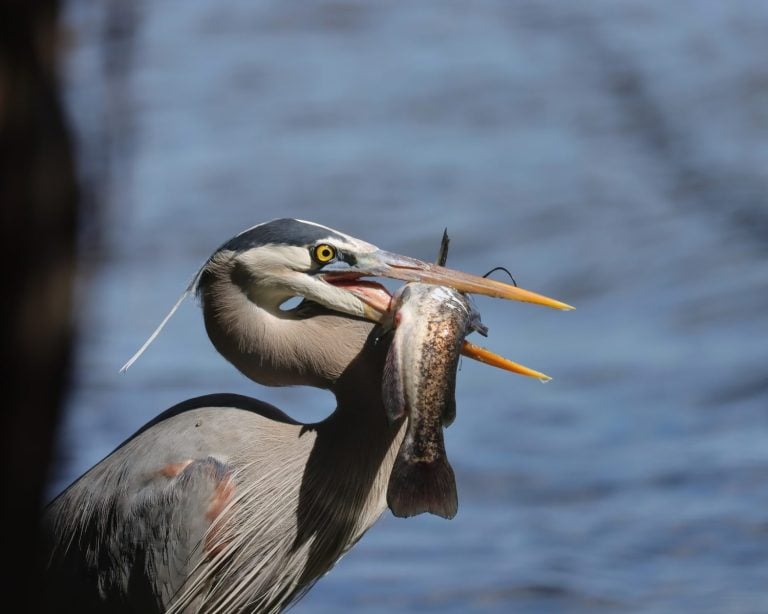
Great blue heron Double-crested cormorant Ring-billed gull

Wilderness Areas

  • Nunavik interior tundra-taiga roadless landscapes (vast areas between Hudson Bay and Ungava Bay with very limited access)
  • The Otish Mountains and surrounding boreal plateau-remote highlands and headwater country
  • Tursujuq National Park (Nunavik, northern Quebec)-a vast protected subarctic/Arctic wilderness with major river systems, tundra, and coastal habitats
  • James Bay / Cree Territory boreal lowlands-extensive peatlands, wetlands, and big-river systems with low road density away from hydro corridors
  • Mingan Archipelago National Park Reserve (Quebec North Shore)-a remote coastal archipelago of islands and shoreline habitats known for seabird colonies and marine wildlife, including marine mammals
  • Anticosti Island interior-large, rugged forested roadless tracts and salmon rivers (access is limited and largely non-urban)
Animals

Wildlife

Quebec covers a huge north to south range, from temperate hardwood and mixed forests and farms in the St. Lawrence Lowlands to boreal forest, taiga, and Arctic tundra in Nunavik. Fresh water is an important part: countless lakes, big rivers, and wide peatlands. The St. Lawrence Estuary and Gulf add coastal and marine areas like salt marshes, seabird colonies, and marine mammals. Wildlife goes from southern species (white-tailed deer, wild turkey) to boreal and subarctic animals (moose, caribou, wolves) and many migratory birds.

~95-105 species (including terrestrial, bats, and marine mammals) Mammals
~430-480 species recorded (with strong migration-driven seasonality) Birds
~18-22 species (low diversity, mostly southern Quebec) Reptiles
~18-22 species (highest in the south; declines in developed areas) Amphibians
~180-250+ species (freshwater plus St. Lawrence estuary/Gulf marine fish) Fish
Examples

Iconic Species

Moose
Moose A flagship boreal mammal widely seen in forested and wetland regions; Quebec supports major populations and is a classic destination for moose viewing and hunting culture.
Beluga (St. Lawrence population) The only resident beluga population in the St. Lawrence Estuary is a marquee wildlife experience near Tadoussac and the Saguenay-St. Lawrence Marine Park.
Caribou (migratory tundra herds) Nunavik's migratory caribou define the subarctic wildlife experience; large herds have historically shaped Indigenous livelihoods and northern ecology.
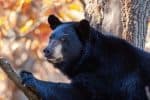
Black Bear
Black Bear Common across forested Quebec and frequently encountered near berry-rich habitats; a signature species for backcountry travel and outfitter-based wildlife watching.
Gray Wolf
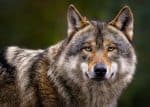
Gray Wolf A key predator of boreal and subarctic ecosystems, more likely in remote northern regions; an emblem of Quebec's wilderness character.
Bald Eagle
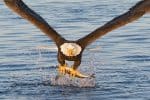
Bald Eagle Increasingly visible along major rivers, lakes, and the St. Lawrence; popular with visitors for dramatic fishing and nesting behavior.
Atlantic Puffin Breeds on islands and cliffs of the Gulf of St. Lawrence region; an iconic seabird draw for boat tours and coastal nature trips.
Greater Snow Goose Spectacular spring and fall migrations concentrate in and around the St. Lawrence estuary and farmlands, creating world-class viewing events.
Atlantic Salmon
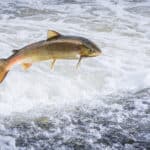
Atlantic Salmon A defining species of clear, cold rivers (notably in the Gaspé Peninsula and Quebec's North Shore), central to Quebec's angling and river conservation identity.

Endemic & Rare Species

Beluga (St. Lawrence population)

Delphinapterus leucas

Endangered (Canada; distinct and isolated population)

A small, isolated population adapted to the St. Lawrence Estuary; heavily affected by historical hunting, contaminants, noise, and habitat disturbance.

Caribou (Boreal population)

Rangifer tarandus

Threatened (Canada) / declining and locally extirpated in parts of southern range

Boreal forest caribou depend on large, intact old-forest landscapes; forestry, roads, and predator-prey imbalance have driven major range contractions in Quebec.

Gaspé Shrew

Sorex gaspensis

Endemic to Canada; rare and range-restricted (occurs in Quebec and Nova Scotia)

A range-restricted Canadian shrew known from the Gaspé Peninsula (Quebec) and the Cape Breton Highlands (Nova Scotia), highlighting localized endemism and conservation concern.

Bicknell's Thrush

Catharus bicknelli

Threatened (Canada)

Breeds in high-elevation, stunted fir forests of the Appalachians (including parts of Quebec); sensitive to habitat change and climate-driven shifts.

Piping Plover (Atlantic population)

Charadrius melodus

Endangered (Canada)

Nests on a small number of sandy beaches along the Gulf of St. Lawrence and lower estuary; vulnerable to disturbance, flooding, and predation.

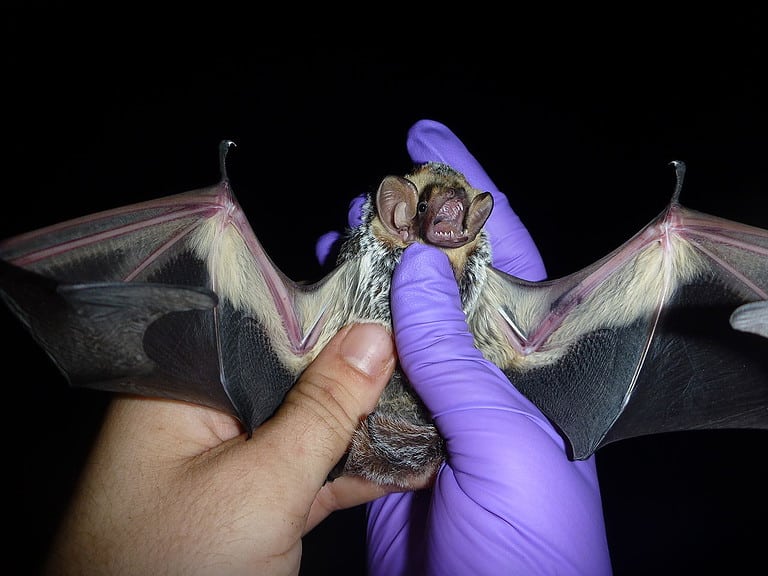
Little Brown Myotis (Little Brown Bat)

Myotis lucifugus

Endangered (Canada; impacted by white-nose syndrome)

Once among the most common bats in southern Quebec; severe declines have reshaped insect-eating bat communities and cave/hibernacula management priorities.

American Eel

Anguilla rostrata

Threatened (COSEWIC) / major historical decline

A migratory eel of the St. Lawrence system with dramatic long-term declines linked to barriers (dams), mortality in turbines, and broader oceanic changes.

Harlequin Duck (Eastern population)

Histrionicus histrionicus

Special Concern (Canada; eastern population small and localized)

A coastal and riverine duck found in limited numbers along parts of Quebec's Gulf coast and select river habitats; sensitive to disturbance and oiling.

Notable Populations

  • St. Lawrence Estuary resident beluga population (internationally notable, heavily studied, and conservation-critical).
  • Greater Snow Goose (atlanticus) migration concentrations in the St. Lawrence valley and estuary-one of North America's standout goose spectacles.
  • Major seabird breeding concentrations in the Gulf of St. Lawrence region (including Atlantic Puffin and other colonial seabirds on islands and cliffs).
  • Historically massive migratory tundra caribou herds in Nunavik (e.g., Leaf River and George River herds), with high cultural and ecological importance.
  • High-value Atlantic salmon rivers in the Gaspé Peninsula and Quebec's North Shore that are central to Canadian salmon conservation and monitoring.
  • Large peatland and wetland complexes in the boreal zone supporting significant waterfowl breeding and staging habitat.

Recent Changes

  • Sharp declines and range contraction of boreal woodland caribou in southern portions of the boreal forest; increasing emphasis on habitat protection and restoration planning.
  • Major declines of several bat species (notably Little Brown Myotis) following white-nose syndrome emergence, with some localized signs of stabilization where conditions allow.
  • Northward expansion and increasing winter presence of white-tailed deer in parts of Quebec associated with milder winters and landscape change, influencing predator dynamics and forest regeneration.
  • Wild Turkey range expansion and increasing sightings in southern Quebec over recent decades, reflecting broader northeastern North America trends.
  • Recovery and increased visibility of some raptors (including Bald Eagle and Peregrine Falcon) linked to pollutant controls, legal protection, and nesting management.
  • Ongoing concern for St. Lawrence beluga due to chronic stressors (noise, contaminants, ship strikes); population growth remains constrained despite long-term protection.
  • Continued declines and altered migration dynamics for American Eel in the St. Lawrence watershed; fish passage, turbine mitigation, and stocking efforts have been used in some areas.
  • Climate-driven shifts in Arctic/subarctic conditions affecting Nunavik wildlife (timing of sea ice, prey availability), with knock-on effects for marine mammals and northern food webs.
Visit

Wildlife Viewing

Quebec offers one of North America's best places for wildlife viewing, from southern mixed forests and vast boreal wilderness to major wetlands and the St. Lawrence River and Gulf for whale watching. Visitors can choose easy hotspots near towns (wetlands, migration areas, seabird colonies) or remote parks for moose, caribou, black bear, wolves, seals, and many birds.

Best Seasons

Spring (April-June)

Migration season and peak bird diversity in southern Quebec. Look for waterfowl, shorebirds, and songbirds in wetlands and along the St. Lawrence; raptors return and display. In the Estuary and Gulf, early whale season begins (beluga present year-round in the estuary), and seal haul-outs are active. Expect cool, changeable weather and higher water levels-great for marsh boardwalks and riverfront viewpoints.

Summer (late June-August)

Top season for whales and coastal wildlife: minke, fin, humpback, and Gulf blue whales often feed, and belugas in the Saguenay–St. Lawrence. Seabird colonies (gannets, puffins, murres) on Bonaventure Island and the Mingan Archipelago are busy. Inland, long daylight helps canoe and kayak viewing; moose and black bear are active at dawn and dusk. Book whale trips and camps early.

Fall (September-November)

Crisp air, fewer crowds, and strong chances for large mammals. Moose are highly active during the rut (late Sept-Oct) in boreal parks and controlled wildlife reserves; black bears forage heavily. Fall raptor and waterfowl migration can be excellent along the St. Lawrence and major wetlands. Whale watching remains strong into October in many areas, with dramatic light and sea conditions.

Winter (December-March)

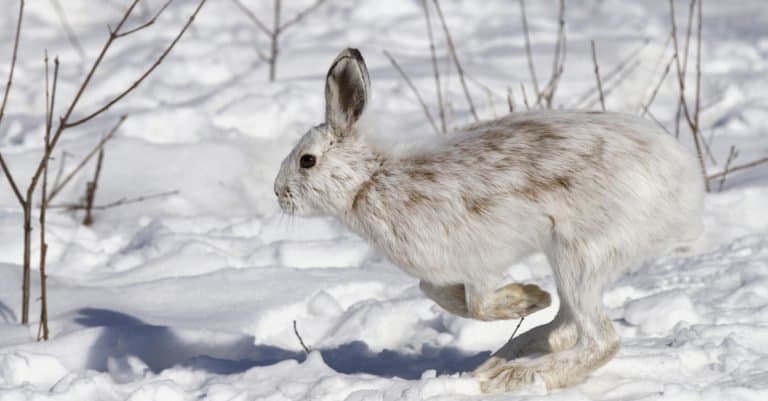
A true northern wildlife season: follow animal tracks in snow—moose, fox, hare, lynx signs—listen for owls, and watch winter finches. In Mont-Tremblant and Jacques-Cartier parks, snowshoe and cross-country ski trails give good chances to see fresh tracks and sometimes animals. In the far north, tundra and taiga offer vast wilderness viewing; plan with outfitters.

Top Wildlife Experiences

  • Whale watching from Tadoussac and Baie-Sainte-Catherine (North Shore): Take a zodiac or larger vessel into the Saguenay-St. Lawrence Marine Park for beluga, minke, and fin whales; pair with shoreline viewing at Pointe-de-l'Islet and Cap de Bon-Desir.
  • Sea-kayak with marine wildlife in the Saguenay Fjord (Saguenay Fjord area, Quebec): Paddle calm fjord waters for seals and seabirds with dramatic cliffs; choose guided trips that time routes away from sensitive beluga protection zones.
  • Seabird colonies at Bonaventure Island and Perce Rock National Park (Gaspe Peninsula): Walk the island trails to view one of the world's most accessible Northern Gannet colonies; expect puffins and other alcids offshore in season.
  • Island-hopping for whales, seals, and coastal birds in the Mingan Archipelago (North Shore): Boat to limestone monolith islands for colony-nesting seabirds and frequent whale sightings in surrounding waters; superb for photography and day-trip exploration.
  • Moose viewing during the rut in Gaspesie National Park (Chic-Choc Mountains): Hike valleys and montane plateaus at dawn/dusk to look for moose in open habitats; combine with alpine birds and panoramic scenery.
  • Wetland birding at Cap Tourmente National Wildlife Area (near Québec City): Watch mass movements of waterfowl and shorebirds during migration; easy boardwalks and viewpoints make it ideal for a high-yield birding day.
  • Backcountry canoe wildlife watching in La Verendrye Wildlife Reserve: Paddle the lake-and-river network for loons, beaver, otter, and moose along shorelines; camp to maximize early/late light.
  • Black bear viewing/photography with ethical outfitters in the Laurentians or Outaouais: Choose small-group, regulated experiences that prioritize distance, scent control, and minimal disturbance-often paired with forest walks and interpretation.

Wildlife Watching Types

Whale watching (beluga, minke, fin, humpback; occasional blue whales in the Gulf) from boats and shoreline lookouts Seabird and seabird-colony viewing (gannets, puffins, murres, razorbills) on islands and coastal cliffs Wetland birding and migration staging areas (waterfowl, shorebirds, songbirds, raptors) Large mammal viewing (moose, black bear, beaver, otter) in parks, wildlife reserves, and canoe routes Marine mammal watching beyond whales (harbour seals; occasional other seals depending on region/season) Track-and-sign wildlife experiences in winter (snowshoe/ski routes emphasizing prints, scat, browse lines, and owl roost areas) Photography-focused wildlife trips (coastal mammals, seabirds, fall moose rut, winter trackscapes) Canoe/sea-kayak-based viewing for low-impact encounters on rivers, fjords, and lake systems

Guided Options

  • Saguenay-St. Lawrence Marine Park licensed whale-watching operators (Tadoussac/Baie-Sainte-Catherine): choose zodiacs for speed or larger boats for stability; look for naturalist-led interpretation and adherence to marine mammal approach rules.
  • Parks Canada and SEPAQ interpretive programs: ranger-led walks/talks, discovery activities, and guided hikes at Parks Canada sites in Quebec (for example, Forillon National Park, La Mauricie National Park, Mingan Archipelago National Park Reserve, and the Saguenay-St. Lawrence Marine Park) and at SEPAQ national parks (for example, Bonaventure Island and Perce Rock National Park, Gaspesie National Park, Jacques-Cartier National Park, Mont-Tremblant National Park, and Saguenay Fjord National Park).
  • Cap Tourmente National Wildlife Area programs (Canadian Wildlife Service): seasonal guided activities and excellent self-guided infrastructure for migration viewing.
  • Mingan Archipelago National Park Reserve boat shuttles and guided island visits: day-trip logistics plus interpretation focused on seabirds, marine ecology, and safe viewing.
  • Sea-kayak guiding services in the Saguenay Fjord and Gaspésie coast: half-day to multi-day trips designed for wildlife viewing with safety/route planning.
  • Wildlife reserve services: mapped routes, camping access, and in some areas guided/interpretive opportunities-useful for planning moose-focused or canoe-based wildlife trips.
  • Ethical bear-viewing and wildlife photography outfitters (Laurentians/Ottawa Valley/North Shore depending on operator): select providers that emphasize minimal baiting/attraction impacts where applicable, small groups, and clear codes of conduct.
  • Indigenous-led nature and wildlife experiences in select regions (availability varies by community/season): culturally grounded interpretation, often combining wildlife knowledge with land-based travel.
Habitats

Ecosystems

Quebec stretches from the milder St. Lawrence Lowlands north through boreal Canadian Shield forests to subarctic taiga and Arctic tundra around Hudson, James and Ungava Bays. It has thousands of lakes, rivers and large peatland/wetland areas. Coastal ice, tides and estuaries make rich shorelines. People and farms concentrate in the St. Lawrence Valley.

Biomes

Temperate Forest

Occurs mainly in the St. Lawrence Lowlands and southern Appalachians (for example, the Monteregie and the Eastern Townships), with mixed deciduous-conifer stands and relatively high plant diversity compared to the north.

Small portion in the far south; concentrated along the St. Lawrence Valley and southern uplands.

Boreal Forest (Taiga)

The dominant biome across the Canadian Shield, characterized by extensive coniferous forests (spruce-fir-pine), mixedwood zones, frequent fire dynamics, and large lake-and-river systems.

Largest share of the province; covers most of central and northern Quebec south of the treeline.

Tundra

True Arctic tundra and low shrub/herb communities north of the treeline (Nunavik), with permafrost features, patterned ground, and strong coastal influences near Hudson/James Bay and Ungava Bay.

Far north; broad band across Nunavik and coastal lowlands.

Alpine

High-elevation treeless environments occur locally on major massifs (notably the Chic-Choc Mountains in the Gaspe Peninsula and a few other high peaks), with cold, windy conditions and short growing seasons.

Very limited; restricted to highest summits and exposed ridgelines.

Freshwater

Exceptionally extensive freshwater ecosystems: major rivers (St. Lawrence, Saguenay, Outaouais/Ottawa, Manicouagan, La Grande), countless lakes, and large hydroelectric reservoirs that create littoral and pelagic habitats.

Widespread throughout; especially prominent across the Shield and along major river corridors.

Marine

Marine ecosystems in the Gulf of St. Lawrence and Lower St. Lawrence estuary (cold-temperate), plus seasonally ice-covered coasts of Hudson Bay, James Bay, and Ungava Bay, support seals, whales, seabirds, and rich benthic communities.

Along eastern and northern coasts; most significant in the Gulf/Estuary of the St. Lawrence and Hudson/James/Ungava Bay shorelines.

Wetland

Large peatland complexes (bogs, fens) and coastal marshes occur across the boreal and subarctic zones; major wetland concentrations include the James Bay Lowlands and broad river deltas/floodplains (e.g., around Lake Saint-Pierre and northern river mouths).

Extensive and widespread; particularly high in northern lowlands and major river floodplains/deltas.

Habitats

Forest

Continuous forest cover across much of Quebec, ranging from mixed temperate forest in the south to vast boreal forest on the Shield; forestry disturbance patterns are a major landscape driver.

Deciduous Forest

Southern lowlands and foothills with sugar maple-beech and other hardwood associations; remnants and managed stands persist amid agriculture and urbanization.

Coniferous Forest

Black spruce, balsam fir, jack pine and larch-dominated stands across the boreal and taiga zones; includes fire-shaped mosaics and large tracts of intact forest in the north.

Woodland

Open, patchy tree cover near the boreal-tundra transition (taiga), with lichen/sedge understories and increasing shrub cover toward the north.

Shrubland

Dwarf birch, willow, and ericaceous shrubs in subarctic landscapes and coastal zones; also occurs on disturbed sites, dunes, and some rocky outcrops.

Tundra

Nunavik treeless landscapes with mosses, lichens, sedges, and low shrubs; includes polygonal/permafrost-influenced terrain and coastal tundra near Arctic waters.

Alpine Meadow

Summit meadows and heath in the Chic-Choc Mountains (Gaspe Peninsula) and a few other high peaks; supports cold-adapted flora and isolated populations of alpine/subarctic species.

Mountain

Appalachian ranges in the southeast (Gaspésie, Estrie) and Laurentians north of Montreal create elevational gradients, steep valleys, and localized microclimates.

Cliff/Rocky Outcrop

Notable along the Saguenay Fjord, the Gaspe Peninsula coast, and parts of the St. Lawrence corridor; provides nesting sites for raptors and seabirds and supports cliff-specialist plants.

River/Stream

Major river corridors (St. Lawrence, Saguenay, Ottawa/Outaouais, La Grande) with rapids, floodplains, and migratory fish routes; hydropower development shapes flow regimes in many basins.

Pond

Beaver ponds and small kettle/peatland ponds are widespread, creating high-quality habitat for amphibians, waterfowl, and aquatic invertebrates.

Wetland

Province-wide wetlands including peatlands, floodplain wetlands, and coastal marshes; crucial for carbon storage and waterfowl breeding/migration.

Swamp

Forested wetlands (cedar, spruce, or mixed swamp forests) occur in southern lowlands and along slow-moving rivers/lake margins.

Marsh

Emergent marshes along the St. Lawrence system (including Lake Saint-Pierre), river deltas, and sheltered coastal bays; important for fish nurseries and birds.

Bog

Extensive ombrotrophic peat bogs across the boreal and subarctic regions, especially in northern lowlands; dominated by sphagnum, ericaceous shrubs, and stunted black spruce.

Estuary

The St. Lawrence Estuary is a defining habitat with strong salinity gradients, tides, and cold waters supporting beluga and rich plankton-driven food webs; smaller estuaries occur at river mouths into Hudson/James/Ungava bays.

Coastal

Cold-water coasts along the Gulf of St. Lawrence (including Gaspé, Côte-Nord, Îles de la Madeleine) and along Hudson/James/Ungava bays, with sea ice seasonality shaping shore ecology.

Rocky Shore

Common along the St. Lawrence's lower reaches and the Côte-Nord and Gaspé coasts, plus exposed Shield lake shores; supports intertidal/benthic communities where marine.

Open Ocean

Offshore waters of the Gulf of St. Lawrence and large bays (Hudson/Ungava) provide pelagic habitat for fish, seabirds, and migratory whales (seasonally).

Deep Sea

Deep basins and channels in the Gulf/Estuary system (notably the Laurentian Channel) function as cold-water deep habitats compared to surrounding shelves.

Seabed/Benthic

Benthic habitats on shelves and channels of the Gulf of St. Lawrence and in Hudson/Ungava bay nearshore zones, including soft sediments and rocky bottoms supporting invertebrates and groundfish.

Urban

Dense urban habitats concentrated along the St. Lawrence corridor (e.g., Montréal, Québec City) with heat-island effects and fragmented natural areas.

Suburban

Expanding suburban belts around major cities in the St. Lawrence valley, creating mixed green infrastructure, edge habitats, and strong pressure on wetlands and remaining forests.

Agricultural/Farmland

Primarily in the St. Lawrence Lowlands with cropland, pasture, and orchards; landscape includes field margins, hedgerows, and remnant woodlots important for biodiversity.

Ecoregions

St. Lawrence Lowlands forests (WWF) New England-Acadian forests (WWF) Eastern Canadian forests / Eastern Great Lakes-St. Lawrence forest region (broad WWF concept used for southern Quebec) Eastern Canadian Shield taiga (WWF) Eastern Canadian Shield forests (WWF) Central Canadian Shield forests (WWF) Hudson Bay Lowlands (WWF) Eastern Hudson Bay taiga (WWF) Ungava Peninsula tundra (WWF) Torngat Mountains tundra (WWF) Southern Arctic tundra (Canada Arctic/near-Arctic WWF units occurring in far northern Quebec) Gulf of St. Lawrence marine ecoregion (WWF marine) Hudson Bay Complex marine ecoregion (WWF marine)
Protection

Conservation

Primary Threats

  • Threats are mainly in southern Quebec (Montreal–St. Lawrence Lowlands, Ottawa Valley, Eastern Townships), where farming, towns, shoreline development and wetland drainage have reduced and broken up forests and marshes. In the boreal and along the St. Lawrence, roads and powerlines also break up habitat.
  • Rapid warming in northern Quebec alters snow/ice seasonality, river hydrology, tundra/taiga vegetation, and access to traditional migration routes; increased wildfire risk and insect outbreaks affect boreal forest structure, with knock-on effects for caribou, ground-nesting birds, and peatland carbon integrity.
  • The St. Lawrence River system concentrates legacy and ongoing contaminants (industrial effluents, urban runoff, microplastics, and some persistent organic pollutants) that bioaccumulate in top predators; nutrient and sediment loads affect tributaries and nearshore habitats used by fish and turtles.
  • High via the St. Lawrence shipping corridor and urban hubs: zebra and quagga mussels, round goby, spiny water flea, and invasive aquatic plants disrupt food webs; emerald ash borer and other pests reshape urban and riparian forests, reducing habitat and increasing management costs.
  • White-nose syndrome has severely reduced hibernating bat populations (e.g., little brown myotis) in southern and central Quebec; increasing wildlife-livestock interfaces and movements raise concern for additional pathogens (e.g., CWD risk pathways, avian influenza impacts on waterbirds).
  • Intensive forest management in parts of the managed boreal can simplify age structure and increase road density, reducing effective habitat and connectivity for species sensitive to disturbance (notably boreal woodland caribou) and increasing predator access along linear corridors.
  • Exploration and extraction in northern Quebec (Nunavik and the James Bay region) expand road/airstrip footprints and create localized contamination and disturbance risks; cumulative effects are a key concern where development overlaps caribou ranges and sensitive watersheds.
  • Hydroelectric reservoirs, dams, and transmission corridors (notably in James Bay and along major rivers) alter flow regimes, fish passage, sediment transport, and floodplain wetlands; in the south, highways and rail lines increase mortality and fragment habitat for turtles, amphibians, and mammals.
  • Heavy vessel traffic, noise, and shoreline activity in the St. Lawrence estuary disrupt marine mammals (including beluga) and seabirds; recreational pressure (ATVs/snowmobiles, backcountry use) can disturb nesting and denning areas in some regions.
  • Historically and locally affects anadromous and estuarine species: Atlantic salmon populations are sensitive to exploitation plus habitat constraints; some Gulf/estuary groundfish and forage species have experienced pressure, with ecological impacts cascading to marine predators.
  • River regulation (dams, flow management), wetland drainage, shoreline hardening, and floodplain disconnection alter spawning/nursery habitats and reduce the natural disturbance dynamics that sustain diverse St. Lawrence and tributary ecosystems.
  • Most intense in the Montreal-Quebec City corridor and adjacent lowlands: expands impermeable surfaces and stormwater pulses, fragments remaining habitats, increases roadkill, and narrows riparian buffers critical for turtles, amphibians, and fish.
Fun Facts

Did You Know?

Quebec has a year-round, non-Arctic population of belugas: the St. Lawrence beluga is genetically distinct and lives in a temperate estuary/fjord system (Saguenay-St. Lawrence area) instead of migrating to the High Arctic like most belugas.

Seals can show up in the heart of a major city: Harbor seals regularly occur in the St. Lawrence Estuary and are sometimes spotted far upstream-even around the Montreal area-following fish runs and using ice/shore haul-outs when conditions allow.

The famous 'white goose explosions' along the St. Lawrence partly come from people changing the land. Greater Snow Goose numbers rose in the 1900s, and modern farming gives high-calorie stopover food that helps them survive and breed.

The Gaspe caribou, an isolated woodland caribou group in Gaspesie National Park, are among the southernmost in eastern North America, living on tundra-like mountaintops surrounded by lower forests not as good for caribou.

In Nunavik, "ocean-to-lake commuters" are common: Arctic char routinely shift between marine feeding areas and freshwater lakes/rivers, meaning the same fish can be caught in salty coastal water and, weeks later, far inland in clear northern rivers.

Bonaventure Island (Bonaventure Island and Perce Rock National Park, Gaspe Peninsula) hosts the largest Northern Gannet colony in North America-roughly 100,000+ birds (about 50,000+ breeding pairs) packed onto one small island cliff system.

Cap Tourmente National Wildlife Area near Quebec City is a major stop for Greater Snow Geese. Up to about 70,000 gather there during migration, part of roughly one million that pass the St. Lawrence Estuary.

The George River Caribou Herd (Nunavik / Quebec-Labrador tundra) was, at its early-1990s peak, among the largest migratory caribou herds ever recorded-on the order of about 800,000-900,000 animals-before a dramatic long-term decline.

The Leaf River Caribou Herd (Nunavik) became one of the world's largest migratory caribou herds in the early 2000s, peaking near 600,000 animals and showing Quebec's far north can support huge wildlife numbers.

Animals Found in Quebec

240 species documented in our encyclopedia

Thank you for reading! Have some feedback for us?