N S W E
Wildlife Expeditions

Wildlife of
Manitoba

Manitoba is a crossroads of prairie, boreal forest, and Arctic coast where Lake Winnipeg's watershed and Hudson Bay shores fuel world-class birdlife, megafauna, and migration spectacles.
191 Species
553,556 km² Land Area
Overview

About Manitoba

Manitoba sits where three big regions meet: prairie in the south and west, boreal forest in the interior, and tundra and coast along Hudson Bay. Centered on the Lake Winnipeg basin, its rivers, marshes, and peatlands form a patchwork that supports waterfowl, songbirds, wolves, moose, and woodland caribou. Seasons shape life here: spring and fall migrations, busy summers in wetlands and forests, and long winters that bring predators and prey together. Key areas are the prairie pothole region and Interlake wetlands (breeding grounds for ducks, geese, swans, and shorebirds), vast boreal forest and muskeg (home to moose, black bear, and lynx), and the Hudson Bay lowlands near Churchill (coastal tundra and estuaries with polar bears, beluga whales, Arctic foxes, and nesting seabirds). Big rivers and the Lake Winnipeg watershed link habitats. Manitoba offers a rare chance to see prairie, boreal, and Arctic wildlife in one north-to-south trip.

Physical Features

Geography

Manitoba's wildlife is shaped by a south-to-north change from prairie grasslands and farm plains to boreal forest, taiga, and Hudson Bay lowlands. Large lakes (especially Lake Winnipeg) and wide river-wetland networks make migration routes and breeding places for waterfowl. Subarctic peatlands and coastal tundra support cold-adapted species and seasonal marine wildlife along Hudson Bay.

553,556 km² (land) Land Area
8th largest province/territory in Canada (by land area) Size Rank
Canada Country
Province Type
Elevation Range

Sea level (Hudson Bay coast) to ~832 m (Baldy Mountain, Duck Mountains)

Coastline

Saltwater coastline on Hudson Bay (northeast), plus extensive freshwater shorelines on major lakes (notably Lake Winnipeg, Lake Manitoba, Lake Winnipegosis).

Key Landscapes

Prairie pothole region and mixed-grass/tallgrass prairie (southwest and south) Lake Winnipeg basin (including Lake Winnipeg, Lake Manitoba, and Lake Winnipegosis) Major river systems and riparian corridors: Nelson River (outflow), Red River, Assiniboine River, Winnipeg River, Saskatchewan River (west/central) Boreal forest belt across central Manitoba (conifer-mixedwood forests, lakes, and muskeg) Hudson Bay Lowlands (north/northeast): vast peatlands, fens, bogs, and poorly drained plains Taiga and subarctic transition zone (northern interior) with extensive wetlands and rocky outcrops of the Canadian Shield (east/northeast)
State Symbols

Official Wildlife Symbols

wildflower

Prairie Crocus

Designated 1906

bird

Great Grey Owl

Designated 1987

animal

Plains Bison

Designated 1997

tree

White Spruce

Designated 1991

Parks & Reserves

Protected Areas

Manitoba’s protected areas cover prairie pothole wetlands and grasslands in the south, Boreal Shield forests in east and central, Hudson Bay Lowlands/taiga and coastal tundra in the north. Parks Canada (two large national parks), provincial parks and National Wildlife Areas and Migratory Bird Sanctuaries protect waterfowl and shorebird habitat and species like polar bears, boreal caribou, wolves, and migratory birds.

Protected Coverage

~11% of Manitoba's land and freshwater area (approx.; varies by dataset/criteria and accounting for overlapping designations).

National Parks & Preserves

Riding Mountain National Park

~2,969 km²

A biodiversity hotspot where prairie meets boreal forest on the Manitoba Escarpment-supporting large mammals, predator-prey dynamics, and excellent wildlife viewing in a relatively compact protected landscape.

Elk Moose Black bear Gray wolf Canada lynx

Wapusk National Park

~11,475 km²

Protects Hudson Bay Lowlands coastal ecosystems and internationally important polar bear denning areas; also critical for migratory birds and northern species adapted to taiga-tundra transitions.

Polar bear Barren-ground caribou Arctic fox Gray wolf Snow goose

State & Provincial Parks

Atikaki Provincial Park (Wilderness Park)

~1,750 km²

Part of the Pimachiowin Aki landscape of intact Boreal Shield ecosystems-large, roadless watersheds supporting boreal woodland caribou, wide-ranging predators, and high-quality aquatic habitat.

Boreal woodland caribou Moose Gray wolf Bald eagle River otter

Nopiming Provincial Park

~2,280 km²

A lake-rich Boreal Shield park with extensive forest and wetland mosaics, valued for backcountry wildlife viewing (loons, raptors, furbearers) and habitat connectivity into Ontario's boreal protected areas.

Moose Black bear Gray wolf Common loon Bald eagle

Duck Mountain Provincial Park

~1,400 km²

A forested upland 'island' above surrounding prairie/agriculture in western Manitoba near the Saskatchewan border, providing important habitat for large mammals and breeding birds and supporting regional biodiversity.

Moose Black bear Elk Red fox Ruffed grouse

Wildlife Refuges

Oak Hammock Marsh National Wildlife Area

~36 km² (NWA; the broader marsh/wildlife management area is larger)

One of Canada's premier migratory bird staging and nesting areas-especially important for waterfowl and shorebirds in the prairie pothole region north of Winnipeg.

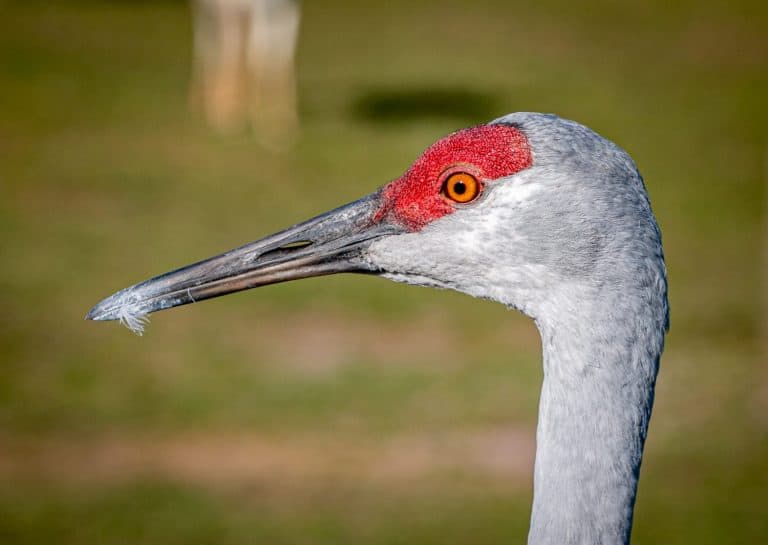
Snow goose Tundra swan Mallard American white pelican Sandhill crane

Delta Marsh National Wildlife Area

~230 km² (approx.)

A major Lake Manitoba wetland complex supporting breeding and staging waterfowl, marsh birds, and furbearers-long recognized for waterbird conservation research and monitoring.

Canvasback Redhead American bittern Muskrat Northern pike

Big Grass Marsh Migratory Bird Sanctuary

~460 km² (sanctuary and associated marsh complex; size varies by source/definition)

Large prairie wetland and surrounding habitat used heavily by migrating geese, cranes, and ducks; important for maintaining waterfowl production and stopover capacity in southwest Manitoba.

Sandhill crane Canada goose Snow goose Northern pintail American avocet

Churchill-Seal River coastal Wildlife Management Areas (provincial; 'similar protected areas')

Very large coastal management areas (thousands of km² combined; boundaries vary by unit)

A globally significant coastal wildlife region for polar bear migration/denning (nearby), beluga concentrations in summer, and large movements of tundra and boreal birds across estuaries and tidal flats.

Polar bear Beluga whale Arctic fox Snowy owl Common eider

Wilderness Areas

  • Pimachiowin Aki / Bloodvein River backcountry (intact Boreal Shield wilderness across Manitoba-Ontario; extensive canoe-route country and high ecological integrity)
  • Nueltin Lake region (far-north remote shield-and-tundra transition with minimal road access and vast lake/river systems)
  • North Seal River and adjacent northern park backcountries (remote boreal/taiga watersheds with long stretches of undeveloped river corridors)
  • Hudson Bay Lowlands coastal plain between Churchill and the Nunavut border (broad, lightly roaded peatlands, tidal flats, and coastal tundra important for polar bears and migratory birds)
Animals

Wildlife

Manitoba sits at a major ecological crossroads-prairie and aspen parkland in the south, vast boreal forest and lake country through the middle, and taiga/tundra plus Hudson Bay coastline in the north. This gradient, anchored by the Lake Winnipeg basin and extensive wetlands (e.g., Delta Marsh, Oak Hammock Marsh), produces a wildlife experience defined by (1) huge seasonal bird migrations, (2) iconic northern mammals around Churchill and the Hudson Bay coast, and (3) strong freshwater fish communities tied to large lakes and river systems.
~70-80 species (including marine mammals on the Hudson Bay coast) Mammals
~300-330 species recorded (strongly seasonal; many migrants) Birds
~10-12 species Reptiles
~8-10 species Amphibians
~100-120 freshwater fish species (plus a small number of marine/coastal species in Hudson Bay) Fish

Endemic & Rare Species

Piping Plover

Charadrius melodus

Endangered in Canada (prairie/beach-nesting populations are highly vulnerable)

Nests on sparsely vegetated sand/gravel shorelines, including key Manitoba beaches; sensitive to disturbance and water-level changes.

Whooping Crane

Grus americana

Endangered (global); rare migrant in Manitoba

Manitoba lies within a major migration corridor; sightings during spring/fall are notable and monitored.

Boreal Woodland Caribou

Rangifer tarandus

Threatened in Canada (boreal population)

Depends on large, connected mature boreal/peatland habitats; declines are tied to habitat fragmentation and altered predator-prey dynamics.

Prairie Skink

Plestiodon septentrionalis

Threatened in Canada (notably the prairie population context)

At the northern edge of its range in sandy prairie habitats (e.g., Spruce Woods area); habitat loss and fragmentation are key issues.

Common Snapping Turtle

Chelydra serpentina

Special Concern in Canada

Occurs in southern Manitoba wetlands and waterways; long-lived and vulnerable to road mortality and nest predation.

Rusty Blackbird

Euphagus carolinus

Special Concern in Canada; widespread declines

A boreal wetland-associated songbird that breeds in Manitoba; an indicator of changing northern wetland conditions.

Ross's Gull

Rhodostethia rosea

Rare visitor (high-latitude species)

Churchill's subarctic coast is one of the most reliable places in North America to encounter this sought-after Arctic gull.

Notable Populations

  • Western Hudson Bay polar bears (globally renowned for predictable on-land viewing near Churchill during the ice-free season).
  • Western Hudson Bay beluga whales, with large summer use of the Churchill River estuary and nearby coastal waters.
  • Narcisse Snake Dens: one of the largest known concentrations of Red-sided Garter Snakes (Thamnophis sirtalis) in the world during spring emergence.
  • Major continental staging areas for waterfowl and shorebirds at sites such as Delta Marsh and Oak Hammock Marsh (internationally significant migration habitat).
  • Large freshwater fisheries and lake ecosystems (e.g., Lake Winnipeg basin) supporting abundant Walleye (Sander vitreus), Northern Pike (Esox lucius), and Lake Whitefish (Coregonus clupeaformis).

Recent Changes

  • Northward range expansion and increasing prevalence of some southern-adapted species (e.g., White-tailed Deer, Odocoileus virginianus) in parts of the boreal transition zone, consistent with warming and land-use change.
  • Ongoing declines and management actions for Boreal Woodland Caribou tied to habitat fragmentation, wildfire patterns, and shifting predator-prey dynamics.
  • Climate-driven pressures on polar bears in the Western Hudson Bay region (shorter sea-ice season affecting hunting opportunities and body condition trends).
  • Continuing conservation management for beach-nesting Piping Plovers, including seasonal protections on key nesting beaches to reduce disturbance and improve productivity.
  • Aquatic ecosystem changes in the Lake Winnipeg basin (eutrophication and invasive species pressures) influencing food webs and potentially affecting native fish communities and waterbird foraging habitat.
  • Localized moose stress and declines reported in some areas in recent decades, often linked to heat, parasites, and changing habitat conditions (patterns vary regionally).
Visit

Wildlife Viewing

Manitoba is rich in wildlife, spanning prairie grasslands, vast boreal forest, the Lake Winnipeg watershed, and the Hudson Bay coast. In the south visitors can do prairie birding and wetland mammal viewing; in the north, near Churchill, they see polar bears and beluga whales. Expect huge migrations (waterfowl, shorebirds), moose, black bear, wolves, great photography and aurora viewing.

Best Seasons

Spring (Apr-May)

Migration season in the south: waterfowl and shorebirds concentrate on wetlands and floodplains, making birding highly productive around Lake Winnipeg and prairie pothole country. Expect variable weather, muddy roads in rural areas, and excellent chances to see returning songbirds, cranes, and early-season raptors.

Summer (Jun-Aug)

Peak diversity and easiest travel conditions. Great for nesting birds, paddling-based wildlife viewing, and black bear/moose spotting in boreal regions. Churchill's beluga season runs in mid-late summer (especially July-August), with options like boat, kayak, and shoreline viewing. Insect levels can be high in forest/wetland areas-bring bug protection.

Fall (Sep-Oct)

Crisp weather and dramatic migrations. Waterfowl and raptors move through southern Manitoba; opportunities for elk and moose viewing improve as animals become more active and vegetation thins. Churchill's polar bear season builds through October into November as bears gather along the coast waiting for sea ice.

Winter (Nov-Mar)

Polar bear viewing near Churchill is best in late Oct–Nov (sometimes into early Dec if sea ice forms). Winter brings aurora shows, wolf tracks and signs in boreal areas, and good birding for hardy birds like owls and finches near forest edges and feeders. Expect very cold temperatures and short daylight; guided trips are recommended.

Top Wildlife Experiences

  • Polar bear viewing near Churchill (Hudson Bay coast) in October-November via tundra vehicle tours-one of the world's premier polar bear encounters.
  • Beluga whale watching in Churchill (July-August): take a boat tour, zodiac, or kayak; in good conditions you may also spot whales from shore near the Churchill River mouth.
  • Birding and shorebird migration at Oak Hammock Marsh Interpretive Centre (north of Winnipeg): boardwalks and viewing towers over prime marsh habitat.
  • Prairie grassland birding in Spruce Woods Provincial Park and the surrounding sandhills/mixed-grass prairie: look for specialty species in open habitats and along dune/forest edges.
  • Moose and black bear watching in Riding Mountain National Park: drive and hike forest-edge routes at dawn/dusk; also strong chances for beavers, white-tailed deer, and a rich songbird community.
  • Wetland wildlife drive and photography around the south basin of Lake Winnipeg (including lakeshore marshes and river mouths): excellent for waterfowl, pelicans, and raptors during migration periods.
  • Remote boreal wildlife by canoe or lodge-based stays in the Manitoba Shield (eastern/northeastern lake country): loons, eagles, beavers, and chances at moose with minimal crowds.

Wildlife Watching Types

Polar bear viewing (tundra/coastal wildlife watching) Beluga whale watching (boat, zodiac, kayak, and occasional shoreline viewing) Birding hotspots (marshes, prairie potholes, boreal forest, and coastal tundra) Waterfowl and shorebird migration viewing Raptor watching (spring and fall migration corridors) Big mammal viewing (moose, elk, black bear, deer; occasional wolves) Beaver and wetland mammal watching (lodges, channels, dusk paddles) Aurora + wildlife combinations (especially in the north in shoulder seasons and winter) Wildlife photography-focused trips (Churchill, wetlands, prairie, boreal lakes)

Guided Options

  • Churchill polar bear tundra vehicle operators (multi-day packages combining bear viewing with northern culture and optional aurora programs).
  • Churchill beluga whale tour operators (boat/zodiac excursions; some offer kayak-based beluga viewing in midsummer).
  • Parks Canada and local guiding services in Riding Mountain National Park (interpretive walks, wildlife/ecology programs; seasonal offerings vary).
  • Oak Hammock Marsh Interpretive Centre programs (guided walks, birding programs, family-friendly wildlife interpretation).
  • Manitoba Wildlife Federation and regional naturalist clubs (periodic guided bird walks, citizen-science events, and seasonal field trips-check local schedules).
  • Indigenous-led cultural and nature experiences in northern Manitoba (where available), often pairing wildlife viewing with land-based interpretation and local knowledge; confirm operators and seasonal access in advance.
Habitats

Ecosystems

Manitoba stretches from mixed-grass and aspen parkland prairies in the south through vast boreal forest to subarctic tundra and Hudson Bay coastal systems in the north. The Lake Winnipeg–Nelson River drainage and thousands of lakes, rivers, peatlands, and marshes support waterfowl, woodland caribou, boreal predators, and Arctic species.

Biomes

Temperate Grassland

Southern Manitoba's Prairie and Parkland landscapes: mixed-grass prairie remnants, aspen parkland mosaic, and extensive grassland-agriculture interface supporting grassland birds and prairie wetland complexes.

Concentrated in the south and southwest; now heavily converted to agriculture, with remaining native prairie in patches and protected areas.

Boreal Forest (Taiga)

Dominant central belt of boreal forest and taiga-like systems: black spruce, jack pine, trembling aspen, balsam poplar, and extensive peatlands; supports moose, wolves, boreal birds, and woodland caribou in the north/remote areas.

Largest biome by area across central and northern interior Manitoba.

Tundra

Subarctic tundra and forest-tundra transition in the far north: low shrubs, sedge-moss communities, patterned ground, and coastal tundra habitats supporting Arctic-breeding birds and polar bear-associated coastal ecosystems.

Far northern Manitoba, especially near and inland from the Hudson Bay coastline.

Freshwater

Large lake and river networks around the Lake Winnipeg basin (including Lake Manitoba and Lake Winnipegosis) and major rivers (Red, Assiniboine, Saskatchewan tributaries, Nelson, Hayes, Churchill). Vital for fisheries, migratory birds, and riparian biodiversity.

Statewide, with highest density/effect in the Lake Winnipeg basin and Canadian Shield lake districts.

Wetland

Globally significant wetland complexes: prairie potholes and marshes in the south; vast boreal peatlands (bogs and fens) across the interior; coastal marshes along Hudson Bay. Supports major waterfowl production and carbon-rich peat landscapes.

Widespread; especially extensive across boreal lowlands and the Hudson Bay Lowland, and in southern prairie wetland districts.

Habitats

Grassland

Mixed-grass and tallgrass prairie remnants (e.g., Tall Grass Prairie Preserve region) and native prairie patches in the southwest; important for grassland birds and pollinators.

Prairie

Aspen parkland and prairie mosaics in southern Manitoba, historically extensive but now fragmented by cultivation; includes prairie pothole landscapes.

Agricultural/Farmland

Large areas of cropland and pasture in the south (Red River Valley and surrounding plains), interspersed with drainage ditches, shelterbelts, and remaining wetland basins.

Forest

Broad boreal and mixedwood forests dominating central Manitoba, including fire-driven landscapes and large intact tracts in the north.

Coniferous Forest

Black spruce peatland forests and jack pine stands on sandy/rocky substrates, especially across the Canadian Shield and boreal lowlands.

Deciduous Forest

Trembling aspen and balsam poplar mixedwoods and riparian deciduous stands, common in the southern boreal transition and parkland.

Woodland

Aspen parkland (tree-grass mosaic) and open-canopy areas transitional between prairie and boreal forest.

Shrubland

Low shrub communities in the forest-tundra ecotone and on coastal/northern peatlands, including willow and dwarf birch habitats.

Tundra

Northern subarctic tundra and coastal tundra with sedges, mosses, lichens, and dwarf shrubs; key breeding habitat for Arctic birds.

Wetland

Extensive wetland mosaics ranging from prairie marsh basins to boreal peatland complexes and Hudson Bay coastal wetlands.

Marsh

Large emergent marshes around Lake Winnipeg, Lake Manitoba, and in deltaic/lowland settings; crucial for waterfowl staging and nesting.

Bog

Ombrotrophic peat bogs widespread in boreal lowlands and northern Manitoba; acidic, peat-accumulating landscapes with black spruce and ericaceous shrubs.

Swamp

Forested and shrub swamps in low-lying areas and floodplains, including willow/alder swamps and wooded wetlands in southern and boreal regions.

Lake

Major lakes (Winnipeg, Winnipegosis, Manitoba) and countless Shield lakes; support fisheries, island/nesting habitats, and coastal marsh complexes.

River/Stream

Red and Assiniboine rivers in the south; Nelson, Hayes, and Churchill systems draining northward; includes broad floodplains, deltas, and riparian corridors.

Coastal

Hudson Bay coastline in northeastern Manitoba with coastal tundra, tidal flats, and coastal wetland systems supporting polar bear and migratory bird use areas.

Rocky Shore

Exposed bedrock and boulder shorelines common on Canadian Shield lakes and parts of the Hudson Bay coast, supporting specialized shoreline plant communities.

Urban

Urban habitats concentrated around Winnipeg and a few regional centers; includes river corridors, parks, and urban wetlands.

Suburban

Peri-urban expansions around Winnipeg and other towns, with fragmented woodlots, stormwater ponds, and riparian greenways.

Ecoregions

Canadian Aspen Forests and Parklands (WWF) Northern Tallgrass Prairie (WWF) Mid-Continental Canadian Shield Forests (WWF) Boreal Plains Forests (WWF) Boreal Shield (WWF) Hudson Bay Lowlands (WWF) Southern Hudson Bay Taiga (WWF) Northern Hudson Bay Tundra (WWF) Taiga Shield (WWF)
Protection

Conservation

Primary Threats

  • In southern Manitoba's prairie-parkland, conversion of native grasslands to annual cropland and associated wetland drainage reduce nesting and foraging habitat for grassland birds (e.g., Burrowing Owl, Sprague's Pipit) and diminish natural water storage that buffers floods and droughts in the Red River-Lake Winnipeg system.
  • Habitat loss is most acute in the south from grassland conversion, shoreline development, and wetland drainage, while in the boreal it occurs through cumulative industrial footprint (cutblocks, roads, hydro corridors) that fragments large, connected habitat needed by boreal woodland caribou and wide-ranging predators.
  • Nutrient loading (notably phosphorus) from the Red River basin and agricultural/municipal sources contributes to harmful algal blooms and degraded water quality in Lake Winnipeg and connected waters. Localized industrial contamination risks also occur near mining/processing sites and legacy landfills, affecting fish and freshwater mussels.
  • Warming temperatures and shifting precipitation intensify flood/drought cycles in prairie watersheds, worsen algal-bloom conditions in Lake Winnipeg (warmer water, longer open-water seasons), and alter boreal fire regimes. Along Hudson Bay, reduced sea ice shortens hunting seasons for polar bears and changes coastal ecological timing for migratory birds.
  • Zebra mussels and other aquatic invaders (e.g., spiny water flea in parts of the basin) alter food webs and water clarity in Lake Winnipeg and connected lakes/rivers, complicating native fish management and threatening sensitive species such as freshwater mussels. Invasive plants also affect prairie and wetland restoration sites.
  • White-nose syndrome threatens hibernating bats (including Little Brown Myotis and Northern Myotis) in Manitoba, causing severe mortality and reducing insect-control ecosystem services. Wildlife disease surveillance is also important where dense waterfowl staging and changing climates can influence pathogen dynamics.
  • Hydro generation and transmission, all-season roads, and river crossings can fragment habitat and change movement patterns (notably for boreal caribou). Dams and flow regulation influence aquatic habitat, sediment transport, and connectivity for species such as lake sturgeon in river systems connected to the Lake Winnipeg basin.
  • Drainage and channelization in agricultural landscapes speed runoff and reduce wetland function, while flow regulation on major rivers can modify flood pulses needed for delta/wetland productivity (affecting fish spawning and waterfowl habitat). Fire suppression and altered fire regimes can also shift boreal forest structure over time.
  • Commercial forestry in the boreal can create a patchwork of young forests and linear features that increase predator access and reduce effective refuge for boreal woodland caribou, adding to cumulative effects when combined with roads and other developments.
  • Mining and associated exploration in northern and eastern Manitoba can introduce new roads, camps, and transmission corridors, increasing fragmentation and disturbance. Site-level risks include water withdrawals, tailings management, and localized contamination that can affect downstream aquatic ecosystems.
  • Manitoba's large inland fisheries (including Lake Winnipeg) require careful management to avoid depletion and to maintain age structure in key stocks. Species with slow maturation (e.g., lake sturgeon) are particularly vulnerable to overharvest and bycatch pressures if not tightly regulated.
  • Recreation and tourism (including the globally significant wildlife tourism hub around Churchill) can disturb denning/roosting/nesting sites if not managed carefully. In the south, disturbance near beaches and riverbars can affect ground-nesting birds such as Piping Plover.
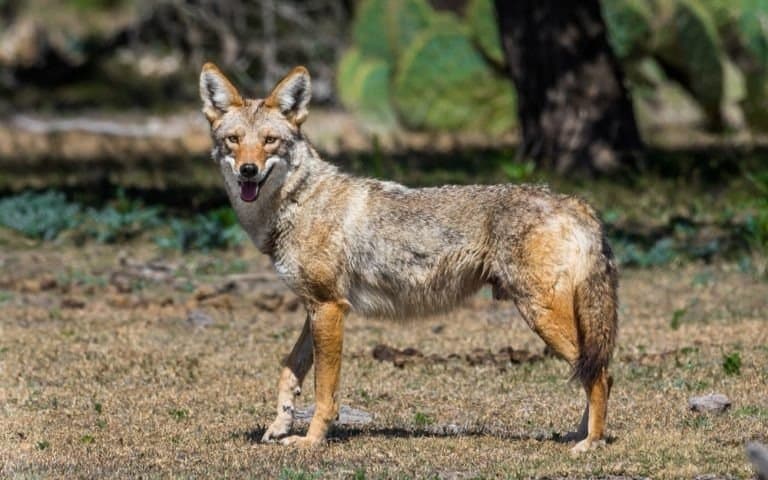
  • Polar bear-human conflict around Churchill during the ice-free season requires active management (attractant control, deterrence, holding facilities) to protect both people and bears. In agricultural regions, conflicts with black bears, wolves/coyotes, elk, and waterfowl can lead to pressure for lethal control or reduced tolerance.
  • Growth and expansion around Winnipeg and other municipalities increases habitat fragmentation, stormwater runoff, shoreline pressure on rivers/lakes, and collisions (roads/windows), while also concentrating demand for recreation in sensitive nearby natural areas.
Fun Facts

Did You Know?

At Narcisse, red-sided garter snakes form dramatic "mating balls," where dozens of males may swarm a single female; researchers have also documented some males producing female-like pheromones, briefly "tricking" other males-an unusual strategy in the animal world.

Churchill-area belugas often appear yellowish-brown in summer not because they're "dirty," but because belugas naturally shed and renew skin; they seek shallow, warmer estuaries (like the Churchill River) and rub on gravel to help slough old skin.

Western Hudson Bay polar bears come ashore each year during an ice-free season. Many then fast for months after Hudson Bay melts, waiting for the bay to freeze again so they can hunt seals.

Manitoba has endangered piping plovers nesting on inland freshwater beaches (not ocean coasts)-notably along Lake Winnipeg and other large lake shorelines-where they rely on sparse, open sand/gravel that can disappear when water levels rise or vegetation grows in.

Narcisse Snake Dens (in Manitoba's Interlake, near Narcisse) are widely cited as the largest known snake hibernaculum on Earth: tens of thousands of red-sided garter snakes (often ~50,000-70,000) emerge within days each spring.

Churchill's western Hudson Bay coast is one of the world's best, most reliable places to see polar bears on land: in autumn many bears gather near town while waiting for sea ice to form, and its 'Polar Bear Capital' name.

The Western Hudson Bay beluga population is one of the largest beluga populations in the world (commonly estimated on the order of ~50,000+). Each summer, thousands aggregate in the shallow, relatively warm Churchill River estuary and nearby coastal waters.

The Saskatchewan River Delta (spanning into northwestern Manitoba) is among North America's largest inland deltas (roughly ~10,000 km² overall), creating vast wetlands that can support exceptionally high densities of breeding and migrating waterfowl, plus wetland-dependent mammals like muskrat and moose.

Animals Found in Manitoba

191 species documented in our encyclopedia

Thank you for reading! Have some feedback for us?