N S W E
Wildlife Expeditions

Wildlife of
New Brunswick

From Acadian forests to Fundy's record tides, New Brunswick packs old-growth riverscapes, seabird cliffs, and big mammals into one compact province.
165 Species
71,450 km² Land Area
Overview

About New Brunswick

New Brunswick lies between northern boreal Canada and the Atlantic Ocean. Its Acadian forest core of mixed spruce, fir, maple, birch, and cedar is filled with large rivers, wetlands, and a tide-driven coast. These habitats support moose, black bear, beaver, Canada lynx, and blue corridors that carry salmon, trout, and migratory birds through wild, connected land. The Saint John River system is a major freshwater network that supports Atlantic salmon (where restored), waterfowl resting areas, and rich riverbank habitats. The Bay of Fundy’s huge tides make mudflats, salt marshes, and nearshore waters that attract shorebirds, seabirds, and marine mammals and create strong feeding chances. Uplands, bogs, peatlands, and coldwater streams in the north and interior shelter special plants and wildlife. The mix of big rivers and a tidal coast gives New Brunswick a unique Maritime blend of land and sea life.

Physical Features

Geography

New Brunswick's wildlife is shaped by Acadian Forest lowlands, Appalachian uplands, and coastal systems on the Bay of Fundy and Gulf of St. Lawrence. Large rivers like the Saint John and Miramichi form floodplains, wetlands, and estuaries that attract waterfowl, migrating fish, and mammals, while the Bay of Fundy's strong tides make mudflats, salt marshes, and rich nearshore food webs.

71,450 km² Land Area
11th largest of Canada's 13 provinces/territories by land area (8th of 10 provinces) Size Rank
Canada Country
Province Type
Elevation Range

Sea level to ~820 m (Mount Carleton)

Coastline

Atlantic-facing coasts on the Bay of Fundy (noted for extreme tides, mudflats, and salt marshes) plus Gulf of St. Lawrence coasts via Northumberland Strait and Chaleur Bay (barrier beaches, dunes, lagoons, and estuaries).

Key Landscapes

Acadian Forest region (mixedwood forests with spruce-fir, maple-beech-birch; extensive managed and natural forest mosaics) Appalachian uplands and northern highlands (including Mount Carleton area; cooler, higher-elevation habitats) Caledonia Highlands (rugged uplands influencing forest composition and watershed headwaters) Saint John River system and valley (major floodplain/riparian habitats; key migration corridor to the Bay of Fundy) Miramichi River system (large salmon river and associated riparian forests, wetlands, and estuary) Restigouche River and northern watersheds draining to Chaleur Bay (cold-water rivers, estuaries, and coastal interfaces important for fish and birds)
State Symbols

Official Wildlife Symbols

wildflower

Purple Violet

Designated 1936

tree

Balsam Fir

Designated 1987

Parks & Reserves

Protected Areas

New Brunswick's protected areas include federal Parks Canada sites (two national parks), provincial parks, and Protected Natural Areas (PNAs), plus federal migratory bird and wildlife areas managed for habitat. Protection helps Acadian forest biodiversity, major river corridors like the Saint John system, and Bay of Fundy/Gulf of St. Lawrence coasts with important shorebird stopovers and dune/lagoon habitats.

Protected Coverage

~6% of New Brunswick's land area (protected and conserved areas combined; approximate and dependent on designation/accounting method).

National Parks & Preserves

Fundy National Park (New Brunswick)

~206 km²

A flagship Bay of Fundy coastal-and-forest park protecting rugged shoreline, mature Acadian forest, and salmon rivers-excellent for viewing forest mammals and raptors, and for conserving watershed habitat feeding into extreme-tide coastal ecosystems.

Moose American black bear Canada lynx Peregrine falcon Atlantic salmon

Kouchibouguac National Park (New Brunswick)

~239 km²

Protects one of Atlantic Canada's best complexes of coastal dunes, barrier islands, lagoons, salt marshes, and Acadian forest-high-value habitat for migratory birds, shorebirds, and seal haul-outs, with strong conservation focus on sensitive coastal species.

Piping plover Grey seal Osprey American black duck American black bear

State & Provincial Parks

Mount Carleton Provincial Park

~170 km²

New Brunswick's largest provincial park and a core block of higher-elevation Acadian forest and headwater lakes-important for wide-ranging mammals and boreal-leaning bird communities, with strong backcountry wildlife viewing potential.

Moose American black bear Canada lynx Spruce grouse Brook trout

Miscou Island Provincial Park

~6 km²

Coastal dunes and nearshore habitats at the province's northeastern tip-valuable for shorebirds and seabirds, with excellent birding during migration and breeding seasons in a sensitive dune environment.

Piping plover Common tern Snow goose Great black-backed gull Red fox

New River Beach Provincial Park

~6 km²

Bay of Fundy shoreline with beaches, sea stacks, and coastal forest edges-good for observing seabirds, seals, and coastal raptors, and for protecting intertidal and nearshore feeding areas.

Harbour seal Bald eagle Black guillemot Common eider Peregrine falcon

Mount Sugarloaf Provincial Park

~9 km²

Forest-and-river-valley park near the Saint John River system-useful for viewing common forest mammals and upland birds, with mixedwood habitats representative of the interior Acadian forest.

Moose American black bear Beaver Ruffed grouse Barred owl

Wildlife Refuges

Shepody National Wildlife Area (Canadian Wildlife Service)

~24 km² (approx.)

Protects Bay of Fundy salt marsh and mudflat habitat used by enormous concentrations of migrating shorebirds-one of the province's most important sites for shorebird conservation and viewing during late summer/fall migration.

Semipalmated sandpiper Dunlin Peregrine falcon Great blue heron American black duck

Tintamarre National Wildlife Area (Canadian Wildlife Service)

~20 km² (approx.)

A major wetland/grassland complex near the NB-NS border supporting waterfowl, marsh birds, and raptors; important for breeding and migration, and part of a larger regional wetland network.

Canada goose American black duck Northern harrier Short-eared owl Bobolink

Portobello Creek National Wildlife Area (Canadian Wildlife Service)

~10 km² (approx.)

Freshwater marshes and backwaters tied to the Saint John River floodplain-excellent for wetland bird diversity and amphibian/mammal wetland communities; a key inland stopover and breeding area.

Wood duck American bittern Osprey Beaver Muskrat

Grand Manan Migratory Bird Sanctuary (Canadian Wildlife Service)

~20 km² (site area varies by unit; approximate)

Offshore island and coastal habitats important for seabirds and migrating birds, with strong viewing opportunities and conservation value for colonial nesting species in the Bay of Fundy region.

Atlantic puffin Razorbill Common murre Leach's storm-petrel Grey seal

Wilderness Areas

  • Nepisiguit River watershed backcountry (including remote gorge/headwaters landscapes and adjacent protected lands)
  • Caledonia Highlands interior forests (large, relatively road-sparse uplands supporting wide-ranging wildlife)
  • Restigouche River upper reaches and tributary valleys (remote river corridors with strong fish and riparian habitat values)
  • Tobique River headwaters and upland forests (important interior habitats with relatively low development in places)
  • Upper Saint John River / Madawaska uplands (mixedwood forest and river-associated habitats with pockets of low road density)
  • Miscou Island dune-peatland landscapes (sensitive coastal systems where intact habitat is the priority)
  • Fundy coast headlands and interior ravines outside core park boundaries (notable for intact coastal forest patches and raptor use)
Animals

Wildlife

New Brunswick's wildlife is shaped by the Acadian Forest (a mix of boreal and temperate hardwoods), large river systems (especially the Saint John and Miramichi), extensive wetlands, and a highly productive Bay of Fundy coastline with extreme tides. The result is a strong "forest-and-water" fauna: large mammals (moose, black bear), abundant raptors and songbirds, iconic anadromous fish (Atlantic Salmon), and world-class marine wildlife and shorebird spectacles in the Bay of Fundy and along the Gulf of St. Lawrence.

~55-60 species (terrestrial + marine visitors) Mammals
~300-330 species recorded (migrants greatly increase totals) Birds
~7-10 species (few due to cool climate) Reptiles
~11-13 species Amphibians
~100+ freshwater species; ~200+ when including coastal/marine fishes Fish
Examples

Iconic Species

Moose
Moose The province's most sought-after large mammal; commonly associated with northern and interior forests, wetlands, and roadside salt licks.
American Black Bear
American Black Bear A defining Acadian-forest carnivore; frequently seen in forest edges and berry-rich habitats, and a flagship species for backcountry wildlife viewing.
Bald Eagle
Bald Eagle Often seen along major rivers, lakes, and coastal areas; a standout raptor for visitors watching the Saint John River and Fundy shorelines.
Atlantic Salmon
Atlantic Salmon Culturally and ecologically iconic, especially in the Miramichi system; central to angling heritage and river conservation efforts.
Common Loon
Common Loon A signature species of quiet lakes and large ponds; its calls are strongly associated with New Brunswick's wilderness experience.
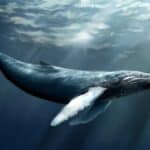
North Atlantic Right Whale Critically endangered and a marquee species for Bay of Fundy whale-watching (notably around Grand Manan), though distribution has shifted in recent years.
Humpback Whale
Humpback Whale Regularly observed in Fundy waters; known for surface activity and a major draw for marine wildlife tours.
Harbour Porpoise
Harbour Porpoise One of the most commonly encountered small cetaceans in the Bay of Fundy; often seen feeding in tidal currents.
Semipalmated Sandpiper New Brunswick's Bay of Fundy mudflats host dramatic late-summer staging flocks during migration-one of the province's most famous wildlife spectacles.
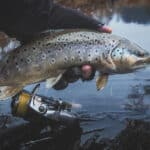
Brook Trout
Brook Trout A classic coldwater fish of streams and lakes across the province; central to angling and freshwater conservation narratives.

Endemic & Rare Species

Inner Bay of Fundy Atlantic Salmon

Salmo salar

Endangered (Canada; distinct population/designatable unit)

A uniquely threatened Atlantic Salmon population tied to rivers flowing into the inner Bay of Fundy; emblematic of conservation challenges for anadromous fish.

North Atlantic Right Whale

Eubalaena glacialis

Endangered (Canada) / Critically Endangered (global)

Historically a key feeding area in the Bay of Fundy; conservation is tightly linked to ship-strike and entanglement risk management in regional waters.

Piping Plover

Charadrius melodus

Endangered (Atlantic Canada populations)

A beach-nesting shorebird vulnerable to disturbance and storms; protected nesting beaches in New Brunswick are important to its regional persistence.

Wood Turtle

Glyptemys insculpta

Threatened (Canada)

A long-lived river turtle dependent on clean rivers, sand/gravel bars, and nearby forests; threatened by road mortality and habitat alteration.

Leatherback Sea Turtle

Dermochelys coriacea

Endangered (Canada)

Seasonal visitor that forages in Atlantic Canadian waters on jellyfish; an important indicator species for marine ecosystem health and bycatch risk.

Little Brown Myotis

Myotis lucifugus

Endangered (Canada)

Once common, now sharply reduced by white-nose syndrome; significant for insect control and cave/hibernacula conservation.

American Marten

Martes americana

Regionally sensitive (dependent on mature forest structure)

Associated with older, complex forests; often used as an indicator of intact interior-forest conditions in parts of the province.

Notable Populations

  • Bay of Fundy shorebird staging: internationally important concentrations of Semipalmated Sandpipers and other migrants using Fundy mudflats (e.g., Shepody/adjacent sites) to refuel.
  • Miramichi River Atlantic Salmon legacy: historically one of North America's most celebrated salmon rivers; still a focal area for Atlantic Salmon management and recovery attention.
  • Bay of Fundy marine megafauna corridor: Grand Manan and surrounding waters are a major platform for whale and seabird viewing, with seasonally high densities of cetaceans and pelagic birds.
  • Beach-nesting bird strongholds: selected New Brunswick beaches support regionally important Piping Plover nesting efforts under intensive stewardship.

Recent Changes

  • North Atlantic Right Whales have shifted much of their feeding distribution away from the Bay of Fundy toward the Gulf of St. Lawrence in many recent years, changing local sighting patterns and management focus.
  • Atlantic Salmon declines persist in many rivers (marine survival and climate-driven ecosystem changes are major factors), with Inner Bay of Fundy salmon remaining especially imperiled despite recovery actions.
  • White-nose syndrome has caused severe declines in hibernating bats (notably Little Brown Myotis), reducing once-common summer bat activity in many areas.
  • Coyotes have expanded and become established across New Brunswick over recent decades, altering predator dynamics and interactions with deer and smaller wildlife.
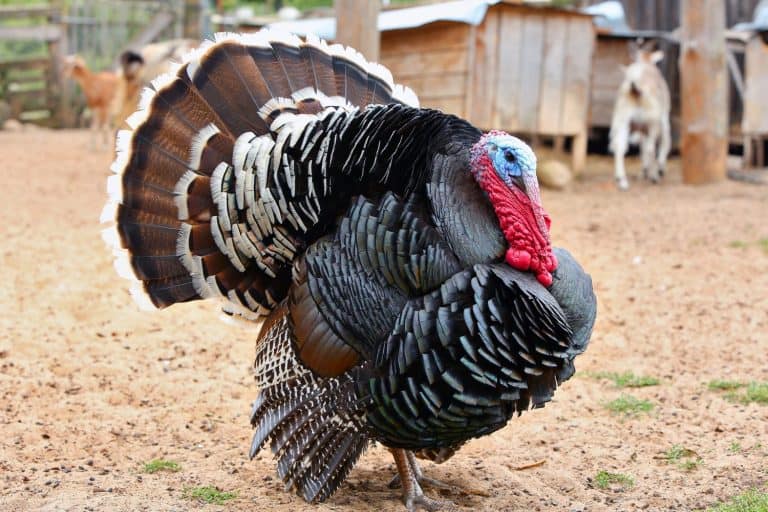
  • Wild Turkey has expanded its range in parts of the Maritimes (including New Brunswick), increasing sightings in agricultural/edge landscapes.
  • Some raptors (including Bald Eagle and Peregrine Falcon regionally) have shown long-term recovery trends following historical declines, though ongoing contaminants and disturbance can still be issues.
  • Striped Bass in the Miramichi system has experienced periods of strong recovery/increase, prompting management attention due to ecosystem and fisheries interactions.
  • Climate warming is increasing pressure on coldwater species and habitats (e.g., warming rivers affecting salmonids) and is expected to favor northward expansion of some temperate species over time.
Visit

Wildlife Viewing

New Brunswick is a top wildlife spot in Atlantic Canada. Its mix of Bay of Fundy marine habitats known for huge tides, sand spits, estuaries, Acadian forest, and rivers like the Saint John and Miramichi supports whales, seabirds, shorebirds, seals, moose, black bears, and salmon. Many wildlife views are easy by short hikes, coastal lookouts, boat trips, and riverside drives.

Best Seasons

Spring (Apr-Jun)

Spring migration and coastal shows: returning songbirds and raptors, peak waterfowl on wetlands, and strong shorebird movements at estuaries and beaches. Late spring brings whales closer to Bay of Fundy feeding areas and dramatic tides that bring marine life together. Forest roads and trails open and black bears become active after leaving dens—watch from a distance.

Summer (Jul-Aug)

Best all-around season for marine wildlife and easy travel. In the Bay of Fundy you can reliably see whales, many seabirds, and active coastal bird colonies. Inland, canoe or kayak on rivers and lakes to see loons, bald eagles, and beavers. Parks offer family programs. Early morning and evening are best for moose near wetlands.

Fall (Sep-Oct)

Peak birding and photography light: hawk migration, mixed songbird flocks, and strong coastal shorebird and seabird movement. Cooler temperatures bring increased daytime activity for moose in some areas. Atlantic salmon rivers are culturally iconic in fall (viewing is often better at fishways/river lookouts than in open water). Forest color season adds scenic value for wildlife drives and hikes.

Winter (Nov-Mar)

Quiet and wild, best for hardy travelers. In fresh snow find tracks of moose, lynx, fox and hare. Winter birding can include boreal crossbills, grosbeaks and coastal sea ducks. From parts of the Bay of Fundy and Gulf of St. Lawrence watch seals and wintering seabirds. Snowshoe and ski trails reveal tracks, droppings and feeding sites.

Top Wildlife Experiences

  • Whale and seabird cruise in the Bay of Fundy (St. Andrews / Passamaquoddy Bay area): target humpbacks, fin whales, and abundant seabirds; choose calm-weather departures and bring layers for fog and wind.
  • Low-tide exploration and coastal wildlife scanning at Fundy National Park (near Alma): time your visit to the tide tables to watch shorebirds feeding on exposed flats, spot seals offshore, and hike forested trails for songbirds and raptors.
  • Shorebird and coastal birding on the Acadian Peninsula (e.g., around Miscou Island / Lamèque): scan dunes, lagoons, and beaches during migration for sandpipers, plovers, terns, and sea ducks (in season); sunrise is excellent for photography and calmer winds.
  • River and wetland wildlife paddling on the Saint John River system (Fredericton area and upriver stretches): paddle quietly at dawn/dusk for bald eagles, ospreys, beavers, and waterfowl; combine with riverside trails for easy birding.
  • Moose-spotting drive-and-hike in the Northwest (Mount Carleton Provincial Park region): focus on wetlands and lake edges early/late in the day; add short hikes to overlooks for raptors and boreal forest birds.
  • Miramichi River corridor nature day (Miramichi area): explore riverbanks and estuaries for eagles, herons, and waterfowl; pair with interpretation about Atlantic salmon ecology and river conservation.
  • Kouchibouguac National Park coastal-wetland circuit (near Richibucto): combine boardwalks and beaches to look for piping plover habitat (seasonal restrictions may apply), terns, ospreys, and diverse marsh birds; rent a bike for low-impact wildlife viewing.
  • Winter snowshoe wildlife tracking in a provincial park or protected area: identify tracks (moose, fox, hare), stop on coasts for sea ducks and possible seals. Respect closures and keep distance.

Wildlife Watching Types

Whale watching (boat-based) in the Bay of Fundy / Passamaquoddy Bay Seabird and shorebird viewing from headlands, beaches, and barrier spits Birding hotspots: coastal lagoons/estuaries, marsh boardwalks, and river corridors Moose and black bear viewing (best via dawn/dusk drives, wetlands edges, and quiet hikes) Raptor watching (bald eagles, ospreys; plus migration in spring/fall) Paddling-based wildlife viewing (canoe/kayak) on rivers and lakes Seal and sea duck viewing from coastal lookouts (especially cooler seasons) Nature photography and wildlife tracking (winter signs and seasonal behavior)

Guided Options

  • Bay of Fundy whale-watching operators based in St. Andrews / Passamaquoddy Bay (half-day and sunset cruises; some trips emphasize seabirds and marine ecology).
  • Parks Canada interpretive programs and guided walks in Fundy National Park and Kouchibouguac National Park (seasonal; check schedules for bird walks, beach ecology, and family programs).
  • Local naturalist-led birding tours on the Acadian Peninsula and key coastal migration areas (best booked during spring and fall migration windows).
  • Guided canoe/kayak excursions on calm river sections (Saint John River and select lake/river systems), often focused on eagles, beavers, and wetland birds.
  • Winter tracking and snowshoe naturalist outings offered by some parks, outdoor education groups, and local guides (varies by community; ask about wildlife-safe distances and low-impact routes).
  • Salmon ecology interpretation at river sites and fishways where available (viewpoints and educational programming-more about habitat and conservation than direct fish viewing).
Habitats

Ecosystems

New Brunswick is in the Acadian Forest Region, a transition zone where boreal trees (spruce-fir) mix with hardwoods (maple, birch, beech). Much of the province is forested and crossed by freshwater systems like Saint John River floodplain, bordered by coasts: Bay of Fundy, Gulf of St. Lawrence and Northumberland Strait. Habitats are upland mixedwoods, peatlands, marshes, riverine/floodplain and marine/coastal areas.

Biomes

Temperate Forest

The dominant Acadian mixed-forest biome, combining temperate hardwoods (e.g., sugar maple, yellow birch, American beech) with conifers (e.g., red spruce, hemlock, balsam fir), plus extensive managed and regenerating forest landscapes.

Widespread across most lowlands and uplands; the primary terrestrial biome province-wide.

Boreal Forest (Taiga)

Cooler, more conifer-dominated forests (spruce-fir, with some birch) and near-boreal communities in northern New Brunswick and higher elevations (e.g., portions of the Highlands).

Most prominent in the north and in higher-elevation interiors; patchy to regionally extensive.

Freshwater

Large river networks (Saint John River system, Miramichi, Restigouche) with associated floodplains, lakes, streams, and coldwater habitats supporting migratory fish and diverse riparian communities.

Linear and basin-wide throughout the province; strongest presence along major valleys and watersheds.

Wetland

Peatlands (bogs, fens), forested wetlands, marshes, and Fundy/Gulf coastal salt marshes; important for water storage, carbon, and migratory birds.

Scattered province-wide; concentrated in low-lying areas, along river floodplains, and in coastal zones.

Marine

Highly dynamic coastal and nearshore marine systems of the Bay of Fundy (strong currents and tidal flats), plus the Gulf of St. Lawrence/Northumberland Strait shorelines and adjacent shelf waters supporting rich benthic and pelagic productivity.

Along the entire coastline; especially influential in the Bay of Fundy region.

Alpine

Very limited high-elevation, cold-climate vegetation and subalpine conditions on the highest peaks (e.g., around Mount Carleton), transitioning from boreal forest to stunted spruce-fir and open, wind-exposed communities.

Tiny, highly localized areas at the highest elevations; not a broad provincial biome.

Habitats

Forest

Extensive Acadian forest matrix covering most of the province; includes natural stands, secondary growth, and managed forestry landscapes.

Deciduous Forest

Hardwood-rich stands (maple-birch-beech) most common in warmer/lowland sites and fertile river valleys (notably parts of the Saint John River basin).

Coniferous Forest

Spruce-fir and mixed conifer stands more common in northern areas, higher elevations, and cooler/wetter sites; includes balsam fir, red/black spruce, cedar pockets.

Woodland

Open-canopy mixedwoods and edge habitats created by natural disturbance and forestry; often important for browse, songbirds, and early-successional species.

Shrubland

Early-successional shrub communities on disturbed sites, powerline corridors, regenerating cuts, and some coastal barrens; often blueberry/ericaceous shrubs in poorer soils.

Mountain

New Brunswick Highlands and interior uplands (e.g., Mount Carleton area) with cooler climates, steep slopes, and headwater streams.

Cliff/Rocky Outcrop

River gorge and coastal rock exposures (including Fundy-area cliffs) providing nesting/roosting sites and specialized plant niches.

River/Stream

Major systems including the Saint John, Miramichi, and Restigouche with important salmonid habitat, riparian forests, and floodplain dynamics.

Lake

Numerous natural and reservoir lakes/large waterbodies (e.g., Grand Lake, headwater lakes in the Highlands) supporting fish, waterfowl, and shoreline wetlands.

Pond

Small ponds, beaver ponds, and kettle/impoundment waters common across forested landscapes; important amphibian breeding habitat.

Wetland

Province-wide mix of peatlands, forested wetlands, floodplain wetlands, and coastal salt marshes; critical for water quality and biodiversity.

Bog

Peat-accumulating bogs with sphagnum, ericaceous shrubs, and stunted conifers; common in low-lying and poorly drained areas.

Marsh

Freshwater marshes on floodplains and lake margins, plus coastal salt marshes (notably in Fundy and Gulf settings) that support shorebirds and waterfowl.

Swamp

Forested wetlands (e.g., cedar, spruce, or hardwood swamps) in lowlands and along slow-moving waters; often high in structural complexity.

Estuary

Estuarine zones where rivers meet the sea (e.g., Saint John River estuary area) with brackish habitats, mudflats, and high productivity.

Coastal

Coastline spanning the Bay of Fundy and Gulf/Northumberland Strait, including tidal flats, coastal wetlands, dunes in places, and nearshore habitats.

Beach

Sandy and gravel beaches particularly along the Gulf of St. Lawrence/Northumberland Strait side; important for coastal recreation and shorebird use.

Rocky Shore

Common along Bay of Fundy coasts with bedrock platforms, boulder fields, and tidepools shaped by extreme tidal range and strong wave/current energy.

Open Ocean

Adjacent shelf waters beyond the immediate coastline (especially connected to the Scotian Shelf/Bay of Fundy systems) supporting pelagic food webs.

Seabed/Benthic

Benthic habitats including mud, sand, gravel, and rocky substrates in bays and on the nearby continental shelf; important for invertebrates and groundfish.

Agricultural/Farmland

Farmland concentrated in river valleys and certain lowlands (notably the Saint John River valley), creating a patchwork of fields, hedgerows, and drainage features.

Urban

Urban habitats around centers such as Fredericton, Saint John, and Moncton, including riverfront development and port/industrial shorelines.

Suburban

Expanding low-density residential and mixed-use areas around major cities and towns, often interfacing directly with forest and wetland edges.

Ecoregions

WWF Terrestrial: New England-Acadian Forests (NA0410) WWF Marine (MEOW): Bay of Fundy WWF Marine (MEOW): Scotian Shelf WWF Marine (MEOW): Gulf of St. Lawrence WWF Freshwater: Maritime Drainages (freshwater ecoregion)
Protection

Conservation

Primary Threats

  • High levels of industrial forestry (clearcutting, short rotations, and simplified stand structure) reduce older-forest features typical of the Acadian forest (large cavity trees, coarse woody debris) and fragment habitat needed by forest-interior birds and mammals; road networks built for forestry also increase fragmentation and access-related pressures.
  • Ongoing loss and degradation of wetlands, riparian buffers, coastal dunes, and saltmarshes from development, drainage, and shoreline hardening affect species such as shorebirds and turtles; in-river habitat is reduced by bank alteration and loss of floodplain connectivity in parts of the Saint John River basin.
  • Dams (notably on the Saint John River system) and perched/undersized culverts impede fish movement and alter sediment and temperature regimes; roads also increase wildlife mortality (e.g., turtles and moose) and fragment remaining habitat patches.
  • Flow regulation, historical diking and conversion of tidal wetlands (especially in Bay of Fundy/river estuaries), and channelization modify natural flooding and sediment processes that maintain productive marshes and fish nursery habitat.
  • Nutrient and sediment runoff from agriculture and forestry operations, plus localized industrial/municipal effluent in larger watersheds, can elevate temperatures, reduce dissolved oxygen, and degrade spawning/rearing habitat (a key concern for Atlantic salmon, American eel, and freshwater mussels).
  • Expansion/intensification of row crops (including potato-producing regions) increases fertilizer/pesticide inputs and soil erosion risks; riparian clearing reduces shade and bank stability in smaller tributaries feeding the Saint John and other salmon rivers.
  • Warmer air and water temperatures, altered snowpack and spring freshet timing, and more frequent extreme rain events stress cold-water fish and increase washouts of culverts/stream crossings; along the Bay of Fundy and Gulf coasts, sea-level rise and storm surge accelerate erosion of dunes and saltmarshes used by beach-nesting birds.
  • Aquatic invasives (e.g., European green crab in coastal waters; invasive fish such as smallmouth bass in some systems) can disrupt food webs and increase predation/competition pressures on native fish and invertebrates; invasive plants can alter wetland and riverbank habitats.
  • Historic and ongoing pressures in marine and estuarine environments (including bycatch risks and mixed-stock fisheries) contribute to low recovery potential for migratory fish such as Atlantic salmon; coastal ecosystem changes can compound these impacts.
  • High demand and harvest pressure on certain life stages (notably juvenile American eel in Atlantic Canada) can reduce recruitment and affect the broader watershed food web; cumulative extraction pressures can interact with barriers and habitat loss.
  • Recreation and vehicle/foot traffic on beaches and dunes in coastal New Brunswick can crush nests or cause repeated disturbance to species like piping plover; boating and shoreline activity can disturb sensitive coastal wildlife during breeding and migration periods.
  • White-nose syndrome has severely reduced hibernating bat populations (e.g., little brown bat and tri-colored bat), with knock-on effects on insect control and ecosystem function; disease risks can be amplified by stressors like habitat fragmentation.
  • Moose-vehicle collisions are a significant safety and wildlife-mortality issue on major highways; bear and coyote conflicts near communities lead to attractant-related removals and negative public perceptions that complicate coexistence efforts.
  • Metal and mineral development (and legacy sites) can pose localized risks through habitat footprint, road building, and potential acid/metal leaching if not well managed, particularly where headwaters and wetlands are affected.
Fun Facts

Did You Know?

At Saint John's Reversing Falls, Bay of Fundy tides can push the Saint John River to flow upstream part of the time, making strong waves and rapids where fish and predators like seals follow changing currents.

New Brunswick has "salters"-Brook Trout that go to sea and return to freshwater (a sea-run lifestyle that surprises many people who think Brook Trout are strictly lake-and-stream fish).

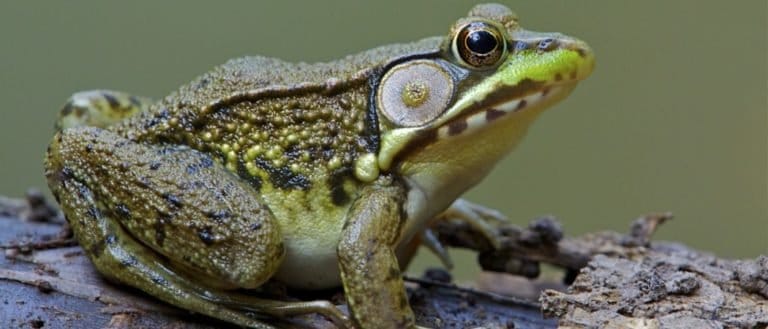
Wood Frogs in New Brunswick's Acadian forests can survive winter by partially freezing: they tolerate ice forming in their tissues and thaw out to breed in spring meltwater pools.

Fundy mudflat migrants don't just snack-they bulk up fast: many Semipalmated Sandpipers increase body mass dramatically in roughly 1-2 weeks on the Bay of Fundy before flying thousands of kilometres toward South America.

Shortnose Sturgeon in the Saint John River are often called "living fossils" because they live for decades, grow up slowly, and spend most of their lives in tidal freshwater — rare for sturgeon at Canada’s northern range.

The Bay of Fundy has the world's highest tides—about 16 m in the Minas Basin. Its Upper Bay of Fundy and Shepody Bay mudflats can host over 1,000,000 Semipalmated Sandpipers during late-summer migration.

Canada's only native population of Shortnose Sturgeon lives in New Brunswick's Saint John River system (this endangered sturgeon does not naturally occur in any other Canadian river).

Machias Seal Island (administered by Canada and supplied from New Brunswick) is the largest Atlantic Puffin breeding colony in the Bay of Fundy, with thousands of pairs nesting alongside other dense seabird colonies (e.g., Razorbills and Arctic Terns).

The Miramichi River is the main spawning river for Striped Bass in the southern Gulf of St. Lawrence, producing many young bass when there are many fish, making it vital in Atlantic Canada.

Animals Found in New Brunswick

165 species documented in our encyclopedia

Thank you for reading! Have some feedback for us?