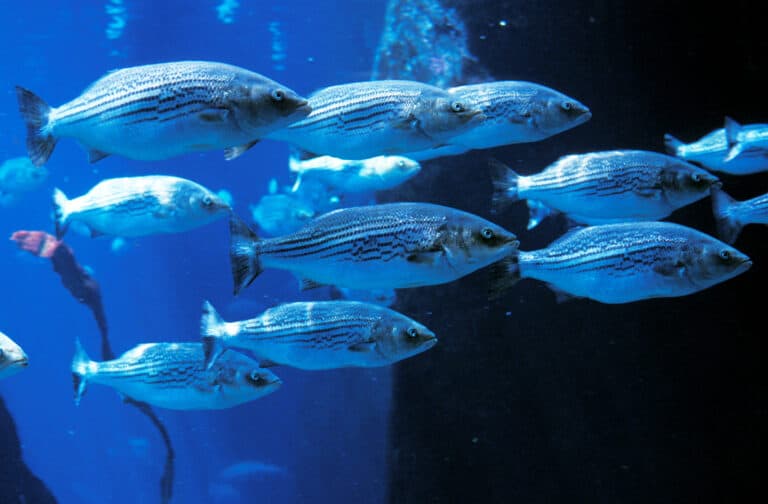
Striped Bass
River-born. Ocean-built. Striped bass.

River-born. Ocean-built. Striped bass.
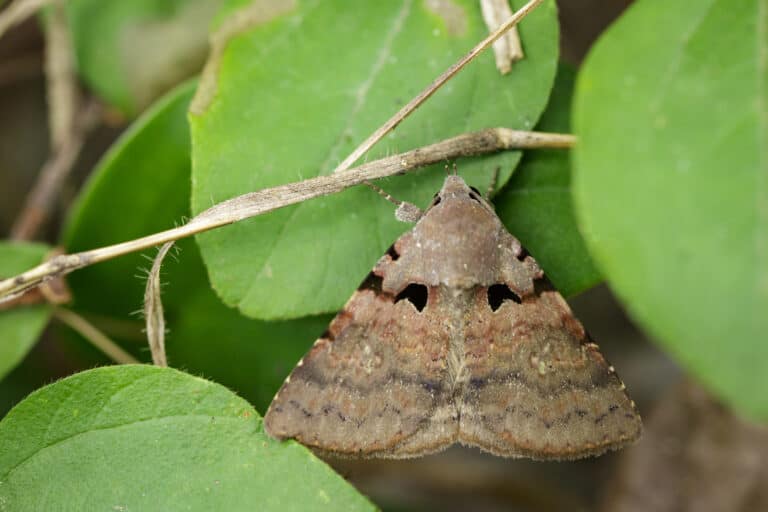
Big appetite. Big forest impact.
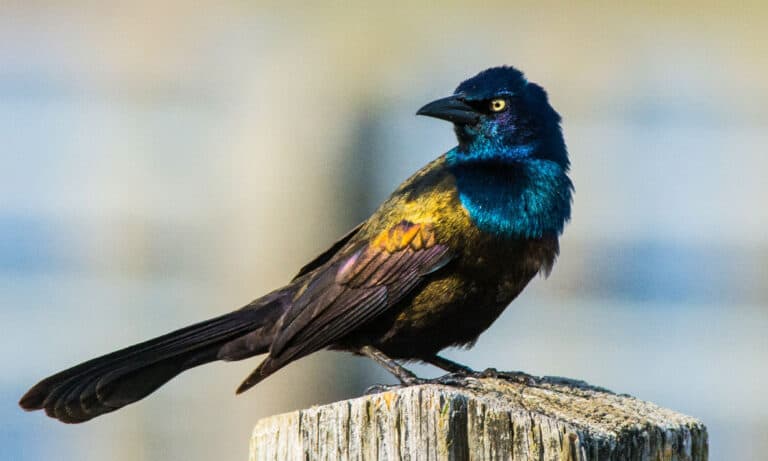
Pale eyes. Loud calls. City-smart flocks.
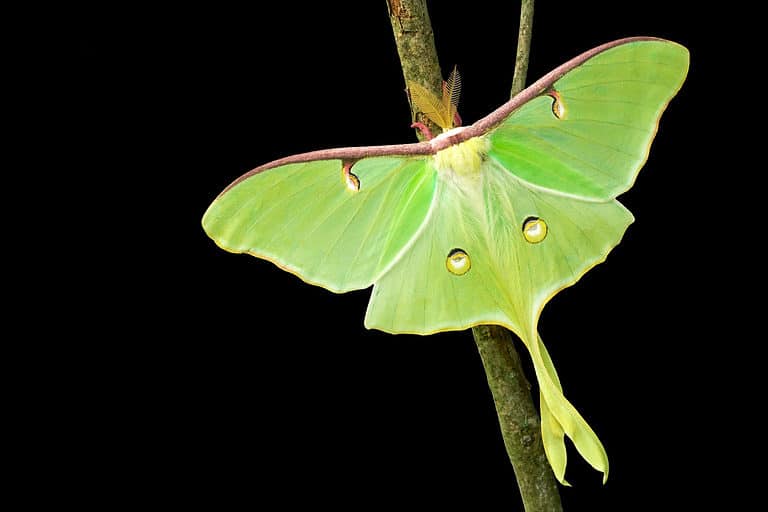
Moon-green wings, night-born wonder
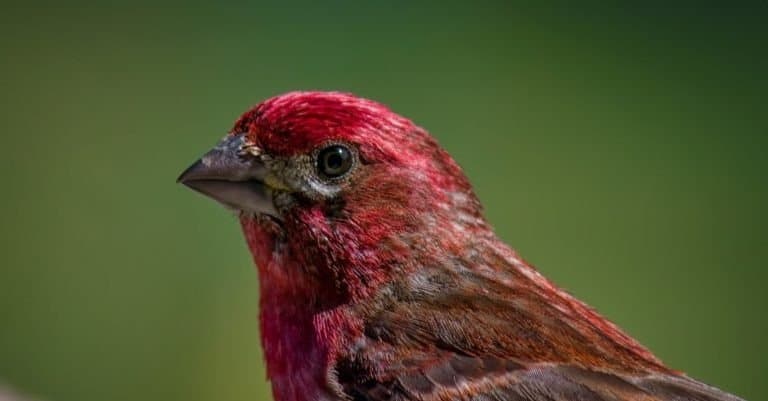
Raspberry songster of the pines
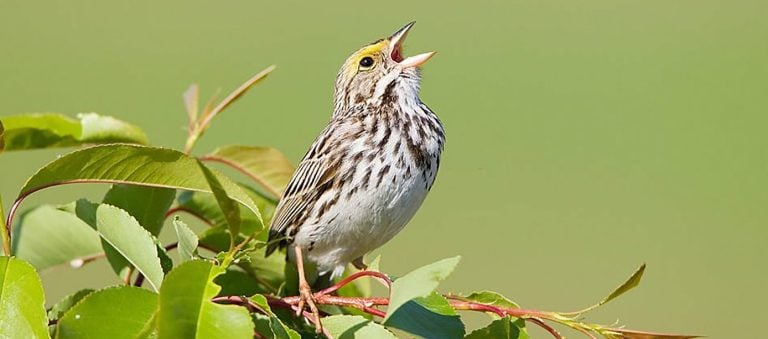
Buzzy song of the open fields
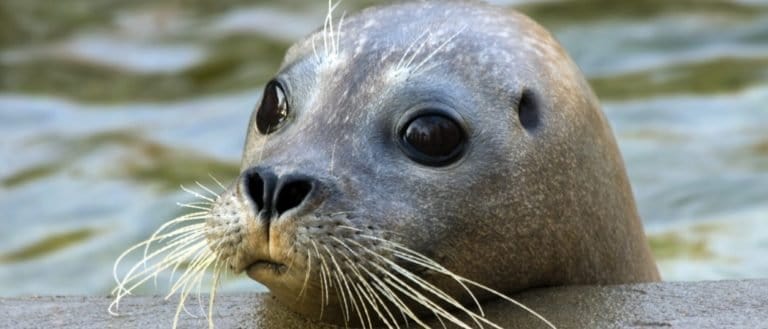
No ears. Big whiskers. Coastal pro.
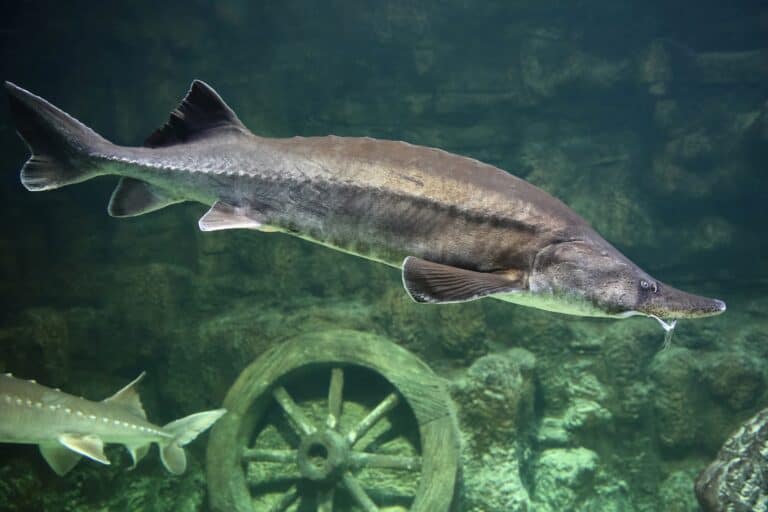
Armored river giant of the Atlantic
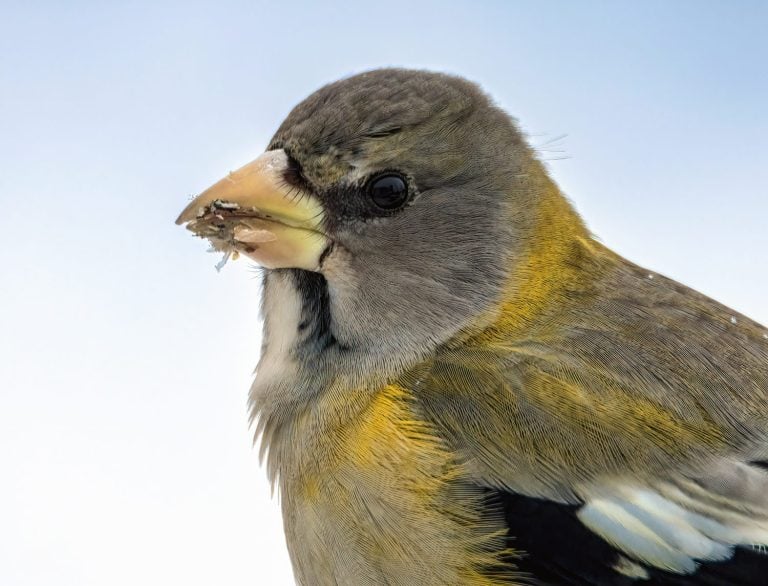
Vise-billed finch of winter flocks
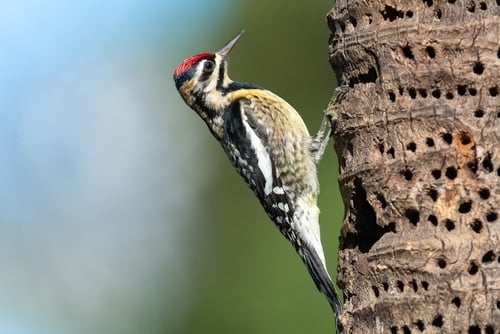
The sap-well specialist of the woods
Prince Edward Island’s wildlife is shaped by edge habitats where land meets sea: red-sandstone shores, dunes, salt marshes, and sheltered bays. Its mild maritime climate keeps coastal waters rich, drawing migrating birds, nesting waterfowl, and many nearshore marine animals. Farms, hedgerows, woodlots, and wetlands add cover and stopover spots for raptors, songbirds, frogs, and salamanders. Key places include dune-backed beaches and barrier islands that protect lagoons and salt marshes, which are important for migrating shorebirds and nesting seabirds. Estuaries and tidal flats concentrate worms, crustaceans, and small fish, making prime feeding grounds in spring and fall. Offshore waters of the Gulf of St. Lawrence support seals, seabirds, and seasonal whales and dolphins. Freshwater ponds and wetlands provide breeding sites for waterfowl and homes for turtles and frogs. PEI’s small size and close coastlines make these habitats easy to visit in one day.
Designated 1977
Designated 1947
Designated 1987
Prince Edward Island’s protected areas are small but protect coastal and wetland habitats—barrier beaches, dunes, estuaries, salt marshes, lagoons, and nearshore waters in the Gulf of St. Lawrence that help migratory shorebirds and waterfowl. Most areas are run by Parks Canada and the Province of PEI; they also have Migratory Bird Sanctuaries and Important Bird Areas.
≈8-10% of PEI's land area (approximate; varies by how provincial reserves and conservation lands are counted)
PEI's flagship protected area, safeguarding a classic Gulf of St. Lawrence barrier-coast landscape: sand dunes, beaches, salt marshes, and nearshore waters. It is especially important for beach-nesting birds, migrating shorebirds, and coastal wildlife viewing along the north shore.
Although designated for cultural history, this coastal headland and adjacent estuarine/salt-marsh habitat can be excellent for birding (raptors, herons, waterfowl) and demonstrates how protected coastal sites can contribute to habitat conservation.
Protects a beach-lagoon system where warm, sheltered waters and eelgrass beds support fish and invertebrates that attract herons, shorebirds, and waterfowl-often a strong wildlife-watching site in late summer and fall migration.
A barrier beach and dune shoreline with nesting/foraging habitat for coastal birds; good viewing for seabirds and migrating shorebirds, with sensitive dune areas that benefit from protection.
Protects a long, dynamic north-shore sand beach and dune fringe that can be productive for shorebird migration and coastal raptors, with adjacent nearshore waters used by seabirds.
A more forested/riverine setting than the coastal parks, offering habitat for woodland birds and wetland-associated mammals; valuable for broadening PEI's protected habitat types beyond beaches and dunes.
A key estuary and mudflat complex that supports large numbers of staging waterfowl and shorebirds during spring/fall migration, and provides feeding habitat for waders and raptors.
Important sheltered bay and wetland edges that concentrate migrating waterfowl and shorebirds; valuable for protecting resting/feeding areas in a working coastal landscape.
One of PEI's most significant coastal bays for waterfowl and seabirds, supported by extensive tidal flats, eelgrass, and productive nearshore waters; widely recognized for conservation planning even where protections are multi-jurisdictional.
A migration-focused coastline with beaches, dunes, and shallow marine waters used by shorebirds and coastal seabirds; conservation value is highest during peak spring/fall movements.
Prince Edward Island's wildlife is defined by its coastline: dune-backed beaches, salt marshes, estuaries, and productive nearshore waters in the Gulf of St. Lawrence. Terrestrial diversity is shaped by a heavily farmed landscape with scattered mixed woodlots, wetlands, and river corridors-supporting fewer large mammals than mainland provinces but excellent birding, especially for shorebirds, seabirds, and migratory waterfowl. Marine life (fish, seals, whales, and invertebrates) is a major part of the wildlife experience.
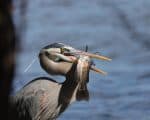

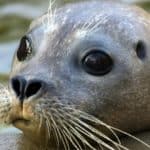
Prince Edward Island is small but rich in wildlife. Cliffs, dune beaches, salt marshes, estuaries, inland wetlands, and nearshore waters of the Gulf of St. Lawrence and Northumberland Strait host shorebirds, waterfowl, seals, and seasonal whales. Farmland, forests, and parks add raptors, songbirds, and nocturnal animals for easy, full wildlife days.
Migration builds quickly: arriving shorebirds and songbirds, early waterfowl on ponds and estuaries, and increasing seabird activity along the coast. Late spring is great for early-morning birding in wetlands and for scanning beaches/points for seals and sea ducks. Expect variable weather and fewer crowds-bring layers and wind protection.
Peak coastal ecosystem energy: breeding seabirds, busy shorelines, and the best all-around time for family-friendly wildlife outings (guided beach walks, kayak tours, evening nature programs). Whale-watching opportunities are most common in summer (conditions and species vary by year and area). Tidal timing matters for shorebirds and seal haul-outs.
One of PEI's best wildlife windows: shorebird migration (including sandpipers and plovers), raptor movement on clear windy days, and large numbers of waterfowl staging in bays and marshes. Cooler temps improve viewing comfort and insect levels drop. Plan around tides for mudflat feeding and bring binoculars for big mixed flocks.
Quiet, atmospheric wildlife viewing for hardy visitors: sea ducks and other wintering waterbirds along open water, occasional raptors, and dramatic coastal scenery. Some access and services are limited; stick to safe lookouts and check park/road conditions. Great for photography of winter shorelines and birding around ice edges.
Prince Edward Island (PEI) sits in the Gulf of St. Lawrence and combines a maritime-influenced temperate forest landscape with extensive coastlines. Much of the original Acadian forest has been converted to mixed agriculture and regenerating woodlands, while the shoreline supports dunes, barrier beaches, salt marshes, estuaries, and eelgrass-rich nearshore waters that are important for fish nurseries and migratory shorebirds.
Acadian (maritime temperate) forest mosaic: mixed conifer-hardwood stands, woodlots, regenerating second-growth, and riparian forests shaped by a cool, humid, coastal climate.
Inland and upland areas across the island; substantial but fragmented due to agriculture and settlement.
Small rivers and streams draining to estuaries, plus ponds, small lakes, and impoundments; cool-water systems with riparian corridors and wetlands at stream mouths.
Widespread but mostly small in area; concentrated in drainage networks and lowland basins.
Freshwater wetlands (marshes, shrub wetlands, bogs) and coastal salt marshes associated with barrier systems and estuaries; key for water filtration and bird habitat.
Patchy but common along low-lying coasts and in poorly drained inland depressions.
Nearshore and shelf waters of the Gulf of St. Lawrence/Northumberland Strait: eelgrass meadows, sandy and muddy seabeds, tidal inlets, and productive coastal food webs supporting seabirds, fish, and invertebrates.
Surrounds the entire province; dominant by area when including adjacent coastal waters.
Second-growth mixed woodlots and larger forest blocks typical of the Acadian region; important for songbirds and deer.
Hardwood patches (e.g., maple, birch, poplar) on well-drained sites and in mixed stands, often in regenerating areas.
Conifer and mixed-conifer stands (e.g., spruce, fir, pine) on cooler or poorer soils; includes plantation-influenced areas in places.
Hedgerows, shelterbelts, and small woodlots embedded in farmland, providing connectivity for wildlife across agricultural landscapes.
Old fields, hayfields, and semi-natural meadow-like areas that can support grassland birds where managed appropriately.
Coastal scrub and early-successional shrub communities on dunes, bluffs, and abandoned fields.
A mix of inland freshwater wetlands and coastal wetlands, often forming complexes with ponds, streams, and estuaries.
Salt marshes in sheltered bays and estuaries and freshwater marshes around ponds/slow streams; key for waterfowl and shorebirds.
Peat-forming wetlands in poorly drained areas; acidic, nutrient-poor habitats with specialized plants.
Short rivers/streams flowing to estuaries; habitat quality closely tied to riparian buffers and land use in watersheds.
Numerous small ponds (natural and human-made) used by amphibians and waterfowl; often connected to wetlands.
Small lakes and larger ponds/reservoir-like waterbodies (limited in number/size compared with mainland provinces).
Drowned river mouths and tidal inlets (notably around Charlottetown and many bays), mixing fresh and salt water; vital nursery habitat.
Highly indented coastline with bays, spits, and dunes; strong land-sea coupling and storm-driven shoreline dynamics.
Sandy barrier beaches and dune-backed shores used by shorebirds; sensitive to erosion and human disturbance.
Localized rocky or cobble sections and eroding bluffs, especially where glacial deposits and bedrock are exposed.
Predominantly sandy/muddy substrates in nearshore and straits, with benthic invertebrate communities supporting fish and seabirds.
Coastal waters immediately offshore (more sheltered than Atlantic-facing coasts), supporting pelagic and nearshore species.
Extensive cropland and pasture (notably potato rotation systems) shaping habitat fragmentation, runoff dynamics, and field-edge ecology.
Built-up centers (e.g., Charlottetown, Summerside) with modified shorelines and fragmented green space.
Low-density residential areas around towns with mixed lawns, woodlots, and coastal development pressure.
Coyotes are not a long-established native on PEI: they only became established in the late 20th century, likely arriving by crossing winter sea ice from the mainland-an entire top predator colonizing an island without human introduction.
Some of PEI's famous wildlife beaches are also nesting sites: endangered piping plovers lay eggs on open sand above the high-tide line, so people and kites share spots and seasonal fencing and volunteers protect nests.
On PEI, coastal ponds and lagoons behind sand dunes can quickly flip from fresh-ish to salty when storms cut new inlets. That sudden salinity shift can stop some fish and invertebrates from living there.
Despite PEI's image as a water-rich island, self-sustaining wild Atlantic salmon runs have been lost or severely reduced in many Island watersheds due to habitat and water-quality pressures-so "salmon island rivers" are now more restoration story than abundance story.
PEI has no resident black bears or moose today; when they do appear, they're typically rare visitors (e.g., animals swimming or arriving on ice), highlighting how strong the island barrier is for large terrestrial mammals.
The Northumberland Strait-along PEI's south shore-regularly reaches the warmest summer sea-surface temperatures in Canada (often ~20-23°C), creating unusually "warm-water" conditions for a northern province and boosting nearshore productivity for species like lobster, soft-shell clams, and eelgrass-associated fish.
PEI waters are visited by leatherback sea turtles in summer; leatherbacks are the world's largest living turtle (often 300-500+ kg), and they come to the Gulf of St. Lawrence to feed on jellyfish.
Since the mid-2010s, the Gulf of St. Lawrence (including waters around PEI) has become a major seasonal feeding area for North Atlantic right whales-one of the world's rarest great whales (only ~300-400 individuals remain).
Prince Edward Island has repeatedly ranked as Canada's largest producer of farmed blue mussels by volume-meaning more mussels (an animal) are raised here than in any other province in many years.
PEI is the birthplace of silver-fox farming; by the early 1900s, the island became the world's leading center for breeding "silver" colour-morph red foxes for fur-an outsized global wildlife-industry footprint for Canada's smallest province.
127 species documented in our encyclopedia
Thank you for reading! Have some feedback for us?
We appreciate your help in improving our content.
Our editorial team will review your suggestions and make any necessary updates.
There was an error submitting your feedback. Please try again.