N S W E
Wildlife Expeditions

Wildlife of
Nouvelle-Écosse

Where Atlantic tides, rugged coasts, and boreal forests meet, Nova Scotia delivers standout whale-watching and world-class migratory bird habitat.
189 Species
55,284 km² Land Area
Overview

About Nouvelle-Écosse

Nova Scotia's wildlife is shaped by the Atlantic: salt spray, strong currents, and a maritime climate affect seabirds, whales, and coastal life. The province mixes coastal Acadian forests, peatlands and bogs, lakes and rivers, and rich nearshore waters around the peninsula and Cape Breton Island, creating a small but very diverse set of habitats. Rocky headlands and sandy barrier beaches host seals, shorebirds, and nesting seabirds. Tidal estuaries and salt marshes serve as nurseries for fish and stopovers for migrating waterfowl. Offshore banks and channels bring up plankton and baitfish, drawing large whales and open-ocean birds. Upland forests and Cape Breton highlands support moose, raptors, and songbirds, while rivers link the interior to the sea for salmon. You can quickly go from coast to highlands, and spring and fall migrations and summer whales make wildlife watching rich and varied.

Physical Features

Geography

Nova Scotia's wildlife reflects its maritime setting: a cool, wet climate, long Atlantic coastline, and many bays and estuaries that make rich marine and coastal habitats for seabirds, shorebirds, seals, and whales. Inland Acadian forests, wetlands, and low uplands support forest mammals, amphibians, and migratory songbirds, with varied habitats and seasonal movements along coastal flyways.

55,284 km² Land Area
12th largest province/territory in Canada (2nd smallest province; larger only than Prince Edward Island) Size Rank
Canada Country
Province Type
Elevation Range

Sea level to ~532 m (White Hill, Cape Breton Highlands)

Coastline

Atlantic coast of eastern Canada, including the open Atlantic Ocean plus major coastal waters: Bay of Fundy (west), Northumberland Strait and Gulf of St. Lawrence (north), and Cabot Strait (between Cape Breton and Newfoundland). Highly indented shoreline with many bays, estuaries, and islands.

Key Landscapes

Atlantic Ocean coastline with extensive rocky shores, headlands, and nearshore islands Bay of Fundy (extreme tides) with mudflats, salt marshes, and estuaries important to migratory shorebirds Gulf of St. Lawrence and Northumberland Strait coastal systems (sand beaches, dunes, barrier spits, lagoons) Cabot Strait and Atlantic shelf waters supporting rich marine food webs (seabirds and marine mammals) Cape Breton Island, including the Cape Breton Highlands plateau and steep coastal valleys (boreal-leaning highland habitats) Appalachian/Acadian uplands across the peninsula (mixed forests, heaths, and small headwater catchments)
State Symbols

Official Wildlife Symbols

bird

Osprey

Designated 1933

wildflower

Mayflower

Designated 1901

tree

Red spruce

Designated 1988

Parks & Reserves

Protected Areas

Nova Scotia's protected areas include federal and provincial lands and waters—national parks, wildlife areas, migratory bird sanctuaries, marine protected areas, provincial parks and nature reserves. Priorities include coastal saltmarshes for migratory shorebirds and waterfowl (Bay of Fundy/Minas Basin, Atlantic coast), inland lakes and forests (Southwest Nova Biosphere/Keji), and offshore canyons and banks used by whales, turtles, seals, seabirds.

Protected Coverage

~13% of Nova Scotia's land area (approx.; varies by accounting method and inclusion of newer/overlapping designations).

National Parks & Preserves

Cape Breton Highlands National Park

≈ 948 km²

A large, rugged park where the boreal-leaning highlands meet Atlantic cliffs, supporting high densities of moose, forest carnivores, raptors, and productive coastal waters for marine wildlife viewing.

Moose (Cape Breton population) Bobcat Bald eagle Black bear Harbour porpoise

Kejimkujik National Park and National Historic Site (including Kejimkujik Seaside)

≈ 404 km² (main park) + ≈ 22 km² (Seaside adjunct)

One of Atlantic Canada's standout freshwater-and-forest conservation areas, protecting dark-sky lakes, wetlands, and rivers with nationally significant species-at-risk recovery work (notably turtles) plus an important slice of wild Atlantic coastal habitat at Kejimkujik Seaside.

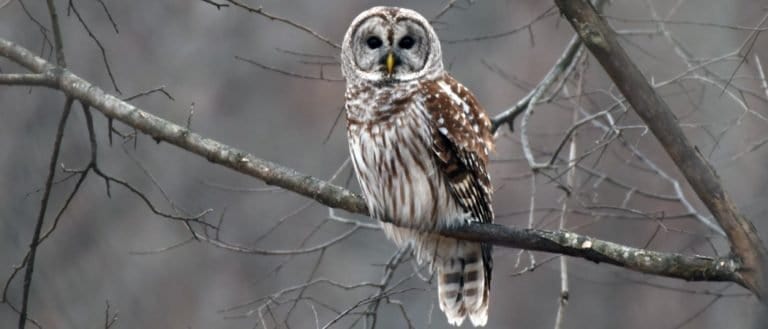
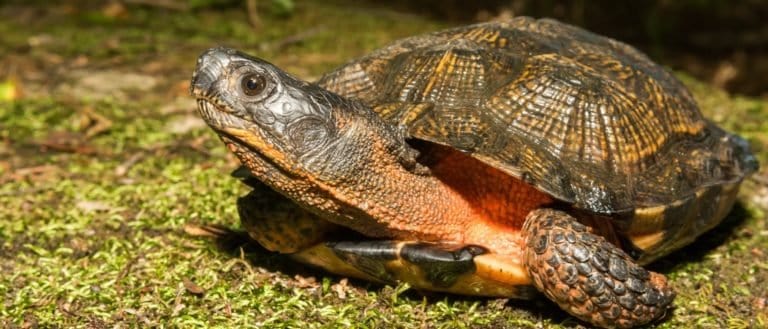
Blanding's turtle Common loon Wood turtle Atlantic salmon Barred owl

Sable Island National Park Reserve

≈ 34 km² (island land area; surrounding waters are also tightly managed for conservation)

A remote sand island and dune ecosystem surrounded by rich offshore waters; globally notable for huge seal colonies, unique island-breeding birds, and exceptional opportunities to observe wildlife in a highly protected setting.

Grey seal Harbour seal Sable Island horse (feral population) Ipswich sparrow (Savannah sparrow subspecies) Piping plover

State & Provincial Parks

Cape Chignecto Provincial Park

≈ 170 km²

Nova Scotia's flagship coastal wilderness park, with long cliff-backed shorelines, mature forest, and limited road access-excellent for seabirds/raptors and coastal mammal viewing.

Bald eagle Peregrine falcon Black bear Harbour seal Porpoises (seasonal offshore sightings)

Blomidon Provincial Park

≈ 18 km²

Protects dramatic Bay of Fundy cliffs and access to the Minas Basin's highly productive tidal ecosystem, important for migrating shorebirds and cliff-nesting raptors.

Peregrine falcon Bald eagle Semipalmated sandpiper Great blue heron Harbour seal

Taylor Head Provincial Park

≈ 20-25 km² (approx.)

A classic Atlantic coastal barrens-and-beach landscape with dunes, headlands, and nearshore waters that support breeding shorebirds and seasonal concentrations of sea ducks and seals.

Piping plover Common eider Osprey Grey seal Harlequin duck (occasional/seasonal in suitable coastal areas)

Wildlife Refuges

Chignecto National Wildlife Area (ECCC)

≈ 10-20 km² (order-of-magnitude; marsh extent and units vary)

Tidal marsh and wetland habitat on the Bay of Fundy side of Nova Scotia, managed specifically for waterfowl, shorebirds, and other migratory birds that depend on coastal stopover and feeding sites.

American black duck Canada goose Semipalmated sandpiper Nelson's sparrow Bald eagle

Boot Island National Wildlife Area (ECCC)

≈ 1-5 km² (approx.)

A small but important coastal wetland/saltmarsh site that supports migrating and staging shorebirds and waterfowl in a highly productive tidal environment.

Dunlin Least sandpiper American black duck Brant Great blue heron

Sand Pond National Wildlife Area (ECCC)

≈ 1-10 km² (approx.)

Wetland-focused protection for migratory birds and locally sensitive habitat, emphasizing quiet breeding and staging areas for waterfowl and marsh birds.

American black duck Green-winged teal Osprey Marsh birds (seasonal assemblages) Shorebirds (seasonal migrants)

The Gully Marine Protected Area (DFO)

≈ 2,364 km² (marine area)

A large offshore submarine canyon ecosystem east of Nova Scotia-one of Canada's most significant marine biodiversity hotspots-protecting deep-sea corals/sponges and critical habitat for whales and other ocean wildlife.

Northern bottlenose whale Sowerby's beaked whale Leatherback sea turtle Deep-sea corals Atlantic wolffish

Wilderness Areas

  • Tobeatic Wilderness Area (one of Nova Scotia's largest intact forest-and-lake wildernesses)
  • Pollett River Wilderness Area (large, roadless interior forest and watershed)
  • Ship Harbour Long Lake Wilderness Area (near-urban wilderness protecting lakes and forests)
  • Blue Mountain-Birch Cove Lakes Wilderness Area (key wilderness corridor near Halifax)
  • Aspy Fault Wilderness Area (Cape Breton backcountry landscapes adjoining the highlands)
Animals

Wildlife

Nova Scotia's wildlife is defined by its meeting of land and sea: a heavily indented Atlantic coastline, cold-to-temperate shelf waters, salt marshes and tidal mudflats (notably around the Bay of Fundy/Minas Basin), and extensive boreal-Acadian forests. This creates a province where marine mammals, seabirds, and migratory shorebirds are as central to the wildlife experience as forest mammals. Visitors often encounter whales and seals offshore, large seabird colonies on islands and headlands, and charismatic raptors and large mammals in coastal and upland forests (especially Cape Breton).
≈70 species (including marine mammals such as whales and seals; ~40-45 primarily terrestrial) Mammals
≈330-360 species recorded (strongly influenced by migration and coastal pelagic species) Birds
≈7-9 species (cool climate limits diversity) Reptiles
≈12-14 species Amphibians
≈300+ species when combining marine and freshwater fishes (marine diversity dominates) Fish
Examples

Iconic Species

North Atlantic Right Whale One of the world's rarest great whales; Nova Scotia waters (notably Roseway Basin and adjacent shelf areas) are key habitat where whale-watching and conservation efforts focus.
Humpback Whale
Humpback Whale Frequently seen feeding along the Atlantic shelf and near coastal hotspots; a flagship whale-watching species due to its size and surface behavior.
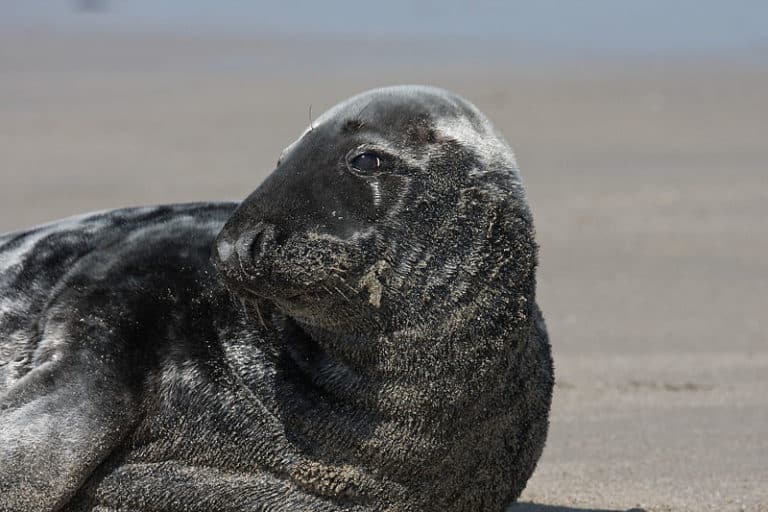
Grey Seal
Grey Seal Large, conspicuous seal of the Atlantic coast; Sable Island supports a globally significant breeding concentration, making seals a defining marine-wildlife feature.
Bald Eagle
Bald Eagle Highly visible along coasts, lakes, and estuaries; recovery and strong coastal productivity make sightings common in many regions, including Cape Breton.
Atlantic Puffin A sought-after seabird seen at a handful of offshore colonies (especially around Cape Breton); emblematic of Nova Scotia's North Atlantic seabird communities.
Moose
Moose A marquee large mammal, especially in Cape Breton's highlands and forested interiors; culturally iconic and a key draw for wildlife-viewing road trips.
Black Bear
Black Bear Widespread in forested landscapes; an iconic "Acadian forest" species often encountered indirectly via tracks/sign or occasionally at dawn/dusk.
Piping Plover A beach-nesting shorebird that symbolizes Nova Scotia's dune and barrier-beach conservation story; often highlighted at protected beaches during breeding season.
Atlantic Salmon
Atlantic Salmon Historically central to Nova Scotia's river ecosystems and angling heritage; now also a conservation flagship due to declines in many wild populations.

Endemic & Rare Species

Atlantic Whitefish

Coregonus huntsmani

Endangered (Canadian endemic with an extremely restricted natural range)

One of Canada's only freshwater fish endemics; naturally confined to a tiny set of southwestern Nova Scotia lakes, making it a high-priority conservation species.

Mainland Moose (Nova Scotia population)

Alces alces

Endangered in Nova Scotia (provincial population context)

The mainland population has experienced severe declines; it is a major focus of habitat, road-mortality, and predator/parasite-related management discussions.

North Atlantic Right Whale

Eubalaena glacialis

Endangered

Uses Nova Scotia shelf waters; threatened by ship strikes and fishing-gear entanglement, making the province part of a critical international recovery area.

Roseate Tern

Sterna dougallii

Endangered (Canada)

Nests in small, sensitive colonies on coastal islands; conservation measures at colonies help protect one of Canada's rarest breeding seabirds.

Piping Plover

Charadrius melodus

Endangered/Threatened (population-dependent; at-risk in Canada)

Highly vulnerable to disturbance and storms on sandy beaches; Nova Scotia supports breeding sites that require seasonal protection and stewardship.

Blanding's Turtle (Nova Scotia population)

Emydoidea blandingii

Endangered in Nova Scotia (small, isolated population)

A long-lived freshwater turtle with low reproductive replacement; road mortality and habitat loss are major issues in its Nova Scotia strongholds.

Leatherback Sea Turtle

Dermochelys coriacea

Vulnerable globally; at-risk in Canada

Seasonally forages in Atlantic Canadian waters on jellyfish; Nova Scotia sightings highlight the province's role in wide-ranging marine turtle ecology.

Notable Populations

  • Sable Island supports one of the world's largest concentrations of Grey Seals and is a major North Atlantic seal pupping area.
  • Roseway Basin (southwest shelf) is recognized as important habitat for North Atlantic Right Whales, linking Nova Scotia to global recovery efforts.
  • The Minas Basin/Bay of Fundy (Nova Scotia side) hosts internationally important migratory shorebird stopovers (e.g., Semipalmated Sandpiper Calidris pusilla and other tidal-flat specialists) fueled by extreme tides and high productivity.
  • Coastal and island seabird colonies (including Atlantic Puffin and other alcids/terns) form a signature component of Nova Scotia's marine biodiversity.
  • Cape Breton's highlands and forest matrix support some of the province's most reliable large-mammal viewing (notably Moose) relative to much of mainland Nova Scotia.

Recent Changes

  • Range expansion/establishment of Coyotes (Canis latrans) over recent decades has reshaped predator dynamics and is frequently cited in discussions of Moose and deer ecology.
  • Mainland Moose have declined markedly, with ongoing conservation concern and management actions focused on survival and habitat pressures.
  • Wild Turkeys (Meleagris gallopavo) have expanded in distribution following reintroduction/management efforts, becoming increasingly familiar in some rural landscapes.
  • North Atlantic Right Whale seasonal distribution has shifted in Atlantic Canada in recent years, changing when/where whales are most commonly encountered and complicating protection measures.
  • Grey Seal numbers have increased substantially over the long term, with growing ecological interactions (e.g., predation/competition discussions related to fisheries and coastal ecosystems).
  • Some warm-water and temperate marine species are being reported more frequently during warm years (Atlantic-driven range shifts), reflecting broader oceanographic change trends affecting the Northwest Atlantic.
  • Wild Atlantic Salmon populations in many rivers have continued to face declines or remain depressed, keeping the species central to river restoration and fisheries-management conversations.
Visit

Wildlife Viewing

Nova Scotia is an easy Atlantic wildlife spot where pelagic seabirds, seals, whales, moose, black bears, and important migratory birds are found. Its headlands, sheltered bays, salt marshes, boreal highlands (Cape Breton), and rivers let you combine whale watching, seabird colonies, shorebird stops, and coastal hikes for many wildlife sightings.

Best Seasons

Spring (Apr-Jun)

Prime time for bird migration and the return of coastal life. Expect songbirds and waterfowl moving through wetlands and coastal barrens, increasing seabird activity offshore, and early-season whale sightings beginning to build (especially from late May). Cool, changeable weather; pack layers and wind protection.

Summer (Jul-Aug)

Peak marine wildlife season: reliable whale watching (often including humpbacks, minkes, and sometimes fins), active seabird colonies, and great conditions for sea kayaking with seals. Warmest weather and calmest seas on many days; book boat trips early.

Fall (Sep-Nov)

A sweet spot for fewer crowds and strong wildlife viewing. Expect excellent whale watching into October in many areas, raptor and songbird migration, and spectacular shorebird movements. Fall colors in Cape Breton pair well with moose watching. Nights cool quickly; seas can be rougher later in the season.

Winter (Dec-Mar)

A quieter, dramatic coast with winter birding opportunities-sea ducks, alcids (e.g., razorbills/auks offshore in some areas), and occasional rarity events after storms. Great for eagle watching and track-and-sign walks in parks. Marine tours are limited; focus on land-based birding, coastal hikes, and photography.

Top Wildlife Experiences

  • Go whale watching from Brier Island/Westport (Bay of Fundy side): take a dedicated whale trip during mid-summer to early fall for strong chances of humpbacks, minkes, and other marine life; combine with shore-based seabird scanning from headlands.
  • Visit the UNESCO Southwest Nova Biosphere shoreline (Kejimkujik Seaside / Kejimkujik National Park Seaside) for coastal barrens, salt marsh birds, and excellent chances of seals offshore-sunrise and sunset are especially photogenic and often more active.
  • Bird the Minas Basin/Minas Passage region (Bay of Fundy) for migrating shorebirds and waterbirds: time a visit around peak migration windows in late summer/early fall and plan around the dramatic tides to see feeding and roosting behavior.
  • Explore Cape Breton Highlands National Park (Cabot Trail) for moose viewing and boreal wildlife: hike the Skyline Trail at dawn/dusk for higher odds of moose; watch the ocean below for whales and seabirds from overlooks.
  • Sea kayak or take a small-boat wildlife cruise in the LaHave Islands/Tancook area or around Cape Breton's sheltered coves: look for harbor seals, porpoises, and coastal birds while paddling quietly along kelp-lined shores.
  • Spend a day at Sable Island National Park Reserve (by authorized tour/flight): famous for the wild horses and gray seals; also a unique setting for seabirds and stark dune landscapes (access is tightly managed; plan well in advance).
  • Do a seabird-and-headland photography circuit on the Eastern Shore (e.g., Tangier/Sheet Harbour area and coastal trails): scan offshore for shearwaters and storm-petrels in season, and look for eagles along inlets and estuaries.

Wildlife Watching Types

Whale watching (humpback, minke; occasional fin/other species depending on season and area) Seabird and pelagic birding (shearwaters, storm-petrels, gannets, alcids offshore in season) Shorebird migration viewing (mudflats/salt marshes, especially around the Bay of Fundy) Sea duck and winter coastal birding (scoters, eiders, grebes; storm-driven rarities) Seal and porpoise watching (harbor and gray seals common in many coastal areas) Moose viewing (notably Cape Breton Highlands) and woodland wildlife tracking Raptor watching (eagles and migrating hawks at coastal viewpoints and river valleys) Wildlife photography from coastal lookoffs, beaches, and headland trails

Guided Options

  • Bay of Fundy whale-watching operators based around Brier Island/Westport (seasonal boat trips focused on whales, seabirds, and ocean ecology)
  • Cape Breton Highlands guided hikes and interpretation programs (seasonal park programs and local guiding services that focus on moose, birds, and coastal ecology)
  • Sable Island National Park Reserve authorized tour operators (limited-access day trips or multi-day options; includes horse/seal interpretation with strict visitor rules)
  • Sea kayaking guides in coastal communities (guided day trips that emphasize low-impact viewing of seals, seabirds, and shoreline ecology)
  • Birding guides and naturalist-led migration outings (often offered by local tour companies and birding organizations around key wetlands and coastal hotspots)
Habitats

Ecosystems

Nova Scotia has a cool maritime climate with frequent fog and storms and a long coastline along the Bay of Fundy, Atlantic, and Gulf of St. Lawrence. Land is mostly Acadian Forest Region (mixed conifer-hardwood) with peatlands, lakes, and rivers. Coastal salt marshes, dunes, rocky shores, and Cape Breton Highlands support rich marine food webs and key bird habitat.

Biomes

Temperate Forest

Acadian mixed forests with red spruce, balsam fir, hemlock, white pine, sugar maple, yellow birch, and red maple; includes managed forests, regenerating stands, and older patches in protected areas.

Dominant terrestrial biome across most of the Nova Scotia peninsula and Cape Breton lowlands.

Boreal Forest (Taiga)

Cooler, more conifer-dominated forests and stunted krummholz near the highest, most exposed uplands (notably Cape Breton Highlands), with fir/spruce and wind-pruned vegetation.

Localized to higher elevations and cooler headlands; most prominent in northern Cape Breton.

Alpine

Small patches of alpine-like heath, tundra-like barrens, and exposed plateau communities on the highest Cape Breton Highlands where wind, ice, and shallow soils limit tree growth.

Very limited; confined to the highest parts of Cape Breton Highlands.

Freshwater

Thousands of lakes/ponds, short coastal rivers, and watersheds supporting salmonid streams, beaver-influenced wetlands, and lake ecosystems (often tea-stained where peatlands dominate).

Widespread throughout the province, especially in lowland basins and peatland-rich landscapes.

Wetland

Extensive peatlands (bogs and fens), freshwater marshes, forested wetlands, and coastal salt marshes-key for water storage, carbon, and wildlife (including migratory birds).

Common and regionally extensive; prominent along low-lying coasts and interior peatland complexes.

Marine

Highly productive coastal and shelf waters (Bay of Fundy tides, Atlantic shelf upwelling/mixing, Gulf of St. Lawrence), supporting kelp beds, seabird colonies, marine mammals, and important fisheries habitats.

Surrounds the province: Bay of Fundy (west/southwest), Atlantic/Scotian Shelf (south/east), Gulf of St. Lawrence (north/northeast).

Habitats

Forest

Acadian mixedwood landscapes with a mosaic of mature stands, harvest regenerating areas, and protected forests (e.g., Kejimkujik region, Cape Breton Highlands interior forests).

Coniferous Forest

Red spruce-balsam fir-hemlock stands, including cooler uplands and fog-influenced coastal zones; important winter cover and habitat structure.

Deciduous Forest

Hardwood-rich patches (sugar maple, yellow birch, red maple) especially on better soils and sheltered valleys; strong fall phenology and diverse understory.

Woodland

Open, wind-shaped coastal woodlands and transitional forest edges, often with scrubby structure on shallow or exposed soils.

Shrubland

Coastal barrens and heathlands with ericaceous shrubs (e.g., blueberries, huckleberries, heaths) on exposed, nutrient-poor sites.

Grassland

Natural and semi-natural open habitats including coastal dunes/grasslands and old fields; also supports grassland birds where large enough.

Bog

Widespread raised and blanket bogs with sphagnum, ericaceous shrubs, and carnivorous plants; major carbon stores and sources of tea-colored waters.

Marsh

Freshwater marshes around lakes/river mouths and extensive coastal salt marshes in sheltered bays and estuaries, vital for shorebirds and waterfowl.

Swamp

Forested wetlands (often conifer or mixed) in low-lying areas and along slow-moving waters; commonly influenced by beaver activity.

Wetland

Complex wetland mosaics (bog-fen-marsh-swamp) across lowlands and along coasts, providing flood buffering and nursery habitat for many species.

Lake

High density of small to medium lakes and reservoirs; many oligotrophic to mesotrophic systems with important recreational and wildlife value.

River/Stream

Short, coastal-draining rivers and larger systems (e.g., Shubenacadie), including migratory fish runs in suitable watersheds.

Pond

Small ponds, kettle-like waters, and beaver ponds common across forested landscapes, enhancing habitat heterogeneity.

Estuary

River mouths and tidal estuaries (notably around the Bay of Fundy and Atlantic inlets) with strong mixing zones and high productivity.

Coastal

Extensive coastline of headlands, bays, islands, and lagoons supporting seabirds, seals, and specialized plant communities on salt-sprayed shores.

Beach

Sandy beaches and dune systems on the Atlantic and Gulf coasts; dynamic habitats shaped by storms and sea-level change.

Rocky Shore

Wave-exposed rocky coasts with intertidal communities (barnacles, mussels, rockweed), especially common along the Atlantic-facing shoreline.

Kelp Forest

Nearshore kelp and macroalgae beds in cold, nutrient-rich waters, providing nursery and feeding habitat for fish and invertebrates.

Open Ocean

Pelagic waters off the coast used by seabirds and marine mammals; influenced by shelf currents and seasonal productivity pulses.

Deep Sea

Off-shelf and deep basin environments adjacent to the Scotian Shelf with cold-water communities (beyond the nearshore zone).

Seabed/Benthic

Seafloor habitats ranging from rocky reefs to sandy/muddy bottoms across the Scotian Shelf and Gulf approaches; critical for benthic invertebrates and demersal fish.

Cliff/Rocky Outcrop

Sea cliffs and steep headlands with nesting sites for seabirds and specialized cliff/ledge vegetation in exposed coastal areas.

Cave

Coastal sea caves and small limestone/sea-eroded cavities in select areas, used locally by roosting/nesting wildlife where present.

Mountain

Cape Breton Highlands terrain with steep valleys, plateaus, and cooler conditions supporting distinct upland forest and barren communities.

Urban

Urban ecosystems around Halifax and other towns/cities, including harbours, urban forests, and modified shorelines.

Suburban

Low-density residential mosaics with mixed greenspace, wetlands, and fragmented forest edges around major population centres.

Agricultural/Farmland

Farms, hayfields, and pasture (notably in the Annapolis Valley and other fertile lowlands), interspersed with hedgerows and woodlots.

Ecoregions

WWF: New England-Acadian forests WWF: Gulf of St. Lawrence lowland forests MEOW (WWF Marine): Scotian Shelf MEOW (WWF Marine): Gulf of Maine / Bay of Fundy MEOW (WWF Marine): Gulf of St. Lawrence
Protection

Conservation

Primary Threats

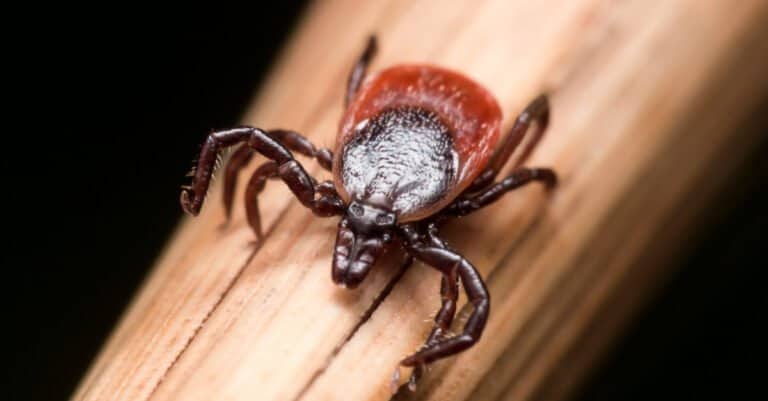
  • Warming ocean temperatures on the Scotian Shelf and Gulf of Maine are moving prey and fish, harming seabirds and whales. Sea-level rise and bigger storms erode barrier beaches used by nesting Piping Plovers and terns. Warmer, wetter winters change forests and wetlands and raise parasites and ticks on wildlife.
  • Coastal development (shoreline armouring, cottages, roads) reduces dunes, salt marsh, and beach habitat critical for shorebirds; inland, wetland drainage/filling and shoreline alteration degrade amphibian, turtle, and waterfowl habitat; forest conversion and fragmentation reduce mature-forest structure needed by sensitive species.
  • High recreational use of beaches (off-leash dogs, ATVs, trampling, kites/drones) disrupts nesting shorebirds and colonial seabirds; increased boating/whale-watching traffic can raise disturbance and entanglement risk for whales and seals in nearshore waters.
  • Marine plastics and ghost gear contribute to ingestion and entanglement hazards for seabirds and sea turtles; coastal runoff and localized wastewater/industrial discharges can affect estuaries and shellfish areas; legacy mercury and acidification-sensitive watersheds can affect aquatic food webs in parts of the province.
  • European green crab damages eelgrass beds and soft-sediment habitats used by juvenile fish and waterfowl; invasive tunicates foul aquaculture and alter nearshore communities; freshwater introductions (e.g., smallmouth bass in some watersheds) increase predation/competition pressures on native fishes and amphibians.
  • White-nose syndrome has caused severe declines in hibernating bats (e.g., Little Brown Myotis) in Atlantic Canada; disease and parasite dynamics in a warming climate can increase stress on already small or isolated populations (e.g., moose on the mainland).
  • Historic and ongoing pressures on groundfish and forage species can cascade through marine food webs; bycatch risks affect species at risk (e.g., sea turtles and some seabirds); heavy reliance on a few fisheries (notably lobster) can increase ecosystem risk if prey/predator balances shift.
  • Roads, culverts, and dams impede fish passage and alter flow/temperature regimes in salmon rivers; coastal protection structures (seawalls, riprap) can eliminate natural beach and salt-marsh migration space; offshore energy and subsea infrastructure can add noise and habitat disturbance if not carefully sited/managed.
  • Intensive forestry and short-rotation harvesting can fragment habitat, reduce older-forest features, and increase road density-affecting interior forest birds and altering watershed hydrology and temperature regimes that influence coldwater streams.
  • River channelization, historical damming, and wetland alteration change sediment movement and water temperature, reducing habitat quality for diadromous fish (e.g., Atlantic Salmon, American Eel) and for wetland-dependent species; predator subsidies (e.g., food waste) can increase predation pressure on beach-nesting birds.
Fun Facts

Did You Know?

Nova Scotia is a regular summer feeding destination for leatherback sea turtles-the largest living turtles-drawn in by jellyfish blooms on the Scotian Shelf despite the cool North Atlantic water.

Semipalmated sandpipers in the Bay of Fundy can nearly double their body mass in roughly two weeks, timing their feeding to the tide-driven buffet of mudflat invertebrates before a nonstop ocean crossing.

Northern bottlenose whales in The Gully routinely dive to great depths (often well over 1,000 m) to hunt squid-meaning some of Canada's deepest "wildlife watching" happens far below Nova Scotia's surface waters.

On some Nova Scotia nights (especially in warmer months), wave-wash can sparkle with bioluminescence from microscopic plankton (dinoflagellates), turning footprints and paddle strokes into brief blue-green light trails.

Urban Nova Scotia has cliff-nesting wildlife too: peregrine falcons have used tall buildings and bridges around Halifax as substitutes for sea cliffs, hunting city pigeons and shorebirds over the harbour.

Bay of Fundy (Nova Scotia's Fundy shore) has the highest tides on Earth-tidal range reaches about 16 m at Burntcoat Head-creating extreme intertidal habitat packed with worms, clams, and other prey.

Sable Island hosts the world's largest breeding colony of grey seals (commonly estimated in the hundreds of thousands), with pups born on the beaches in mid-winter.

The Minas Basin/Bay of Fundy mudflats form one of the most important shorebird "staging areas" in the Western Hemisphere: peak counts can reach ~2 million semipalmated sandpipers fueling up before flying on toward South America.

Sable Island is essentially the only breeding location on Earth for the Ipswich sparrow (a pale subspecies of Savannah sparrow), making the island uniquely important for that bird's entire lifecycle.

"The Gully" (off eastern Nova Scotia) is the largest submarine canyon in eastern Canada and is critical habitat for the endangered Scotian Shelf population of northern bottlenose whales-deep-divers that specialize in this canyon system.

Animals Found in Nouvelle-Écosse

189 species documented in our encyclopedia

Thank you for reading! Have some feedback for us?