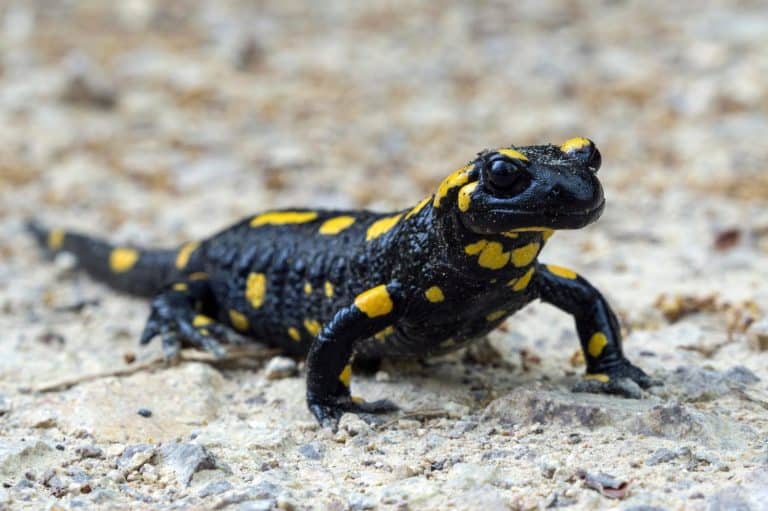
Salamander
Tails, trails, and total regeneration

Tails, trails, and total regeneration
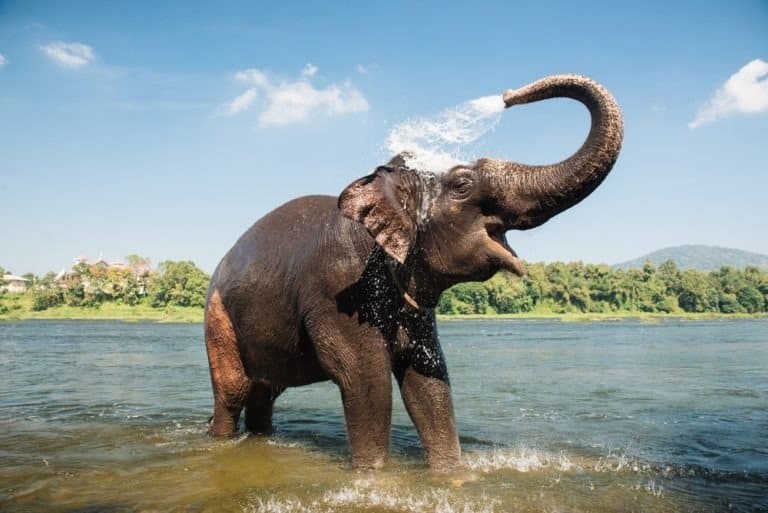
One-finger trunk, giant forest heart
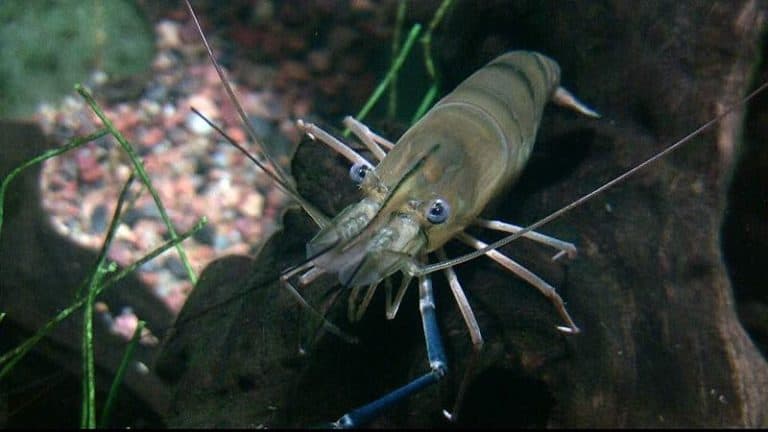
From reef cleaners to river giants
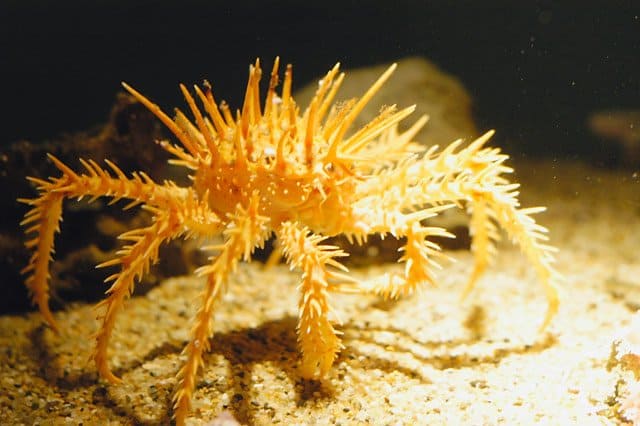
Cold-water royalty of the seafloor
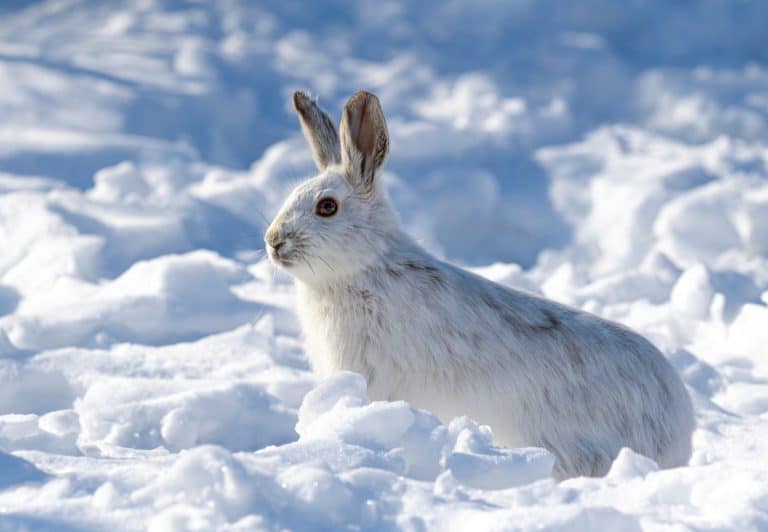
White. Windproof. Wilderness-tough.
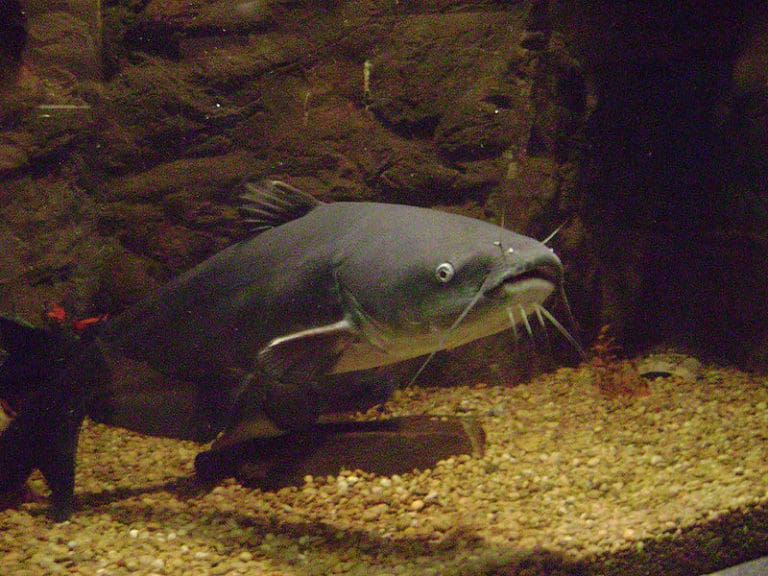
Whiskers, spines, and river smarts
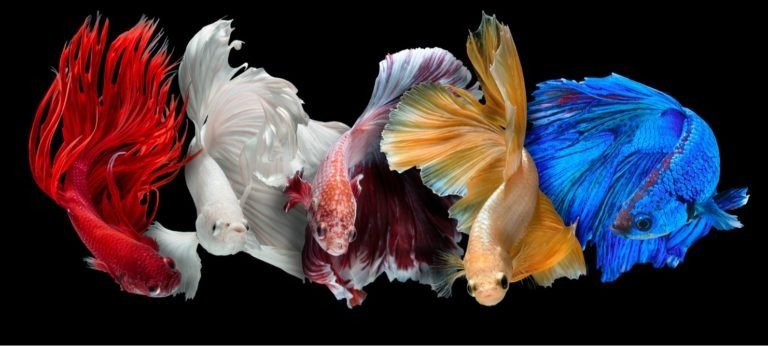
Air-breather with a bubble-nest crown.
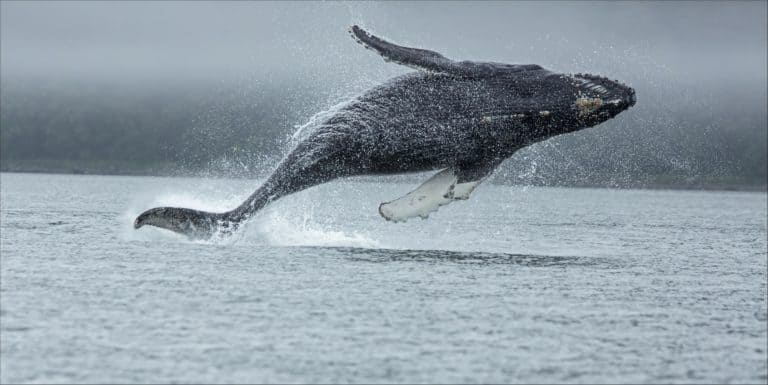
Planet's biggest krill-powered giant
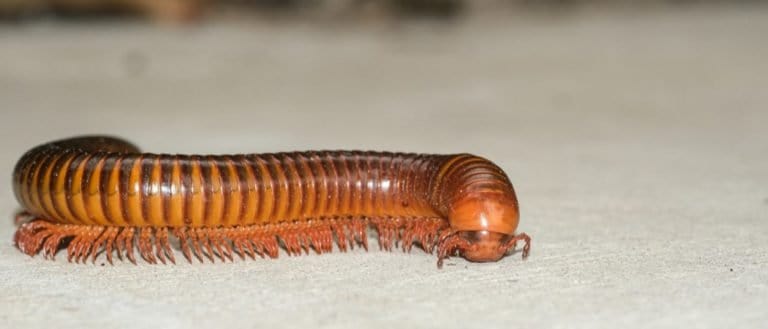
Soil's quiet recyclers with many legs
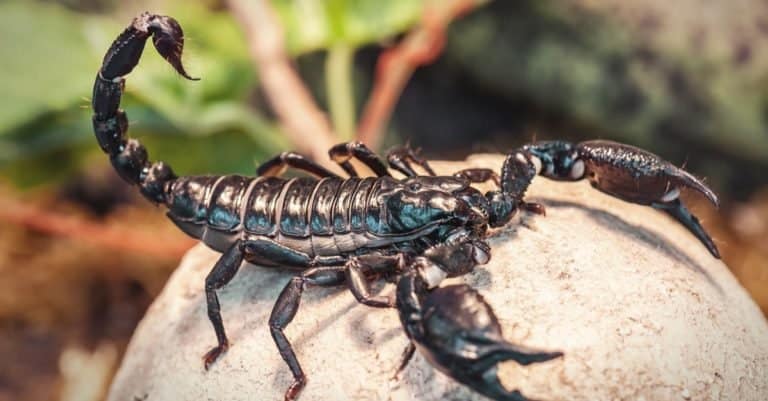
Glow at night, strike with precision
Transient mating is a mating subtype in which reproduction occurs without stable, repeatable social structure-individuals mate opportunistically when they encounter one another. Pair bonds and persistent mating groups are absent or extremely short-lived.
In a transient mating arrangement, adults do not keep lasting pair bonds, harems, or breeding groups. Individuals move alone or in short, loose groups; mating happens when receptive animals meet in the same place and time. Courtship and mating may take minutes to days, with little chance of reunion. Mating depends on encounter rates (numbers, movement, habitat), fertility timing, and brief rival contests. Parental care is often by the female or minimal; paternity is uncertain and mate guarding is rare.
Found across: Broadcast-spawning marine invertebrates (e.g., sea urchins, many corals, many bivalves), Many fishes with spawning aggregations or scramble spawning (e.g., salmonids, many reef fishes), Many amphibians with explosive/seasonal breeding (frogs and toads), Many insects with short-lived adult stages or swarm mating (mayflies, some flies/moths), Some reptiles with brief breeding aggregations and no pair bonds (sea turtles), Many cephalopods with encounter-based mating (octopuses, some squids)
"No relationship" doesn't mean "no strategy": in transient systems, many species use fast, long-distance signals (pheromone plumes, acoustic calls, bioluminescence) to turn chance encounters into mating opportunities within minutes.
Some of the most "transient" mating happens without partners ever touching: broadcast spawners (many corals, sea urchins, some fishes) release eggs and sperm into the water, relying on timing, currents, and sheer numbers rather than pair bonds.
Transient mating can drive extreme sperm competition: when females may mate with multiple males in quick succession, selection often favors larger testes (relative to body size), more sperm, or sperm better at outcompeting rivals-an arms race created by brief encounters.
Mating can be decoupled from fertilization: in many transient-mating animals, females store sperm for weeks to years, letting a one-off encounter power multiple clutches long after the male is gone.
"Meeting places" can replace relationships: some species remain solitary but temporarily converge at predictable hotspots (spawning grounds, emergences, flowering plants, seasonal pools), creating short-lived mating crowds without stable social groups.
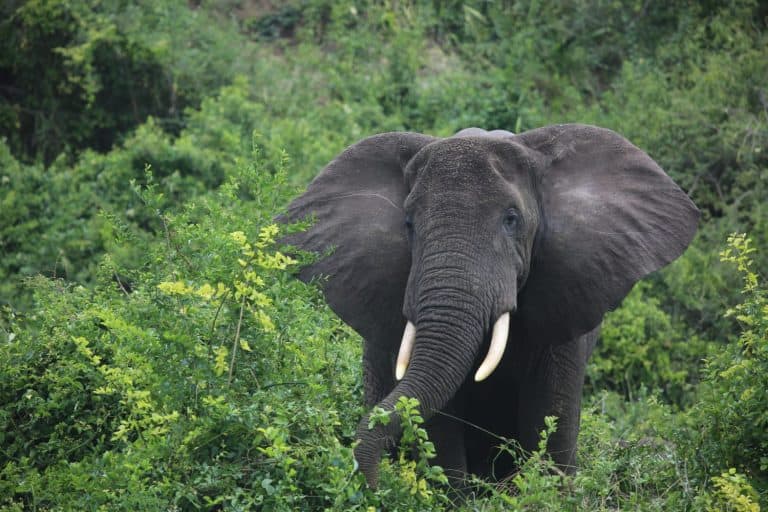
The rainforest's master gardener
Cold-water royalty of the seafloor
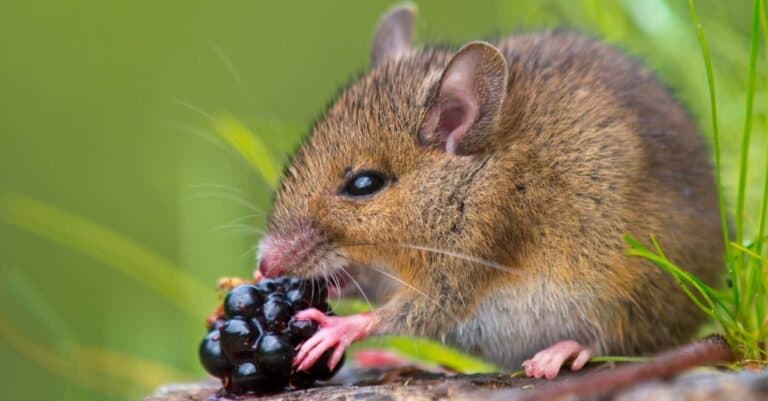
Small gnawers, huge impact.
Glow at night, strike with precision
Planet's biggest krill-powered giant
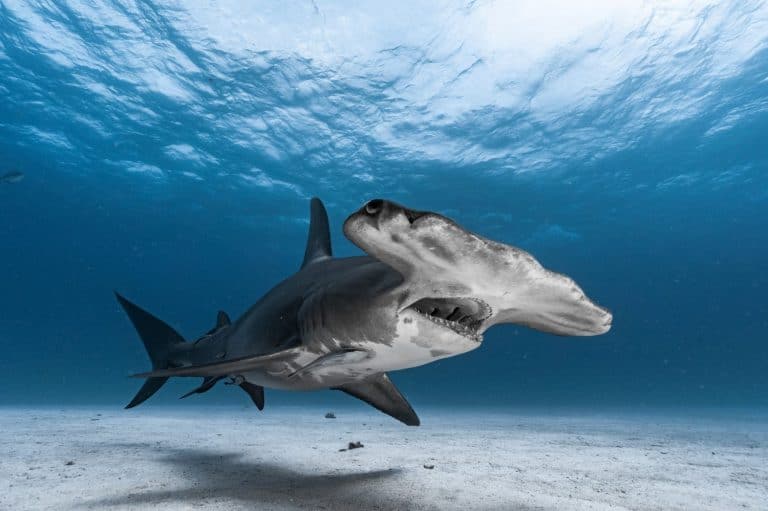
Built like a hammer, tuned like a radar
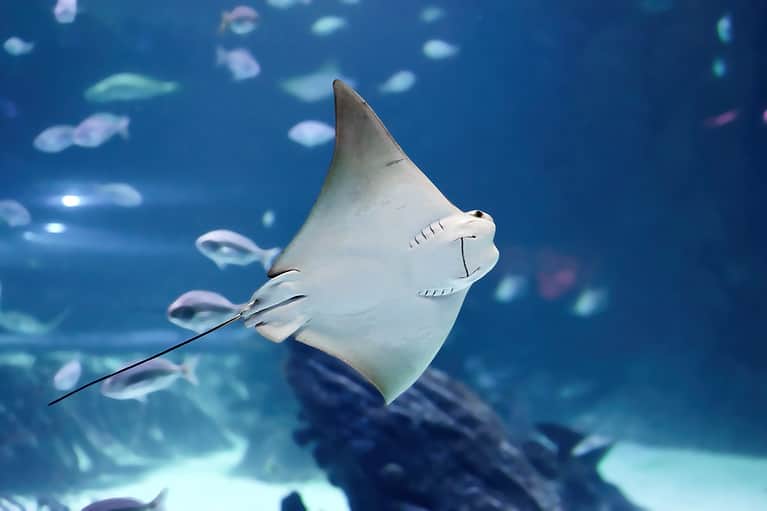
Stingrays: discs, senses, and surprises
One-finger trunk, giant forest heart
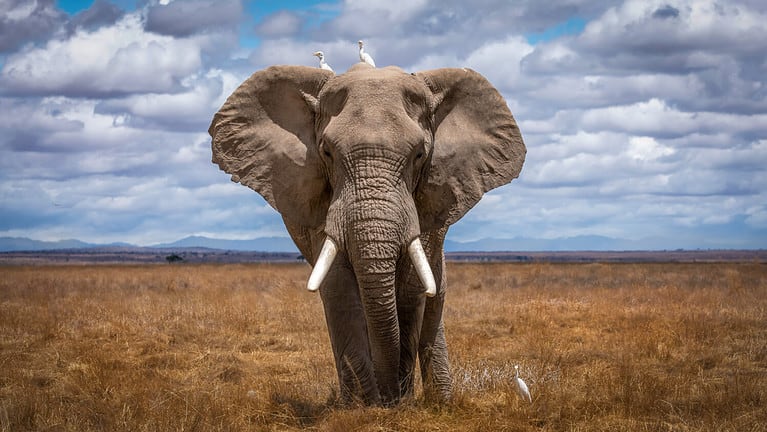
One family, many giants
White. Windproof. Wilderness-tough.
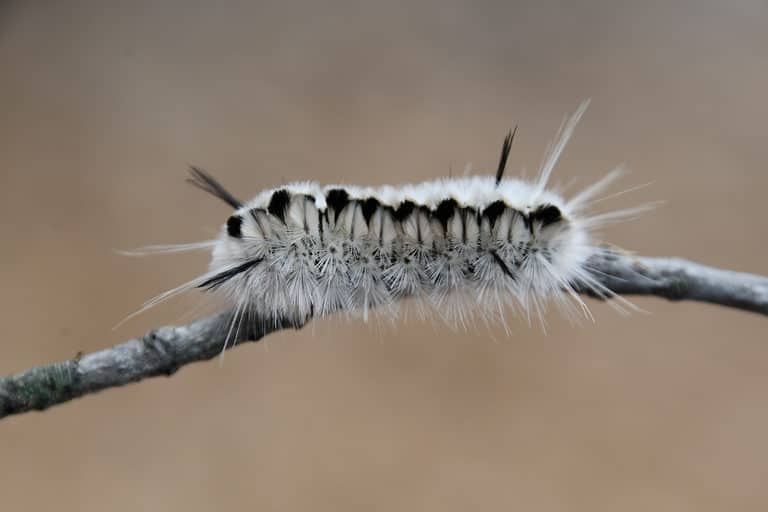
Eat. Molt. Metamorphose.

Big bluff, sharp beak, potent chemistry.
Soil's quiet recyclers with many legs
Air-breather with a bubble-nest crown.
Tails, trails, and total regeneration
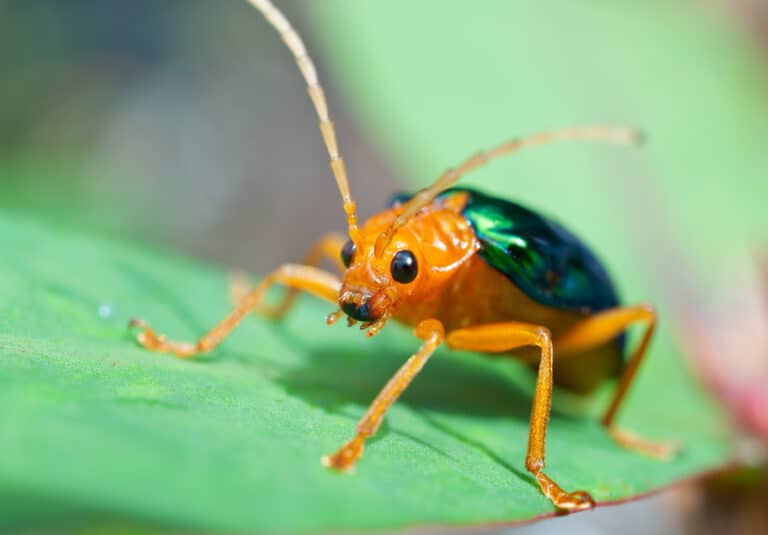
Elytra on, world conquered.
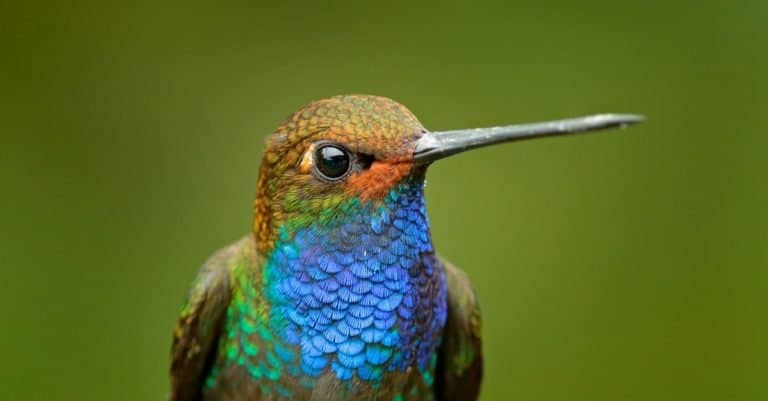
Hover. Sip. Pollinate. Repeat.
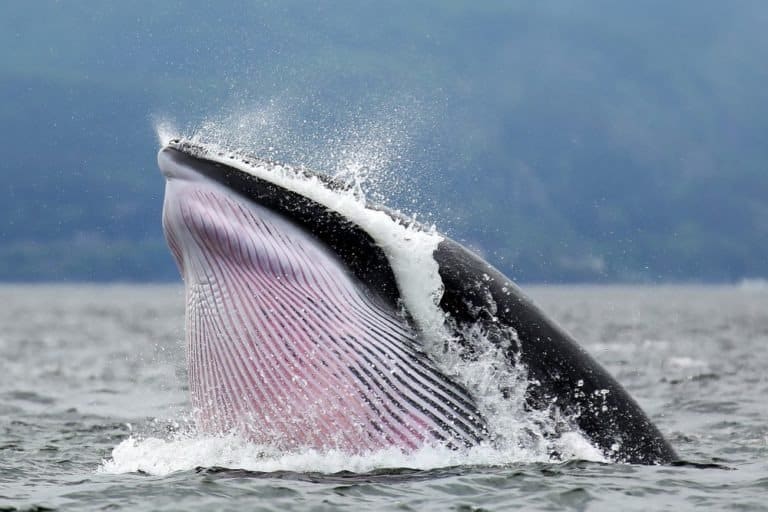
Small rorqual, big ocean presence
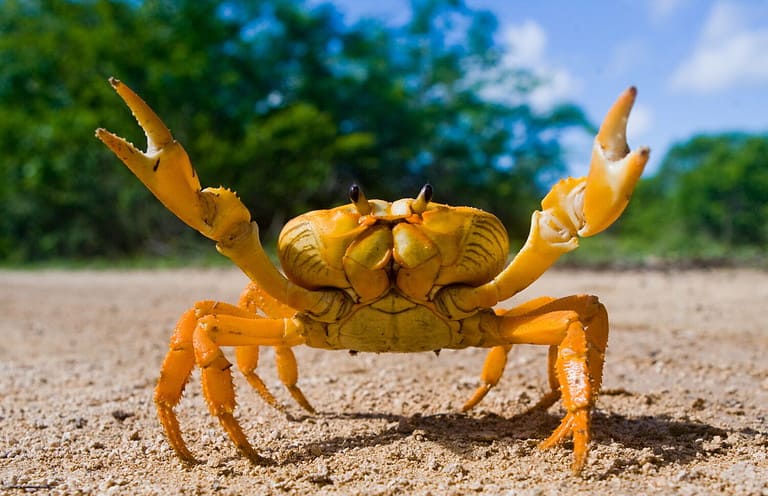
Sideways masters of every shore
From reef cleaners to river giants
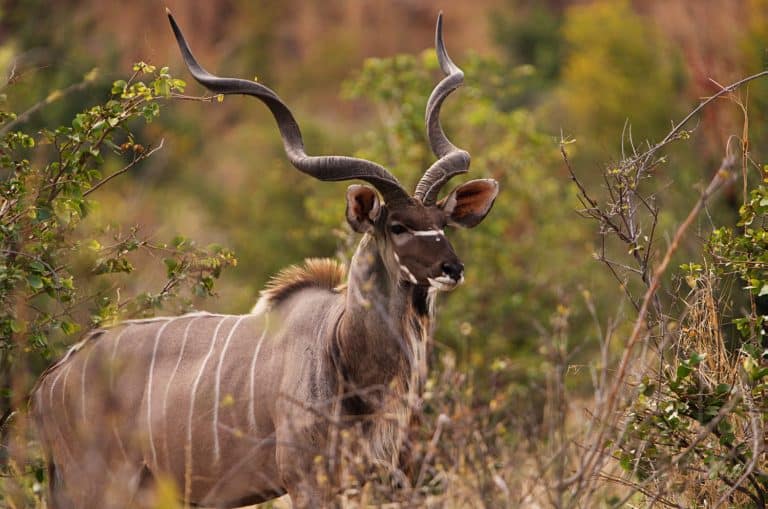
Spirals, stripes, and woodland stealth
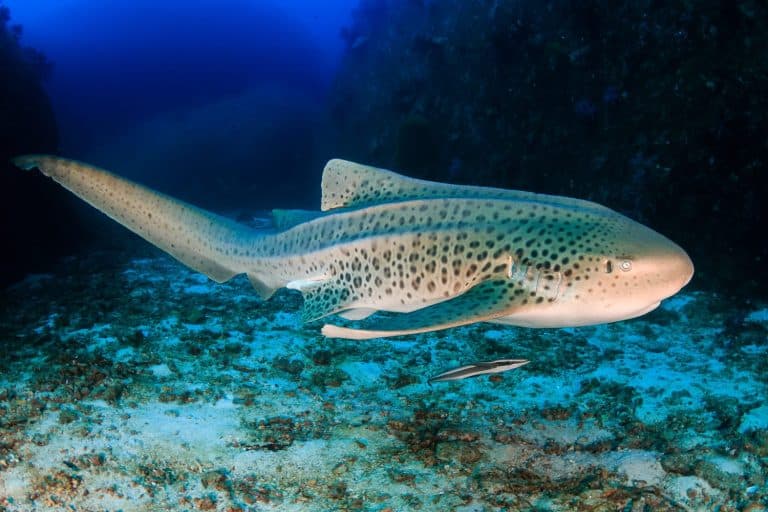
Striped youth, spotted adulthood
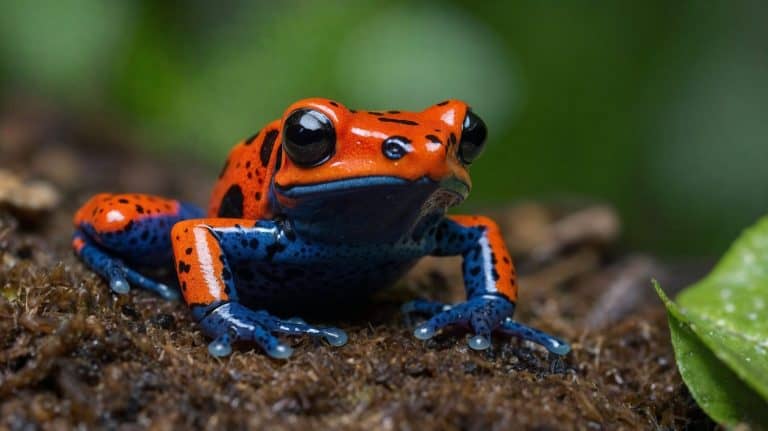
Bright colors, bold chemistry
Whiskers, spines, and river smarts
Thank you for reading! Have some feedback for us?
We appreciate your help in improving our content.
Our editorial team will review your suggestions and make any necessary updates.
There was an error submitting your feedback. Please try again.