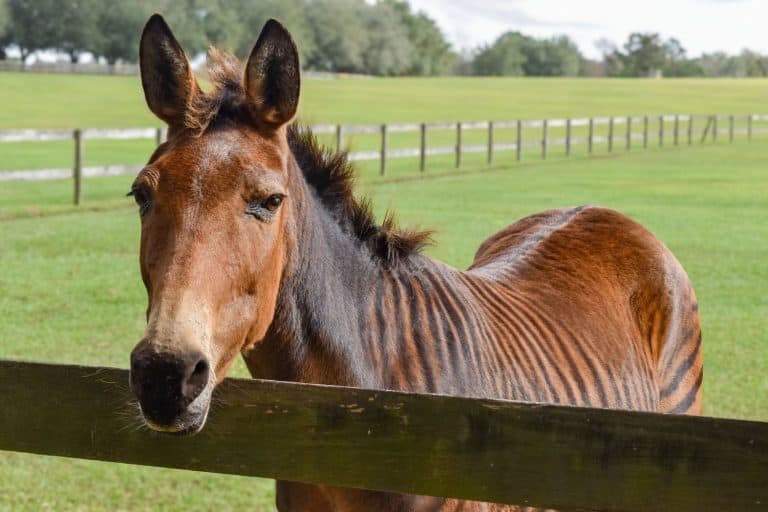
Zorse
Half zebra, half horse-fully unique

Half zebra, half horse-fully unique
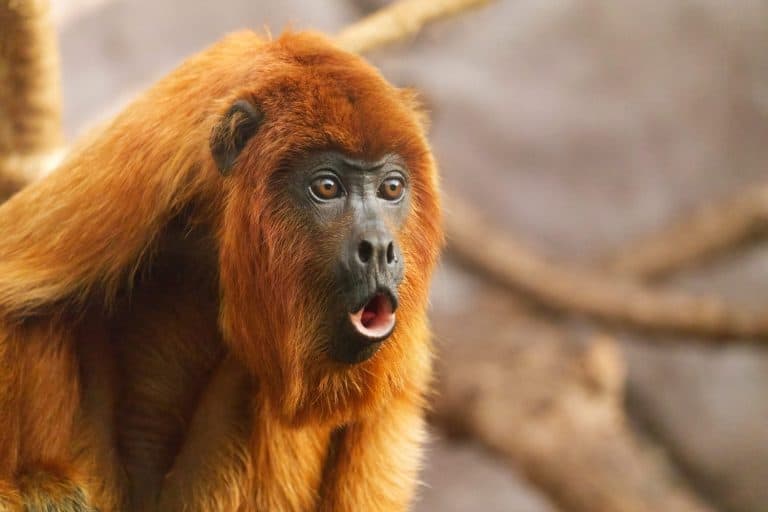
Small monkeys, thunderous voices.
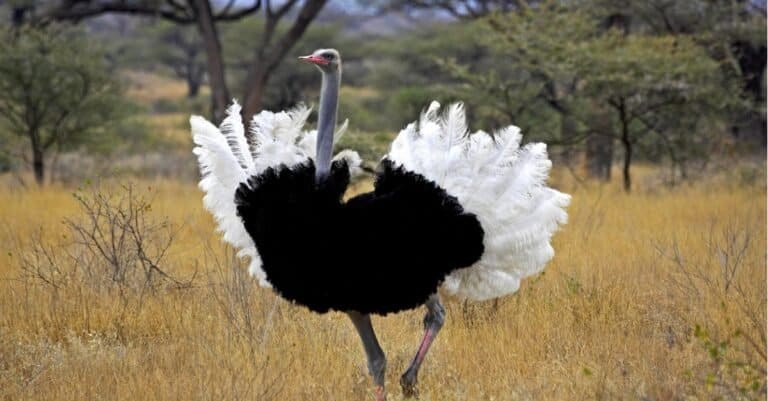
Two toes. One mission: outrun.
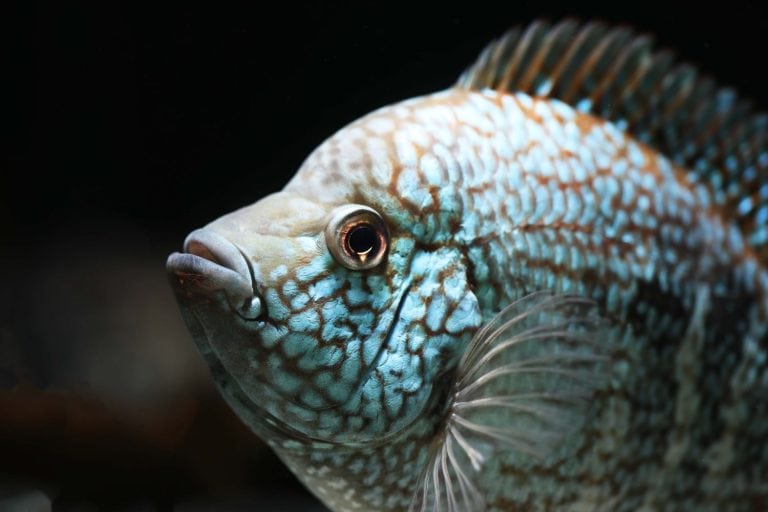
Nature's masters of rapid evolution
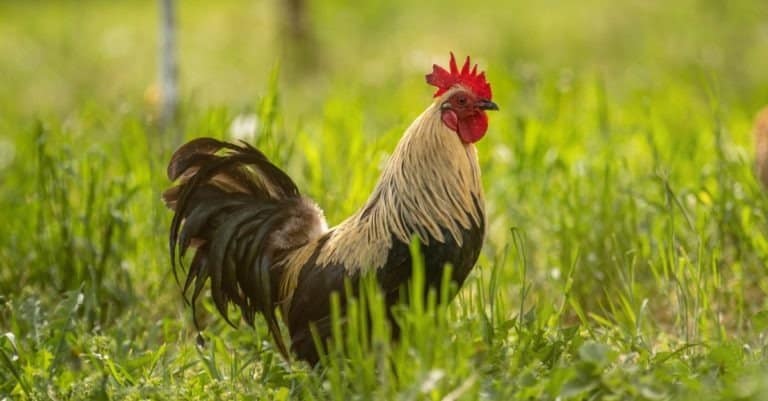
Scratch, roost, repeat.

From geckos to dragons-lizard power
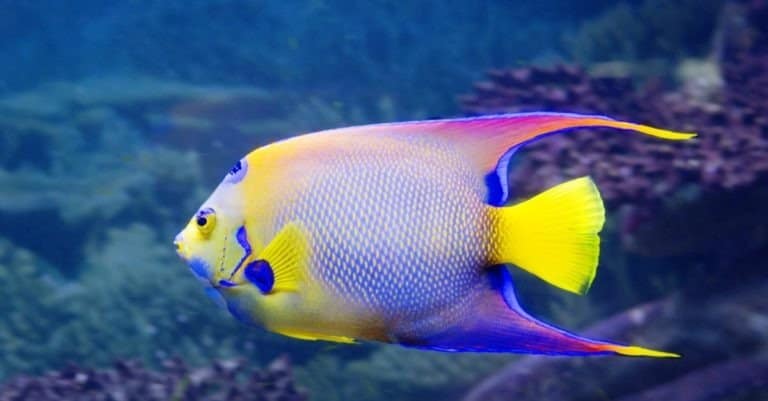
Reef royalty with a wardrobe change
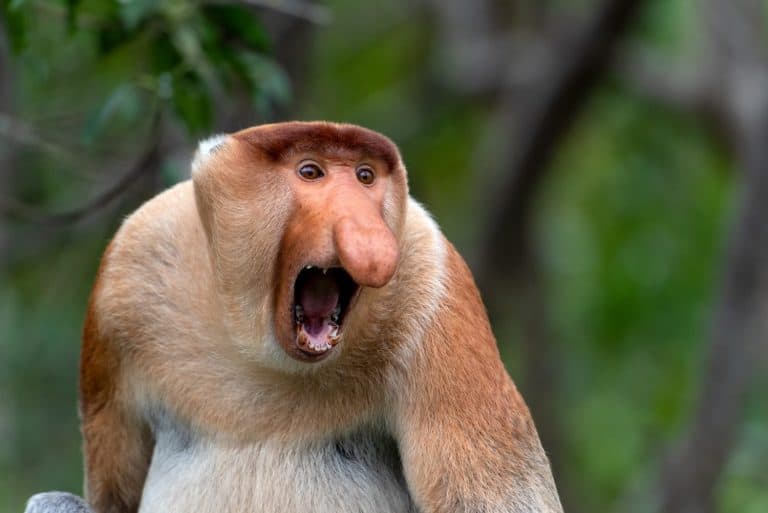
The river-nose of Borneo
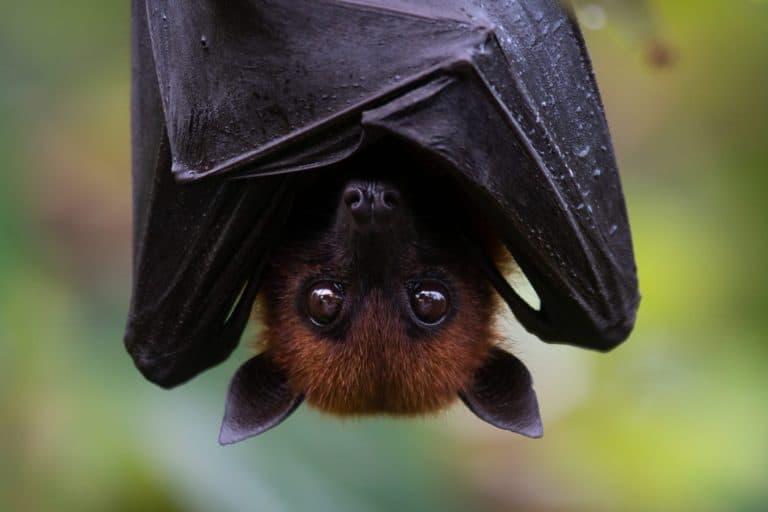
Night pilots of the mammal world

One hoofbeat, a thousand histories
A harem is a social and mating system in which one adult (most often a male) maintains a relatively exclusive reproductive association with multiple adult females, typically through mate-guarding and/or territorial defense. It is a form of polygyny characterized by reproductive skew, where the harem-holder gains a disproportionate share of mating opportunities compared with other males.
In harem systems, females and their young form a group held by one dominant male, the harem-holder. He keeps other males away to mate and protect the group, using fights, displays, and vigilance, and sometimes by defending a territory or resources. Examples include gorillas, beachmaster sea lions, antelopes, and equids. Two forms are resource‑defense polygyny (male controls land or food) and female‑defense polygyny (male guards a group of females). Harems may be long‑lasting (many primates) or seasonal and fluid (pinniped breeding). Strong selection favors large, armed males. Non-breeding males may form bachelor groups, sneak matings, or wait to challenge. Groups usually have the harem-holder, several females, young, and sometimes subordinate males; tolerance varies by species and conditions.
A single dominant male leads the harem and controls mating. Females have a loose order, often by age or time, but cannot override him. Subordinate males rank below and have little or no breeding rights.
Primary adult male with near-exclusive breeding access; leads group movement, deters rival males, and often monopolizes key resources/positions within the group.
Multiple breeding-age females; form the reproductive base of the group, maintain social bonds, and may exhibit dominance relations among themselves (often influenced by age, size, or tenure).
Non-dominant male(s) that may trail or remain at the margins; can assist in vigilance/defense in some species but typically have limited or no mating access and may attempt opportunistic breeding or challenge the dominant male.
Offspring and maturing individuals; remain with the group for protection and access to resources, with males often dispersing at maturity in many harem-forming species.
Not always a fixed rank; the dominant male or alert females may take prominent watch positions, giving alarms and initiating defensive responses.
A harem forms when one strong male controls several females. He may take over an existing female group, attract females by guarding resources, or slowly gather females as they join from other groups. Forming a harem is driven by male strength and female choice; it stays stable when the male keeps rivals away and gives protection or access to resources.
High contact rates within a stable, tightly clustered group (grooming, mating, shared resting sites) can accelerate spread of respiratory, skin, and gastrointestinal pathogens; frequent mating and male turnover can introduce new sexually transmitted infections and novel parasites, with juveniles and pregnant/lactating females often experiencing the greatest fitness impacts.
Large, tight harems and loud, showy male acts (roaring, charging, scent marking, patrols) make them easier for predators to find. Grouped animals at usual sites (haul-outs, sleeping groves) raise ambush risk.
Found across: Mammals: pinnipeds (sea lions, fur seals, elephant seals), Mammals: primates (e.g., gorillas; some colobines in one-male multi-female groups), Mammals: ungulates (deer, antelopes, some equids in some contexts), Birds: some polygynous species where one male mates with multiple females (harem-like systems; varies by species and ecology)
Harems aren't always "stable families": in many species, females may freely move between males, and a harem can reorganize quickly after a takeover or a bad season.
A dominant male's success often depends more on stamina and timing than constant fighting-many harem holders win by arriving early to the breeding site, holding key positions, and conserving energy for peak competition.
Females in harem systems can have real leverage: they may "vote with their feet" by leaving low-quality or overly aggressive males, which can collapse a harem faster than a rival fight.
In several harem breeders, most males never reproduce at all-reproduction can be extremely skewed, with a small fraction of males fathering the majority of offspring in a season.
Harem defense can be as much about psychology as strength: loud vocalizations, posturing, and "boundary patrols" often prevent fights that would be too costly for both sides.
Similar to highly unequal "winner-take-most" job markets: a few top "holders" get most opportunities, while many competitors get none (at least that season).
Like a guarded VIP venue with one bouncer: access is controlled, challengers test the boundary, and most conflict is resolved by signaling and intimidation rather than constant brawls.
Comparable to political incumbency: once a male holds the position, he may benefit from recognition and momentum-until a challenger times a takeover or the holder's condition declines.
Night pilots of the mammal world

Humps of fat, miles of grit
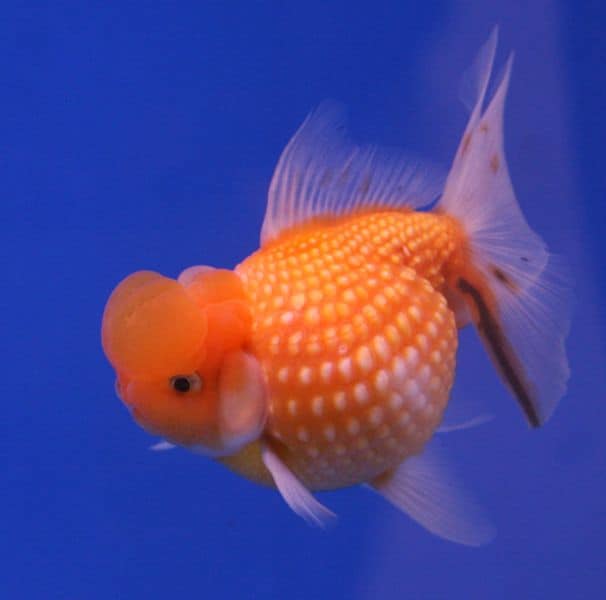
Bony rays, endless ways.
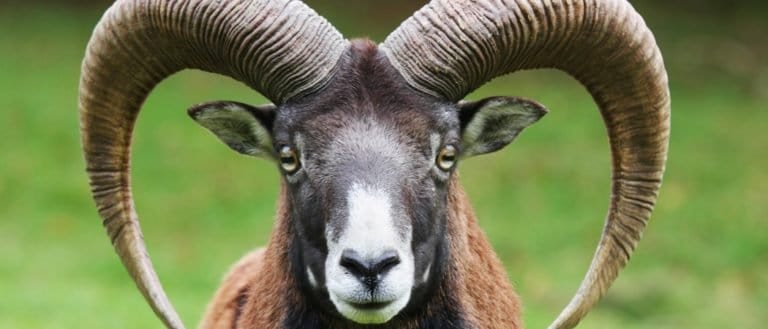
Sure-footed masters of rock and range
One hoofbeat, a thousand histories
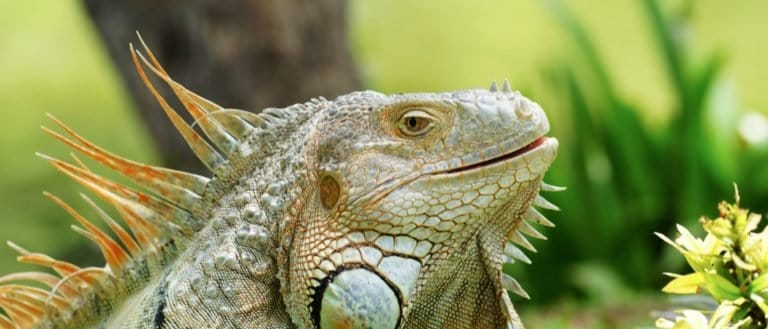
Sun-powered lizards of the Americas
From geckos to dragons-lizard power
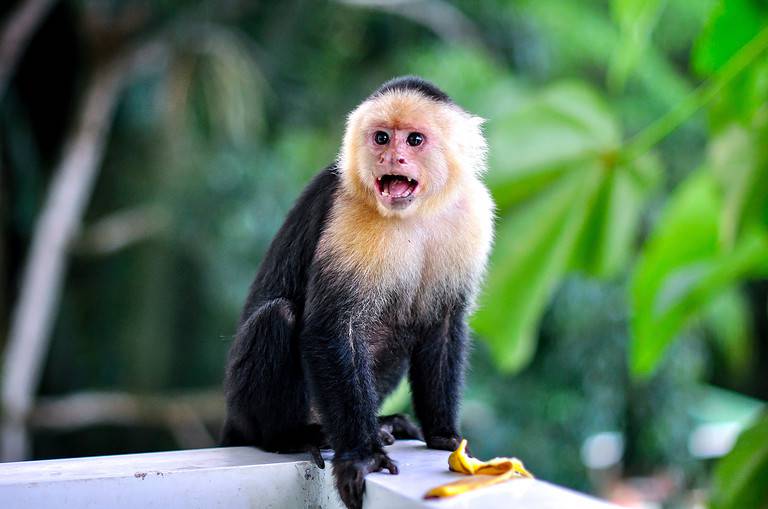
Hands, minds, and social lives

Ear flaps, flippers, and fierce colonies
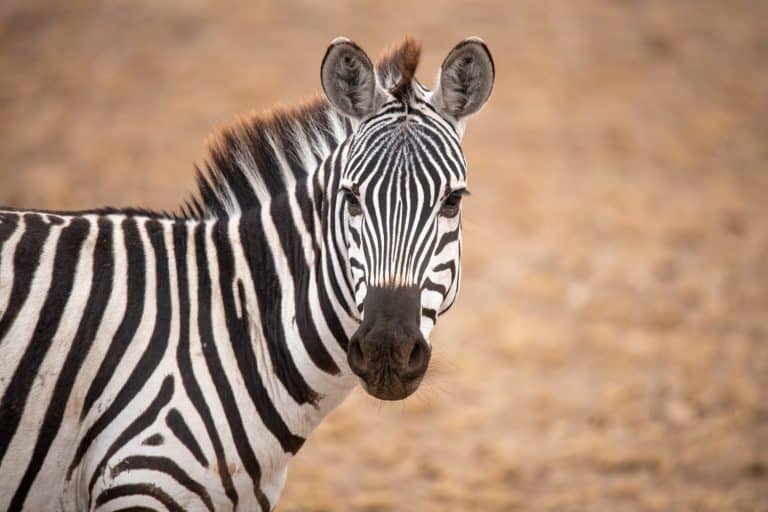
Stripes built for the African wild
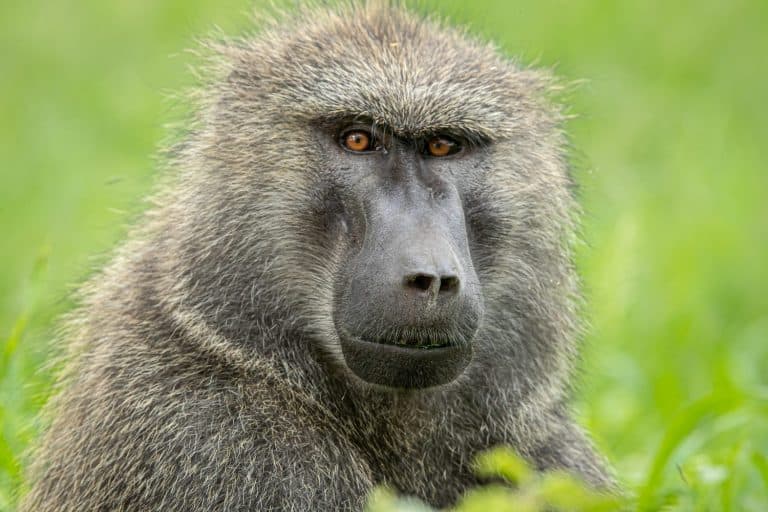
Big brains, bold troops, wild Africa
The river-nose of Borneo

Tailless grazers with big voices
Scratch, roost, repeat.
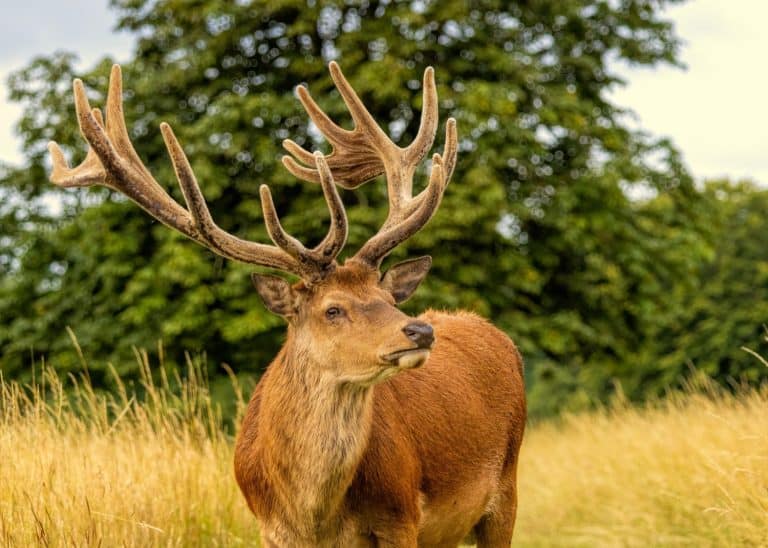
Antlers, migrations, and forest engineers
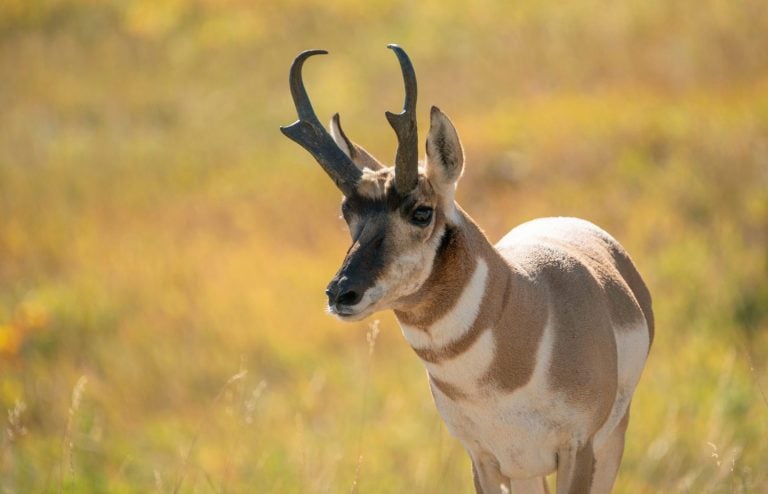
Horns on, fleet feet, wild worlds
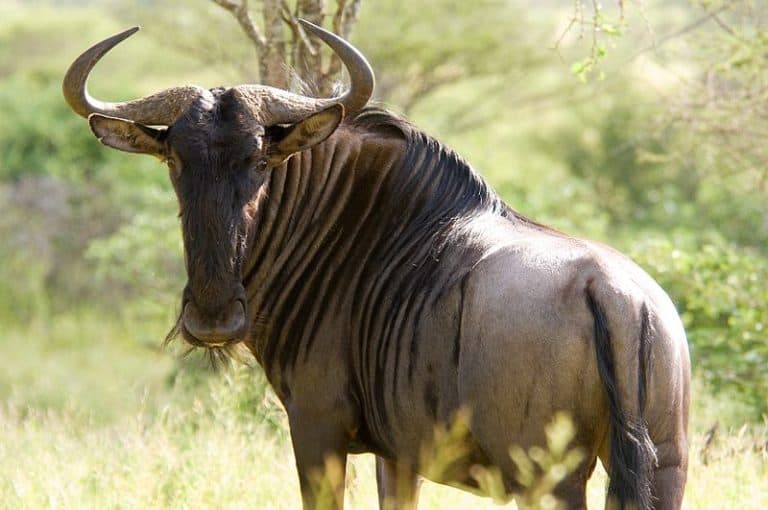
Built for the grasslands' grand herds
Two toes. One mission: outrun.

Feathers, flight, and endless variety
Reef royalty with a wardrobe change
Nature's masters of rapid evolution
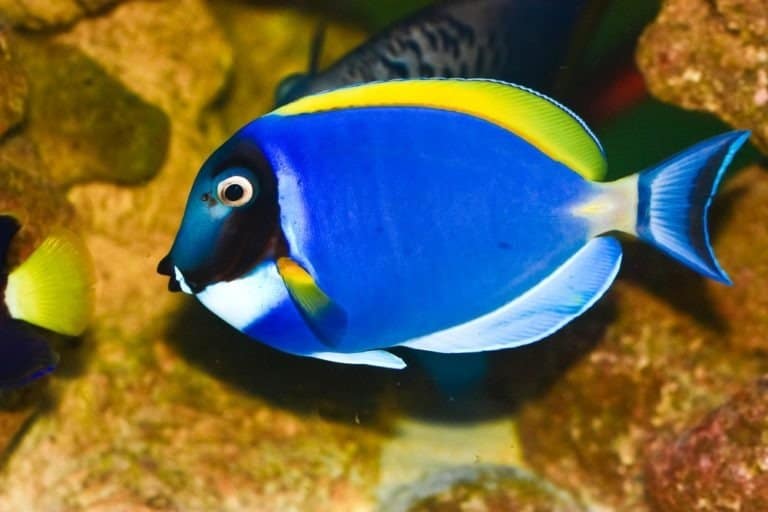
Reef gardeners with a hidden blade
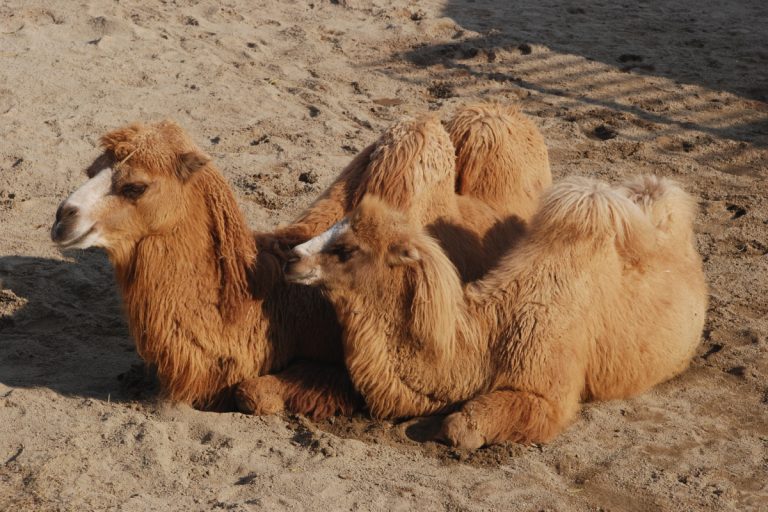
Two humps, built for extremes
Small monkeys, thunderous voices.
Thank you for reading! Have some feedback for us?
We appreciate your help in improving our content.
Our editorial team will review your suggestions and make any necessary updates.
There was an error submitting your feedback. Please try again.