T
Species Profile

Theropod

Theropoda

From raptors to robins: all theropod
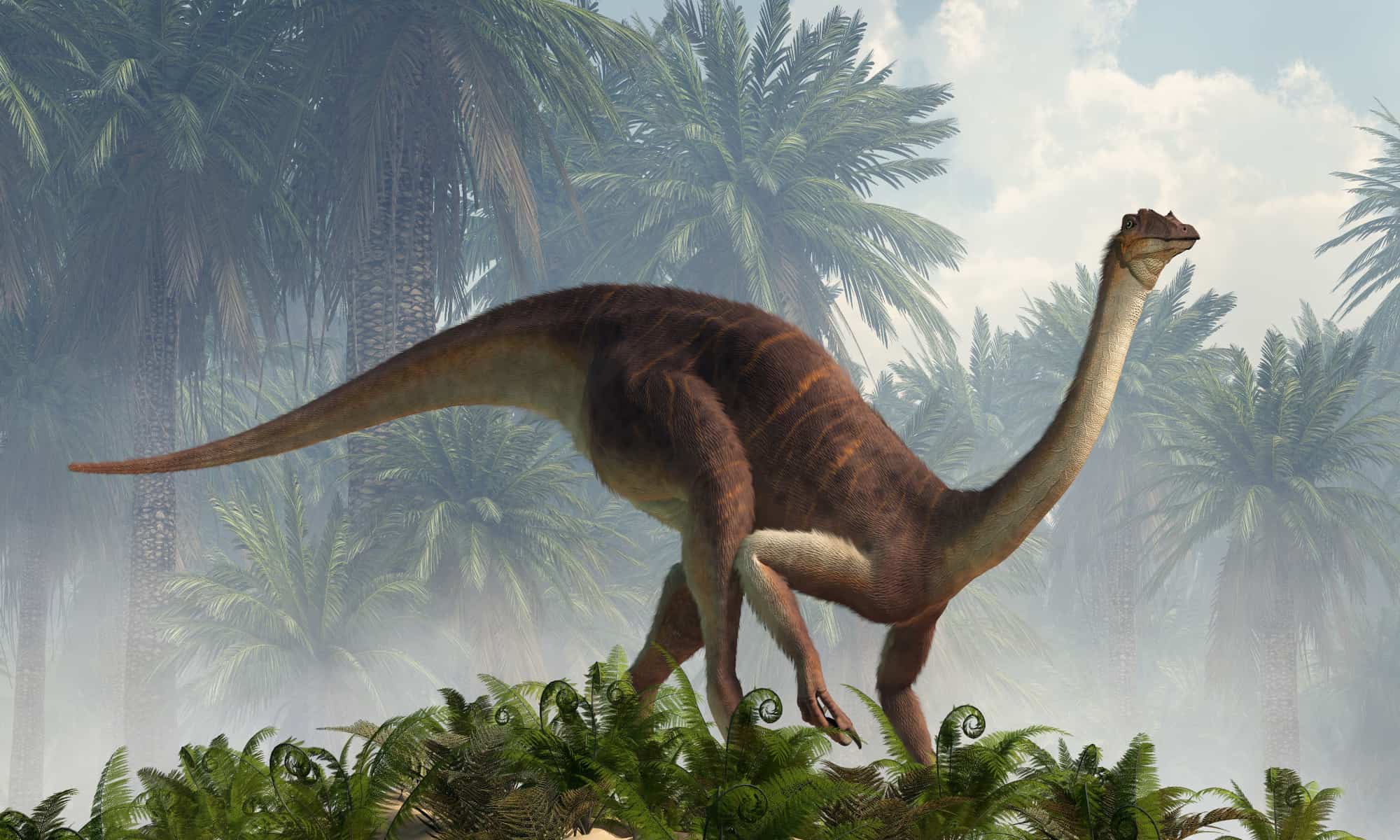
Daniel Eskridge/Shutterstock.com

Theropod Distribution

Click a location to explore more animals from that region

This map shows coastal regions where Theropod are found.

Loading map...

Size Comparison

Human 5'8"
Theropod 6 ft 7 in

Theropod is 1.2x the height of an average human.

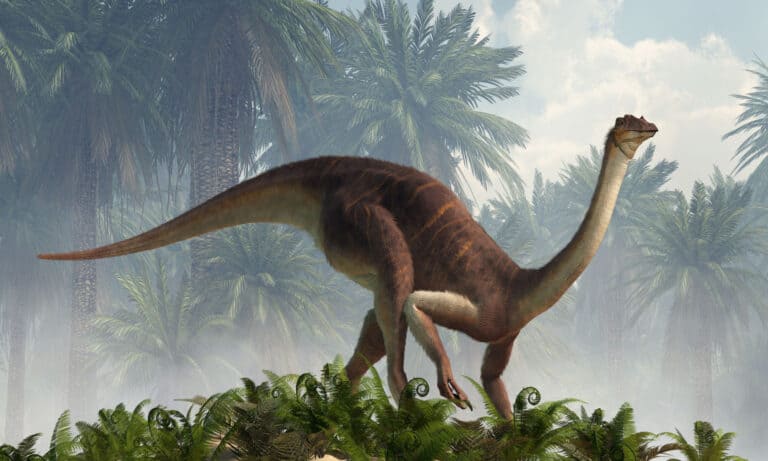
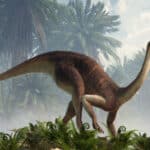
Gallimimus

At a Glance

Order Overview This page covers the Theropod order as a group. Stats below are general traits shared across the order.
Also Known As meat-eating dinosaurs, predatory dinosaurs, bipedal dinosaurs, birdlike dinosaurs
Activity Diurnal+
Lifespan 10 years
Weight 10000 lbs
Status Not Evaluated
Did You Know?

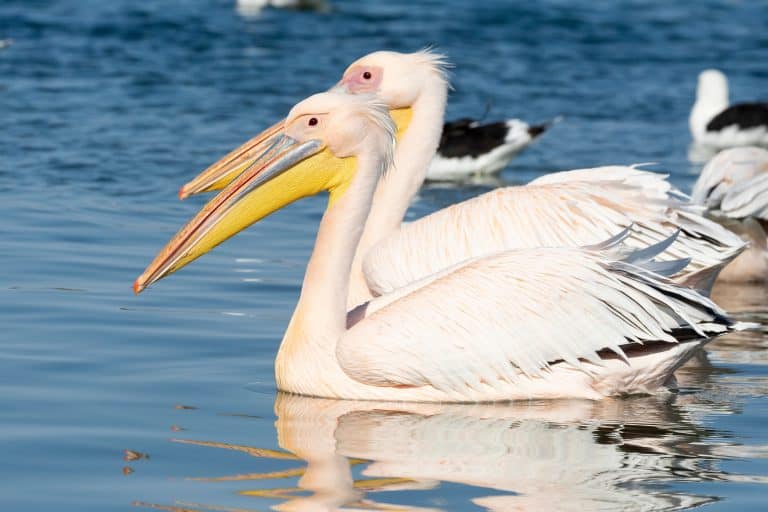
Birds are living theropod dinosaurs (Avialae nests within Theropoda).

Scientific Classification

Order Overview "Theropod" is not a single species but represents an entire order containing multiple species.

Theropoda is the primarily bipedal lineage of saurischian dinosaurs that includes most well-known carnivorous dinosaurs and, within it, the avian lineage (birds). Theropods ranged from tiny feathered forms to the largest terrestrial predators, and they occupied diverse ecological roles across the Mesozoic.

Kingdom
Animalia
Phylum
Chordata
Class
Reptilia
Order
Theropoda

Distinguishing Features

  • Primarily bipedal stance with hindlimb-dominant locomotion
  • Typically tridactyl (three-toed) feet in many groups
  • Hollow (pneumatic) bones common in many lineages, especially coelurosaurs
  • Many lineages show feathers/filamentous integument; birds are nested within Theropoda
  • Skull and tooth morphology highly variable (from serrated carnivorous teeth to toothless beaks in many avialans)

Physical Measurements

Males and females differ in size

Height
1 ft 8 in (1 in – 13 ft 1 in)
3 ft 11 in (2 in – 19 ft 8 in)
Length
4 ft 11 in (2 in – 49 ft 3 in)
11 ft 6 in (2 in – 49 ft 3 in)
Weight
2 lbs (0 lbs – 9.9 tons)
441 lbs (0 lbs – 9.9 tons)
Tail Length
12 in (0 in – 26 ft 3 in)
4 ft 11 in (0 in – 16 ft 5 in)
Top Speed
242 mph
diving at prey

Appearance

Primary Colors
Secondary Colors
Skin Type Mixed integument across Theropoda: scaly skin in some lineages/regions; filamentous coverings and pennaceous feathers common in coelurosaurs; birds (theropods) have full feather coats, beaks, and keratinous claws/scales on feet.
Distinctive Features
  • Temporal range: Late Triassic to end-Cretaceous for non-avian theropods; avian theropods (birds) persist to present.
  • Global distribution across most terrestrial habitats; birds expand into aerial, aquatic, and polar environments.
  • Body size spans extremes: ~5-6 cm and ~0.002 kg (small birds) up to ~12-15 m and ~6,000-9,000 kg (largest non-avian theropods).
  • Typical posture is bipedal with three-toed feet; forelimbs range from tiny to winged for flight.
  • Skulls range from toothed, serrated predatory forms to toothless beaked birds; diets include carnivory, scavenging, omnivory, and herbivory in multiple clades.
  • Common theropod traits include hollow bones, three-fingered hands (varies), and a furcula in many lineages (especially close to birds).
  • Feathers are not universal across all theropods, but are widespread in derived groups; scaly patches can persist even in feathered taxa.
  • Behavior/ecology varies widely: solitary to social hunting/roosting; nesting and parental care are common in birds and evidenced in some non-avian theropods.
  • Lifespan varies broadly by body size and ecology: typically ~2-60+ years across theropods (shorter in small birds, longer in large birds; non-avian estimates commonly decades).

Sexual Dimorphism

Dimorphism is variable across theropods: many birds show strong differences in plumage, ornaments, or body size, while many non-avian theropods show subtle or uncertain dimorphism. Crests, display feathers, and size differences likely evolved repeatedly with mating systems.

  • Brighter or higher-contrast plumage/display patches in many bird lineages.
  • More pronounced cranial crests/casques or elongated display feathers in some groups.
  • Larger average body size in some taxa; alternative patterns also occur.
  • Duller or more cryptic coloration in many ground-nesting birds.
  • Brood patch and nesting-associated plumage/skin changes in some birds.
  • In some taxa, females are larger or more robust than males.

Did You Know?

Birds are living theropod dinosaurs (Avialae nests within Theropoda).

Theropods ranged from ~5-6 cm and ~0.002 kg (smallest birds) to ~14-15+ m and ~6000-9000+ kg (largest non-avian theropods, depending on estimates).

Feather-like coverings evolved widely in theropods; in many lineages feathers appeared long before powered flight.

Theropods occupied many diets: mostly carnivory, but also omnivory and even herbivory (e.g., some maniraptorans like therizinosaurs).

Non-avian theropods lived from the Late Triassic (~230 million years ago) to the end-Cretaceous (66 Ma); birds continue the lineage today.

Many theropods had birdlike respiratory anatomy (air sacs) and lightweight, hollow bones, enabling high activity levels.

Theropod fossils helped spark the modern idea of dinosaurs as active animals, especially after discoveries of feathered forms in the late 20th century.

Unique Adaptations

  • Feathers and feather derivatives (from insulation and display to flight surfaces) evolved broadly within theropods, with extensive diversification in birds.
  • A furcula (wishbone) and other shoulder/forelimb changes in many theropods supported powerful forelimb motion and, in avians, the flight stroke.
  • Semilunate wrist bones and flexible forelimbs in maniraptorans enabled folding and rapid arm movements-key precursors to wing mechanics.
  • Birdlike lungs with air sacs (inferred for many theropods) supported efficient one-way airflow and high aerobic capacity.
  • Digitigrade, three-toed hindlimbs with strengthened metatarsals enabled efficient running; in birds, this diversified into perching, climbing, wading, and swimming foot types.
  • Relatively large brains and acute senses (notably vision) are common themes; in birds this culminates in advanced cognition in multiple lineages.
  • Extensive body-size scaling: the same basic theropod plan supports tiny flying birds and multi-ton terrestrial predators.

Interesting Behaviors

  • Wide ecological roles: apex predators (large tyrannosauroids, carcharodontosaurians), fish-eaters (spinosaurids), pursuit foragers (ornithomimosaurs), specialized herbivores (therizinosaurs), and aerial insectivores/nectarivores in birds.
  • Reproduction centered on eggs and nests across the group; several non-avian theropods show nesting colonies, organized clutches, and brooding-like postures, while birds exhibit highly diverse incubation and chick-rearing strategies.
  • Locomotion usually bipedal; variation includes high-speed running in long-legged forms, stealth/ambush in robust predators, climbing/perching specializations in many birds, and fully aquatic/flightless lifestyles in some avian theropods.
  • Sociality is variable: some theropods may have formed groups or age-segregated aggregations, while many likely hunted/foraged alone; in birds, social systems range from solitary to complex cooperative breeders and huge colonies.
  • Feeding behaviors vary from bone-crunching and carcass processing in large carnivores, to filter-feeding in some birds, to tool use and food caching in corvids (living theropods).
  • Communication likely relied on vision and sound: elaborate display feathers/crests in some lineages, and in birds complex vocal learning and songs (present in several modern groups).

Cultural Significance

Theropods (like big meat-eating dinosaurs) shape how people picture dinosaurs. Their living descendants, birds, are important symbols around the world. Knowing birds are theropods changed education and linked everyday wildlife to Earth’s long history.

Myths & Legends

Thunderbird traditions among many Indigenous peoples of North America describe an immense, powerful bird whose wingbeats bring thunder and whose actions shape storms-an enduring cultural image of a mighty bird (a living theropod lineage).

The Roc in Middle Eastern folklore, especially in One Thousand and One Nights, is a giant bird said to carry elephants and smash ships, reflecting humans' long awe and fear of enormous birds.

In imperial and folk China, "dragon bones" (fossil bones, including dinosaur fossils) were collected and used in traditional medicine; the practice helped embed fossil creatures into dragon lore and local storytelling around mysterious ancient beasts.

European medieval bestiaries and legends describe the basilisk/cockatrice-part serpent, part rooster-whose hybrid bird-reptile nature echoes long-standing symbolic links people made between birds and reptilian monsters.

Early modern Europe's fascination with "antient giants" included public display and debate over large fossil bones (later recognized as dinosaurs), feeding local legends and learned tales about monstrous creatures that once roamed the land.

You might be looking for:

Tyrannosaurus

28%

Tyrannosaurus rex

Large Late Cretaceous tyrannosaurid predator; among the most famous theropods.

View Profile

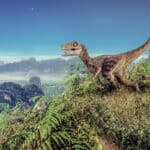
Velociraptor

24%

Velociraptor mongoliensis

Small, feathered dromaeosaurid from Mongolia; close relatives of birds.

View Profile

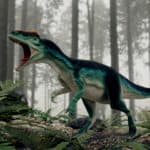
Allosaurus

18%

Allosaurus fragilis

Large Jurassic allosauroid predator from North America.

View Profile

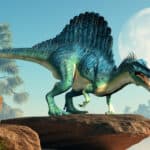
Spinosaurus

15%

Spinosaurus aegyptiacus

Large semiaquatic spinosaurid with elongated skull and dorsal sail; Late Cretaceous North Africa.

View Profile

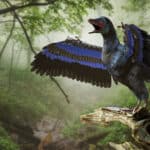
Archaeopteryx

15%

Archaeopteryx lithographica

Early avialan theropod showing a mosaic of dinosaur and bird traits.

View Profile

Life Cycle

Birth 5 hatchlings
Lifespan 10 years

Lifespan

In the Wild
1–80 years

Reproduction

Mating System Data Deficient
Social Structure Transient
Breeding Pattern Seasonal
Fertilization Internal Fertilization
Birth Type Internal_fertilization

Across Theropoda (including birds), mating systems are highly variable, spanning seasonal pair bonds, polygyny, and colonial breeding. Reproduction is via internal fertilization with egg-laying and nesting; parental care ranges from none to extensive biparental care, especially in many birds.

Behavior & Ecology

Social Variable (pair, family group, pack, flock, colony) Group: 5
Activity Diurnal, Nocturnal, Crepuscular, Cathemeral

Temperament

Highly diverse: spans small insectivores/omnivores to apex predators and modern birds.
Body size range across Theropoda roughly ~0.055-15+ m in length and ~0.002-10,000+ kg in mass.
Lifespan varies widely, roughly ~5-50+ years across taxa (birds to large non-avians).
Territoriality is common, especially around nests, mates, or rich feeding areas.
Predation risk and body size often correlate with sociality: larger predators frequently more solitary; many birds more gregarious.
Intraspecific aggression ranges from ritualized displays to combat; dominance hierarchies common in flocking/colonial birds.
Parental investment varies from minimal to extensive; brooding and nest defense occur in multiple lineages.
Ecology is broad (terrestrial, arboreal, aerial, coastal/aquatic foragers in birds), driving major behavioral variation.

Communication

low-frequency booms/roars Inferred for some large taxa
hisses/snorts/growls Broadly plausible across non-avian theropods
contact calls and alarm calls Widespread in birds
complex songs and duets Common in many birds
begging calls by juveniles Common with parental care
visual displays Posture, head/neck movements, wing/feather spreading
color/feather ornament signals in avian and feathered non-avian forms
tactile interactions Bill/face contact, preening/allopreening in birds
courtship dances and aerial displays Many birds
nest-site displays and object presentation Some birds
threat displays Gaping, tail/wing spreading, charging
non-vocal sounds Wing/feather noises, drumming, foot-stomps
chemical cues likely limited but possible in some lineages E.g., uropygial secretions in birds

Habitat

Biomes:
Tropical Rainforest Tropical Dry Forest Savanna Desert Hot Desert Cold Mediterranean Temperate Grassland Temperate Forest Temperate Rainforest Boreal Forest (Taiga) Tundra Alpine Freshwater Marine Wetland +9
Terrain:
Mountainous Hilly Plateau Plains Valley Coastal Island Riverine Volcanic Karst Rocky Sandy Muddy +7
Elevation: -15748 in – 19685 ft 1 in

Ecological Role

Ecologically diverse clade spanning apex predators, mesopredators, small-prey specialists (insectivores/piscivores), omnivores, and herbivores; includes the avian radiation that occupies many modern ecosystem niches.

Top-down regulation of prey populations (in predatory theropods) Carrion removal and nutrient recycling via scavenging (common opportunism; some lineages more reliant) Seed dispersal (many frugivorous/omnivorous birds) Pollination in some avian theropods (nectar-feeding birds within Theropoda) Control of insect populations (insectivorous birds and small theropods) Energy transfer across aquatic-terrestrial boundaries (piscivorous and coastal/riverine theropods, especially birds)

Diet Details

Main Prey:
Insects and other invertebrates Small vertebrates Medium-large vertebrates Fish and other aquatic prey Carrion Eggs and nestlings
Other Foods:
Fruits and other soft plant foods Seeds and grains Leaves, shoots and other foliage Nuts and other hard plant items Aquatic plants and algae Opportunistic plant and fungal foods

Human Interaction

Domestication Status

Semi domesticated

Theropoda (birds, Aves, plus extinct non-avian theropods) ranges from fully domesticated birds (chickens, ducks, geese, turkeys, guinea fowl, pigeons) to partly tamed or trained birds (falconry, aviary species) and widespread feral populations. Extinct non-avian theropods are known only through fossils, museums, research, media and tourism.

Danger Level

Moderate
  • Physical injury from large modern theropods (e.g., cassowaries, ostriches, emus): kicks, slashes, pecks; rare but can be severe or fatal
  • Bites/scratches from raptors and large parrots; eye/face injuries are possible
  • Zoonotic and foodborne disease risks associated with birds and poultry handling (e.g., avian influenza exposure in specific contexts, salmonella/campylobacter from poultry, psittacosis from parrots)
  • Allergic reactions and respiratory issues from feather dander/dust in enclosed settings
  • Indirect hazards: aircraft bird strikes, agricultural losses from pest birds, and invasive feral populations causing ecosystem impacts

As a Pet

Suitable as Pet

Legality: Legality varies: theropods include birds. Tamed birds (chickens, ducks, pigeons, some finches and budgerigars) are often legal. Wild birds, parrots, and raptors need permits or CITES/import rules; some are banned. Extinct non-avian theropods cannot be pets.

Care Level: Moderate

Purchase Cost: Up to $20,000
Lifetime Cost: $300 - $100,000

Economic Value

Uses:
Food production (meat, eggs) Agriculture and pest control Companion animals and aviculture Materials and byproducts Sport and cultural practices Ecotourism and recreation Science, education, and entertainment
Products:
  • meat (poultry and wild game birds)
  • eggs
  • feathers/down (insulation, bedding, apparel; also ornamental uses)
  • manure/guano (fertilizer, historically significant in some regions)
  • working animals (falconry/hunting assistance; limited, regulated contexts)
  • pet trade/aviary breeding (companion birds, show birds)
  • birdwatching/ecotourism revenue
  • museum exhibits, fossils, and media/merchandising tied to extinct theropods

Relationships

Predators 5

Theropods
Theropods Theropoda
Crocodyliforms and Crocodylians Crocodyliformes / Crocodylia
Large predatory birds
Mammalian carnivores Carnivora
Large snakes
Large snakes Serpentes

Related Species 4

Sauropodomorphs Sauropodomorpha Shared Order
Ornithischian dinosaurs Ornithischia Shared Order
Pterosaurs
Pterosaurs Pterosauria Shared Order
Crocodilians and extinct relatives Crocodyliformes Shared Class

Ecological Equivalents 5

Animals that fill a similar ecological role in their ecosystem

Big cats Panthera spp. Large terrestrial apex and mesopredators with pursuit or ambush hunting roles analogous to those of many medium-to-large non-avian theropods; reflects niche similarity, not close ancestry.
Monitor lizards
Monitor lizards Varanus Large-bodied reptilian predators and scavengers occupying top or near-top terrestrial trophic levels, comparable in broad ecological function to some theropods.
Crocodiles and alligators Crocodylia Large ambush predators, especially ecologically comparable to semi-aquatic, fish-eating theropods (e.g., spinosaurids) in hunting mode and habitat use.
Raptors and other predatory birds Living theropods that exemplify the predatory end of theropod ecology, including taloned prey capture, keen vision, and diverse hunting strategies.
Large flightless birds Bipedal, cursorial body plan and terrestrial lifestyle parallel those of many small-to-medium non-avian theropods, though these birds are typically herbivorous or omnivorous today.

Types of Theropod

12

Explore 12 recognized types of theropod

Tyrannosaurus Tyrannosaurus rex
Velociraptor
Velociraptor Velociraptor mongoliensis
Allosaurus
Allosaurus Allosaurus fragilis
Spinosaurus
Spinosaurus Spinosaurus aegyptiacus
Archaeopteryx
Archaeopteryx Archaeopteryx lithographica
Deinonychus Deinonychus antirrhopus
Coelophysis Coelophysis bauri
Carnotaurus Carnotaurus sastrei
Giganotosaurus Giganotosaurus carolinii
Therizinosaurus
Therizinosaurus Therizinosaurus cheloniformis
Ostrich
Ostrich Struthio camelus
Red junglefowl Gallus gallus

Interesting Fact

Some theropods had feathers and may have been ancestors of modern birds.”

Theropod Facts

  1. Theropods were a successful and widespread species. Their fossil remains are found on every continent.
  2. Many theropods had bird-like features, including feathers. These may have been used for insulation, courtship displays, or for some species possibly even flight.
  3. The theropods had long, powerful hind limbs, which they used for running and hunting. These were often much longer and more heavily muscled than their forelimbs.
  4. Many theropods had highly specialized teeth, adapted for slicing through flesh or crushing bones.
  5. Some theropods had decorative features, such as crests, horns, or frills, which may have been used for courtship displays or as a means of defense against predators.

Theropod Scientific Name

The theropods are a group of dinosaurs within the suborder Theropoda, which belongs to the order Saurischia. The word “theropod” comes from the Greek words “therios,” meaning “wild beast,” and “podos,” meaning “foot.” This refers to the fact that the theropods were carnivorous dinosaurs with bird-like feet.

Probably the most famous theropod is the tyrannosaurus rex, or t-rex. “Tyrannosaurus” is Greek for “tyrant lizard,” and “rex” means “king” in Latin. Thus, Tyrannosaurus rex was “King of the Tyrant Lizards.”

Description & Size
Largest extinction events on earth

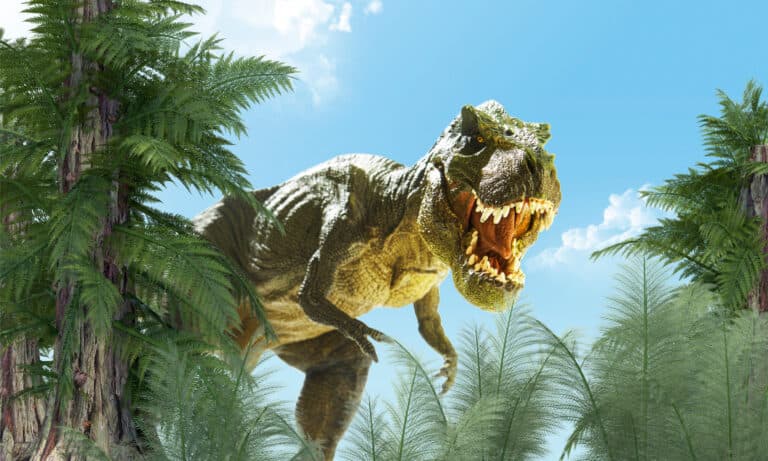
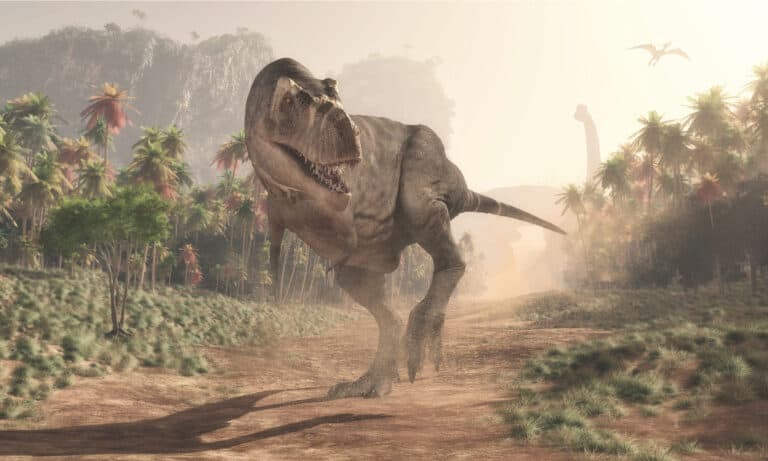
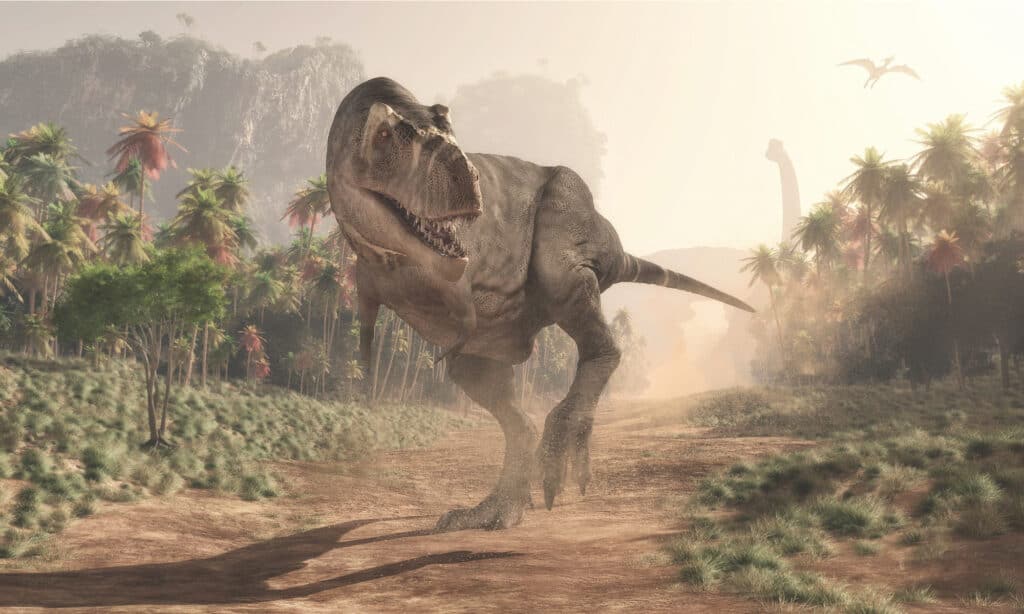
Tyrannosaurus Rex in the jungle. Commonly known theropod.

Theropod Size

The theropods were a wide range of dinosaurs that were bipedal–walking upright on two long, powerful hind limbs that enabled them to run quickly to catch prey. Their forelimbs were much shorter and less muscular. Theropods ranged widely in size, from smaller, feathered species like coelurosaurs and velociraptors to large, apex predators like the allosaurids and tyrannosaurids, including the famous tyrannosaurus rex. In length, these dinosaurs ranged from two feet to over fifty feet. Here are some examples of the size ranges for some well-known theropod species:

  • Velociraptor: 6-9 feet long, 2-3 feet tall, weighing up to 50-100 pounds
  • Utahraptor: 20-25 feet long, 6-8 feet tall, weighing up to 1 ton
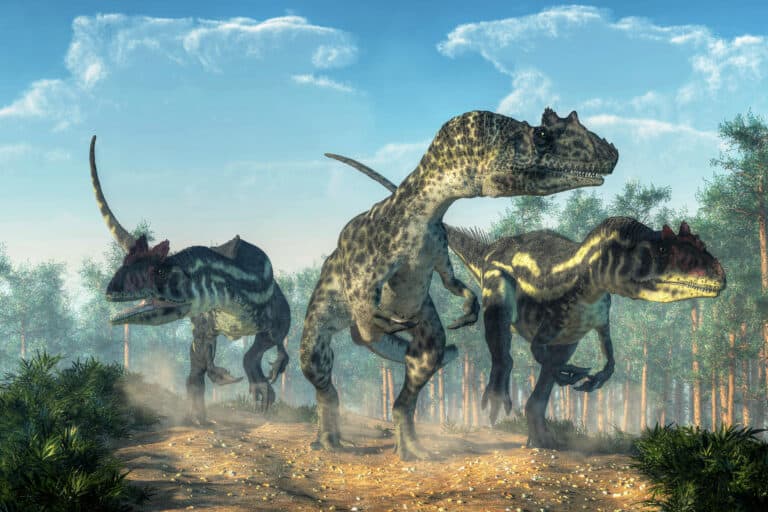
  • Allosaurus: 30-40 feet long, 12-15 feet tall, weighing up to 2-3 tons
  • Tyrannosaurus rex: 40-50 feet long, 15-20 feet tall, weighing up to 7-8 tons

Theropods could run relatively quickly, an adaptation that helped them both in hunting and in evading larger predators. Based on studies of the anatomy and biomechanics of the theropods and other dinosaurs, paleontologists have made some estimates of the running speeds of some theropod species. Here are some examples:

  • Velociraptor: 20-30 mph
  • Utahraptor: 25-35 mph
  • Allosaurus: 15-25 mph
  • Tyrannosaurus rex: 20-30 mph

Theropod Descriptions

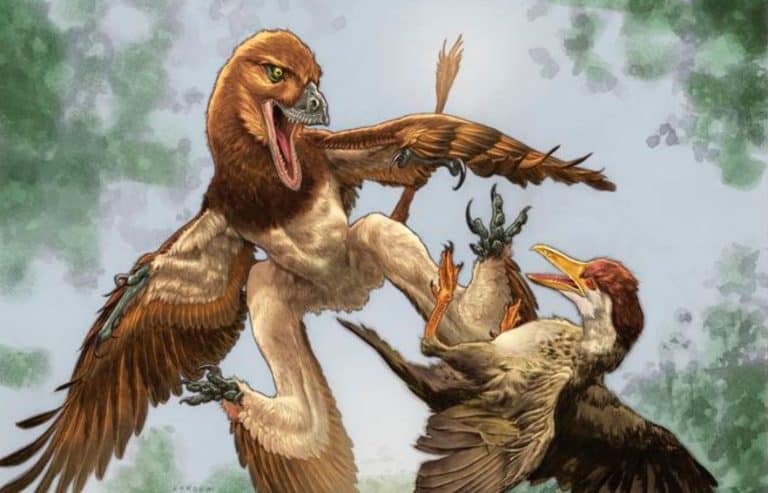
Theropods had a number of bird-like features, including 3-toed feet ending in sharp claws and in some cases feathers, which have been discovered as impressions in some theropod fossils. Their feathers may have been used for insulation, courtship displays, or even flying. These features lead researchers to believe theropods were ancestors of modern birds.

Some theropods had decorative features, such as crests, horns, or frills, which may have been used for courtship displays or as a means of defense against predators. These features varied greatly in size and shape depending on the species.

Theropod teeth possess specialization for different kinds of prey. Some had long, sharp, blade-like teeth suitable for slicing through flesh while others had thicker, blunter teeth for crushing the heavy armor and bones of their prey.

Theropod Evolution and History

Theoropods lived during the Mesozoic Era, which lasted from about 252 to 66 million years ago. They first appeared in the Late Triassic Period, around 230 million years ago, and persisted until the end of the Cretaceous Period, around 66 million years ago, when they and most other dinosaur species went extinct.

During this time, the theropods evolved into a wide range of species, including small, feathered coelurosaurs, large, predatory allosaurids and tyrannosaurids, and many others. The theropods were an important part of the Mesozoic ecosystems, and played a variety of roles, from apex predators to scavengers to herbivores.

They are believed to be the ancestors of modern birds, and many theropod species had feathers or other bird-like features. The evolution of feathers and flight in the theropods played a key role in the success of this group, and helped them to adapt to a wide range of environments and ecological niches.

Diet – What Did Theropods Eat?

The diet of theropods varied depending on the specific species. Many theropods were carnivorous, meaning that they primarily ate other animals, while others were omnivorous, meaning that they ate a mix of plants and animals. Some theropods, such as the spinosaurids, may have been piscivorous, meaning that they primarily ate fish.

There is evidence that some theropods, such as the tyrannosaurids and allosaurids, were apex predators, meaning that they sat at the top of the food chain and had no natural predators. These species would have relied on other animals for their food source, and likely ate a wide range of prey, including other dinosaurs and mammals.

Other theropods, such as the coelurosaurs and maniraptorans, were smaller and may have eaten a more specialized diet. Some of these species fossils have long, blade-like teeth and may have adaptations for slicing through flesh, while others had shorter, blunter teeth for adaptations for crushing bones or hard-shelled prey.

Habitat – When and Where Theropods lived

They lived during the Mesozoic Era, which lasted from about 252 to 66 million years ago. They first appeared in the Late Triassic Period, around 230 million years ago, and persisted until the end of the Cretaceous Period, around 66 million years ago.

Fossil remains are on every continent. This suggests that the theropods have a wide distribution during the Mesozoic era and in a variety of different environments, from tropical rainforests to arid deserts.

Some of the specific habitats that the theropods may have lived in include:

  • Forests: They may have lived in forests, where they could find a variety of prey and shelter from predators.
  • Deserts: The theropods may have also lived in deserts, where they could find food and water in the sparse vegetation. Some theropods, such as the ornithomimids, have long, slender legs for running and foraging in desert environments.
  • Swamps and wetlands: The theropods may have also lived in swamps and wetlands, where they could find a variety of prey, such as fish and other aquatic animals. Some theropods, such as the spinosaurids, may have been piscivorous, meaning that they primarily ate fish.

They were a widespread and adaptable group of dinosaurs, and they likely lived in a variety of different habitats throughout the Mesozoic Era.

Threats And Predators

It is likely that many of this species were themselves predators, hunting other animals as their prey. Smaller species as well as injured or younger individuals of larger species were likely easy prey.

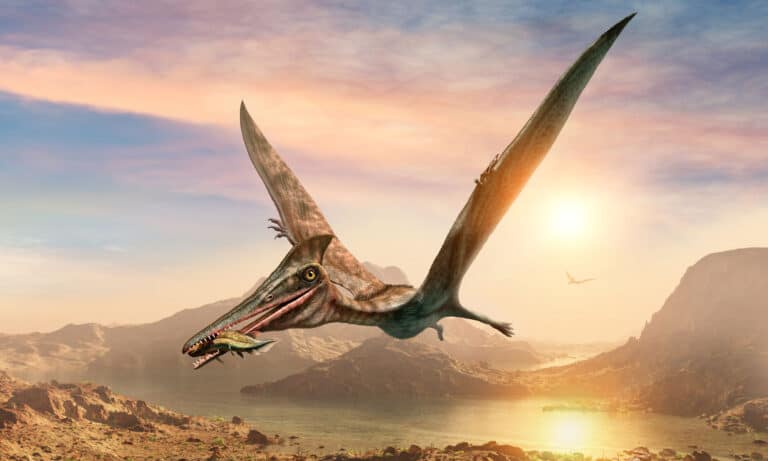
Some of the animals that may have hunted them as their prey include larger theropods, such as the allosaurids and tyrannosaurids, which were aggressive and predatory. They may also have been preyed upon by pterosaurs–flying reptiles–and crocodilians.

The greatest long-term threat to them was similar to that of other dinosaurs. Climate change and loss of habitat due to long-term processes and catastrophic disasters such as volcanic eruptions and asteroid strikes.

Discoveries and Fossils – Where Theropods were Found

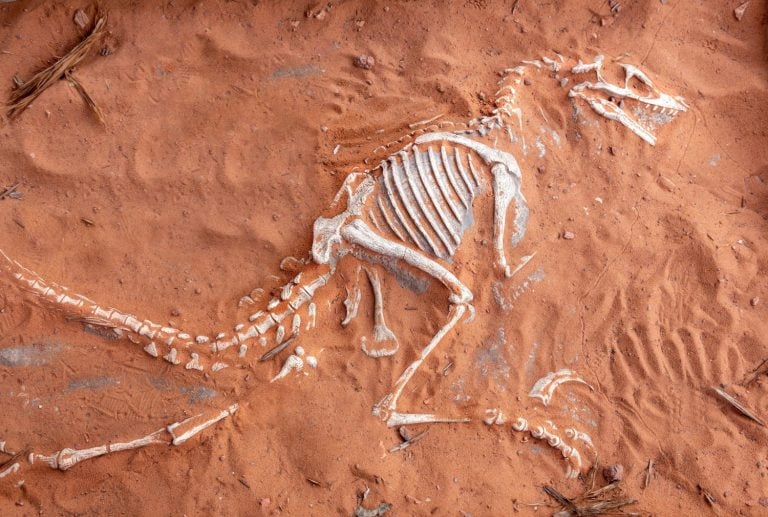
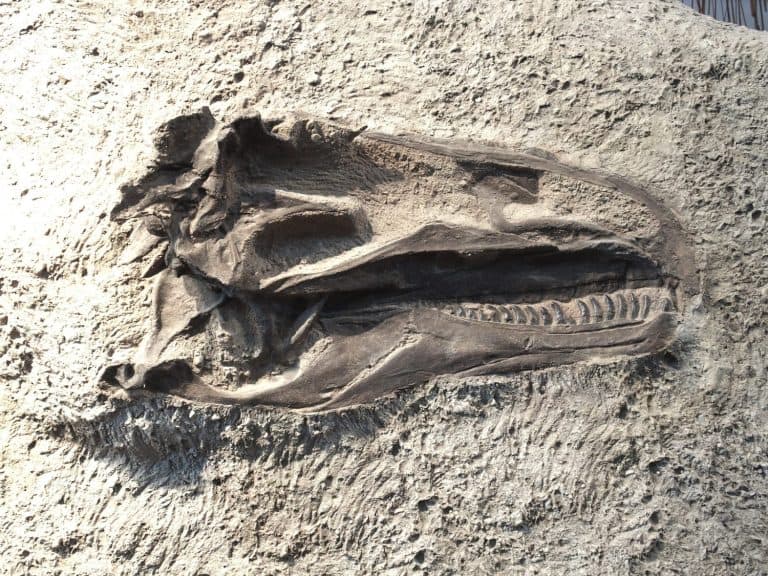
Today, we know about theropods from a wide range of fossil remains. Finds include bones, teeth, eggs, and sometimes even impressions of feathers. These remains have helped paleontologists to understand the evolution and history of the theropods. It has established their place in the Mesozoic ecosystems.

The discovery of the first known fossils began in the late 19th century. Since then, many more fossil discoveries appear around the world. Fossil locations are on every continent, including North America, South America, Europe, Asia, and Africa.

Fossils are on display in many museums and other institutions around the world. Some of the museums that have theropod fossils on display include:

  • American Museum of Natural History (New York City, United States): This museum has a large collection of these fossils. Collection including those of the tyrannosaurus rex, the allosaurus, and the velociraptor.
  • Natural History Museum (London, United Kingdom): Among the many species on display at this museum are those of the spinosaurus and the carcharodontosaurus.
  • Field Museum (Chicago, United States): The outstanding collection of this museum includes those of the deinonychus and the oviraptor.
  • National Museum of Natural History (Paris, France): The megalosaurus and the spinosaurus are among the fossils housed at this museum.
  • Beijing Museum of Natural History (Beijing, China): The tarbosaurus and the sinraptor as well as many other theropods are available for viewing at this institution.

New discoveries appear regularly as paleontologists continue to search for and study these ancient creatures.

Extinction – When Did the Theropods Die Out?

The theropods, along with many other groups of dinosaurs, went extinct at the end of the Cretaceous Period, around 66 million years ago, in an event known as the K-T extinction. The exact cause of the K-T extinction is still the subject of debate among scientists. The cause is thought to have been by a combination of factors. These include a massive asteroid impact, volcanic activity, and changes in sea level and climate.

It is likely that the K-T extinction event had a major impact on theropod populations and habitats. The event causing them to decline and eventually go extinct. It is also possible that the theropods were already facing challenges and pressures from other factors. These factors include competition from other species or changing environmental conditions, which may have made them more vulnerable to the effects of the K-T extinction event.

Similar Animals to the Theropods

  • Coelurosaurs characteristics are their small size, feathers, and long, slender legs. They were highly adaptable and diverse.
  • Maniraptorans characteristics are their small size, feathers, and grasping hands. They were highly adaptable and diverse, and included species such as the deinonychus and the oviraptor.
  • Ceratopsians: Ceratopsians are a group of herbivorous dinosaurs with characteristics including their large size, horns, and frills.
View all 608 animals that start with T

Sources

  1. Smithsonian Institution / Accessed January 6, 2023
  2. Wikipedia / Accessed January 6, 2023
  3. Berkeley.edu / Accessed January 6, 2023
  4. Britannica.com / Accessed January 6, 2023
  5. Natural History Museum / Accessed January 6, 2023
Drew Wood

About the Author

Drew Wood

Drew is a college professor and freelance writer who graduated from the University of Virginia. His travels have taken him to 25 countries and 44 states, where he has enjoyed learning about wildlife in a wide range of environments. In addition to his love of animals, he enjoys scary movies, landscaping, strategy games, and philosophical discussions over a cup of coffee. He is also an emotional support human to a neurotic Spanish Water Dog and a hyperactive Chihuahua mix.

Thank you for reading! Have some feedback for us?


Theropod FAQs (Frequently Asked Questions)

The theropods were a diverse group of dinosaurs, and their diet varied depending on the specific species. Many theropods were carnivorous, meaning that they primarily ate other animals, while others were omnivorous, meaning that they ate a mix of plants and animals. Some theropods, such as the spinosaurids, may have been piscivorous, meaning that they primarily ate fish.