N S W E
Wildlife Expeditions

Wildlife of
Northwest Territories

A vast sweep from boreal forest to Arctic tundra and island coasts, the Northwest Territories delivers iconic megafauna, great lakes, and dramatic seasonal light.
93 Species
1,183,085 km² Land Area
Overview

About Northwest Territories

The Northwest Territories is a place of rich northern wildlife. Huge areas with few roads keep natural systems of predators and prey intact. Long winter darkness, midnight-sun summers, and huge distances shape life here. Species range from boreal forest animals in the south to Arctic specialists on tundra and island coasts. Major habitats include the boreal forest and taiga of the Mackenzie basin, the open tundra and polar desert to the north, and the large freshwater seas of Great Slave Lake and Great Bear Lake. These lakes, the Mackenzie River, and many wetlands are vital for migratory waterfowl, fish like lake trout and Arctic char, and shoreline predators such as wolves and bears. Lichen-rich tundra feeds migratory caribou herds, while coasts and islands support Arctic marine life. Low human use and connected habitats let visitors see large migrations, aurora-lit winter scenes, and summer breeding with top predators present.

Physical Features

Geography

Northwest Territories stretches from boreal forest and large lakes in the south to taiga and Arctic tundra in the north. These habitat changes shape where animals live: forest species in the south and tundra or marine species on the Arctic coast. Vast freshwater, wetlands, permafrost, and mountains create breeding, staging, and wintering habitats, while extreme seasons drive migration and productivity.

1,183,085 km² (land area) Land Area
3rd largest province/territory in Canada (by land area) Size Rank
Canada Country
Territory Type
Elevation Range

Sea level (Arctic coast) to ~2,773 m (Mount Nirvana, Mackenzie Mountains), creating gradients from lowland wetlands and tundra to alpine/subalpine habitats

Coastline

Arctic Ocean coastline on the Beaufort Sea, plus extensive freshwater shorelines on Great Bear Lake and Great Slave Lake that function as major aquatic-terrestrial habitat interfaces

Key Landscapes

Arctic Coastal Plain and Beaufort Sea shorelines (marine/shorefast-ice influenced habitats) Tuktoyaktuk Peninsula and Mackenzie Delta (one of North America's largest deltas; wetlands and riparian corridors) Boreal forest and taiga plains across the south and central interior (continuous to patchy forest habitat) Arctic tundra and polar desert on the northern mainland and islands (open, treeless habitats influenced by permafrost) Mackenzie River system (major north-flowing river corridor connecting boreal to Arctic) Great Bear Lake and Great Slave Lake basins (vast freshwater shorelines, islands, and adjacent wetlands/taiga habitats; major fish and waterfowl resources)
State Symbols

Official Wildlife Symbols

bird

Gyrfalcon

Designated 1990

wildflower

Mountain avens

Designated 1957

Parks & Reserves

Protected Areas

The Northwest Territories (NWT) has one of Canada’s largest wild protected-area networks, covering boreal forest, freshwater systems, mountain headwaters, Arctic coastal tundra, and remote islands. Protection comes from federal national parks (many set up with Indigenous agreements and co‑management), smaller territorial parks, and wildlife/bird sanctuaries that support large intact ecosystems and caribou and waterfowl migration.

Protected Coverage

~12% of NWT land area is under formal protected status (approximate; varies by definition and inclusion of newer Indigenous-led protected areas).

National Parks & Preserves

Nahanni National Park Reserve of Canada

~30,050 km²

A globally important wilderness of deep canyons, karst, and river corridors in the Mackenzie Mountains; notable for intact predator-prey systems, Dall's sheep habitat, and rich boreal-to-montane biodiversity.

Dall's sheep Woodland caribou Grizzly bear Gray wolf Moose

Nááts'įhch'oh National Park Reserve of Canada

~4,850 km²

Protects rugged alpine headwaters that feed the South Nahanni River, safeguarding key mountain wildlife habitat and movement corridors in a largely roadless landscape.

Dall's sheep Grizzly bear Woodland caribou Wolverine Golden eagle

Thaidene Nëné National Park Reserve of Canada

~14,000 km² (park reserve; part of the broader Thaidene Nëné protected area complex)

Covers a large, exceptionally intact boreal shield landscape along the East Arm of Great Slave Lake; renowned for clear-water bays, islands, and strong habitat for wide-ranging mammals and boreal birds.

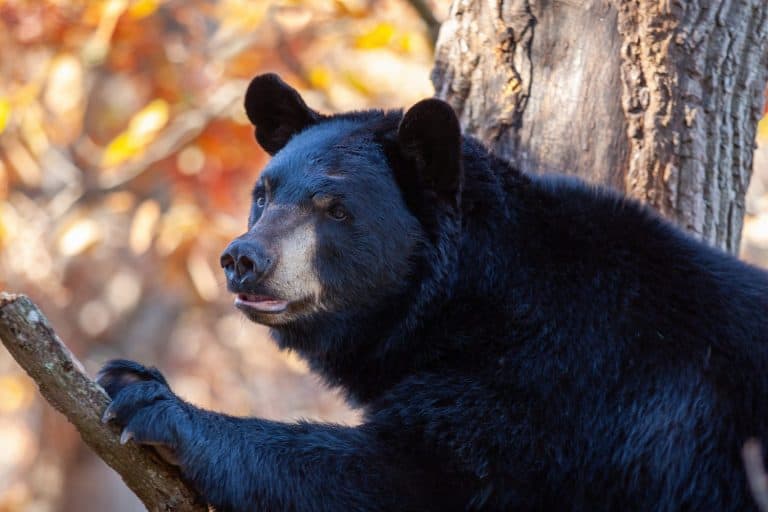
Barren-ground caribou Black bear Moose Gray wolf Bald eagle

Tuktut Nogait National Park of Canada

~16,340 km²

An Arctic tundra park centered on the calving grounds and summer range of the Bluenose-West caribou herd; excellent for viewing tundra wildlife and migratory birds in a pristine river-and-upland setting.

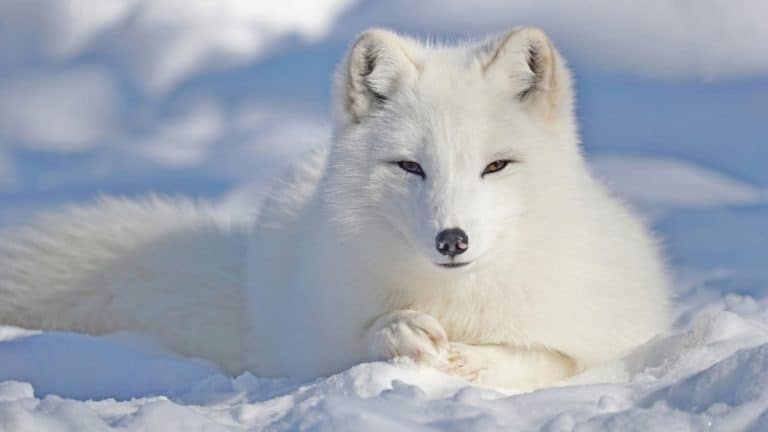
Barren-ground caribou (Bluenose-West) Muskox Arctic fox Gray wolf Gyrfalcon

Aulavik National Park of Canada

~12,200 km²

Remote Banks Island wilderness protecting Arctic coastal plain and river valleys; internationally significant for muskox and denning/foraging habitat for Arctic predators and birds.

Muskox Peary caribou Arctic fox Polar bear Snowy owl

Wood Buffalo National Park of Canada (portion extends into NWT)

~44,800 km² total (park spans Alberta and NWT)

One of the world's largest protected areas; critical for free-roaming wood bison and for wetland habitat supporting rare breeding whooping cranes (in the park's broader landscape).

Wood bison Whooping crane Moose Black bear Gray wolf

State & Provincial Parks

Lady Evelyn Falls Territorial Park

Small day-use/road-access park (tens of km²; size varies by mapping/source)

Protects a scenic waterfall and surrounding boreal habitats near Kakisa; good for boreal birdlife, riparian mammals, and seasonal wildlife viewing along trails and waterways.

Moose Black bear Beaver Bald eagle Common loon

North Arm Territorial Park

Small recreation-focused park (tens of km²; size varies by mapping/source)

Boreal shield lakes-and-rock outcrops near Yellowknife; notable for waterbirds, raptors, and boreal forest wildlife along the Great Slave Lake system.

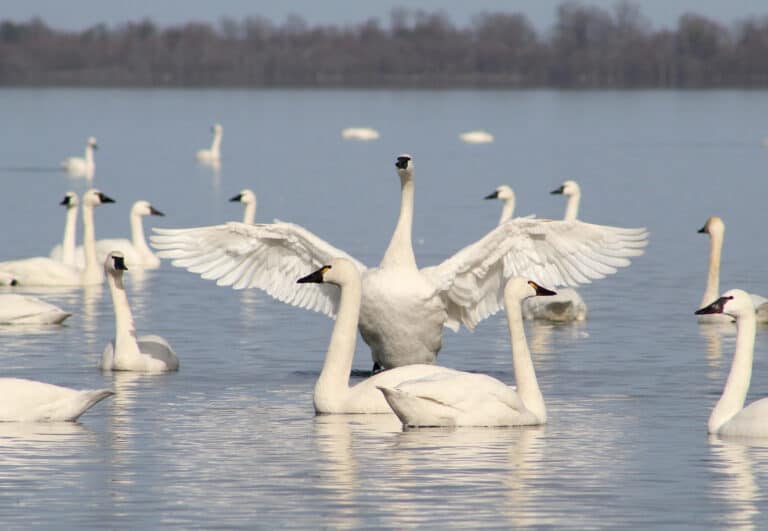
Bald eagle Osprey Moose Beaver Tundra swan (seasonal)

Prelude Lake Territorial Park

Small lake-centered park (generally <100 km²; size varies by mapping/source)

A classic boreal lake park on the Ingraham Trail with reliable sightings of loons, waterfowl, and forest mammals; valuable accessible nature-viewing close to Yellowknife.

Common loon Beaver Moose Red fox Bald eagle

Wildlife Refuges

Thelon Wildlife Sanctuary

~52,000 km² (approx.; very large, remote sanctuary)

One of North America's great wilderness sanctuaries, created to protect wildlife of the Barrenlands; renowned for tundra rivers, calving areas, and exceptionally intact Arctic ecosystems.

Muskox Barren-ground caribou Grizzly bear Gray wolf Peregrine falcon

Kendall Island Bird Sanctuary (Migratory Bird Sanctuary)

~600+ km² (approx.; sanctuary boundaries include coastal wetlands/islands)

Key Beaufort Sea coastal wetlands and islands that support dense nesting and staging concentrations of migratory birds during the short Arctic summer.

Snow goose Tundra swan Black brant King eider Arctic tern

Anderson River Delta Migratory Bird Sanctuary

~816 km²

Highly productive Arctic delta habitat important for nesting waterfowl and shorebirds; valuable staging area during migration along the western Arctic coast.

Tundra swan Greater white-fronted goose Northern pintail Red-throated loon Rough-legged hawk

Banks Island No. 1 Migratory Bird Sanctuary (Banks Island)

~300-400 km² (approx.)

Protects key Arctic nesting habitat on Banks Island used by geese and other migratory birds, complementing nearby Aulavik National Park ecosystems.

Snow goose Ross's goose Black brant King eider Snowy owl

Wilderness Areas

  • Great Bear Lake watershed and surrounding roadless boreal shield (one of Earth's largest intact freshwater-and-forest landscapes)
  • Mackenzie Mountains backcountry (including remote headwaters feeding the Mackenzie system; prime habitat for mountain ungulates and large carnivores)
  • The Barrenlands east and northeast of Great Slave Lake (major caribou range and tundra river systems with minimal infrastructure)
  • The Arctic Coastal Plain and Beaufort Sea coastline (critical for migratory birds and Arctic marine-terrestrial linkages)
  • Remote interior of Banks Island beyond park/sanctuary boundaries (expansive tundra supporting muskox and Arctic predators)
Animals

Wildlife

The Northwest Territories (NWT) spans a huge ecological gradient-from boreal forest and taiga plains through the Mackenzie Mountains to Arctic tundra and the Beaufort Sea coast-creating a wildlife experience defined by wide-ranging mammals, massive caribou migrations, rich freshwater fisheries (Great Bear and Great Slave lakes), and globally important migratory bird habitat (notably the Mackenzie Delta and Arctic coastal wetlands). Seasonality is extreme (midnight sun vs. polar night), and wildlife viewing is often about big landscapes, long-distance movements, and northern-adapted species.
~60-70 species (including marine mammals along the Beaufort coast) Mammals
~250-300 species (strongly seasonal; many are migratory breeders) Birds
~3 species (very limited by climate) Reptiles
~2-3 species (restricted to warmer southern/lowland areas) Amphibians
~60-70 species (freshwater-dominated; Arctic/marine influence near the Beaufort Sea) Fish
Examples

Iconic Species

Barren-ground Caribou Defining wildlife spectacle of the NWT: large migratory herds cross tundra and taiga, shaping predator-prey dynamics and sustaining Indigenous cultures and northern communities.
Muskox
Muskox A flagship Arctic grazer of tundra and polar desert landscapes; often encountered in the territory's northern mainland and Arctic islands/adjacent regions, symbolizing true High Arctic wildlife.
Polar Bear
Polar Bear An emblem of the Beaufort Sea coast; sea-ice dynamics drive where and when bears are seen, with denning and coastal foraging areas of major conservation interest.
Grizzly Bear
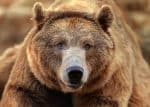
Grizzly Bear A top predator across tundra and mountains; viewing opportunities include open-country landscapes where bears forage on berries, ground squirrels, and ungulate carcasses.
Gray Wolf
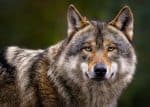
Gray Wolf Key predator associated with caribou and moose; the NWT's vast, intact ecosystems support natural wolf-ungulate relationships at large spatial scales.
Wood Bison
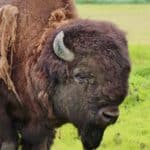
Wood Bison One of Canada's great conservation-recovery wildlife stories; the NWT hosts important free-ranging herds in boreal lowlands and river valleys.
Dall's Sheep A mountain icon of the Mackenzie Mountains; sought-after for sightings on steep alpine slopes and rugged river canyons.
Gyrfalcon The largest falcon and a true Arctic raptor; prized by birders, especially in tundra regions where it hunts ptarmigan and waterfowl.
Whooping Crane
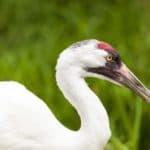
Whooping Crane The world's rarest crane is closely tied to the greater Wood Buffalo region (including NWT portions); its recovery is a marquee conservation success in northern wetlands.
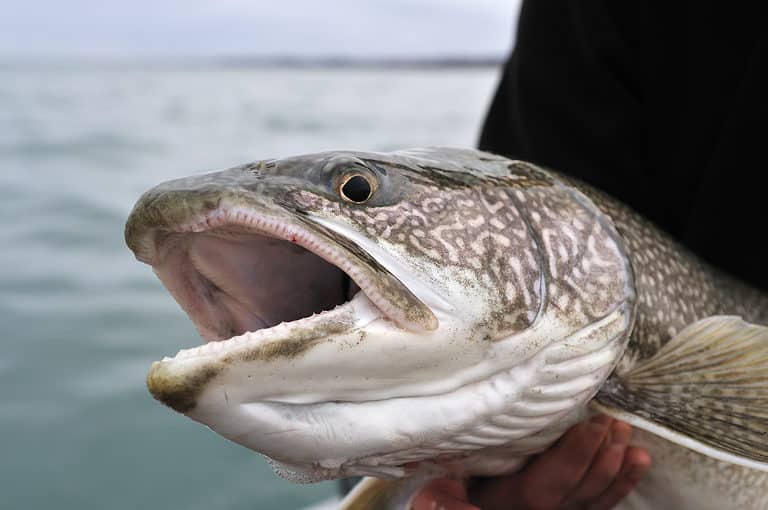
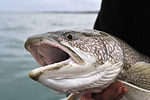
Lake Trout
Lake Trout Great Bear Lake and Great Slave Lake are legendary for coldwater fisheries; lake trout are a defining species for the territory's big-lake ecology and angling identity.

Endemic & Rare Species

Whooping Crane

Grus americana

Endangered (Canada/COSEWIC; also globally threatened)

The only self-sustaining wild migratory population breeds in the Wood Buffalo region (including NWT); the territory's wetlands are central to the species' global persistence.

Peary Caribou

Rangifer tarandus pearyi

Endangered (Canada/COSEWIC)

A High Arctic specialist associated with Arctic islands and polar desert/tundra; extremely vulnerable to icing events and rapid climate-driven habitat change.

Ivory Gull

Pagophila eburnea

Endangered (Canada/COSEWIC)

A sea-ice-associated gull of the High Arctic; declines are linked to sea-ice loss and contaminants, making NWT's Arctic realm important to monitoring and conservation.

Boreal Woodland Caribou

Rangifer tarandus caribou

Threatened (Canada/COSEWIC)

Occurs in portions of the NWT boreal forest; sensitive to habitat fragmentation and changing fire regimes, representing conservation challenges even in the North.

Wood Bison

Bison bison athabascae

Special Concern (Canada/COSEWIC); Threatened (Canada/SARA)

NWT supports major conservation herds; ongoing management addresses disease risks, genetics, and connectivity across large landscapes.

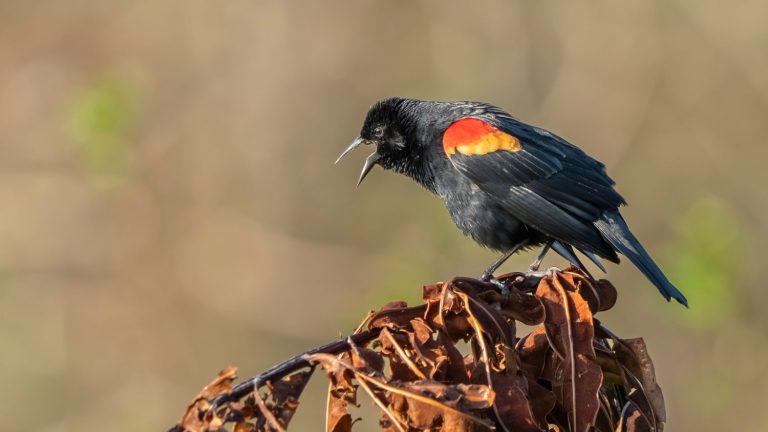
Rusty Blackbird

Euphagus carolinus

Special Concern (Canada/COSEWIC) / steep long-term decline

Breeds in northern wetlands and boggy forest; its decline makes NWT breeding habitats important for understanding and reversing population losses.

Notable Populations

  • Large migratory barren-ground caribou herds (e.g., Bathurst, Bluenose-East/West) historically among North America's great terrestrial migrations.
  • Whooping crane breeding grounds in the Wood Buffalo region (including NWT) underpin the only natural, self-sustaining migratory population.
  • Great Bear Lake and Great Slave Lake support nationally significant coldwater fish communities and renowned lake trout fisheries, with Great Bear Lake often cited for exceptional trophy-size lake trout.
  • The Mackenzie Delta and Beaufort Sea coastal wetlands are major migratory bird staging and breeding areas (waterfowl, shorebirds, and raptors).
  • Beaufort Sea coastal habitats are important for ice-associated marine mammals (e.g., beluga use of nearby waters; ringed seals as key prey supporting polar bears).

Recent Changes

  • Barren-ground caribou: several herds have experienced major declines over recent decades, leading to harvest restrictions and intensified co-management; some herds show intermittent stabilization but remain below historic levels.
  • Polar bears: ongoing sea-ice loss in the Beaufort region is changing seasonal distribution, body condition patterns, and human-bear interactions along coasts and communities.
  • Grizzly bears: increased use of tundra/coastal areas has been reported in parts of the western Arctic, consistent with broader northward range use under warming conditions.
  • Beavers: northward expansion and higher densities in some tundra/taiga transition watersheds are altering stream flow, wetlands, and fish habitat-an increasingly noted climate-linked ecosystem change.
  • Muskox: local population fluctuations, including disease-related die-offs in parts of the western Arctic in recent years, have raised concern for some herds.
  • Raptors (including peregrine falcon): broad recovery from mid-20th-century pesticide impacts continues to be reflected in healthier nesting success and distribution in many northern regions.
  • Wildfire and vegetation change: increased fire activity and shrubification in parts of the NWT are reshaping habitat availability for boreal species (e.g., woodland caribou) and some tundra-associated wildlife.
Visit

Wildlife Viewing

The Northwest Territories (NWT) offers big-sky wildlife viewing from boreal forest in the south to Arctic tundra in the north. Look for barren-ground caribou, muskoxen, Dall sheep, wolves, moose, and black bears, plus rich birdlife near Great Slave Lake, the Mackenzie River, and the tundra. Seasons bring long summer days, autumn migrations, winter tracks and northern lights, and spring returns.

Best Seasons

Spring (April-June)

A transition season with growing daylight and increasing animal activity. Late spring brings the return of migratory birds (waterfowl, shorebirds, raptors), excellent opportunities for seeing moose and beavers in open leads and wetlands, and fresh tracks on remaining snow. Road access improves as breakup progresses; conditions can be variable, especially farther north.

Summer (late June-August)

Peak wildlife travel season with near-constant daylight in the north. Best for paddling and boat-based wildlife viewing on rivers and big lakes, hiking in tundra/foothills habitat, and birding during nesting and brood-rearing. Expect mosquitoes and blackflies in many areas, especially near water and in calm weather.

Fall (September-October)

Crisp weather, fewer insects, strong photography light, and seasonal movement as birds migrate and mammals prepare for winter. A prime time for tundra scenery and spotting caribou (timing varies by region and year) and for raptor and waterfowl movements along lake and river corridors. Some lodges and remote services begin winding down later in the season.

Winter (November-March)

A quiet, dramatic season ideal for combining wildlife sign (tracks, trails, predator-prey stories on the land) with aurora viewing. Look for hardy residents such as ptarmigan, ravens, gray jays, and occasionally wolves along travel corridors. Guided snowmobile, ski, and ice-road/ice-lake excursions can add access, but daylight is limited and temperatures can be extreme.

Top Wildlife Experiences

  • Paddling and wildlife spotting on the South Nahanni River in Nahanni National Park Reserve (Dehcho): watch cliff faces for Dall sheep, scan gravel bars for bears and wolves, and look for raptors soaring over canyons.
  • Boat-based wildlife viewing on Great Slave Lake from Yellowknife or Hay River: seek waterfowl, loons, and gulls; watch for moose along reedy shorelines and beavers in sheltered bays (especially early/late in the day).
  • Muskox and tundra wildlife viewing along the Ingraham Trail (Highway 4) out of Yellowknife: explore rocky outcrops and open country for birds, foxes, and occasional large mammals; excellent for photographing northern landscapes and wildlife sign.
  • Birding and wetland watching in the Mackenzie River corridor around Fort Providence / Fort Simpson: prime habitat for migrating and nesting waterbirds; combine short hikes with riverbank scanning and dawn/dusk viewing.
  • Wildlife-focused hiking and panoramic scanning in Tuktut Nogait National Park (Inuvialuit Settlement Region): remote tundra landscapes with chances for barren-ground caribou, muskoxen, wolves, and exceptional Arctic birdlife (logistics require planning).
  • Canoe or motor-boat exploration in Wood Buffalo National Park (NWT/Alberta border): one of the world's key wetlands for whooping crane habitat (viewing is sensitive; follow all regulations and ethical guidelines) and outstanding bison and waterbird country in accessible zones.
  • Winter tracking safari near Yellowknife: travel by snowshoe/ski/snowmobile with a guide to interpret fresh tracks (wolf, fox, hare), look for ptarmigan and resident boreal birds, and pair with aurora nights for a classic NWT winter trip.

Wildlife Watching Types

Big mammal viewing (caribou, muskoxen, moose, bears, bison in appropriate regions) Predator tracking and sign interpretation (wolves/foxes; primarily winter and shoulder seasons) Birding hotspots (migratory waterfowl, shorebirds, raptors; tundra and boreal specialties) Boat-based wildlife viewing (lakes, rivers, deltas; excellent in summer) Paddling-based wildlife trips (canoe/kayak for quiet shoreline viewing) Tundra wildlife hikes (long sightlines for scanning and photography) Winter wildlife watching (tracks, hardy resident birds) combined with aurora trips Ethical/interpretive Indigenous-led nature and wildlife knowledge experiences (where available)

Guided Options

  • Parks Canada guided/interpretive programming in major park hubs when available (check seasonal schedules for Nahanni National Park Reserve and other Parks Canada sites).
  • Indigenous-led cultural and nature guiding in communities such as Yellowknife (Yellowknives Dene), Fort Simpson (Dehcho), and Inuvik/Tuktoyaktuk region (Inuvialuit), often combining wildlife viewing with traditional knowledge and land-based travel.
  • Outfitted floatplane-access wildlife and wilderness trips into Nahanni National Park Reserve (river expeditions and basecamp-style adventures).
  • Yellowknife-area aurora operators that offer daytime nature add-ons (short hikes, wildlife tracking, birding/photography outings) in shoulder and winter seasons.
  • Arctic tundra expedition outfitters supporting access to remote parks/regions (e.g., logistics for Tuktut Nogait National Park), typically involving charter flights, camping, and local guiding.
  • Wood Buffalo National Park visitor services and guided offerings in accessible areas (seasonal), plus local outfitters for paddling and wildlife photography trips-ensure whooping crane habitat rules are followed and viewing is done responsibly.
Habitats

Ecosystems

Northwest Territories spans boreal taiga, subarctic zones, Arctic tundra, and polar desert coasts and islands. Huge freshwater systems—Great Bear Lake, Great Slave Lake, and the Mackenzie River basin—plus widespread permafrost and strong seasonal light and temperature support migratory birds, caribou, muskoxen, predators, and cold-water communities. Fire, thawing permafrost, river floods, and sea ice shape these ecosystems.

Biomes

Boreal Forest (Taiga)

Dominant in the southern and central NWT as taiga forests (mainly spruce) with frequent fire cycles, extensive peatlands, and large river-and-lake networks.

Widespread across the southern/central mainland; roughly about half of the territory, grading northward into forest-tundra.

Tundra

Arctic and subarctic tundra with dwarf shrubs, sedge-moss meadows, lichen heaths, patterned-ground features, and extensive permafrost; includes forest-tundra transition and treeline ecotones.

Extensive across the northern mainland and Arctic islands/coastal plains; roughly about one-third to approaching half in the far north.

Alpine

High-elevation ecosystems in the western mountains (e.g., Mackenzie Mountains) with sparse vegetation, alpine tundra, talus slopes, and snowbed communities.

Localized in the western cordillera and higher uplands; small overall area but ecologically distinct.

Freshwater

Cold, oligotrophic lakes and large river systems (Mackenzie, Slave, Hay, Liard), with productive deltas (e.g., Mackenzie Delta) and critical fish habitat (lake trout, whitefish, Arctic char in some areas).

Ubiquitous as a dense network of lakes, rivers, and deltas across the territory; especially prominent in the Mackenzie basin and Great Bear/Great Slave regions.

Wetland

Peatlands (bogs and fens), floodplain marshes, and delta wetlands shaped by permafrost, fire history, and seasonal flooding; major breeding and staging habitat for waterfowl and shorebirds.

Widespread in lowlands and around large lakes/rivers; very extensive in the Taiga Plains/Shield and Mackenzie Delta region.

Marine

Arctic marine and coastal ecosystems along the Beaufort Sea and Arctic Archipelago waters, strongly structured by sea ice, polynyas, and short seasonal pulses of productivity.

Along the northern coastline and surrounding island waters; limited in area relative to land but regionally critical for marine mammals and seabirds.

Habitats

Coniferous Forest

Black spruce and white spruce taiga with lichen understories, muskeg, and fire-regenerated stands; common across Taiga Plains/Shield.

Woodland

Open spruce-lichen woodlands and sparse treeline stands in the forest-tundra transition, often interspersed with shrub tundra and wetlands.

Shrubland

Dwarf birch/willow shrub tundra and riparian shrub corridors, expanding in some areas with warming and disturbance; important browse for ungulates.

Tundra

Sedge-moss meadows, lichen heaths, and patterned-ground communities across the Low/High Arctic portions; key habitat for caribou, muskoxen, and ground-nesting birds.

Alpine Meadow

Herb- and graminoid-rich alpine patches and snowbed communities in mountainous areas, with short growing seasons and high wind exposure.

Mountain

Mackenzie Mountains and associated rugged uplands with elevational zonation from boreal foothills to alpine tundra, cliffs, and talus.

Cliff/Rocky Outcrop

Rock escarpments and canyon walls (including river valleys and mountain faces) that provide raptor nesting sites and specialized plant microhabitats.

Lake

Very large deep lakes (Great Bear, Great Slave) and countless smaller glacial/thermokarst lakes; generally cold, clear, and nutrient-poor with locally productive nearshore zones.

River/Stream

Major river corridors (Mackenzie and tributaries) with dynamic channels, floodplains, and migration routes for fish; riparian zones are biodiversity hotspots.

Pond

Shallow ponds and thermokarst features common in permafrost terrain, highly productive in summer and important for invertebrates and breeding birds.

Wetland

Extensive peatlands, fens, and seasonally flooded lowlands; major carbon stores and key waterfowl habitat.

Bog

Acidic, peat-accumulating bogs dominated by sphagnum and stunted spruce, widespread in the boreal lowlands.

Marsh

Floodplain and lakeshore marshes, especially in deltas and low-gradient river reaches, with strong seasonal variation in water levels.

Swamp

Wooded wetlands (often spruce/tamarack where present) in poorly drained areas of the southern/central mainland; less common north of treeline.

Coastal

Beaufort Sea coastal plains, barrier islands, and lagoons influenced by sea ice, storm surges, and permafrost; includes important nearshore feeding areas.

Beach

Gravel/sand spits and barrier beaches along the Arctic coast and some large lake shores; highly dynamic with storms and ice push.

Rocky Shore

Bedrock and boulder shorelines around large shield lakes and parts of the Arctic coast, with sparse vegetation and harsh exposure.

Open Ocean

Seasonally ice-covered Arctic waters supporting plankton blooms, seabirds, and marine mammals during the brief productive season.

Seabed/Benthic

Continental shelf and nearshore benthic habitats in the Beaufort Sea and archipelago channels; important for benthic invertebrates and fish.

Urban

Small, widely separated population centers (e.g., Yellowknife, Inuvik, Hay River) embedded within largely intact surrounding habitats.

Agricultural/Farmland

Very limited and localized due to climate and soils; small-scale operations mainly near southern communities and along some river corridors.

Ecoregions

WWF: Taiga Plains WWF: Taiga Shield WWF: Northern Canadian Shield taiga WWF: Arctic coastal tundra WWF: Arctic desert WWF: Northern Cordilleran forests (western mountains/foothills influence) MEOW/WWF Marine: Beaufort Sea (Arctic) MEOW/WWF Marine: Canadian Arctic Archipelago (Arctic ecoregion)
Protection

Conservation

Primary Threats

  • Warming in the Northwest Territories thaws permafrost, erodes shorelines, and makes ice roads unsafe. Sea-ice loss along the Beaufort affects polar bears and seals. Less snow and hotter, drier summers harm caribou and tundra and boreal habitat.
  • Diamond, gold, and base-metal mining cause local habitat loss, breaking up areas, traffic, noise, and long-lasting waste from rock and tailings. Impacts are focused around Lac de Gras and access corridors, adding up to make migratory caribou such as the Bathurst herd avoid infrastructure and change movements.
  • All-season roads, winter roads, airstrips, and expanding industrial corridors increase fragmentation and access. Increased access can elevate harvest pressure, disturbance, and predator movement efficiency (e.g., along linear features), and can disrupt migration routes for barren-ground caribou moving between tundra calving grounds and boreal winter ranges.
  • Long-range transported contaminants (e.g., mercury and persistent organic pollutants) accumulate in northern food webs, affecting fish, marine mammals, and people reliant on country foods. Local risks include spills and runoff associated with mines, fuel storage, and river transport on the Mackenzie system, as well as legacy contamination at some sites.
  • Subsistence harvest is central to NWT cultures and food security, but becomes a conservation pressure when vulnerable populations decline (notably some barren-ground caribou herds). Management challenges include coordinating harvest and recovery actions across jurisdictions because herds migrate between NWT, Nunavut, Yukon, and northern provinces.
  • In communities and industrial camps, conflicts include bears (grizzly and polar bear in coastal regions) attracted to waste, and wolves near settlements or travel corridors. Conflict responses can lead to lethal removals and can undermine tolerance, especially as changing ice and prey availability increase bear encounters near communities.
  • Changing climate and movement patterns can increase exposure to parasites and diseases (e.g., warble flies and other parasites in caribou; potential for novel pathogens moving north). Disease surveillance is challenging across vast, remote ranges, and outbreaks can be hard to detect early.
  • Aquatic invasives are a growing concern as shipping, road networks, and climate-driven range expansions increase the likelihood of introductions into major lake systems (Great Slave and Great Bear). Northern ecosystems can be highly sensitive to new competitors and pathogens, and prevention/rapid response is logistically difficult.
  • Commercial forestry in parts of the boreal south near communities can cut old and mature conifer forests, creating more early‑seral (young) habitats. This harms species needing mature forest and may worsen pressures on boreal caribou by changing habitat and predator‑prey balance.
  • Most NWT fisheries are relatively small-scale, but localized overharvest risk exists for long-lived species (e.g., lake trout) and for culturally important stocks (e.g., lake whitefish, inconnu) near communities. Climate-driven changes to ice regimes and productivity can make stocks more vulnerable, requiring conservative, community-informed management.
Fun Facts

Did You Know?

In summer, thousands of Eastern Beaufort Sea beluga whales crowd into the shallow, warmer waters of the Mackenzie River estuary-behavior linked to calving and skin-moulting (rubbing in silty shallows), not just feeding.

Arctic ground squirrels studied near Daring Lake (central NWT tundra) can let their core body temperature drop below freezing (about −3°C) during hibernation-yet avoid internal ice formation.

Great Bear Lake's lake trout aren't just 'big'-they include multiple distinct ecological "forms" (morphs) living at different depths and eating different prey, like several lifestyles evolving inside one lake.

Barren-ground caribou in the Northwest Territories make some of the longest land migrations on Earth, often traveling 1,500–2,500+ km round trip between forest winter areas and tundra calving grounds.

The Mackenzie River system supports inconnu (also called sheefish), a large, fast, predatory salmonid that looks like a whitefish but behaves more like a pike-an unexpected top hunter in a river better known for "whitefish" species.

Great Bear Lake is famous for giant lake trout-and it produced the IGFA all-tackle world record lake trout: 32.66 kg (72 lb 0 oz), caught in 1995.

Great Slave Lake (NWT) is the deepest lake in North America (~614 m), creating some of the continent's deepest cold-water freshwater habitat for fish such as lake trout and burbot.

Banks Island (NWT) has repeatedly been documented as one of the world's largest strongholds of muskoxen; aerial surveys in the early 2000s estimated on the order of 60,000+ animals on the island (numbers fluctuate with disease and winter severity).

Wood Buffalo National Park (spanning NWT-Alberta) contains the only natural nesting grounds of the remaining wild migratory whooping crane population-making this NWT parkland essential to the species' global survival.

The Bathurst barren-ground caribou herd (calving in/near the NWT tundra) was once among the world's largest caribou herds-peaking at roughly ~450,000 animals in the mid-1980s before major declines.

Animals Found in Northwest Territories

93 species documented in our encyclopedia

Thank you for reading! Have some feedback for us?