S
Species Profile

Slug

Stylommatophora

Mucus-powered recyclers of the land
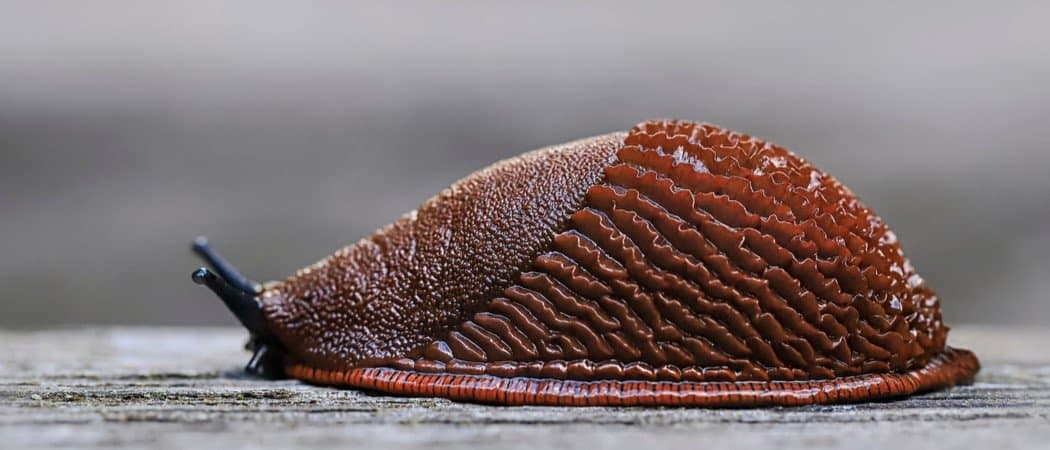
Marek Mierzejewski/Shutterstock.com
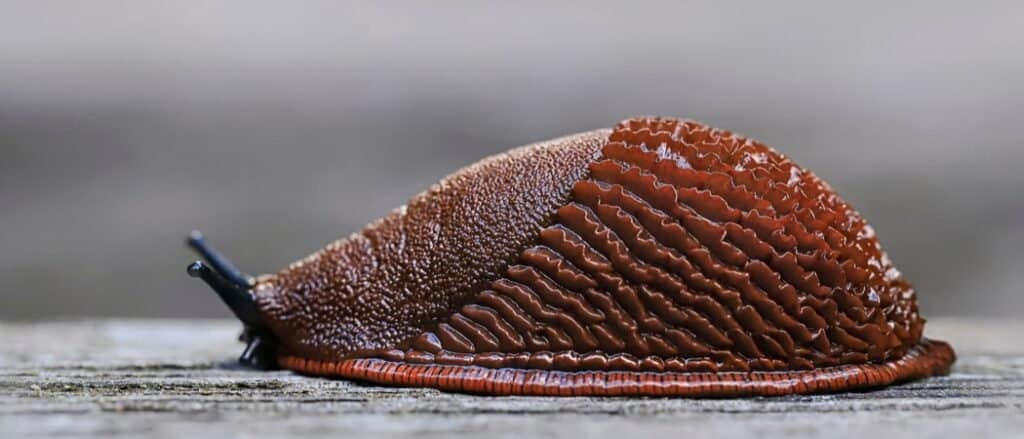
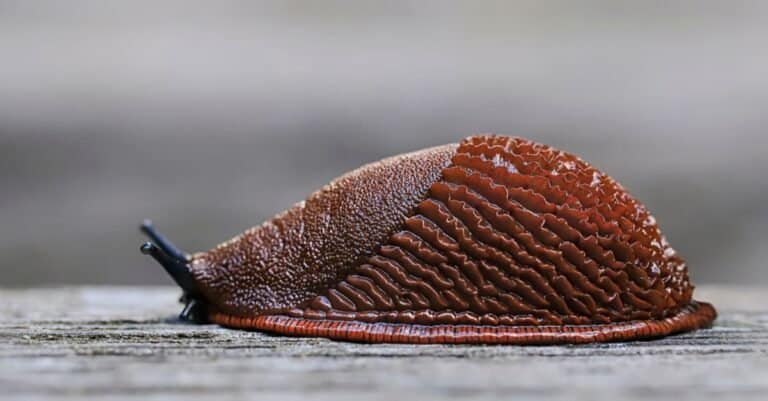
Spanish slug on wood

At a Glance

Order Overview This page covers the Slug order as a group. Stats below are general traits shared across the order.
Also Known As Garden slug, Naked snail, Shell-less snail, Pulmonate slug
Diet Omnivore
Activity Nocturnal+
Lifespan 24 years
Weight 0.15 lbs
Status Not Evaluated
Did You Know?

Size spans tiny species only ~5-10 mm long to giants approaching ~25-30 cm, depending on lineage and habitat.

Scientific Classification

Order Overview "Slug" is not a single species but represents an entire order containing multiple species.

Land slugs are shell-less (or reduced-shell) terrestrial gastropod mollusks in the order Stylommatophora. They are closely related to land snails and share key features such as air-breathing lungs and retractable eyestalks.

Kingdom
Animalia
Phylum
Mollusca
Class
Gastropoda
Order
Stylommatophora

Distinguishing Features

  • Soft-bodied terrestrial gastropods with no external shell (or only a small internal remnant)
  • Move on a muscular foot and secrete mucus for locomotion and moisture retention
  • Respire via a lung with a visible breathing pore (pneumostome) on the mantle
  • Eyes typically located at the tips of upper tentacles (stylommatophoran trait)
  • Herbivorous/detritivorous diets are common; some are omnivores or predators

Physical Measurements

Height
1 in (0 in – 2 in)
Length
3 in (0 in – 12 in)
Weight
0 lbs (0 lbs – 0 lbs)
Top Speed
0 mph
crawling

Appearance

Primary Colors
Secondary Colors
Skin Type Soft, extensible, mucus-coated integument with mantle region; surface may be smooth, wrinkled, or finely tuberculate/granular depending on lineage and hydration.
Distinctive Features
  • ORDER-LEVEL HUB (Stylommatophora): terrestrial, air-breathing gastropods; "land slugs" are shell-less or have a reduced internal shell across multiple families.
  • Measurements (broad range across slug-form stylommatophorans): adults roughly ~1 cm to >25 cm when fully extended; body width and mass vary greatly with hydration and contraction.
  • Lifespan (range across species): typically ~1-6+ years; many complete life cycles in ~1 year, while some larger/longer-lived taxa persist several years.
  • Body plan: muscular foot for gliding; head with two pairs of retractable tentacles (upper eyestalks, lower sensory tentacles).
  • Mantle and pneumostome: mantle forms a visible "shield" in many; a lateral pneumostome (breathing pore) opens/closes rhythmically for lung ventilation.
  • Mucus: copious slime reduces desiccation and aids locomotion; color/opacity can vary (clear to yellowish), and viscosity varies among taxa.
  • Ecology/behavior (general patterns with strong variation): mostly nocturnal/crepuscular in dry climates; more active by day in cool, wet habitats; activity strongly tied to humidity and temperature.
  • Feeding roles: many are detritivores/fungivores; others graze living plants/algae/lichens; some are omnivores or predators (e.g., hunting worms/snails) depending on lineage.
  • Human interactions (variable): some species are significant garden/agricultural pests; many are native endemics important to decomposition and soil nutrient cycling; not all are invasive or harmful.
  • Habitat breadth: leaf litter, logs, gardens, grasslands, montane forests, caves, and urban environments; microhabitat moisture is often more important than vegetation type.
  • Not to be confused with marine 'sea slugs' (nudibranchs and relatives), which are separate gastropod groups outside terrestrial Stylommatophora.

Did You Know?

Size spans tiny species only ~5-10 mm long to giants approaching ~25-30 cm, depending on lineage and habitat.

Lifespan varies widely: many live ~1-3 years, while some larger species can reach ~5-7 years under favorable conditions.

They breathe air with a lung-like mantle cavity; the breathing pore (pneumostome) opens on the right side in most species.

Stylommatophoran slugs are hermaphrodites; many exchange sperm, and some have elaborate courtship lasting hours.

Mucus isn't just "slime": different secretions aid climbing, reduce water loss, deter predators, and sometimes even glue attackers.

Not all are plant-eaters-some are omnivores or specialized predators on worms, other slugs/snails, and eggs.

Unique Adaptations

  • Shell reduction/loss paired with a strong mantle: frees body shape for squeezing into crevices, burrowing, and exploiting tight refuges (but increases reliance on moisture).
  • Retractable eyestalks (stylommatophoran hallmark): upper tentacles bear eyes; lower tentacles are rich in chemoreceptors for "smelling" food and mates.
  • Specialized mucus chemistry: a thin lubricating slime for locomotion plus thicker, often adhesive or distasteful secretions for defense; composition varies among lineages.
  • Water-balance adaptations: behavior (microhabitat choice), mucus layers, and tolerance for short-term dehydration help terrestrial life, though most remain moisture-dependent.
  • Tentacle regeneration: many can regrow damaged eyestalk tips, helping recover sensory function after injury.
  • Radula versatility: rasping tongue-like radula teeth are adapted across species for fungi, decaying plants, fresh leaves, or animal prey.

Interesting Behaviors

  • Moisture-driven activity patterns: many are nocturnal/crepuscular and hide by day under logs, leaf litter, stones, or soil; in wetter climates some are active by day.
  • Trail following and chemical communication: many detect and follow mucus trails, which can help with navigation, finding food, or locating mates.
  • Flexible diets across the order: common patterns include detritivory (rotting plant matter, fungi), herbivory (seedlings, leaves), scavenging, and predation-diet varies strongly by family and habitat.
  • Courtship diversity: some lineages perform extended tactile "dances," and a few can mate while suspended from a mucus thread; others mate more simply on the ground.
  • Defense behaviors: freezing, dropping from vegetation on a mucus line, vigorous body contortions, and copious sticky mucus that can gum up predator mouthparts.
  • Seasonal strategies: in dry/cold periods many shelter deep in litter/soil, reduce activity, and may seal themselves in with mucus to conserve water (estivation-like dormancy varies by species).

Cultural Significance

Slugs both break down dead plants in forests and fields and can be garden pests. They help teach and are studied for how they move, their senses, and sticky mucus. In the Pacific Northwest, banana slugs are cultural icons and mascots.

Myths & Legends

British and Irish folk medicine long used "slug syrup" or slug-infused preparations as a home remedy for coughs and chest complaints, a practice recorded in rural household traditions into the 19th-20th centuries.

English wart charms describe rubbing a slug on a wart and then killing or impaling the slug; as the slug shriveled, the wart was believed to fade-an example of sympathetic magic in European folklore.

In Japanese folklore about supernatural creatures, slug-like spirits appear and are used as a creepy-crawly motif in storytelling and art.

European weather lore in some regions treats increased slug activity as a sign of coming rain, reflecting their tendency to emerge in humid conditions and before/after showers.

Garden folklore across Europe and North America frames slugs as symbols of stealthy, nighttime "raiders," inspiring cautionary tales and proverbs about slow but persistent damage to crops and seedlings.

Conservation Status

NE Not Evaluated (order-level; individual Stylommatophora species range from LC to CR, with many DD/NE, especially endemics)

Has not yet been evaluated against the criteria.

Population Unknown

You might be looking for:

Nudibranchs (sea slugs)

25%

Nudibranchia

A major group of marine ‘sea slugs’ (shell-less opisthobranch gastropods), often brightly colored.

View Profile

Sea hares

12%

Aplysiidae

Large marine gastropods often called ‘sea slugs’; many can release ink-like secretions.

Sacoglossans (sap-sucking sea slugs)

8%

Sacoglossa

Marine ‘sea slugs’ that feed on algae; some retain functional chloroplasts (kleptoplasty).

Leatherleaf slugs

6%

Veronicellidae

A distinct family of tropical terrestrial slugs within Stylommatophora.

Life Cycle

Birth 50 hatchlings
Lifespan 24 years

Lifespan

In the Wild
3–84 years
In Captivity
6–96 years

Reproduction

Mating System Hermaphroditism
Social Structure Solitary
Breeding Pattern Transient
Fertilization Simultaneous Hermaphrodite
Birth Type Simultaneous_hermaphrodite

Behavior & Ecology

Social Aggregation Group: 5
Activity Nocturnal, Crepuscular, Cathemeral
Diet Omnivore Fungi and tender, moisture-rich plant tissues (seedlings/young leaves) are commonly favored, but preferences vary widely across Stylommatophora.
Seasonal Hibernates

Temperament

Generally non-aggressive and non-territorial
Cryptic and risk-averse; strong shelter-seeking under dry or bright conditions
Opportunistic foragers; competition increases at crowded food patches
Cannibalism or predation on eggs/juveniles occurs in some species
Stress-sensitive; activity and boldness vary strongly with humidity and temperature

Communication

none known
chemical signaling via mucus trails and pheromones Mate finding, trail following
contact/tactile cues using tentacles and body during courtship and rivalry
chemosensory assessment of food, conspecifics, and predators through substrate and air
possible vibration sensitivity from substrate-borne disturbances
visual signaling is limited; tentacle extension/withdrawal reflects arousal and threat

Habitat

Biomes:
Tropical Rainforest Tropical Dry Forest Savanna Desert Hot Desert Cold Mediterranean Temperate Grassland Temperate Forest Temperate Rainforest Boreal Forest (Taiga) Tundra Alpine Wetland Freshwater +8
Terrain:
Mountainous Hilly Plateau Plains Valley Coastal Island Riverine Volcanic Karst Rocky Sandy Muddy +7
Elevation: Up to 14763 ft 9 in

Ecological Role

Mesofaunal consumer spanning herbivory, detritivory, fungivory, and occasional predation within terrestrial ecosystems (variation across lineages).

accelerate decomposition by fragmenting leaf litter and consuming decaying plant material influence fungal communities through fungivory and spore dispersal via feces recycle nutrients and enrich soils through excretion and bioturbation of surface layers regulate some invertebrate populations (in predatory/omnivorous species) serve as prey for birds, amphibians, reptiles, small mammals, and predatory invertebrates, linking detrital/plant pathways to higher trophic levels

Diet Details

Other Foods:
Tender leaves and seedlings Fruits Fungi and fungal mycelium Algae and biofilms Lichens Decaying plant litter and rotting wood Animal feces and nutrient-rich detritus +1

Human Interaction

Domestication Status

Wild

Stylommatophora (land snails and slugs) have no real domestication history like farm animals. People often move slug species by accident (plants, soil, trade), making many pests in new places. Some slugs are kept briefly for school, to feed pets, or by hobbyists, but not bred as livestock.

Danger Level

Low
  • Parasite transmission risk in some regions if slugs/snails are ingested raw/undercooked or if slime contaminates produce (e.g., rat lungworm/Angiostrongylus spp. where present); severe illness is uncommon but can be serious in endemic areas
  • Food safety concern from contamination of raw vegetables and garden produce (mitigated by thorough washing and avoiding raw consumption of slugs/snails)
  • Allergic/irritant reactions are uncommon but possible with handling mucus in sensitive individuals
  • Indirect risks from pesticide/slug bait exposure (risk is primarily to pets/wildlife; humans at risk mainly through improper handling or accidental ingestion)

As a Pet

Suitable as Pet

Legality: Often legal to have locally, but laws depend on place and species. Many areas restrict moving non-native stylommatophorans (garden slugs/snails); permits, limits on wild collecting, and border rules may apply.

Care Level: Moderate

Purchase Cost: Up to $20
Lifetime Cost: $20 - $300

Economic Value

Uses:
Agriculture and horticulture (often negative impact as pests) Invasive species management and biosecurity Research and education (physiology, neurobiology, ecology, parasitology) Ecosystem services (decomposition, nutrient cycling, food-web support) Bait/animal feed (limited, opportunistic) Biomaterials interest (mucus/slime studies for adhesion/lubrication)
Products:
  • Crop and ornamental plant losses; contamination of leafy greens/produce
  • Commercial slug/snail control products and services (baits, barriers, IPM programs)
  • Greenhouse/nursery sanitation and quarantine protocols
  • Laboratory and classroom cultures/observational specimens (species-dependent)
  • Scientific insights from mucus biomechanics and gastropod sensory/locomotion research

Relationships

Predators 8

Song thrush
Song thrush Turdus philomelos
Common blackbird Turdus merula
European hedgehog Erinaceus europaeus
Common shrew Sorex araneus
Common toad
Common toad Bufo bufo
Common frog
Common frog Rana temporaria
Worm-eating/slug-eating ground beetles Carabus nemoralis
Rove beetles
Rove beetles Ocypus spp.

Related Species 7

Marsh slug Deroceras laeve Shared Genus
Spanish slug Arion vulgaris Shared Order
Black slug Arion ater Shared Order
Yellow cellar slug Limax flavus Shared Order
Ash-black slug Limax cinereoniger Shared Order
Brown garden snail Cornu aspersum Shared Order
Roman snail Helix pomatia Shared Order

Ecological Equivalents 5

Animals that fill a similar ecological role in their ecosystem

Types of Slug

12

Explore 12 recognized types of slug

Grey field slug Deroceras reticulatum
Marsh slug Deroceras laeve
Leopard slug Limax maximus
Ash-black slug Limax cinereoniger
Yellow cellar slug Limax flavus
Spanish slug / Iberian slug Arion vulgaris
Black slug Arion ater
Greenhouse slug Ambigolimax valentianus
Tree slug (North America) Lehmannia marginata
Carolina mantleslug Philomycus carolinianus
Pacific banana slug Ariolimax columbianus
Tropical leatherleaf slug Laevicaulis alte

The classification of Slug refers to one of the 100s or possibly 1000s of species of gastropod mollusk found throughout the world.

The term slug is polyphyletic, meaning it applies to a group of organisms that are generally linked under one name based on their shared characteristics and not due to sharing a common ancestor. Many different species from several different taxonomic families share the common name of a slug. The name means any sort of terrestrial gastropod that does not have a shell or a mollusk having little to no shell. Other mollusks include oysters, squid, and clams. Though slugs are not poisonous, they do often carry parasites that can be harmful to pets and humans.

5 Incredible Slug Facts!

  • They have a top speed of .3km/hr
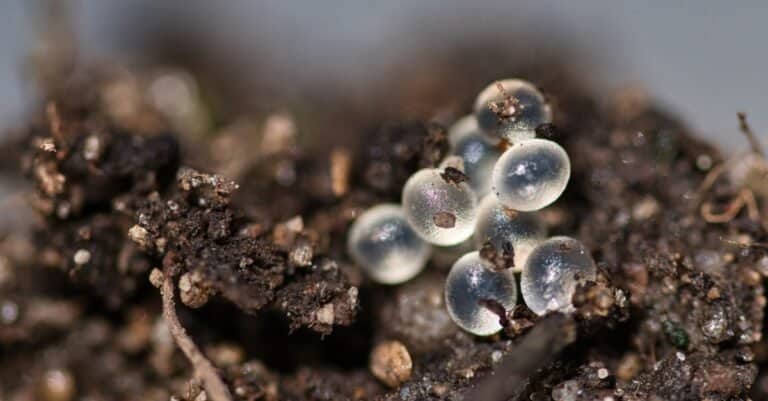
  • Slugs can lay up to 500 eggs per year
  • Slugs are hermaphrodites, so any slug can lay eggs
  • The body of their body is called a foot
  • Exist both on land and in the sea

You can check out more incredible facts about slugs.

Slug Species, Types, and Scientific Name

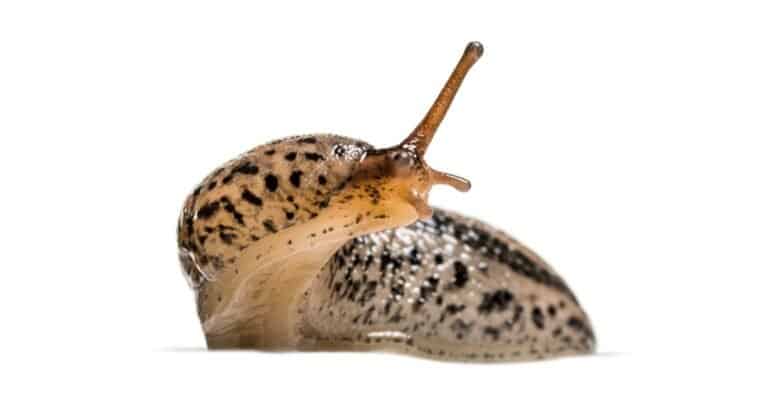
The common name and classification of slug refer to so many different animals, it would be impossible to list them all here. Some common species of slug include the Garden (Arion hortensis), the Banana (Ariolimax), the Leopard (Limax maximus), the Black (Arion ater), and the Kelly Slug (Geomalacus maculosus). Generally, they are referred to by the common scientific name Gastropod.

Appearance: How To Identify Slugs

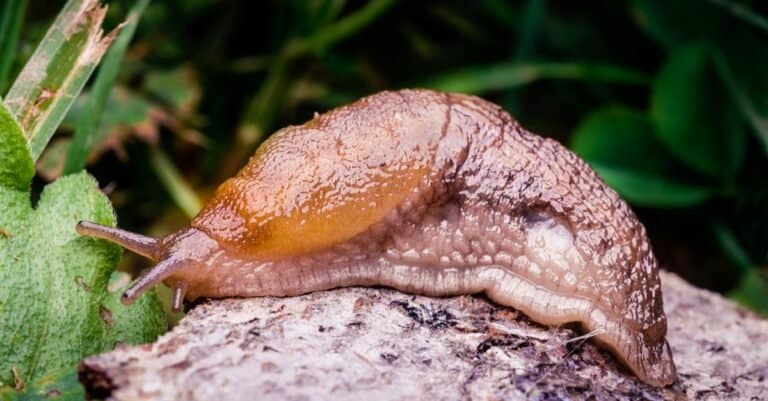
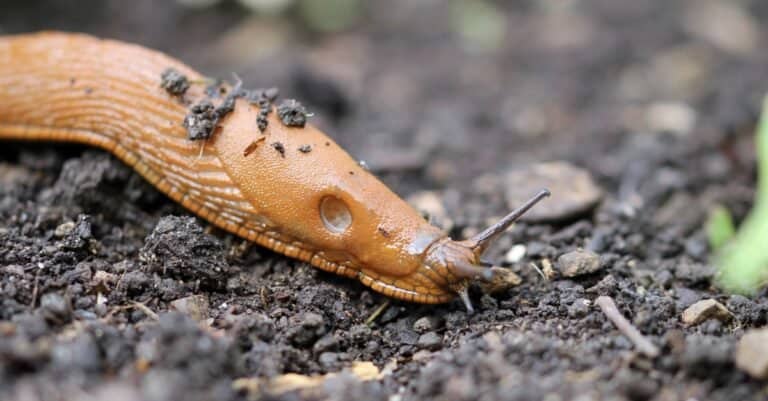
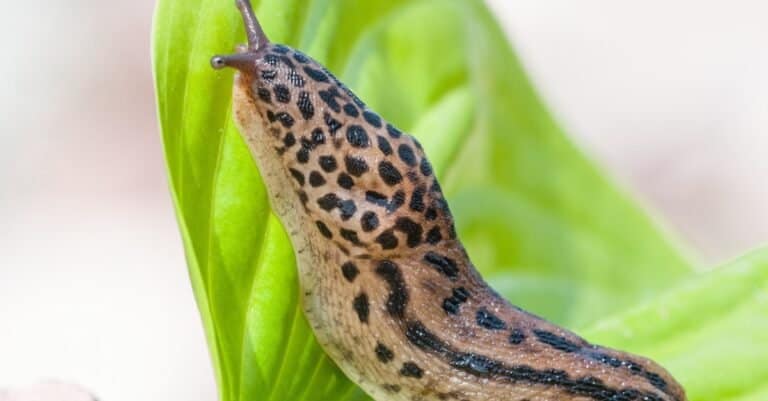
These gastropods can be anywhere between half an inch to several inches long. They are typically oblong, being thicker in the center and tapered at each end. They have tentacles that look like antennae, on which they have eyes. They have a slimy, gelatinous appearance and feel to them. They may be a color similar to lawn debris, including gray, green, brown, black, and yellow. A very few species can even be red or orange. Some have dots or other patterns on their skin. They leave slime trails behind them which are often visible even when the creatures themselves are undetected.

“Slug vs Snail”

The primary difference between a slug and a snail is that a snail has a spiral-shaped shell into which its body can often retract, though this is not true of all species. Snails have a coiled body, whereas a slug’s body is straight. They both have eyes on stalks and they both travel on slime.
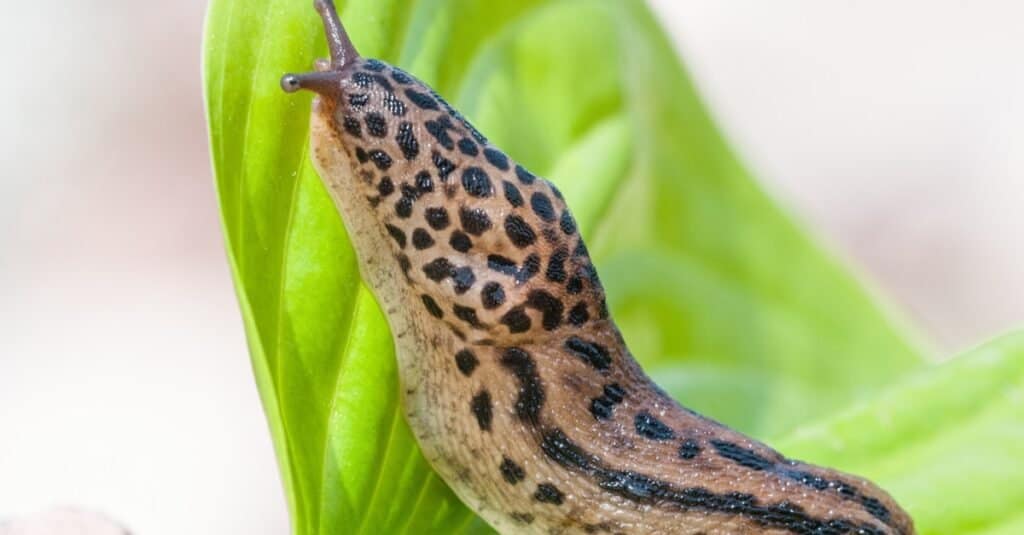
Leopard slug on a hosta leaf.

Leopard slug on a hosta leaf.

Habitat: Where to Find Slugs

These slimy critters can be found all over the world. They are commonly found in damp areas, such as under rocks, logs, and ground debris. They will also hide under raised planters and decks. When foraging, they can be found on porches and even climbing on containers, especially if food is kept inside. They like feeding on plants and debris and so will be found anywhere those can be found.

Diet: What Do Slugs Eat?

Most species of these mollusks are omnivores, feeding on both plants and animals, but there are also herbivorous and carnivorous types. Some are even detritivorous, meaning they consume only plant and animal waste. The majority of species eat mostly plant matter, but they will also sometimes consume worms, snails, or the remains of dead animals. Some can also be found feeding on fungus.

If you’ve ever wondered what slug poop looks like, check out this article on everything related to slug poop.

Prevention: How to Get Rid of Slugs

Getting rid of these once they’ve invaded is a tough proposition. Many of the commonly used methods are either dangerous for humans and pets or actually result in drawing more of the creatures to the area because of the smell of dead slugs. Beer traps are often recommended as a home remedy, but this too draws in more animals than it kills. Though salt will kill a gastropod this is not a recommended practice.

The best way to truly rid a garden of slugs is to bring in a predator, such as chickens, ducks, or turkeys. If that is not an option, the best solution is likely collecting them in plastic bags and putting them in the freezer before disposing of them in a covered trash bin. This isn’t a nice solution, but it decreases the smells that will attract new ones and is not dangerous to other wildlife. Alternatively, protect the garden itself with copper mesh and tape or slug-proof plant covers.

View all 391 animals that start with S

Sources

  1. ITIS / Accessed September 29, 2021
  2. Britannica Kids / Accessed September 29, 2021
  3. Natural History Museum / Accessed September 29, 2021
  4. RSPB / Accessed September 29, 2021
  5. David Domoney / Accessed September 29, 2021
  6. Corry's / Accessed September 29, 2021
  7. Pets on Mom / Accessed September 29, 2021
  8. Wikipedia / Accessed September 29, 2021
  9. India Today / Accessed September 29, 2021
  10. Wonderopolis / Accessed September 29, 2021
  11. Slug Help / Accessed September 29, 2021
  12. The English Garden / Accessed September 29, 2021
  13. Discover Wildlife / Accessed September 29, 2021
  14. Oregon State University / Accessed September 29, 2021
  15. The Living World of Molluscs / Accessed September 29, 2021
  16. Pest Control / Accessed September 29, 2021
  17. Country Life / Accessed September 29, 2021
A-Z Animals Staff

About the Author

A-Z Animals Staff

AZ Animals is a growing team of animals experts, researchers, farmers, conservationists, writers, editors, and -- of course -- pet owners who have come together to help you better understand the animal kingdom and how we interact.
Connect:

Thank you for reading! Have some feedback for us?


Slug FAQs (Frequently Asked Questions)

They are not poisonous, but they do carry parasites that are harmful to pets and sometimes humans.