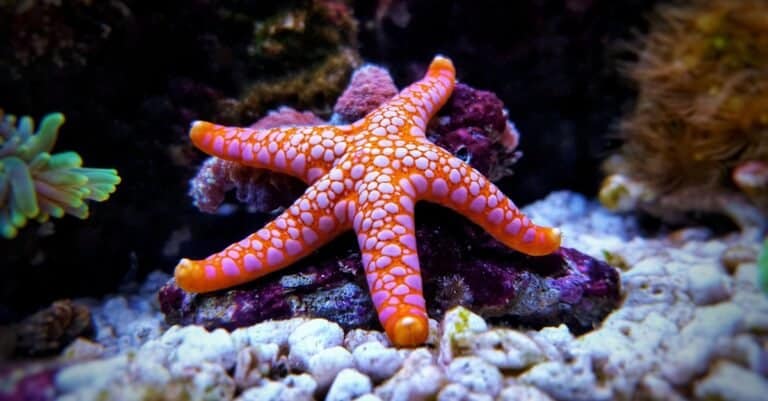
Starfish
Hydraulic feet, star-shaped predators

Hydraulic feet, star-shaped predators
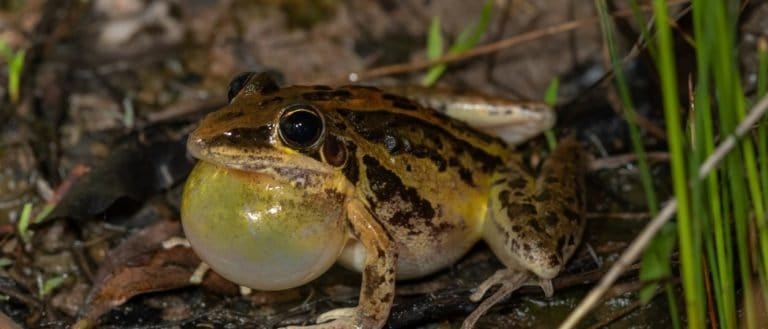
Built for leaps. Striped for stealth.
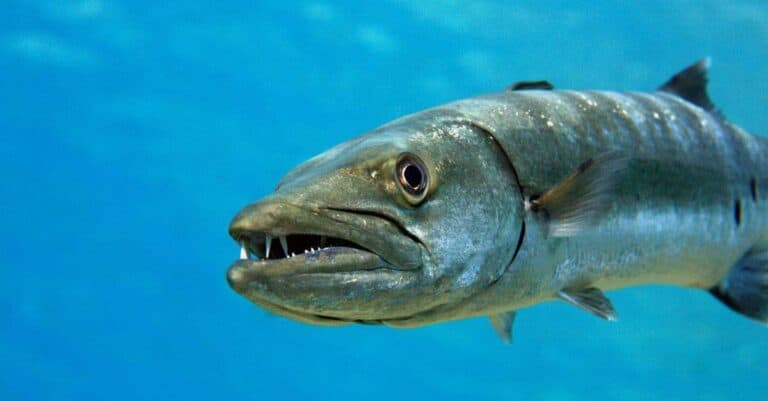
Silver speedsters with a bite
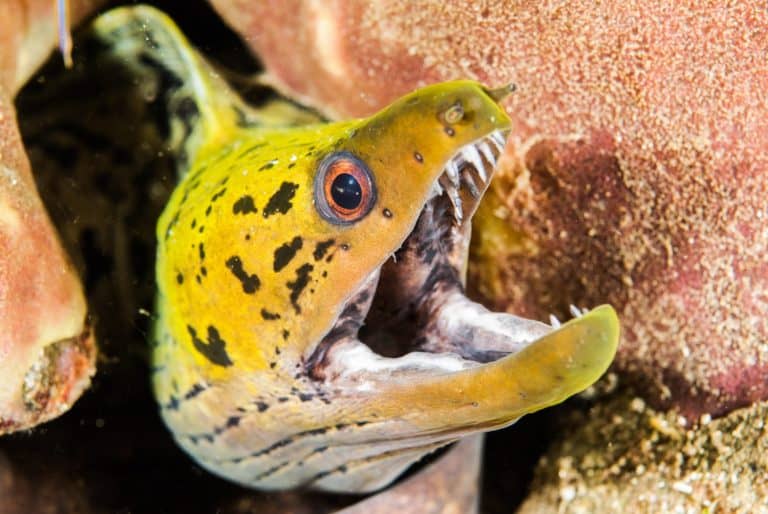
Crevice kings with a second bite
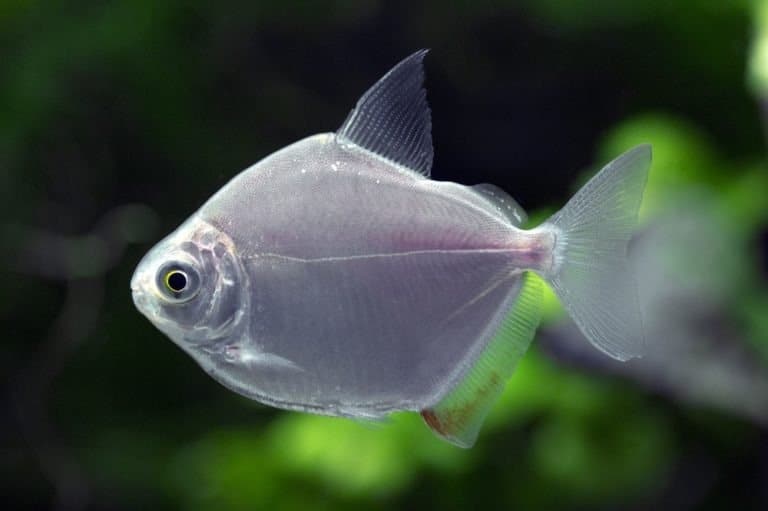
Peaceful schoolers, ruthless on plants
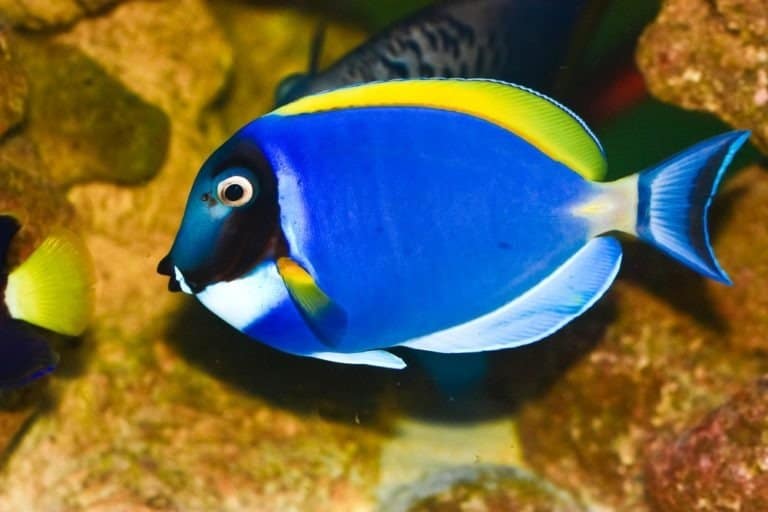
Reef gardeners with a hidden blade
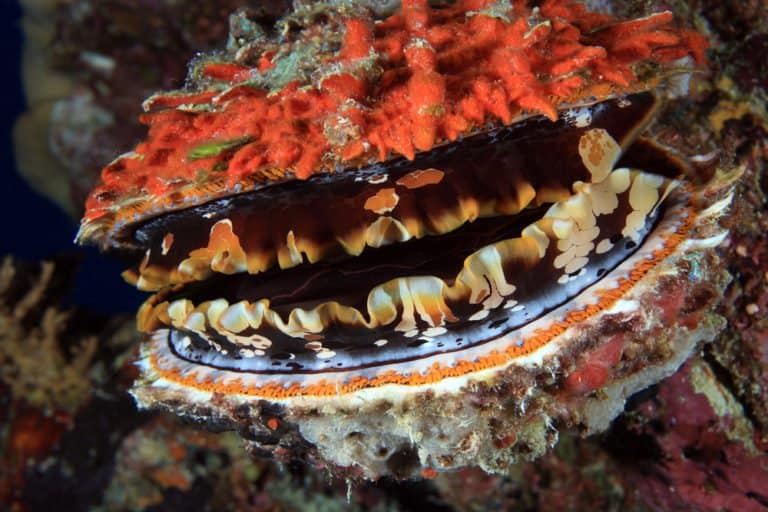
Reef builders that clean the coast
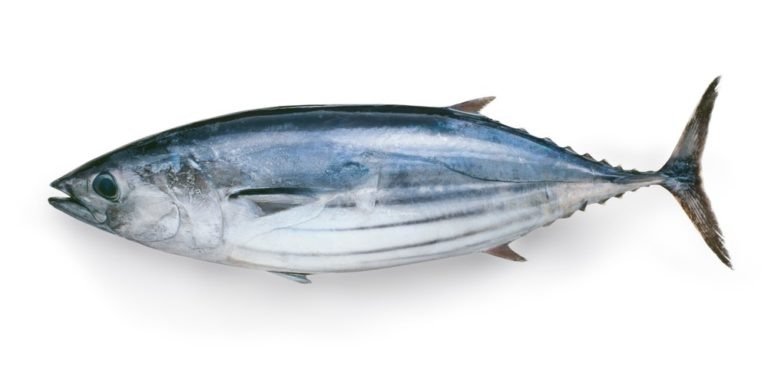
Speedy stripes, ocean hunters.
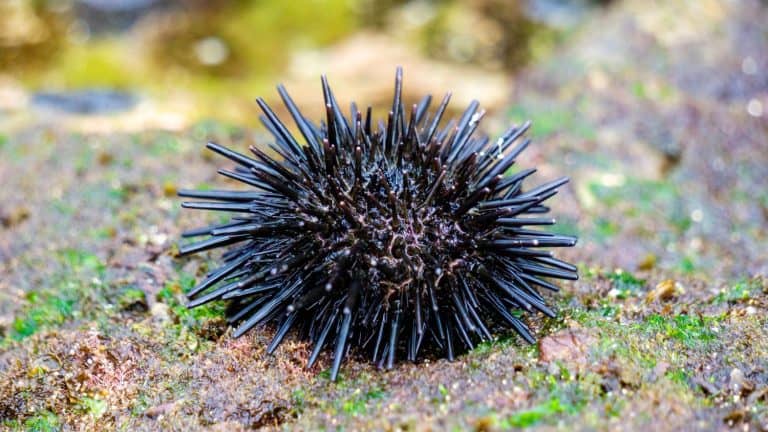
Spines, jaws, and ocean power
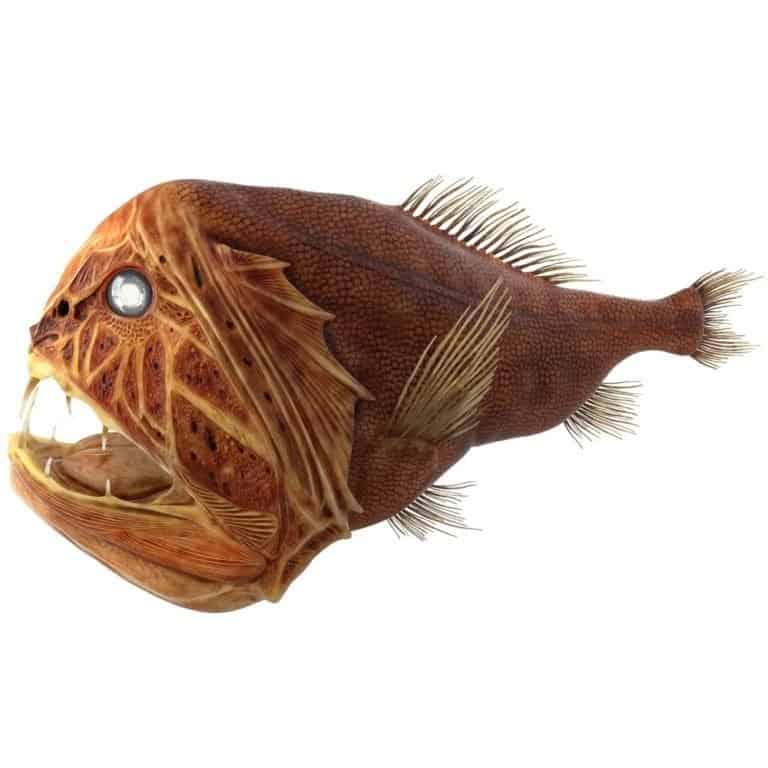
Small fish. Huge fangs. Deep sea.
Broadcast spawning is an external fertilization reproductive mechanism in which adults release eggs and sperm into the surrounding water, where fertilization occurs in the water column. Successful reproduction depends on gamete encounter outside the body, often facilitated by synchronized release events.
Broadcast spawning is when adults release many eggs and sperm into the water. Spawning often happens at the same time, cued by moon phase, temperature, tides, or day length. Fertilization is external; embryos become planktonic larvae before settling. Because gametes can be diluted or eaten, species produce many and spawn together. Common in corals, sea urchins, bivalves, fish, and algae.
Found across: Cnidarians (e.g., many corals), Echinoderms (sea urchins, sea stars, sea cucumbers, crinoids), Mollusks (many bivalves such as oysters, clams, mussels; some gastropods), Annelids (some marine polychaete worms), Chordates-Fishes (many marine fishes; some freshwater fishes use external fertilization in open water or over substrate)
Some "broadcast spawners" don't actually scatter single cells: many reef-building corals release buoyant bundles-little packets containing eggs and sperm-that float to the surface and then break apart, concentrating gametes instead of diluting them.
Spawning can be synchronized to astonishing precision (often linked to temperature, sunset timing, tides, and lunar cycles). In some coral reefs, dozens to hundreds of species can spawn within a few nights each year, turning timing into a reproductive "password."
Broadcast spawning is a high-stakes numbers game: most eggs and sperm never meet (or are eaten), so success often depends more on synchronized crowd behavior and sheer quantity than on individual "mate choice."
Even though fertilization happens outside the body, there's still a form of chemical compatibility screening: eggs of many broadcast spawners release chemical cues that attract or activate sperm, and species-specific recognition proteins help prevent cross-species fertilization in a crowded water column.
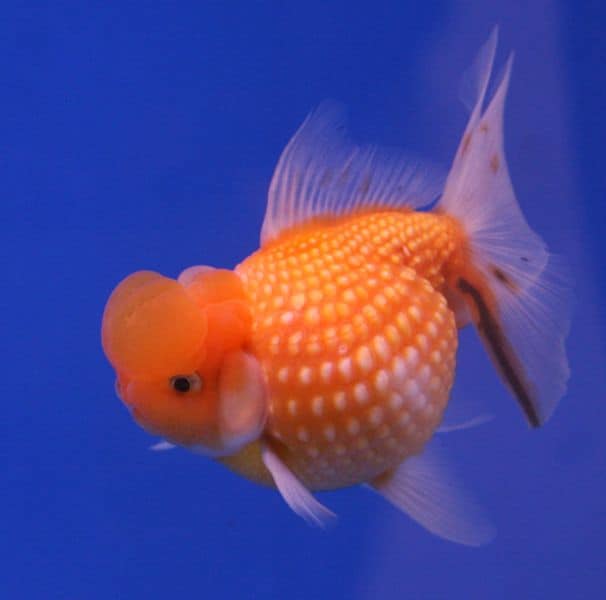
Bony rays, endless ways.
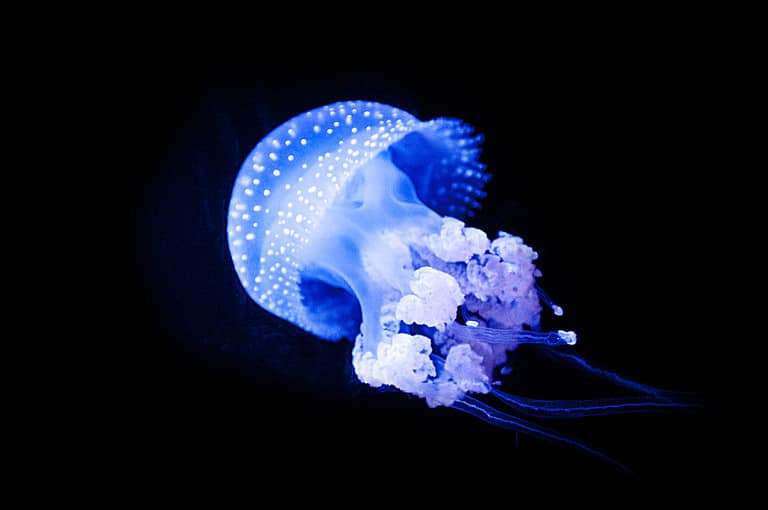
Sting-powered drifters of the sea
Hydraulic feet, star-shaped predators
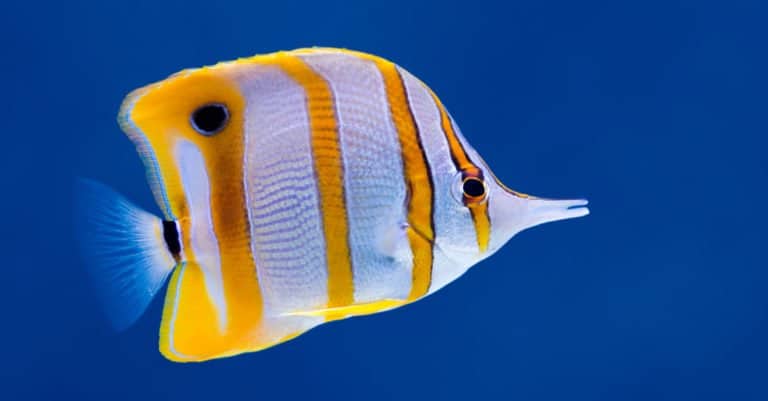
Color-coded courtiers of the coral reef
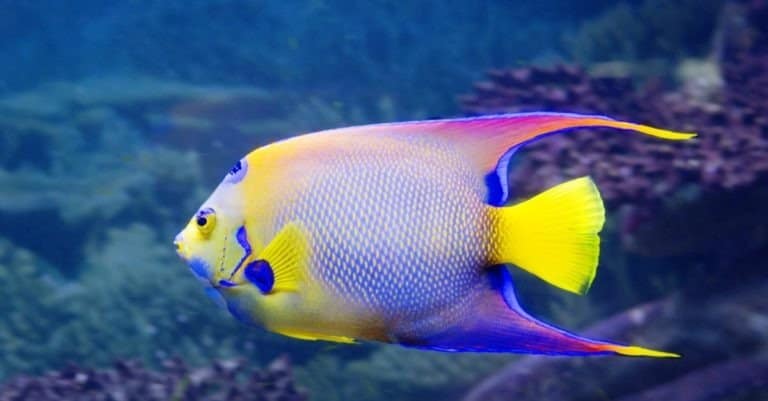
Reef royalty with a wardrobe change
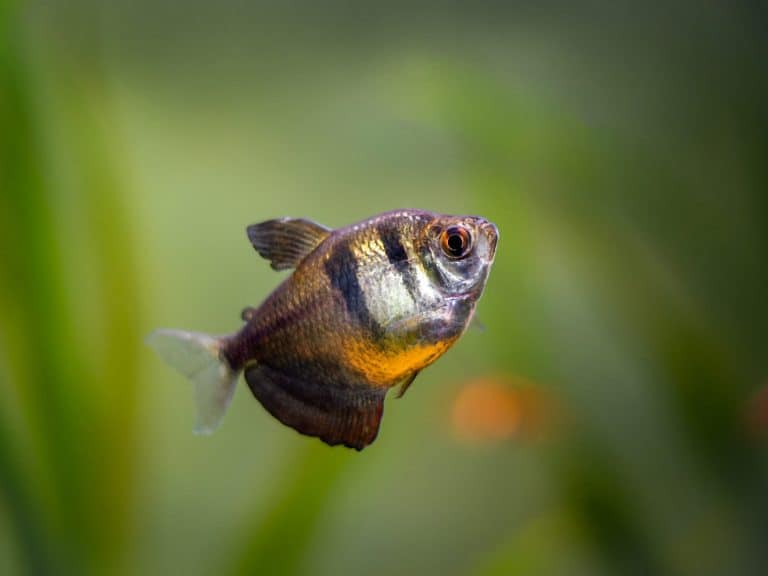
Tiny schools, huge diversity
Spines, jaws, and ocean power
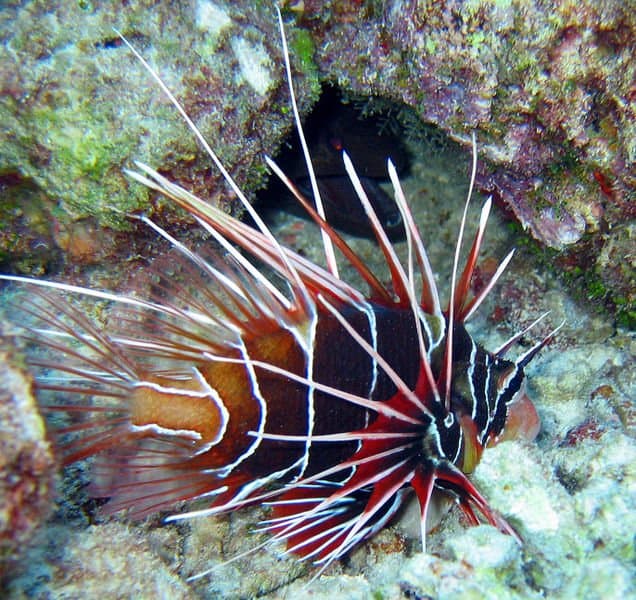
Beauty with a sting.
Reef gardeners with a hidden blade
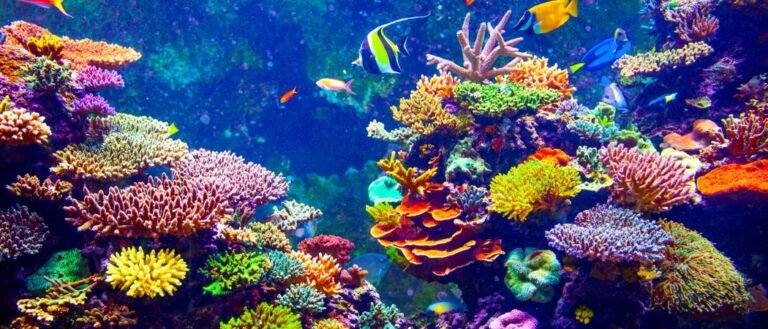
Tiny polyps, massive oceans
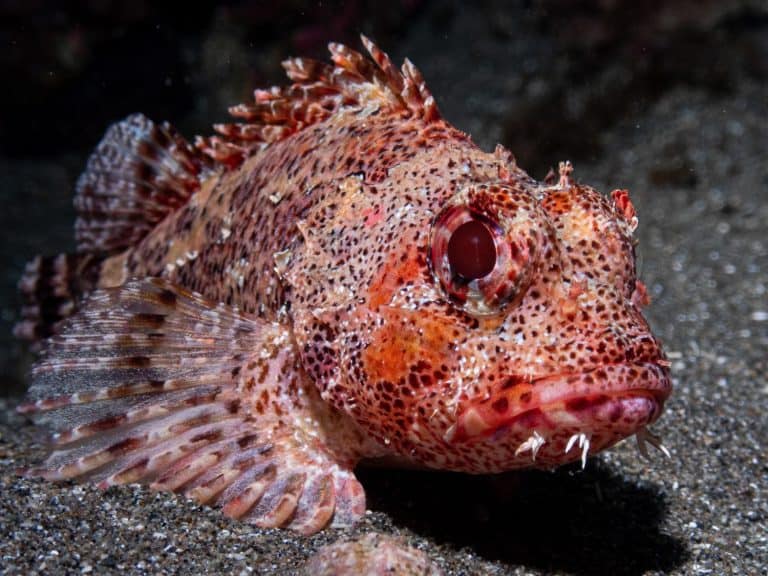
Beautiful camouflage, serious spines.
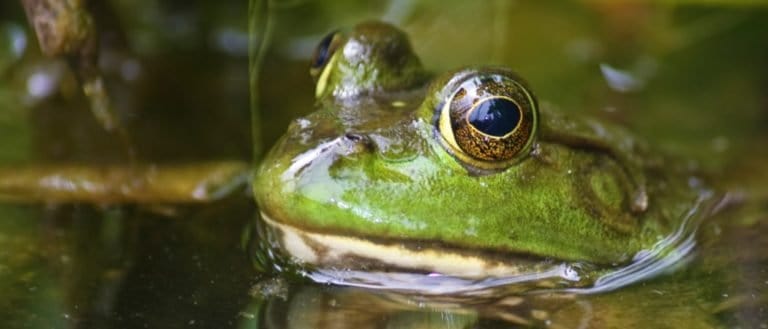
Big frog. Bigger boom.
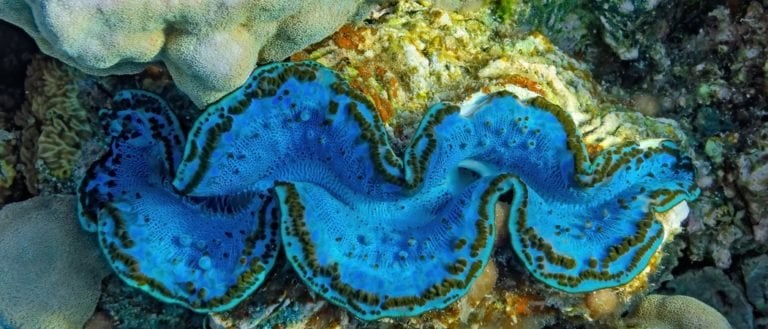
The clam that runs on sunlight.
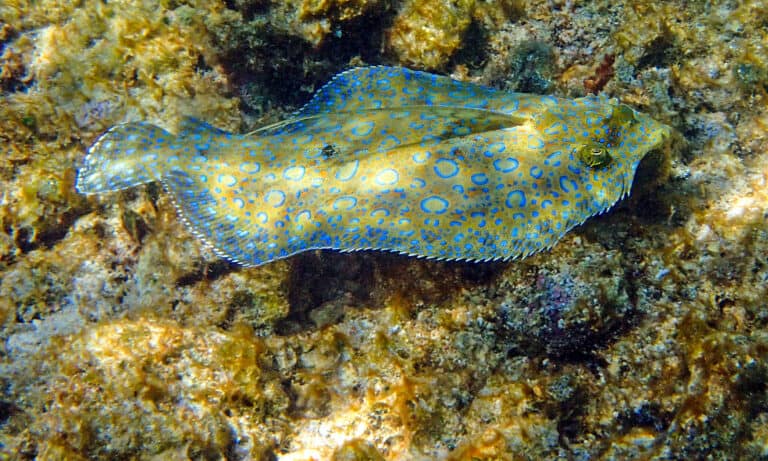
Two eyes, one side-seafloor masters

Tadpole larva, siphon-powered adult
Crevice kings with a second bite
Reef builders that clean the coast
Silver speedsters with a bite
Peaceful schoolers, ruthless on plants
Built for leaps. Striped for stealth.
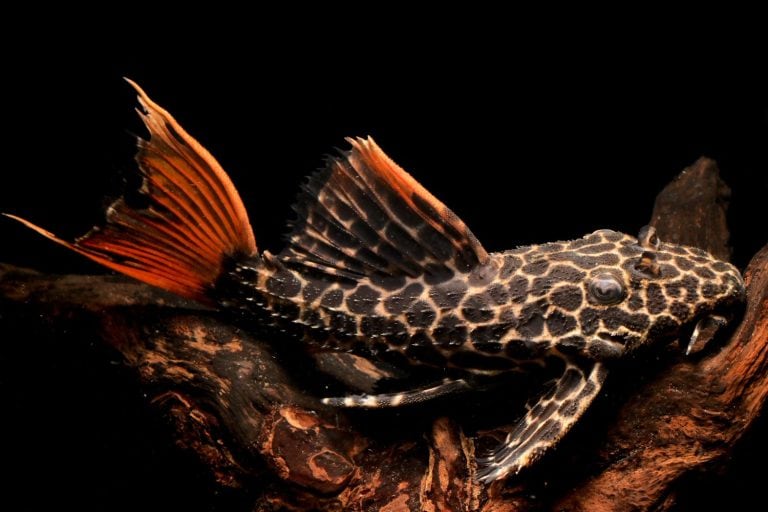
Bottom cleaners of North America's waters
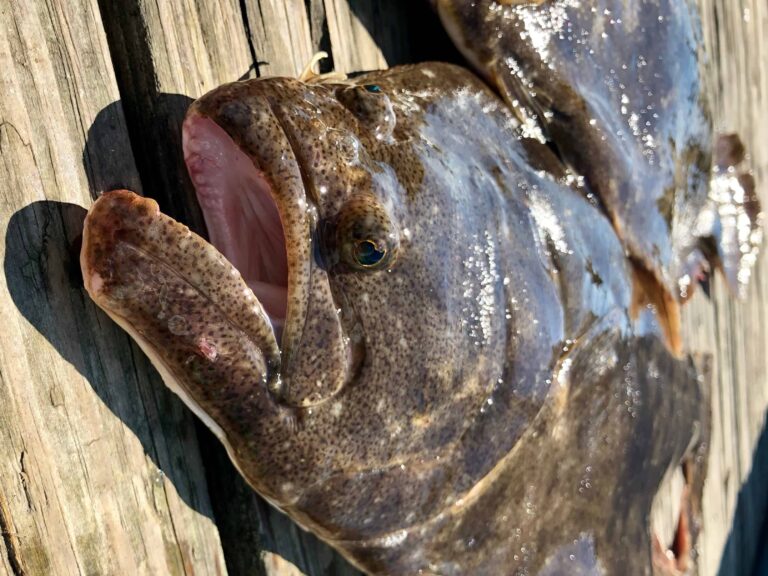
The fluke: seafloor stealth, summer bite.
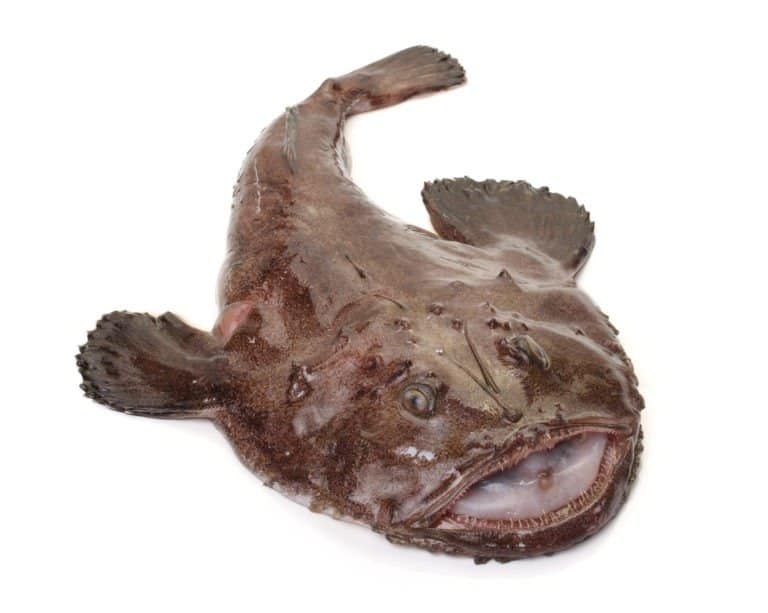
Big mouth. Hidden hunter.
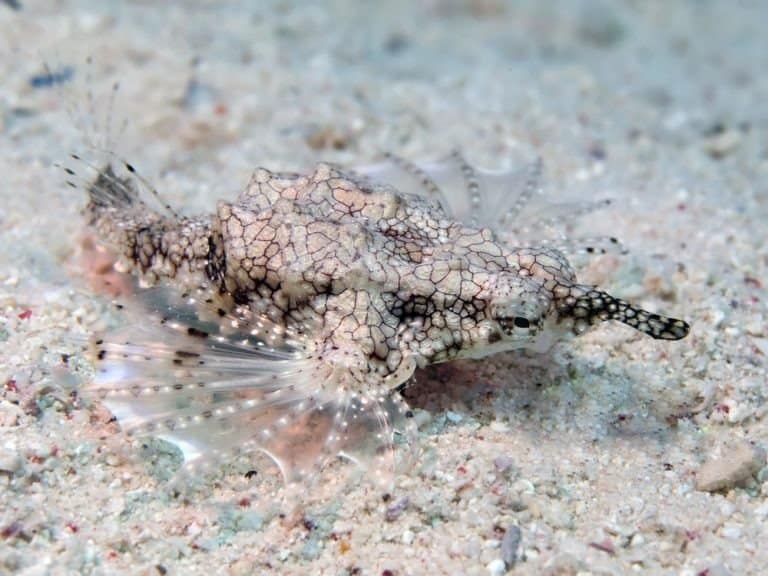
Tiny lanterns, giant teeth.
Thank you for reading! Have some feedback for us?
We appreciate your help in improving our content.
Our editorial team will review your suggestions and make any necessary updates.
There was an error submitting your feedback. Please try again.