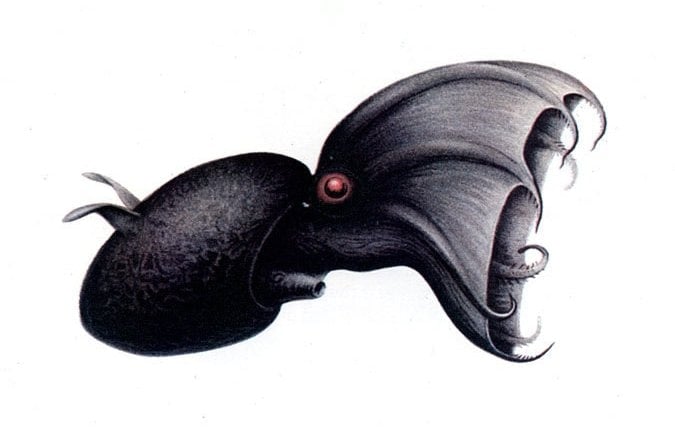
Vampire Squid
Deep-sea drifter, marine-snow harvester

Deep-sea drifter, marine-snow harvester

Camouflage, coveys, and quick takeoff
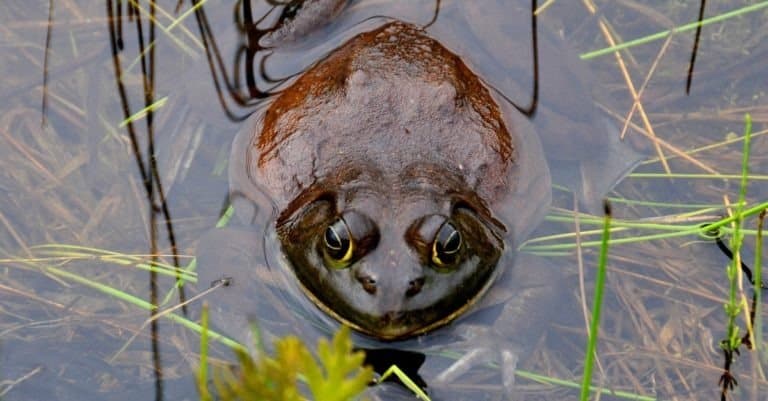
The rainforest river giant

Cuba's leaf-litter mini marvel
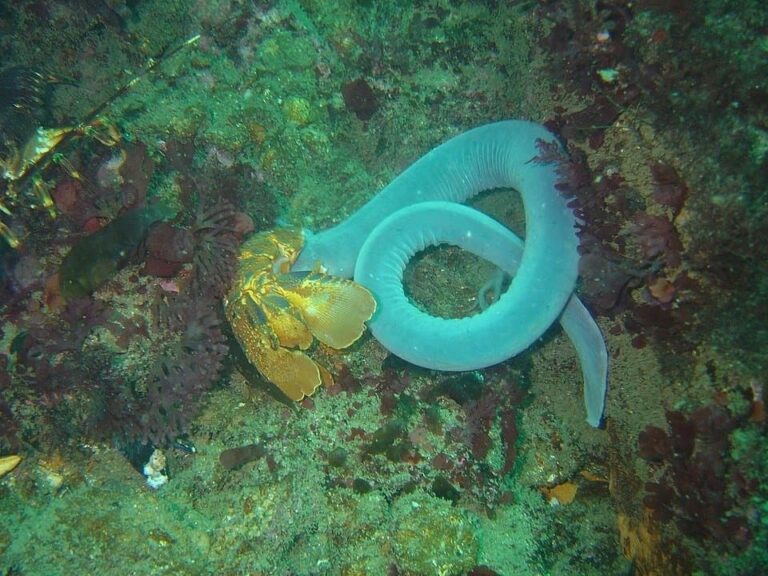
Slime, knots, and ancient jaws-none!

Striped shadow of the rainforest floor

The leaf-litter masters of the riverbed
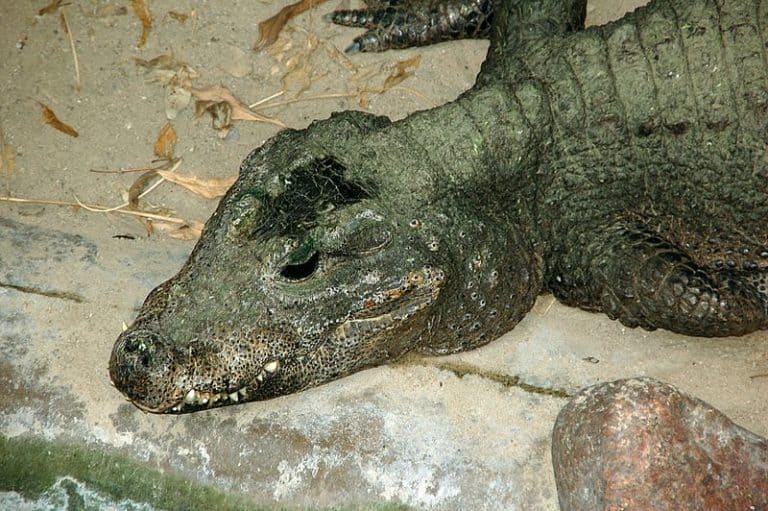
Small croc, big armor.

Not a lemur-nature's glide master
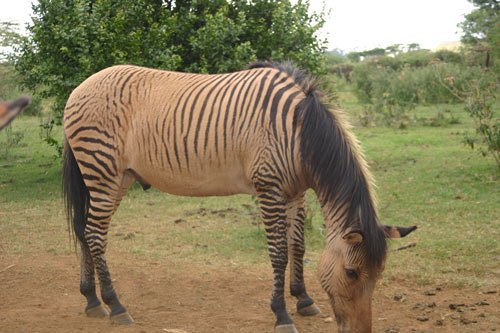
Half zebra, half horse-fully unique
"Data deficient" (mating system) indicates that there is currently insufficient reliable evidence to determine a species' typical pattern of who mates with whom (e.g., monogamy, polygyny, polyandry, promiscuity). It is a placeholder classification used until adequate behavioral, ecological, or genetic data are available.
Calling a species "data deficient" for its mating system means scientists cannot say how it pairs and breeds. This may be because courtship and mating are rarely seen, breeding happens in hard-to-reach places (night, trees, deep water, underground), or social groups do not match genetic parentage. Researchers use field observations in the breeding season, genetic parentage/kinship tests, and data on territoriality, mate guarding, breeding timing, sex ratios, and offspring to decide.
Etymology: From the English phrase "data deficient", meaning "lacking sufficient information"; widely used in scientific assessment contexts (for example, conservation status) to denote insufficient information. Adapted here to mating-system classification to indicate uncertainty rather than a distinct pattern.
Found across: Deep-sea cephalopods (squids and related taxa) with rare direct observation, Deep-sea elasmobranchs (sharks/rays) that are seldom encountered and hard to study behaviorally, Beaked whales and other pelagic marine mammals with low sighting rates and limited close observation, Cryptic rainforest mammals (small cats, rare ungulates, pangolins) where direct breeding observations are scarce, Subterranean/cave or highly nocturnal vertebrates (some salamanders, reptiles, small mammals) with limited behavioral datasets, Rare island endemics with small populations where baseline natural history (including mating structure) is incomplete
"Data deficient" doesn't mean "no mating system"-it means researchers *can't confidently classify it yet* because key evidence (behavioral observations, genetics, breeding context) is missing or too sparse.
A species can look monogamous in the field (paired adults, shared nests) but turn out genetically non-monogamous once parentage is tested-DNA has overturned "obvious" mating-system assumptions in many animals.
Mating systems can change with conditions: the same species may be monogamous when resources are scarce, but become more polygynous or promiscuous when food, space, or population density shifts-so limited sampling can easily mislead.
You often need multiple kinds of data to be sure: courtship and pairing behavior, who actually copulates with whom, and genetic parentage don't always match. Missing any one of these can leave the mating system effectively unclassifiable.
A "data deficient" label can hide a lot of complexity-some species have mixed strategies (e.g., long-term pairs plus occasional extra-pair mating), which requires large sample sizes to detect reliably.
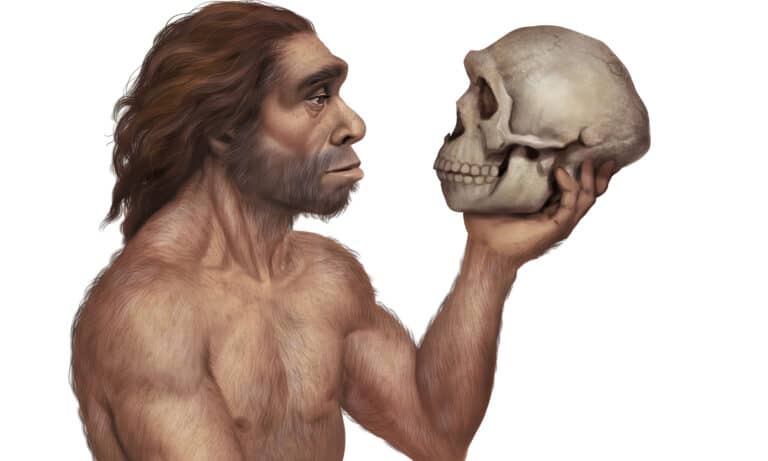
Not cavemen-Ice Age people

Spines out, trouble out
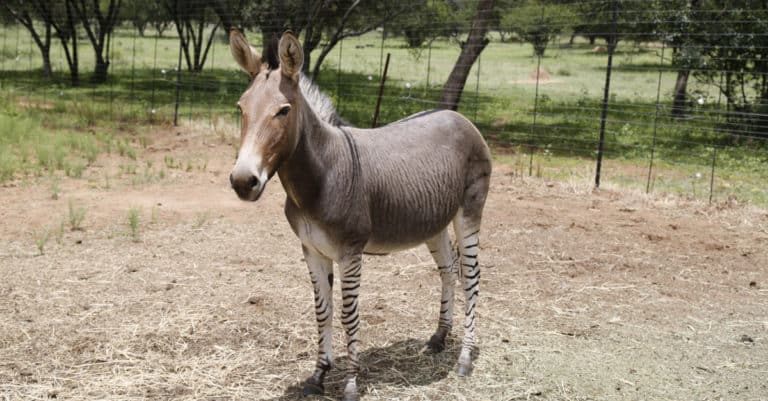
Half stripes, full attitude

Half lion, half tiger-fully astonishing
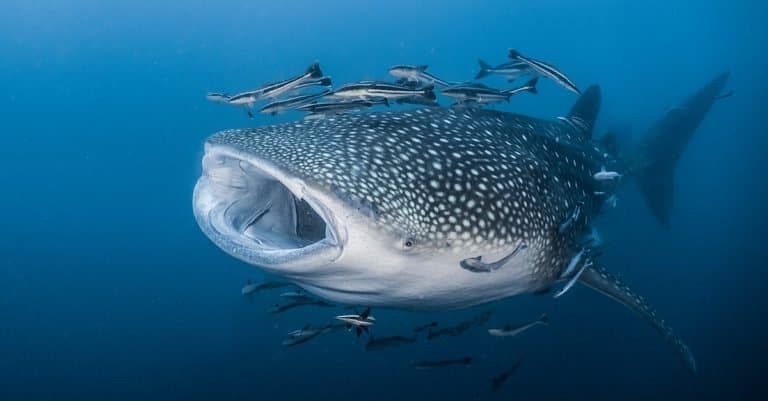
Spot the gentle giant of the seas

Big eyes. Bigger leaps.
Camouflage, coveys, and quick takeoff
Half zebra, half horse-fully unique

Dig deep. Emerge with the rain.
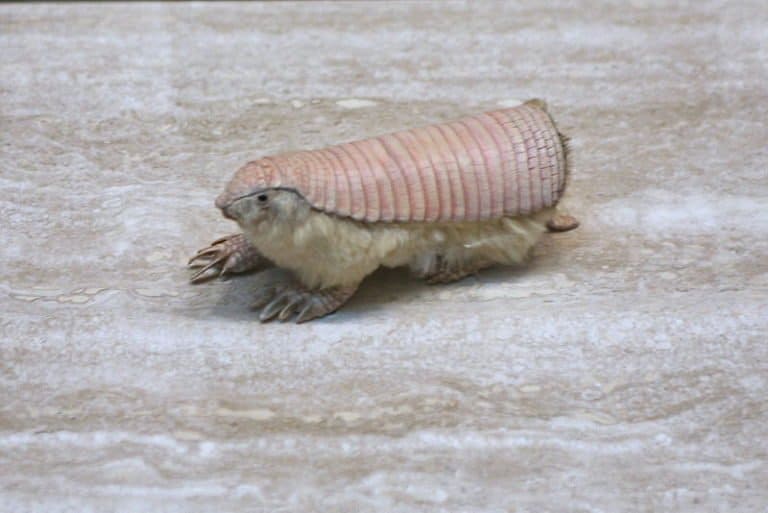
The pink "sand-swimmer" of Argentina

The dragon's "baby" of the karst
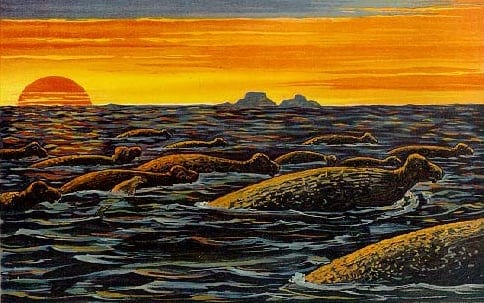
The kelp giant we lost
Cuba's leaf-litter mini marvel
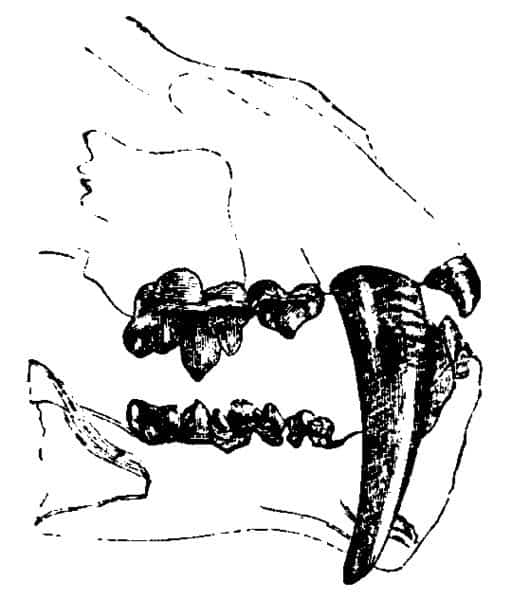
Big bite, bigger grappling power
Striped shadow of the rainforest floor

The Annamites' "spindlehorn" mystery
Small croc, big armor.
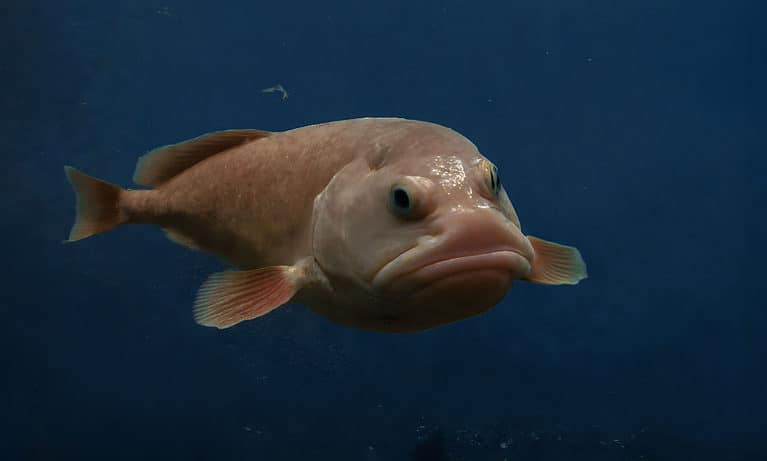
Built for pressure, not photoshoots

The megatooth ruler of ancient seas

New Britain's owl with a golden mask
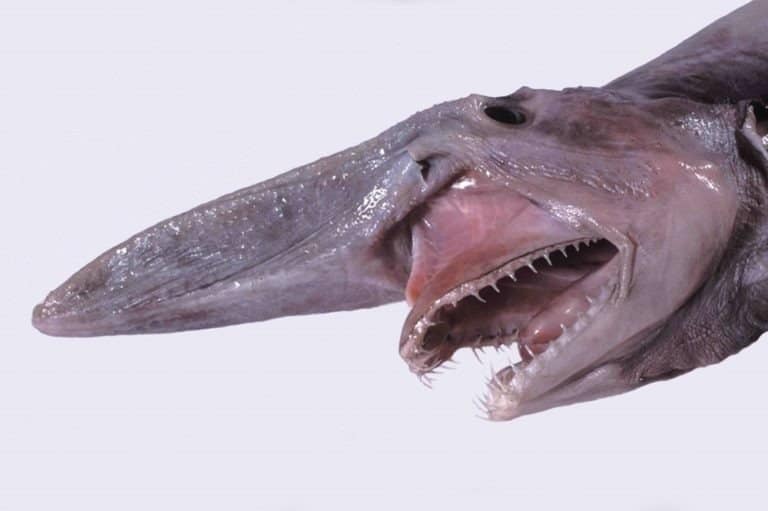
The deep-sea "slingshot-jaw" shark
Deep-sea drifter, marine-snow harvester
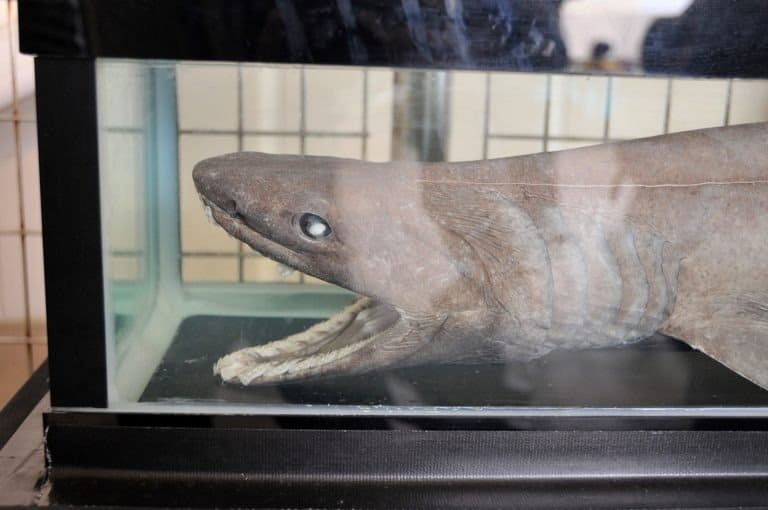
The deep-sea shark that looks like a sea serpent
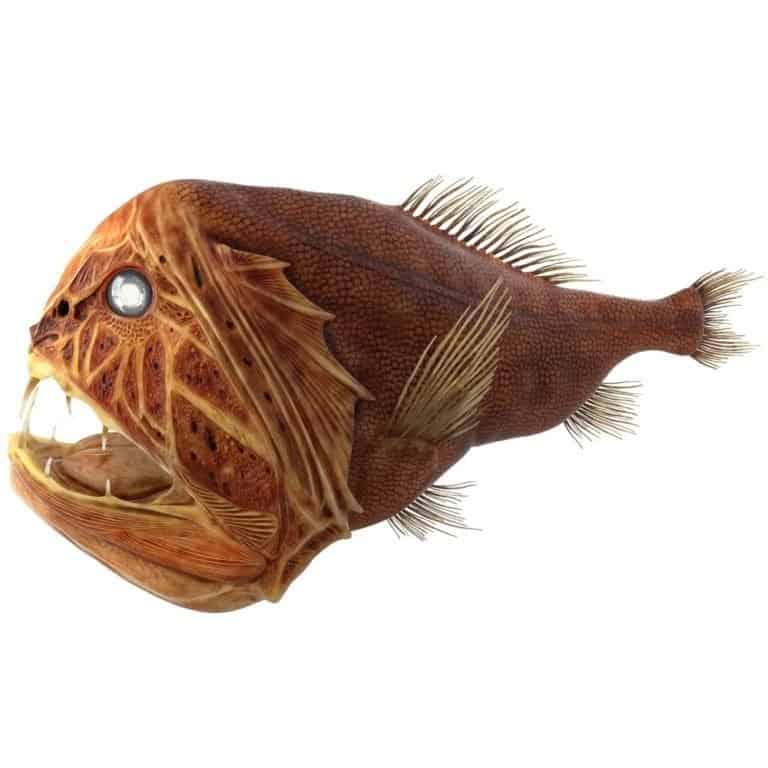
Small fish. Huge fangs. Deep sea.
Thank you for reading! Have some feedback for us?
We appreciate your help in improving our content.
Our editorial team will review your suggestions and make any necessary updates.
There was an error submitting your feedback. Please try again.