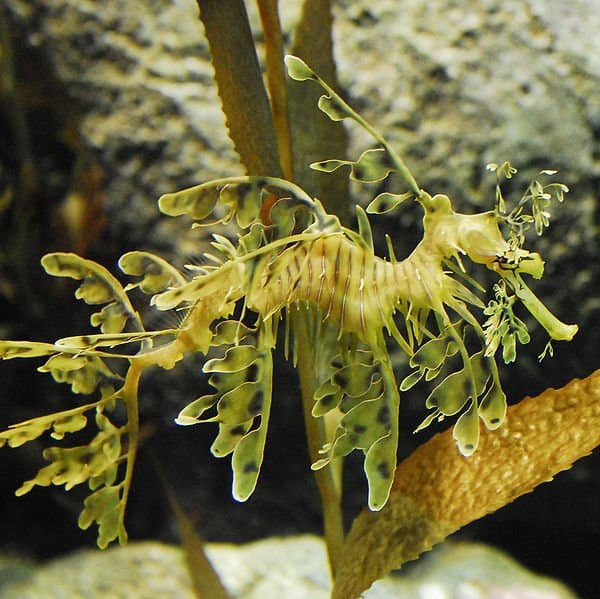
Sea Dragon
The master of seaweed disguise

The master of seaweed disguise
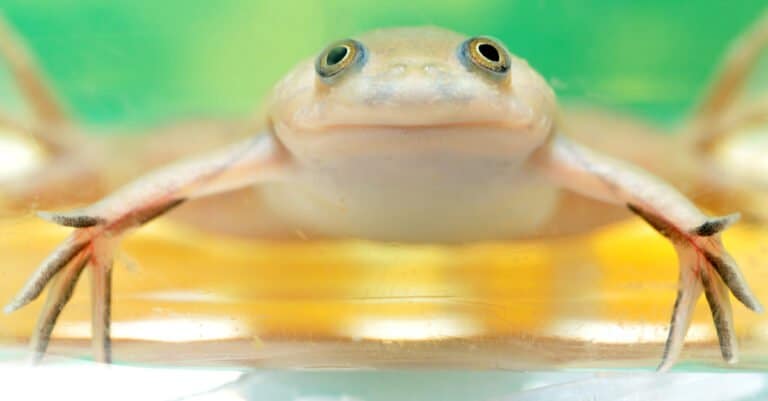
Three claws. One famous frog.
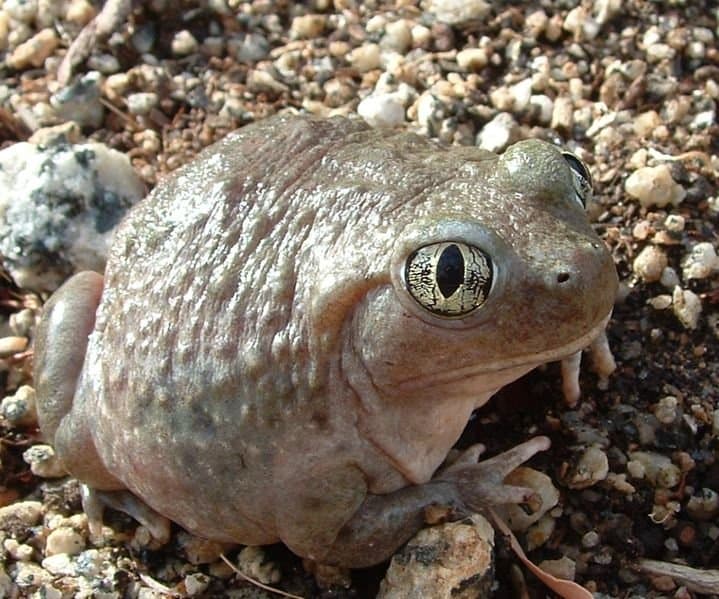
Dig deep. Breed fast. Vanish again.

Big bluff, sharp beak, potent chemistry.

Built to ambush, born to bite.
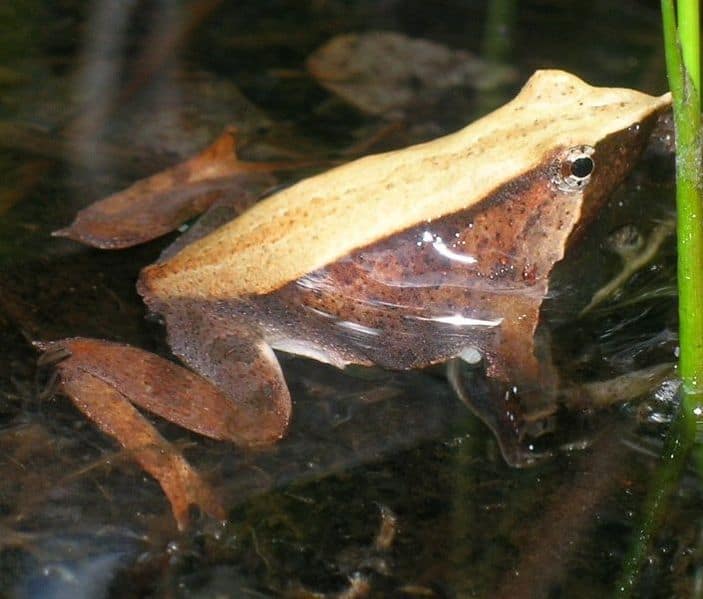
Dad's vocal sac, nature's nursery
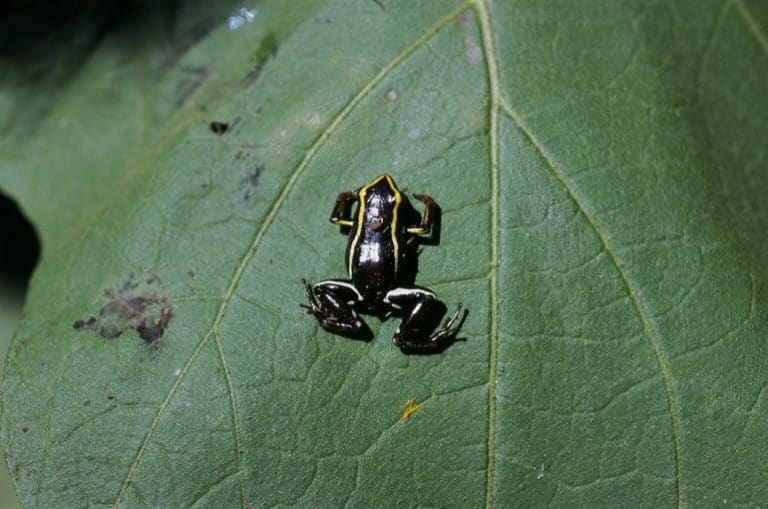
Cuba's leaf-litter mini marvel
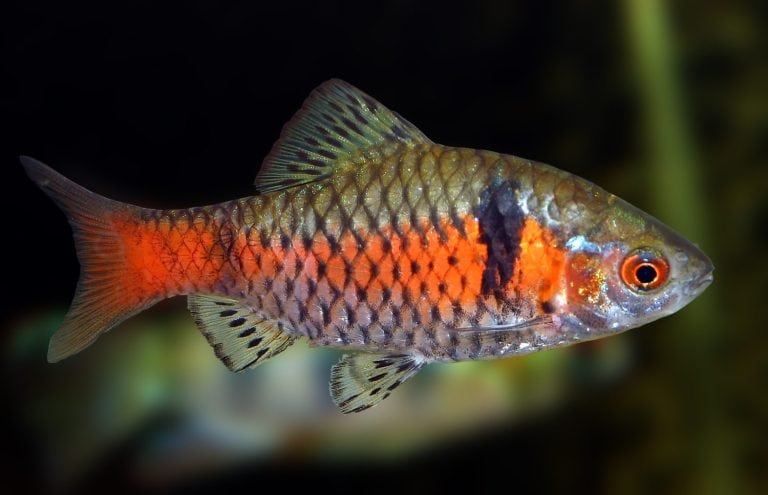
Barbs: big family, bigger variety
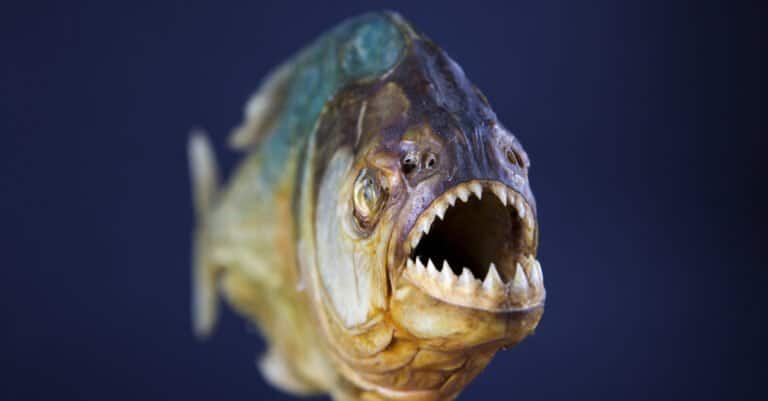
More than movies: jaws, seeds, and strategy

Small frog, big role in wetlands
Substrate spawning is a reproductive strategy in which eggs are laid on, attached to, or placed within a specific surface or structure (the substrate), such as vegetation, rocks, gravel, or a prepared nest site. In many fishes this typically occurs with external fertilization as sperm is released over or near the eggs, but in other taxa that also attach eggs to a substrate (for example many salamanders) fertilization is internal (often via spermatophore transfer) and the eggs are deposited afterward.
Substrate spawning is external fertilization where eggs are laid on a surface (plants, gravel, rocks, wood or shells). Females place eggs that stick or settle, and males release sperm to fertilize them. Parents may guard, fan, or clean the nest so eggs have oxygen and stay safe. Common in freshwater fishes (cichlids, sticklebacks, sunfishes) and some frogs.
Found across: Bony fishes (teleosts: e.g., sticklebacks, cichlids, sunfish, damselfish/clownfish, herrings), Jawless/ancient fish lineages in some cases via gravel/substrate spawning behaviors (varies by lineage), Amphibians (many frogs with externally fertilized eggs attached to vegetation/rocks), Marine arthropods (e.g., horseshoe crabs spawning in sand)
"External" doesn't mean "careless": many substrate spawners pick sites with just the right flow so fresh, oxygen-rich water washes over eggs (and too much flow can rip them off the surface).
In a lot of substrate spawners, the male ends up doing most of the parenting-guarding the clutch, fanning it with fins to prevent suffocation, and even eating fungus-infected eggs to stop outbreaks.
Eggs often come with built-in "glue" or filaments. Adhesive coatings, tendrils, or sticky capsules can anchor eggs to rocks, plants, shells, or sand so they don't tumble away before fertilization and development.
Substrate spawning can be intensely strategic: in many fishes, "sneaker" males dart in during a pair's spawn to release sperm, turning what looks like a two-animal event into a high-stakes sperm-competition scramble.
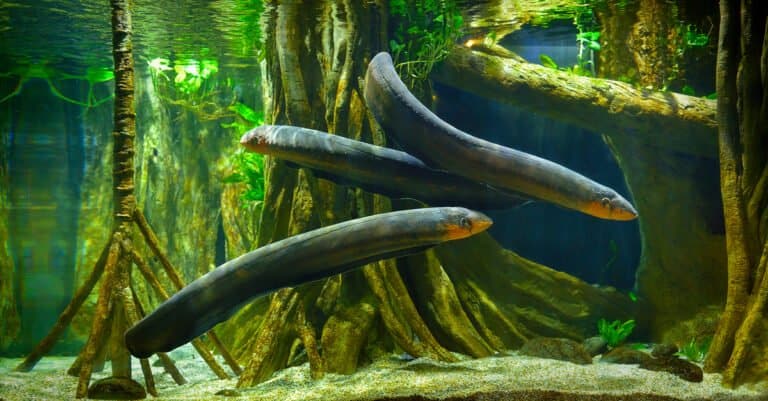
Lightning hunter of the Amazon
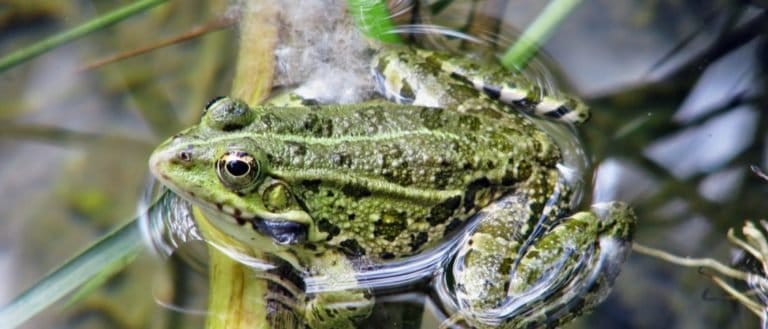
Tailless jumpers, masters of change
More than movies: jaws, seeds, and strategy
Big bluff, sharp beak, potent chemistry.
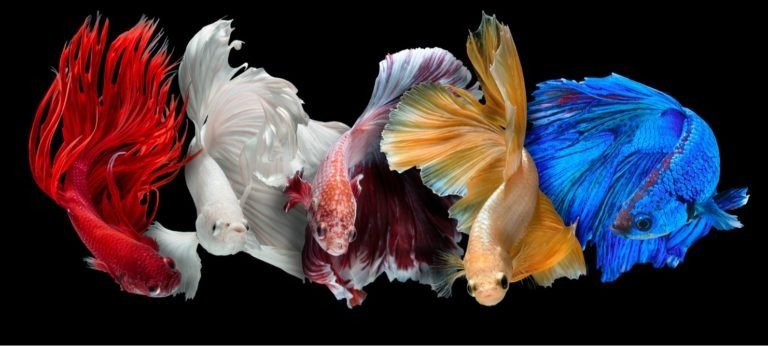
Air-breather with a bubble-nest crown.
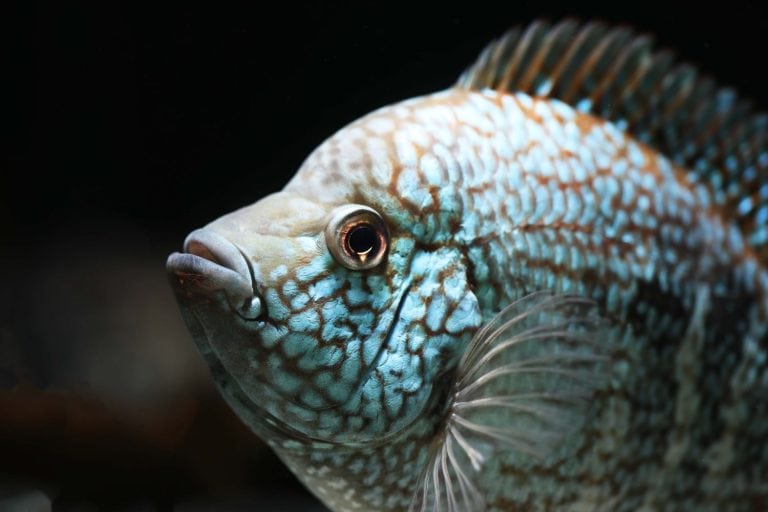
Nature's masters of rapid evolution
Barbs: big family, bigger variety
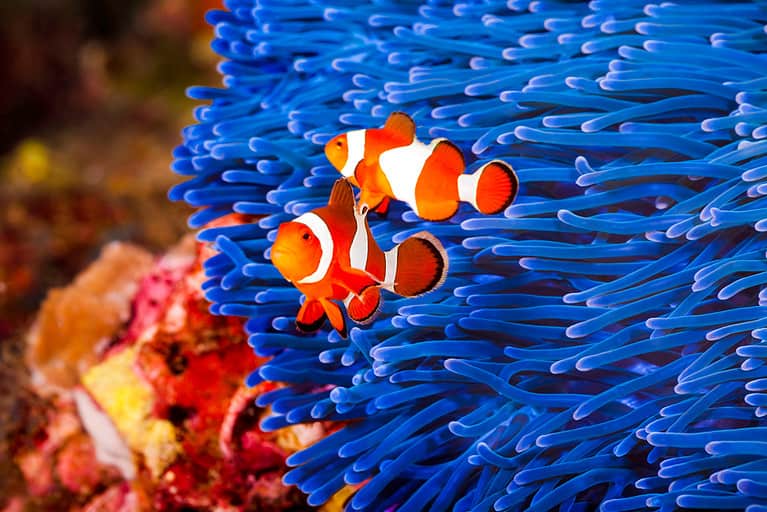
The anemone's bold little bodyguard
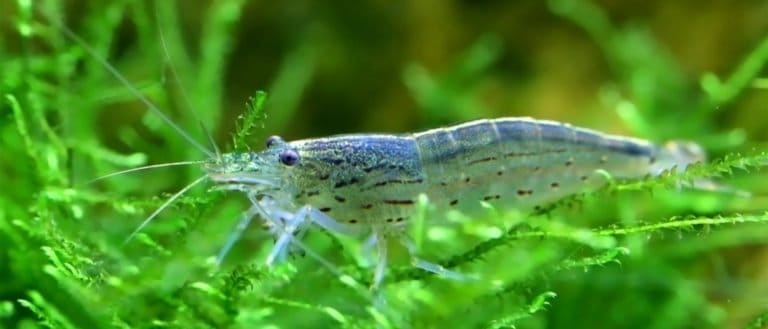
Small crustaceans, big ocean jobs
Dig deep. Breed fast. Vanish again.
Three claws. One famous frog.
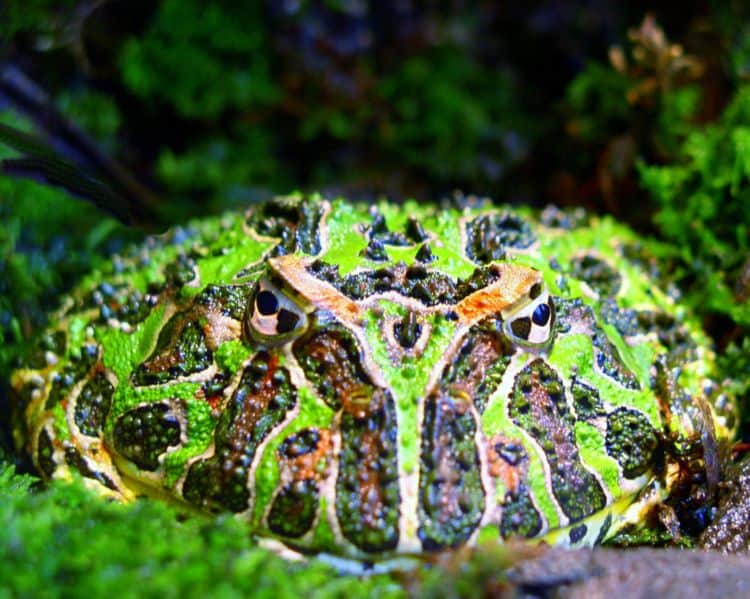
Big mouth. Bigger ambush.
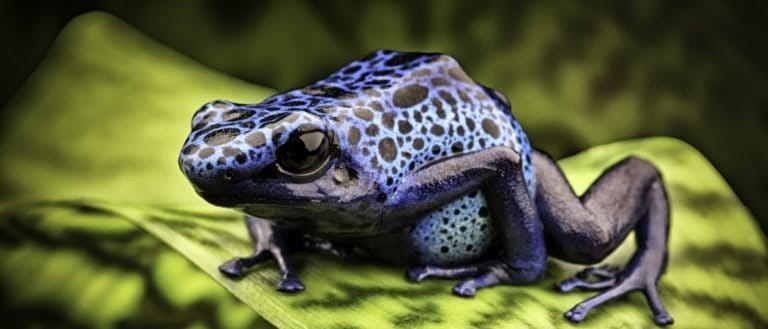
Bright colors, bold chemistry
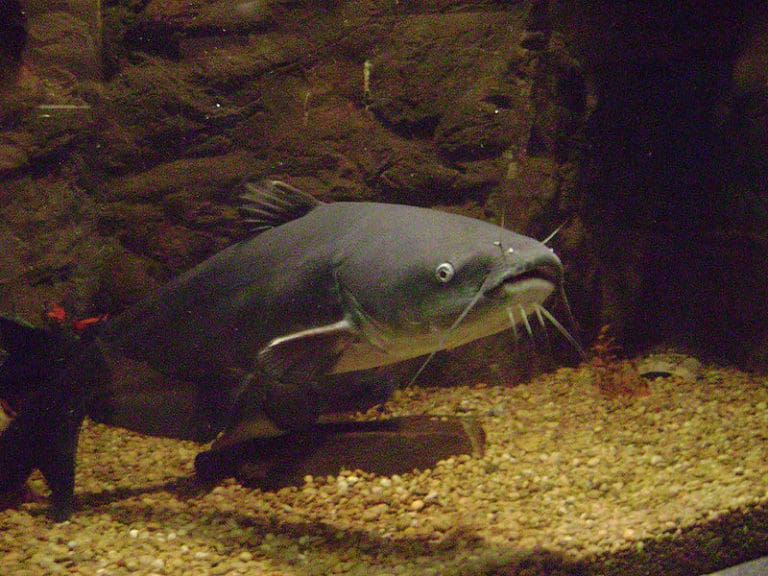
Whiskers, spines, and river smarts
The master of seaweed disguise
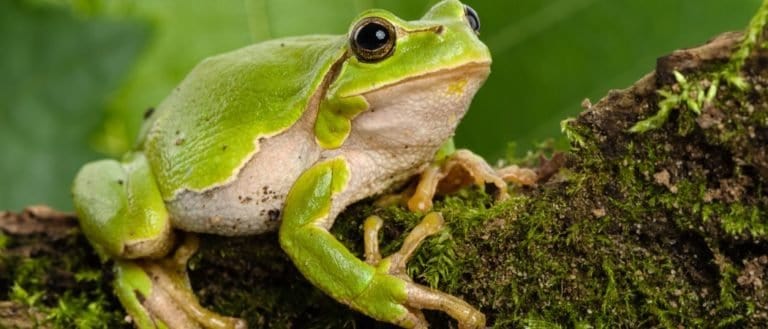
Sticky toes, big voices, forest lives
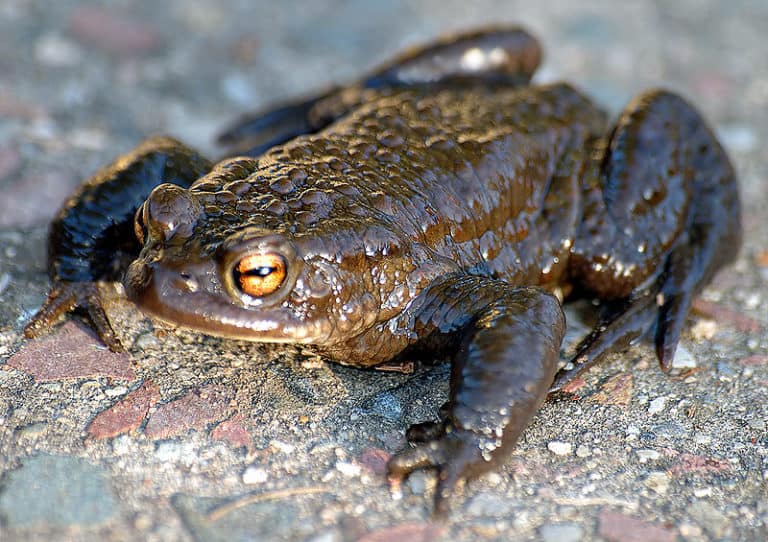
Warty wanderer, springtime pond pilgrim
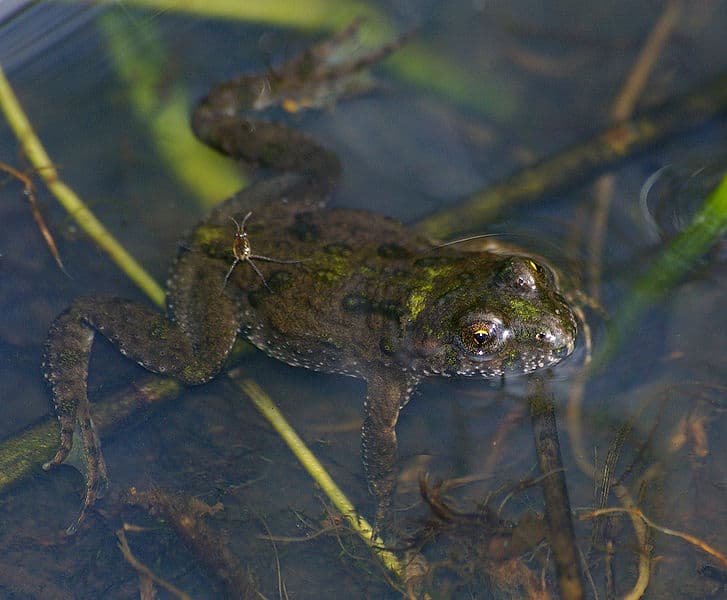
Flash the belly, live to tell it.
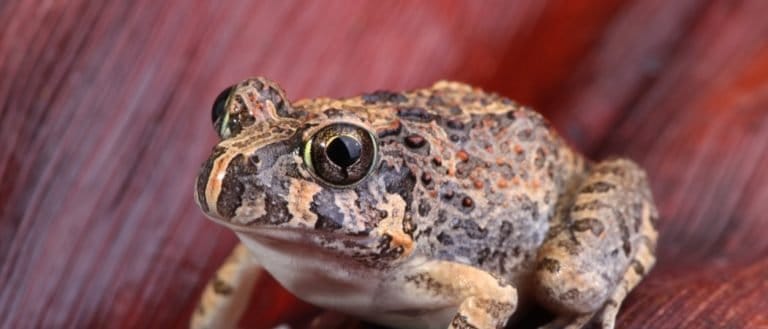
Dig deep. Emerge with the rain.
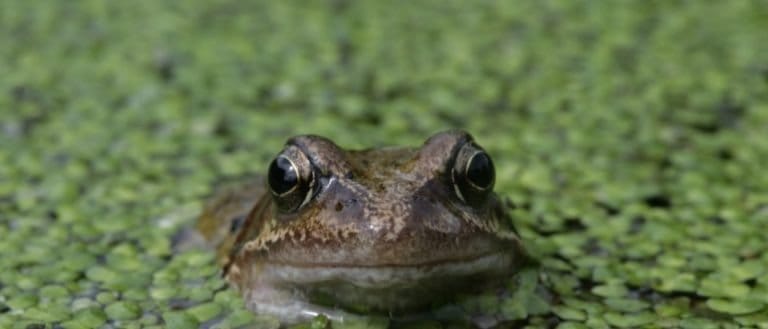
Spring's frogspawn maker
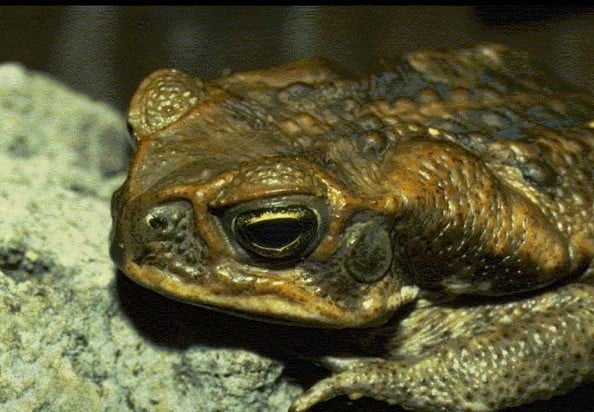
Big toad. Bigger toxins.
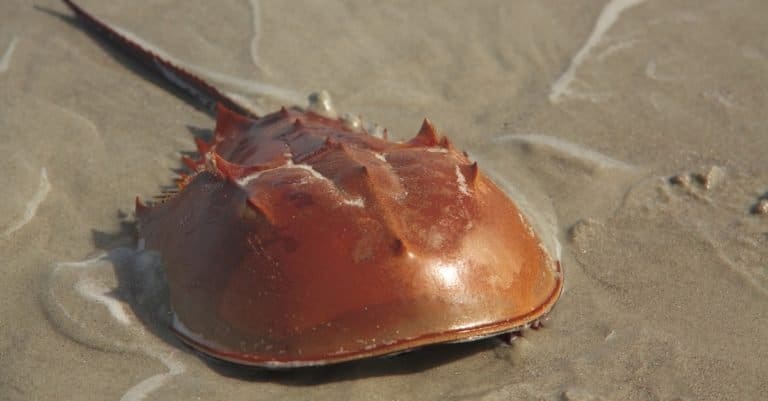
Beach Spawners, Blue-Blooded Guardians
Dad's vocal sac, nature's nursery
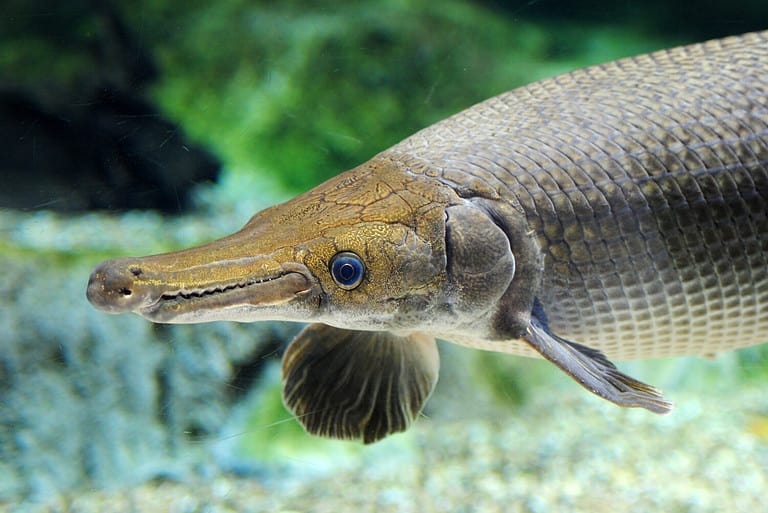
Armored ambushers of the backwaters
Thank you for reading! Have some feedback for us?
We appreciate your help in improving our content.
Our editorial team will review your suggestions and make any necessary updates.
There was an error submitting your feedback. Please try again.