
Spadefoot Toad
Dig deep. Breed fast. Vanish again.

Dig deep. Breed fast. Vanish again.

Stingrays: discs, senses, and surprises

More than movies: jaws, seeds, and strategy

From river to reef, one fierce fish
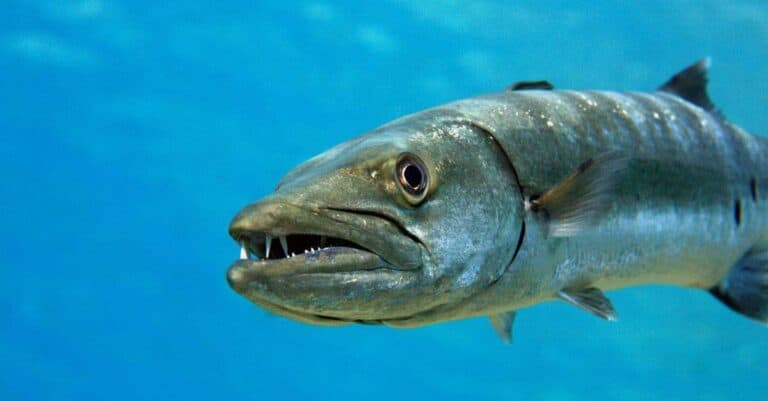
Silver speedsters with a bite

Born in rivers, powered by the sea

Long bodies, long journeys.
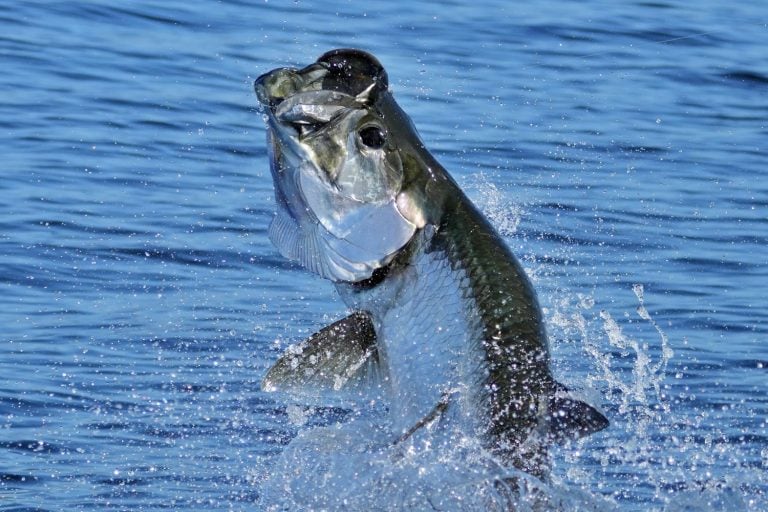
Silver acrobat of the coast

Tiny swarms, giant ocean impact

Peaceful schoolers, ruthless on plants
A school is a formal educational organization that structures teaching and learning through planned curricula, dedicated facilities, and defined roles (e.g., students, teachers, administrators) to promote cognitive, social, and skill development. In educational science, schools function as social institutions that transmit knowledge, norms, and competencies within a governed system of instruction and assessment.
Schools are places where learning is planned and taught using a curriculum and tests. They can be run by public authorities or private groups, with rules for admissions, attendance, grading, discipline, and student help. Trained teachers lead lessons and are supported by staff like counselors, librarians, and educators. Beyond academics, schools help children grow socially: they give chances to meet peers, form identity, and join activities that build teamwork and leadership. Schools also link families to services like meals and health supports. Schools come in levels (early childhood, primary, secondary, postsecondary), models (comprehensive, vocational, alternative), and modes (in-person, hybrid, online). Their success is judged by learning, well-being, equity, and life outcomes, and it depends on resources and context.
Typically a formal administrative hierarchy: governing body/owner sets policy, a head administrator (principal/headteacher) manages operations, mid-level leaders (vice principals, department heads) oversee domains, teachers and staff implement instruction and services, and students participate within classroom and school rules.
Sets broad policy, standards, budgets, and accountability requirements (varies by public/private governance).
Oversees multiple schools (common in public systems); implements board policy and allocates resources.
Leads the school; responsible for safety, culture, staffing, performance, and day-to-day operations.
Manages specific operational areas (discipline, scheduling, student services, logistics) and supports the principal.
Leads a subject area; coordinates curriculum, materials, and teacher support within a department.
Deliver instruction, assess learning, manage classrooms, and support student development.
Supports academic planning, social-emotional needs, and post-school pathways; coordinates interventions.
Ensures services and accommodations for students with special needs; coordinates individualized plans.
Handles health services, medication management, and health-related policy implementation.
Manages learning resources, literacy support, and information/digital skills programming.
Handles enrollment, records, communications, scheduling support, and front-office operations.
Assists teachers and students, often providing targeted instructional or behavioral support.
Maintains buildings, cleanliness, safety checks, and basic repairs.
Manages school technology, devices, networks, and user support.
Provides meals and manages nutrition programs and compliance.
Manages student transport and route safety (where provided).
Supports campus safety, supervision, and incident response (varies by region).
Primary participants in learning; may hold classroom or school-wide responsibilities.
Represent student interests, organize activities, and provide input to administration.
Supports school activities, fundraising, and provides a channel for family input.
Schools usually start when a government, district, ministry, private board, or religious group gives permission or a charter. They form around a mission (curriculum/values), funding, leadership (principal/administration), and a physical or virtual campus. Over time they change with enrollment, policy reforms, leadership turnover, program changes (STEM, arts, special education), redistricting, and accreditation.
High contact rates in shared classrooms, cafeterias, buses, and sports increase transmission of respiratory and gastrointestinal illnesses; outbreaks can cause absenteeism, learning loss, staff shortages, and temporary closures, with additional impacts on vulnerable students and households.
Large gatherings at predictable times (arrival, recess, dismissal, events) make students and the institution more visible targets for external threats (e.g., harassment, crime, or coordinated attacks), requiring security measures that can impose costs on privacy and school climate.
Found across: Ray-finned fishes (Actinopterygii; especially pelagic teleosts like clupeids, scombrids, carangids), Cartilaginous fishes (Chondrichthyes; some sharks and rays form schools), Cephalopods (e.g., squid; coordinated group movement), Crustaceans (e.g., krill; often termed swarms rather than schools, but functionally similar aggregations)
The English word "school" ultimately derives from a Greek term meaning "leisure"-learning was once framed as something you did when you had free time.
Some of the oldest known schools were attached to temples and palaces, where education served administration, religion, and record-keeping long before "general schooling" existed.
Mass schooling on a large scale is relatively recent in human history-many countries only built nationwide compulsory systems within the last ~150 years.
Early "classrooms" often had no standardized ages or grades; mixed-age learning was normal, especially in rural or one-room schools.
The familiar bell schedule mimics industrial-era factory timing-an organizational choice that stuck even as learning goals changed.
Schools function like small cities: they have zoning (classrooms), public services (cafeteria, counseling, nursing), governance (administration), and traffic control (hallway rules).
Like a workplace, schools run on roles, hierarchy, and performance metrics (grades, evaluations), but with the added mission of skill-building rather than production.
Like a miniature legal system, schools create codes of conduct, enforce consequences, and sometimes use "restorative justice" approaches to resolve conflicts.

Bony rays, endless ways.

Built like a hammer, tuned like a radar
Stingrays: discs, senses, and surprises
More than movies: jaws, seeds, and strategy

Big bluff, sharp beak, potent chemistry.

Color-coded courtiers of the coral reef

Tiny schools, huge diversity

Nature's masters of rapid evolution

Barbs: big family, bigger variety
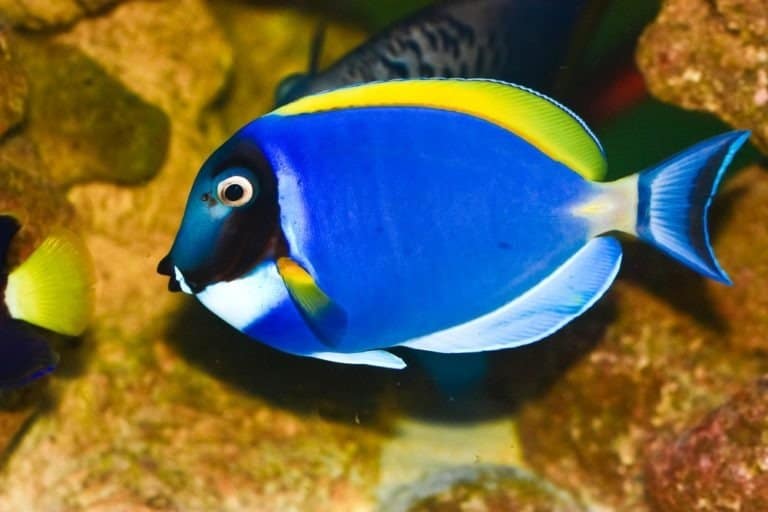
Reef gardeners with a hidden blade
Dig deep. Breed fast. Vanish again.

Ten-limbed sprinters of the sea
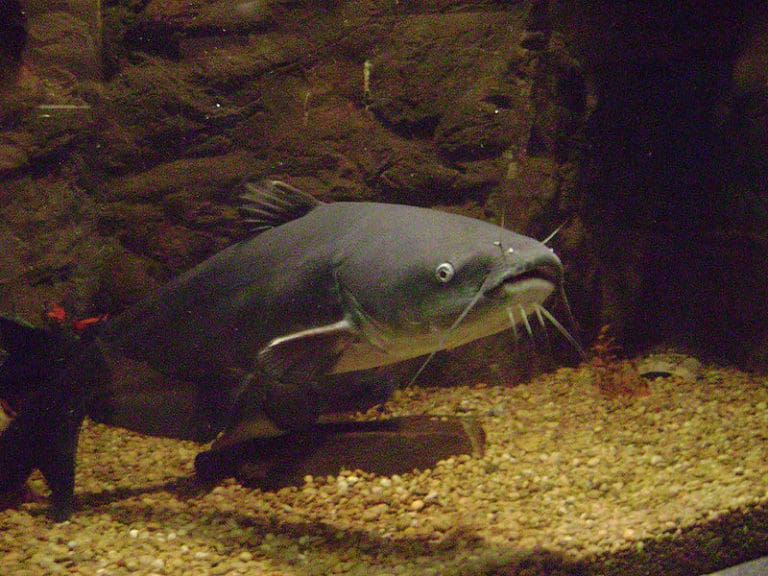
Whiskers, spines, and river smarts

Two eyes, one side-seafloor masters
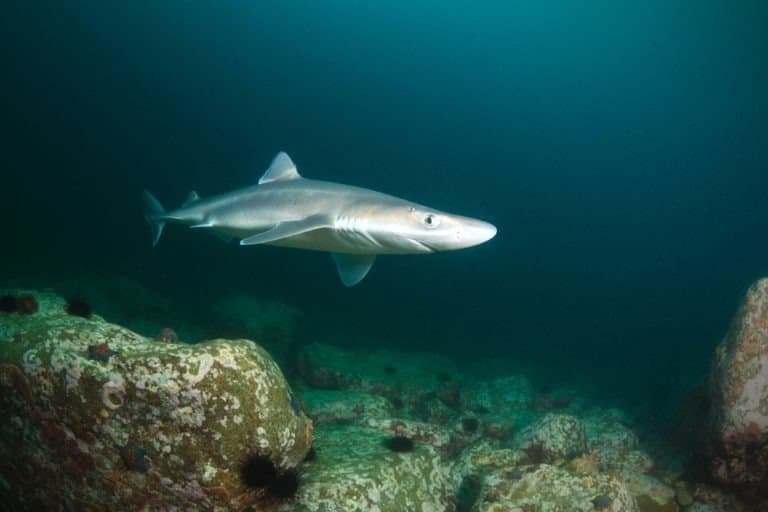
Two spines. Slow life. Big schools.

Wrasses: the reef's colorful caretakers
Silver speedsters with a bite
Peaceful schoolers, ruthless on plants

See-through schooling charm
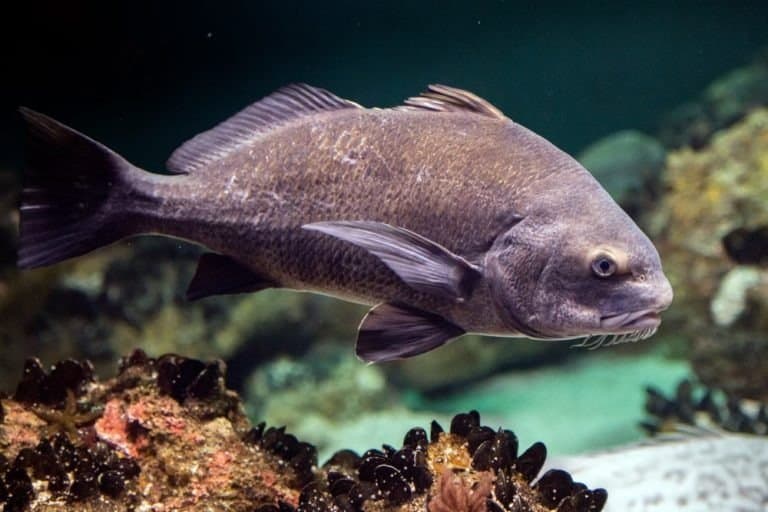
The sea's drummers and croakers
Tiny swarms, giant ocean impact

Speedy stripes, ocean hunters.
From river to reef, one fierce fish
Born in rivers, powered by the sea
Thank you for reading! Have some feedback for us?
We appreciate your help in improving our content.
Our editorial team will review your suggestions and make any necessary updates.
There was an error submitting your feedback. Please try again.