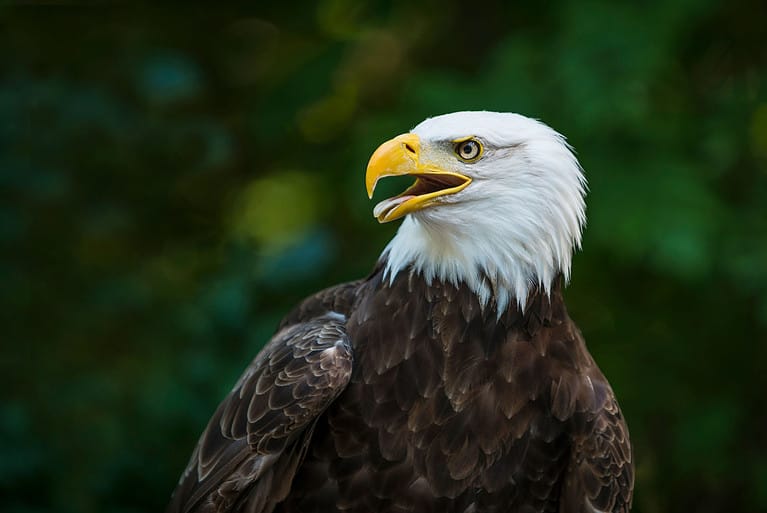
Bird
Feathers, flight, and endless variety

Feathers, flight, and endless variety
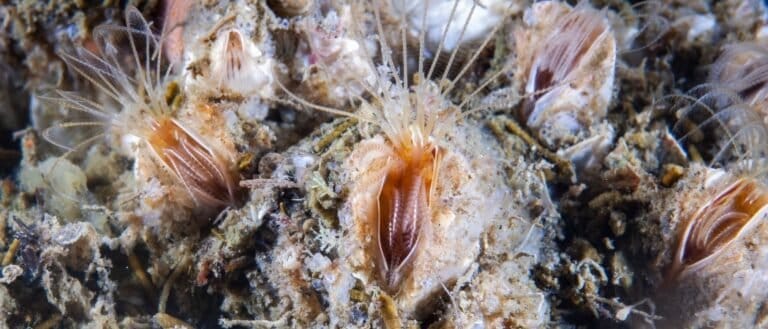
Crustaceans that live like living glue
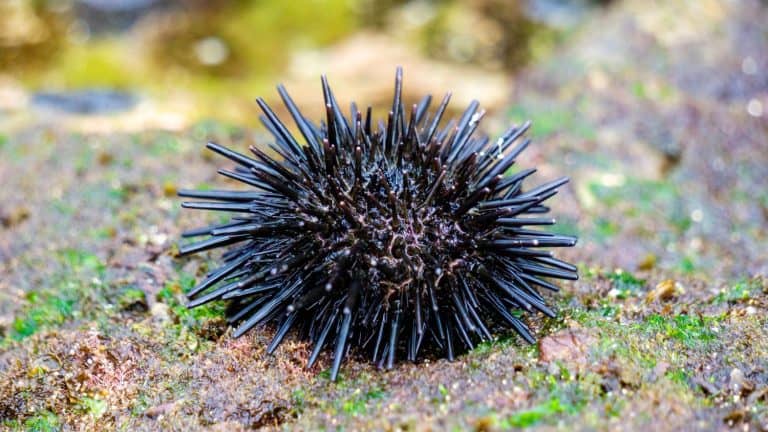
Spines, jaws, and ocean power
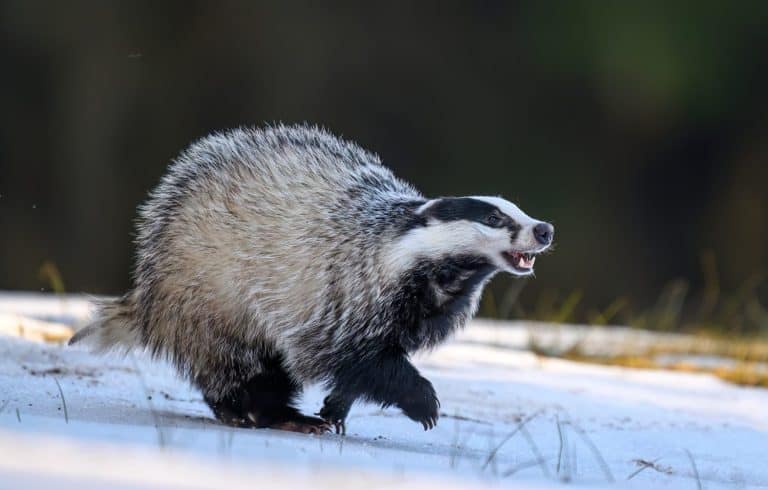
Built to dig. Born to endure.
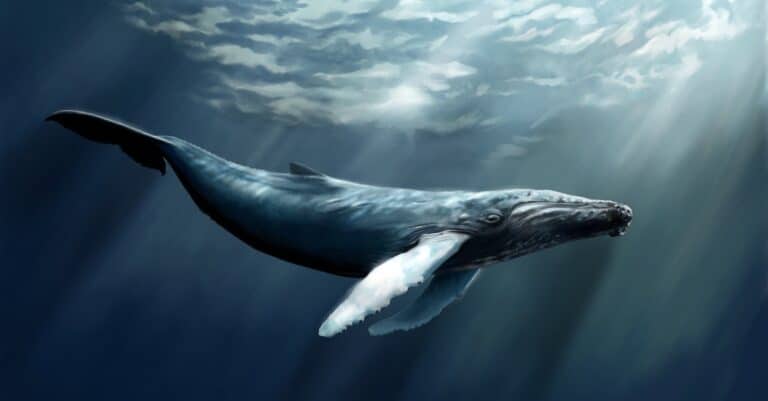
Big flippers. Bigger journeys.
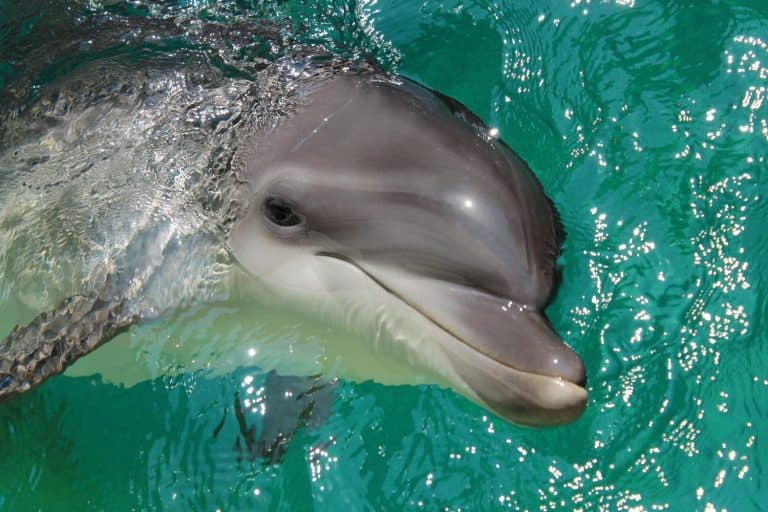
Built for the surf-and sonar.
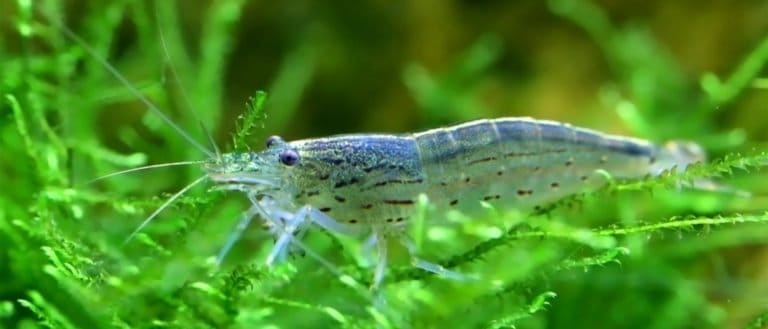
Small crustaceans, big ocean jobs
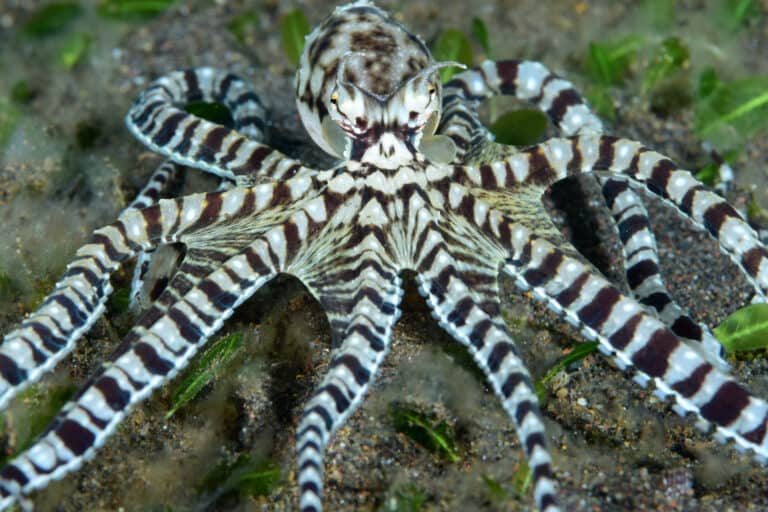
Eight arms, endless ingenuity
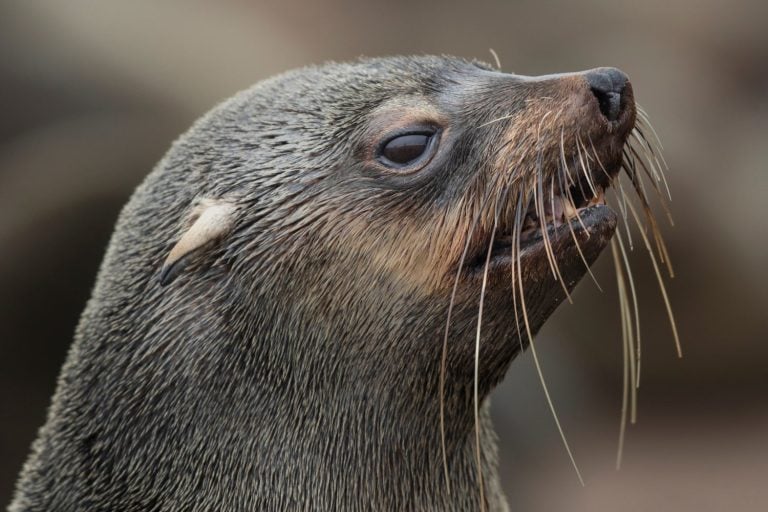
Earless divers of the world's seas
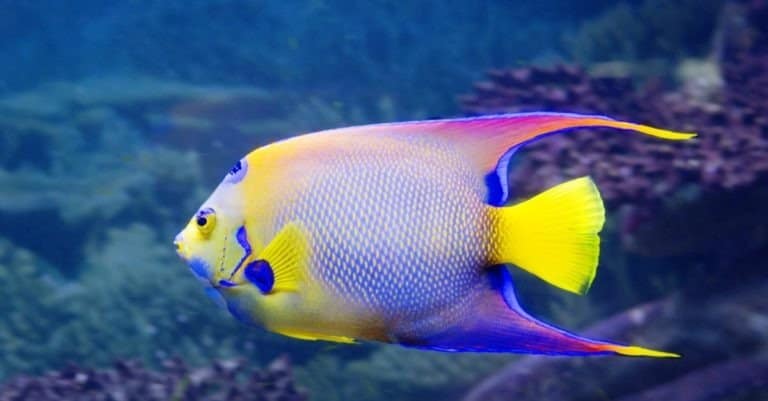
Reef royalty with a wardrobe change
A kelp forest is a nearshore marine habitat dominated by large brown macroalgae (kelps) that anchor to rocky seafloor and form dense underwater canopies in cool, nutrient-rich waters. These "marine forests" create complex three-dimensional structure that supports high biodiversity and productivity.
Kelp forests grow on hard seafloor (bedrock, boulders, cobble) in the photic zone where cold, nutrient-rich water fuels fast algal growth. Giant kelp forms layers—holdfasts, stipes, blades—that slow currents and make microhabitats. They provide food, nurseries, and refuge for fishes, crustaceans, mollusks, echinoderms, and marine mammals, and can turn into urchin barrens after storms or heavy grazing.
Moderate to high light in the photic zone; kelps often dominate where water clarity is sufficient and turbidity is not persistently high. Canopy-forming species create shaded understory; strong vertical light gradients from surface to seafloor.
Nearshore marine, nutrient-rich waters with hard substrate for attachment; moderate wave exposure and strong water movement promote nutrient delivery. Currents: typically moderate to strong (including tidal currents and/or seasonal coastal upwelling); wave surge common. Salinity: marine, typically ~30-35 PSU (often stable, but can be locally reduced near river mouths or during heavy runoff).
High - kelp forests create layered canopy/understory and abundant food (living kelp plus detritus), producing many niches for fishes, grazers, filter feeders, predators, and decomposers; species richness and functional diversity are typically elevated compared with simpler rocky or sandy habitats in the same region.
Regionally variable but overall declining. Many temperate coastlines show substantial losses and increasing fragmentation from marine heatwaves, trophic imbalance (urchin barrens), and coastal impacts; some higher-latitude areas show localized stability or expansion where conditions remain cool and nutrient-rich.
Moderate to high locally where stressors can be reduced (especially by restoring predator-urchin balance and improving water quality). Recovery can be rapid (years) when conditions are suitable, but persistence may be limited where warming and recurring marine heatwaves have shifted systems beyond kelp thermal tolerances.
High. Kelp forests are strongly sensitive to temperature extremes and marine heatwaves; climate-driven shifts in currents, nutrient supply, and storm regimes can cause abrupt canopy collapse and long-lasting regime shifts to turf algae or urchin barrens, with especially high risk at warm range edges.
Kelp isn't a plant-it's a brown algae. It has plant-like parts (blades, stipes, holdfasts) but no true roots, stems, or leaves.
The "roots" you see are holdfasts: they act like grappling hooks to anchor kelp to rock, not to absorb nutrients. Kelp takes up nutrients directly from seawater.
Many kelp forests are in cold regions, yet they can be incredibly lush-because cold, nutrient-rich water (often boosted by upwelling) fuels rapid growth.
Sea otters can indirectly protect kelp forests: by eating sea urchins (which graze kelp), otters can help prevent urchin overgrazing and "urchin barrens."
Kelp forests can change local water flow and light like a real forest-creating shaded understories and calmer "neighborhoods" that different species prefer.
Storms can rip kelp loose, but that's not always bad: drifting kelp becomes floating habitat and food, and kelp wrack on beaches feeds entire coastal food webs.
Think of kelp as the ocean's redwood trees: tall, structural, and forming a canopy with a shaded understory.
A kelp forest is like a high-rise apartment complex underwater-different animals occupy different "floors," from the seafloor to the canopy.
Holdfasts are more like a ship's anchor than a plant's roots: they're built for gripping rock against waves, not drinking from soil.
If coral reefs are the "tropical cities" of the sea, kelp forests are the "temperate metropolises"-busy, diverse, and built from living architecture.
Kelp blades act like solar panels: they spread out to capture sunlight, while nutrients come from the surrounding water instead of the ground.
Kelp forests are among the fastest-growing ecosystems on Earth-some giant kelp can grow up to ~60 cm (about 2 feet) per day under ideal conditions.
They're among the most productive natural habitats on the planet, rivaling the productivity of tropical rainforests and coral reefs (but in cold water).
Giant kelp (Macrocystis pyrifera) is one of the largest algae on Earth and can form "underwater forests" reaching the sea surface from depths of tens of meters.
Some kelp forests can form immense continuous canopies visible from airplanes and satellites when conditions are right.
Built to dig. Born to endure.
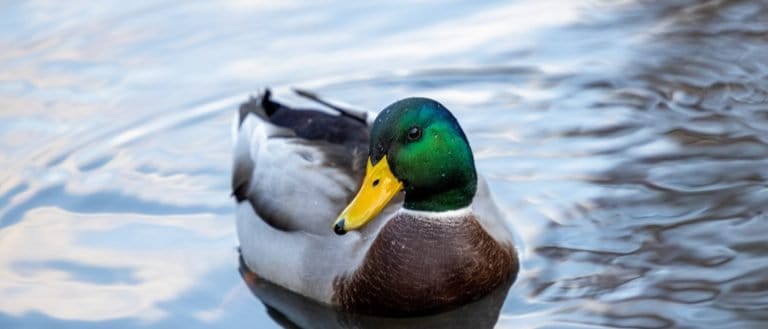
Webbed feet, world travelers.
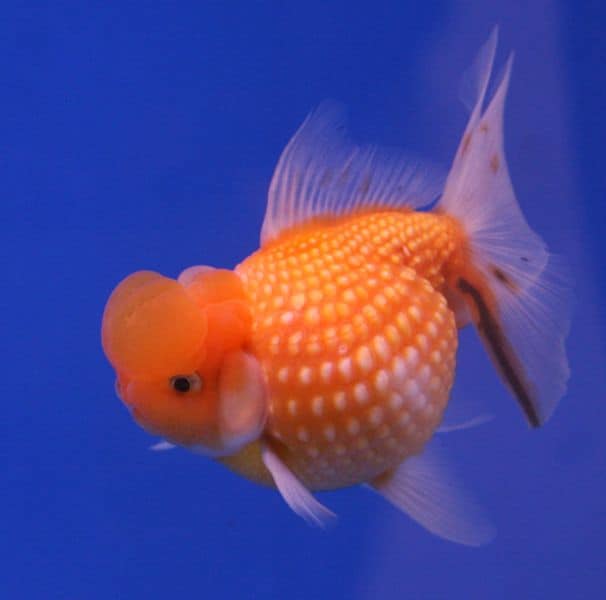
Bony rays, endless ways.
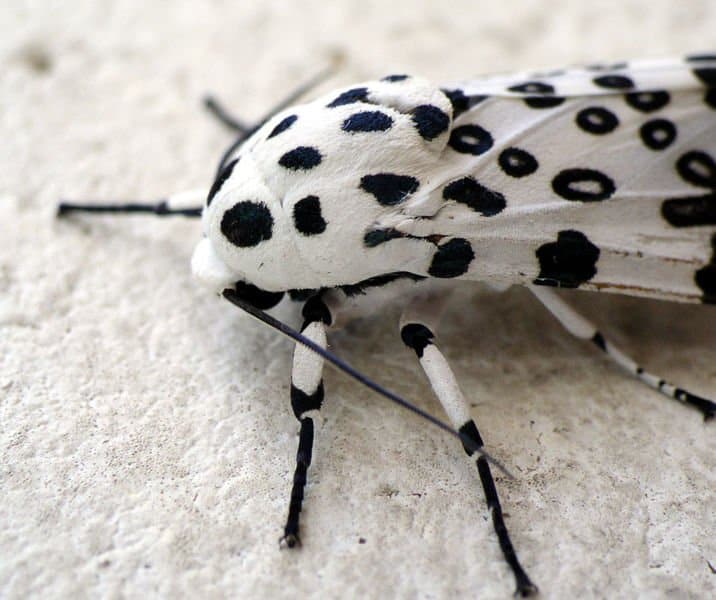
Six legs, endless lives.
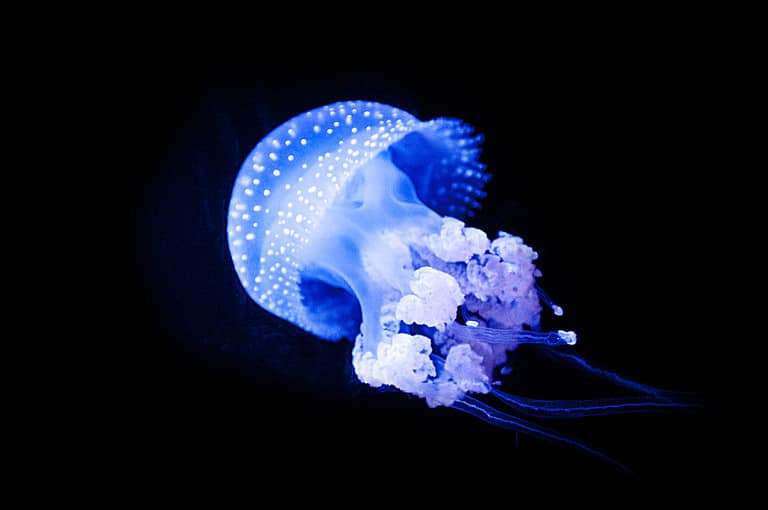
Sting-powered drifters of the sea
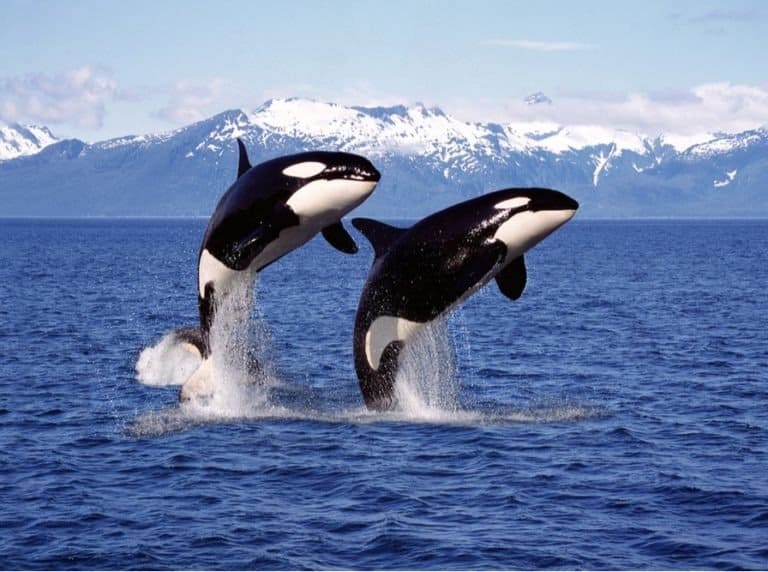
One species, many ecotypes.
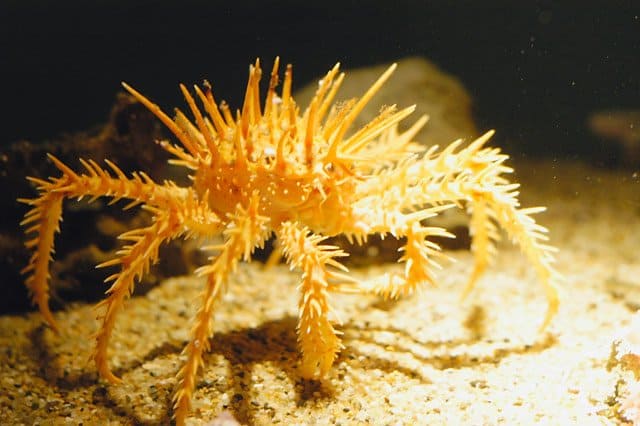
Cold-water royalty of the seafloor
Eight arms, endless ingenuity
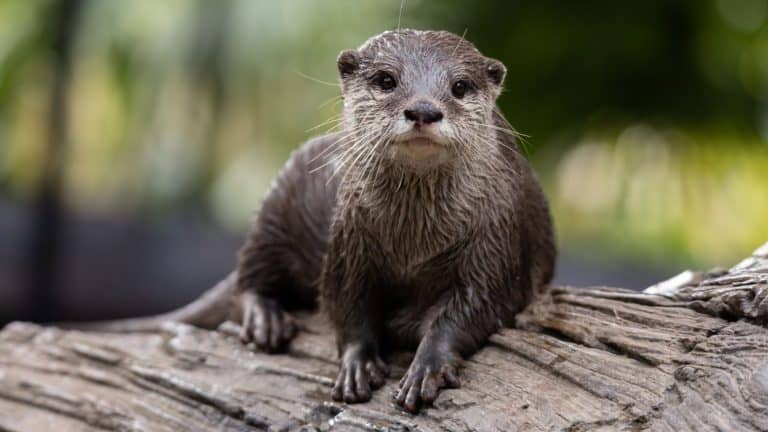
Built for water, born to hunt
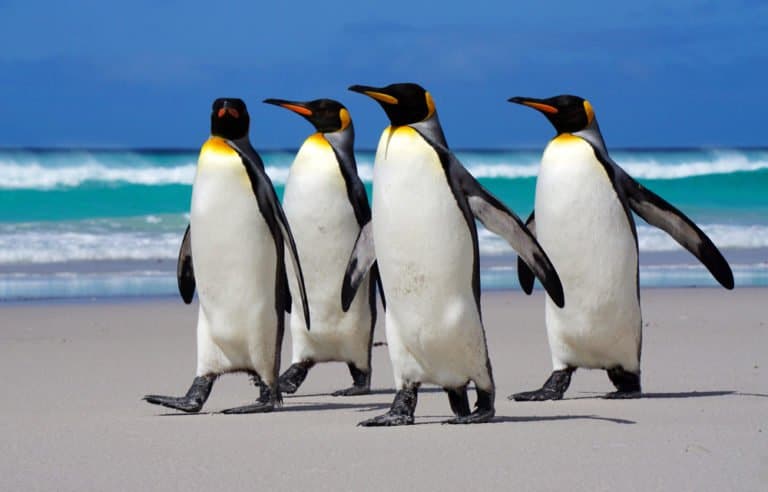
Born to dive, dressed to endure
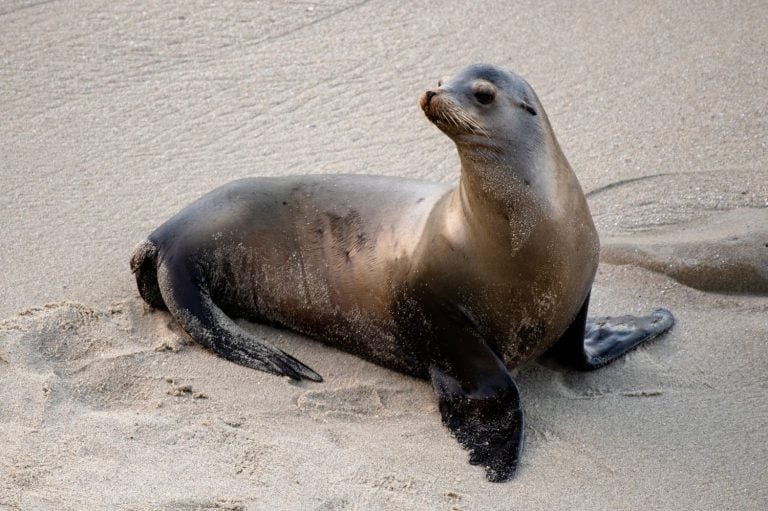
Ear flaps, flippers, and fierce colonies
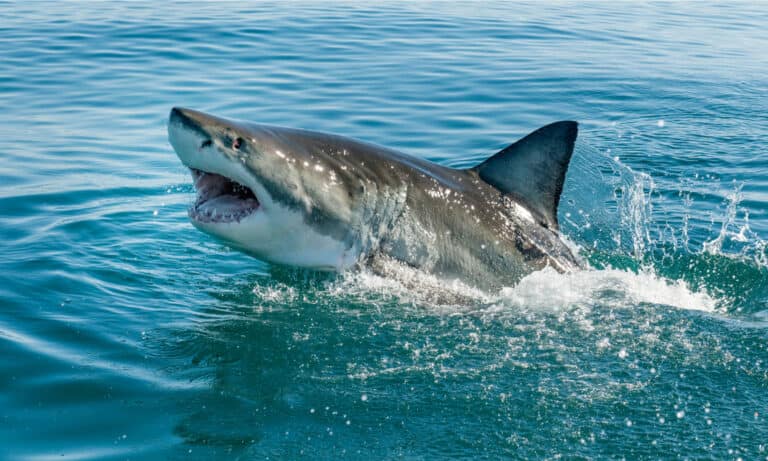
Warm-blooded hunter of the seas
Built for the surf-and sonar.
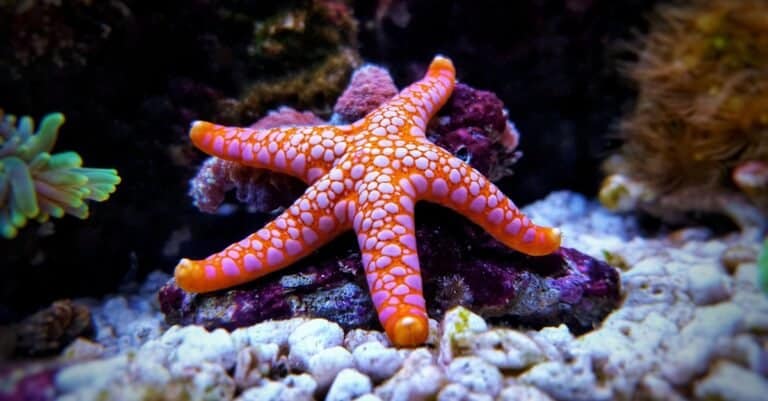
Hydraulic feet, star-shaped predators
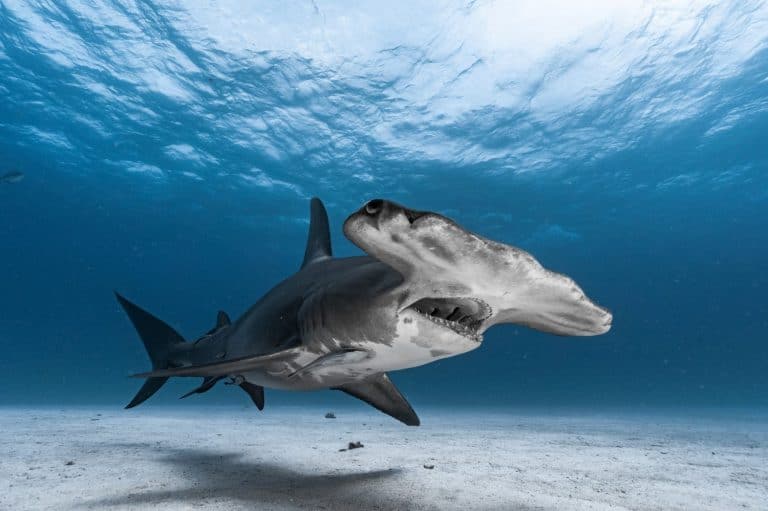
Built like a hammer, tuned like a radar
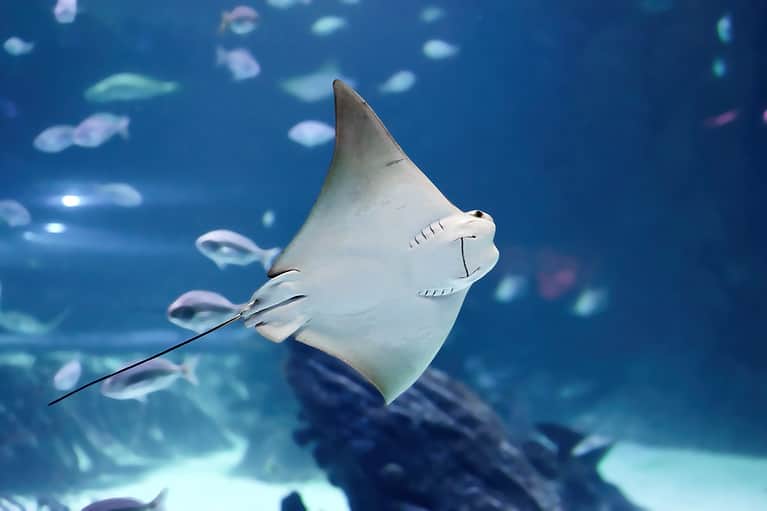
Stingrays: discs, senses, and surprises
Earless divers of the world's seas
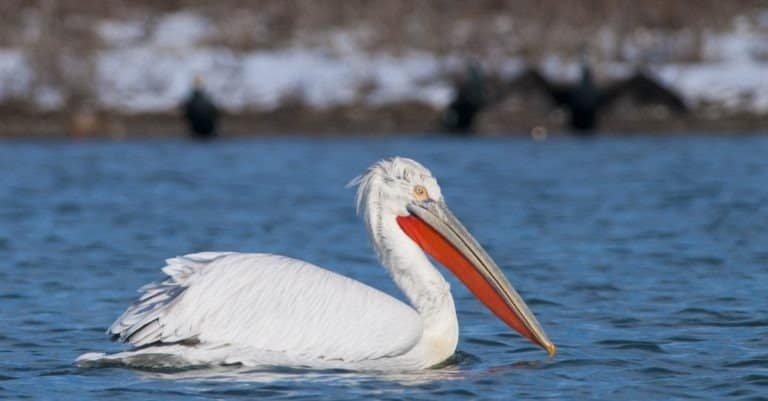
Big bill, bigger teamwork.

Ancient shells, modern survivors

Big bluff, sharp beak, potent chemistry.
Feathers, flight, and endless variety
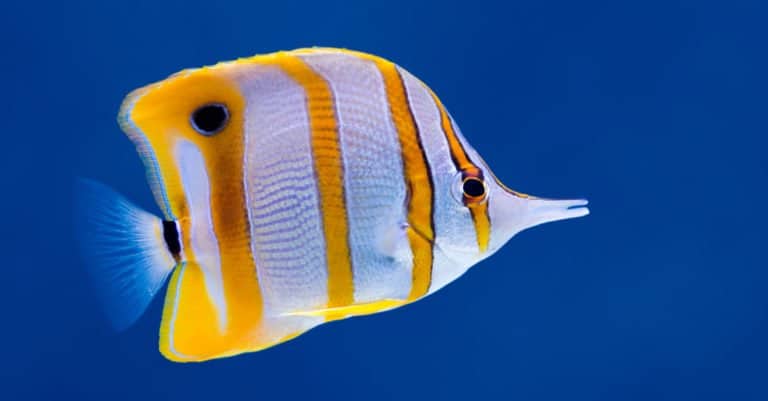
Color-coded courtiers of the coral reef
Reef royalty with a wardrobe change
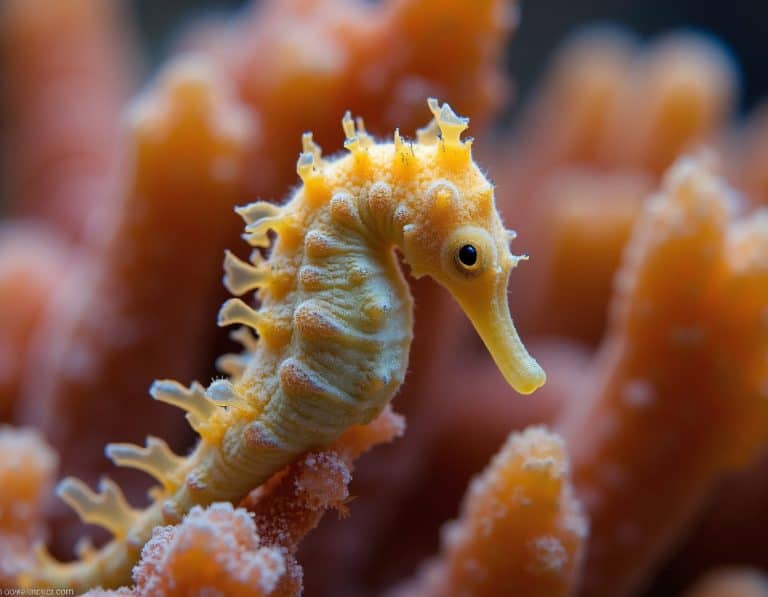
Dads who carry the ocean's babies
Thank you for reading! Have some feedback for us?
We appreciate your help in improving our content.
Our editorial team will review your suggestions and make any necessary updates.
There was an error submitting your feedback. Please try again.