
Camel
Humps of fat, miles of grit

Humps of fat, miles of grit

Cold-water royalty of the seafloor

Built for prides, born for the hunt
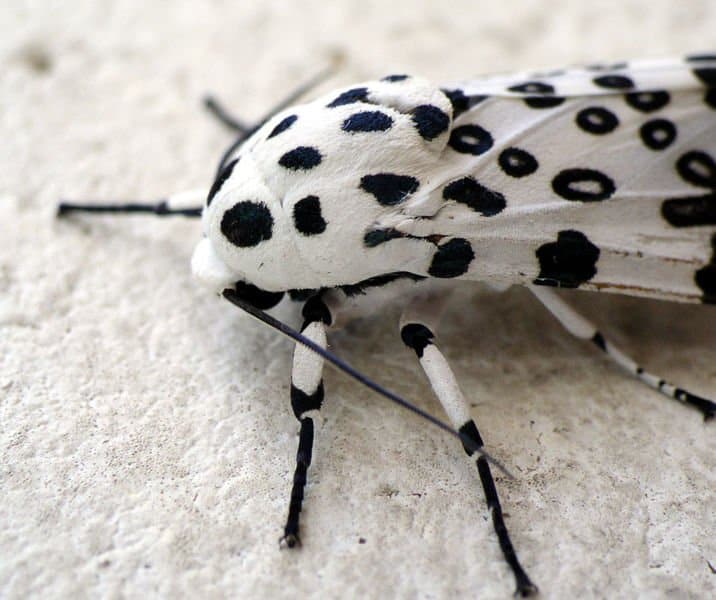
Six legs, endless lives.
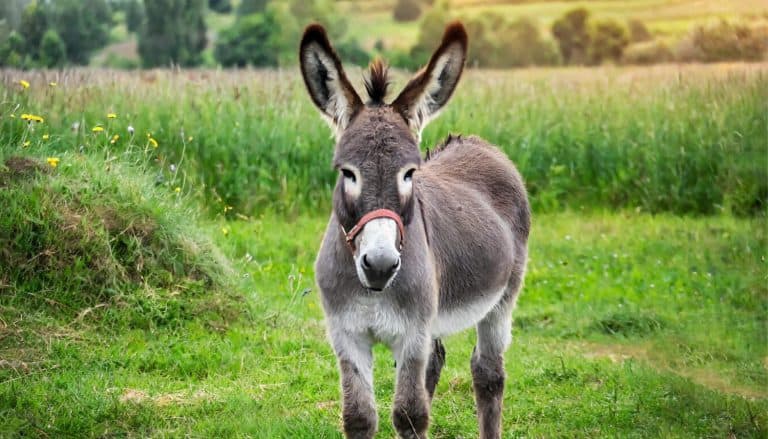
Sure-footed partner of people

Bony rays, endless ways.

Moon-marked climber of Asian forests

Small hunter, big household legend
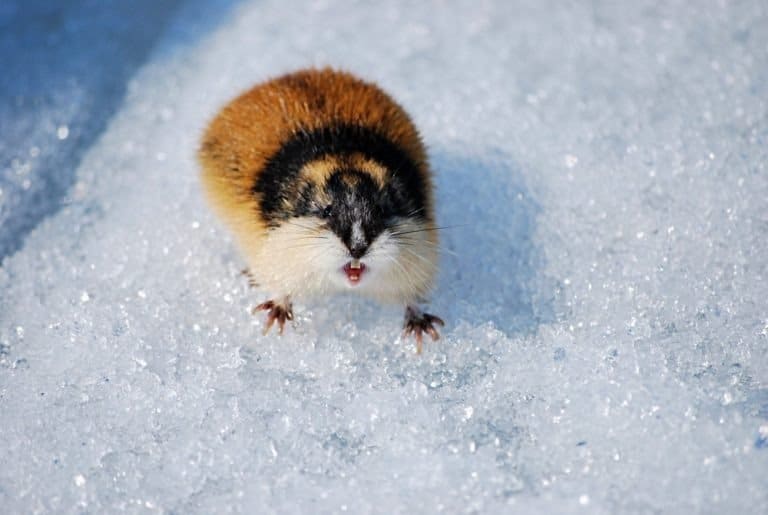
Small rodents, huge tundra impact
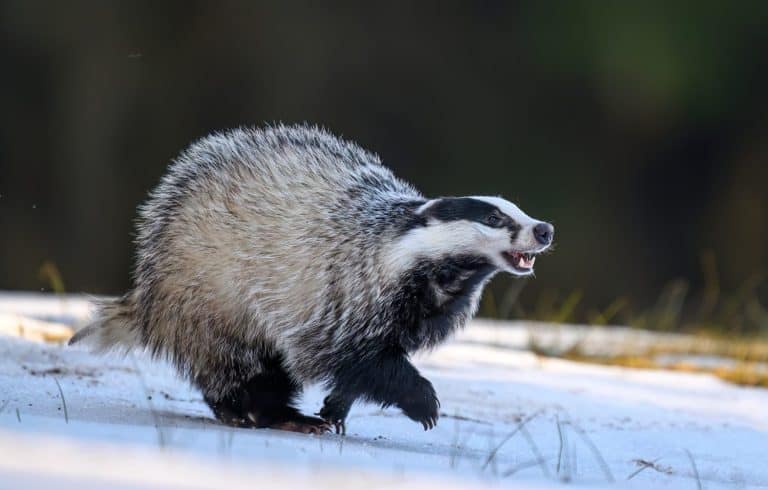
Built to dig. Born to endure.
Rocky terrain is land dominated by exposed bedrock, boulders, and coarse rock fragments (scree/talus), with thin, discontinuous, or absent soil cover. It is typically difficult to traverse and offers limited conditions for deep-rooted vegetation due to shallow substrates and rapid drainage.
Rocky terrain forms where erosion, uplift, glaciation, volcanism, or mass wasting exposes and maintains large areas of bare rock and coarse debris. The surface may range from continuous bedrock slabs and cliffy outcrops to boulder fields and unstable scree slopes, often creating highly variable microtopography over short distances.
Hydrologically, rocky terrain usually drains quickly because water infiltrates through fractures and voids between clasts, leaving low surface water retention and limited moisture storage in soils. Thin or patchy soils-when present-tend to be poorly developed and nutrient-limited, accumulating in pockets and depressions where fine material can settle.
Ecologically, these conditions favor sparse, stress-tolerant communities such as lichens, mosses, hardy grasses, shrubs, and specialized alpine or xeric plants adapted to shallow rooting zones and strong temperature swings. Exposure to wind and sun can intensify desiccation and thermal extremes, while rock crevices can provide sheltered niches that support localized pockets of higher biodiversity.
Highly variable by setting: commonly mid- to high-relief uplands, mountain slopes, ridgelines, canyon walls, and coastal headlands; often ~500-3,500+ m in mountainous regions, but can occur near sea level where bedrock is exposed (coasts, arid inselbergs, river gorges).
From 0 m (wave-cut platforms, rocky shores, low-elevation desert outcrops) to >6,000 m in high mountain ranges with extensive exposed rock, talus, and glacially scoured bedrock.
Often steep to very steep and highly heterogeneous: cliffs and near-vertical faces alternate with talus cones, benches, and broken ledges. Typical rocky hillslopes range ~20-45°; talus/scree frequently sits near the angle of repose (~30-37° depending on clast size and angularity). Microtopography is rough, with frequent step-ups, blocky irregularities, and short convex/concave breaks in slope.
Rocky terrain forms where bedrock is exposed or only thinly mantled by soil due to uplift and erosion outpacing soil production. Key processes include: tectonic uplift and faulting that raise resistant rock; glacial carving and plucking that strip soils and leave polished bedrock and boulder fields; fluvial incision and mass wasting that remove regolith on steep slopes; freeze-thaw (frost wedging) and thermal stress that fracture rock into angular blocks; and long-term weathering (chemical and physical) producing coarse scree rather than fine soils in cold/arid or steep settings. Thin or patchy soils persist because steep gradients, rapid runoff, and frequent rockfall/creep continually export fines.
Moderately to highly dynamic on steep slopes: bedrock itself is stable, but surface mantles (scree, talus, boulders) can be mobile. Frequent small-scale adjustments occur via freeze-thaw creep, rockfall, debris slides, and occasional larger rockslides-especially after heavy rain, rapid snowmelt, earthquakes, or wildfire (loss of binding vegetation/soil). Drainage is rapid with low water retention; runoff events can be flashy in channels and chutes.
Variable but often difficult. Large ungulates and specialized climbers (mountain goats, ibex, bighorn sheep) can traverse ledges and steep rock well, but loose talus/scree increases slip risk and energy cost. Smaller mammals, reptiles, and invertebrates can use crevices for shelter but face patchy forage and exposure. For many generalist wildlife species, movement is constrained to benches, gullies, and soil/vegetation pockets; hazards include rockfall zones, unstable boulders, and steep drops.
Rubbery, concave hooves with sharp keratin edges for gripping steep rock and tiny ledges
Specialized cloven hooves and exceptional balance for fast climbing and stable footing on cliffs
Rough, grippy hoof soles and strong hindquarters enabling vertical ascents on near-sheer rock
Large, furry paws that increase surface area and grip on rocky, icy ledges; powerful hindlimb leaps for gap-crossing
Quick darting locomotion and use of rock crevices as refuges; haypile caching to persist where vegetation is sparse
Burrowing and denning in rocky talus for thermal buffering and predator avoidance; strong claws for digging among stones
Moist, glandular foot pads that increase friction/adhesion on smooth rock, improving traction on steep rocky surfaces
Flexible hooves with soft pads and hard rims for traction on wet, rocky slopes and scree
Adhesive toe pads with microscopic setae that enable strong attachment to rough stone and vertical rock surfaces; rapid crevice use for shelter and thermoregulation
Cliff-nesting and powerful talons for landing/launching from rocky ledges and hunting in rugged terrain
Rocky terrain can produce flash floods more easily than you'd expect: thin soils and exposed bedrock reduce infiltration, so intense rain runs off quickly into channels.
Despite "dry-looking" ground, rock can help plants find water-cracks and fractures can funnel and store moisture below the surface, acting like hidden plumbing.
Loose scree slopes can behave like a flowing material: individual rocks creep downhill under freeze-thaw cycles, making the slope slowly "move" over time.
Bare rocks can create their own microclimates-sunny faces heat up dramatically by day, while shaded crevices stay cool and damp, letting very different species live meters apart.
Rocky ground isn't always nutrient-poor: freshly weathered mineral surfaces can release key nutrients, sometimes supporting surprisingly productive patches where fine material accumulates.
High drainage doesn't always mean low moisture for life-dew, fog, and condensation can collect on rock surfaces and drip into cracks, supplying water when rain is scarce.
Rocky terrain can be quieter for roots than it looks: shallow, patchy soils often concentrate roots in small pockets that can be more fertile and stable than surrounding ground.
The "thin soil" problem can sometimes reduce competition: stress-tolerant plants on rocky sites may face fewer fast-growing rivals, giving them an unexpected advantage.
Rocks can protect against temperature extremes: beneath a boulder or within talus, temperatures fluctuate less than in open air, providing refuges for insects, reptiles, and small mammals.
Some rocky slopes have higher infiltration than nearby soils: coarse talus can let water drain rapidly downward into deeper fractures, recharging groundwater rather than staying near the surface.
One of the longest major escarpment systems on Earth is the Great Escarpment of Southern Africa, extending for thousands of kilometers and forming a broad cliff-and-plateau edge around much of the southern African plateau.
Some of the biggest single boulders on Earth are glacial erratics-house-sized rocks transported far from their source and left stranded on rocky ground after ice sheets melted.
Among the most extensive rocky landscapes are stony deserts (regs) and rock pavements, which can cover vast areas and store a long geologic record in their exposed surfaces.
The steepest, most rock-dominated mountain faces host record-setting vertical relief over short distances, where bare bedrock can rise dramatically with little soil development at all.
Some of the longest-lived landforms occur in rocky terrain: ancient bedrock surfaces and tors can persist for millions of years when erosion rates are extremely low.
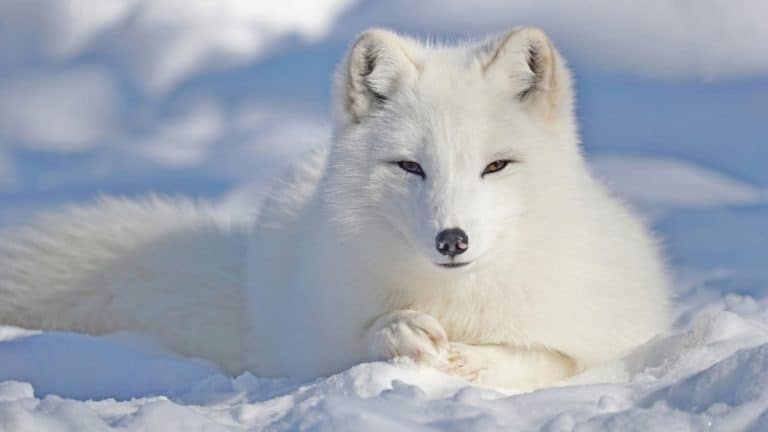
Built for blizzards, born for tundra
Moon-marked climber of Asian forests
Built to dig. Born to endure.

Night pilots of the mammal world
Humps of fat, miles of grit
Small hunter, big household legend
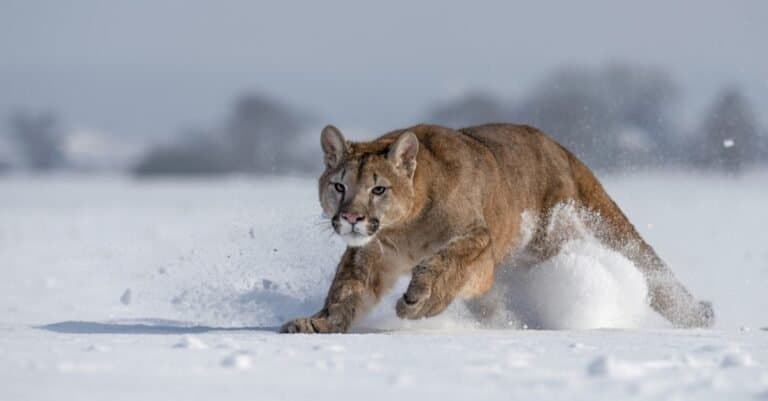
One cat. Two continents.
Sure-footed partner of people

Big beard, bright sun, bold attitude.

Built to soar, born to strike

Spines, eggs, and ant-eating mastery
Bony rays, endless ways.

From dunes to tundra-fox smart.
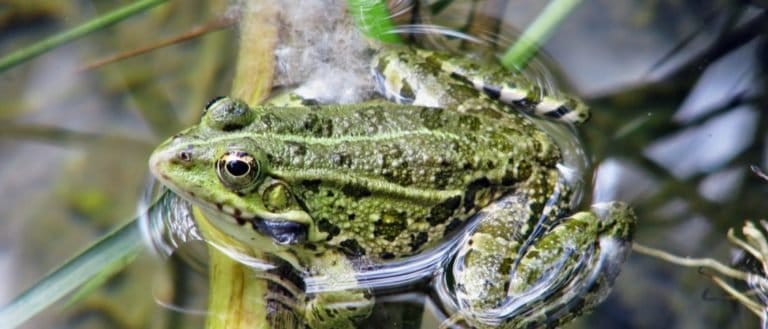
Tailless jumpers, masters of change
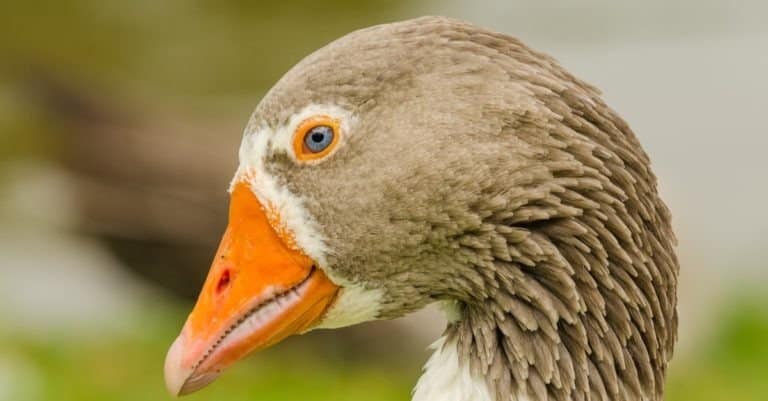
Webbed feet, sky roads, wetland lives
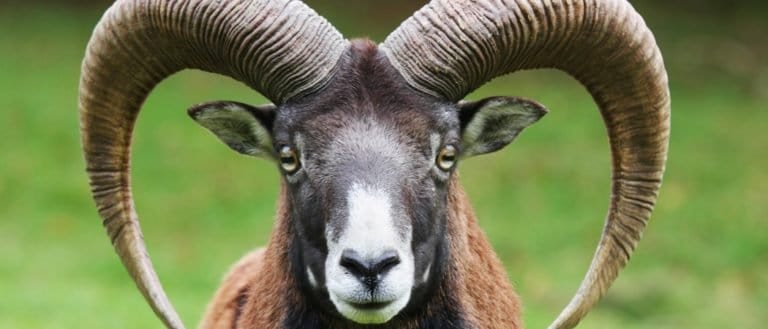
Sure-footed masters of rock and range

Pouches, burrows, and big impacts

One hoofbeat, a thousand histories

Sun-powered lizards of the Americas
Six legs, endless lives.
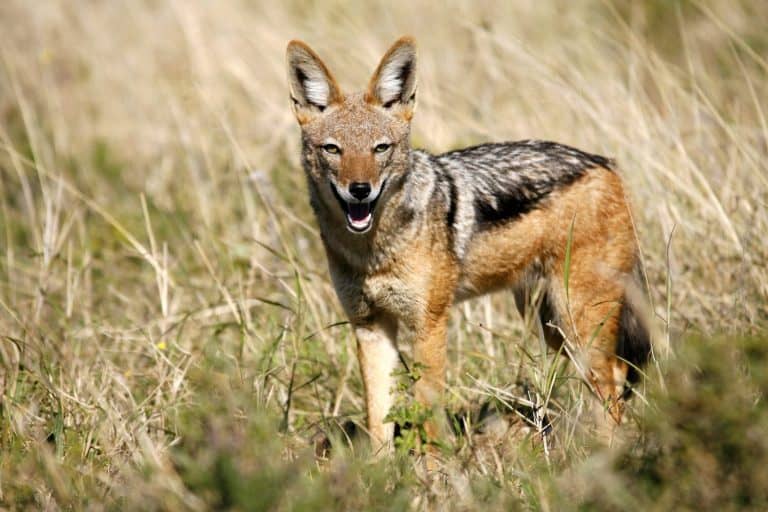
Small canids, big survival skills
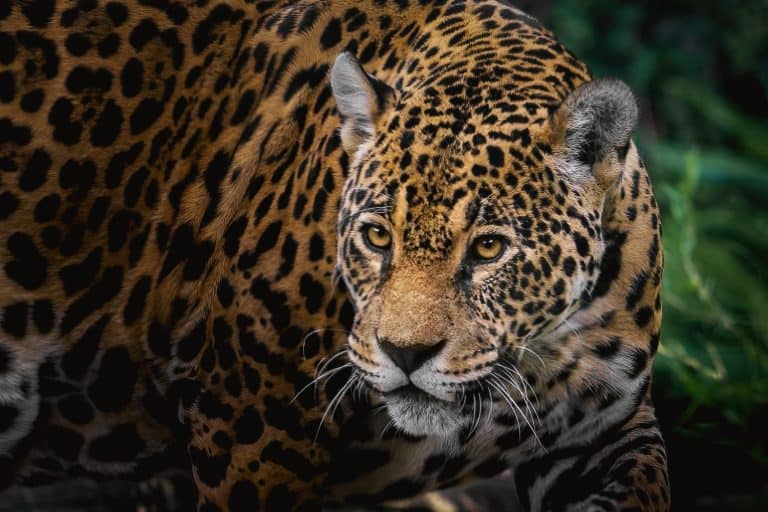
Power of the Americas' apex cat

Sting-powered drifters of the sea
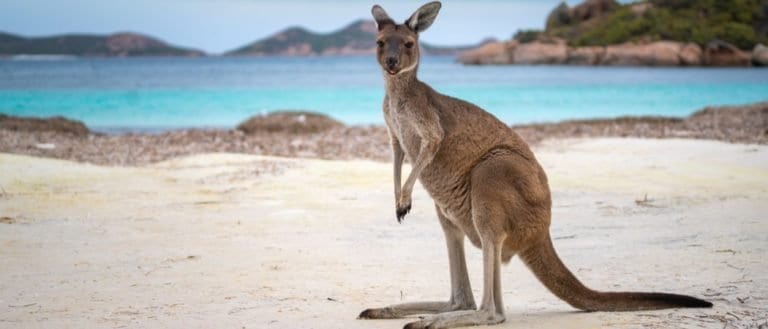
Big hops, big pouches, big variety
Thank you for reading! Have some feedback for us?
We appreciate your help in improving our content.
Our editorial team will review your suggestions and make any necessary updates.
There was an error submitting your feedback. Please try again.