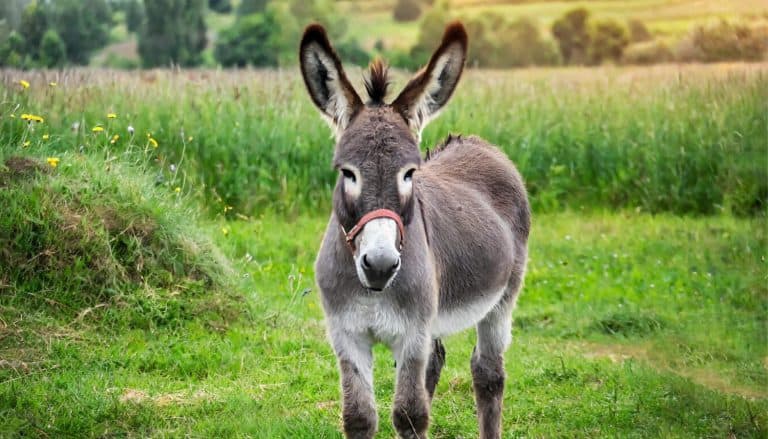
Donkey
Sure-footed partner of people

Sure-footed partner of people
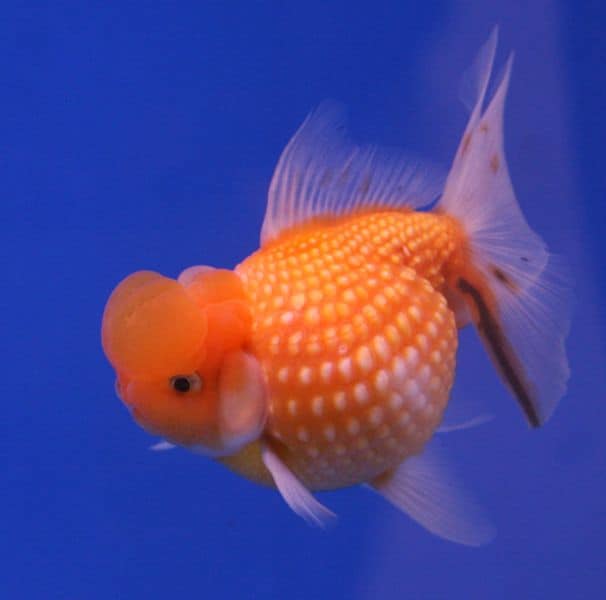
Bony rays, endless ways.
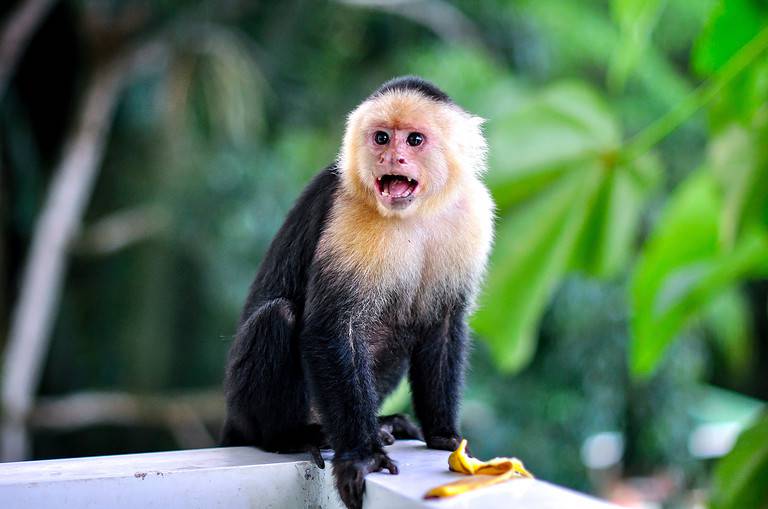
Hands, minds, and social lives
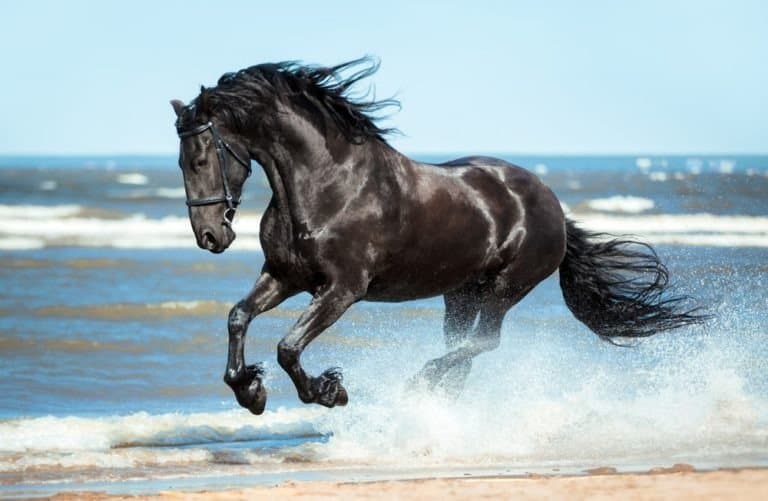
One hoofbeat, a thousand histories
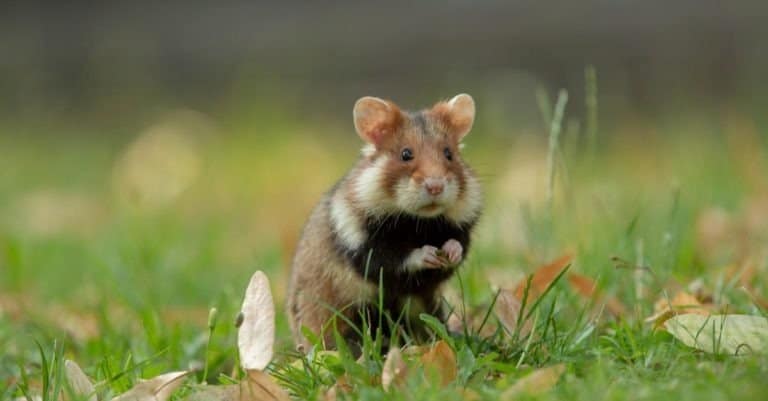
Pouches, burrows, and big impacts
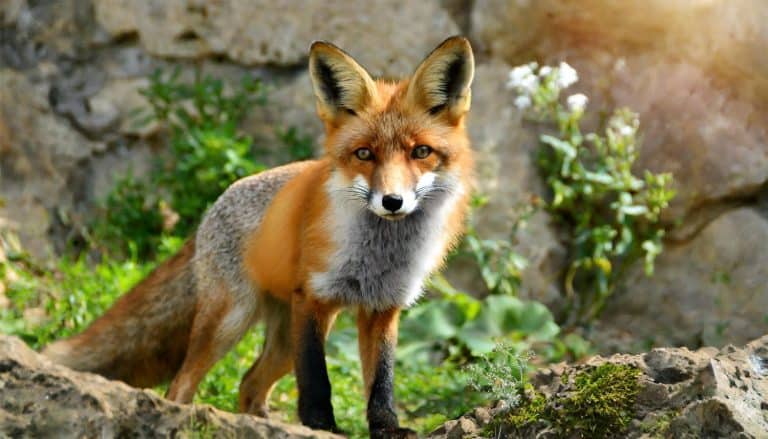
From dunes to tundra-fox smart.
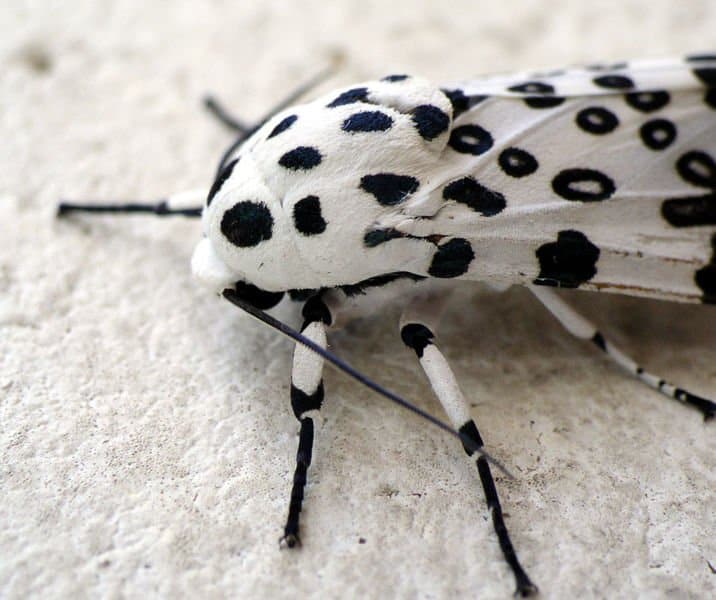
Six legs, endless lives.
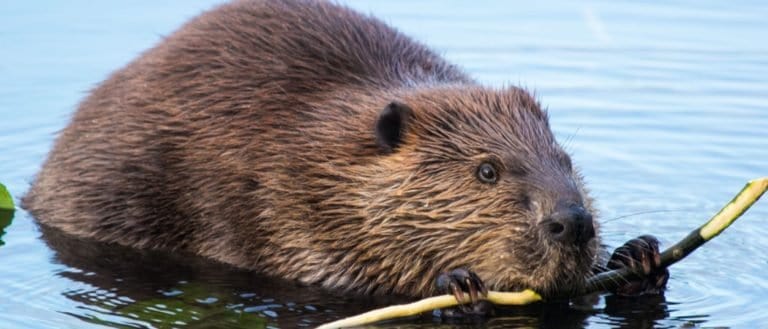
Build wetlands, shape worlds.
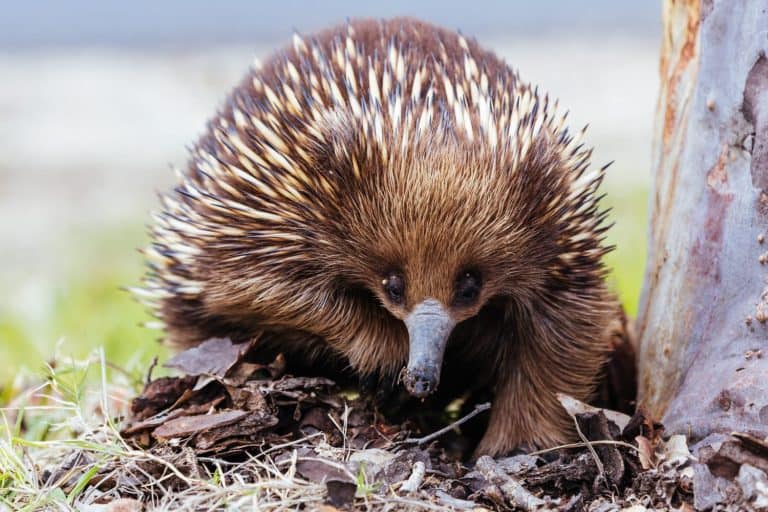
Spines, eggs, and ant-eating mastery
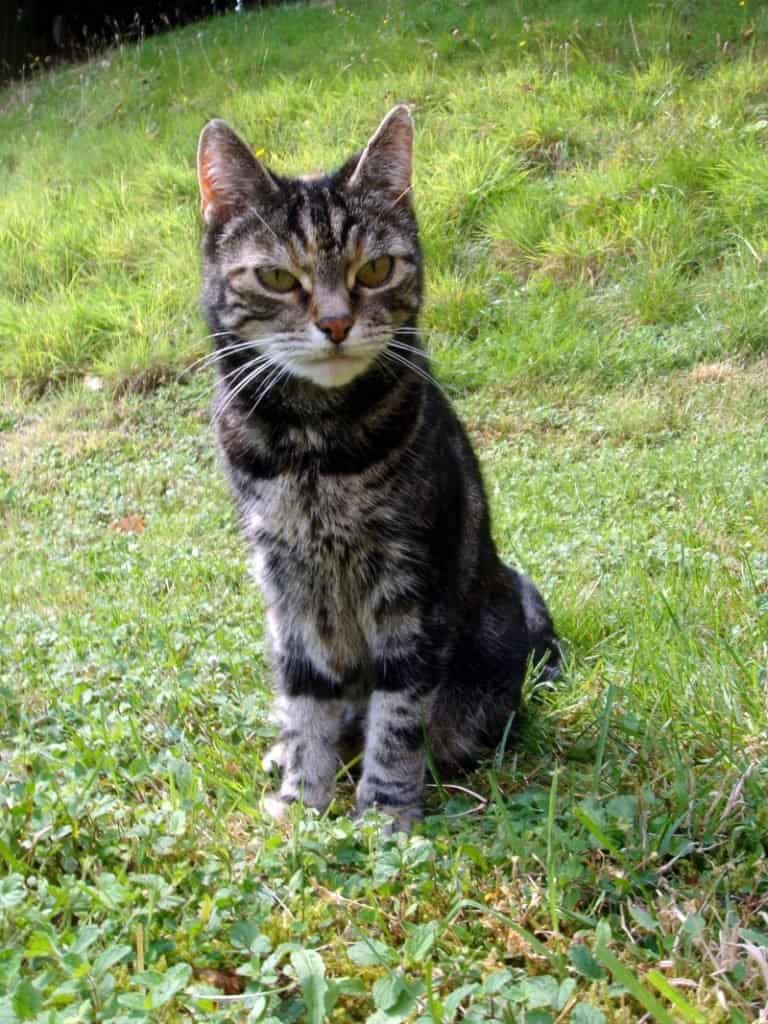
Small hunter, big household legend
An island is a discrete landmass completely surrounded by water and isolated from larger continuous land areas. Islands vary widely in size and origin, from small river or lake islands to large oceanic islands formed by tectonic and volcanic processes.
Islands form through several geologic and geomorphic pathways, including volcanic construction (hotspots and island arcs), tectonic uplift and rifting (continental fragments), sediment deposition (barrier and deltaic islands), and sea-level rise that inundates low-lying terrain and isolates higher ground. Their coastlines are continually reshaped by waves, tides, currents, storms, and longshore sediment transport, producing features such as beaches, dunes, cliffs, lagoons, and reef-fringed shores depending on local energy conditions and sediment supply.
Ecologically, islands experience strong marine influence (salt spray, wind exposure, moderated temperatures) and pronounced gradients from the shoreline to the interior in moisture, salinity, and disturbance. Isolation limits colonization and gene flow, often leading to high endemism, simplified food webs, and distinctive community assemblages, while also making many island ecosystems sensitive to invasive species, habitat loss, and climate-driven sea-level rise. Freshwater availability is frequently constrained by small catchments and thin aquifers, and human settlement patterns commonly cluster along coasts where access and resources are greatest.
0-300 m above sea level for many sedimentary/barrier and low volcanic islands; 0-1,500 m for many tectonic/volcanic islands with interior highlands.
Near sea level for cays/atolls (<5 m typical maximum); >3,000 m on large volcanic/tectonic islands (e.g., high stratovolcano or uplifted mountain islands).
Strong shoreline-to-interior contrasts: steep to near-vertical slopes where wave-cut cliffs, volcanic cones, or fault scarps dominate; gentle, low-gradient coastal plains, dune fields, and reef flats on depositional islands. Many islands have radial drainage and slopes increasing rapidly inland from a narrow coastal bench.
Forms as emergent land surrounded by water via (1) volcanic construction (hotspot/shield volcanoes, island arcs from subduction, caldera emergence), (2) tectonic uplift of continental fragments or coastal blocks, (3) sedimentary buildup (coral reef accretion creating atolls and cays; deltaic/barrier island formation from wave-current sediment transport), and (4) sea-level change that isolates higher ground (post-glacial inundation, storm-driven inlet breaching). Ongoing shaping is dominated by marine erosion, wave refraction, longshore drift, tidal currents, storm surge, and coastal groundwater/salt spray influence.
Highly dynamic at coasts (seasonal beach migration, dune movement, storm erosion, cliff retreat, inlet shifting). Interior stability varies: volcanic islands can be episodically unstable (eruptions, ashfall, lahars); steep wet islands prone to landslides and debris flows; low sandy/coral islands are sensitive to storms, overwash, and sea-level rise. Overall stability ranges from moderately stable interiors to very dynamic shore zones.
Variable: coastal flats, beaches, and low plains are generally easy to traverse but may be intermittently flooded, sandy, or salt-marshy; cliffs, boulder shores, dense coastal scrub, and talus slopes hinder movement. High-relief volcanic/tectonic islands can be difficult due to steep gradients, short incised valleys, and landslide-prone terrain. Habitat isolation can restrict dispersal routes and concentrate wildlife along gentle corridors (beach strands, ridgelines, valley floors).
Specialized salt glands and flattened tail/claws enabling marine algae foraging while coping with seawater and surf
Shell and limb structure for long-distance overland travel and drought tolerance; variable shell shapes suited to island vegetation gradients
Rapidly diversified beak shapes matched to island-specific food resources (seed hardness, insects, cactus), reflecting isolation-driven evolution
Large body size and low metabolic demands suited to prey-limited island systems; effective ambush hunting in open savanna and scrub
Wing-propelled diving and strong flight for commuting between offshore feeding grounds and cliff/soil burrow nesting sites
Dynamic soaring over ocean winds to forage far from land, returning to isolated islands for predator-reduced breeding
Use of remote beaches for pupping and resting; efficient nearshore diving to exploit reef-associated prey
Dense fur and tool use to feed in cold coastal waters, helping anchor life around kelp-forest shorelines
Insular dwarfism and flexible diet enabling survival in limited, isolated habitats with restricted prey availability
Powerful climbing and water-conserving respiration (modified gills) to live terrestrially while still tied to coastal humidity and breeding needs
Not all islands are "ocean-made": many are continental fragments that were once connected to a mainland (e.g., Britain was linked to Europe during the last ice age).
Some islands have freshwater on top of seawater: rain can form a floating "freshwater lens" underground, even on low coral atolls.
Islands can contain "islands within islands": an island can have a lake, with an island in that lake, and sometimes even another lake on that inner island.
The shoreline-to-interior gradient can be extreme: salty sea spray and wind can stunt coastal forests, while lush, taller vegetation thrives just a short distance inland.
Being surrounded by water doesn't guarantee mild weather-mountainous islands can create their own rain shadows, producing deserts or very dry zones right next to wet forests.
Isolation can make animals lose defenses: many island species evolved without predators and became flightless, tame, or unusually bold-until new predators arrived.
Islands don't always shrink with rising seas: some sandy reef islands can naturally shift position, rebuild after storms, or even grow in area as sediments move around.
Volcanic islands can appear (and vanish) quickly-eruptions can create brand-new land, but waves may erode it back below sea level in years or decades.
Maritime influence can amplify cloud and fog: "cloud forests" often form on island mountains where moist ocean air is forced upward, creating ecosystems that wouldn't exist at the same latitude inland.
Island size isn't the whole story for biodiversity: distance from other landmasses strongly controls which species arrive, a core idea of island biogeography.
Greenland is the world's largest island (and it's so big it spans several climate zones), while Australia is classified as a continent rather than an island.
New Guinea is the world's second-largest island and contains one of the highest island peaks on Earth: Puncak Jaya (4,884 m / 16,024 ft), the highest point on any island.
Manitoulin Island (Lake Huron, Canada) is the largest island in a freshwater lake in the world-and it even contains lakes with their own islands.
Bananal Island (Brazil) is widely cited as the world's largest river island, formed by the split channels of the Araguaia River.
The Netherlands' Flevopolder is generally recognized as the world's largest artificial island (a reclaimed polder surrounded by lakes).
Tristan da Cunha is often described as the most remote inhabited island group on Earth-its nearest inhabited neighbor is well over 2,000 km away.
Indonesia is the world's largest archipelagic country, with thousands of islands spread across a vast tropical ocean corridor.
Iceland is the world's largest island created primarily by volcanic activity above sea level, sitting astride the Mid-Atlantic Ridge.
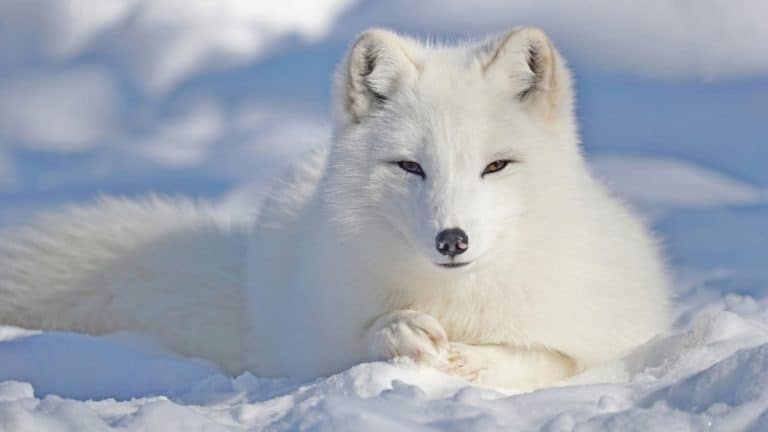
Built for blizzards, born for tundra
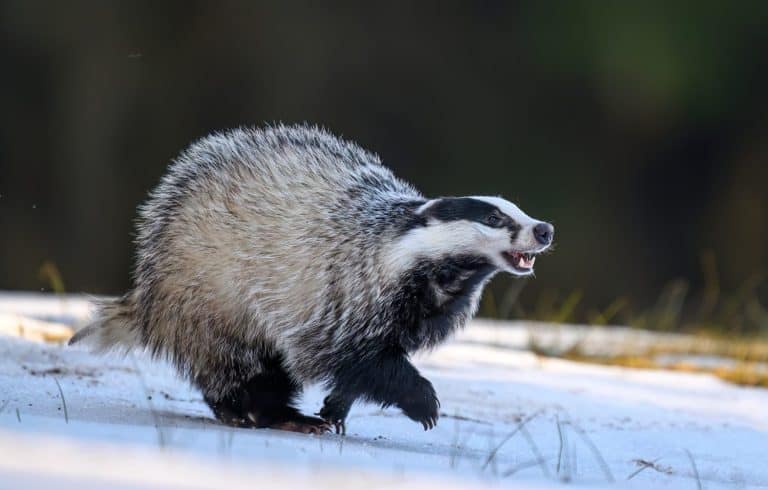
Built to dig. Born to endure.
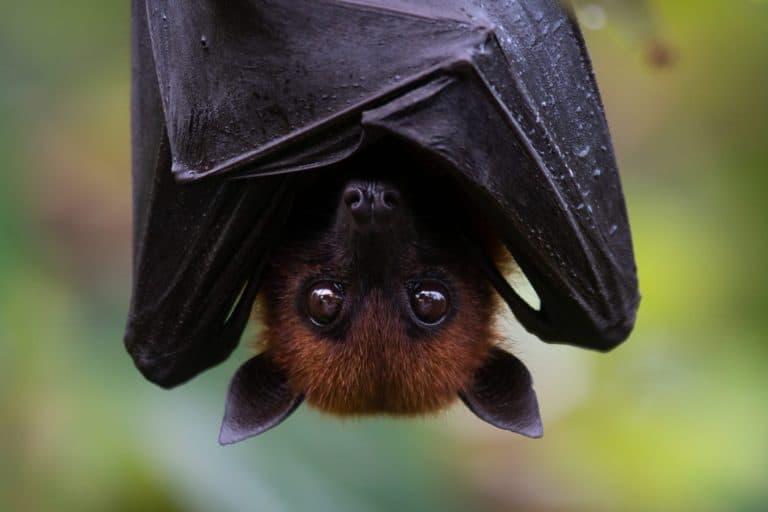
Night pilots of the mammal world
Build wetlands, shape worlds.
Small hunter, big household legend
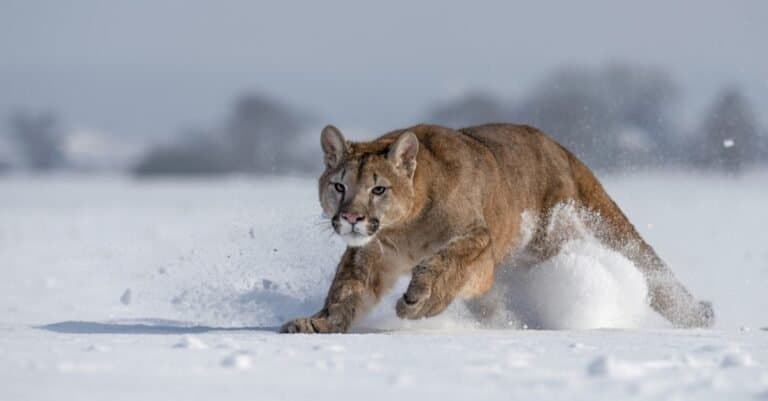
One cat. Two continents.
Sure-footed partner of people
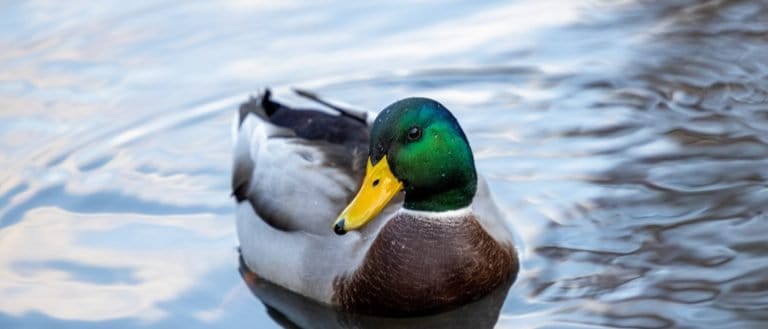
Webbed feet, world travelers.
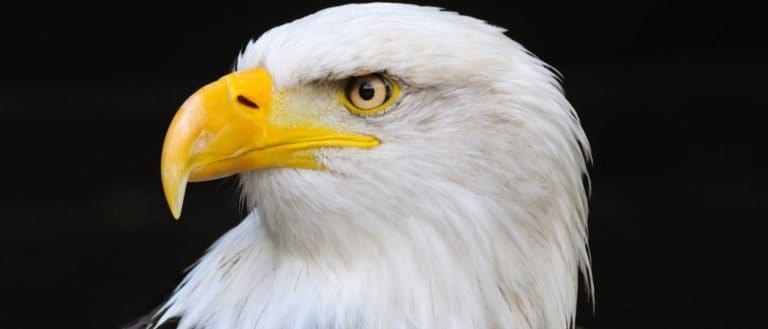
Built to soar, born to strike
Spines, eggs, and ant-eating mastery
Bony rays, endless ways.
From dunes to tundra-fox smart.
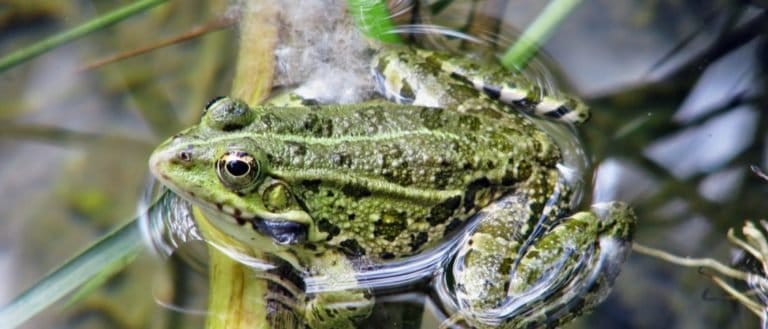
Tailless jumpers, masters of change
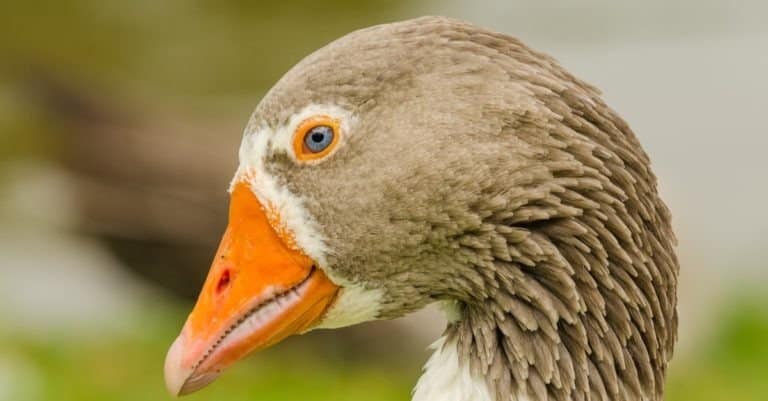
Webbed feet, sky roads, wetland lives
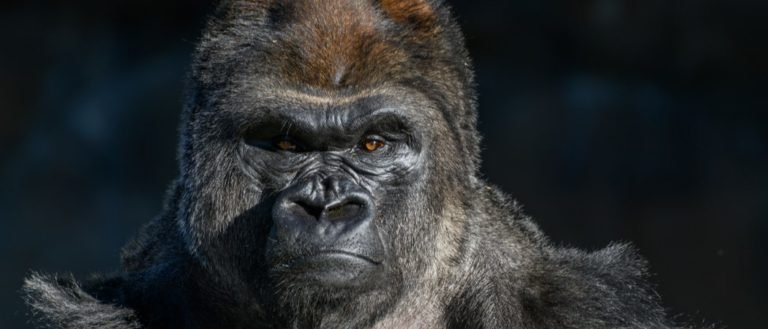
Gentle giants of the African forests
Pouches, burrows, and big impacts
One hoofbeat, a thousand histories
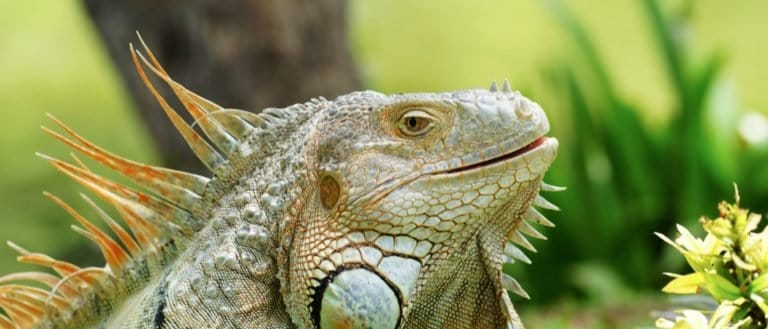
Sun-powered lizards of the Americas
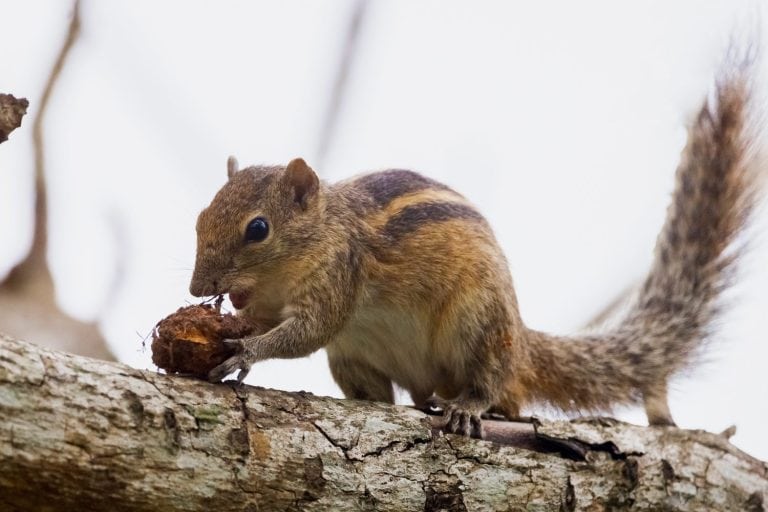
Three stripes. Big city attitude.
Six legs, endless lives.
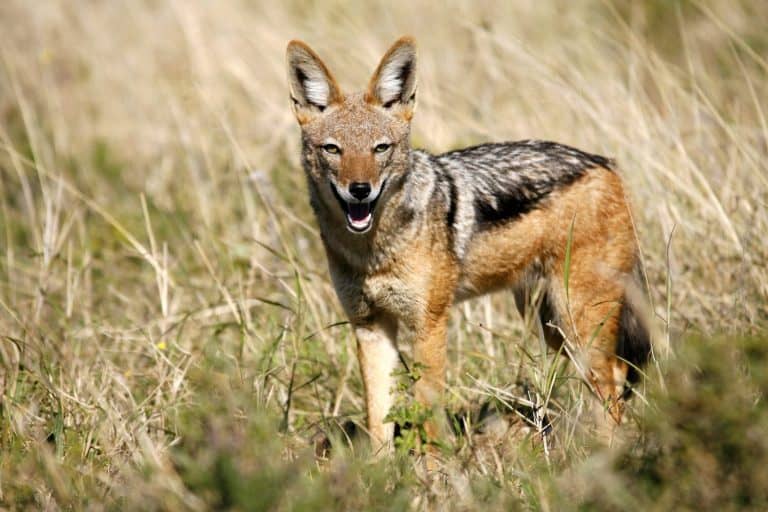
Small canids, big survival skills
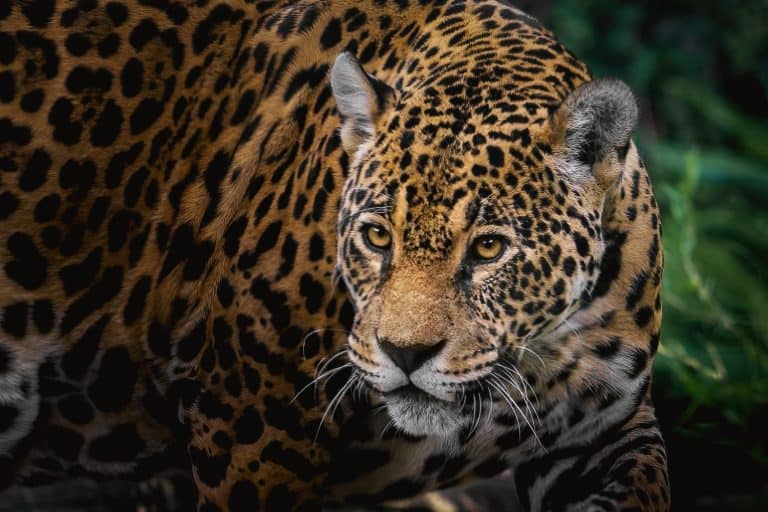
Power of the Americas' apex cat
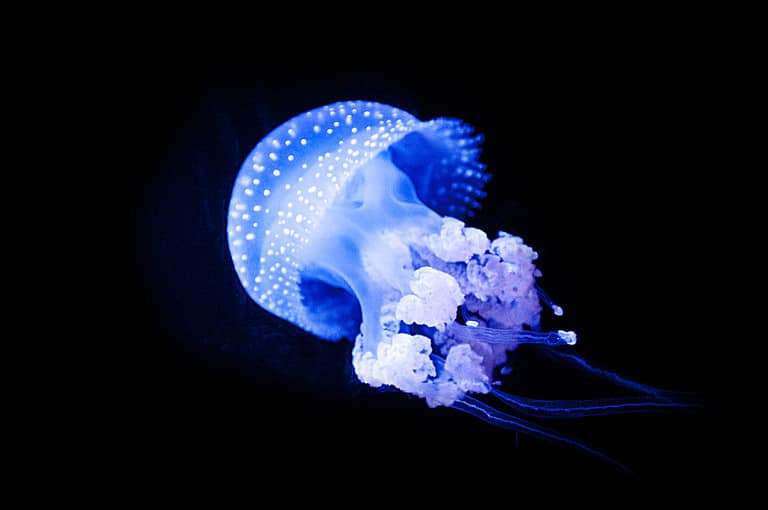
Sting-powered drifters of the sea
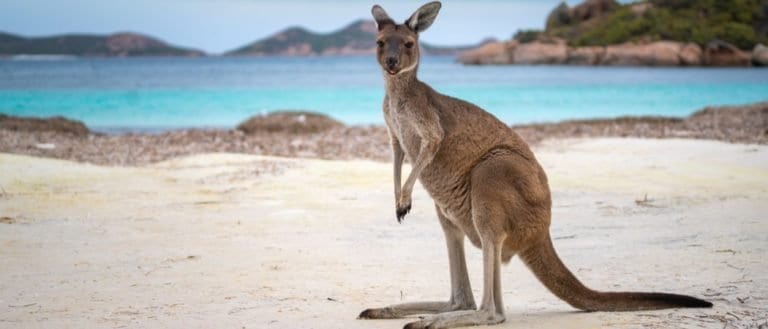
Big hops, big pouches, big variety
Thank you for reading! Have some feedback for us?
We appreciate your help in improving our content.
Our editorial team will review your suggestions and make any necessary updates.
There was an error submitting your feedback. Please try again.