Insects
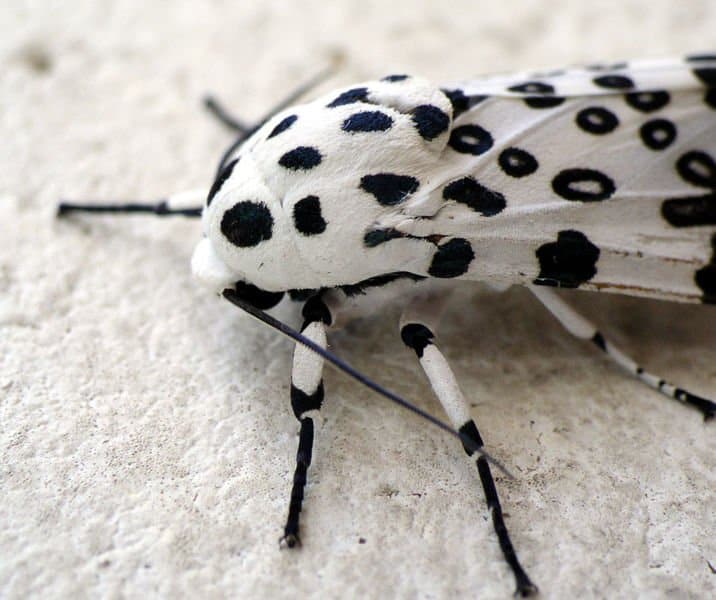
Six legs, endless lives.

Six legs, endless lives.
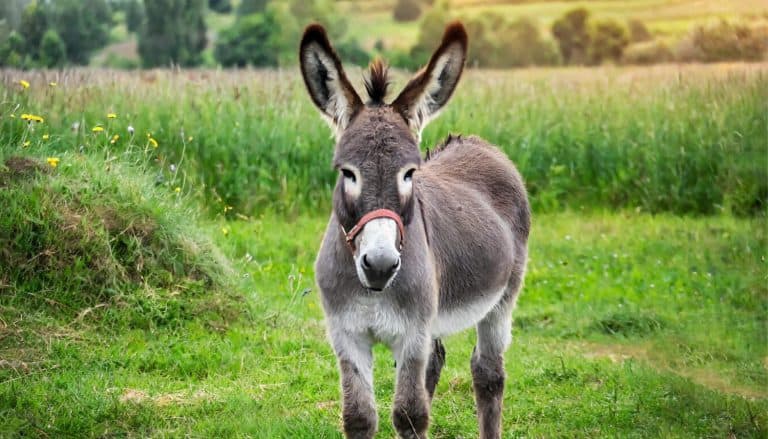
Sure-footed partner of people
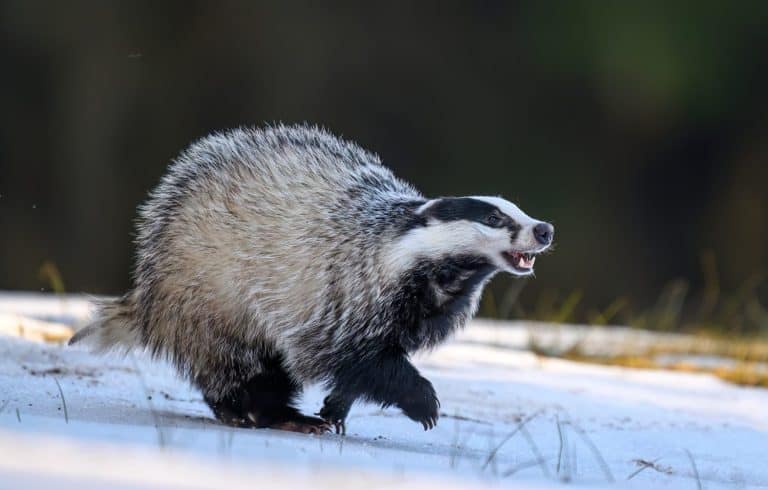
Built to dig. Born to endure.
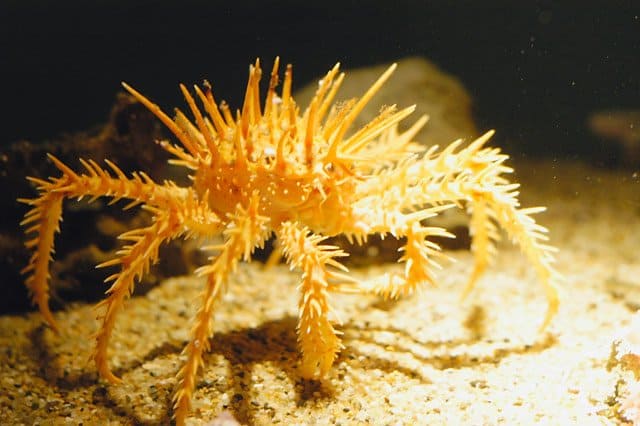
Cold-water royalty of the seafloor
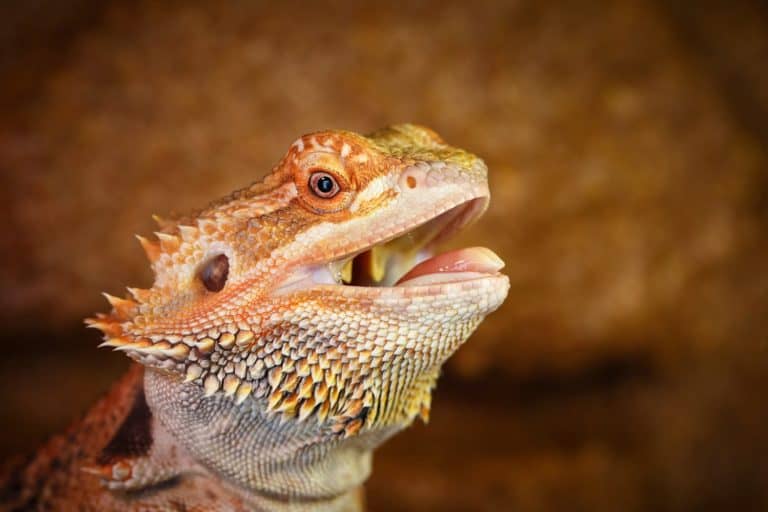
Big beard, bright sun, bold attitude.

Night pilots of the mammal world
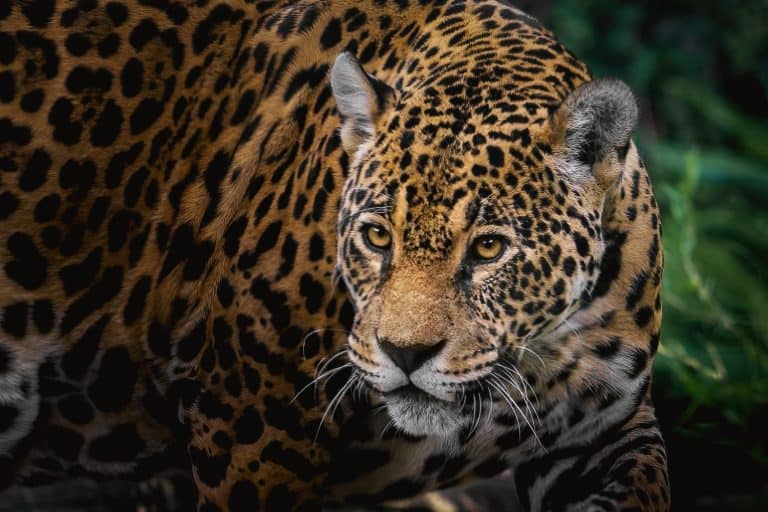
Power of the Americas' apex cat
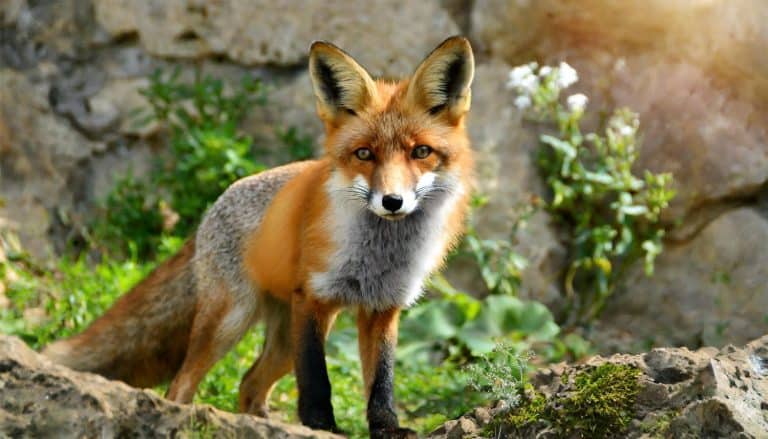
From dunes to tundra-fox smart.
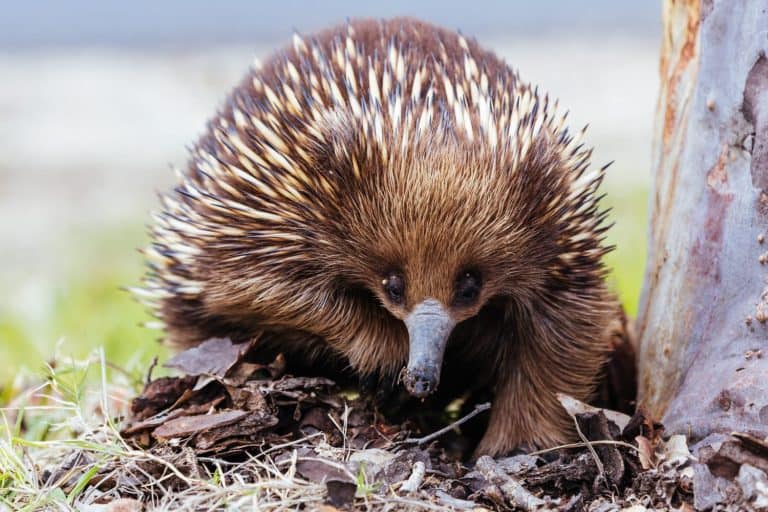
Spines, eggs, and ant-eating mastery
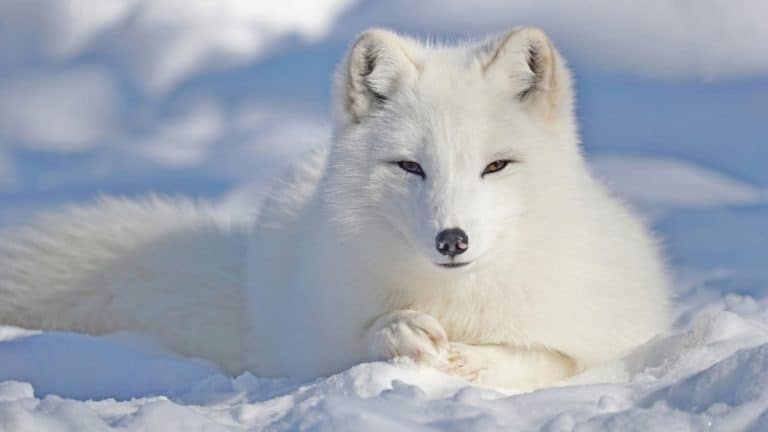
Built for blizzards, born for tundra
Sandy terrain is land dominated by loose, granular sand particles that form a highly permeable, low-cohesion surface. It commonly occurs in coastal settings (beaches, barrier islands) and arid to semi-arid regions (dune fields), where wind or waves continually reshape the ground.
Sandy terrain is characterized by unconsolidated, coarse-textured sediments with very low natural binding, making the surface easy to erode, transport, and redeposit. In coastal environments, waves and tides sort and move sand along shorelines, building beaches, spits, and barrier systems; in deserts and dry plains, wind forms dunes and sand sheets whose shapes reflect prevailing winds and vegetation cover. Because the grains are relatively large compared to silt or clay, sandy substrates drain rapidly and rarely retain moisture near the surface.
Ecologically, sandy soils tend to be nutrient-poor and have limited water-holding capacity, creating drought-like conditions even where rainfall is moderate. Vegetation is typically sparse to patchy and dominated by stress-tolerant species adapted to low fertility, high exposure, salt spray in coastal zones, and frequent burial or scouring by moving sand. Root systems often emphasize anchoring and stabilization (e.g., deep or spreading rhizomes), and plant communities can play a major role in trapping sand and initiating dune stabilization.
From a land-use and hazard perspective, sandy terrain can be difficult for agriculture without irrigation and soil amendments, and it may present challenges for construction due to low bearing capacity and shifting substrates. At the same time, it provides important natural services such as coastal storm buffering (dunes) and unique habitats, but remains sensitive to disturbance: vegetation loss can rapidly increase sand mobility and erosion.
Often low-relief and near sea level on beaches, coastal plains, and river mouths; inland dune fields typically sit tens to a few hundreds of meters above local base level depending on basin topography.
From below sea level in coastal/lagoonal depressions and interdunal swales (sometimes seasonally flooded) to high-elevation dune systems and sandy plateaus at >1,000-2,000 m in some arid interiors; local dune relief commonly 5-50 m, with large dunes occasionally >100-300 m.
Generally gentle overall gradients, but with sharp micro-topography: windward (stoss) dune slopes are low to moderate (~5-15°), while leeward slip faces can approach the angle of repose (~30-35°) and fail as small avalanches. Beach foreshore slopes are typically low (often a few degrees) but vary with grain size and wave energy; scarps may form after storms.
Forms where sand-sized sediment accumulates and is repeatedly sorted by wind, waves, or currents. Commonly produced by weathering/erosion of rock and transport by rivers to coasts, by marine reworking of shelf sediments, or by aeolian deflation and deposition in arid basins. Dunes develop through saltation and creep under persistent winds and are stabilized (partially or fully) when vegetation traps sand; beaches/barrier islands form through wave-driven swash, longshore drift, and storm overwash.
Highly dynamic and mobile where exposed to wind or wave action; surface reworks rapidly, dunes migrate and slip faces avalanche, and beaches erode/accrete seasonally and during storms. Stability increases markedly where vegetation, moisture, or crusts bind grains, but disturbance can quickly reactivate movement.
Variable but often challenging: loose dry sand reduces traction and increases energy cost, especially on steep slip faces; firm damp beach sand is relatively easy. Burrowing and sand-adapted species move well, while larger terrestrial animals may avoid deep, soft dunes except along stabilized ridges or the intertidal/upper beach zones. Sparse cover and limited freshwater can further constrain movement.
Broad, padded feet that spread on sand to prevent sinking and improve traction on dunes
Fur-covered foot pads that insulate from hot sand and aid grip on loose surfaces
Sidewinding locomotion that reduces contact with hot, unstable sand while maintaining traction
Streamlined body and smooth scales enabling it to "swim" through sand to escape heat and predators
Powerful hind legs for bounding across soft sand with minimal sinking and high efficiency
Long legs and a raised body posture that keep the body off scorching sand while moving over dunes
Strong forelimbs and claws for digging stable burrows in sandy soils to avoid temperature extremes
Rapid sideways sprinting and efficient burrowing in loose beach sand for refuge from predators and heat
Sandy ground can be "dry" on the surface yet hold usable water below: because sand is highly permeable, rain can infiltrate quickly and be stored deeper where evaporation is lower.
Despite being called "nutrient-poor," sandy terrain can support highly specialized, diverse communities-plants survive by deep roots, rapid life cycles, or symbioses (like mycorrhizal fungi) that help capture scarce nutrients.
Sand doesn't have to come from the nearest rocks: beach and dune sands are often transported long distances by rivers, currents, and wind, meaning a "local" beach can be built from faraway geology.
Not all sand is quartz: many tropical beaches are largely made of calcium carbonate fragments from shells, corals, and algae-biological sources can dominate the sand budget.
Dunes can "sing" or boom: under the right grain size and dryness, moving sand can produce audible tones, a counter-intuitive example of a landscape making music without any machinery.
Sandy terrain can be cooler at night than nearby rocky ground: sand loses heat quickly after sunset, creating large temperature swings that shape which animals and plants can survive there.
Loose sand can be surprisingly stable when damp: a little moisture creates capillary bridges between grains, temporarily increasing cohesion and allowing steep sand structures (like sandcastles) to stand.
Vegetation can make sand less mobile without making it "solid": dune grasses and shrubs trap wind-blown grains, gradually building dunes upward while still keeping the substrate loose and porous.
Burial isn't always bad for plants: some dune species actually benefit from periodic sand burial, responding by growing new shoots and roots that stabilize the dune further.
Sandy soils can reduce flooding locally but increase drought stress: water infiltrates so fast that plants may experience water scarcity soon after rain, even when precipitation is frequent.
The Sahara Desert is the world's largest hot desert, and parts of it are dominated by vast sandy dune fields (ergs) containing some of Earth's most extensive sand seas.
The Rub' al Khali (Empty Quarter) on the Arabian Peninsula is one of the largest continuous sand deserts on Earth, spanning several countries with immense dune systems.
Star dunes (multi-armed, pyramid-like dunes) can be among the tallest dunes on Earth, reaching hundreds of meters high in some deserts-built where winds come from multiple directions.
Namib Desert dune fields are among the oldest on Earth, with some dune systems persisting for millions of years under long-term arid conditions.
Some coastal dune systems represent some of the fastest-moving large landforms on Earth-individual dunes can migrate meters to tens of meters per year under strong, consistent winds.
Some of the whitest natural beaches on Earth owe their "record" brightness to extremely clean, light-colored sand (often quartz or carbonate-rich), reflecting large amounts of sunlight.
Built for blizzards, born for tundra
Built to dig. Born to endure.
Night pilots of the mammal world

Humps of fat, miles of grit

Small hunter, big household legend
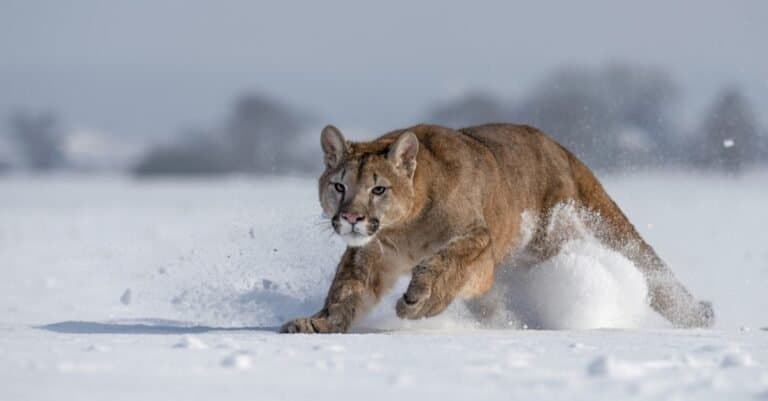
One cat. Two continents.
Sure-footed partner of people
Big beard, bright sun, bold attitude.
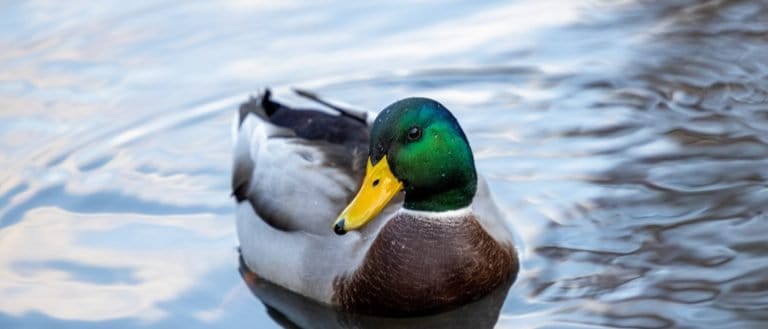
Webbed feet, world travelers.
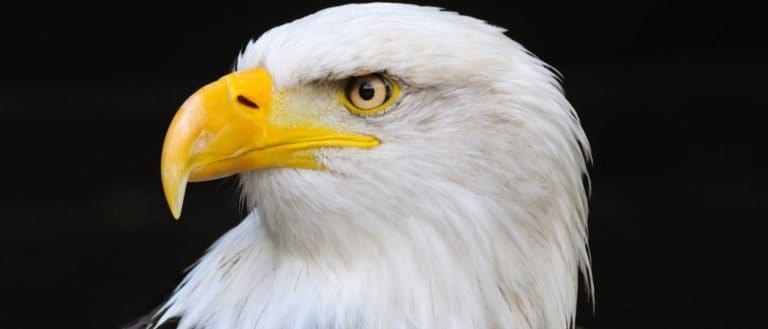
Built to soar, born to strike
Spines, eggs, and ant-eating mastery
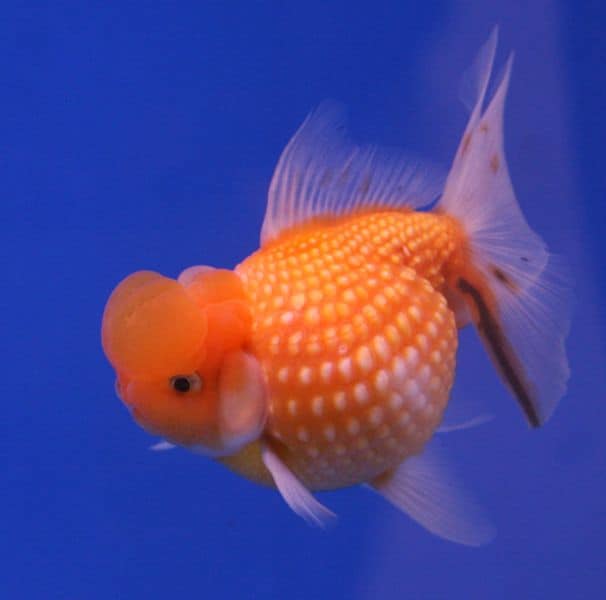
Bony rays, endless ways.
From dunes to tundra-fox smart.
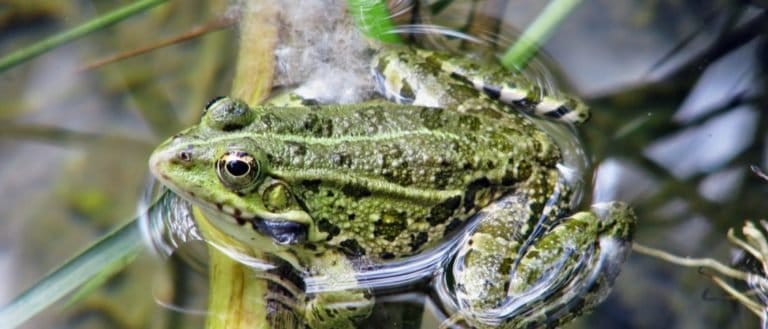
Tailless jumpers, masters of change
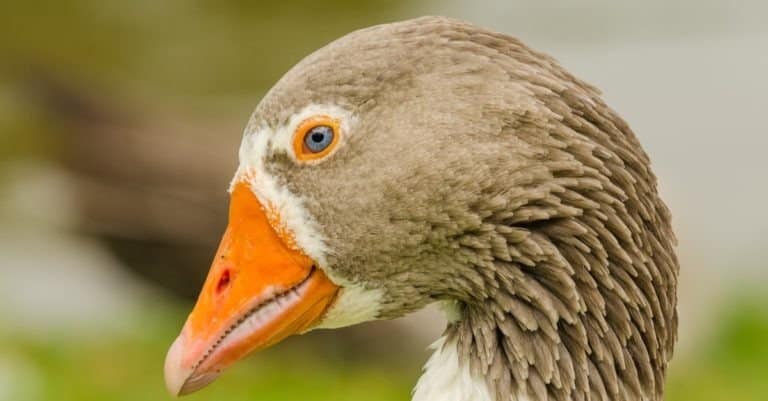
Webbed feet, sky roads, wetland lives

Pouches, burrows, and big impacts
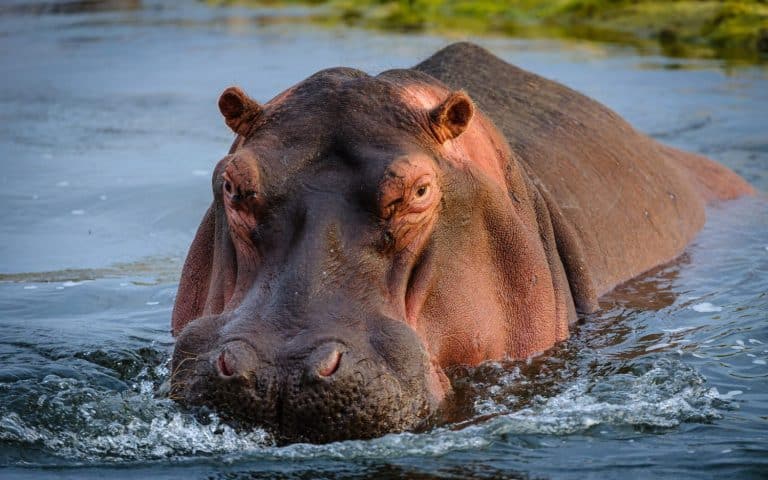
Big river grazer, bigger attitude
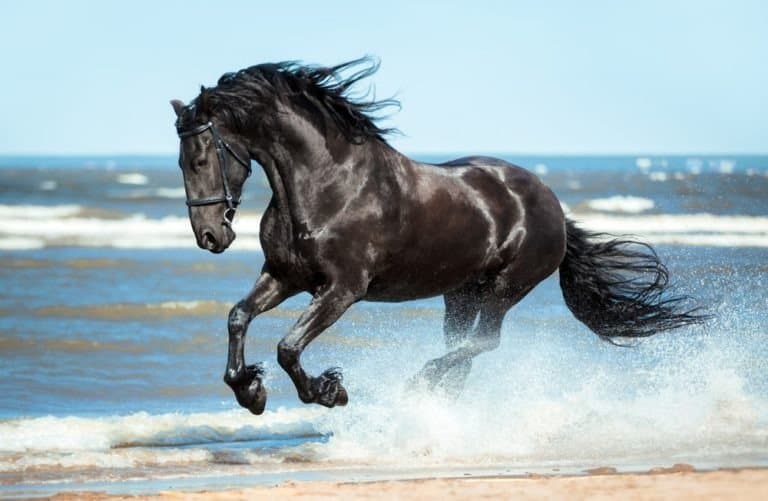
One hoofbeat, a thousand histories
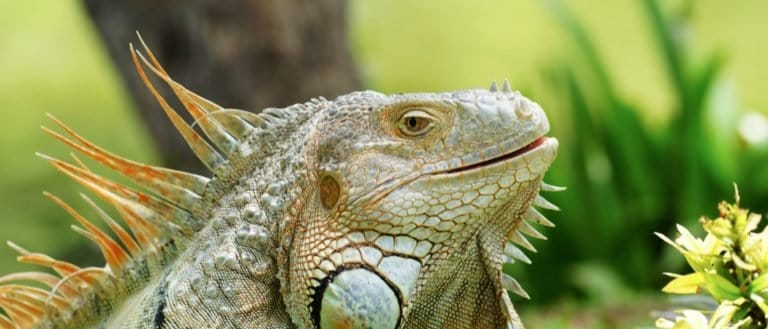
Sun-powered lizards of the Americas
Six legs, endless lives.
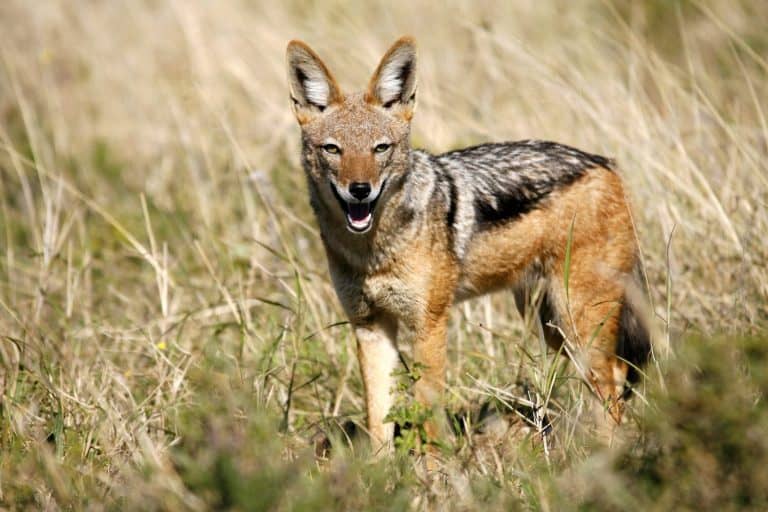
Small canids, big survival skills
Power of the Americas' apex cat

Sting-powered drifters of the sea
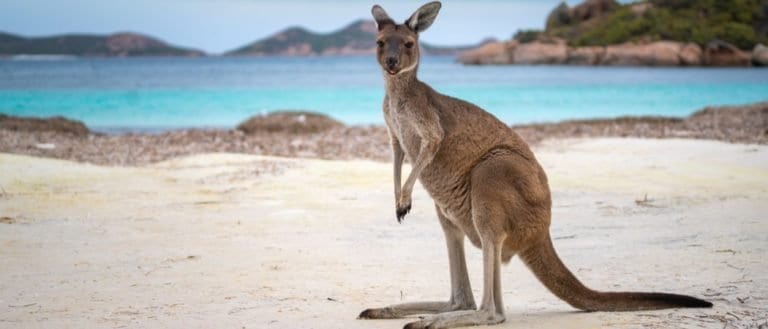
Big hops, big pouches, big variety
Thank you for reading! Have some feedback for us?
We appreciate your help in improving our content.
Our editorial team will review your suggestions and make any necessary updates.
There was an error submitting your feedback. Please try again.