Animal Habitats

Coral Reef

Underwater ecosystems built by coral polyps, supporting immense biodiversity
182 Animals
1/8 Page
Overview

Understanding This Category

A coral reef is a shallow-water marine habitat built primarily by reef-forming corals and other calcifying organisms that create rigid calcium carbonate structures. These reefs occur mostly in warm, clear, sunlit seas and form complex three-dimensional ecosystems that support exceptionally high biodiversity.

Coral reefs are underwater places made over thousands of years by reef-building corals and coralline algae that lay down calcium carbonate. With zooxanthellae, they grow best in clear tropical waters. Their crevices, caves, overhangs, and branches make homes for fish, invertebrates, algae, and microbes, and protect coasts. Reefs are threatened by heat, ocean acidification, pollution, harmful fishing, bleaching, and disease.

Key Characteristics

Built by calcifying organisms (especially scleractinian corals) forming calcium carbonate reef framework
Typically occurs in warm, clear, sunlit, shallow waters (photic zone) with relatively stable salinity
High three-dimensional structural complexity (crevices, ledges, branching and massive coral forms)
Exceptionally high biodiversity and dense species interactions (symbioses, grazing, predation, competition)
Strong dependence on light-driven primary production via coral-algae symbiosis; efficient nutrient recycling in otherwise low-nutrient waters
Zonation patterns (reef flat, crest, fore reef/slope, back reef/lagoon) driven by wave exposure and depth
Provides coastal protection by dissipating wave energy; supports important fisheries and tourism
Sensitive to temperature anomalies, sedimentation, eutrophication, acidification, and physical damage (bleaching risk)
Environment

Environmental Conditions

Climate

Temperature Range
18°°C to 30°°C
Precipitation
Variable; often tropical/subtropical coasts with moderate to high rainfall, but reefs persist best where runoff/turbidity is low and water remains clear.

Conditions

High light; photic zone with strong PAR needed for symbiotic zooxanthellae. Commonly in clear water with low turbidity; optimal in shallow sunlit areas, with depth limit set by light attenuation.

Shallow, clear, well-oxygenated marine water; typically normal oceanic salinity (~34-36 PSU, tolerates ~30-38 PSU short-term). Currents/wave action range from sheltered lagoons to high-energy fore-reef; moderate flow beneficial for nutrient/oxygen delivery and sediment removal, while persistent high turbidity/runoff is detrimental.

Ecology

Ecological Community

Biodiversity Level

High - coral reefs provide complex three-dimensional structure and many microhabitats (crevices, branching corals, overhangs) coupled with strong niche specialization, symbioses, and high productivity, which together support exceptionally high species richness across fishes, invertebrates, and microbes.

Flora

  • Benthic macroalgae (seaweeds)
  • Turf algae communities
  • Seagrasses in adjacent lagoon/back-reef areas
  • Symbiotic photosynthetic microalgae (zooxanthellae/Symbiodiniaceae) within corals and some invertebrates
  • Crustose coralline algae (calcifying red algae) that cement/stabilize reef framework

Fauna

Ecosystem Services

  • Habitat provision and nursery grounds supporting very high marine biodiversity
  • Fisheries support (food security and livelihoods) via reef-associated fish and invertebrates
  • Coastal protection by dissipating wave energy and reducing erosion and storm surge impacts
  • Carbonate production and sand generation that help build and maintain islands and beaches
  • Tourism and recreation (snorkeling/diving) and associated economic value
  • Nutrient cycling and water-quality regulation through tight recycling and filtration (e.g., sponges)
  • Biotechnological and pharmaceutical potential from diverse reef organisms and their compounds
Conservation

Conservation Status

Globally threatened and in declining condition; many reefs have lost live coral cover and structural complexity due to repeated mass-bleaching, ocean warming, and local stressors. While some reefs remain relatively intact, overall health is widely assessed as poor to moderate with increasing frequency of severe disturbance events.

~30-50% historically (substantial global loss/degradation since the mid-20th century; losses are higher in many regions and for specific reef types). Lost
Declining Current Trend

Primary Threats

  • Marine heatwaves drive mass bleaching and mortality; ocean acidification reduces calcification and reef-building; sea-level rise and storm intensification can increase physical damage and alter light regimes.
  • Nutrient runoff and sewage fuel algal overgrowth and reduce water clarity; sedimentation smothers corals; toxins and plastics harm reef organisms.
  • Removal of herbivores and predators disrupts food webs, promotes algal dominance, and reduces reef resilience; destructive fishing practices can physically damage reefs.
  • Coastal development, dredging, land reclamation, ports, and tourism infrastructure directly remove or bury reefs and increase chronic turbidity.
  • Coral diseases (often exacerbated by warming and pollution) can cause rapid tissue loss and large-scale mortality in susceptible species.
  • Anchor damage, trampling, irresponsible diving/snorkeling, and ship groundings physically break corals and reduce recovery potential.
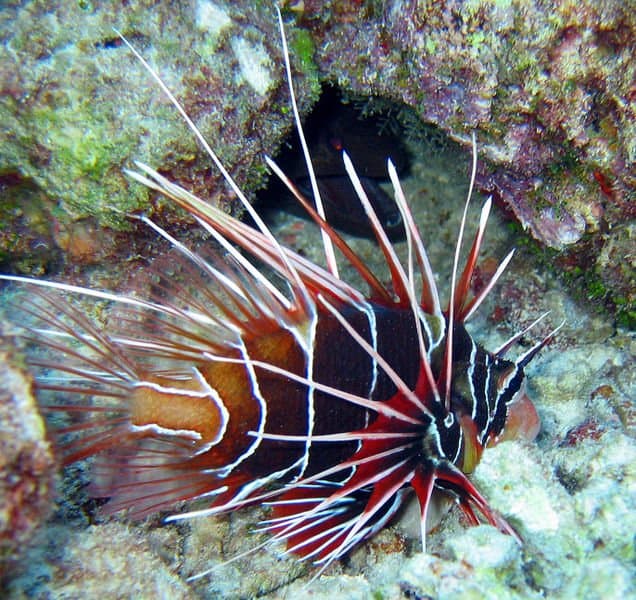
  • In some regions, invasive predators/competitors (e.g., lionfish in the western Atlantic) alter reef communities and reduce native fish populations.
  • Changes to freshwater flow, shoreline hardening, and altered sediment dynamics can degrade water quality and reef habitat conditions.

Protection Efforts

  • Establishing and enforcing marine protected areas (MPAs), including no-take zones
  • Fisheries management: catch/gear limits, herbivore protection, bans on destructive fishing, seasonal closures
  • Improving water quality: wastewater treatment, stormwater control, agricultural nutrient/sediment reduction, watershed management
  • Tourism management: mooring buoys, anchoring restrictions, visitor caps, reef-safe guidelines, zoning
  • Active restoration: coral nurseries, outplanting, microfragmentation, reef substrates/artificial structures (site-dependent)
  • Crown-of-thorns starfish monitoring and control where outbreaks occur
  • Early-warning and response plans for bleaching events; temporary stress reduction measures (e.g., limiting local impacts during heat stress)
  • Community co-management, Indigenous stewardship, and compliance programs
  • Monitoring and research: benthic surveys, thermal stress tracking, disease surveillance, genetic/seed-bank efforts for resilience

Notable Protected Areas

Great Barrier Reef Marine Park (Australia) Papahanaumokuakea Marine National Monument (USA) Phoenix Islands Protected Area (Kiribati) Chagos Marine Protected Area (British Indian Ocean Territory) Tubbataha Reefs Natural Park (Philippines) Raja Ampat Marine Protected Area network (Indonesia) Bonaire National Marine Park (Caribbean Netherlands) Galapagos Marine Reserve (Ecuador)

Restoration Potential

Moderate but constrained: local restoration can rebuild coral cover and habitat complexity at targeted sites (especially where water quality and fishing pressure are well managed), but long-term success depends on reducing chronic local stressors and limiting warming/acidification. Best outcomes come from combining protection, water-quality improvements, and restoration using heat-tolerant genotypes/species where appropriate.

Climate Vulnerability

Very high: coral thermal thresholds are narrow, and marine heatwaves are increasing in frequency and intensity. Repeated bleaching can outpace recovery, and ocean acidification undermines reef accretion, making reefs among the most climate-sensitive ecosystems.

Human Impact

Human Interaction

Human Uses

  • Subsistence and small-scale commercial fishing (reef fish, invertebrates)
  • Collection of aquarium trade species (fish, corals, live rock) where permitted
  • Harvest of construction materials historically (coral limestone, sand) in some regions
  • Bioprospecting for pharmaceuticals and biomedical compounds (e.g., antimicrobial, anticancer leads)
  • Coastal protection services leveraged for safeguarding infrastructure (natural breakwater)
  • Education and scientific research (field stations, monitoring sites)
  • Traditional gleaning in intertidal/reef-flat areas (shellfish, sea cucumbers, octopus)

Impacts

  • Climate change-driven marine heatwaves causing coral bleaching and mortality
  • Ocean acidification reducing calcification and reef-building capacity
  • Overfishing and destructive fishing (blast fishing, cyanide) altering food webs and damaging structure
  • Coastal development, dredging, and land reclamation increasing sedimentation/turbidity and direct habitat loss
  • Nutrient and pollutant runoff (sewage, agriculture) causing eutrophication and disease risk
  • Physical damage from anchors, boat groundings, trampling, and irresponsible diving/snorkeling
  • Coral and species extraction for souvenirs/aquarium trade; illegal harvesting
  • Invasive species introductions and disease outbreaks facilitated by shipping and warming
  • Microplastics, oil/chemical spills, and marine debris entanglement/abrasion

Sustainable Practices

  • Establish and enforce marine protected areas (no-take zones) and locally managed marine areas with community co-management
  • Implement sustainable fisheries management: catch limits, size/gear restrictions, seasonal closures, protection of herbivores and spawning aggregations
  • Improve water quality: wastewater treatment, septic upgrades, stormwater controls, agricultural best practices to reduce nutrients/pesticides, erosion control
  • Reef-safe tourism: mooring buoys (no anchoring), visitor caps at sensitive sites, operator training, codes of conduct, reef-safe sunscreen policies
  • Coastal planning setbacks and limits on dredging; sediment curtains and timing restrictions when construction is unavoidable
  • Active restoration where appropriate: coral gardening/outplanting, assisted recovery of key herbivores, substrate stabilization
  • Monitoring and early-warning systems for bleaching; rapid-response plans to reduce local stressors during heat events
  • Reduce shipping impacts: designated channels, ballast-water management, spill prevention and response readiness
  • Climate mitigation at broader scales (emissions reductions) paired with local resilience actions
Fun Facts

Did You Know?

Corals are animals, not plants or rocks-they're colonies of tiny polyps that build skeletons of calcium carbonate.

Many corals get much of their energy from microscopic algae (zooxanthellae) living inside their tissues; reef health is a partnership, not a solo act.

Coral bleaching isn't the coral "turning white" by itself-it's the loss of those symbiotic algae (and their pigments), usually triggered by heat stress or other pressures.

Reefs can be incredibly noisy: snapping shrimp and fish choruses create a constant crackle and hum that helps larval fish navigate back to reef habitat.

Some reefs thrive in unexpected places: "deep" or "mesophotic" reefs exist at lower light levels, and a few coral communities persist in cooler or more turbid waters than people typically imagine.

A reef's dazzling colors often come from living tissue and symbiotic algae-dead coral skeleton is usually white unless coated by algae or other organisms.

Corals don't just build upward; storms can break coral branches, and those fragments can reattach and grow-reef recovery can sometimes look like underwater "cloning."

Think of a coral reef as an underwater city: high-rise structures, hidden alleyways, and neighborhoods that different species specialize in.

Reef-building corals are like tiny stonemasons-each polyp adds a bit of limestone, and together they construct whole "apartment complexes."

Coral reefs are the "tropical rainforests of the sea" in biodiversity: lots of species packed into complex, layered habitat.

Bleaching is like a power outage for corals: without their energy-producing partners, they can starve if stressful conditions last too long.

A healthy reef is like a living breakwater-its rough, solid structure helps dissipate wave energy and reduce coastal erosion during storms.

Coral reefs cover less than 1% of the ocean floor but support roughly a quarter of all marine species-an outsized "biodiversity jackpot" for such a small area.

The Great Barrier Reef is the largest coral reef system on Earth (about 2,300 km long) and is so extensive it can be seen from space under the right conditions.

Some reef-building corals can live for centuries, making certain coral colonies among the longest-lived animals in the ocean.

Reef structures can be massive: over long timescales, coral growth and cementation can build limestone formations that become islands and even mountain-sized rock records of ancient seas.

Reefs are among the most economically valuable ecosystems per unit area, supporting fisheries, tourism, and coastal protection worth billions of dollars annually worldwide.

Coral Reef Animals

Showing 1-24 of 182

All Animals A-Z