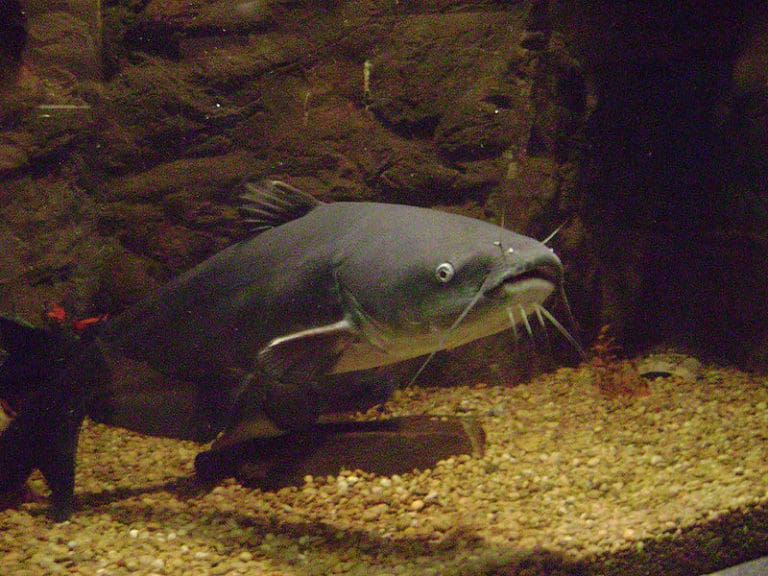
Catfish
Whiskers, spines, and river smarts

Whiskers, spines, and river smarts
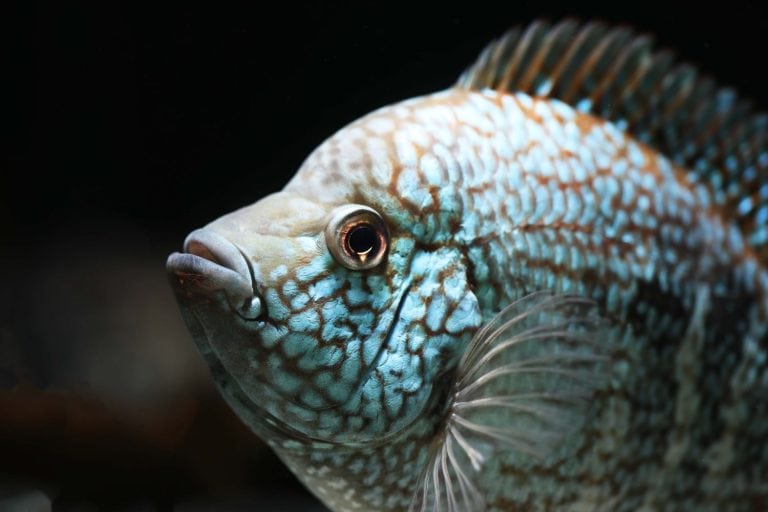
Nature's masters of rapid evolution
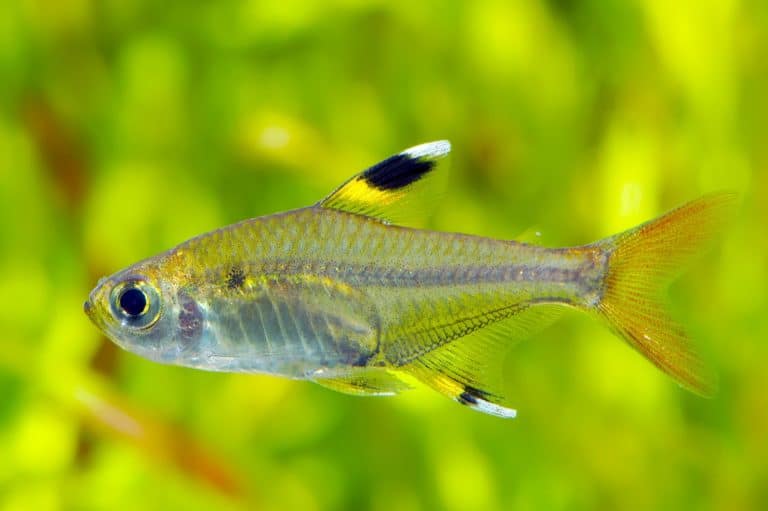
See-through schooling charm
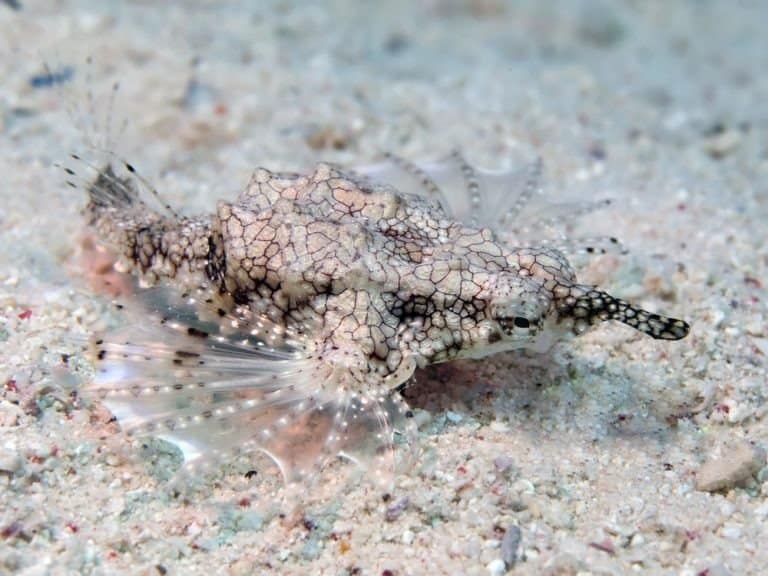
Tiny lanterns, giant teeth.
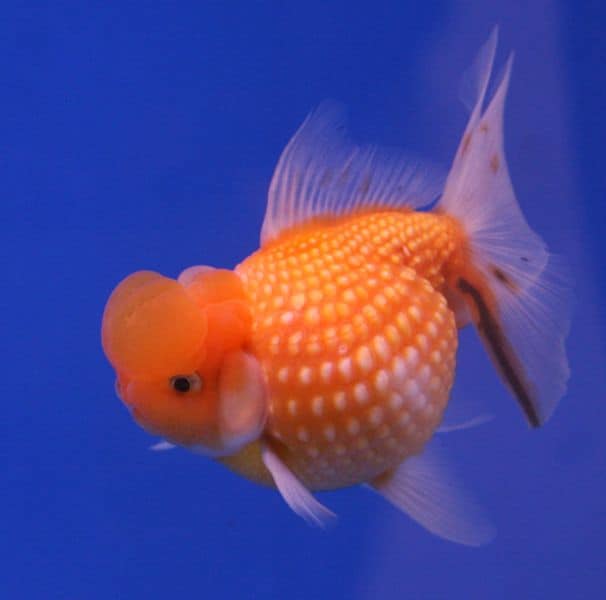
Bony rays, endless ways.
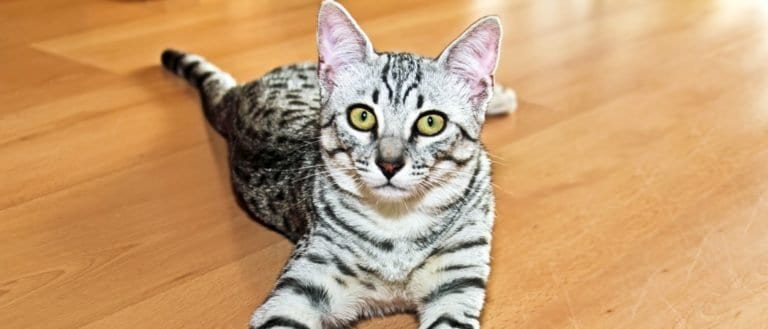
Naturally spotted. Built to sprint.
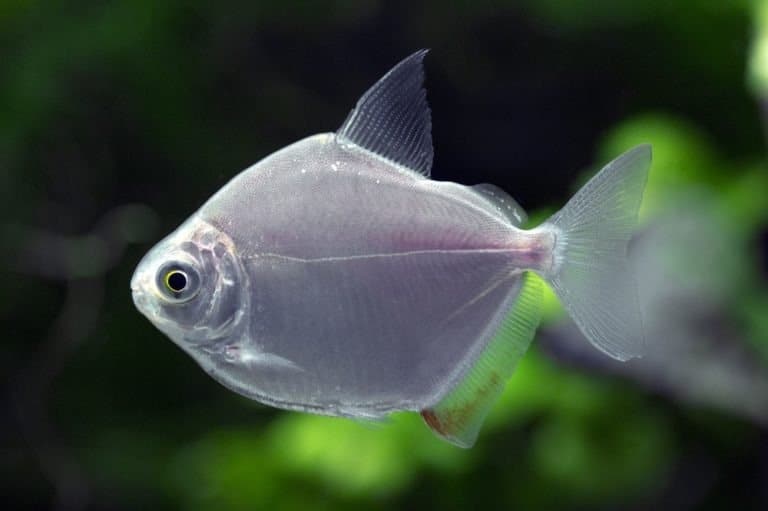
Peaceful schoolers, ruthless on plants
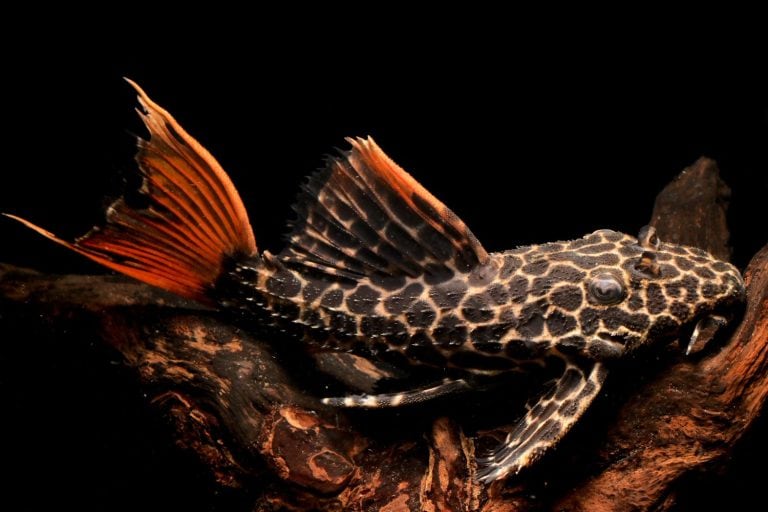
Bottom cleaners of North America's waters
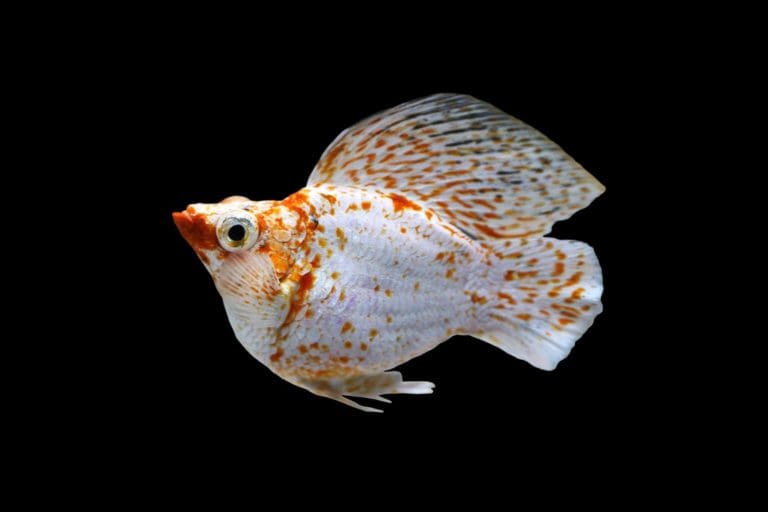
Livebearing grazer with brackish grit
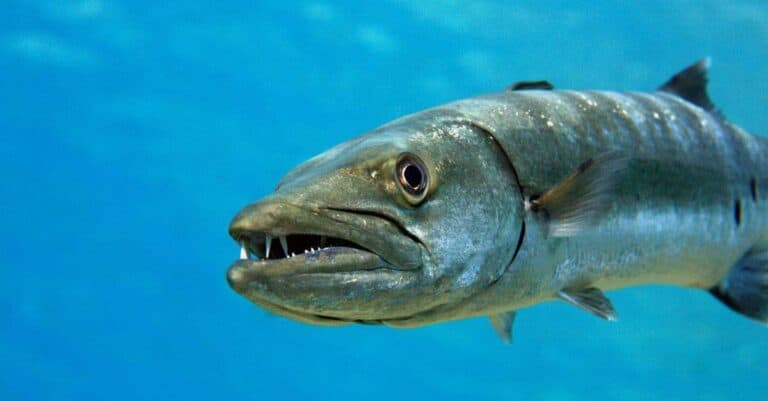
Silver speedsters with a bite
In animal coloration, silver is a pale gray to near-white appearance characterized by a metallic or reflective sheen produced by weak pigmentation and strong broadband light scattering from integumentary microstructures (e.g., hair/feather keratin, guanine platelets, or layered cuticle). It is typically a structural-pigment composite effect in which reduced melanin (or diluted chromophores) allows surface and subsurface structures to reflect and scatter light, creating a bright, shimmering look.
Silver is a striking animal color best recognized by its bright, metallic-looking pale gray that seems to glow or shimmer as the viewing angle or lighting changes. Unlike flat gray, silver often carries a reflective "sheen" that can make fur look frosted, feathers look satin-like, or fish and invertebrates appear mirror-bright. This effect is especially noticeable in motion-when an animal turns, the highlights shift across the body, producing a dynamic, polished appearance.
Biologically, silver frequently emerges from a combination of reduced pigment and specialized light-handling structures. In mammals and birds, low melanin deposition (or diluted melanin distribution) can reveal the strong scattering properties of keratin-based hairs or feather barbs, yielding a luminous, silvery cast rather than a simple gray. In many aquatic animals, silvery brightness can be enhanced by reflective elements such as guanine crystals or multilayer tissues that send back broad-spectrum light, helping create the characteristic metallic flash.
Functionally, silver can serve multiple ecological roles. It can provide camouflage by blending with skyglow, fog, surf, or open-water brightness; disrupt outlines through changing highlights; or amplify signaling by making an individual more conspicuous during displays. Because it depends strongly on structure and lighting, "silver" in animals is as much about optical physics as it is about pigment-an interplay that makes it one of the most visually distinctive pale color categories in the animal kingdom.
Silver on animals reads as a pale gray to near-white base with a distinct metallic or "polished" sheen. Rather than being a flat gray, it often looks reflective or shimmering as the animal moves, with highlights that flash from bright white to cool gray depending on angle, grooming, and lighting. In fur, silver commonly appears as individual hairs with dark (gray/black) bases and pale/white tips, creating a frosted overlay ("silvering") that softens markings and gives a luminous, dusted look. In feathers, it can appear as light gray plumage with strong specular highlights; microstructure and barbule alignment can make the surface look satiny or mirrorlike in patches. In scales/skin, "silver" frequently comes from reflective platelets (e.g., guanine crystals) that produce a bright, metallic gloss, sometimes with a faint bluish cast; it can act as camouflage by mirroring the environment (water/sky).
Not a single spectral band: silver is largely an achromatic appearance produced by broadband reflection (roughly 400-700 nm) with high luminance and strong directional/specular reflectance; many natural silvers are slightly biased toward shorter wavelengths (cool/blue-leaning) depending on structure.
Representative range (varies by species/lighting): #F5F7FA (very bright silver highlight) → #E6E8EB (light silver) → #C0C0C0 (classic "silver") → #A9ADB4 (medium cool silver) → #8A8F98 (darker "steel" silver)
Humans: Typically perceived as a bright, cool pale gray with a metallic shine. The "silver" quality is driven by strong highlights and directional reflection; in diffuse light it may read as simple light gray, while in sun or directional light it looks distinctly metallic/shimmering. Many mammals (dichromats such as dogs, many ungulates): Silver is mostly an achromatic (brightness) cue rather than a hue cue. They will detect it primarily as a high-luminance gray/white; the metallic 'sparkle' can still be salient because their vision is good at motion/contrast, but any subtle blue vs warm tint is less pronounced than for humans. Trichromatic primates (humans and some other primates): Better able to notice cool vs warm bias in silver (blue-gray vs taupe-silver) and to separate silver from similarly bright whites/very pale grays under mixed lighting. Birds (often tetrachromatic with UV sensitivity): May perceive silvers differently if the reflective structures also reflect UV. A plumage that looks simply silver to humans can have enhanced brightness or patterning in UV, potentially increasing contrast for conspecifics. Conversely, a 'matte' silver with little UV reflectance may look less striking to them than a UV-bright structural silver. Fish and aquatic animals: Many fish have visual systems tuned to aquatic light environments; reflective silver scales can act as dynamic camouflage by mirroring ambient light. To other fish, the silver flash may be highly conspicuous at certain angles/distances (especially when schooling) and nearly invisible at others, producing a flicker-like signal. Insects (many with UV and different spectral sensitivities): Metallic-looking silvers may appear primarily as intense brightness and polarized/specular cues rather than a distinct 'gray.' If the surface reflects UV strongly, it may be perceived as higher-contrast or patterned in ways humans don't see. Overall: Across species, 'silver' is often recognized less by a unique hue and more by high brightness plus angle-dependent reflectance (glint/shimmer), with UV reflectance and polarization sometimes making it more informative to animals than to humans.
Extremely pale, near-white coat/plumage with a clean, icy sheen; highlights dominate and shadows read as very light gray.
Balanced pale gray with clear reflective highlights; looks like a light gray base overlaid with a metallic 'glint' when moving.
Dark undercolor with white or pale tips on hairs/feathers, creating a sparkling, peppered look and softened edges on patterns; common in mammals with banded hairs.
Medium gray with a colder, bluish cast; sheen is present but less mirrorlike, giving a harder, 'tempered metal' impression.
Slightly warmer (brownish or taupe-leaning) silver; still bright but less icy, often seen when underlying pigment is warmer.
High specular reflectance from platelet structures (e.g., guanine). Can look almost chrome-like and strongly angle-dependent, shifting from bright flash to darker gray with viewing angle.
Primarily silver but with subtle color play (blue/green/pink) at certain angles due to thin-film/structural effects; the base remains largely gray.
Silver base with darker points, dorsal shading, or dapples; contrast can make the coat read 'sparkly' where highlights catch raised texture (mane, guard hairs, feather edges).
Black-brown melanin. Silver coloration commonly involves reduced eumelanin quantity, uneven distribution along the hair/feather shaft, or diluted melanosome transport, producing pale gray rather than deep black.
In many fish, silver is produced by highly reflective stacks of guanine crystals that act as mirror-like reflectors. These layers can generate a bright, metallic, sometimes slightly bluish silver; a dark melanin layer beneath can intensify reflectance by absorbing transmitted light.
A bright silvery-gray sheen can arise when keratin structures contain air spaces/vacuoles or microstructural irregularities that cause strong broadband scattering. When pigment is low, the scattered light dominates, giving a "silver" look; aligned microstructures can add sheen.
Silver coloration is broadly adaptive where light is strong and backgrounds are dominated by high luminance or specular reflections (open water, sky, sand, surf). Its key benefits are optical: mirror-like camouflage and predator confusion via flashes, with secondary gains in heat management and in directional signaling for social coordination or mate assessment. The angle-dependent nature of shimmer allows animals to balance concealment and communication by revealing brightness mainly during specific orientations or movements.
Silver/reflective pale gray reduces visual contrast by matching common background luminance in open habitats (sky glare, pale sand, surf foam) and, in aquatic settings, by mirror-like reflectance that approximates surrounding light fields. In schooling fish and some invertebrates, specular reflection can make body edges harder to track and can "break up" motion cues as the animal turns.
Effectiveness: Highly effective in pelagic/open-water environments (countershading + mirror camouflage) where light comes from many angles; effective in bright, open terrestrial habitats (desert, salt flats, windy grasslands) during high-glare conditions; less effective in shaded forests or complex, dark backgrounds where silver becomes conspicuous, especially when sunflecks create bright flashes.
Shimmering silver can function as a defensive optical effect: rapid flashes during movement can confuse predators (flash displays), and specular highlights can reduce the predator's ability to maintain a stable lock on the prey's outline. In some taxa, silvery integuments (scales/feathers/hairs) may also be linked with structural properties that add abrasion resistance or reduce ectoparasite attachment, though this varies widely.
Effectiveness: Most effective against visually hunting predators in bright light, in groups (schools/flocks) where many reflective bodies create sensory overload; moderate effectiveness for solitary animals via momentary glare/flash; low effectiveness in low-light, turbid water, or dense vegetation where reflectance cues are weaker and the animal reads as a bright target.
Silver's high apparent brightness and reflectivity can reduce absorption of solar radiation, helping limit overheating in exposed environments. The effect is strongest when the sheen is broadband and oriented to reflect incident sunlight away from the body surface.
Effectiveness: Effective in high-insolation, low-shade habitats (deserts, alpine/steppe, intertidal zones) and during midday exposure; moderate in temperate environments with intermittent sun; minimal in consistently cloudy climates, nocturnal activity patterns, or aquatic settings where heat exchange is dominated by water conduction rather than radiative load.
Silvery sheen can be used as a motion-based signal: brief flashes during wingbeats, tail flicks, fin rolls, or body turns can convey alarm, coordination cues, or territorial display without continuous conspicuousness. Because reflectance depends on angle, it enables "private" or directional signaling that is visible mainly from certain viewpoints.
Effectiveness: Highly effective in bright light and open sightlines (open water, open savanna/steppe) where flashes carry far; effective for group coordination (schooling fish, flocking birds) where synchronized flashes amplify signals; less effective in low light, cluttered habitats, or when background sparkle (sun on water, snow glitter) masks the signal.
A consistent silvery gloss, sometimes combined with specific patterning (e.g., silver flank + colored stripe), can help individuals identify conspecifics quickly in mixed-species assemblages (e.g., fish schools, shorebird flocks). Structural sheen can be a stable cue even when pigments vary with diet or season.
Effectiveness: Effective where many similar-bodied species co-occur and quick identification reduces mating mistakes or aggression; most effective at close to moderate range in good light; less effective at long distances or in dim/turbid environments where fine sheen cues are not resolved.
Silvery reflectance can signal condition via feather/hair/scales microstructure integrity (cleanliness, wear, parasite load) and can be emphasized in courtship through angle-dependent displays. In some species, brighter or more uniform silver indicates higher quality, while in others muted silver may be favored for stealth and only revealed during display movements.
Effectiveness: Effective when mates can assess individuals in direct light and at close range (leks, courtship flights, shallow-water displays); reduced effectiveness in low light or habitats with constant sparkle (sunlit surf/snow) where sheen is harder to discriminate; can be constrained by predation risk if displays are frequent or prolonged.
Silver coloration can contribute to mimicry of common, nonthreatening or hard-to-catch prey types (e.g., small pelagic fish "baitfish" look) or to social mimicry within mixed schools where resembling abundant silver-bodied species reduces targeting risk. It can also mimic environmental sparkles (sun glint on water) to appear like background noise.
Effectiveness: Moderate to high in pelagic systems with many similarly colored species and strong selection for schooling resemblance; moderate in shoreline/intertidal zones where sparkle is common; low in terrestrial systems where silver-bodied models are rare and predators rely on shape/behavior cues instead.
Silver is not a classic aposematic (warning) color, but strong, sudden metallic flashes can act as a startle/flash component-momentarily disorienting a predator or signaling that the prey has detected the predator. It may also function as an 'unprofitability' cue in some contexts when combined with spines/armor (e.g., shiny, armored fish) where reflectance highlights hard surfaces.
Effectiveness: Generally low as a standalone warning signal; moderate as a startle/flash effect during rapid escape in bright conditions; minimal in low light or when predators habituate to frequent reflections in the environment.
Often weak to moderate. In many species both sexes are similarly silver because camouflage and predator-avoidance benefits apply equally. Where sexual selection is important, males may show brighter, cleaner, more uniform or more strongly shimmering silver (sometimes seasonally) and may accent it with contrasting patches or display behaviors that maximize glint; females may be duller/more matte silver-gray for improved crypsis while nesting/gestating. In some taxa the reverse can occur if females compete or if males prioritize stealth, but the common pattern is enhanced male sheen tied to courtship and condition.
Silver or silvery coloration can affect conservation in several practical ways. First, detectability changes: reflective pale gray individuals may be easier to spot by humans (poaching risk, disturbance) or by aerial/drone surveys (better counts), depending on habitat and lighting. Second, camouflage and survival: in open water, coastal, snowy, or rocky-gray environments, silver can be cryptic; in dark forests or volcanic substrates it may be conspicuous, potentially increasing predation and lowering fitness if the coloration is atypical or introduced. Third, human selection pressures: fish and wildlife with a prized "silver" appearance may be preferentially harvested or collected (trophy/ornamental trade), requiring targeted regulation. Fourth, genetic considerations: if "silver" is tied to a small founder population or a specific allele, protecting genetic diversity becomes important-managing for the color alone can inadvertently reduce overall resilience. Finally, monitoring needs: conservation programs may need to distinguish true genetic silver morphs from temporary silvering caused by molt, age, stress, or nutritional state to avoid misclassification in population assessments.
Silver in animals is often not a true "color" from pigment-it's frequently structural, created by microscopic layers that reflect light like a thin-film mirror.
A silvery animal can be both conspicuous and camouflaged: in open water, a mirror-like flank can vanish because it reflects whatever is around it (sky, water, or seafloor), effectively matching multiple backgrounds.
Many silver fish don't look equally silver from every direction; their reflectors can be direction-sensitive, so a predator's viewpoint (above vs. side) changes how visible the fish is.
"Tarnish" happens in nature too: when fish lose or damage reflective scales, they can look darker and more matte-making injuries or stress visibly obvious.
Some silver effects are optimized for heat, not looks: reflective hairs can reduce absorbed solar radiation, meaning "shiny" can be a thermal adaptation.
Silver can be a moving signal: small changes in body angle can turn a fish school into a flickering "light show," confusing predators by creating rapid, high-contrast flashes.
Animals can look silver underwater but not in air (or vice versa) because water changes how light enters and scatters-so the same body surface can read as different shades depending on the medium.
A truly silvery fish flank behaves less like gray paint and more like a curved mirror-think "chrome" rather than "charcoal."
Pigment-based gray usually looks similar from many angles, but structural silver is more like foil: it can jump from dull to blazing bright with a slight tilt.
In a schooling baitfish cloud, thousands of silvery bodies can create a strobe-like effect comparable to sunlight glitter on ripples-except the "sparkles" actively move and synchronize.
Silver fur (pale hair with dark cores or reduced pigment) often looks metallic at a distance because many tiny hairs scatter light like frosted glass, softening shadows.
Compared with white, silver often keeps visible texture and depth-white can look flat and matte, while silver tends to look layered or glossy due to directional reflections.
Against a blue-green ocean background, silver can function like dynamic camouflage: instead of matching one color, it samples the scene and reflects it back.
Under moonlight, silver-gray coats can appear brighter than they do in daylight-similar to how a light gray road seems to "glow" at night compared with colored surfaces.
Ocean-going "mirror fish" (like sardines, herrings, and many open-water juveniles) have some of the best natural camouflage on Earth: their sides act like living mirrors that reflect the surrounding sea, making them extremely hard to pick out in blue water.
The Saharan silver ant (Cataglyphis bombycina) is among the most heat-reflective animals known-its triangular, prism-like body hairs strongly reflect visible and near-infrared light, helping it forage in extreme desert heat.
Many pelagic fish achieve an unusually "high-tech" kind of silver: stacked guanine crystals in their skin form multilayer reflectors-an optical design similar in principle to engineered reflective films.
Among mammals, the "silverback" stage in gorillas is one of the most visually dramatic natural silvering effects: mature males develop a broad silver-gray saddle of hair that signals age and status.
Some cephalopods (squid/cuttlefish) can produce intensely bright silvery flashes using iridophores-structural color cells that can outshine pigment-based grays in brilliance.
Several nocturnal animals show strong "silvering" that maximizes contrast under moonlight-pale gray fur can read as surprisingly bright at night, aiding communication and outline-breaking camouflage.
In many fish, the most "metallic" silver isn't pigment at all: it's a structural surface tuned to be bright across many angles, which is harder to achieve than a single-direction shine.
Bony rays, endless ways.
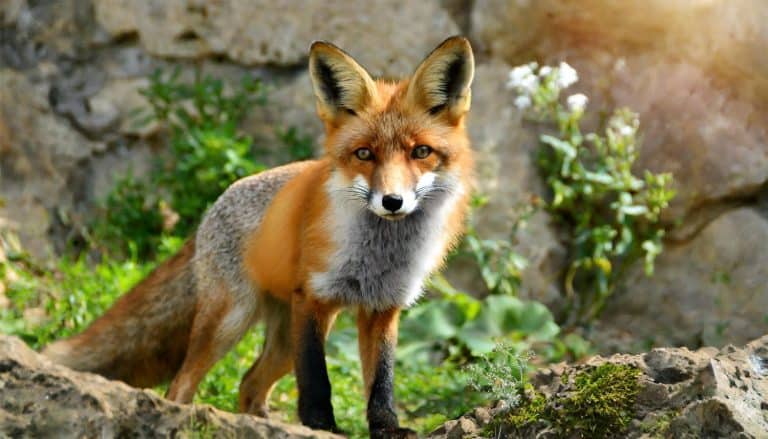
From dunes to tundra-fox smart.
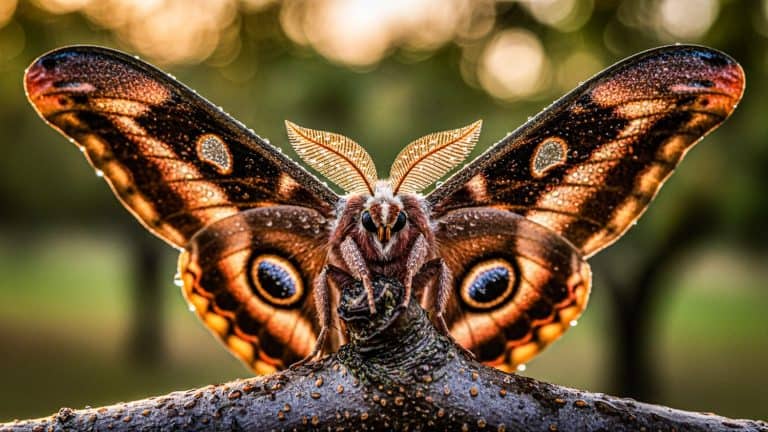
More than night flyers
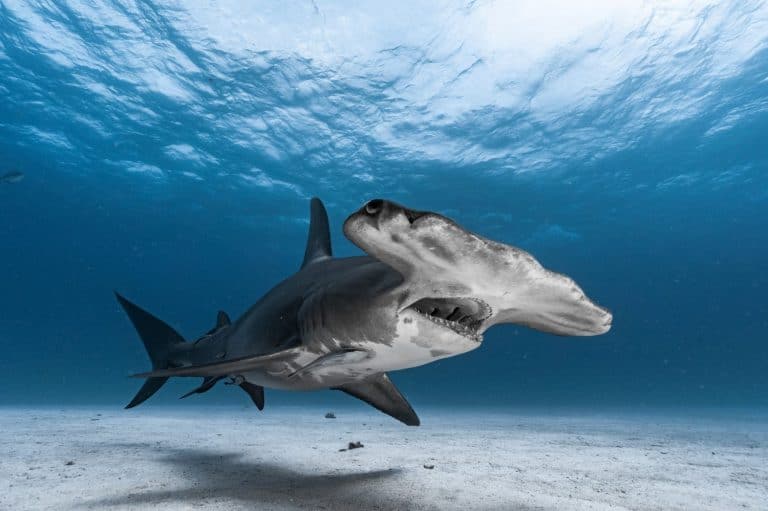
Built like a hammer, tuned like a radar
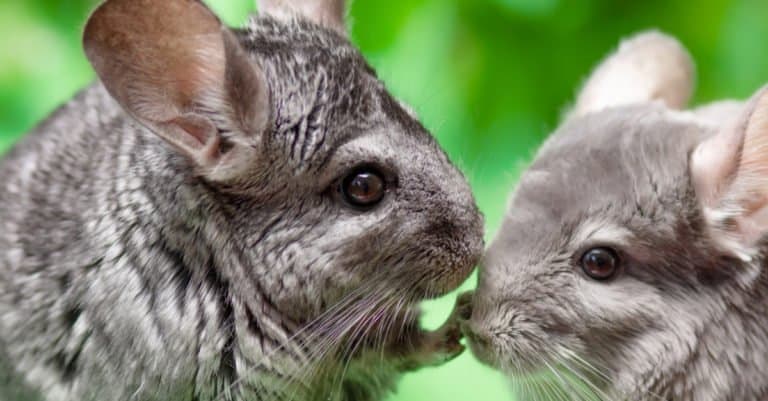
Andean acrobats in a coat of clouds
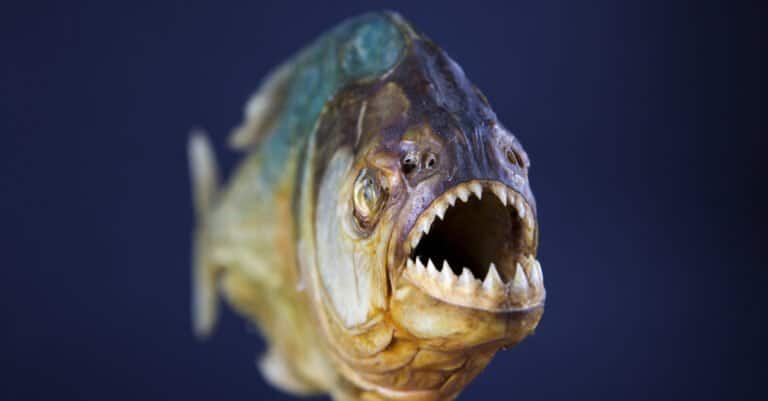
More than movies: jaws, seeds, and strategy

Texas grit in a blue coat

Brains, curls, and water-dog heart
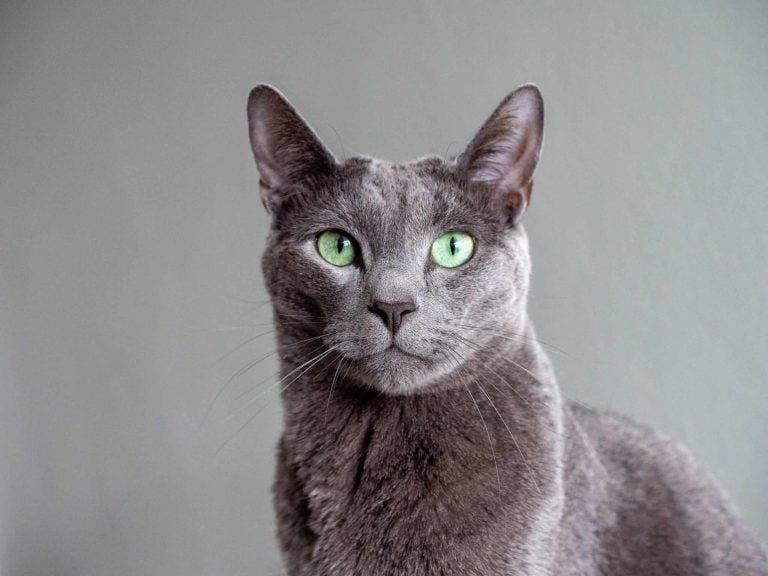
Silver coat, green gaze, gentle heart
Naturally spotted. Built to sprint.
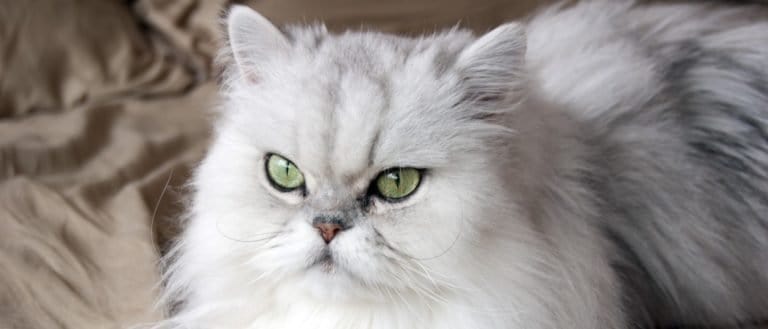
Velvet coat, calm soul.
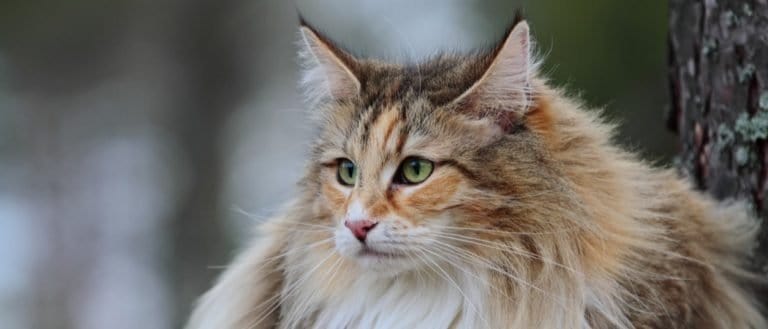
Built for winter, made for home

The gentle giant of the cat world
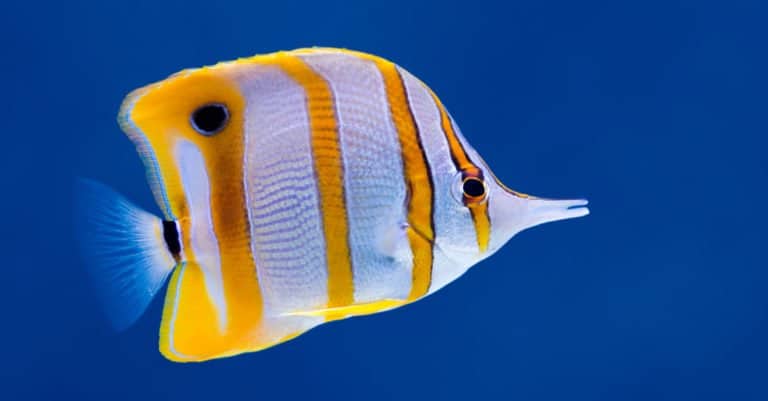
Color-coded courtiers of the coral reef
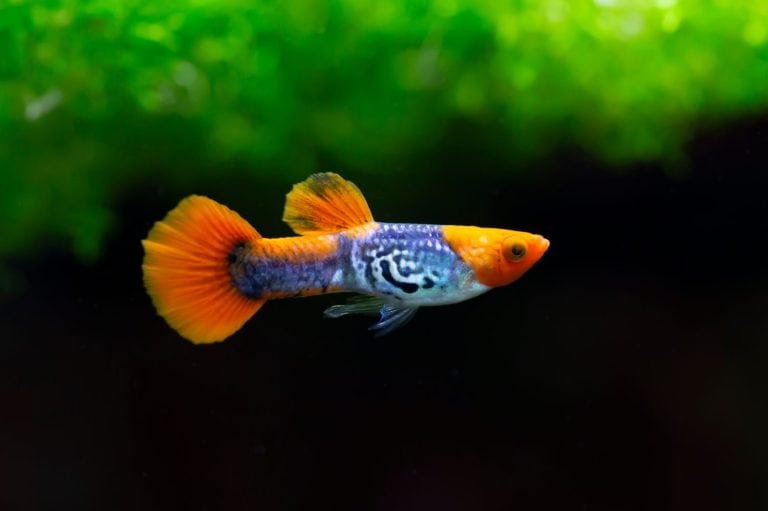
Small fish, big color, fast families
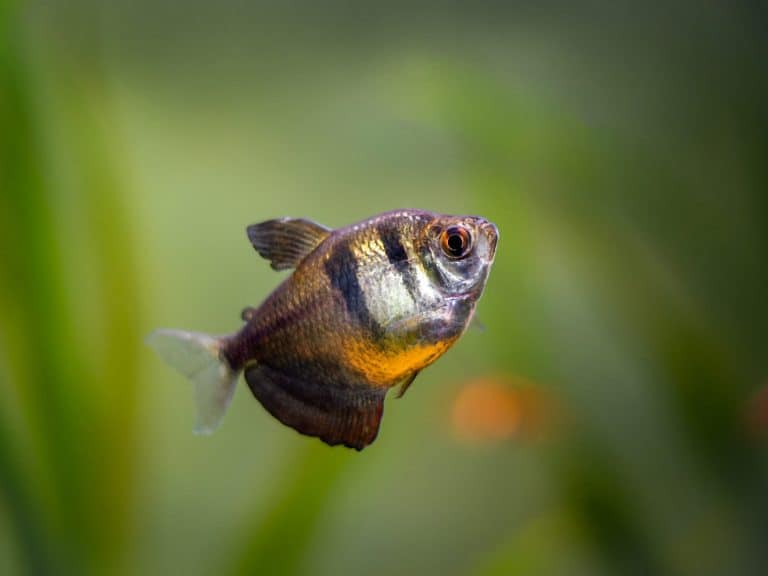
Tiny schools, huge diversity
Nature's masters of rapid evolution
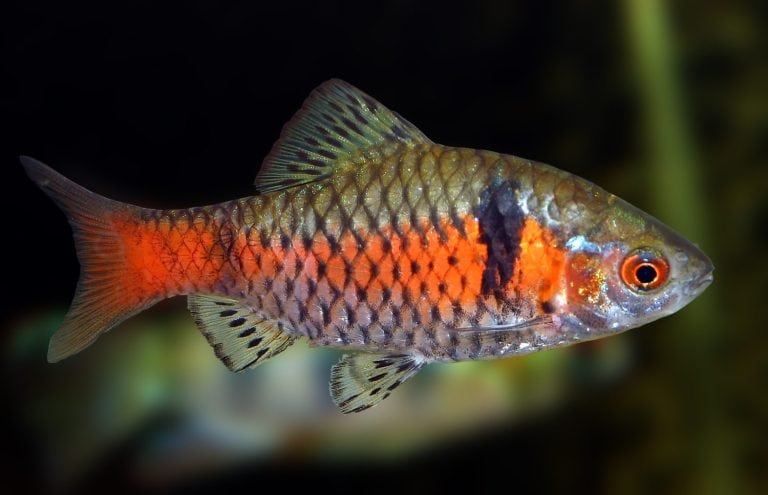
Barbs: big family, bigger variety
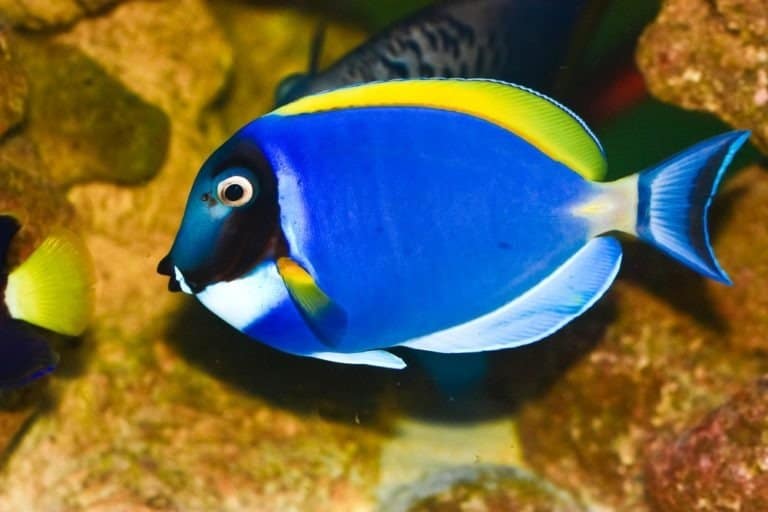
Reef gardeners with a hidden blade
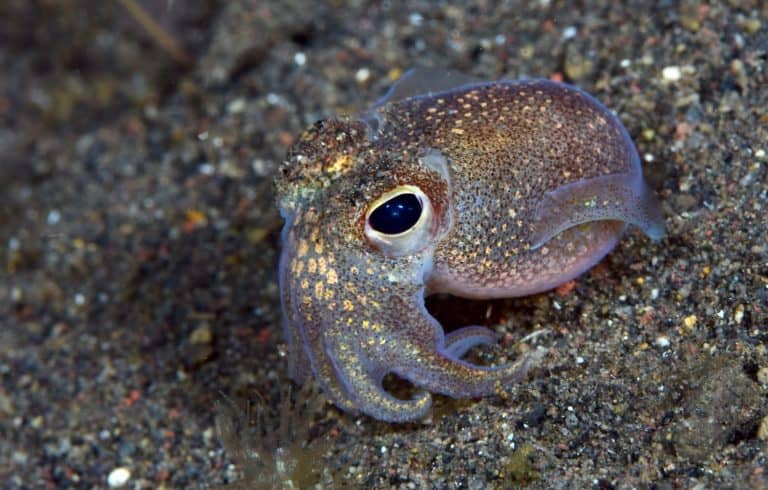
Ten-limbed sprinters of the sea
Whiskers, spines, and river smarts
Livebearing grazer with brackish grit
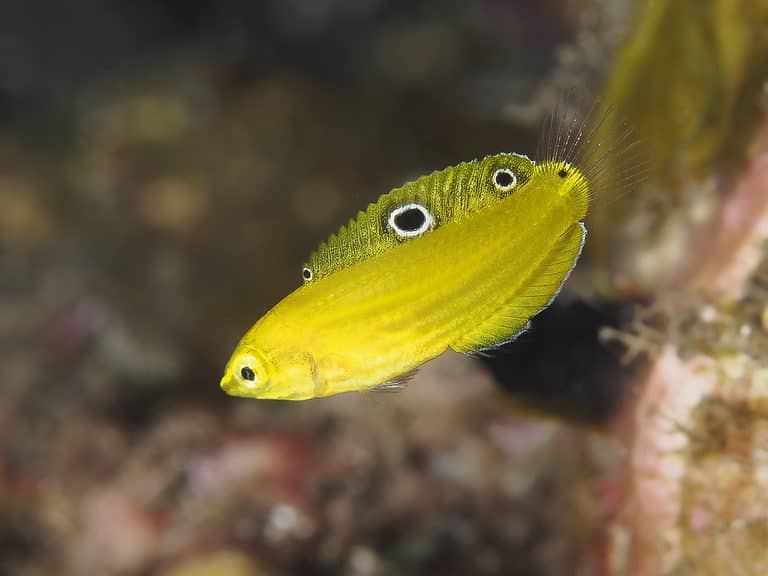
Wrasses: the reef's colorful caretakers
Silver speedsters with a bite
Thank you for reading! Have some feedback for us?
We appreciate your help in improving our content.
Our editorial team will review your suggestions and make any necessary updates.
There was an error submitting your feedback. Please try again.