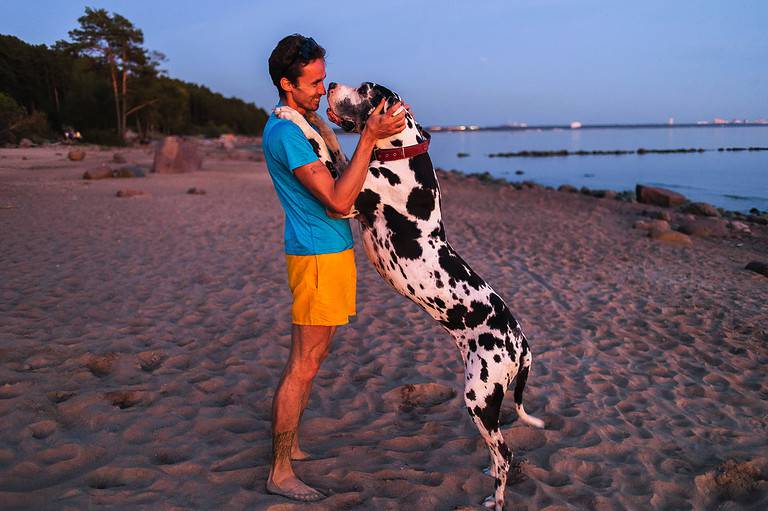
Great Dane
Gentle giant, noble guardian

Gentle giant, noble guardian
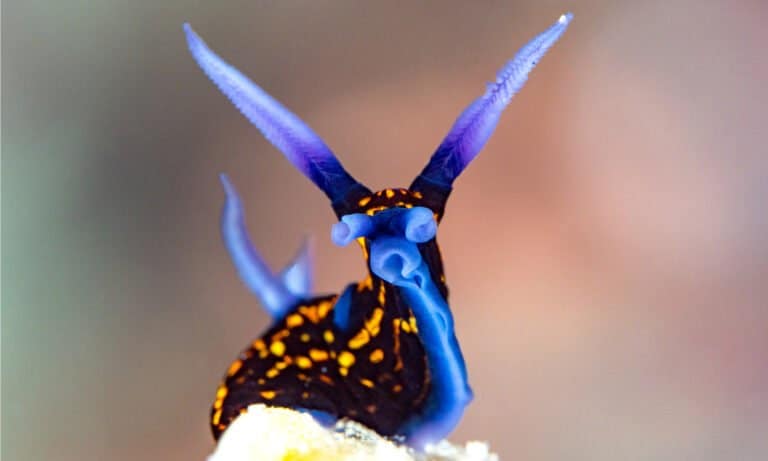
Naked gills, wild skills.
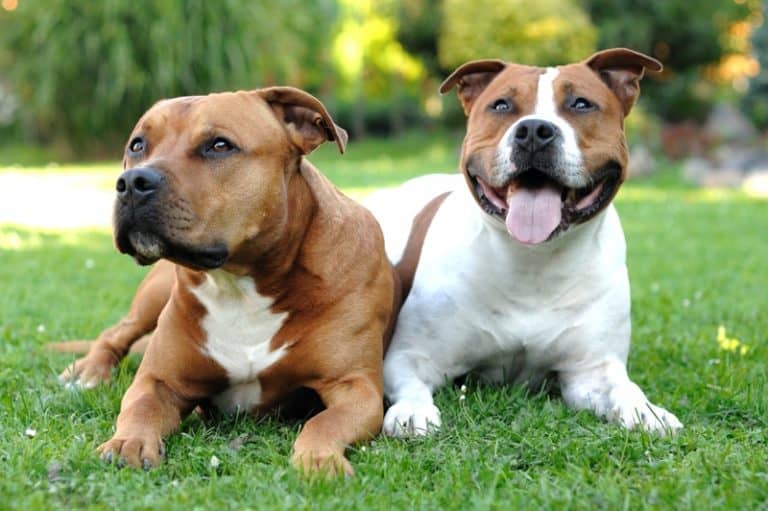
Small body. Big heart. Pure Staffie.
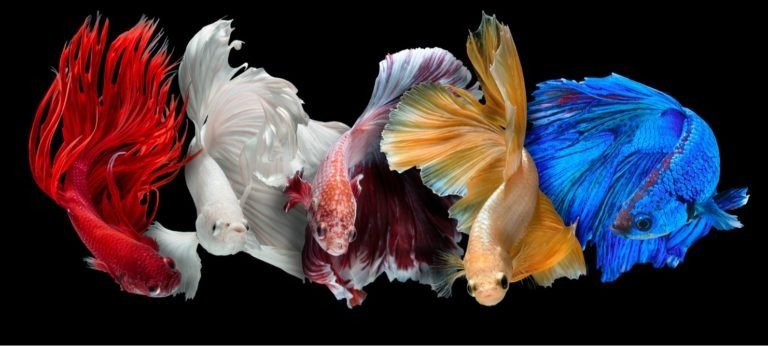
Air-breather with a bubble-nest crown.
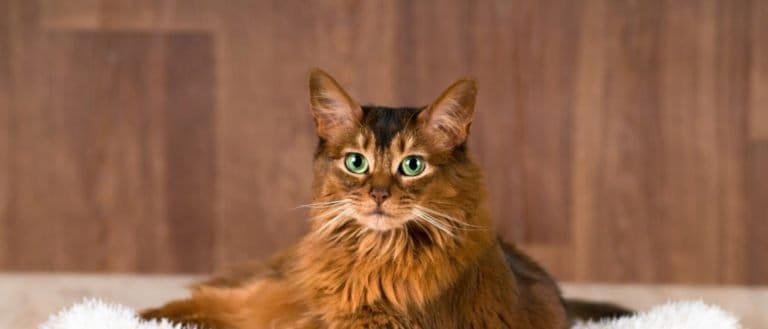
The Fox Cat with a Ticked Twist
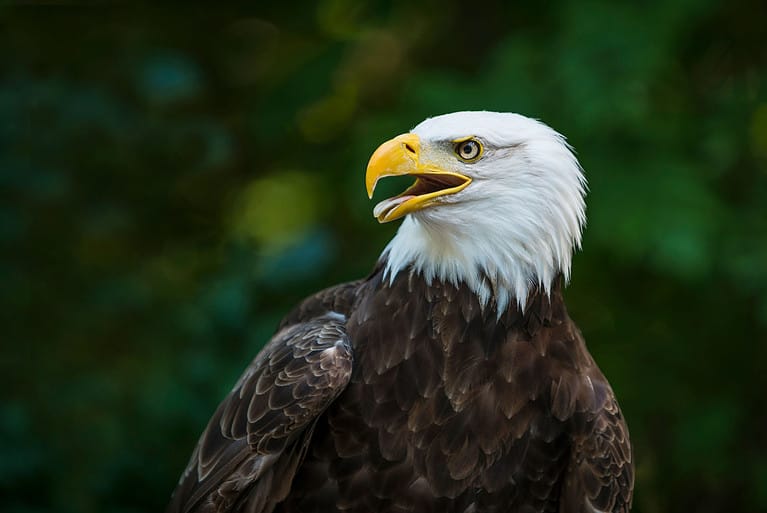
Feathers, flight, and endless variety
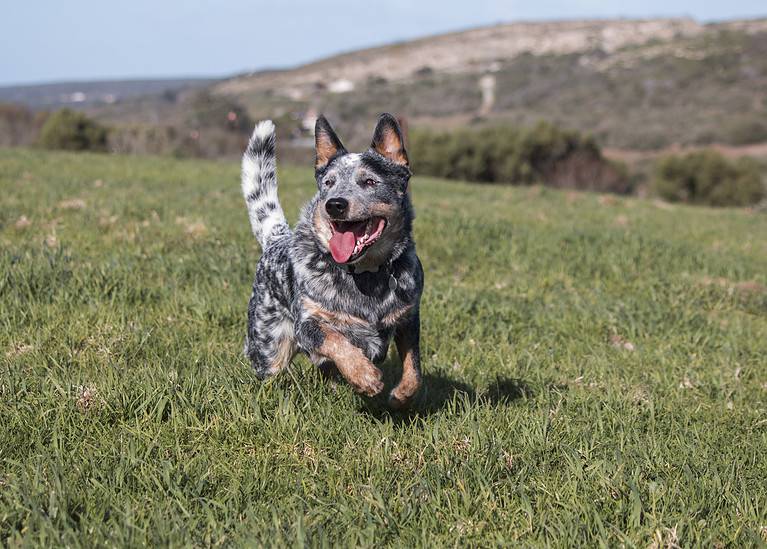
Built to drive cattle all day
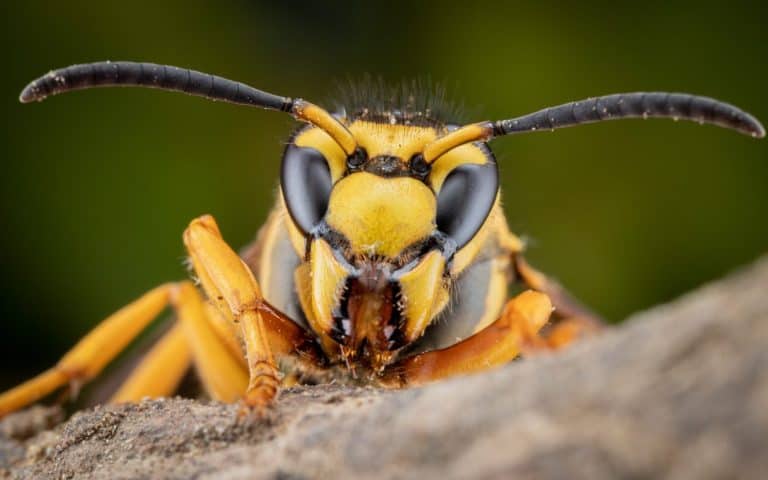
Small hunters, huge ecological impact
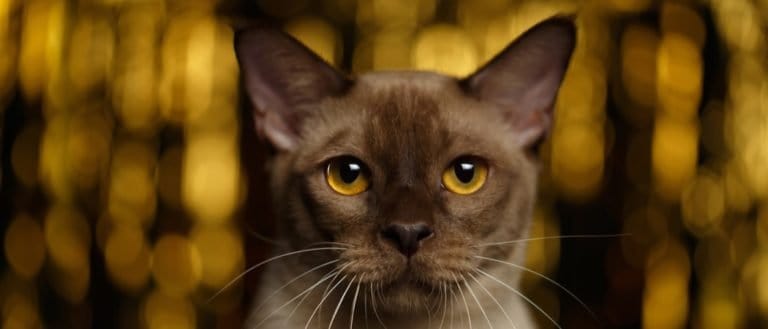
A velvet coat with a velcro heart

Athletic heart, devoted companion.
In animal coloration, blue refers to reflectance dominated by short wavelengths (~450-495 nm) that produces a blue to bluish-gray appearance. In most animals this hue is generated primarily by structural coloration-nanostructures that scatter and interfere with light-rather than by true blue pigments.
Blue is one of the most striking colors in the animal kingdom, ranging from soft sky-blue and powdery blue-gray to vivid azure and deep cobalt. It is especially common in feathers, reptile and fish scales, and the skin or cuticle of some amphibians and invertebrates. Unlike many reds, oranges, and yellows that are frequently pigment-based, "blue" in animals is often a physical effect created when microscopic structures preferentially reflect short-wavelength light.
Because structural blue depends on the precise geometry of tissues (keratin in feathers, collagen arrays in skin, multilayer stacks in scales, or chitin-based structures in arthropods), it can shift with viewing angle and lighting-sometimes appearing brighter, darker, or even changing hue. In some species, blue becomes more saturated when paired with dark pigments like melanin, which absorb stray wavelengths and increase contrast.
Ecologically, blue coloration can serve multiple roles: signaling quality or species identity in courtship, enhancing conspicuousness or warning in certain contexts, or providing camouflage in aquatic and open-sky environments where blue-gray tones blend with background light. The same structural basis that makes blue visually vivid can also make it sensitive to wear, hydration, or condition, linking appearance to physiology and habitat.
On animals, "blue" most often reads as a cool hue ranging from pale sky-blue through saturated cobalt to muted blue-gray. Unlike many reds/yellows that are frequently pigment-based, blue in animals is commonly structural: microscopic nanostructures in feathers, scales, or skin scatter shorter wavelengths (often via coherent scattering), producing a clean, luminous blue that can look brighter and more "electric" than dyed materials. Because structural blues depend on viewing angle and lighting, they may show iridescence (blue shifting toward violet/green highlights) or a velvety, matte look if the structure scatters light more diffusely. Blue can appear as uniform fields (e.g., continuous wing patches), fine barring, spots, or thin edging, and is often bordered by black/brown melanin which increases contrast and makes the blue appear more saturated. In aquatic species, blue and blue-gray may read as countershading-darker/cooler dorsally, paler ventrally-sometimes blending into the water's spectral environment.
~450-495 nm (commonly perceived 'blue' region; structural peaks in animals often fall around ~430-480 nm depending on the nanostructure and lighting)
Approximate digital range: #87CEEB (sky blue) through #1E90FF (dodger blue) to #0047AB (cobalt) and down to bluish-grays like #6B7C93; extreme deep blues may approach #001F3F
Humans: Typically perceive animal blues as especially vivid and "clean" when structural, with brightness strongly dependent on illumination and angle. Under shade or low light, many structural blues darken markedly or shift toward gray/black. Birds: Most birds are tetrachromatic and often UV-sensitive (UVS/VS cones), so many "blue" areas may have an ultraviolet component invisible to humans. A patch that looks merely blue to humans can appear more intense, higher-contrast, or differently patterned to birds (e.g., UV-blue signaling in mate choice). Insects (e.g., many butterflies, bees): Often have photoreceptors tuned to UV/blue/green and may perceive structural blue with strong contrast; iridescent blues can be highly salient and may change conspicuously with motion. Fish: Perception depends on species and water conditions; many fish are sensitive to blue-green wavelengths that transmit well underwater. Blue/blue-gray can function as camouflage in open water yet remain conspicuous at close range if the viewer has appropriate spectral sensitivity. Mammals: Many mammals are dichromatic (often lacking a red cone), so blues can remain distinct but may be less richly separated from some greens compared to human trichromatic vision; saturation/contrast effects from structural coloration still matter. Reptiles/Amphibians: Many have multiple cone types and can discriminate blues well; in some, blue may combine with UV cues, and structural plus pigment layering can alter how conspecifics perceive intensity and boundaries.
Light, airy blue often seen on small feather patches or on skin/scales under diffuse light; can wash toward bluish-white when the structural effect is weak or the surface is highly scattering.
Clean mid-blue with high brightness; frequently produced by well-ordered feather barb nanostructures, giving a crisp 'painted' look, especially when framed by dark melanized areas.
Deep, saturated blue that can look velvety or lacquered; commonly associated with strong structural scattering and high contrast against black. May appear nearly black in shade and intensely blue in sun.
Angle-dependent blue that flashes toward violet or green as viewpoint/light changes; common in glossy feathers and some insect/scale surfaces where multilayer interference contributes.
Muted blue with gray component; can arise from weaker structural blue mixed with melanin or keratin scattering, or from viewing at low light/oblique angles. Often used for camouflage and countershading.
Blue shifted toward cyan/teal due to the peak scattering moving to slightly longer wavelengths or mixing with yellowish underlying tissues; can appear tropical or 'aqua' in strong light.
Blue expressed as discrete markings rather than full-body color; edges can look especially vivid where dark pigment outlines the blue, enhancing perceived saturation and sharpness.
In many birds, "non-iridescent" blues arise from a sponge-like, quasi-ordered network of keratin and air vacuoles in feather barbs. This produces coherent scattering that enhances blue reflection; melanin granules behind the structure absorb transmitted light, making the blue more vivid.
Some animals (e.g., many butterflies, some birds, some beetles) produce iridescent blue via periodic layers (cuticle lamellae, keratin layers, chitin-air stacks) that cause constructive interference at blue wavelengths. Hue shifts with viewing angle.
In fish and some reptiles/amphibians, stacks of guanine platelets in iridophores reflect specific wavelengths. Depending on platelet thickness and spacing, reflectance can appear blue, blue-green, or silvery; overlying yellow/red pigments can shift the apparent color.
Eumelanin is brown-black and typically does not create blue by itself, but it commonly underlies blue structural elements to absorb broad-spectrum light that would otherwise wash out the blue. This increases contrast and saturation; in some tissues it also helps tune brightness/darkness toward bluish-gray.
Pteridines more commonly contribute yellow/orange/red, but in some amphibians/fish they occur in xanthophores/leucophores and can modulate blue produced by iridophores (e.g., by filtering or blending), influencing whether the result looks turquoise vs. deeper blue.
Carotenoids do not typically make true blue, but can overlay or mix with structural blue to yield greenish hues or alter brightness. Their absence can make structural blue appear "cleaner."
Blue to bluish-gray coloration provides a versatile balance between concealment and signaling. It is particularly adaptive where backgrounds are sky- or water-dominated, enabling camouflage, while also supporting high-contrast, controllable signals (often enhanced by UV/iridescence) for communication, mate choice, and species recognition. The net value depends on habitat light environment and predation pressure: blue is most beneficial when it can be selectively displayed (courtship/territory) or when it matches prevalent blue backgrounds (pelagic/aerial), and less beneficial where it is persistently conspicuous against earthy or green substrates.
Blue to bluish-gray tones can reduce detectability by matching common background colors such as open sky, bluish water columns, or haze-shadowed substrates. Structural blues may also shift with angle, helping break up outlines when the animal moves or when light conditions change.
Effectiveness: High in pelagic/open-water settings (countershading with blue dorsal surfaces) and for aerial/arboreal species silhouetted against sky; moderate in coastal/rocky habitats with bluish shadows or lichen; low in brown/green terrestrial habitats where blue is conspicuous, unless limited to small patches or viewed at distance.
Blue patches and structural iridescence function as conspicuous signals for territorial displays, threat postures, coordination within groups, or parent-offspring interactions. The angle-dependent sparkle of structural color can act like a dynamic 'on/off' signal controlled by posture and lighting.
Effectiveness: High in bright, open habitats where short-wavelength contrast is strong; high at close range for species with blue-sensitive vision; reduced in dim forests, turbid water, or at long distances where blue may desaturate into gray.
Blue often serves as an honest or amplifying signal of individual quality. Producing intense structural blue can require precise microstructures and good feather/scale condition; saturation and UV-blue reflectance may correlate with health, age, or parasite load. Courtship displays can exploit iridescence to maximize perceived brightness.
Effectiveness: High where mates can view signals at close range and in good light; especially strong in birds, some fishes, and reptiles with UV/blue perception. Lower in low-light environments or where predators strongly cue on blue, increasing costs.
Consistent blue patches (e.g., facial skin, wing bars, flank spots) can help distinguish species or subspecies in communities where related taxa look similar in overall body form. Structural blue can provide a distinctive spectral signature (often including UV) beyond human-visible cues.
Effectiveness: High in species-rich assemblages and in habitats where multiple similar-looking species co-occur; moderate when lighting is variable; lower if visual systems of sympatric species/predators have limited sensitivity to short wavelengths.
Blue can contribute to aposematic signaling when paired with black/white or other high-contrast patterns, indicating toxicity, unpalatability, or defensive capability. While red/yellow are more common warning colors, blue can still be salient, especially against green foliage or sandy substrates.
Effectiveness: Moderate to high when combined with strong pattern contrast and when predators learn the association; lower where blue is common in the background (sky/water) or under low illumination that reduces chromatic contrast.
Blue coloration can support Batesian or Müllerian mimicry, copying a defended model's blue patches or iridescent sheen. Structural blues can closely match the model's reflectance and angle-dependent appearance, improving mimic accuracy.
Effectiveness: High when the model is common and predators are trained; moderate when viewing conditions or angles differ from typical encounters; low if structural blue differs subtly in UV reflectance detectable to predators/mates.
Because many blues are structural rather than pigmentary, thermal effects can be indirect. Pale bluish-gray can reflect some solar radiation, potentially reducing heat gain; darker blues may increase absorption. In some taxa, blue skin areas may also be vascularized and used in heat exchange during display or basking, though this is context-dependent.
Effectiveness: Generally low to moderate compared to melanin-based dark/light coloration. More effective in open, sunny habitats for pale bluish-gray reflective surfaces; potentially counterproductive for deep cobalt in hot, exposed environments unless offset by behavior (shade use, posture).
Blue structural surfaces can aid protection by creating confusing flashes (especially iridescent scales) during movement, potentially disrupting predator tracking. In some cases, blue coloration may also correlate with structural robustness (e.g., feather condition) that indirectly supports survival, though the color itself is not a physical armor.
Effectiveness: Moderate for fast-moving or schooling animals where flash/iridescence adds motion dazzle; low for stationary animals in terrestrial leaf-litter settings where blue increases detectability.
Commonly present. Males often exhibit more intense, saturated, or iridescent structural blue (sometimes with UV components) used in courtship and territorial displays, while females tend toward duller blue-gray, reduced patch size, or more cryptic tones for nesting/offspring care. In some species both sexes are similarly blue when mutual mate choice or social signaling is important, but males still frequently show stronger brightness, larger blue areas, or more angle-dependent sheen.
Blue coloration can strongly influence conservation outcomes because it affects detectability, human preference, and market demand. In habitats where blue provides camouflage (open water, shaded forest understory, or bluish substrates), individuals may be harder for people to spot during surveys, biasing population estimates. Conversely, highly conspicuous structural blues can make animals easier to locate and collect, increasing poaching/harvest pressure (notably in the aquarium/ornamental trade and for decorative feathers). Public appeal can be beneficial: charismatic blue species often attract media coverage and fundraising, potentially improving protection. However, this attention can also increase tourism disturbance or targeted collection. Color-dependent habitat requirements matter: structural coloration often relies on intact feather/scale microstructure and good condition; pollution, disease, malnutrition, and UV/chemical damage can dull blue signals, so "loss of blueness" may serve as an early warning indicator of environmental stress. Climate-driven shifts (changing light environments, water clarity, or vegetation structure) can also alter how blue is perceived by mates/predators, affecting survival and reproduction-important for management planning.
Most animal blues aren't made by blue dye-like pigments at all-they're "structural colors" created when tiny biological nanostructures scatter or reflect certain wavelengths.
A blue feather or butterfly wing can lose its blue if you crush or wet it: damage or fill the microscopic air gaps and the blue reflection collapses, revealing duller underlying pigments.
Many blues in birds and insects include ultraviolet (UV) reflectance; two animals can look "the same blue" to us but totally different to each other because they see UV.
Blue can be a "signal of quality": in some species, better nutrition or health helps maintain the nanostructures or reflective cells that produce strong blue displays (so bluer can mean healthier).
"Blue" mammals are often not truly blue-many are bluish-gray due to skin thickness, lighting, or hair structure; true blue pigments in mammal hair are essentially unknown.
Some reef fish blues are produced by stacks of guanine crystals in skin cells-similar material to what makes many fish scales silvery-tuned to reflect blue instead.
Underwater, red light is absorbed quickly, so blue travels farther; that's one reason blue and silvery-blue patterns can remain conspicuous (or useful for camouflage) at depth.
Structural blue can be extremely efficient at reflecting a narrow band of light, which is why it can look brighter than many pigments even when the animal isn't "glowing."
Structural blue is like the sky's color in miniature: both are dominated by how light scatters, not by blue dye-just with biological nanostructures instead of air molecules.
A butterfly's "blue" can work like a tiny, layered optical filter: think of it as thousands of microscopic shingles that selectively reflect blue much more strongly than other colors.
Iridescent blues behave more like a compact disc than paint: tilt the surface and the color shifts because the reflected wavelengths change with viewing angle.
Many fish blues come from crystal stacks (guanine platelets) that act like thin-film mirrors-similar in principle to the way soap bubbles show color from layered films.
Blue warning patterns (like the blue rings of some octopuses) are "high-contrast signage": bright blue against dark body tissue can be more attention-grabbing than a single solid color.
A "bluer" look doesn't always mean more pigment-two animals with equal amounts of dark pigment can differ hugely in blue intensity depending on how precisely their nanostructures are built.
Blue whales are the largest animals ever known to have lived on Earth-and their mottled, bluish-gray skin is part of what earned them the name "blue."
The blue morpho (Morpho spp.) is among the most visually intense "electric blue" animals; the brilliance comes from nanoscale ridges on its wing scales that act like tiny mirrors.
Mandrills have one of the most dramatically colored faces among mammals; the saturated blues on the muzzle are produced by skin structure and collagen fiber arrangement rather than blue pigment.
Blue-ringed octopuses (Hapalochlaena spp.) are small but rank among the most dangerously venomous marine animals; their vivid blue rings are a high-contrast warning display.
Many "blue" damselfish and wrasses are among the most conspicuously blue reef fishes, using reflective cells (iridophores) to create bright blues that stay visible in underwater light.
Several tarantulas (e.g., Poecilotheria metallica) are considered among the most strikingly blue spiders; the color arises from specialized hairs that reflect blue light.
Blue poison dart frogs (e.g., Dendrobates tinctorius "azureus") are among the most iconic aposematic (warning-colored) amphibians; their blue is paired with dark spotting to enhance contrast for predators.
Peacock "blue" and "green" iridescence is among the best-studied examples of feather photonic structures, with orderly microscopic layers producing intense, angle-dependent color.
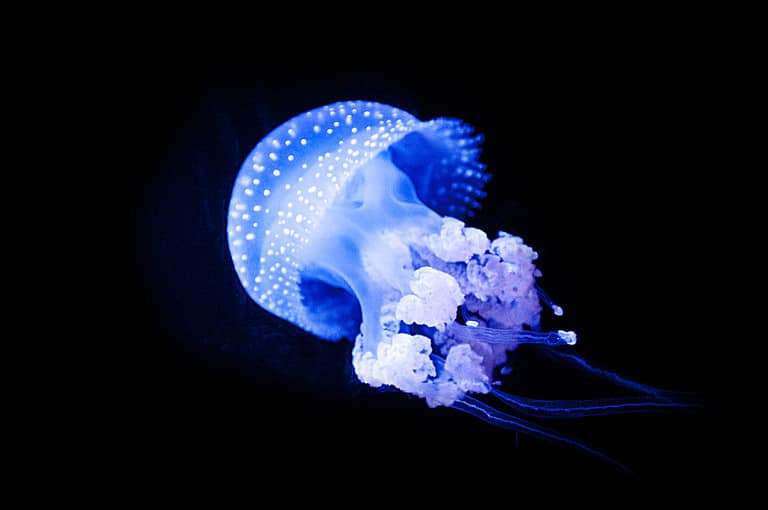
Sting-powered drifters of the sea
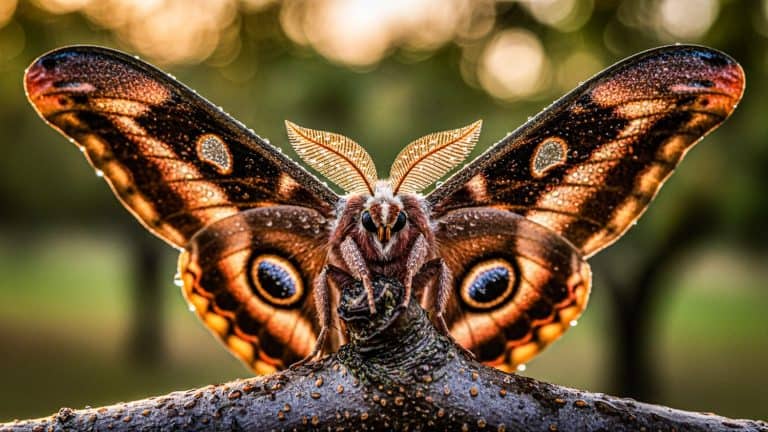
More than night flyers
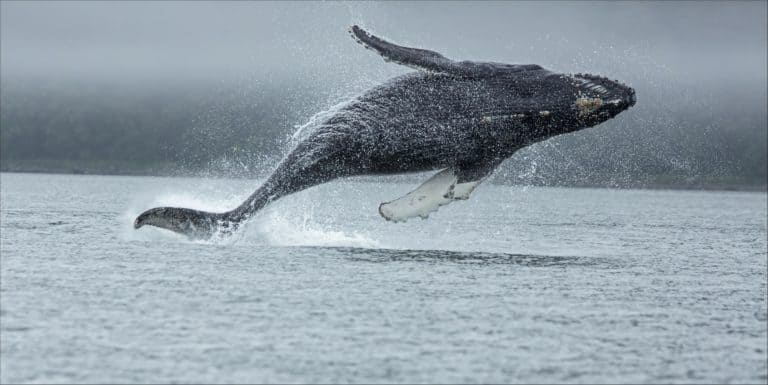
Planet's biggest krill-powered giant
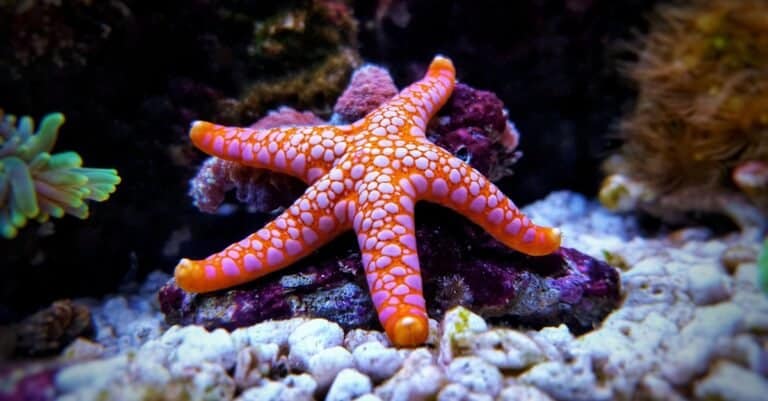
Hydraulic feet, star-shaped predators
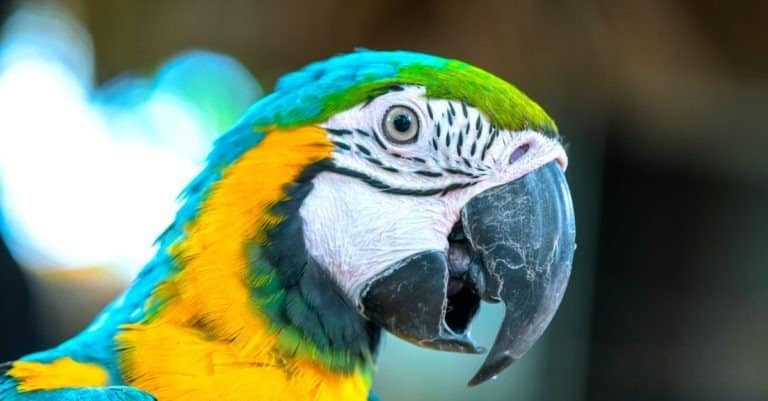
Brains, beaks, and big voices
Athletic heart, devoted companion.
Built to drive cattle all day
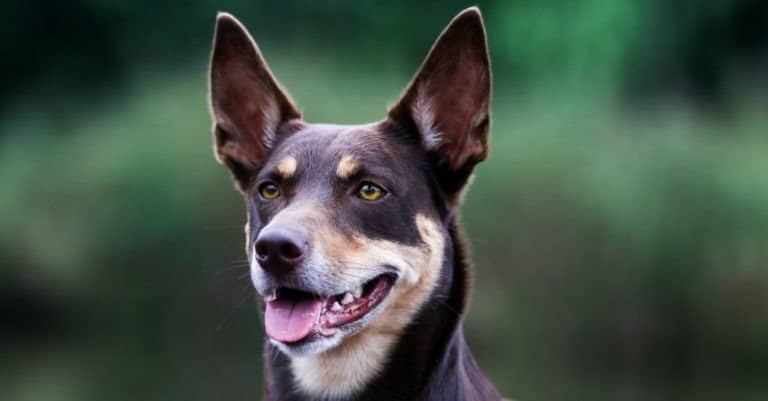
Born to work, built to last.

Small Terrier, Big Aussie Grit
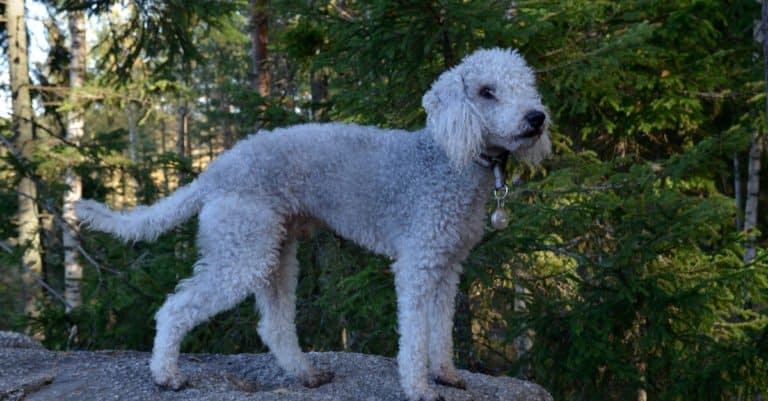
Looks like a lamb, hunts like a terrier
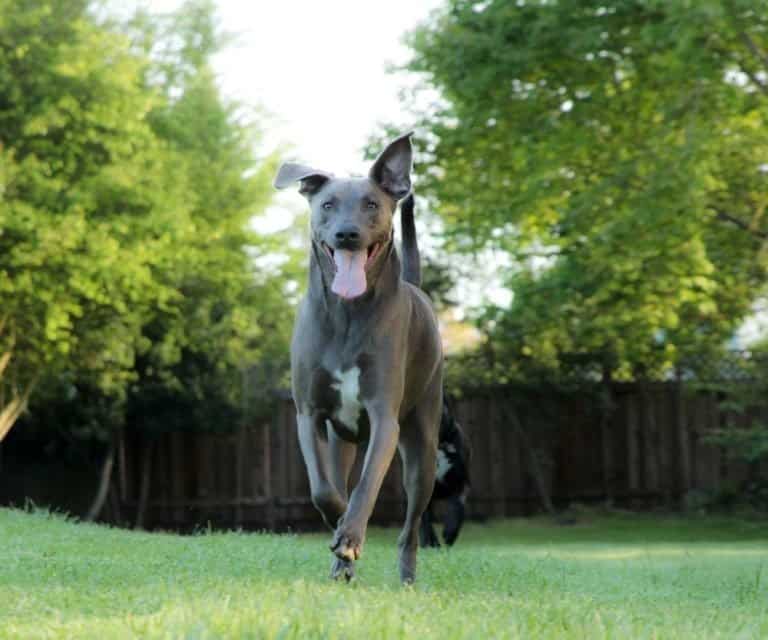
Texas grit in a blue coat
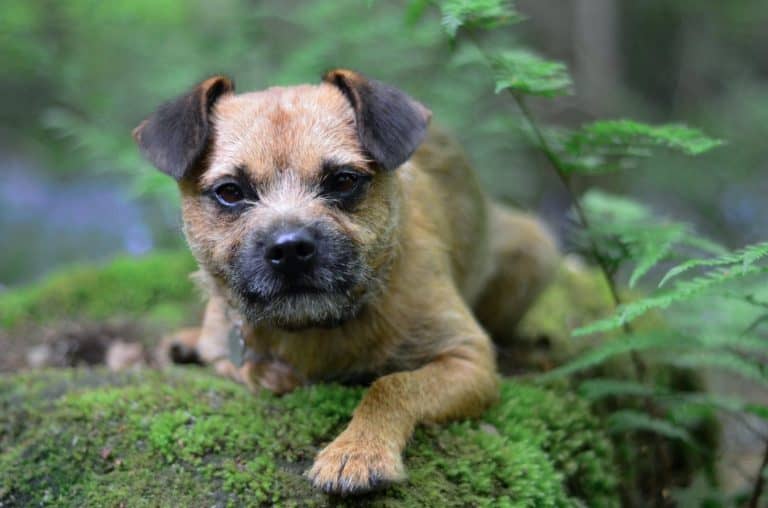
Big grit in a small terrier

Lion look, loyal heart-Chow Chow
Gentle giant, noble guardian
Small body. Big heart. Pure Staffie.

Silky coat, steel-nerved terrier
A velvet coat with a velcro heart
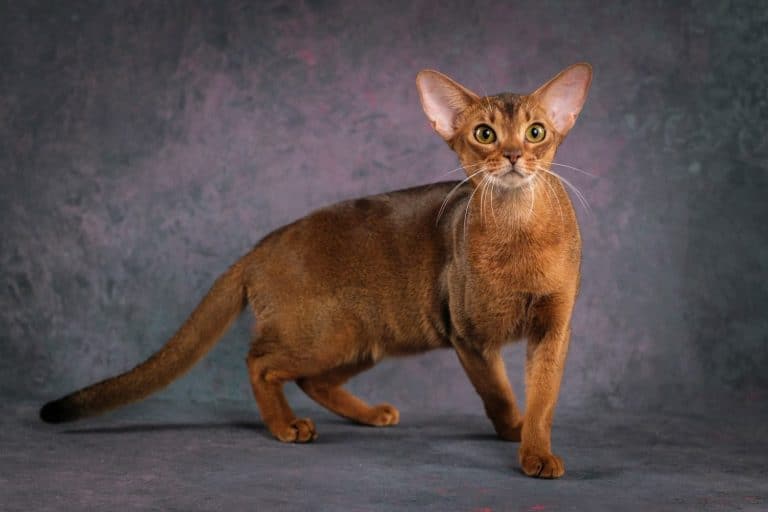
The Ticked-Coat Dynamo
The Fox Cat with a Ticked Twist
Small hunters, huge ecological impact
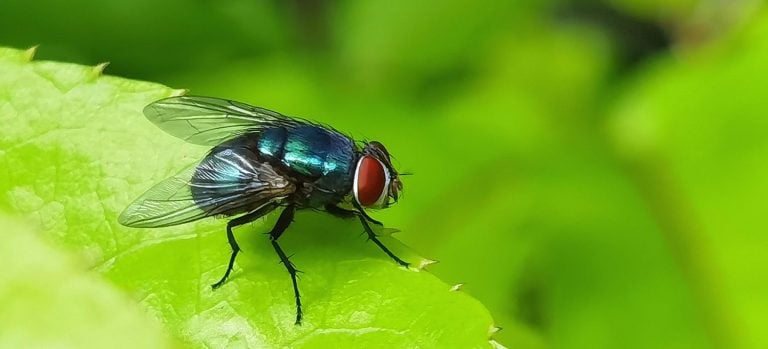
One wing pair. Endless roles.
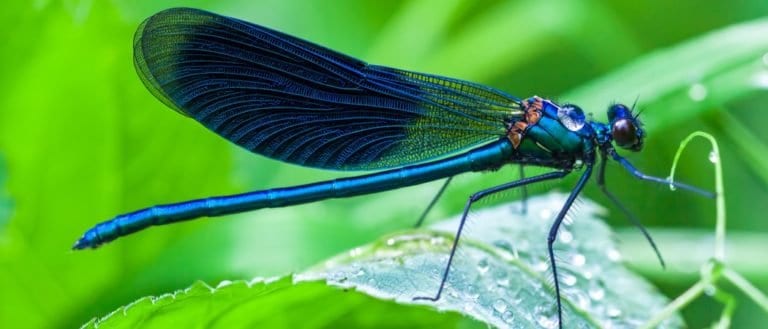
Born in water, ruler of the air
Feathers, flight, and endless variety
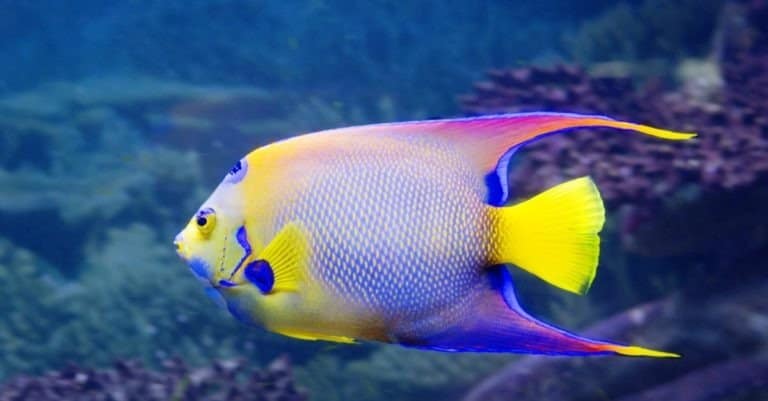
Reef royalty with a wardrobe change
Thank you for reading! Have some feedback for us?
We appreciate your help in improving our content.
Our editorial team will review your suggestions and make any necessary updates.
There was an error submitting your feedback. Please try again.