
Wildlife of
Kostromskaja oblast'
About Kostromskaja oblast'
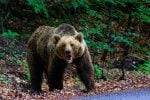
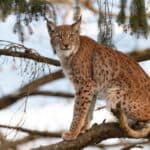
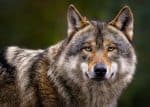
Kostroma Oblast lies in the Upper Volga basin. Boreal and mixed forests cover the land, giving the area a northern taiga feel despite being in European Russia. Long winters, big conifer stands, and quiet forest patches support elk, brown bear, wolf, lynx, pine marten. Low human numbers and intact rivers help wide-ranging mammals and forest birds.
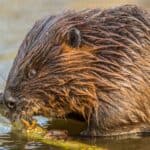
The oblast has three linked systems: large forest tracts, peatlands and wetlands, and a major river network including the Volga. Peat bogs and wet meadows are nurseries for frogs and aquatic insects and are key feeding and stopover sites for migratory waterfowl and waders. Floodplains, oxbows, and backwaters are rich in fish and support beaver, and they make edge habitat for raptors and songbirds. Compared with nearby regions, Kostroma feels wilder and more shaped by water, with good wildlife viewing from forest tracks, boardwalks, and boats.
Geography
Kostroma Oblast lies on the East European Plain in Upper Volga basin. Boreal and mixed forests, peatlands, and floodplains form a patchwork of taiga. A dense river network centered on the Volga and wetlands shape wildlife: forests host mammals and birds; bogs and meadows attract waterfowl, waders, amphibians, and semi‑aquatic species, while rivers and lakes support fish and riverbank use.
Elevation Range
Lowland terrain, roughly ~80-300 m above sea level (limited elevation-driven zoning; habitat diversity is driven more by soils, hydrology, and forest-wetland mosaics).
Coastline
No ocean coastline. Inland shores include extensive riverbanks along the Volga and its tributaries, plus major lake shorelines (e.g., Galichskoye and Chukhlomskoye) that provide key aquatic and riparian habitats.
Key Landscapes
Protected Areas
Kostroma Oblast's protected areas focus on large taiga forests, raised bogs and peatlands, and river-lake systems like the Unzha-Vetluga basin. Key habitats are old-growth spruce-fir and pine forests, wetlands for cranes and waterfowl, and riparian corridors for beaver, otter, and spawning freshwater fish. Most protected areas are regional (wildlife sanctuaries, nature monuments, landscape reserves); few are federal.
~6-8% of the oblast (approximate; predominantly regional-level protected areas, with a smaller federal component)
State & Provincial Parks
Unzha River Valley Regional Landscape Reserve
~500-1,200 km² (typical scale for large river-valley regional reserves; varies by specific boundaries)A large riparian mosaic of floodplain forests, oxbows, and wet meadows that functions as a key movement corridor through the taiga and a breeding and foraging area for wetland birds. Strong for viewing beaver activity, raptors along the river, and spring-autumn migration pulses.
Vetluga-Unzha Interfluve Taiga Regional Reserve
~300-900 km² (varies by included bog/forest blocks)Broad, road-light forest and bog complexes between major river systems; important for maintaining landscape connectivity and supporting wide-ranging carnivores and taiga grouse. Particularly valuable where peatlands and old conifer stands interlock, creating high habitat diversity.
Kostroma Lowland Peatlands Regional Hydrological Reserve
~200-700 km² (aggregate peatland blocks; depends on which bog massifs are included)Representative raised bogs and wetland forests that regulate water flows in the Upper Volga basin and provide breeding habitat for cranes and marsh birds. High conservation value for peatland flora and as a carbon-rich ecosystem; best wildlife viewing during spring and early summer bird activity.
Kologrivsky Forest State Nature Reserve (Kologrivsky Les)
~589 km²A federally designated strict nature reserve protecting one of the best-preserved blocks of southern taiga in European Russia, including near-natural conifer forests, swampy interfluves, and low-disturbance habitats.
Wildlife Refuges
Lake Galich Basin Bird and Fish Sanctuary (regional nature sanctuary)
~75 km² (Lake Galich surface area; the protected-area boundary may differ)Shallow lake and reedbed and flooded meadow complexes that concentrate waterfowl and other wetland birds; also important nursery habitat for freshwater fish and foraging habitat for semi-aquatic mammals.
Lake Chukhloma (Chukhlomskoye) Wetland Sanctuary
~150-400 km² (lake plus surrounding marsh/shoreline complexes)A lake-marsh system with extensive wet meadows and reedbeds that supports breeding marsh birds and staging waterfowl. Valuable as a wetland refuge in a forest-dominated region, with strong spring and autumn migration use.
Kostroma River Floodplain Sanctuary
~100-300 km² (selected floodplain sections; varies by designated stretches)Floodplain forests, backwaters, and oxbows along the Kostroma River near its confluence with the Volga/Gorky Reservoir system; important for spawning fish, beaver and otter, and riverine birdlife. Offers accessible wildlife-viewing opportunities where floodplain remains relatively intact.
Wilderness Areas
- Road-light taiga blocks surrounding and extending beyond Kologrivsky Forest (old-growth-leaning conifer stands and swampy interfluves)
- Upper Unzha headwaters wetlands and adjacent forest massifs (bog-forest mosaics with low settlement density)
- Northern Kostroma taiga (Vokhma-Pavino area) with extensive forest tracts and limited all-season road penetration
- Large raised-bog systems of the Kostroma Lowland (peatland massifs with difficult access, especially off winter roads)
- Vetluga-Unzha interfluve forest-bog belt (broad, sparsely roaded landscapes supporting wide-ranging mammals)
Wildlife
Kostroma Oblast lies in the Upper Volga basin and is dominated by taiga and mixed conifer-broadleaf forests interwoven with extensive bogs, floodplains, and large river/lake systems. This landscape supports a classic northern forest (boreal) fauna: abundant ungulates (especially moose), large carnivores (bear, wolf, lynx), beaver-shaped wetlands, and high bird diversity tied to forests, peatlands, and broad river valleys. Wildlife experiences are typically centered on forest mammals, grouse, wetland birds (cranes/swans), and productive freshwater fisheries.
Iconic Species

Endemic & Rare Species
Notable Populations
- Large, continuous taiga and wetland mosaics that can support viable landscapes for large carnivores (brown bear, gray wolf, Eurasian lynx) relative to more fragmented parts of Central Russia.
- Regionally important moose populations supported by extensive bog-forest complexes and low-intensity landscapes in parts of the oblast.
- Beaver-shaped riverine and peatland networks that enhance habitat availability for waterfowl, waders, amphibians, and fish across the Upper Volga tributaries.
- Wetland and floodplain corridors used by migratory waterbirds (e.g., cranes, geese, swans) moving through the Upper Volga basin.
Recent Changes
- European beaver populations have broadly rebounded over recent decades across much of European Russia, increasing wetland creation and associated biodiversity in many river valleys.
- Wild boar expanded northward in parts of the forest zone during milder periods, but outbreaks of African swine fever have caused sharp local/regional declines and fluctuations.
- Roe deer have tended to expand or become more frequent in the northern forest zone in recent decades in association with milder winters and changing land use, increasing prey availability for large predators.
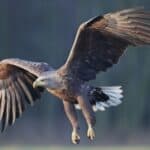
- Several fish-eating raptors (notably white-tailed eagle and osprey) have generally improved from mid-20th-century lows in many areas due to reduced persecution and pesticide impacts, though breeding success remains sensitive to disturbance and shoreline/forest alteration.
- Ongoing pressures include drainage/alteration of wetlands, forestry-driven habitat simplification in some areas, and illegal harvest/bycatch risks for rare aquatic mammals and sturgeons; these can cause localized declines even where regional landscapes remain suitable.
Wildlife Viewing
Kostroma Oblast has classic Upper Volga taiga: large spruce-pine forests, mixed woods, raised bogs, floodplain wetlands, and the Volga and Kostroma rivers. You can see moose, wild boar, shy brown bears, woodpeckers, owls, grouse, cranes, ducks, waders, and many freshwater species. Best trips: river and wetland birding, dawn and dusk moose watching, beaver evenings, and seasonal migration viewing.
Best Seasons
Spring (late April-May)
Prime time for birding as migrants return and vocal activity peaks: cranes, geese/ducks, raptors, woodpeckers, owls. Flooded meadows and river backwaters concentrate waterfowl and waders, making observation easier from roads, dikes, and riverbanks. Trails can be muddy; expect cool nights and occasional high water.
Summer (June-August)
Best for long daylight river trips, wetland exploration, and beaver watching at dusk. Breeding birds are active (songbirds, woodpeckers), and you may see moose browsing in aquatic vegetation along quiet bays. Insect pressure can be high in wetlands; bring head nets/repellent and plan more viewing at dawn/evening.
Early Autumn (September-early October)
A top all-around season: fewer insects, golden forest scenery, and strong chances for moose and other mammals feeding along forest edges. Bird migration continues (ducks, geese, raptors) and visibility improves as leaves thin. Cooler nights make dawn stakeouts comfortable with warm layers.
Late Autumn (late October-November)
Sparse foliage improves sightlines for mammals and forest birds; look for tracks and sign along muddy roads and river margins. Short days and variable weather; some water bodies begin to ice up, shifting birdlife to remaining open water.
Winter (December-March)
Excellent for tracking and sign-based wildlife watching on snow: moose, hare, fox, and occasionally wolf tracks; forest birds at feeders and along conifer stands. Frozen rivers and bog margins enable access to areas unreachable in other seasons (with local guidance). Bring cold-weather gear; daylight is limited.
Top Wildlife Experiences
- Dawn moose-watching drive and short walks along forest-edge clearings and quiet forestry roads in the Upper Volga basin (plan 2-3 early mornings near river valleys for best odds).
- Evening beaver watch by silent paddle or shore sit on slow tributaries and oxbow backwaters of the Volga/Kostroma river system-arrive 1-2 hours before sunset and stay through twilight.
- Spring wetland birding circuit around floodplain meadows and marshes along the Kostroma River: scan for cranes, geese/ducks, and raptors using a scope from stable banks and levees.
- Old-growth conifer and mixed-forest birding walks in taiga habitats (seek black woodpecker, three-toed woodpecker, owls; listen for drumming and calls at first light).
- Autumn migration watch on larger open-water stretches and reservoirs along the Volga corridor: observe congregating ducks and geese and passing raptors from windy points and elevated banks.
- Winter wildlife tracking outing on skis or snowshoes in forest-bog mosaics: follow fresh tracks, learn to interpret feeding sites, and search for roosting owls and grouse in conifer shelter.
- Night drive/spotlight-style observation (where legal and with local operators) for fox, hare, and owl activity along quiet rural roads-combine with starry-sky winter landscapes for a unique experience.
Wildlife Watching Types
Guided Options
- Local naturalist-led birding day trips based from Kostroma city with flexible routes to nearby floodplains and forest tracts (ideal for migrants in May and September).
- Guided river excursions (motorboat or kayak, depending on conditions) on quiet backwaters for beaver-focused evenings and waterbird photography.
- Forestry/taiga wildlife guide services offering dawn/dusk moose stakeouts and track-and-sign interpretation (particularly strong in September-March).
- Winter ski/snowshoe ecotours with a guide for safe access across frozen terrain and better chances of reading fresh tracks and locating roosting birds.
- Multi-day nature programs combining wetlands + taiga birding with rural homestays/guesthouses, often arranged through regional tour operators in Kostroma and nearby towns.
Ecosystems
Kostroma Oblast lies in the Upper Volga basin and is mainly a taiga–mixed-forest transition with large conifer and mixed forests on glacial and alluvial plains, big peatlands, and wide river floodplains. The Volga and rivers like the Kostroma and Unzha link forests, wetlands, and lakes that support moose, brown bear, wolves, forest grouse, and rich freshwater life.
Biomes
Taiga landscapes with spruce-fir and pine forests, interspersed with birch and aspen after logging/fire, forming the core natural cover across much of the oblast.
Widespread; dominant biome across most of the territory (roughly ~60-75%).
Mixed and hemiboreal forests in the southern/central parts and on warmer, more fertile soils: spruce and pine mixed with birch, aspen, and locally lime/oak elements, plus secondary regrowth and managed forests.
Common in the south and along some river terraces; roughly ~15-30% (often as a transition with boreal forests).
Large peat bogs and waterlogged forested mires (including raised bogs and fens), plus floodplain wetlands along major rivers; important for water regulation and carbon storage.
Frequent throughout lowlands and depressions; locally extensive (roughly ~10-20%, patchy but prominent).
Major river corridors (Volga and tributaries), oxbows, floodplain lakes, and large natural lakes supporting riparian forests, aquatic macrophytes, migratory birds, and fisheries.
Linear networks and lake basins across the oblast; small in area but ecologically pervasive (roughly ~3-8%, varies seasonally with flooding).
Habitats
Continuous forest matrix across much of the oblast, including managed production forests and large tracts of semi-natural taiga.
Spruce-fir and pine stands on sandy and podzolic soils; common in the north/east and on well-drained uplands.
Birch- and aspen-dominated secondary forests and mixed stands, especially after disturbance (logging, fire, windthrow).
More open mixed stands and young regrowth near settlements, edges, and on poorer soils or post-harvest areas.
Peat-forming raised bogs and mire complexes with sphagnum, dwarf shrubs, and scattered pine; important habitats for cranes and other wetland fauna.
Minerotrophic wetlands and floodplain marshes along slow-flowing rivers and in lake fringes; high summer productivity and bird habitat.
Forested wetlands (alder/birch/spruce swamps) in poorly drained basins and along backwaters; often transitional between bog and riparian forest.
Complex mosaic of mires, floodplain wetlands, and wet meadows associated with the Upper Volga drainage and glacial depressions.
Large rivers (Volga, Kostroma, Unzha and others) with wide floodplains, oxbow lakes, and riparian habitats; spring floods strongly shape ecology.
Natural lakes and reservoirs, including well-known basins such as Lake Galichskoye and Lake Chukhlomskoye, with reedbeds and shallow littoral zones.
Small kettle ponds, floodplain ponds, and man-made ponds near villages used by amphibians and waterfowl.
Patchy cropland and hay meadows, more common in the south/around larger settlements; often interspersed with forest belts and wetlands.
Built-up areas (e.g., Kostroma city and district centers) with fragmented green spaces and riverfront modified habitats.
Ecoregions
Conservation
Primary Threats
- Commercial timber harvesting is a dominant land use in Kostroma's boreal and mixed forests. Even where clearcutting is replaced by rotational harvest, the cumulative effect is landscape fragmentation, loss of old-growth structural features (large hollow trees, deadwood), and reduced nesting/foraging habitat for forest raptors and cavity-dependent species.
- Beyond direct forest harvest, habitat loss occurs through conversion of forest-wetland mosaics to managed stands, degradation of floodplain habitats along major rivers, and shrinkage of undisturbed peatland complexes through drainage, fires, and edge effects from adjacent development/forestry infrastructure.
- Changes to rivers and water levels in the Upper Volga—dams, reservoir backwater, embankments, and peatland drainage—change floods and water levels. This harms wetland plants and cuts habitat for species needing stable floodplain wetlands, like the Russian desman and some waterbirds.
- Water quality pressures are most acute near urban centers (including Kostroma city) and industrial sites (wood processing, small industries), where insufficiently treated municipal wastewater, stormwater runoff, and occasional spills can elevate nutrient loads and contaminants in tributaries feeding the Volga basin, affecting spawning and juvenile habitat for fish.
- Forest road expansion, bridge crossings, and utility corridors increase access to previously remote forests and wetlands. This accelerates fragmentation, raises wildlife mortality risk (vehicle strikes), facilitates illegal harvest, and increases disturbance in sensitive nesting and calving areas.
- Warming winters and more variable precipitation increase risks of peatland drying and severe fires, shift snow cover timing important for ungulates and predators, and may intensify forest pest and disease dynamics. These changes are especially consequential in a region with extensive peatlands and fire-prone drained bog edges.
- Legal hunting is widespread for game species (e.g., elk and some upland birds), and poaching persists in accessible areas. Increased road access from forestry can raise harvest pressure and disturbance in key habitats, including riparian corridors used by rare mammals.
- In large rivers and reservoir-influenced waters, both recreational and illegal fishing can depress vulnerable populations, particularly long-lived species (e.g., sterlet) and localized spawning groups where river regulation already reduces recruitment.
- Aquatic and semi-aquatic invasives-especially American mink (Neogale vison), which spreads along river corridors-can increase predation pressure on native waterbirds and compete with native mustelids, exacerbating declines of rare species like the European mink.
- Conflicts occur where expanding access and settlement edges meet taiga habitat: bears and wild boar may raid crops or waste sites; beavers can flood roads/culverts and farmland; responses sometimes include lethal control that can affect local population structure.
- Disease events affecting wild ungulates and carnivores (e.g., African swine fever in wild boar, rabies in mesocarnivores) can drive management actions and alter predator-prey dynamics, with knock-on effects on hunting pressure and ecosystem balance.
- Peat extraction and widespread sand/gravel quarrying (often tied to construction/road building) can directly remove wetland or riparian habitats, lower local water tables, and increase sedimentation in nearby streams.
Did You Know?
At Sumarokovo, moose aren't just "kept"-they're trained through routine and familiarity: many animals return to the same milking points and tolerate close human presence, which is counter-intuitive for a normally wary forest giant.
Kostroma Oblast sits on an ecological crossroads: its mixed forests can support a blend of taiga species and more temperate-forest species in the same landscapes, especially along river valleys and forest edges.
Beavers in the oblast's small rivers and drainage channels can dramatically re-plumb the landscape: their dams turn narrow streams into staircases of ponds that boost local amphibian and fish habitat while also re-wetting peat margins.
Two of the oblast's best-known lakes (Galichskoye and Chukhlomskoye) are notably shallow; that makes them highly productive in summer, but also prone to winter oxygen shortages-so fish populations can swing sharply from year to year.
Sumarokovo Moose Farm (near Kostroma) is Russia's only specialized moose (elk) farm where moose are kept semi-domesticated and milked-an unusual "record" institution in the country's wildlife management.
Lake Galichskoye is the largest natural lake in Kostroma Oblast, making it the oblast's biggest single freshwater habitat for fish and waterbirds.
The Kostroma Lowland's peatlands and marshes are among the largest wetland/peat-bog complexes in the Upper Volga basin, creating outsized habitat for wetland wildlife relative to the region's latitude.
Kologrivsky Forest State Nature Reserve (a strict nature reserve) protects one of the most intact remaining blocks of old-growth southern taiga (spruce-fir forests) in European Russia, a key refuge for disturbance-sensitive taiga fauna.