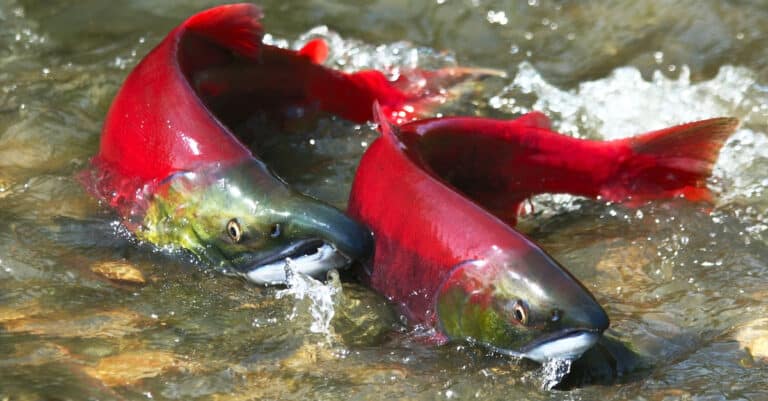
Sockeye Salmon
Silver at sea, scarlet to spawn

Silver at sea, scarlet to spawn
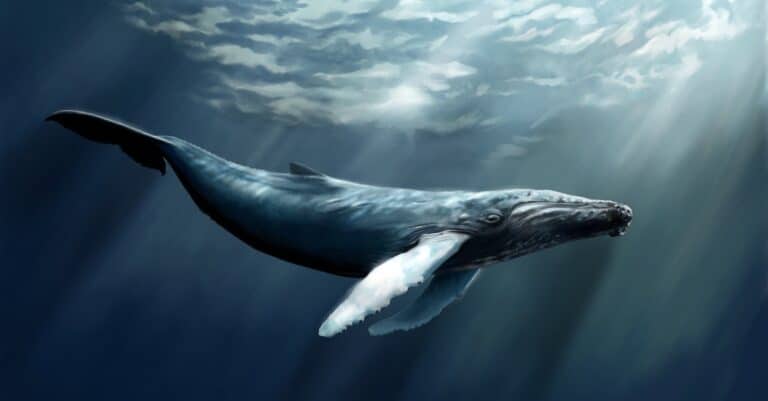
Big flippers. Bigger journeys.
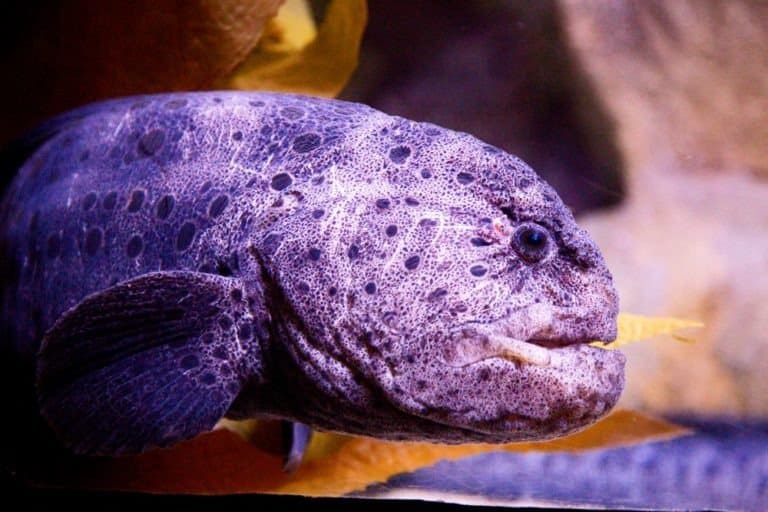
Looks like an eel-loves like a wolf.
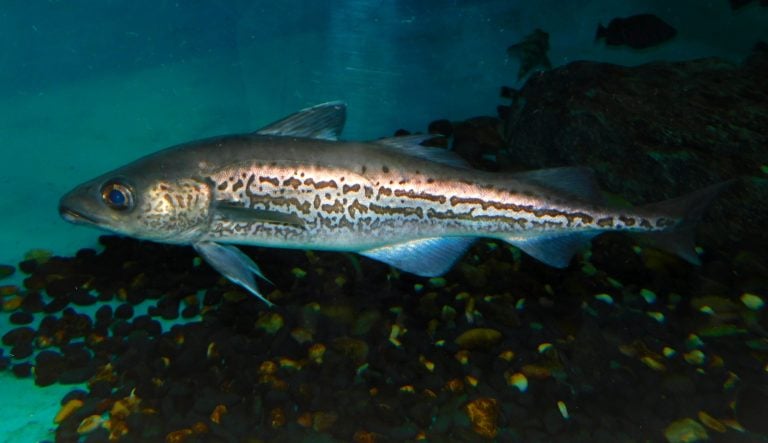
The fish behind the fish stick
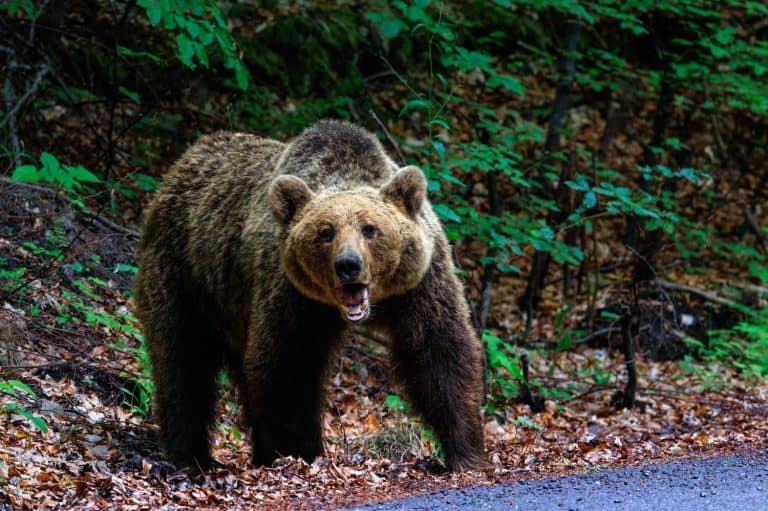
Hump-shouldered king of the wild buffet
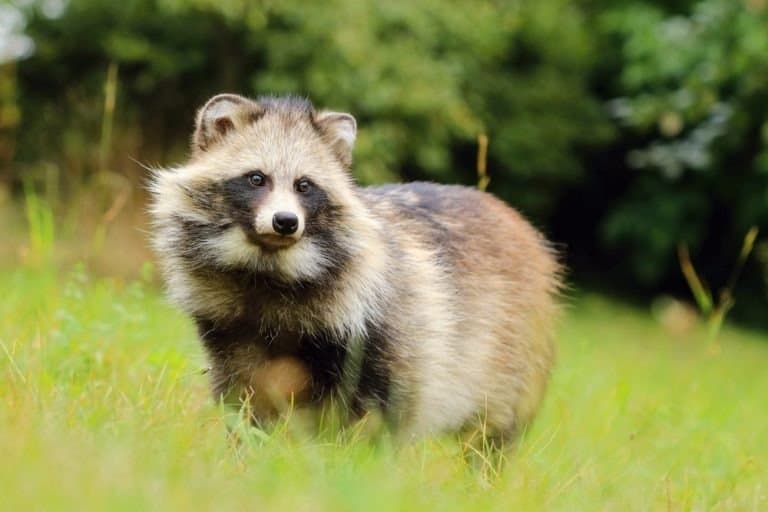
Masked canid, master of winter torpor
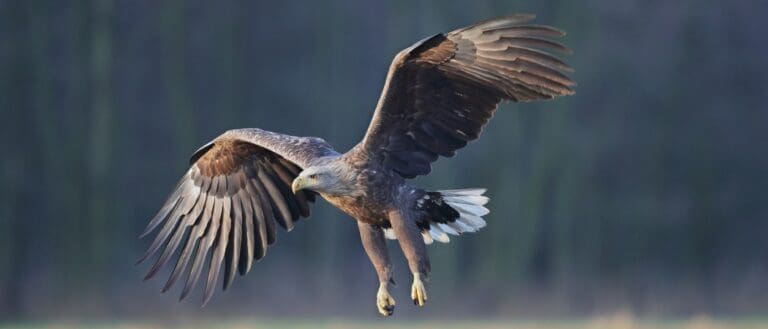
Wedge-tailed ruler of northern waters
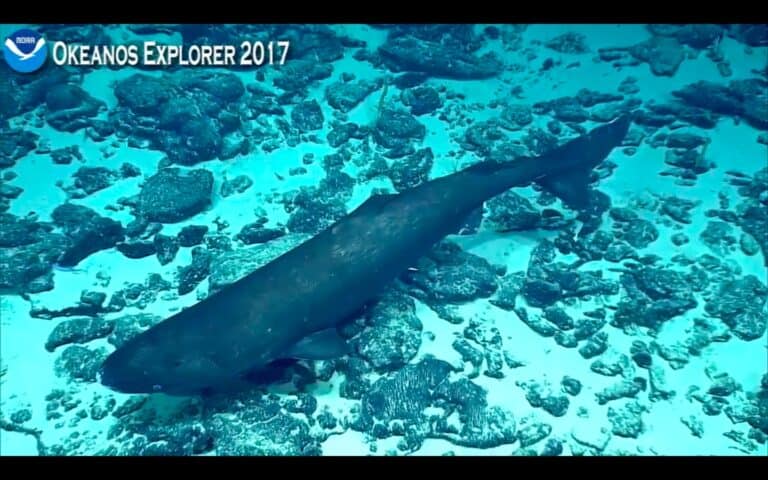
Deep, cold, and quietly formidable
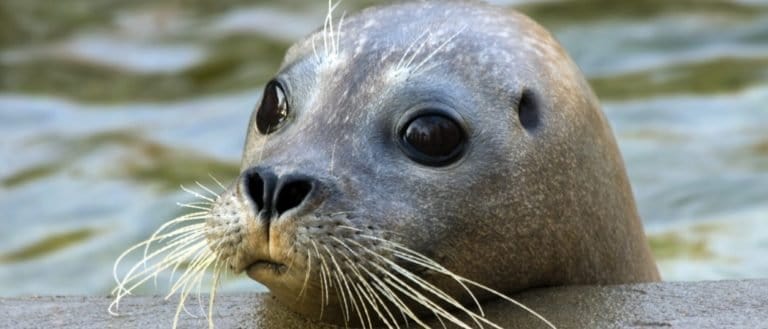
No ears. Big whiskers. Coastal pro.
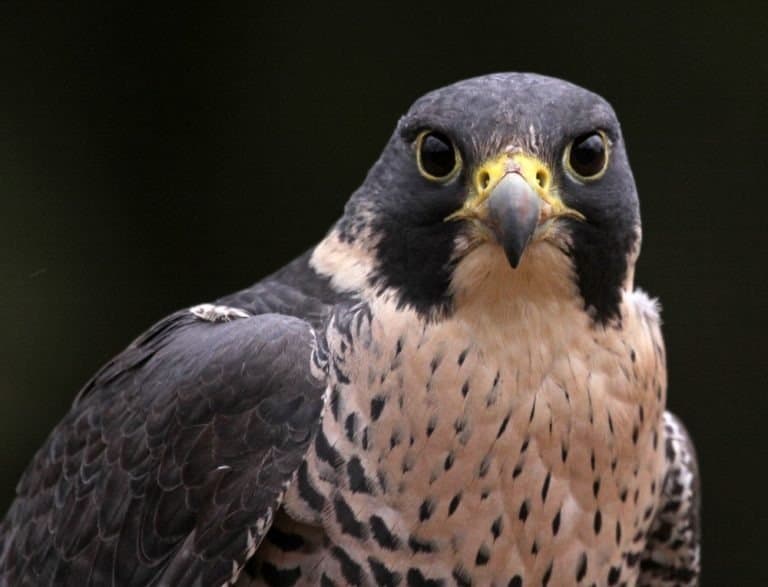
Built for the stoop.
Sakhalin Oblast — including Sakhalin Island and the Kuril Islands — has a strong maritime wildlife feel shaped by cold currents, fog, and rugged coasts. Boreal and subarctic ecosystems meet here and the North Pacific’s rich seas make it a place where land predators, migratory birds, and whales gather on compact islands. Key habitats are salmon-bearing rivers and floodplains (feeding routes for bears, birds of prey, and scavengers), coastal lagoons and estuaries (nurseries and stopovers for waterfowl), and nearshore waters over shelves and straits that fuel plankton blooms and fish schools. The Kurils add volcanic slopes, hot-spring valleys, and sheer sea cliffs with dense seabird colonies. Kelp forests and cold upwellings (cold water rising) offshore support many small animals and fish that draw seals and sea otters. The archipelago effect creates migration bottlenecks and species unique to islands, making wildlife viewing unusually easy against volcanic island scenery.
Sakhalin Oblast (Sakhalin Island and the volcanic Kuril chain) has strong links between sea and land that shape where animals live. Cold, rich waters feed seabird colonies, seals and whales. Coastal climate and a mountainous interior make a patchwork of taiga forests, river valleys, wetlands, and coastal lagoons that focus salmon runs and their predators and scavengers.
Sea level to 2,339 m (Alaid Volcano on Atlasova Island, Kuril Islands)
Extensive island coastline bordering the Sea of Okhotsk and the Pacific Ocean, including numerous bays, straits, and river estuaries that support kelp-rich nearshore zones, seabird colonies, and marine mammal feeding/haul-out areas.
Sakhalin Oblast’s protected areas center on two large federal strict nature reserves that protect salmon rivers, old-growth taiga, coastal lagoons, and key seabird and marine-mammal habitats. Around them are regional parks, wildlife sanctuaries, and small natural monuments protecting haul-outs, rookeries, wetlands for migratory birds, and important spawning watersheds across Sakhalin Island and the Kuril Islands.
≈10-15% of land area under some form of protected status (federal + regional), with additional marine/coastal waters protected in several sites
The main protected area of the southern Kurils, centered on Kunashir and nearby islets, has very large seabird colonies, healthy coastal forests, and rich nearshore waters used by sea otters and pinnipeds. One of Russia's best spots to see seabirds, raptors, bears, and marine mammals in a small area.
Protects a major stretch of Sakhalin's eastern landscapes-taiga, river valleys, and coastal lagoons-supporting salmon-bearing rivers and concentrations of fish-eating raptors. It is especially important for conserving large, roadless forest blocks and wetland-coastal interfaces used by migratory birds and marine mammals.
A federal-level sanctuary focused on the Small Kuril Ridge/nearby islands and waters, protecting seabird colonies and productive marine feeding grounds. It is particularly valued for nearshore biodiversity (kelp forests, rocky reefs) and for safeguarding haul-outs and migration corridors.
A regional nature park famous for clear-water marine ecosystems, kelp forests, and cliff-nesting seabirds. The surrounding waters are among the best in the oblast for observing sea otters, seals, and coastal seabird assemblages.
A cluster of regional protected sites on southern Sakhalin's Krillon Peninsula that conserve coastal cliffs, wind-swept meadows, and migration bottlenecks. The area is notable for raptor movement, seabird concentrations offshore, and marine mammal sightings along the coast.
A representative lowland wetland-lake system used by migratory waterfowl and shorebirds, with nearby salmon streams and reedbeds. It is among the more accessible places in southern Sakhalin for birdwatching in migration seasons.
A small but globally significant rookery/colony site in the Sea of Okhotsk, renowned for dense concentrations of pinnipeds and breeding seabirds. It is one of the most important single wildlife-viewing points in the region (typically accessed by boat under strict rules).
A set of protected wetland-river landscapes in northern/eastern Sakhalin that supports mass salmon runs and staging/feeding habitat for migratory birds. These areas are conservation-critical because salmon productivity underpins bears, eagles, and coastal food webs.
A high-value coastal lagoon and nearshore habitat on northeastern Sakhalin important for fish, birds, and marine mammals, including feeding and resting areas tied to the Sea of Okhotsk. It is widely recognized as a conservation priority due to its productivity and sensitivity.
Sakhalin Oblast (Sakhalin Island and the Kuril Islands) is a region of islands and cold seas. Its wildlife is shaped by the Sea of Okhotsk, the North Pacific, and salmon rivers. The main wildlife is coastal and marine: large seal and seabird colonies, whales offshore, sea otters and kelp forests along the Kurils, and dense taiga mammals on Sakhalin — especially brown bears that come to feed on salmon runs. Fish and seabirds have many species; reptiles and amphibians are few because of the cool island climate.
Sakhalin Oblast (Sakhalin Island and the Kuril Islands) is a top marine wildlife area. Cold, rich Sea of Okhotsk and Pacific waters feed whales, dolphins, seals, sea lions, and large seabird colonies. Taiga, alpine zones, and salmon rivers support brown bears, foxes, sables, and many birds. Best seen summer to early autumn by boat and at salmon rivers.
Seabirds move more along headlands and bays. Cliffs and offshore stacks fill with nesting auks, gulls, and cormorants, so coastal birding is excellent. Bears become more active after leaving their dens, but leftover snow and rough seas can make remote areas hard to reach. Early-season whale sightings offshore depend on local ice in the Sea of Okhotsk.
Peak marine wildlife season: best window for boat trips in the Kuril Islands and around Sakhalin's capes-high chances for whales, dolphins/porpoises, seals/sea lions, and dramatic seabird colonies. Wildflowers and long daylight help for hiking-based wildlife. This is generally the most reliable time for sea crossings and guided expeditions (though fog and wind remain common).
Salmon runs intensify in many rivers-prime time for bear viewing near salmon streams (observe from safe distances). Seabirds remain abundant; some migration begins. Weather turns sharper and sea conditions become less predictable, but crowds drop and photographic light improves.
A different, more specialized trip: sea ice can develop in the Sea of Okhotsk side in some years, concentrating birds and marine mammals near leads and polynyas. Opportunities shift toward winter birding (sea ducks, gulls) and tracking land mammals on snow (with experienced guides). Access can be challenging; prioritize safety and logistics.
Sakhalin Oblast covers Sakhalin Island and volcanic Kuril Islands, with a maritime, cool-to-cold climate from southern mixed forests to northern taiga and tundra. Steep mountains, active volcanism, coasts, rivers make diverse habitats. Notable: salmon rivers, lagoon and estuary wetlands, seabird cliff colonies, and rich cold-water marine systems (kelp forests, shelf and slope) in Sea of Okhotsk and NW Pacific.
Taiga forests of larch, spruce, fir and mixed conifers cover much of Sakhalin, with mossy ground and boggy lowlands. Mid-elevation Kurils also have cool maritime conifer and birch forests.
Widespread on Sakhalin (especially central and northern parts) and present on many Kuril islands; overall the primary land biome.
Cool-temperate mixed and broadleaf-conifer forests, most developed in southern Sakhalin under milder maritime conditions; includes richer understories and higher tree diversity relative to the northern taiga.
Localized, mainly southern Sakhalin and low to mid elevations in the southern Kurils.
Very wet, fog-influenced maritime forests and tall herb communities on parts of the Kurils, where high precipitation and oceanic humidity support lush ground layers and dense riparian vegetation.
Patchy; most characteristic on the Kuril Islands (especially wetter windward slopes and sheltered valleys).
Treeless or sparsely treed communities (dwarf shrubs, sedges, mosses, lichens) on northern Sakhalin and on exposed, wind-swept highlands and coastal headlands; includes wet tundra and peatlands.
Limited but significant in northern Sakhalin lowlands and in exposed areas of the Kurils.
Above-treeline habitats on Sakhalin's higher ranges and especially on volcanic Kuril peaks: alpine meadows, scree, volcanic barrens, and snowbed communities.
Small overall area; concentrated on mountain tops and volcanic high elevations.
Cold, well-oxygenated rivers and streams (many short, steep coastal systems in the Kurils; longer systems on Sakhalin) with major salmonid runs; lakes and lagoons add diverse freshwater/brackish conditions.
Distributed across both island groups via dense river networks, lakes, and coastal lagoons.
Peatlands, fens, marshes, and swampy lowlands (notably on northern Sakhalin), plus river deltas and coastal lagoon wetlands that are key for waterfowl and migratory birds.
Common in lowlands and along coasts; particularly extensive in northern Sakhalin and in lagoon/estuary complexes.
Highly productive cold-temperate to subarctic seas (Sea of Okhotsk and NW Pacific) with kelp-dominated nearshore zones, rich shelf fisheries, seabird foraging grounds, and marine mammal habitats along the Kuril straits and shelf break.
Surrounds all islands; dominant in area when considering the extensive coastal waters and shelf/slope environments.
Island-dominated forest landscapes with strong maritime influence; extensive intact tracts remain outside developed corridors.
Taiga stands of larch, spruce, and fir; common across Sakhalin and many Kuril interiors, often interspersed with boggy patches and windthrow in storm-exposed areas.
Birch and mixed deciduous components, especially in milder southern Sakhalin and parts of the Kurils; important early-successional and mixed-stand habitat.
Rugged ridges on Sakhalin and steep volcanic massifs in the Kurils; strong elevational zonation from forest to alpine and volcanic barrens.
Above-treeline meadows and tall-herb communities on high ridges and volcano slopes; short growing season, heavy snow, and frequent fog/wind exposure.
Northern lowland and exposed highland tundra with dwarf shrubs, sedges, mosses and lichens; includes wet tundra and peat-forming areas.
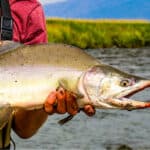
Salmon-bearing rivers and streams (chum, pink, sockeye and others depending on basin); gravel beds and cold flows are critical spawning and rearing habitat.
Interior lakes and coastal lagoons (often brackish) that support waterfowl, fish nurseries, and varied aquatic vegetation in sheltered basins.
Lowland wetlands including peat-forming systems; crucial for migratory birds and for regulating hydrology in flat northern plains and coastal basins.
Peat bogs and sphagnum-dominated wetlands, especially in northern Sakhalin lowlands and poorly drained basins.
Sedge- and reed-dominated marshes along floodplains, lake margins, and lagoon fringes; seasonal bird concentrations during migration.
Waterlogged forested wetlands in low-lying areas and along slow-moving river reaches, with high structural complexity and insect productivity.
River mouths, tidal flats, and lagoon inlets where freshwater mixes with marine waters; important for juvenile fish, shorebirds, and nutrient cycling.
Long, exposed shorelines with strong wave energy and seasonal ice effects (Sea of Okhotsk side), plus milder but stormy Pacific coasts in the Kurils.
Sandy and gravel beaches, barrier spits, and dune-backed shores on parts of Sakhalin; often adjacent to lagoons and estuaries.
Basaltic and andesitic rocky coasts (especially Kurils) with tidepools and surge channels supporting diverse invertebrates and seaweeds.
Sea cliffs and headlands used by large seabird colonies (auklets, murres, kittiwakes, gulls) and raptor nesting sites in some areas.
Nearshore kelp beds in cold, nutrient-rich waters; key habitat for fish, invertebrates, and marine mammals in coastal and strait environments.
Pelagic waters around the Kuril straits and the Okhotsk/Pacific margins used by migrating fish, seabirds, and marine mammals.
Deep waters adjacent to the island arc and trench systems near the Kurils, influencing productivity and supporting deepwater fauna.
Continental shelf and slope bottoms in the Sea of Okhotsk and around the Kurils, including soft sediments and rocky substrates supporting benthic communities and fisheries.
Concentrated settlements and ports (e.g., Yuzhno-Sakhalinsk, Korsakov) with localized habitat fragmentation and coastal infrastructure impacts.
Limited agriculture focused mainly in southern Sakhalin lowlands and river valleys due to climate and terrain constraints.
Some of Sakhalin's biggest "forest" animals are powered by the ocean: brown bears and Steller's sea eagles congregate on salmon rivers, and carcasses dragged into the woods measurably fertilize riparian ecosystems-marine nutrients literally feed inland forests.
Western gray whales off Sakhalin don't mainly chase fish; they often feed by suctioning amphipods and other bottom-dwelling prey from shallow seafloor sediments, leaving visible muddy plumes-an unexpected feeding style for a whale you might imagine as a fish-hunter.
Several Kuril islands are so dominated by seabird colonies that the ground can be honeycombed with burrows (auklets and storm-petrels), turning otherwise barren-looking volcanic slopes into densely populated "underground bird cities."
The Kurils' mix of cold Oyashio water and local currents can create extremely productive nearshore zones; as a result, whales, seals, and seabirds may concentrate surprisingly close to land compared with many other oceanic coastlines.
Geothermal areas on islands like Kunashir can keep some streams and wetlands ice-free longer than surrounding landscapes, creating odd winter refuges that can hold waterbirds when nearby habitats are locked up by ice.
Sakhalin is home to the Sakhalin taimen (Hucho perryi), one of the world's largest salmonid fishes and an apex river predator found in Sakhalin rivers such as the Tym and Poronay.
The Sakhalin Shelf (notably near Piltun Lagoon on northeastern Sakhalin) is one of only a couple of well-documented primary feeding areas for the Critically Endangered western gray whale population-meaning this oblast hosts a globally irreplaceable whale "buffet" each summer.
Steller's sea eagle (Haliaeetus pelagicus), often called the heaviest eagle, breeds in the Russian Far East and is regularly seen on Sakhalin, where salmon runs and ice-edge feeding make it easy to find.
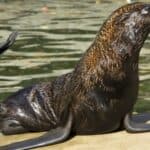
Tyuleniy (Seal) Island off Sakhalin has one of the largest seabird gatherings in the Sea of Okhotsk, with huge murre and auk colonies plus a major northern fur seal rookery on a small island.
The Kuril Islands are a top North Pacific seabird-breeding area: steep sea cliffs and islets with few predators support very large mixed colonies (auks, puffins, storm-petrels), giving some islands high seabird biomass per square kilometer.
30 species documented in our encyclopedia
Thank you for reading! Have some feedback for us?
We appreciate your help in improving our content.
Our editorial team will review your suggestions and make any necessary updates.
There was an error submitting your feedback. Please try again.