N S W E
Wildlife Expeditions

Wildlife of
Novosibirskaja oblast'

Where taiga meets forest-steppe, Novosibirsk Oblast's Ob River wetlands and pine-birch forests host classic Siberian mammals and a rich pulse of migratory birds.
30 Species
177,756 km² Land Area
Overview

About Novosibirskaja oblast'

Novosibirsk Oblast sits at a natural crossroads in southwestern Siberia, where the northern taiga fades into forest-steppe. This mix creates a variety of habitats—pine and birch forests, meadow-steppe openings, and broad river floodplains—that support many Siberian mammals and lots of birds, especially during migration. The Ob River basin shapes much of the area's wildlife. Its oxbows, backwaters, marshes, and seasonally flooded meadows serve as nurseries for fish and amphibians and as feeding and nesting areas for waterfowl and waders. Away from the main river, mosaic woodlands and forest edges favor species that like patchwork habitats, while the more continuous forests to the north and northeast hold typical taiga animals. What stands out is the many river-valley wetlands that are easy to reach and the forest-steppe/taiga overlap, so open-country and forest species occur close together, with migration bringing big increases in bird diversity.

Physical Features

Geography

Novosibirsk Oblast lies in the Ob River basin where forest-steppe meets southern taiga, creating a wide habitat gradient that shapes wildlife. River floodplains, oxbow lakes, peatlands, and shallow steppe lakes give breeding and stopover sites for migratory waterfowl and waders. Drier plains and mixed forests support West Siberian mammals and forest birds in a strongly continental climate.

177,756 km² Land Area
Around the 18th largest federal subject of Russia (by area) Size Rank
Russia Country
Oblast Type
Elevation Range

Approximately 80-503 m (low plains and river valleys up to the Salair Ridge uplands), influencing the shift from steppe/forest-steppe to more continuous forest habitats

Key Landscapes

Ob River mainstem and broad floodplain (primary dispersal corridor and wetland complex) Novosibirsk Reservoir ("Ob Sea") and associated shoreline wetlands and reedbeds Baraba Lowland / forest-steppe plains with numerous shallow lakes (including the Lake Chany system) important for waterbirds Taiga and mixed-forest zones in the north and northeast, providing continuous forest habitat River valleys and tributaries (e.g., Inya, Berd, Chulym) with riparian forests, meadows, and oxbows Peatlands and marshes on poorly drained lowlands (seasonal and permanent wetlands for amphibians and birds)
Parks & Reserves

Protected Areas

Protected areas in Novosibirsk Oblast focus on the Ob River basin and the Baraba forest-steppe lakes, especially Lake Chany. Instead of classic national parks, a mix of federal and regional wildlife sanctuaries, nature reserves, and small natural monuments protect floodplain forests, steppe fragments, reedbeds, and bird stopover and breeding sites, vital for waterbirds, raptors, and wetland mammals in farming areas.

Protected Coverage

≈6-8% of the oblast's land area (varies by what categories are counted and by boundary updates)

State & Provincial Parks

Berdsky Wildlife Sanctuary

≈200-400 km² (typical published range; boundaries vary by management unit)

River-valley forests and wetlands along the Berd River that provide breeding habitat for forest birds and a refuge for semi-aquatic mammals; good for observing beaver activity and mixed woodland species near the forest-steppe boundary.

Eurasian beaver Eurasian otter Black stork (rare/irregular) Hazel grouse Moose

Kudryashovsky Bor Protected Forest

≈150-300 km² (approx., depending on protected zoning)

Large pine-forest tract on sandy terraces with boggy depressions-important as a woodland refuge near major population centers, supporting forest mammals and boreal bird assemblages.

Moose Siberian roe deer Lynx (rare) Western capercaillie Tengmalm's owl

Bugotak Hills (landscape protected area / natural monument cluster)

Small-to-moderate protected clusters; typically tens of km² in total

Steppe and forest-steppe hills with rocky outcrops and ravines that concentrate raptors and support remnant steppe flora/fauna; notable for vantage-point wildlife viewing.

Golden eagle Common kestrel European badger Siberian chipmunk European hare

Wildlife Refuges

Kirzinsky State Nature Sanctuary (federal zakaznik) - Lake Chany sector

≈1,000-1,200 km²

Managed primarily for wetland conservation and migratory waterbirds; access is often limited/seasonally regulated to protect nesting and molting concentrations.

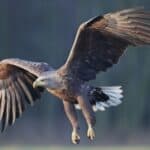
Common crane White-tailed eagle Garganey Great egret Eurasian beaver

Karasuksky State Nature Sanctuary (federal zakaznik) - steppe-lake sector

≈600-1,000 km²

Refuge for steppe-edge wildlife and key stopover lakes for migrating geese/ducks; important for reducing disturbance and overhunting pressure in a heavily used agricultural region.

Demoiselle crane Steppe eagle Greylag goose Siberian roe deer Corsac fox

Ob River Floodplain protected zones (regional sanctuaries and water-protection belts along the Ob and major tributaries)

Discontinuous corridor; cumulative area varies by designated segment

A network of riparian forests, oxbow lakes, and backwaters that supports spawning fish, beavers/otters, and large numbers of waterfowl during migration; best wildlife viewing is often from river edges and quiet backwaters away from towns.

Eurasian otter Eurasian beaver Osprey Goosander Northern pike

Wilderness Areas

  • Remote reedbeds, islands, and open-water expanses of the Lake Chany-Baraba lake district (large intact wetland vistas with limited road access in places)
  • Northern taiga-mire margins toward the Vasyugan Swamp system (road-poor bog/forest mosaics near the oblast's northern boundary)
  • Upper Chulym basin forest-and-wetland mosaics (patchy roadless blocks between settlements, especially in swampy interfluves)
  • Less-accessed ravines and forest tracts on the Salair Ridge foothill margin (southeastern parts of the oblast, locally road-poor terrain)
  • Backwater and island complexes of the Ob River away from major crossings (seasonally isolated habitats valuable for nesting birds and semi-aquatic mammals)
Animals

Wildlife

Novosibirsk Oblast sits at a classic West Siberian ecotone: southern taiga in the north grading into forest-steppe and steppe-like lake districts (Baraba) in the south and west. The Ob River and its floodplain, oxbows, and vast reedbeds/lakes create strong contrasts-big-game and taiga carnivores in wooded belts, and exceptionally rich wetland birdlife on the Chany-Baraba lake system. The region is especially notable for migratory waterbirds and raptors, plus abundant common Siberian mammals (roe deer, moose, beaver) in river valleys and mixed forests.

≈ 60-75 species (taiga + forest-steppe assemblages, plus many small mammals) Mammals
≈ 280-340 species recorded (high due to migration and wetland habitats) Birds
≈ 6-8 species Reptiles
≈ 5-7 species Amphibians
≈ 45-65 species (Ob basin, reservoirs, floodplain lakes) Fish

Endemic & Rare Species

Steppe Eagle

Aquila nipalensis

Endangered (global); regionally declining

A flagship raptor of steppe and forest-steppe; the oblast lies within a key part of its broader West Siberian range where declines have been noted due to prey/habitat changes and mortality risks.

Saker Falcon

Falco cherrug

Endangered (global); scarce and sensitive

A rare open-country falcon tied to steppe/forest-steppe prey bases; valued as an indicator of intact raptor landscapes and low disturbance around nesting areas.

Eastern Imperial Eagle

Aquila heliaca

Vulnerable (global); uncommon breeder

An emblematic large eagle of forest-steppe with scattered nesting; depends on mature trees for nesting and open habitats for hunting.

Black Stork

Ciconia nigra

Least Concern (global) but regionally rare/local

A shy forest-river specialist that requires quiet, mature forests near wetlands; its occurrence signals low disturbance in riparian woodland.

Wolverine

Gulo gulo

Locally rare in southern taiga/forest-steppe transition

At or near the southern edge of regular occurrence; sightings are exceptional and typically tied to the northern, more continuous taiga habitats.

Siberian Sturgeon

Acipenser baerii

Threatened in many wild populations; heavily impacted by regulation/harvest

A conservation-significant fish of the Ob basin; wild stocks are sensitive to river regulation, habitat change, and historic exploitation.

Nelma (Inconnu)

Stenodus nelma

Declining in parts of range; conservation concern in the Ob basin

A large migratory whitefish of major rivers; its status reflects connectivity and spawning habitat quality within the Ob system.

Notable Populations

  • Chany Lake / Baraba lake system: internationally important wetland complex for migratory waterbirds (mass stopovers of geese, ducks, swans, shorebirds) and breeding reedbed birds in high-water years.
  • Ob River floodplain and reservoirs: regionally important concentrations of fish-eating birds (including large raptors) and waterfowl migration corridors across southwestern Siberia.
  • Forest-steppe ungulates: strong regional representation of Siberian roe deer and moose where woodland belts and riparian habitats remain connected.

Recent Changes

  • Beaver recovery/expansion along many tributaries and floodplain channels (benefiting wetland complexity but sometimes conflicting with drainage and infrastructure).
  • Raccoon dog (Nyctereutes procyonoides) and muskrat (Ondatra zibethicus) remain widespread due to historical introductions and continued range stability/expansion in wet habitats.
  • Ongoing concerns for steppe raptors (e.g., Steppe Eagle, Saker Falcon) linked to prey-base shifts, infrastructure mortality (electrocution), and habitat change in open landscapes.
  • Large-river fish of conservation interest (e.g., sturgeon/nelma) continue to be pressured by river regulation, connectivity loss, and illegal/unsustainable harvest in the wider Ob basin, with local consequences for occurrence and size structure.
  • Some wetland bird numbers fluctuate strongly with hydrology: drought and low-water cycles in lake districts can reduce breeding success and concentrate birds into fewer sites, increasing disturbance sensitivity.
Visit

Wildlife Viewing

Novosibirsk Oblast in southwestern Siberia along the Ob River basin offers classic wildlife viewing: broad river valleys, reed-filled wetlands (notably around Lake Chany), forest-steppe, and pine and boreal forests. Great for migratory birds and for finding elk and roe deer. Seasons matter—spring migration, autumn rut, and winter snow-tracking and owl watching.

Best Seasons

Spring (late April-May)

Peak bird migration: huge movements of geese, ducks, swans, cranes, and shorebirds through wetlands and lakes (especially the Lake Chany system). Expect dynamic viewing from shoreline points and dikes; mornings can be cold and windy, and access to some tracks may be muddy during thaw.

Summer (June-August)

Long daylight for boat-based viewing on the Ob River and the Novosibirsk Reservoir ("Ob Sea"), plus bird colonies in reedbeds and on islands. Mammals are more secretive in heat, but beaver/otter and raptors can be productive near water; mosquitoes and midges can be intense near wetlands.

Autumn (September-October)

Comfortable temperatures, fewer insects, and strong chances for mammals: elk activity increases during the rut (Sept), roe deer and wild boar are more visible along forest edges, and raptor migration can be excellent over open steppe. Waterfowl gather before freeze-up at major lakes.

Winter (November-March)

Best season for reading tracks and finding wildlife on snow-fox, hare, roe deer, and occasionally wolf/lynx signs in quieter districts. Great time for owls (including daytime sightings in some years) and winter finches. Expect severe cold; daylight is shorter but visibility through leafless woods is high.

Top Wildlife Experiences

  • Spring migration spectacle at the Lake Chany wetland complex (including areas associated with the Kirzinsky Wildlife Sanctuary): scan reedbeds and open water for swans, geese, cranes, and dense mixed flocks of ducks; plan sunrise-to-midmorning sessions for the most movement.
  • Birding and shoreline walks on the Novosibirsk Reservoir ("Ob Sea"), focusing on bays and island viewpoints for terns, gulls, grebes, migrating waterfowl, and hunting raptors; pair with sunset watching for flight lines along the water.
  • Boat or kayak wildlife cruise on calmer stretches of the Ob River and side channels (seasonal): look for beaver activity, muskrat, waterbirds, and raptors along riparian forest; early morning is best for mammals near the banks.
  • Forest mammal tracking and photography in Karakan Pine Forest and nearby forest-steppe mosaics: search for elk/roe deer trails, wild boar rooting sites, woodpeckers, grouse, and winter owl perches along quiet forest roads.
  • Autumn elk rut listening and dawn watches in larger forest tracts (e.g., Karakan Pine Forest and southern wooded districts): combine pre-dawn listening stops with careful edge scanning from a distance to minimize disturbance.
  • Wetland hide-style bird photography days around smaller lakes and reedbeds in the Baraba forest-steppe (northwestern oblast): focus on cranes, herons, marsh harriers, and mixed shorebirds during migration windows.
  • Winter day trip from Novosibirsk for snow-tracking and winter birding: follow plowed rural roads and forest edges for fox, hare, roe deer, and wintering passerines; add an evening stakeout for owl activity in open-country margins.

Wildlife Watching Types

Birding hotspots (wetlands, lakes, reservoir shores, river valleys) Migratory bird spectacles (spring and autumn waterfowl, cranes, shorebirds) Mammal tracking on snow (elk, roe deer, fox, hare; occasional predator sign) River and reservoir wildlife cruises (beaver, waterbirds, raptors) Raptor watching (marsh harriers, eagles/large hawks seasonally, owls in winter) Wildlife photography (shoreline scanning, reedbed edges, forest tracks, sunrise flights) Listening-based wildlife encounters (elk rut in autumn; cranes/waterfowl calls in migration)

Guided Options

  • Kirzinsky Wildlife Sanctuary / Lake Chany area ranger-coordinated visits (by arrangement): best for migration-focused birding with local access knowledge and appropriate route planning.
  • Novosibirsk-based birding and nature photo tour operators offering day/overnight trips to Lake Chany and Baraba wetlands (spring/autumn migration emphasis).
  • Seasonal boat excursions on the Ob River and Novosibirsk Reservoir organized by local outdoor clubs/tour providers (summer), useful for reaching quieter bays and bird-rich shorelines.
  • Winter tracking and wildlife photography outings led by local guides in forest-steppe and pine forest areas (e.g., Karakan Pine Forest), focusing on reading sign, safe cold-weather travel, and ethical viewing distances.
  • Citizen-science style guided bird walks in and around Novosibirsk (urban riverbanks/parks) run by local naturalist communities-good for adding species and learning regional identification basics before heading to remote wetlands.
Habitats

Ecosystems

Novosibirsk Oblast lies on the West Siberian Plain in the Ob River basin. It stretches from southern taiga to forest-steppe and steppe. A sharply continental climate, wide river valleys (Ob and tributaries) and many lakes and wetlands—especially the Baraba Lowland—create mixed conifer and birch forests, grasslands, farms, and key migratory bird breeding and stopover sites.

Biomes

Boreal Forest (Taiga)

Southern taiga and sub-taiga belts dominate the north and northeast: pine and mixed conifer stands with birch/aspen, understory mosses and shrubs, and cool, snow-rich winters.

Common in the northern third (roughly ~30-40%), with patchy extensions along sandy terraces and less-disturbed tracts elsewhere.

Temperate Grassland

Forest-steppe and steppe landscapes with meadow-steppe grasses, scattered birch groves, and open plains; much is converted to cropland but remnants persist on poorer soils and protected areas.

Widespread in central and southern areas (roughly ~40-55%), especially away from major riverine forests.

Temperate Forest

Broadleaf and mixed small-leaved forests (birch, aspen) occur as forest-steppe groves, secondary regrowth after fire/logging, and riparian/gallery forests.

Patchy, interwoven with grasslands and agriculture (roughly ~5-15%), concentrated in forest-steppe zones and river corridors.

Freshwater

Large lowland river systems (Ob and tributaries such as Inya, Berd), floodplains, oxbows, and major reservoirs (e.g., Novosibirsk Reservoir) support fisheries and waterfowl habitat.

Linear but extensive; lakes/reservoirs and river corridors collectively ~3-8% of area, locally dominant in valleys.

Wetland

Peatlands, marshes, reedbeds, wet meadows, and lake-edge swamps-especially across the Baraba Lowland-provide key breeding/stopover sites for migratory birds and support peat-forming ecosystems.

Regionally significant complexes, especially in the west/central lowlands (roughly ~5-15% depending on year and water levels).

Habitats

Coniferous Forest

Pine and mixed conifer stands (often on sandy terraces and in northern taiga sectors); includes fire-influenced mosaics and lichen/moss ground layers.

Deciduous Forest

Birch-aspen small-leaved forests common in forest-steppe and as secondary regrowth; often form groves amid open fields/grassland.

Woodland

Open birch groves and sparse tree cover typical of forest-steppe transitions; shelterbelts and natural groves create habitat corridors.

Grassland

Meadow-steppe and mesic grasslands, frequently fragmented by cultivation; important for steppe-associated birds and pollinators where intact.

Steppe

Drier open steppe patches in the south/southwest with feather-grass and drought-tolerant forbs; many areas are converted or heavily grazed.

Shrubland

Willow/alder shrub thickets along floodplains and lake margins; also shrubby edges on disturbed sites and field margins.

River/Stream

Ob River and tributaries with wide floodplains, seasonal inundation, sandbars, and oxbow complexes; major ecological corridor through the oblast.

Lake

Numerous shallow lakes in the Baraba Lowland, often saline to brackish in places; critical for waterfowl and waders.

Pond

Small floodplain ponds, oxbows, and man-made ponds used for irrigation/fisheries; dynamic water levels in dry years.

Wetland

Wet meadows, reedbeds, and floodplain wetlands supporting high bird diversity and amphibians; strongly influenced by spring floods.

Marsh

Reed and sedge marshes around shallow lakes and along slow-flowing channels; important nesting habitat for aquatic birds.

Bog

Peat-forming wetlands (fen/bog complexes) in low-lying plains; carbon-storing habitats sensitive to drainage and fire.

Agricultural/Farmland

Extensive croplands (grains, fodder crops) across forest-steppe/steppe; primary driver of habitat fragmentation and wetland drainage in some areas.

Urban

Novosibirsk metropolitan area and other towns/industrial sites concentrated along transport corridors and the Ob; urban greenspaces provide limited refugia.

Ecoregions

West Siberian taiga (WWF) West Siberian forest steppe (WWF)
Protection

Conservation

Primary Threats

  • Flow regulation and altered sediment/ice regimes from the Novosibirsk Hydroelectric Station and reservoir change floodplain flooding patterns, erode/reshape banks, and degrade spawning/nursery habitats for native fish; water-level fluctuations also affect reedbeds and colonial nesting sites on lakes.
  • Drainage/fragmentation of wetlands and floodplains (including reedbeds and shallow-lake margins), conversion of forest-steppe to fields, and shoreline development around the Ob reservoir reduce breeding and stopover habitat for waterbirds and raptors.
  • In forest-steppe areas, field expansion and consolidation remove shelterbelts and meadow-steppe patches, reducing habitat for steppe-associated birds (e.g., eagles, harriers) and increasing disturbance near nest territories.
  • Municipal and industrial discharges from the Novosibirsk agglomeration, plus diffuse agricultural runoff (nutrients, pesticides) into tributaries and the reservoir, contribute to eutrophication, harmful algal blooms, and degraded water quality in the Ob system and large lakes.
  • High fishing pressure (commercial and recreational) in the Ob/Reservoir and connected waters, including illegal take, reduces vulnerable long-lived fish populations (notably sturgeon and salmonids) and disrupts age structure.
  • Poaching and poorly controlled take (especially of waterfowl and occasionally raptors) is most acute around accessible wetlands/lakes and during migration periods; lead shot remnants can also affect waterbirds.
  • Dense transport infrastructure (Trans-Siberian rail/roads, bridges, shoreline roads) and expansion of dacha settlements around the reservoir increase fragmentation, wildlife mortality, and disturbance; dams/culverts impede fish movement in tributaries.
  • Expansion of Novosibirsk and satellite settlements drives shoreline hardening, loss of riparian vegetation, increased light/noise near nesting areas, and higher recreation pressure on the Ob reservoir and riverbanks.
  • Recreation (boats, off-road vehicles, ice fishing, shoreline camping) near colonies and nesting sites on Lake Chany-type wetlands and along the reservoir can cause nest abandonment and lower breeding success for sensitive waterbirds and raptors.
  • Increasingly variable precipitation and hotter summers can lower water levels in shallow lakes, intensify steppe/peatland fire risk, and shift wetland hydroperiods-reducing reedbed stability and concentrating pollutants during low-water years.
  • Large congregations of migratory waterfowl at major stopover lakes elevate risk of avian influenza and other outbreaks, which can trigger die-offs and complicate management of hunting and protected bird colonies.
  • Non-native/introduced aquatic species and widely spread synanthropic predators (and, in some areas, invasive mustelids like American mink) can increase predation pressure on ground/colony-nesting birds and alter fish community composition.
  • Localized logging and fuelwood cutting in accessible forests (including pine forests near recreational areas) can simplify forest structure, reduce old-tree nesting opportunities for raptors, and increase erosion on sandy soils.
  • Sand/gravel extraction and quarrying near river terraces and construction-demand areas can disturb riparian habitats, increase turbidity, and damage spawning grounds; peat extraction where present can degrade wetland function.
  • Conflicts occur around fisheries (predation by birds/otters), beaver-driven flooding of infrastructure, and occasional depredation by large carnivores on livestock in rural districts-sometimes leading to retaliatory killing.
Fun Facts

Did You Know?

Lake Chany is so shallow and wind-exposed that storms can churn the entire water column; this affects oxygen and food availability and can rapidly shift where fish and feeding birds concentrate-so bird hotspots can "move" across the lake within days.

The Chany wetland in Novosibirsk Oblast is an inland stop for long-distance migrating birds: huge mixed flocks of geese, ducks, and swans rest and feed there between Arctic breeding and southern wintering areas.

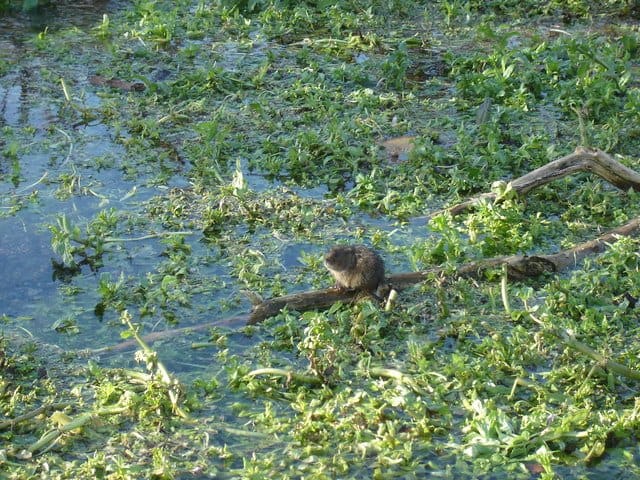
A North American species, the muskrat (Ondatra zibethicus), became a familiar animal in the oblast's wetlands after Soviet-era introductions for fur; today it's a conspicuous part of reedbed ecosystems around lakes and slow rivers.

Because seasons are extreme, many birds arrive to breed during a short time rich in insects. The landscape can go from quiet in late winter to very loud and busy with frogs croaking, cranes calling, and waterbirds nesting in weeks.

Urban-edge wildlife is common: Siberian roe deer and red foxes regularly use the forest belts, river valleys, and dacha zones around Novosibirsk, taking advantage of shelter and food in a way that surprises visitors who expect 'deep taiga only' animals.

Lake Chany in Novosibirsk Oblast is the largest natural lake in Western Siberia and an internationally important wetland for migratory waterbirds.

The Ob-Irtysh river system runs through Novosibirsk Oblast via the Ob and is the world's 7th-longest (about 5,410 km). Its floodplain and backwaters are a major fish migration route and bird flyway.

The Novosibirsk Reservoir ("Ob Sea"), created on the Ob River, is the largest reservoir in Western Siberia by surface area-effectively creating an inland sea that supports large concentrations of gulls, terns, and fish-eating birds along its bays and islands.

The northern part of the oblast reaches into the vast West Siberian peatland belt connected to the Vasyugan Mire, widely cited as the world's largest peat bog system-globally significant habitat for bog-dependent birds and mammals.

Novosibirsk Oblast lies where forest-steppe meets taiga, so it has high edge diversity. Taiga animals (sable, brown bear) and steppe animals (steppe polecat, roe deer) live there together.

Thank you for reading! Have some feedback for us?