N S W E
Wildlife Expeditions

Wildlife of
Krasnodarskij kraj

From Azov reedbeds to Black Sea cliffs and Western Caucasus forests, Krasnodar Krai packs exceptional habitat variety and birdlife into one mild-climate region.
38 Species
75,485 km² Land Area
Overview

About Krasnodarskij kraj

Krasnodar Krai's nature comes from a rare mix of seas, large rivers, and mountains: coastal lagoons and estuaries, wide floodplains, steppe patches, and the forested foothills of the Western Caucasus. This mix supports two kinds of animals—waterbirds and wetland specialists, plus woodland and mountain species—making it one of southern Russia's best places to watch wildlife year-round. Key areas include the Kuban River lowlands and delta wetlands, where reeds, shallow lakes, and flooded meadows gather large numbers of breeding, migrating, and wintering birds. Along the Black Sea coast, a mild sea climate supports river mouths, lagoons, dunes, and cliffs. Inland the Western Caucasus foothills rise into broadleaf and mixed forests that shelter large mammals and forest birds. The wildlife here is "compressed": in short trips you can move from steppe to wetlands to mountain forest, with a long active season thanks to warmer coastal weather.

Physical Features

Geography

Krasnodar Krai borders the Azov and Black Seas and rises inland to the Western Caucasus. This rapid lowland-to-mountain change makes habitats: deltas and limans for waterbirds, floodplain forests and reedbeds along the Kuban River, farm and steppe mosaics on the Azov‑Kuban lowland, and montane forests to subalpine and alpine meadows, driving high wildlife diversity and changes in species.

75,485 km² Land Area
Mid-sized within Russia (roughly around the 40th largest of Russia's federal subjects) Size Rank
Russia Country
Federal_subject Type
Elevation Range

Sea level to ~3,346 m (Mount Tsakhvoa, Western Caucasus)

Coastline

Coastline on two seas: the Black Sea (southwest) and the Sea of Azov (northwest), including lagoon/liman systems and the Kerch Strait near the Taman Peninsula.

Key Landscapes

Black Sea coast (Caucasian Riviera) with coastal cliffs, beaches, and coastal forests Sea of Azov coastline with shallow-water bays, lagoons/limans, and extensive wetlands important for migratory birds Taman Peninsula and Kerch Strait area (coastal steppe, saline wetlands, mudflats) Kuban River (major lowland river) and its floodplains, channels, and deltaic wetlands Azov-Kuban lowland plains (steppe/forest-steppe remnants, agricultural mosaic, shelterbelts) Western Caucasus / Greater Caucasus foothills and main range (montane broadleaf and conifer forests, ravines) - core of large protected areas (e.g., Caucasus Biosphere Reserve) supporting large mammals and forest specialists
Parks & Reserves

Protected Areas

Krasnodar Krai has a very diverse protected-area network. It covers Western Caucasus alpine and montane forests important for endemic species and large mammals, and lowland river-delta wetlands and coastal lagoons vital for migratory waterbirds on Black Sea-Azov flyways. Protection uses a national park, strict nature reserves, and many regional sanctuaries in the Kuban delta and coast.

Protected Coverage

~10.7% of Krasnodar Krai's land area is under specially protected natural areas (SPNAs).

National Parks & Preserves

Sochi National Park

≈1,937 km²

A flagship protected landscape of the humid Black Sea coast and the Western Caucasus foothills, with broadleaf-mixed forests, deep river gorges, and important ecological connectivity to the high-mountain core of the Western Caucasus. Notable for large-mammal viewing potential (tracks/sign), rich birdlife, and high plant diversity.

Brown bear (Ursus arctos) Eurasian lynx (Lynx lynx) Caucasian red deer (Cervus elaphus maral) Wild boar (Sus scrofa) Eurasian otter (Lutra lutra)

Utrish State Nature Reserve (Государственный природный заповедник "Утриш")

≈100-110 km² (core reserve; plus adjacent marine/coastal protection zones)

A rare, relict Mediterranean-type ecosystem on Russia's Black Sea coast with juniper-pistachio woodlands, cliffs, and coastal waters. Especially important for coastal biodiversity, reptiles, and marine/coastal bird assemblages; a prime conservation area near Anapa.

Bottlenose dolphin (Black Sea population) (Tursiops truncatus ponticus) Eurasian otter (Lutra lutra) Mediterranean/Crimean juniper-associated fauna (juniper woodland specialists) European pond turtle (Emys orbicularis) Peregrine falcon (Falco peregrinus)

State & Provincial Parks

Ornithological Park in the Imereti Lowland (Sochi)

About 299 hectares (about 3.0 km²)

A regional protected wetland mosaic in the coastal Imereti Lowland near Sochi that supports migratory and wintering waterbirds along the Black Sea flyway, with lagoons, reedbeds, and managed ponds; popular for birdwatching close to urban infrastructure.

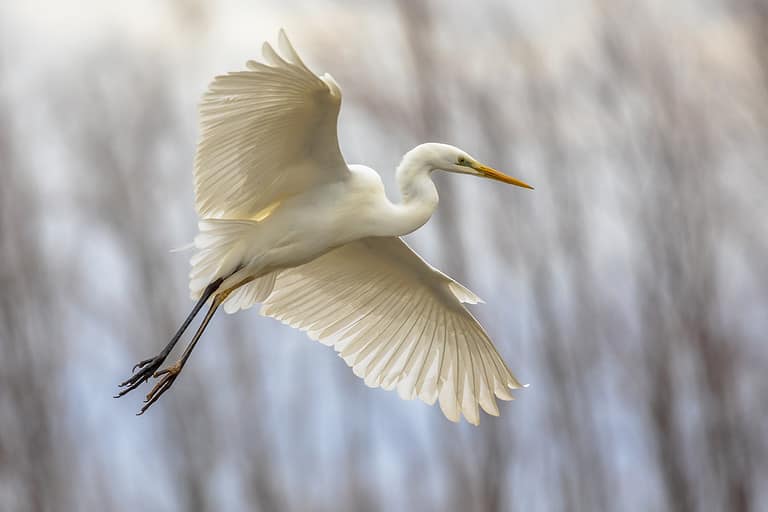
Great egret (Ardea alba) Pygmy cormorant (Microcarbo pygmeus) Marsh harrier (Circus aeruginosus) Common kingfisher (Alcedo atthis) Ferruginous duck (Aythya nyroca)

Kuban Delta Ramsar Wetland and regional protected-area network (Kuban River Delta)

409,600 ha (about 4,096 km²) for the Ramsar site "Kuban Delta"; additional regional protected sectors exist within and around the delta

A large reedbed, coastal-lagoon, and floodplain wetland complex in the Kuban River Delta on the Azov-Black Sea flyway. It supports major concentrations of migratory and breeding waterbirds and provides important nursery habitat for fish, making it a high-conservation-value wetland complex.

Dalmatian pelican (Pelecanus crispus) Glossy ibis (Plegadis falcinellus) White-tailed eagle (Haliaeetus albicilla) Squacco heron (Ardeola ralloides) Mute swan (Cygnus olor)

Yeysk Spit & Lake Khanskoe coastal-wetland protected areas (regional sanctuaries/natural monuments)

Tens to >100 km² depending on the specific protected unit(s)

Shallow saline lagoons, sandspits, and steppe-edge wetlands on the Sea of Azov that are especially good for shorebirds and seasonal waterbird gatherings; notable for open-habitat wildlife viewing.

Pied avocet (Recurvirostra avosetta) Black-winged stilt (Himantopus himantopus) Shelduck (Tadorna tadorna) Eurasian spoonbill (Platalea leucorodia) Slender-billed gull (Chroicocephalus genei)

Wildlife Refuges

Azovo-Kubansky State Nature Sanctuary

On the order of hundreds of km² (managed as a multi-sector sanctuary)

A large sanctuary complex in the Azov-Kuban lowlands aimed at conserving wetland and steppe-edge habitats, especially for migratory and breeding waterbirds. Important as a buffer/complement to stricter wetland reserves and delta protected sites.

Greylag goose (Anser anser) White-fronted goose (Anser albifrons) Northern pintail (Anas acuta) Marsh harrier (Circus aeruginosus) White-tailed eagle (Haliaeetus albicilla)

Akhtanizovsky Lagoon wetland sanctuary complex (regional protected wetlands)

~50-200 km² depending on the protected wetland boundaries used

A shallow coastal lagoon/estuary with extensive emergent vegetation supporting large numbers of ducks, grebes, herons, and raptors; valued for staging and wintering concentrations and for wetland ecosystem services.

Great crested grebe (Podiceps cristatus) Pygmy cormorant (Microcarbo pygmaeus) Purple heron (Ardea purpurea) Osprey (Pandion haliaetus) Eurasian otter (Lutra lutra)

Kiziltash lagoons and Anapa coastal wetlands (regional wildlife sanctuaries)

~50-300 km² across lagoon groups and associated reedbeds

A chain of coastal lagoons and reedbeds behind the Black Sea shoreline that supports breeding colonies and migratory stopovers; notable for mixed heronries and duck concentrations.

Little egret (Egretta garzetta) Glossy ibis (Plegadis falcinellus) Ferruginous duck (Aythya nyroca) Black-crowned night heron (Nycticorax nycticorax) Western marsh harrier (Circus aeruginosus)

Caucasus State Nature Biosphere Reserve

About 2,800 km² (about 280,000 hectares) total; spans multiple federal subjects including Krasnodar Krai

A large federally protected strict nature reserve in the Western Caucasus that conserves intact mountain ecosystems from forests to alpine meadows and glaciers. It is part of the UNESCO-listed Western Caucasus area and includes territory within Krasnodar Krai.

West Caucasian tur (Capra caucasica) Brown bear (Ursus arctos) Gray wolf (Canis lupus) Chamois (Rupicapra rupicapra) Bearded vulture (Gypaetus barbatus)

Utrish State Nature Reserve

About 100 km² (about 10,000 hectares)

A federally protected strict nature reserve on the Black Sea coast near Anapa, protecting relict Mediterranean-type juniper woodlands, coastal cliffs, and adjoining marine/coastal habitats important for coastal biodiversity and birds.

Common bottlenose dolphin (Black Sea population) (Tursiops truncatus ponticus) European pond turtle (Emys orbicularis) Peregrine falcon (Falco peregrinus) Eurasian otter (Lutra lutra)

Wilderness Areas

  • Western Caucasus highlands (UNESCO 'Western Caucasus' core landscapes shared with adjacent regions): remote alpine meadows, scree, and glaciated ridges around the Fisht-Oshten massif
  • Upper forested headwaters and roadless valleys of the Laba/Belaya river systems within the Caucasus Reserve (prime large-mammal habitat)
  • Deep, less-roaded river gorges and upper-catchment forests of the Mzymta, Shakhe, and Psezuapse basins within/adjacent to Sochi National Park
  • Utrish coastal cliffs and relict juniper-pistachio woodlands (some of the least-fragmented natural coastline segments in the region)
  • Large reedbed interiors of the Kuban delta and coastal-lagoon systems (seasonally roadless/boat-access wetlands important for colonial waterbirds)
Animals

Wildlife

Krasnodar Krai lies where the Pontic (Black Sea–Azov) coasts, the Kuban River lowlands, and the Western Caucasus foothills meet. This creates a rich mix of wildlife in a small area: huge wetland bird gatherings in the Kuban delta and coastal limans, steppe and farmland mosaics with raptors and bustards, and mountain broadleaf and fir forests and subalpine zones that support big animals like bear, deer, and wild goats. The Black Sea coast and nearby mountains are also an important migration route for raptors and other soaring birds.
c. 80-90 species (including mountain and coastal/steppe fauna; plus marine mammals in the Black Sea) Mammals
c. 300-350 species recorded (very high seasonal diversity due to migration and wintering waterbirds) Birds
c. 25-30 species Reptiles
c. 10-12 species Amphibians
c. 150-200 species (combined freshwater Kuban basin + Azov/Black Sea coastal and estuarine fish; includes rare sturgeons) Fish
Examples

Iconic Species

Caucasian tur (Western Caucasian tur) A signature mountain ungulate of the Western Caucasus; sought by visitors in high-elevation landscapes and protected areas near the Sochi region and adjacent ranges.
Eurasian brown bear An emblematic predator of the Western Caucasus forests; most often associated with remote montane habitats and protected areas.
Caucasian chamois A classic highland species of rocky slopes and alpine meadows, strongly tied to the Western Caucasus foothills/mountains within the krai.
White-tailed eagle
White-tailed eagle A flagship raptor of big wetlands and coasts; regularly associated with the Kuban delta, limans, and wintering concentrations along the Azov-Black Sea shore.
Dalmatian pelican A globally threatened wetland giant that draws birders to limans and large lagoons, where it occurs during migration and in suitable feeding areas.
Great bustard An iconic steppe bird of open landscapes; where remaining habitat persists, it represents the steppe side of Krasnodar Krai's wildlife character.
Common bottlenose dolphin (Black Sea population) One of the most visible marine mammals for coastal visitors; the Black Sea population is of high conservation concern and a major draw along the coast.
Eurasian otter A charismatic indicator of healthy rivers, channels, and wetlands in the Kuban basin and coastal lagoons.
Golden eagle
Golden eagle A hallmark raptor of the mountain-steppe interface and rugged uplands; seen in the wider Western Caucasus landscapes, especially in less disturbed areas.

Endemic & Rare Species

Persian leopard (Caucasus reintroduction)

Panthera pardus tulliana

Critically Endangered regionally; reintroduced population under active conservation management

Reintroduction in the Sochi area is one of the most high-profile large-carnivore recovery efforts in Russia, aiming to restore a top predator to the Western Caucasus.

Caucasian salamander

Mertensiella caucasica

Vulnerable (IUCN Red List); narrow-range Caucasus endemic

A Western Caucasus specialty tied to cool, humid mountain forests and clean headwaters-an emblematic endemic amphibian for Krasnodar Krai's montane habitats.

Kaznakov's viper (Caucasian viper)

Vipera kaznakovi

Regionally rare; habitat-sensitive and threatened by collection and habitat loss

A localized Black Sea-Caucasus herpetofauna highlight found in humid forested foothills; of high interest to herpetologists due to its restricted range.

Pontic lizard

Darevskia pontica

Range-restricted Caucasus endemic

A small lizard characteristic of the Western Caucasus/Black Sea flank, reflecting the krai's role as a refuge for localized Caucasian biodiversity.

Kuban (Russian) sturgeon

Acipenser gueldenstaedtii

Critically Endangered (sturgeons globally highly threatened); remnant populations

Historically important in the Kuban-Azov system; now rare due to river regulation, habitat loss, and poaching-symbolic of the region's imperiled migratory fish.

Beluga sturgeon

Huso huso

Critically Endangered; severe long-term decline

A legendary anadromous fish of the Black Sea-Azov basin with major conservation significance; remnants may still occur but are heavily reduced.

Stellate sturgeon

Acipenser stellatus

Critically Endangered; sharp decline

Another Azov-Black Sea sturgeon that highlights the conservation urgency in coastal and riverine ecosystems of Krasnodar Krai.

Dalmatian pelican

Pelecanus crispus

Near Threatened; dependent on large, undisturbed wetlands

Its presence underscores the international importance of the Kuban delta/liman complexes for large wetland birds.

Notable Populations

  • Kuban River delta and adjacent limans (Azov-Black Sea wetlands) support internationally significant seasonal concentrations of waterbirds (ducks, geese, swans, herons, pelicans) and serve as a major migratory stopover/wintering area on the Black Sea flyway.
  • Western Caucasus foothills and mountains in Krasnodar Krai hold strongholds of mountain ungulates (notably Western Caucasian tur and Caucasian chamois) and large carnivores within protected landscapes.
  • Black Sea coastal waters host nationally important populations of small cetaceans (including bottlenose dolphins) that face ongoing threats from bycatch, pollution, and prey changes.
  • Remaining steppe/open-country habitats in the lowlands are nationally important for steppe birds where they persist (e.g., bustards and associated raptor assemblages).

Recent Changes

  • Persian leopard reintroduction in the Sochi/Western Caucasus area has been an ongoing, high-profile recovery effort, with released animals monitored to establish a breeding population.
  • Golden jackal has expanded its range in southern European Russia in recent decades, becoming more regular in parts of Krasnodar Krai (especially lowlands and coastal mosaics).
  • Sturgeon populations (beluga, Russian sturgeon, stellate) have continued long-term declines tied to river regulation, loss of spawning habitat, and illegal harvest; conservation measures and hatchery releases exist but wild recovery remains difficult.
  • Steppe-associated birds (including bustards and some ground-nesting species) have faced continuing pressure from habitat conversion/intensification and disturbance in lowland areas.
  • Black Sea cetaceans have ongoing conservation challenges, with episodic mortality linked to fisheries interactions and ecosystem change; monitoring and mitigation efforts are increasingly emphasized.
Visit

Wildlife Viewing

Krasnodar Krai has many habitats for wildlife viewing, from Black Sea and Sea of Azov coasts to Kuban River floodplains, deltas, steppe remnants, and the forests and alpine zones of the Western Caucasus. Visitors watch migratory birds, herons, pelicans, raptors, coastal marine life including seasonal dolphins, and large mammals in mountain areas like Sochi.

Best Seasons

Spring (Mar-May)

Peak migration energy: large numbers of waterbirds and raptors moving through coastal lagoons, estuaries, and river lowlands; breeding activity begins in reedbeds and marshes. Expect lively dawn/dusk birding, courtship displays, and improving trail conditions in the foothills. Sea conditions can still be variable for boats, but calm windows can deliver excellent coastal dolphin watching.

Summer (Jun-Aug)

In the Western Caucasus foothills and mountains (Sochi area), great for high and forest wildlife: reptiles, amphibians, butterflies, and mountain birds among lush plants and long daylight. Wetlands may be hot, hazy, and buggy; many migrants leave. Focus on early mornings, shaded river corridors, and mountain trips. Coastal dolphins often seen early morning or late afternoon in calm seas.

Autumn (Sep-Nov)

Second major migration season: strong passages of raptors and songbirds, plus concentrations of waterfowl building in estuaries and lagoons. Visibility is often good, temperatures are comfortable, and wetlands become highly productive again. A great time for photography (soft light, large flocks) and combining coastal birding with foothill hikes.

Winter (Dec-Feb)

Prime for overwintering waterfowl and coastal birds: large congregations in unfrozen or partially frozen wetlands, estuaries, and along the Sea of Azov/Black Sea shorelines. Mountain areas can have snow and limited access, but foothill forests can still offer productive birding and tracking. Bring warm layers and plan around wind-winter storms can be dramatic but can also concentrate seabirds near shore.

Top Wildlife Experiences

  • Birding the Kuban River delta/estuary wetlands: spend a full day moving between reedbeds, open water, and agricultural edges for herons, egrets, ducks, geese, and raptors; time it for sunrise and late afternoon for peak movement.
  • Black Sea coastal dolphin search by boat from the Sochi-Adler coast: choose a calm-weather morning cruise to maximize chances of seeing dolphins riding bow waves; pair with seawatching from headlands on windy days.
  • Wetland photography session around the Taman Peninsula lagoons and coastal limans: focus on waders, pelicans (seasonal), and dramatic flock scenes; best in spring/autumn with migration peaks.
  • Raptor migration watch at coastal/foothill viewpoints (spring or autumn): set up a scope at an elevated vantage where birds funnel along the coast/foothills; expect hawks/eagles/falcons during strong passage days.
  • Forest-and-foothill wildlife walk in the Western Caucasus near Sochi (buffer zones and accessible trails): target woodpeckers, forest passerines, and signs of larger mammals; go with a guide for tracks, calls, and seasonal hotspots.
  • Night-time amphibian and insect safaris in humid lowland habitats (late spring-summer): guided torch walks near wetlands/river corridors for frogs, toads, and nocturnal insects; excellent for macro photography.
  • Winter waterfowl counting-style day along the Sea of Azov shore and nearby wetlands: scan bays and lagoons for dense duck and goose rafts and mixed gull flocks; combine with a sheltered reedbed walk for bittern-like species and raptors.

Wildlife Watching Types

Wetland birding (reedbeds, deltas, limans, lagoons) Raptor migration watching (spring and autumn flyway viewpoints) Seawatching and coastal birding (gulls, terns, seasonal seabird movement) Dolphin watching (Black Sea coastal cruises and shoreline scanning) Mountain/foothill forest wildlife walks (woodpeckers, passerines, mammal sign) Wildlife tracking and nature interpretation (tracks/scat/sign in foothills and protected-area buffer zones) Macro-wildlife viewing (butterflies, dragonflies, amphibians-best late spring to summer) Photography-focused wildlife outings (migration flocks, wetland sunrise/sunset, mountain landscapes with wildlife)

Guided Options

  • Sochi area nature guides and small-group ecotours (birding + foothill forest walks, often tailored to season and conditions).
  • Boat-based coastal wildlife cruises from Sochi/Adler for dolphin-focused outings (best booked with flexible timing to match sea state).
  • Birding day trips targeting Kuban lowlands and coastal wetlands (private guide + vehicle recommended for covering multiple sites efficiently).
  • Western Caucasus/Sochi National Park-oriented interpretive hikes (use official routes and local licensed guides where required; great for forest ecology and wildlife sign).
  • Local ornithological society/club-led migration and winter waterfowl outings (when available, these are excellent for finding current hotspots and learning ID).
  • Photographer-led wetland sunrise/sunset sessions on the Taman Peninsula and nearby limans (small groups, hides/long-lens-friendly setups depending on provider).
Habitats

Ecosystems

Krasnodar Krai covers the Sea of Azov and Black Sea coasts, Kuban River lowlands, and western Greater Caucasus foothills and mountains. Lowland steppe and farmed plains rise into broadleaf and mixed mountain forests, then subalpine and alpine belts. Deltas, limans, and floodplains add wetlands and freshwater areas; Azov is shallow/brackish, Black Sea deeper.

Biomes

Temperate Grassland

Lowland steppe/forest-steppe on the Kuban-Azov plain, including dry grasslands and meadow-steppes on chernozem soils; much is converted to cropland but steppe remnants persist on drier or less accessible sites.

Broadly across the northern and central lowlands; largely fragmented by agriculture.

Temperate Forest

Montane broadleaf and mixed forests in the western Caucasus foothills and mid-elevations (oak, beech, hornbeam with pockets of mixed conifers), with especially humid, lush forests toward the Black Sea slopes.

Mainly the southern belt (foothills to mid-mountains), increasing toward the Black Sea side.

Alpine

Subalpine and alpine belts of the western Greater Caucasus: alpine meadows, rocky ridges, and high-elevation shrub/grass communities above the treeline.

Limited to the highest elevations in the southern mountains (small area but high ecological importance).

Freshwater

Large river systems (notably the Kuban and tributaries) with floodplains, oxbows, and alluvial channels; includes reservoirs and irrigation networks supporting aquatic biota and migratory corridors.

Widespread along major river valleys and lowlands; densest in the Kuban basin.

Wetland

Kuban delta wetlands, Azov limans (coastal lagoons), reedbeds, floodplain marshes, and seasonally inundated meadows that support major bird populations and fish nursery habitat.

Concentrated in the Kuban delta/limans and along floodplains; patchy elsewhere.

Marine

Coastal and shelf waters of the Black Sea and the Sea of Azov, including nearshore sand/mud bottoms, coastal embayments, and productive brackish-to-marine gradients near river mouths.

Along the entire western and northwestern coastline (Black Sea) and northern coastline (Azov).

Habitats

Grassland

Meadow-steppe and dry grasslands of the Kuban-Azov plain; many remaining patches occur as field margins, protected sites, and less-plowed areas.

Steppe

Open Pontic steppe-type communities on lowland plains, now heavily fragmented by intensive agriculture.

Shrubland

Shrubby communities on dry slopes, disturbed lands, and some coastal bluffs; also transitional scrub near the forest edge in foothills.

Forest

Extensive foothill and montane forests in the western Caucasus, forming the main natural cover in the southern part of the krai.

Deciduous Forest

Broadleaf forests dominated by oak, beech, hornbeam and associated mesic understory, especially on humid Black Sea-facing slopes and foothills.

Coniferous Forest

Patches of conifers and mixed conifer-broadleaf stands at higher elevations and cooler aspects within the Caucasus belt.

Woodland

Open-canopy woodlands and forest-steppe transitions in foothill zones and along some river terraces.

Mountain

Western Greater Caucasus terrain with strong elevation zonation, high habitat heterogeneity, and intact protected landscapes in places.

Alpine Meadow

High-elevation meadows above treeline in the southern mountains, important for endemic flora and summer grazing dynamics.

Cliff/Rocky Outcrop

Rock outcrops and steep slopes in the Caucasus and coastal escarpments, providing raptor nesting sites and specialized plants.

Cave

Karst and mountain caves in the Caucasus foothills/massifs, supporting bats and subterranean invertebrates.

River/Stream

Kuban River and tributary corridors with riparian forests, gravel bars, flood channels, and migratory fish pathways.

Lake

Coastal limans and lagoon-like water bodies near the Azov and Kuban delta; also some inland reservoirs functioning as lake analogs.

Pond

Oxbow lakes, floodplain ponds, and irrigation/stock ponds across lowlands, often embedded in agricultural matrices.

Wetland

Reedbeds, floodplain wetlands, and deltaic wetland mosaics-key for waterbirds and spawning/nursery areas for fish.

Marsh

Extensive reed and sedge marshes in the Kuban delta and around limans, with strong seasonal water-level dynamics.

Swamp

Waterlogged floodplain backwaters and riparian swampy patches, especially in deltaic and low-lying areas.

Bog

Localized peat-forming wetlands at higher elevations or in persistently waterlogged basins (limited but ecologically distinct).

Estuary

Kuban delta and river-mouth mixing zones feeding the Azov liman systems, creating brackish gradients and high productivity.

Coastal

Black Sea and Azov coastal zones including dunes, spits, embayments, and human-modified waterfronts.

Beach

Sandy beaches and barrier/spit systems, especially along Azov and parts of the Black Sea coast.

Rocky Shore

Rocky coastal segments and headlands more typical along parts of the Black Sea coast near the Caucasus foothills.

Open Ocean

Nearshore-to-offshore waters of the Black Sea and the Sea of Azov used by pelagic fish and migratory marine fauna.

Seabed/Benthic

Soft-sediment (sand/mud) and mixed substrates on the continental shelf, important for benthic communities and demersal fish.

Agricultural/Farmland

Large areas of cultivated lowlands (grains, sunflower, rice in wetter tracts), with irrigation networks influencing water regimes and habitat fragmentation.

Plantation

Perennial crop systems such as orchards/vineyards in suitable zones and tea plantations in the humid subtropical Black Sea coastal area near Sochi.

Urban

Major urban/coastal development corridors (e.g., Krasnodar, Sochi, Novorossiysk) with associated habitat conversion and coastal engineering.

Suburban

Expanding peri-urban zones around major cities and resort areas, creating mixed mosaics of gardens, secondary vegetation, and infrastructure.

Ecoregions

Caucasus mixed forests (WWF terrestrial ecoregion) Euxine-Colchic deciduous forests (WWF terrestrial ecoregion) Pontic steppe (WWF terrestrial ecoregion) Black Sea (WWF/MEOW marine ecoregion) Azov Sea (WWF/MEOW marine ecoregion)
Protection

Conservation

Primary Threats

  • Conversion and intensification in the Kuban lowlands (large-scale croplands, rice systems, and associated agro-infrastructure) reduces steppe remnants, floodplain meadows, and shallow wetland mosaics that support ground-nesting birds and amphibians.
  • Channelization, levees, irrigation networks, and altered flow regimes in the Kuban River and delta change sedimentation and salinity patterns, simplify wetland habitat structure, and disrupt fish spawning/nursery areas in limans and estuaries.
  • Coastal construction and resort expansion (Black Sea coast) fragments dunes, coastal lagoons/limans, and nearshore habitats; lowland drainage and land reclamation further reduce marshes and reedbeds critical for migratory and colonial waterbirds.
  • Rapid growth around Sochi and other coastal cities increases land take, light/noise pollution, domestic animal pressures, and edge effects on adjacent protected areas and remaining natural corridors.
  • Major roads, pipelines, powerlines, and mountain/coastal transport corridors increase habitat fragmentation and wildlife mortality; in the Sochi area, dense transport networks elevate disturbance and complicate landscape connectivity between foothills and higher elevations.
  • High tourism intensity (beaches, boating, off-road use, trekking/ski infrastructure in the wider Western Caucasus region) disturbs nesting seabirds and wetland colonies, increases trampling in sensitive coastal vegetation, and pressures large mammals near protected-area borders.
  • Nutrient and pesticide runoff from intensive farming contributes to eutrophication in limans and coastal waters; port/shipping activity and coastal urban wastewater add chronic contamination risks in the Azov-Black Sea nearshore zone.
  • Fishing pressure in the Azov-Black Sea basin and estuaries affects commercially and ecologically important stocks; bycatch and habitat impacts also affect dolphins and benthic communities, while depleted prey bases can cascade to top predators.
  • Illegal take and trade associated with high-value sturgeon products (caviar) remains a persistent driver of pressure on remnant sturgeon populations moving between marine waters and riverine/estuarine habitats.
  • Poaching and unsustainable hunting pressure (including along accessible foothill zones and wetland edges) can depress populations of large mammals and vulnerable birds; enforcement is challenged by extensive lowland access and seasonal influxes of visitors.
  • While core old-growth stands are protected in major reserves, logging and forest degradation risks persist in some foothill/mid-elevation areas and buffer zones, affecting connectivity and mature-forest specialists.
  • Extraction of limestone, gravel, and other materials in parts of the foothills can damage karst features, streams, and slope stability, and increases road building and disturbance footprints.
  • Non-native plants and aquatic organisms can spread along disturbed riverbanks, irrigation canals, ports, and urban edges, altering wetland plant communities and competing with native species; invasive predators can also affect ground-nesting birds in fragmented lowlands.
  • Episodic outbreaks (notably avian diseases in dense wetland bird aggregations) and disease in wild ungulates can cause local mortality events; high-density interface zones with domestic animals near settlements increase transmission risk.
  • Conflicts occur where bears, wolves, or other carnivores use forest-agriculture edges (crop/livestock depredation, apiary damage), and where habituated wildlife interacts with tourism infrastructure around resort-adjacent natural areas.
  • Small, recovering, or heavily depleted populations (notably sturgeons and reintroduced large carnivores) face risks from low effective population size, fragmentation, and reduced gene flow without carefully managed connectivity and stocking/reintroduction protocols.
  • High water demand for irrigation and urban use can reduce seasonal flooding and freshwater availability for deltaic wetlands, impacting breeding success of waterbirds and the productivity of nursery habitats for fish.
  • Warming and shifting precipitation patterns increase drought and wildfire risk in some landscapes, alter snowpack/streamflow seasonality in the Western Caucasus headwaters, and contribute to sea-level/shoreline dynamics that can degrade coastal wetlands and beaches.
Fun Facts

Did You Know?

The Black Sea off Krasnodar Krai is alive only near the surface. Below about 150-200 m it is low in oxygen and full of hydrogen sulfide, so fish and dolphins stay in upper layers and shelf waters.

Near Sochi, land rises from sea level to over 3,000 m, so subtropical Colchic forests sit beside alpine and near-glacial habitats — a rare, sharp climate and wildlife change in Russia.

Three distinct Black Sea cetacean subspecies occur along Krasnodar Krai's coast (each adapted to the basin): the Black Sea bottlenose dolphin (Tursiops truncatus ponticus), Black Sea harbour porpoise (Phocoena phocoena relicta), and Black Sea common dolphin (Delphinus delphis ponticus).

The humid ravines of the Western Caucasus near the coast shelter the Caucasian salamander (Mertensiella caucasica), a relict amphibian with a tiny global range; its genus is generally treated as monotypic today (Mertensiella has just this one living species).

Wetlands in the Kuban River lowlands (limans, reedbeds, and flooded fields) can concentrate birds at striking densities during migration and wintering-large mixed rafts of ducks, geese, and coots often pack into sheltered brackish lagoons when cold fronts hit the steppe.

The Sea of Azov, along northern Krasnodar Krai, is the world's shallowest sea—about 7 m average and 14 m maximum—so it warms fast and causes big seasonal booms of plankton and fish.

UNESCO's Western Caucasus World Heritage site, covering parts of Krasnodar Krai (including Sochi), is one of the few large European mountain areas with little human impact, keeping vast intact mountain forests and natural elevation zones.

The Caucasus State Nature Biosphere Reserve (spilling into Krasnodar Krai) is the largest protected mountain-forest reserve in the North Caucasus (about 280,000 hectares), protecting a continuous slice of habitats from foothill forests up to alpine meadows and glaciers.

The high Western Caucasus in Krasnodar Krai is one of the few places left where the West Caucasian tur (Capra caucasica) still lives in the wild; its world range is almost only this corner of the Caucasus.

Thank you for reading! Have some feedback for us?