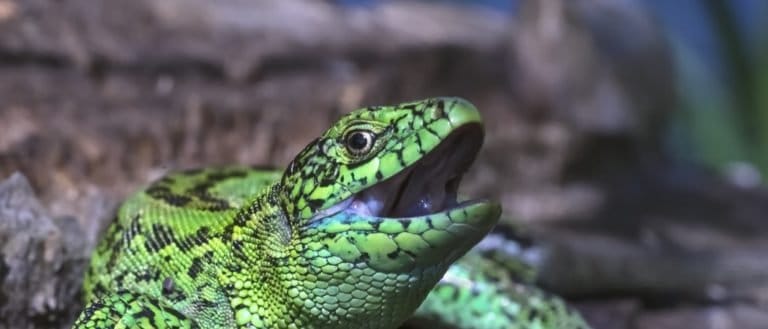
Sand Lizard
Green-flanked sprinter of the sands

Green-flanked sprinter of the sands
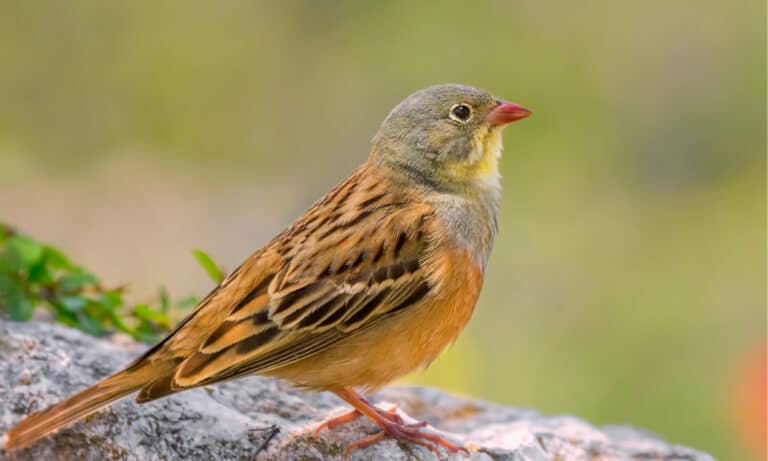
Long-haul bunting of open fields
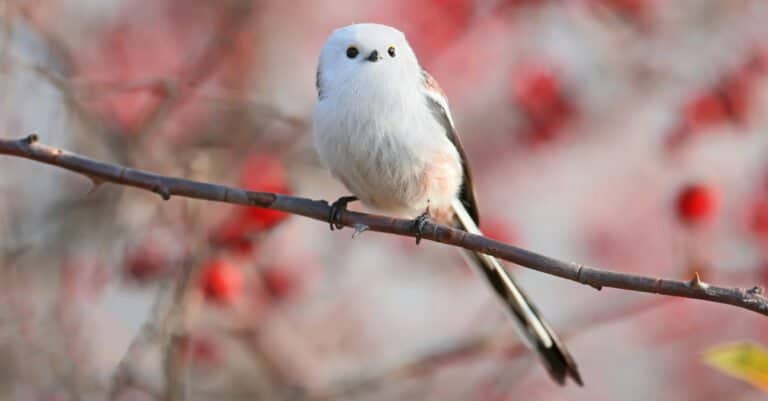
Long tail, tight flock, big personality
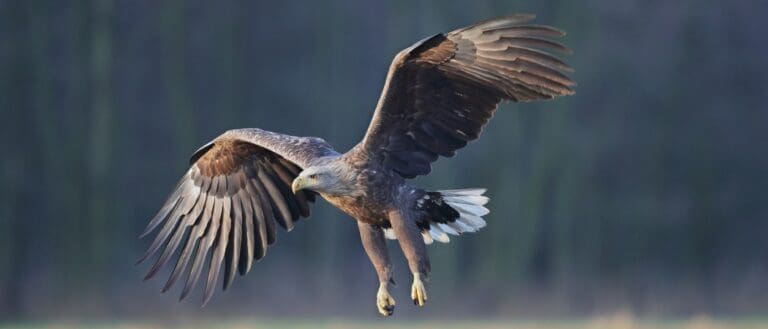
Wedge-tailed ruler of northern waters
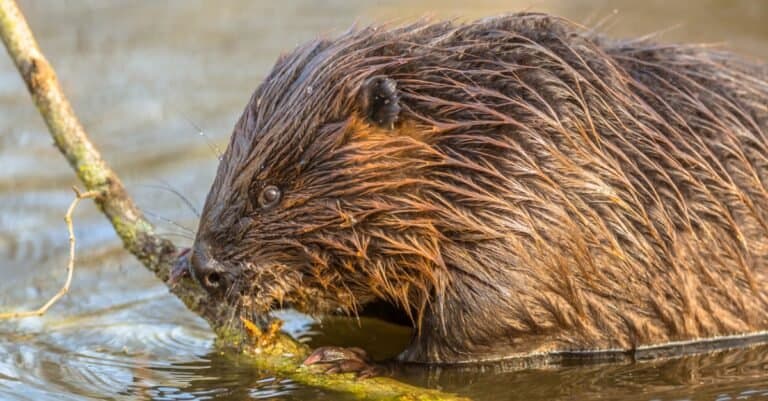
Nature's wetland engineer
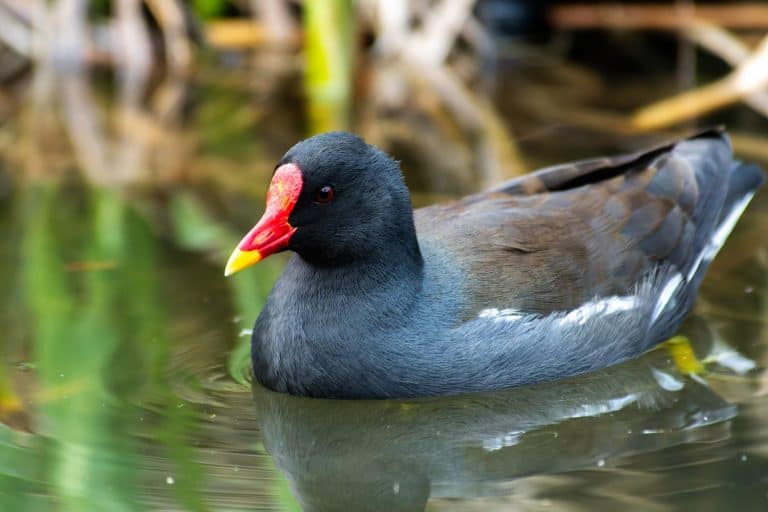
The reed-bed runner on lily pads
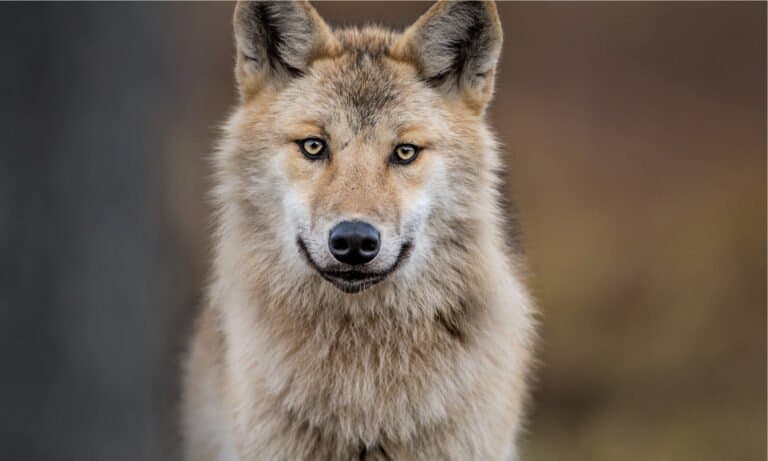
Wild Europe's original pack hunter
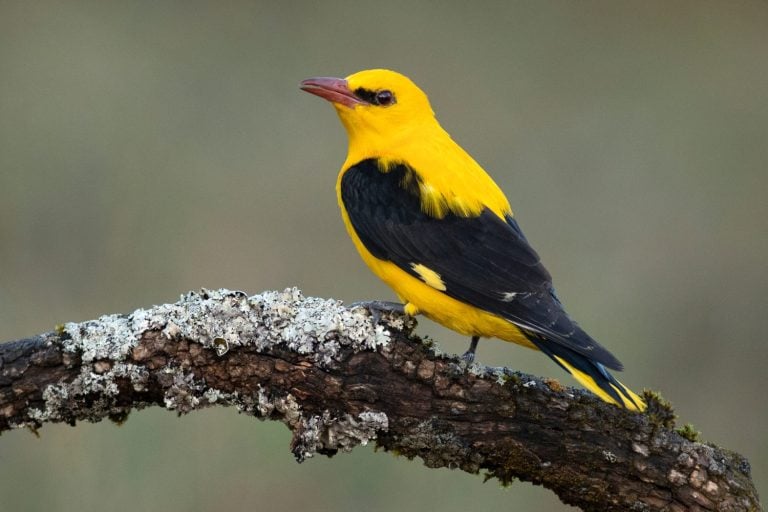
Golden voice in the green canopy
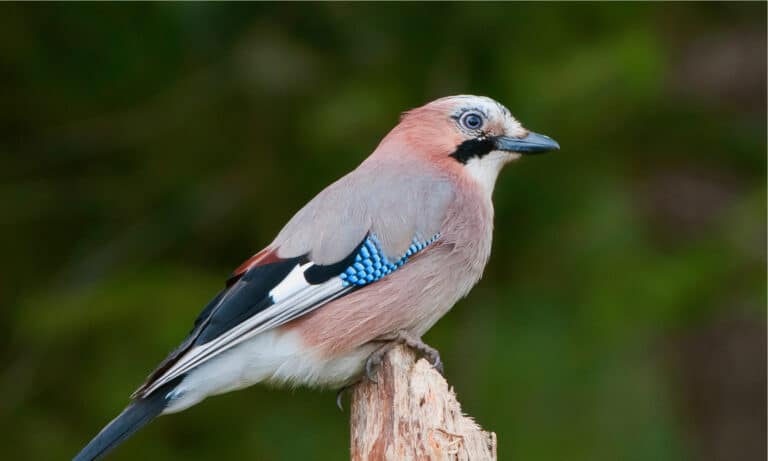
Oak Forest Planter with a Blue Flash

Booming monarch of the night cliffs
The Republic of Tatarstan lies at a major crossroads of European Russia, where the Volga and Kama rivers shape a mix of woods, meadowy floodplains, and forest-steppe. This edge of habitats supports many mammals, birds, amphibians, and invertebrates found in temperate Eurasia, from deep-forest to open-country and wetland species. Seasonal floods, backwaters, and oxbow lakes renew habitats and keep biodiversity high. Main ecosystems include broad river corridors with reedbeds and marshes, riparian willow-alder galleries, and large tracts of mixed and broadleaf woods—birch, pine, spruce in places, and oak-linden—grading into forest-steppe meadows. These areas are vital for waterfowl and migratory birds on the Volga-Kama flyway, and for mammals that need quiet river margins and backwaters. Compared with more taiga or steppe neighbors, Tatarstan stands out for its two-river confluence, easy wetland birding, and beaver- and otter-friendly waterways.
Tatarstan lies on the East European Plain at the joining of the Volga and Kama rivers, where floodplains, oxbow lakes, and reservoir shores form wide wetlands and riparian forests. It spans forest and forest-steppe zones, shifting north to south from mixed woodlands to open meadow-steppe and farm patches; waterbirds and semi-aquatic mammals gather along rivers and wetlands.
~53 to ~343 m above sea level (lowland river plains to modest uplands)
No ocean coastline; extensive inland shorelines along the Volga-Kama reservoir system and major river floodplains/wetlands
Tatarstan's protected network centers on two main federal protected areas plus many regional protected sites, mainly nature sanctuaries and small nature monuments. They protect the Volga-Kama confluence, river floodplains, reservoir shorelines, mixed forests, and karst cave complexes. The system is key for floodplain wetlands (waterfowl and raptors), mature mixed woodlands (large mammals, forest birds), and spring-fed lakes near Kazan.
≈6-7% of the republic's land area (order-of-magnitude estimate; figures vary by designation and year)
One of the best places in Tatarstan for viewing intact lower-Kama floodplain forests and wetlands. The mosaic of oxbows, backwaters, and mixed woodland supports high densities of beaver and waterbirds, with reliable chances of seeing large mammals along forest edges and river corridors.
A strict-protection nature reserve safeguarding old-growth mixed forest, lake systems, and Volga-Kama riparian habitats (notably the Raifa and Saraly sectors). It is a core site for forest biodiversity research and for conserving rare raptors and wetland-associated birds in the Volga region.
A cluster of cold, spring-fed karst lakes and surrounding woodland near Kazan. Notable for clear-water aquatic habitats, amphibians, and as a local concentration point for waterbirds during migration and breeding seasons.
Karst cave and cliff habitats important for cave fauna and bat roosting, with surrounding forest-steppe edges that can hold owls and other cliff/forest birds. Best visited with minimal disturbance to protect sensitive bat colonies.
Protects Volga/Kama riverbank landscapes with steep slopes, ravines, and adjacent floodplain habitats. Valuable for raptors using thermals along river bluffs, for migrating waterbirds along the reservoir, and for bat/cave-associated fauna in karst areas.
A regional-level protected area in the Republic of Tatarstan covering wetland and riparian floodplain habitats of the lower Kama River (oxbow lakes, marshes/reedbeds, wet meadows, and floodplain forest), important for waterbirds and other floodplain wildlife.
A federal strict nature reserve in the Republic of Tatarstan made up of two main clusters (Raifa and Saraly). The Saraly section lies along the Volga near the Kuibyshev Reservoir and includes shoreline and island habitats that are important for breeding and migratory waterbirds and for fish-eating raptors.
Tatarstan sits at the meeting of the Volga and Kama rivers and spans the forest and forest-steppe zones, giving it an unusually "mixed" wildlife character for central European Russia: broadleaf-conifer woodlands, pine forests, meadow-steppe patches, large river floodplains, oxbow lakes, and vast reservoirs. This landscape supports classic temperate forest mammals (moose, roe deer, beaver), rich wetland and riverine birdlife (herons, eagles, migrating waterfowl), and a diverse fish community tied to the Volga-Kama basin. The Volga-Kama Nature Reserve and surrounding wetlands are especially important for breeding birds and migration stopovers.

The Republic of Tatarstan offers wildlife viewing along the Volga‑Kama river system: floodplains, oxbow lakes, reedbeds, and mixed forests with rich birdlife, beavers, and winter tracks of large mammals. Visitors can birdwatch, look for elk and wild boar signs, take boat trips on the Volga, Kama and Kuibyshev Reservoir, and visit Volga‑Kama Nature Reserve (Raifa, Saralovo).
Peak migration and songbird activity as rivers open and floodplains wake up. Expect large concentrations of waterfowl and gulls/terns along the Volga and Kama, active woodpeckers in mixed forests, and strong dawn chorus in protected areas (notably Raifa). Trails can be muddy; early spring is best for scanning open water and edges.
Long days for boat trips and wetland exploration; breeding birds are active (reedbed species, herons/egrets where present, forest passerines). Mammal encounters improve at dusk/dawn-beaver activity on calm backwaters and small rivers, plus abundant butterflies and dragonflies. Mosquitoes can be intense near wetlands; bring head net/repellent.
Second migration pulse with raptors and passerines moving along river corridors; impressive mixed flocks on reservoir shores and floodplain meadows. Forests show strong autumn color, and animal sign increases (tracks, rooting, scat). Cooler, clearer days are ideal for long walks and photography.
A track-and-sign paradise: reliable snow cover makes it easier to locate mammals (elk/moose, wild boar, fox, hare) by prints and trails, and to find winter bird specialties (tits, finches, woodpeckers) in conifer pockets. River edges and unfrozen patches can still hold waterbirds. Dress for severe cold and shorter daylight.
The Republic of Tatarstan sits at the Volga-Kama confluence in the middle Volga region, forming a strong transition zone between mixed temperate forests (including broadleaf-conifer mosaics) and forest-steppe. Its biodiversity is shaped by large river corridors, extensive floodplains and oxbow systems, major reservoirs, and a landscape now heavily influenced by agriculture and urban areas around Kazan and other industrial centers.
Mixed and broadleaf-dominated forests (oak, linden, maple, birch with scattered conifers) occur widely, especially in the north and in more humid uplands; these forests form a mosaic with clearings, secondary regrowth, and managed stands.
Common but fragmented; about ~17% forest cover overall, highest toward the northern/central parts
Forest-steppe and meadow-steppe communities occur in the south and on drier, more open interfluves; includes herb-rich meadows, steppe-like slopes, and hayfields/pastures that replace or border natural grasslands.
Widespread; roughly ~25-35%, strongest in southern and south-eastern parts and on open uplands
Dominated by the Volga and Kama rivers, their tributary networks, and large impoundments (notably the Kuybyshev and Nizhnekamsk reservoirs) supporting aquatic and riparian communities.
Linear but extensive; ~5-10% when including major rivers, reservoirs, channels, and associated open-water systems
Floodplain wetlands, oxbow lakes, backwaters, reedbeds, wet meadows, and peat-influenced lowlands occur along the Volga-Kama system and tributaries, providing key breeding/stopover habitat for waterbirds and supporting rich riparian vegetation.
Patchy but important; ~3-7%, concentrated in river floodplains, backwaters, and low-lying depressions
Mosaic of natural and managed forests, including mixed stands and secondary growth; important blocks remain in protected areas and less intensively farmed districts.
Broadleaf stands with oak-linden-maple-birch mixtures on more fertile soils, often on uplands and well-drained slopes.
Pine and spruce-dominated patches (natural and planted), more frequent on sandier or poorer soils and toward the north.
Open woods and forest edges grading into meadow/field systems; extensive ecotones typical of the forest-steppe transition.
Herb-rich meadows and open grasslands in the forest-steppe belt; many areas are semi-natural due to mowing and grazing.
Steppe-like slopes and dry meadow-steppe fragments on well-drained, warmer exposures, especially in the southern forest-steppe zone.
Major river corridors (Volga, Kama) plus dense tributary networks; supports riparian forests, sand/gravel bars, and floodplain habitats.
Large reservoirs and natural floodplain lakes/backwaters; reservoirs strongly structure shoreline and aquatic habitats.
Oxbow ponds, small floodplain waterbodies, and man-made ponds used for fisheries and water management.
Floodplain wet meadows, reedbeds, and seasonally inundated areas along the Volga-Kama and tributaries.
Reed and sedge marshes in low-energy backwaters, reservoir bays, and oxbows; important for nesting waterbirds.
Small peat-accumulating mires and boggy depressions (more common toward the north and in poorly drained lowlands).
River bluffs and steep valley sides along major rivers and tributaries create dry-slope and erosional habitats with distinct plant communities.
Local karst/erosional cavities and small cave-like features in river valley exposures (limited extent but present in suitable geology).
Extensive croplands and hayfields dominate many interfluves, heavily influencing habitat connectivity and creating field-forest edge mosaics.
Urban ecosystems centered on Kazan and other cities, including parks, riparian embankments, and altered shorelines along rivers/reservoirs.
Peri-urban green belts, dacha areas, and mixed residential-woodland mosaics around major settlements, often adjacent to river corridors.
At the Volga–Kama confluence, the Kama often brings as much or more water than the Volga. Their mixed waters, with different sediments, currents, and temperatures, create varied fish habitats.
The Kuybyshev Reservoir's flooding made new shorelines—long shallow bays and island edges—that became top feeding and nesting areas for colonial waterbirds (gulls, terns) and hunting grounds for fish-eaters like eagles.
Beavers are not just present-they can re-create wetlands quickly: Eurasian beavers (Castor fiber) in the Volga-Kama basin build dams and canals that expand shallow-water habitat, often increasing local numbers of frogs, dragonflies, and dabbling ducks in a surprisingly short time.
Tatarstan has two biomes: forest and forest-steppe. It has animals from dark northern forests and from open-edge and steppe places, so more species live there.
Winter doesn't shut the rivers down everywhere: below hydrotechnical facilities and in fast-flowing reaches of the Volga-Kama system, patches of open water can persist, concentrating wintering ducks and gulls into small, viewable areas when surrounding waters freeze.
Part of Europe's largest reservoir, the Kuybyshev Reservoir reaches into Tatarstan. At about 6,450 km², it is Europe’s biggest by surface area and makes a huge freshwater habitat for fish and waterbirds along the Volga-Kama.
Europe's largest freshwater fish lives here: the wels catfish (Silurus glanis) inhabits the Volga-Kama waters in Tatarstan; it's the largest freshwater fish species in Europe, capable of exceeding 2 m in length and reaching 100+ kg.
The largest wild land mammal in Europe is a regular Tatarstan forest animal: the Eurasian moose (Alces alces) occurs in the republic's mixed forests and forest-steppe mosaic; adult bulls can weigh well over 400 kg (sometimes 500+ kg).
One of Europe's biggest raptors nests along the Volga-Kama: the white-tailed eagle (Haliaeetus albicilla)-among Europe's largest eagles (wingspan up to ~2.4 m)-breeds in large river/reservoir landscapes like those protected in and around the Volga-Kama area of Tatarstan.
12 species documented in our encyclopedia
Thank you for reading! Have some feedback for us?
We appreciate your help in improving our content.
Our editorial team will review your suggestions and make any necessary updates.
There was an error submitting your feedback. Please try again.