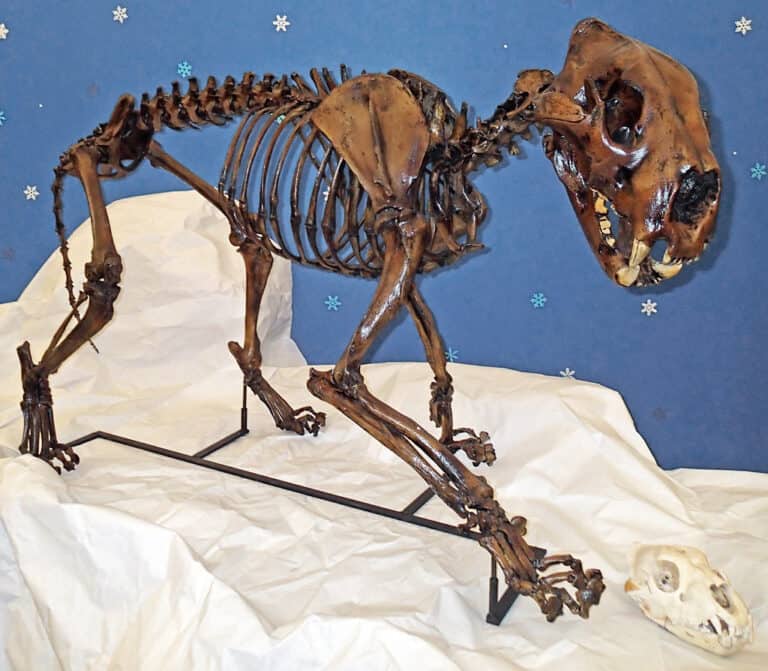
Cave Lion
Ice Age king of the open steppe

Ice Age king of the open steppe
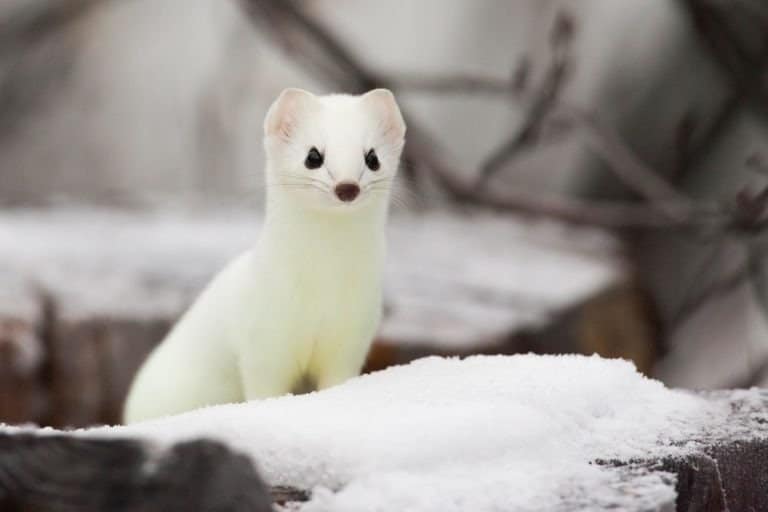
Black-tail hunter, winter-white
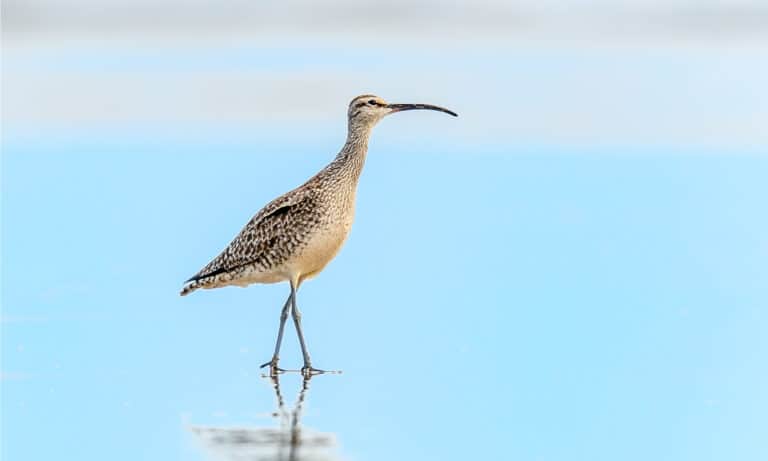
Curved bill, epic journeys
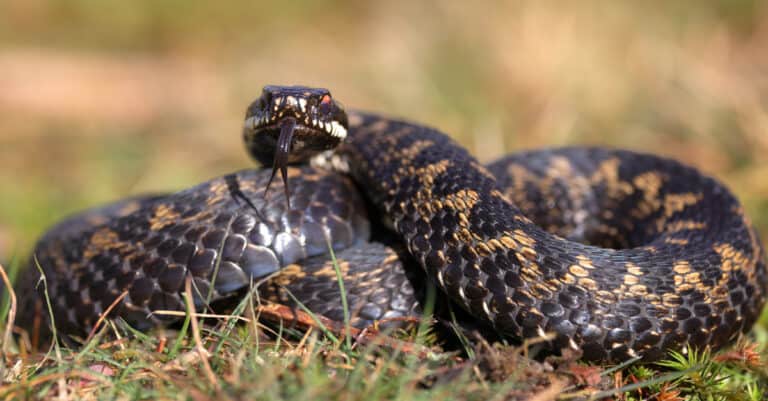
Zigzag guardian of the heath
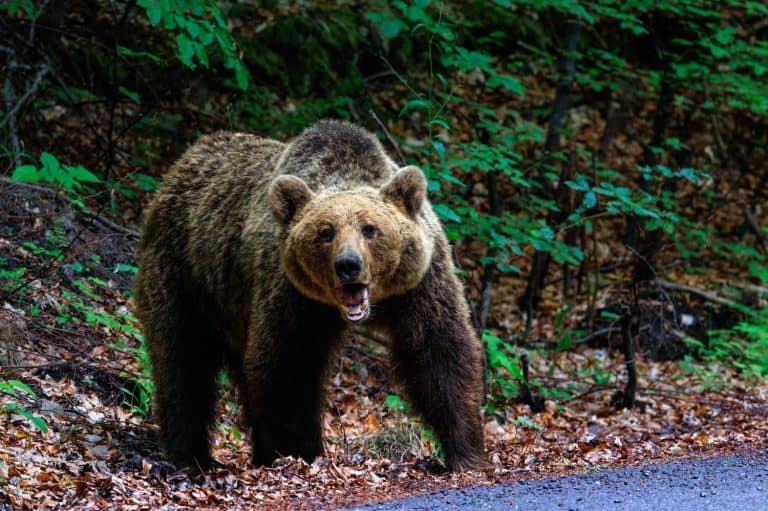
Hump-shouldered king of the wild buffet
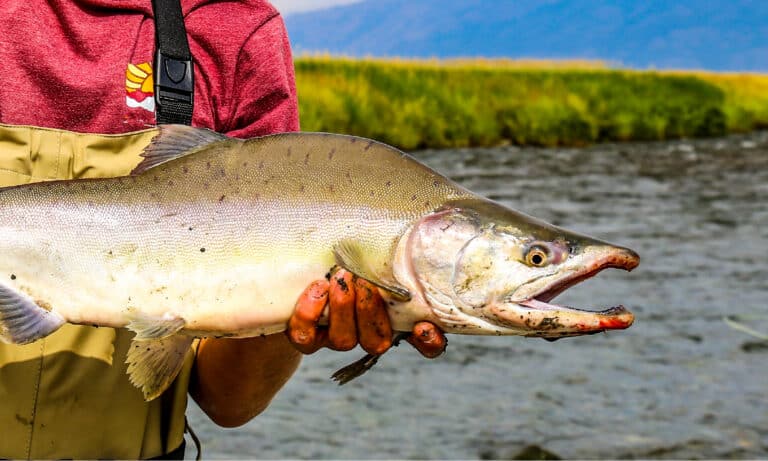
Two years. One run. Big impact.
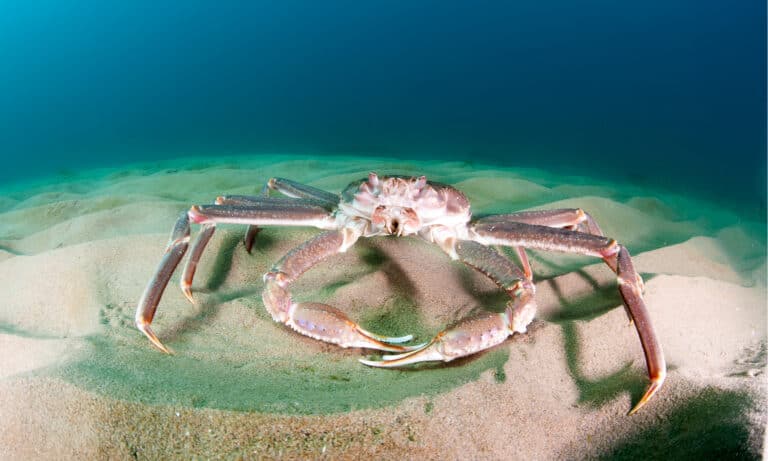
Built for the seafloor's deep freeze
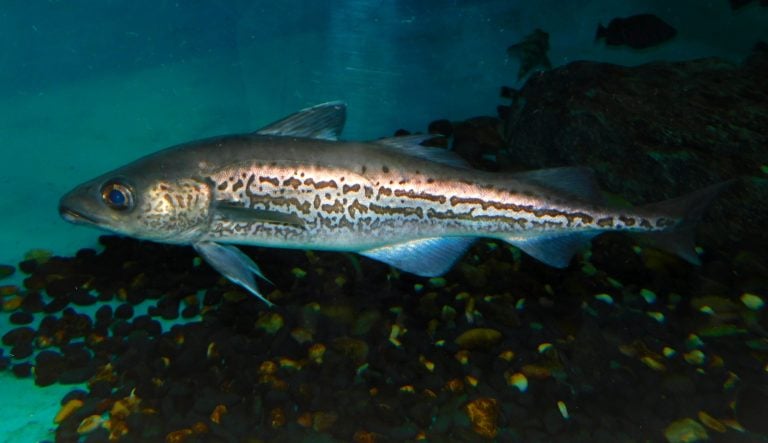
The fish behind the fish stick
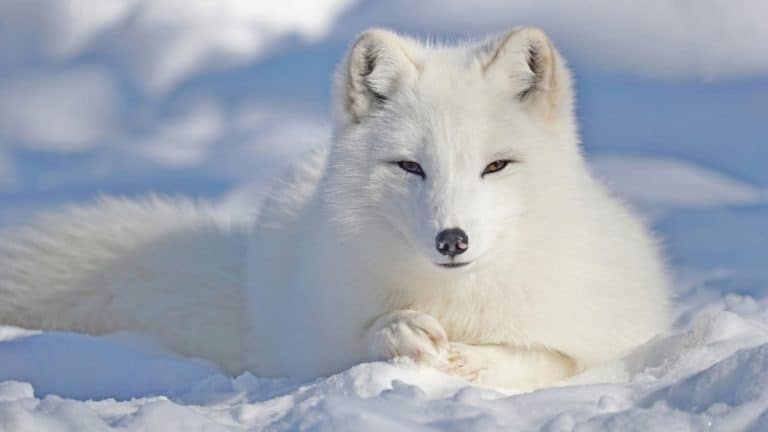
Built for blizzards, born for tundra
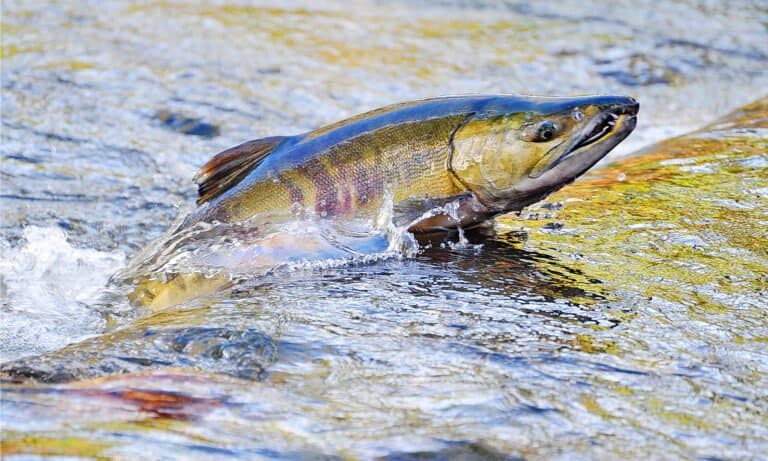
Calico traveler of the North Pacific
Magadan Oblast in the Russian Far East is a cold, remote region of mountains, river basins, and the stormy Sea of Okhotsk. Its wild places are mostly intact: subarctic taiga valleys, windswept tundra, and glacier-fed headwaters that support wide-ranging mammals such as brown bear, wolf, and wolverine, and rich coastal and river food webs. Salmon-bearing rivers, especially in the Kolyma watershed and coastal drainages, fill with life during spawning runs and feed bears, raptors, and other predators. Upland taiga and mountain tundra are breeding and feeding grounds for grouse, owls, and migratory songbirds. The Sea of Okhotsk coast adds seals, seabirds, and seasonal whales. Magadan is marked by a sharp change from marine shore to deep interior wilderness nearby, few roads or towns, and vast, largely undeveloped river basins that give a true frontier feel.
Magadan Oblast has a cold subarctic climate, widespread permafrost, and rough terrain that make habitats: Sea of Okhotsk coasts, salmon rivers, larch taiga, wetlands, and mountain tundra. River valleys and lowlands hold most fish, waterfowl, and large mammals, while high windy uplands have tundra and alpine life. The icy coast links sea and land for seabirds and coastal mammals.
Sea level to ~2,600 m in the inland mountain ranges (strong treeline-to-alpine transitions that diversify habitats)
Long, ice-affected coastline on the Sea of Okhotsk, including large bays and river estuaries that support coastal wetlands, seabird habitat, and marine-river connectivity.
Magadan Oblast's protected areas are very large, remote units that guard Sea of Okhotsk coasts, salmon-spawning rivers, taiga and tundra. A federal strict nature reserve with sectors protects seabird colonies, marine-mammal haul-outs, watersheds used by brown bears and Far Eastern salmon. Regional parks and many small sanctuaries protect salmon rivers and bird wetlands with few facilities and few visitors.
~6-10% of the oblast (rough estimate; depends strongly on whether all regional zakazniks/seasonal sanctuaries are included).
The flagship federal protected area in the oblast, notable for combining Sea of Okhotsk coastal ecosystems (seabird colonies and marine mammals) with salmon rivers and rugged mountain-taiga habitats. It is one of the best places in the region for conserving high-density brown bear populations tied to salmon runs.
A major inland/coastal-watershed sector protecting intact river systems famous for salmon spawning and the predator-salmon ecological link (notably bears). Important for riverine birdlife and undisturbed taiga corridors.
A marine-and-island sector with some of the oblast's most important seabird breeding areas and nearby marine mammal feeding/haul-out zones-highly significant for coastal biodiversity conservation and research.
A scenic mountainous taiga park centered on cold, clear lakes and surrounding ridges; notable for intact habitat supporting large mammals and raptors, and for summer wildlife viewing in a relatively concentrated area compared with the wider region.
Coastal cliffs, headlands, and nearshore waters important for seabirds and marine mammals; valued for protecting relatively undisturbed Sea of Okhotsk shoreline ecosystems and denning/foraging areas for large carnivores.
Wetlands and coastal habitats around Gizhiga Bay that support mass migrations of waterfowl/shorebirds and provide feeding areas for coastal predators; important as a staging area on Far Eastern flyways.
River-corridor protection focused on maintaining spawning and rearing habitat for Pacific salmon and associated riparian wildlife; helps reduce pressure on key tributaries during sensitive seasons.
Protects another major salmon-producing watershed and its riparian forests-critical for sustaining salmon runs that support bears, raptors, and overall coastal food webs.
Magadan Oblast has vast, with few roads, subarctic lands—from Sea of Okhotsk coasts and lagoons to taiga river basins and mountain tundra in the Kolyma Highlands. Salmon-rich rivers, rugged mountains, and broad boreal habitats support a classic Far Eastern mix: large carnivores like brown bears; wide-ranging hoofed mammals such as moose and wild reindeer; fur animals like sable and wolverine; and coastal species like seals and seabirds. Top wildlife spots are salmon runs (bear and eagle viewing), coastal headlands and estuaries (birds of prey, waterbirds, seals), and mountains (bighorn sheep, tundra birds).
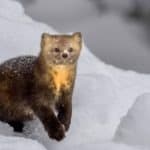
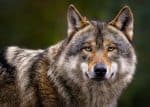
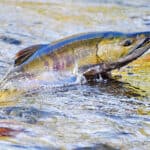
Magadan Oblast is a very remote area on the Sea of Okhotsk with rugged mountains, river basins (major salmon systems), and wide tundra-taiga. Best viewing is in short subarctic summers and salmon runs. Expect brown bears, moose, wild reindeer, foxes, rare wolverine, many seabirds, raptors, and rich marine life. Conditions are hard but reward is authentic Far East nature.
Breakup and rapid greening near valleys and the coast. Excellent birding as migrants arrive (waterfowl, shorebirds, seabirds on the Okhotsk coast). Rivers run high; road access can be variable. Brown bears begin foraging on emerging vegetation and along coastlines; fewer insects than midsummer.
Peak access and the broadest set of wildlife options. Salmon begin running in many rivers (timing varies by species and watershed), drawing bears and eagles. Coastal boat trips are most feasible; seabird colonies are active. Expect dense insects in wet areas and fast-changing fog/wind on the Sea of Okhotsk.
Often the best all-around wildlife season: fewer insects, strong fall colors, and continued salmon activity in many systems. Bears may be highly visible along rivers and estuaries as they feed up for winter. Bird migration resumes; raptors and late shorebirds can be good. Nights get cold quickly; snow can arrive in the high country.
A true subarctic winter with deep snow, short days, and extreme conditions. Wildlife is harder to spot but tracking can be rewarding (fox, hare, wolf sign; occasional wolverine sign in remote areas). Opportunities shift toward winter nature travel and photography rather than high-density viewing. Specialized logistics required.
Transitional and unpredictable. Snowpack still extensive inland; increasing daylight and some early bird movement near coastal openings. Best for those specifically seeking stark landscapes, tracks, and early-season birding rather than classic summer wildlife concentrations.
Magadan Oblast covers rugged subarctic land from the Sea of Okhotsk coast to the Kolyma river basins and high mountains. Main ecosystems are larch-taiga, tundra, and alpine areas, plus salmon-bearing rivers, floodplains, peatlands, and productive coastal-marine waters. Differences are driven by elevation, coastal vs. interior climate, and permafrost features like bogs and thermokarst.
Cold taiga forests dominated largely by Dahurian larch (Larix gmelinii) with areas of spruce, stone pine and birch on better-drained sites; common on lower slopes and broad valleys, often underlain by permafrost.
Widespread and often dominant in interior lowlands and lower mountain slopes.
Shrub- and moss/lichen-dominated tundra on windswept uplands and near-coastal areas; includes dwarf birch/willow shrub tundra and wet sedge tundra in poorly drained permafrost terrain.
Extensive in northern parts, coastal zones, and above treeline.
High-elevation belts with alpine tundra, fellfields, scree, and snowbed communities on the Kolyma and associated mountain ranges; very short growing season and strong wind exposure.
Common across higher mountain terrain; forms a broad band above treeline.
Large river networks (including Kolyma basin tributaries) with cold, clear, fast-flowing channels, gravel beds, and floodplain wetlands; important spawning and rearing habitat for salmonids and other cold-water fishes.
Region-wide along major rivers and tributaries; highest ecological concentration in river corridors and floodplains.
Permafrost-influenced peatlands, valley mires, sedge fens, marshy floodplains, and thermokarst depressions; strong seasonal waterlogging and freeze-thaw dynamics.
Patchy but widespread, especially in lowlands and broad valley bottoms.
Sea of Okhotsk coastal and shelf ecosystems with cold, nutrient-rich waters, seasonal sea ice, and productive nearshore food webs supporting seabirds, marine mammals, and fisheries.
Along the entire Sea of Okhotsk coastline; includes nearshore, shelf, and deeper offshore waters.
Larch-dominated taiga on permafrost soils; open canopies with moss/lichen ground layers and fire-influenced dynamics.
Mixed taiga mosaics including larch, spruce, and birch in valleys and lower slopes; transitions to shrublands and tundra with elevation and exposure.
Open, sparse larch woodlands near treeline and on colder/poorer soils, grading into shrub tundra.
Dwarf birch and willow shrub tundra on slopes and coastal uplands; important cover and browse for ungulates.
Moss-lichen and sedge tundra on uplands and permafrost flats; includes wind-scoured ridges and wetter valley tundra.
Short-season herbaceous communities in sheltered high-elevation sites and snowmelt-fed hollows; high summer forage productivity in small patches.
Rugged ranges with strong elevational zonation (taiga to alpine), extensive scree, and glacial/periglacial landforms.
Rock faces and talus slopes used by nesting birds and providing specialized cold-tolerant plant niches.
Cold, fast rivers and braided channels with gravel bars; key salmonid habitat and major wildlife movement corridors.
Small to mid-sized cold lakes and oxbows, including thermokarst-influenced waters in lowlands; important for waterfowl during thaw season.
Floodplain wetlands, sedge fens, and saturated valley bottoms with strong seasonal inundation.
Peat-forming mires on permafrost with mossy surfaces and scattered dwarf shrubs; often interspersed with larch islands.
Sedge- and grass-dominated marshes in low-lying floodplains and lake margins during the short summer thaw.
Okhotsk coastal zones with lagoons, spits, and nearshore feeding areas for seabirds and marine mammals; influenced by sea ice and storms.
Narrow gravel/sand beaches and storm berms along exposed stretches of the Sea of Okhotsk.
Rocky headlands and boulder shores with intertidal zones shaped by cold-water conditions and seasonal ice scour.
River mouths and brackish deltas where freshwater meets the Okhotsk; important staging/feeding areas for fish and birds.
Continental shelf and slope habitats of the Sea of Okhotsk, including soft sediments and benthic feeding grounds.
Offshore Okhotsk waters used by pelagic fishes, seabirds, and marine mammals; strongly seasonal productivity tied to ice and upwelling.
Deeper offshore basins beyond the shelf with cold, low-light ecosystems and benthic communities.
Very limited, concentrated primarily around Magadan and a few settlements, with localized habitat fragmentation near infrastructure.
Minor and localized due to climate/permafrost constraints; mostly small-scale plots and haying in accessible valleys.
Magadan's salmon rivers act like "nutrient conveyor belts": after spawning, bear- and eagle-dispersed carcasses move marine nutrients (nitrogen and phosphorus) into inland larch forests and tundra riparian zones-fertilizing vegetation far from the coast.
The Sea of Okhotsk looks locked in ice in winter, but that seasonal sea ice is a nursery: ribbon and spotted seals use drifting pack ice to give birth and rest, making the ice edge a moving wildlife hotspot.
Steller's sea eagles don't just patrol coasts-they often key in on salmon runs and fish waste, so you can see unusually dense "eagle gatherings" at river mouths and bays during peak fish seasons compared with most large raptors.
Snow sheep (Ovis nivicola), found in Magadan's rugged mountain country, are built for near-vertical terrain: their specialized hooves combine a hard rim with a grippy pad, letting them cling to steep rock faces where predators struggle to follow.
Even in subarctic Magadan, rich wildlife viewing can happen at cold offshore water boundaries: mixing currents and melting sea ice cause plankton blooms that feed fish, seabirds, and marine mammals.
Steller's sea eagle (Haliaeetus pelagicus)-seen along Magadan Oblast's Sea of Okhotsk coast and salmon rivers-is widely cited as the world's largest eagle by weight, with a wingspan reaching about 2.4-2.5 m.
Wolverine (Gulo gulo), which ranges through Magadan's taiga and mountain basins, is the world's largest land-dwelling mustelid (the biggest member of the weasel family).
Sea otters (Enhydra lutris) in the Sea of Okhotsk (including Magadan's coastal waters) have the densest fur of any mammal-often cited at roughly 600,000-1,000,000 hairs per square inch-an extreme adaptation to near-freezing seas.
Steller sea lions (Eumetopias jubatus), encountered along the Sea of Okhotsk coast, are the world's largest eared seals (otariids); adult males can exceed 1,000 kg.
The Yamsky Islands in Magadan Oblast, part of the Magadansky State Nature Reserve, hold one of the Sea of Okhotsk's biggest seabird colonies, with cliff-nesting birds reaching hundreds of thousands at peak season.
31 species documented in our encyclopedia
Thank you for reading! Have some feedback for us?
We appreciate your help in improving our content.
Our editorial team will review your suggestions and make any necessary updates.
There was an error submitting your feedback. Please try again.