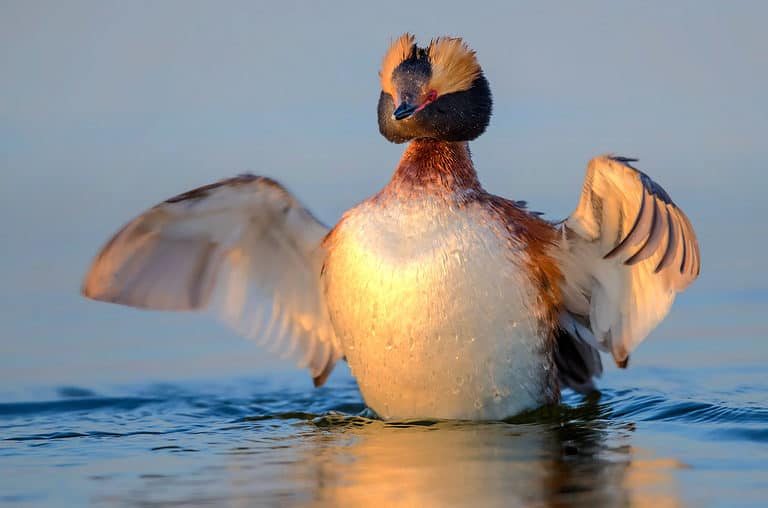
Horned Grebe
Golden horns, master of the dive

Golden horns, master of the dive
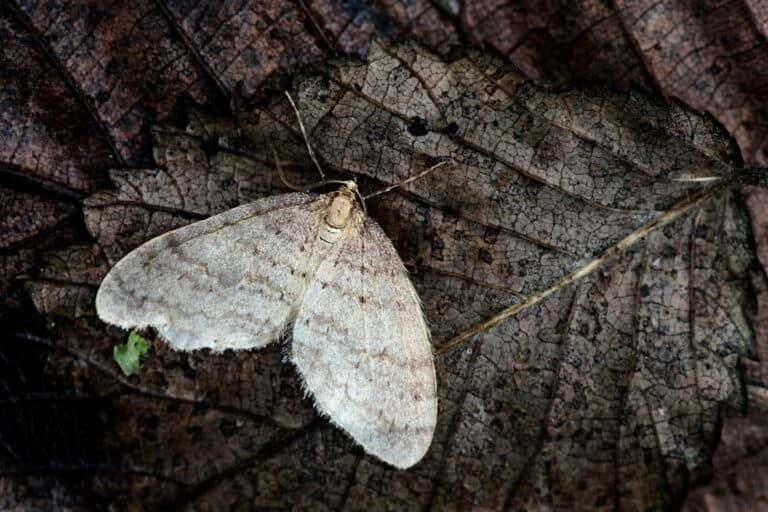
Winter flyer, spring defoliator
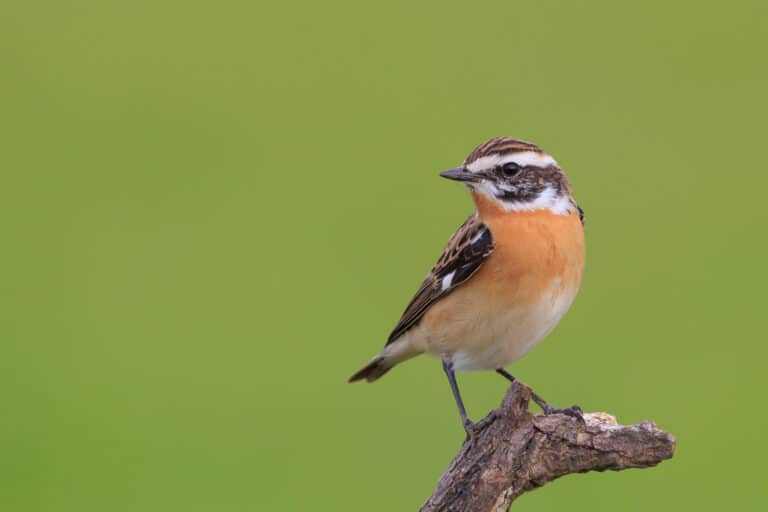
Meadow hunter, Africa-bound migrant
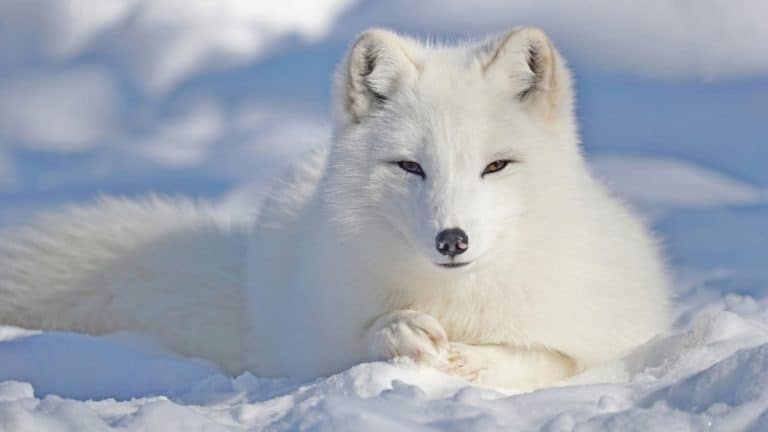
Built for blizzards, born for tundra

Black-tail hunter, winter-white
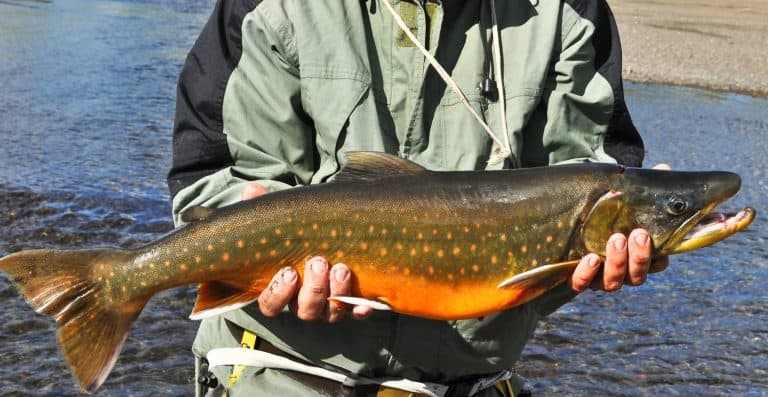
Built for ice-cold waters
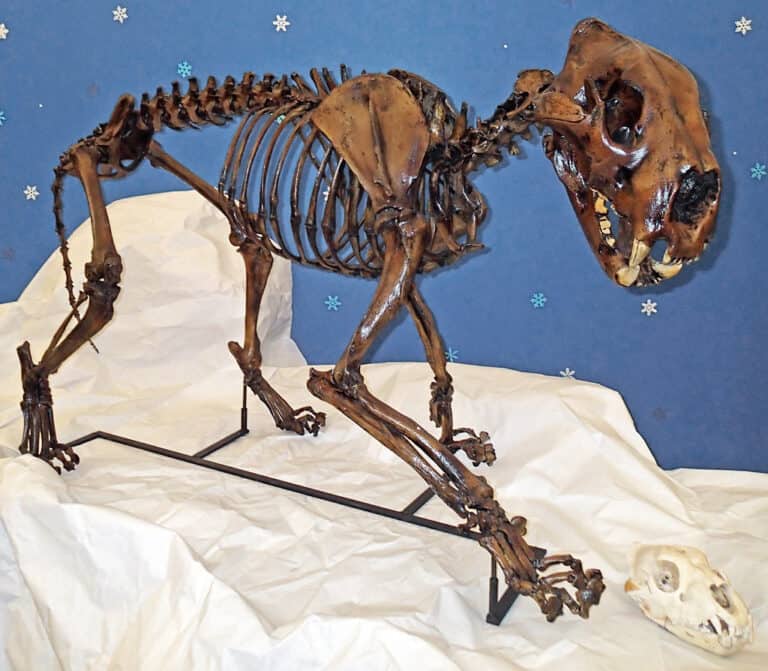
Ice Age king of the open steppe
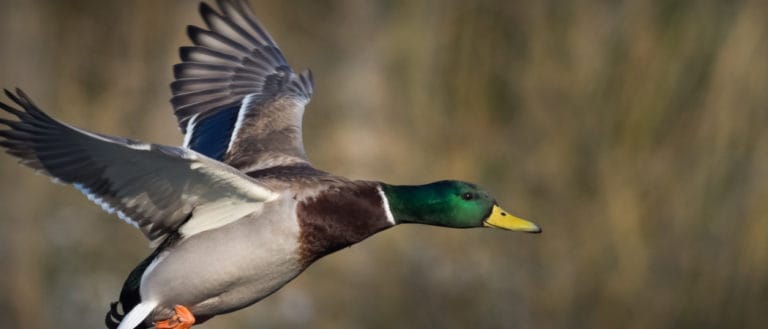
The adaptable original duck
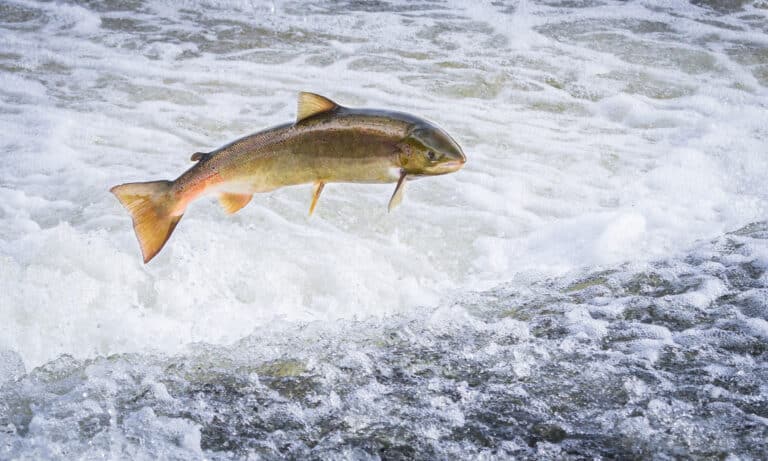
Born in rivers, grown at sea, home again
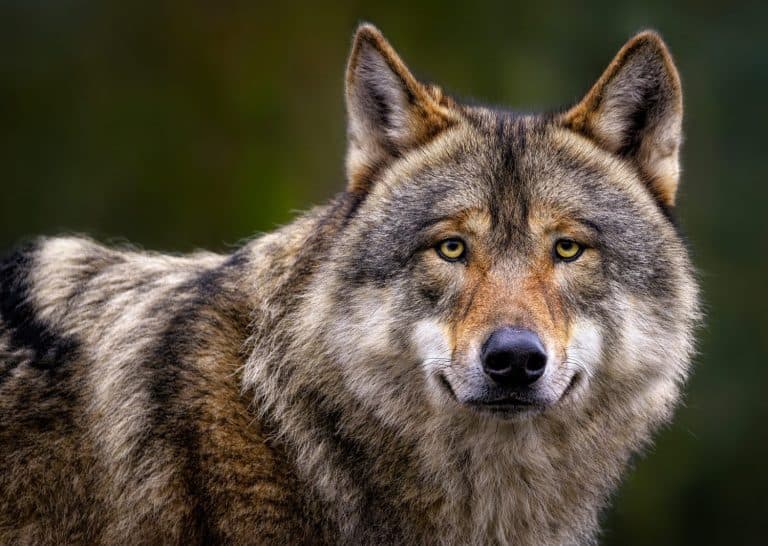
Packs, howls, and healthy wildlands
Arkhangelsk Oblast is one of northern Europe's richest wildlife areas, where boreal forests meet river lowlands and the cold White Sea. It has intact taiga wilderness, long winters, and a strong Arctic influence that brings northern species south along coasts and tundra edges. Low human numbers and big wild areas mean animal tracks in snow, migrating birds on shorelines, and wide forests where large mammals still roam. Main habitats are old-growth spruce–pine taiga, peatlands and mire complexes, and large rivers—especially the Northern Dvina—whose floodplains and delta wetlands support many birds and waterfowl. Along the White Sea, intertidal flats, estuaries and islands are key for seabirds and marine mammals. The far north and archipelagos shift toward tundra and polar desert. The mix of river corridor, Arctic sea and high-latitude islands (including Franz Josef Land) links migration routes and supports both coastal and taiga wildlife.
Arkhangelsk Oblast runs from the White Sea and Arctic coasts to boreal lowlands, making a mix of habitats that shape wildlife. Taiga and peatlands support boreal mammals and forest birds. River floodplains and deltas (notably the Northern Dvina) gather waterbirds and spawning fish. Northern tundra, cliffs, and sea-ice shores offer breeding and haul-out places; long snow and ice drive migrations.
Sea level to ~1,550 m (highest peaks on Novaya Zemlya), with most of the mainland being low, gently rolling plains and wetland-rich lowlands
Yes-long coastline on the White Sea (Arctic Ocean basin) plus Arctic-facing coasts and islands (notably Novaya Zemlya), with extensive estuaries/deltas and strong sea-ice influence seasonally
Arkhangelsk Oblast protects key boreal to Arctic habitats: northern taiga (spruce-pine forests, bogs, karst), major rivers (Northern Dvina, Pinega, Mezen), White Sea coasts, and high-Arctic archipelagos. National parks and strict nature reserves save old-growth forests, seabird colonies, marine mammal feeding areas, and large predators, while regional sites protect wetlands, river valleys, islands, and bird breeding and migration sites.
At least about 15% (if marine protected areas such as the Russian Arctic National Park are included in the accounting).
A flagship high-Arctic protected area centered on Franz Josef Land and northern Novaya Zemlya, protecting vast seabird cliff colonies, polar-desert ecosystems, and productive marine waters used by top predators. It is among the best places in Russia for viewing Arctic marine mammals and colonial seabirds.
Large mosaics of taiga forest, lakes, rivers, and peatlands support high boreal bird diversity and intact predator-ungulate systems. Notable for forest interior species, wetland birds, and relatively low-fragmentation habitats.
Protects the Onega Peninsula's coastal taiga and White Sea shoreline-important for seabirds, coastal wetlands, and marine mammal use areas. Valued for old-growth-like forest tracts near the coast and for migrating and breeding waterbirds.
A major boreal wilderness protecting extensive lake-and-river systems, old coniferous forests, and peatlands. Important for forest raptors, large mammals, and wetland-dependent birds; also a key corridor of intact habitat in northwest Russia.
Island and coastal habitats in the White Sea important for seabird nesting, migrating waterfowl, and seal haul-outs; the archipelago also functions as a low-disturbance refuge during sensitive breeding periods.
A network of river channels, floodplain wetlands, and reedbeds that are critical for waterbirds during migration and breeding, and for fish spawning and nursery habitats that support the White Sea food web.
Small-to-medium protected sites safeguarding caves, karst valleys, and associated old-growth forest patches-important for roosting bats, specialized cave biota, and undisturbed riparian forest wildlife.
Coastal lowlands and tundra-edge habitats along the White Sea/Mezen area supporting major staging and nesting concentrations of geese, swans, and shorebirds; also important for raptors and coastal predators.
A set of coastal/island refuges aimed at protecting seabird colonies, eider nesting grounds, and seasonal seal haul-outs; valuable for minimizing disturbance during breeding and molting periods.
Remote forest-and-bog refuges that help maintain landscape connectivity for wide-ranging mammals and protect calving/denning areas away from dense infrastructure.
Arkhangelsk Oblast spans a classic northern Eurasian gradient: White Sea coasts and islands, immense boreal taiga and peatlands, big river corridors (notably the Northern Dvina, Mezen and Onega), and-within the oblast's Arctic territories (Novaya Zemlya and Franz Josef Land)-high-Arctic tundra, sea-ice habitats and towering seabird cliffs. The wildlife experience is defined by large mammals of the taiga (moose, brown bear, wolves), salmon-and-whitefish rivers, and globally important Arctic marine mammal and seabird concentrations on the northern archipelagos.

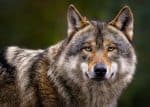
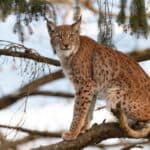
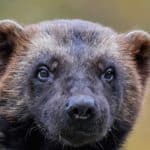
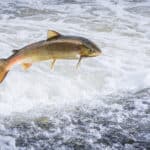
Arkhangelsk Oblast has vast northern lands where boreal taiga meets the White Sea and Arctic edge. You can see beluga whales, seals, seabirds, migrating shorebirds, and taiga animals like moose, brown bear, beaver, fox, and wolverine signs across river deltas, peatlands, old-growth forests, and remote islands. Access ranges from easy day trips to expedition trips.
Stable snowpack for tracking tours and photographing animal sign (moose, fox, hare; occasional wolf/wolverine tracks) in taiga parks; crisp light and long twilights; good chances for northern lights on clear nights. Coastal areas can offer sea-ice scenery and seal habitat (viewing depends on ice conditions and access).
Peak bird migration along the White Sea coast and river corridors: geese, swans, cranes, ducks, and raptors. Breakup on the Northern Dvina brings dramatic river scenes and good bird activity; forest bird song ramps up quickly. Weather is changeable; expect mud and lingering snow in forest interiors.
Best all-around season for boat-based coastal wildlife: beluga sightings in the White Sea (often near island channels and shallow bays), seals on haul-outs, and dense seabird colonies. Midnight-light conditions aid photography; mosquitoes can be intense inland in June-July, while sea breezes can help on the coast. Tundra-margin and island habitats offer wildflowers and nesting birds.
Golden taiga, fewer insects, and strong chances of seeing large mammals as animals feed heavily before winter-moose activity increases during rut (timing varies). Coastal bird migration continues with sea ducks and shorebirds; clearer air and dramatic weather for photography. Nights darken quickly, improving aurora chances later in the season.
Arkhangelsk Oblast spans a strong north-south climatic gradient from northern taiga to Arctic tundra and polar desert landscapes, with extensive peatlands, large river basins (notably the Northern Dvina, Onega, and Mezen), and long coastlines on the White and Barents seas. Ecosystem diversity is driven by cold maritime-to-subarctic conditions, glacially shaped lowlands, widespread wetlands, and coastal/sea-ice dynamics around islands and archipelagos.
Vast taiga dominates the mainland: spruce-pine forests with birch/aspen succession after fire or logging, extensive lichen/moss ground layers, and a mosaic of forested bogs.
Dominant on the mainland; roughly ~60-80% overall depending on how tundra/islands are counted.
Treeless to sparsely wooded tundra occurs toward the far north and across Arctic coastal areas; vegetation includes dwarf shrubs, sedges, mosses, lichens, and patterned-ground communities, with forest-tundra ecotones.
Common in the northernmost parts and Arctic coastal sectors; ~10-25% overall (higher if Arctic island territories are included).
Peatlands (raised bogs, string fens, swampy forested mires) are large carbon stores and key breeding areas for waterbirds; many parts stay waterlogged because of flat land and permafrost in the far north.
Widespread throughout lowlands; locally dominant; ~10-25%.
Large river systems (Northern Dvina, Onega, Mezen) with broad floodplains and deltas, thousands of lakes and ponds, and long ice-covered seasons shape riparian forests, floodplain meadows, and aquatic habitats.
Distributed across the oblast; ~5-10% as open water and associated riparian corridors.
White Sea and Barents Sea coastal and nearshore ecosystems include ice-influenced waters, productive estuaries, and coastal seabeds; strong seasonality (ice, storms) structures food webs supporting seabirds and marine mammals.
Along the White Sea coast and Arctic island/coastal territories; spatially limited on land but ecologically significant along shorelines and shelves.
Spruce- and pine-dominated taiga (often with birch admixture), including old-growth remnants and large managed forest tracts; important for large carnivores, forest birds, and boreal biodiversity.
Secondary birch/aspen stands common after disturbance (fire, windthrow, logging), especially in southern/central areas and along river terraces.
Broad taiga mosaic combining conifer stands, mixed succession patches, and forest-wetland complexes across gently rolling lowlands.
Raised bogs and peat plateaus (locally), with sphagnum mats, dwarf shrubs, and acidic pools; extensive peat accumulation and fire-sensitive surfaces.
Minerotrophic wetlands and river/lake-edge marshes with sedges and reeds, especially in floodplains, deltas, and low coastal areas.
Forested wetlands (often spruce/birch) with saturated soils and hummock-hollow microrelief; frequent in flat taiga landscapes.
Large mire complexes (bog-fen mosaics) and wet meadows that serve as key breeding and staging areas for migratory birds.
Major rivers (Northern Dvina, Onega, Mezen) with braided/meandering reaches, oxbows, and riparian zones; significant fish habitat and migration corridors.
Numerous glacial and peatland lakes/pond systems, often oligotrophic and ice-covered for long periods; important for waterfowl and aquatic invertebrates.
River mouths and deltas entering the White Sea (notably the Northern Dvina delta) with brackish gradients, mudflats, and high productivity.
White Sea coast (bays, tidal flats) and Arctic coasts around island territories; shoreline ecosystems shaped by ice scour, tides (White Sea), and storm surges.
Sandy and mixed sediment beaches occur locally along the White Sea and some island shores, often with dune/strand vegetation where exposure allows.
Rocky and boulder shores and low cliffs occur in parts of the White Sea and Arctic archipelagos, supporting seabird nesting sites and intertidal communities.
Adjacent marine waters of the White and Barents seas (seasonally ice-covered), supporting pelagic food webs and migratory seabirds.
Shelf seabeds with soft sediments and benthic communities; key feeding areas for fish and bottom-feeding marine fauna in nearshore and shelf zones.
Dwarf-shrub and lichen tundra, wet sedge tundra in poorly drained areas, and forest-tundra transition zones toward the far north.
Urban/industrial habitats concentrated around Arkhangelsk-Severodvinsk and other towns, with ports and shipbuilding along the Northern Dvina and coast.
Limited agriculture in the south/river valleys (hayfields, small-scale cropping), constrained by cool climate and short growing season.
Ringed seals-often thought of as "high-Arctic only"-also breed in Arkhangelsk Oblast's White Sea, where they rely on stable ice and snow cover to create subnivean lairs for pups (a notably southern setting for this classic Arctic breeding strategy).
On the Solovetsky Islands, common eiders can be unusually tolerant of people: long traditions of protecting nesting birds around settlements helped create colonies where eiders may nest close to paths and buildings compared with more heavily hunted coasts.
Beluga whales in the White Sea show strong site fidelity: the same shallow bays and capes near the Solovetsky archipelago are used repeatedly in summer, functioning like predictable seasonal "nursery" areas rather than random pass-through migration stops.
Arctic foxes in Franz Josef Land frequently trail polar bears to scavenge seal remains-an efficient survival tactic in a landscape where food can be patchy and winter lasts most of the year.
In the Northern Dvina basin, Eurasian beavers came back to parts of it after help in the 1900s. Their dams and canals now change small taiga streams far north, though many people think they live in milder forests.
Franz Josef Land (administratively Arkhangelsk Oblast) is one of Russia's densest known polar-bear maternity-denning areas: females regularly den on snowdrifts along coastal slopes and near glacier fronts, making it a flagship denning region within the Russian Arctic National Park.
Rubini Rock on Hooker Island, Franz Josef Land, is a huge bird place. Its steep cliffs hold packed colonies of Brunnich's guillemots and black-legged kittiwakes, often tens of thousands on one cliff in peak season.
Novaya Zemlya's coastal haul-outs are among the Barents-Kara region's most important Atlantic walrus gathering sites; in late summer, several thousand walruses can crowd onto a single beach haul-out when sea ice retreats.
The White Sea is a major whelping (pupping) area for harp seals: each spring, large aggregations give birth on the drifting pack ice, making it one of the best-known seal-breeding events in European Russia.
The Solovetsky area of the White Sea is one of the most reliable shore-accessible places in Russia to see beluga whales in summer, when groups repeatedly use shallow coastal waters as feeding and calf-rearing habitat.
52 species documented in our encyclopedia
Thank you for reading! Have some feedback for us?
We appreciate your help in improving our content.
Our editorial team will review your suggestions and make any necessary updates.
There was an error submitting your feedback. Please try again.