
Wildlife of
Rjazanskaja oblast'
About Rjazanskaja oblast'
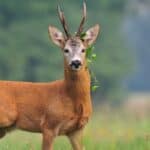
Ryazan Oblast lies southeast of Moscow at the meeting of Russia's mixed forests and forest-steppe, a rich ecotone with many kinds of plants and animals in a small area. Pine and spruce stands, birch-aspen groves, and oak-linden patches shelter woodland animals like moose, wild boar, and roe deer. Open meadow-steppe edges add species of drier land. Long seasonal cycles—snow, spring floods, and summer growth—drive animal movements and bird life. The Oka River basin is the region's natural backbone: floodplains, oxbows, and backwaters make wide wetlands that host waterfowl, waders, and raptors during migration and breeding. North and east, the Meshchera lowlands add peatlands, swamp forests, and lake-filled marshes vital for amphibians, dragonflies, beavers, and wetland birds. Compared to nearby more urban or farmed areas, Ryazan stands out for large, linked river wetlands and bogs that let watchers see floodplain birds and taiga-meets-steppe mixes in one trip.
Geography
Ryazan Oblast lies in the Oka River basin on the East European Plain. Low relief, broad floodplains, mixed forest, pine-dominated lowlands, and southern forest-steppe create varied temperate habitats. Large rivers (especially the Oka), oxbows, marshes, and peatlands hold much biodiversity and help migration, while drier upland interfluves and agricultural forest-steppe host different wildlife and cause habitat fragmentation.
Elevation Range
Approximately ~80-250 m above sea level (low floodplains and wetlands up to gently higher uplands), supporting strong habitat variation driven more by soils and moisture than by steep elevation gradients.
Coastline
No ocean coastline; wildlife is strongly influenced by inland waters (the Oka and tributary rivers, floodplain lakes/oxbows, and wetland systems).
Key Landscapes
Protected Areas
Ryazan Oblast's protected areas center on the Oka River basin and Meshchyora Lowlands, a mix of mixed forests, pine bogs, oxbow lakes, and floodplain meadows. A federal strict nature reserve (a state nature biosphere reserve) is the most protected core, with regional wildlife sanctuaries, nature monuments, and protected landscapes protecting wetlands, peatlands, river-valley forests, waterbirds, Russian desman, beaver, and large mammals.
≈6-8% of the oblast (rough estimate; dominated by one large federal reserve plus many smaller regional zakazniks/nature monuments)
National Parks & Preserves
Oka State Nature Biosphere Reserve (Окский государственный природный биосферный заповедник)
≈55,700 ha (≈557 km²)The flagship wildlife area of Ryazan Oblast, protecting Oka-Pra river floodplain forests, wetlands, and peatland-edge habitats. Notable for wetland birds, intact riparian ecosystems, and long-running species recovery/breeding programs (especially for large mammals and rare birds).
State & Provincial Parks
Meshchyora Lowland Regional Protected Landscape (Spas-Klepiki District-lakes and bogs of Meshchyora)
Typically managed as multiple sites; combined protected tracts are on the order of tens of thousands of hectaresA cluster of regional protected landscapes, lake systems, and pine-bog habitats in the Meshchyora Lowlands. Strong for wildlife viewing of bog and wetland birds, elk/moose in forest edges, and beaver activity on quiet channels.
Solotcha (Solotchinsky Bor) Pine Forest Protected Area (near Ryazan city)
Local protected forest/park complex; commonly cited at roughly ~10,000-20,000 ha (order-of-magnitude)Large pine-forest massif with sandy terraces, small wetlands, and lake margins-important as a regional biodiversity refuge close to the urban area, with good chances for forest birds and mammals.
Wildlife Refuges
Pra River Floodplain (complex of wildlife sanctuaries)
A mosaic of protected parcels; individual units are often tens to hundreds of km² in total across the valleySlow-flowing channels, reedbeds, floodplain woods, and oxbow lakes (often protected as a set of regional zakazniks). Especially valuable for breeding waterbirds and as feeding habitat for raptors over wet meadows.
Oka Floodplain - Meadows, Oxbow Lakes, and Islands
Distributed floodplain sites; size varies widely by unit, from small oxbow monuments to large meadow sanctuariesSeasonally flooded meadows and oxbow-lake systems along the Oka support high bird diversity during migration and breeding; key areas are commonly managed as regional sanctuaries/nature monuments to limit disturbance in nesting and moulting periods.
Tsna River Valley (zakazniks)
Multiple corridor-style refuges; typically tens of kilometers of river valley with variable widthsForested river corridor and wetlands that function as a regional migration and dispersal route, supporting semi-aquatic mammals and mixed-forest bird assemblages.
Wilderness Areas
- Remote peat bog and pine-forest tracts of the Meshchyora Lowlands (large road-poor blocks with extensive drainage canals/rewetting zones)
- Upper Pra River backwaters and reedbeds (quiet channels and oxbow complexes with limited road access)
- Oka floodplain meadow-oxbow mosaics between Spassk-Ryazansky and Kasimov (broad, seasonally inundated open landscapes)
- Headwater forest-and-wetland complexes on smaller Oka-basin tributaries (patchy roadless areas important for corridor connectivity)
Wildlife
Ryazan Oblast sits in the Oka River basin on the transition between mixed/broadleaf forest and forest-steppe. Its wildlife character is strongly shaped by large river floodplains (Oka and tributaries), oxbow lakes, peatlands and wet meadows, alongside pine forests and oak-lime woods. This mix supports classic temperate Eurasian mammals (moose, boar, beaver, deer), rich wetland birdlife (cranes, eagles, storks), and a diverse fish community in the Oka system. The Oka State Nature Biosphere Reserve (Oksky Reserve) is a key focal area for flagship species management and wetland biodiversity.
Iconic Species
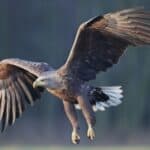
Endemic & Rare Species
Notable Populations
- Oka River floodplain wetlands form one of the key bird migration and staging corridors in central European Russia, supporting concentrations of cranes, geese/ducks, and large raptors in season.
- Russian desman populations in the Oka basin are of national importance because the species has declined strongly across much of its range and persists mainly in suitable floodplain waters.
- The Oka State Nature Biosphere Reserve is a nationally important center for large-mammal conservation and environmental monitoring, including managed populations of European bison and long-term wetland biodiversity studies.
Recent Changes
- European bison conservation programs in and around the Oka Biosphere Reserve have strengthened local visibility of this species through breeding/management and periodic releases to suitable habitats.
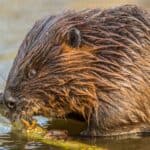
- Eurasian beaver numbers have generally rebounded compared to historical lows, expanding habitat engineering effects across smaller tributaries and floodplain channels.
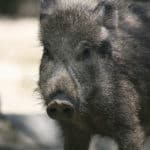
- Wild boar populations have shown sharp fluctuations in recent years in many parts of European Russia due to African swine fever management and disease impacts, affecting predator food webs.
- Some large raptors (notably white-tailed eagle) have shown recovery trends regionally where persecution declines and water quality/fish availability remain adequate, though nesting remains sensitive to disturbance.
- Russian desman has continued to face pressure from wetland degradation, unstable water regimes, bycatch in fishing gear, and predation/competition pressures, with many local declines reported in the wider region.
- Native sturgeons (e.g., sterlet) remain reduced compared to historical baselines due to river regulation, poaching/overharvest, and habitat fragmentation; restoration is constrained by basin-wide factors.
- Introduced/expanding mesocarnivores in European Russia (e.g., raccoon dog) have increased in many central regions, potentially altering ground-nesting bird predation pressure in wetland mosaics.
Wildlife Viewing
Ryazan Oblast has Central Russian wildlife in a river basin of mixed forests, pine bogs, floodplain meadows, and large Oka River wetlands. Best for birding in spring and autumn, mammal tracking in forests and peatlands, and quiet river watching for beavers, otters, and waterfowl. Oka State Nature Biosphere Reserve (Oksky Nature Reserve) protects key wetlands and forests.
Best Seasons
Spring (late March-May)
Peak migration and courtship activity. Expect large movements of geese/ducks and returning songbirds across the Oka floodplain; cranes and raptors can be conspicuous in open areas. Forests come alive with woodpeckers and early passerines. Trails can be muddy and some wetland access may be limited by high water-plan flexible routes and use waterproof footwear.
Summer (June-August)
Best for mammals and "green season" photography: beavers at dusk, elk/moose in wet meadows, and abundant dragonflies/butterflies around oxbows and bogs. Birdlife includes breeding warblers, woodpeckers, and wetland species; early mornings are most productive. Mosquitoes/gnats can be intense near wetlands-bring head nets/repellent.
Autumn (September-early November)
Second major migration wave. Look for concentrations of waterfowl on rivers, lakes, and harvested fields; raptors move along river corridors. Mixed forests produce excellent visibility as leaves drop, improving chances for deer/elk sightings and fresh tracks. Cooler, clearer air is great for long walks and photography.
Winter (late November-March)
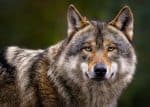
Prime season for tracking and spotting resident forest birds. Snow reveals trails of elk/moose, roe deer, fox, hare, and sometimes wolf where present. Rivers may partially freeze, concentrating waterbirds in open leads. Short daylight and cold demand planning, but the quiet conditions can be exceptional for wildlife sign and winter birding (tits, woodpeckers, finches).
Top Wildlife Experiences
- Oka State Nature Biosphere Reserve (Oksky Nature Reserve): join a reserve-led walk (where permitted) to scan floodplain wetlands for cranes, geese, ducks, and raptors during spring and autumn migration.
- Beaver at dusk on the Oka River and oxbow lakes: plan a late-evening sit at quiet backwaters (away from busy beaches/boat traffic) to watch beavers, hear tail slaps, and look for fresh gnawing on willows.
- "Wetlands sunrise" photography session on the Oka floodplain: arrive before dawn to capture mist, waterfowl lift-offs, and hunting marsh harriers/other raptors over reedbeds and meadows.
- Forest wildlife tracking day in mixed pine-birch woods (Meshera-type landscapes in the oblast): follow winter tracks and feeding signs for elk/moose, roe deer, fox, and hare; combine with a woodpecker-focused birding loop.
- Birding the riverine meadows and field edges in forest-steppe zones: scan for raptors over open country and passerines along hedgerows; best in April-May and September-October.
- Visit the Oka reserve's conservation/breeding centers (check current public access rules): learn about regional species recovery efforts and see educational exhibits/managed enclosures where available.
- Canoe/kayak-style quiet paddling on calm sections/side channels (seasonal and operator-dependent): low-noise approach improves chances for otter-like movement, beaver activity, and close waterfowl views while minimizing disturbance.
Wildlife Watching Types
Guided Options
- Oka State Nature Biosphere Reserve (Oksky Nature Reserve) guided excursions and environmental education programs (seasonal; routes and access typically require coordination with the reserve).
- Reserve-based visits to conservation/breeding centers associated with Oka Reserve (availability and formats vary-contact the reserve for current visitor programs).
- Local birding/nature guides operating around the Oka River floodplain near Ryazan: custom half-day/day trips for migration watchpoints, photography, and beaver evenings (best arranged via regional eco-tour providers or local naturalist groups).
- Winter tracking outings led by local outdoor clubs/naturalists in forested areas of the oblast: focused on mammal tracks, feeding signs, and winter bird identification (dates depend on snow cover).
Ecosystems
Ryazan Oblast, in the Oka River basin southeast of Moscow, changes from mixed broadleaf-conifer forests in the lowland Meshchera to forest-steppe mosaics farther south. River floodplains, oxbow lakes, peatlands and marshy depressions create many habitats and strong seasonal changes (spring floods, summer low water), supporting temperate forest and wetland wildlife and open-country species in agricultural, steppe-like areas.
Biomes
Dominant biome expressed as mixed forests and broadleaf stands on well-drained uplands and terraces, with pine and birch common in sandy lowlands and oak-linden-maple elements where soils are richer.
Widespread; a major share of the oblast, especially central, northern, and eastern parts and along river terraces.
Forest-steppe and meadow-steppe patches interwoven with groves, especially on warmer/drier sites and in landscapes heavily influenced by agriculture; includes dry meadows and open herbaceous communities.
Notable in the south and southeast; also scattered openings throughout cultivated areas.
Large river system (Oka River) with numerous tributaries, floodplain channels, oxbows, and small lakes/ponds; supports aquatic vegetation, fish communities, and riparian corridors.
Linear network across the oblast; strongest concentration along the Oka valley and major tributaries.
Riverine wetlands (floodplain marshes, backwaters), peatlands and boggy depressions in lowlands, and wet meadows influenced by seasonal inundation and high groundwater.
Extensive in the Oka floodplain and lowland areas (notably Meshchera-type sandy/peaty landscapes); patchy elsewhere.
Northern taiga-leaning elements occur as pine-dominated forests on sandy substrates and cooler, nutrient-poor sites, with some species composition and structure resembling southern boreal transitions rather than true taiga.
Localized and transitional; mainly in northern/eastern lowlands and sandy outwash areas.
Habitats
Mixed forest mosaics across uplands and terraces; important for large mammal and woodland bird assemblages.
Broadleaf stands (oak, linden, maple, birch/aspen successional forests) on more fertile soils and sheltered sites.
Pine (and mixed pine-birch) forests on sandy terraces and lowlands; locally forms extensive tracts.
Forest-field ecotones, shelterbelts, and small groves embedded in agricultural landscapes (typical of forest-steppe settings).
Dry and mesic meadows, hayfields, and steppe-like openings; often maintained by mowing/grazing and soil moisture gradients.
Meadow-steppe fragments and drier open slopes/terraces in the southern part of the oblast; frequently interspersed with shrubs and groves.
Willow and mixed shrub thickets on floodplains, abandoned fields, and sandy clearings; important cover for birds and small mammals.
Oka River and tributaries with dynamic channels, sand/gravel bars, and riparian zones; key migration and dispersal corridors.
Oxbow lakes and small natural lakes in floodplains and lowlands; productivity varies from clear to eutrophic.
Man-made ponds and small impoundments used for fisheries, irrigation, and local water supply; provide amphibian habitat.
Floodplain wetlands and wet meadows shaped by spring inundation; high plant and invertebrate diversity.
Waterlogged forested wetlands and alder/willow swampy areas in lowlands and along backwaters.
Reed/sedge marshes in floodplains, lake margins, and drainage depressions; important breeding habitat for waterbirds.
Peat-forming wetlands (including sphagnum-influenced patches) in poorly drained lowland basins; sensitive to drainage and fire.
Croplands and managed hay meadows dominating many settled areas; major driver of forest-steppe fragmentation.
Cities and industrial areas (including Ryazan) with river-adjacent development and modified riparian zones.
Dacha belts, peri-urban mixed land use, and expanding settlement fringes that create patchy greenspace and edge habitats.
Ecoregions
Conservation
Primary Threats
- Drainage and past reclamation of floodplain wetlands and peatlands in the Meshchyora landscapes reduce habitat quality for wetland specialists (e.g., desman) and simplify river-oxbow networks. Conversion of natural meadows and forest edges in the forest-steppe south/east of the oblast further reduces breeding and foraging habitat for open-country and wet-meadow species.
- Hydrological alteration (drainage canals, bank reinforcement, channel straightening, and floodplain isolation) changes the natural flood pulse of the Oka and tributaries, degrading oxbows, backwaters, and marshy margins crucial for aquatic invertebrates, amphibians, and semi-aquatic mammals.
- Water pollution is worst along the Oka corridor and near Ryazan’s urban-industrial zone from sewage, stormwater, and factory discharges. This harms fish spawning grounds, bottom food webs, and causes toxins to build up in fish-eating birds. Farm runoff adds nutrients and pesticides to small rivers feeding the Oka.
- Commercial forestry and sanitary cuttings can fragment mature mixed forests and reduce old-growth features (large hollow trees, deadwood) needed by cavity-nesters and some raptors. Poorly planned forest roads can also open remote areas to disturbance and poaching.
- In the forest-steppe portions of the oblast, consolidation/intensification of agriculture reduces natural field margins, wet meadows, and small wetlands; spring field operations can disturb ground-nesting birds and increase sediment/nutrient loads into tributaries.
- Expansion of settlements, dacha development, and recreation infrastructure near rivers and lakes increases shoreline pressure, informal trails, littering, and domestic animal impacts, especially around Ryazan city and popular Oka floodplain recreation sites.
- Road upgrades and traffic growth increase habitat fragmentation and wildlife mortality (vehicle collisions), particularly where roads cut across forest-wetland mosaics. Linear infrastructure also concentrates human access into previously less-disturbed peatland/forest areas.
- High recreational use of Oka floodplains (boating, fishing camps, off-road vehicles on sandy/peaty tracks) disturbs breeding birds and can damage sensitive wetland vegetation; spring and early-summer disturbance is especially harmful in floodplain nesting areas.
- Legal hunting pressure on game species can be locally sustainable, but illegal take persists in some riverine/forest areas and can affect protected raptors and rare mammals through direct killing or secondary effects (e.g., disturbance and lead/ammunition-related risks).
- Intensive recreational and illegal fishing on the Oka and connected waters can depress local fish stocks and age structure, reducing prey availability for piscivorous birds and contributing to bycatch risk in some gear types.
- American mink (Neogale vison) and other introduced/expanding species along waterways can increase predation pressure on native waterfowl and compete with native semi-aquatic predators; invasives are most impactful in riparian corridors and wetland mosaics.
- More frequent summer droughts and heat extremes raise peatland and forest fire risk in the Meshchyora landscapes and can lower water levels in oxbows and small rivers, shrinking aquatic habitat and intensifying water quality problems during low-flow periods.
- Localized extraction of sand/gravel and other construction materials in river valleys can disturb riparian zones, increase turbidity, and degrade spawning substrates if not tightly regulated and rehabilitated.
Did You Know?
The Russian desman, called the "perfume animal" for its strong musk from scent glands, is secretive and nocturnal, so it can live in wetlands near river valleys yet stay rarely seen.
Spring floods turn grass into a fish nursery: in the Oka floodplain, seasonal inundation of meadows creates shallow, warm spawning habitat-pike and other fish lay eggs in flooded grasses, so the year's water level can strongly influence local fish recruitment.
Beavers as firefighters (indirectly): in the Meshchyora lowlands' peat-rich landscapes, beaver ponds and raised water tables can keep wetland edges wetter-an effect often discussed in the context of reducing the spread of peat and ground fires during dry summers.
Forest-steppe next to bogs: Ryazan Oblast compresses habitats-mixed forest, riverine marshes, and forest-steppe-into a single Oka-basin region, which is why you can encounter wetland specialists (cranes, beavers) and open-country species (e.g., lekking black grouse) within short distances.
Conservation isn't a zoo exhibit here: the Oka Reserve's bison program uses breeding and acclimatization enclosures aimed at producing animals capable of surviving in the wild-closer to "rewilding logistics" than traditional animal display.
Europe's heaviest wild land mammal lives here (by conservation program): the European bison (Bison bonasus) is Europe's largest land mammal, and Ryazan Oblast's Oka State Nature Biosphere Reserve runs a dedicated bison-breeding nursery that supplies animals for reintroduction projects.
A global rarity: the Russian desman (Desmana moschata), a semi-aquatic mammal native to Russia, Ukraine, and Kazakhstan. The Oka-Pra floodplain wetlands in Ryazan Oblast are one of its main remaining habitats.
Russia's "crane factory" in the Oka floodplain, the Oka Crane Breeding Center at the Oka Biosphere Reserve, is one of few places that breeds threatened cranes, including the Siberian crane (Leucogeranus leucogeranus).
Largest rodent you're likely to meet in the region's waterways: the Eurasian beaver (Castor fiber), the largest rodent native to Eurasia, is a characteristic species of the Oka basin's rivers, oxbows, and forested wetlands in Ryazan Oblast.