
Wildlife of
Tambovskaja oblast'
About Tambovskaja oblast'
Tambov Oblast lies in the forest-steppe zone of central European Russia, where broadleaf groves, meadow-steppe openings, and large farm fields meet along rivers and floodplains. Very fertile chernozem soils make the land good for farming, so wildlife here is made of animals that can live in a mix of cropland, tree lines, small woods, and floodplain meadows. You can see both forest and open-country animals in one visit. The Tsna River basin and its tributary valleys form the region’s natural backbone. Riparian forests, oxbows, marshy depressions, and seasonally flooded grasslands support breeding and migrating birds. River routes help mammals move across farmed land. Remaining broadleaf forests and wooded ravines shelter woodland species, while steppe-like grasslands and field edges support raptors and small mammals. Wildlife here is closely tied to rivers and wetlands, especially at dawn and dusk.
Geography
Tambov Oblast lies on low rolling plains in the forest-steppe, with rich chernozem soils that support large-scale farming. Wildlife lives in a patchwork of fields, leftover broadleaf and mixed forests, meadow-steppe spots, and especially river valleys with floodplains, oxbows, and marshes. Its position toward the Volga and Don supports varied wetland communities.
Elevation Range
~80 to ~220 m above sea level (low-relief plains with most habitat diversity concentrated in river valleys and floodplains)
Coastline
None (landlocked; no marine coastline)
Key Landscapes
Protected Areas
Tambov Oblast has a small, fragmented protected-area system because much land is fertile black-earth farmland. It is focused on one federal strict nature reserve for forest-steppe and river-valley habitats, and a network of regional wildlife sanctuaries and natural monuments that protect floodplains, wetlands, oak-linden and pine forests, and bird breeding and stopover sites along the Tsna and Vorona rivers.
~2-3% of the oblast (approximate; dominated by regional protected areas, with one major federal core site)
State & Provincial Parks
Tsna River Valley regional protected areas
Multi-site floodplain complex; individual tracts commonly range from hundreds to several thousand hectaresA cluster of regionally protected floodplain habitats (meanders, oxbows, wet meadows, alder stands) that support high bird diversity during breeding and migration and provide refuges for semi-aquatic mammals.
Vorona River riparian forests and floodplains
Linear river-corridor protection; site sizes vary widely (often ~500-5,000+ ha per section)Riparian woodlands and seasonally flooded meadows important for nesting raptors and storks, amphibians, and corridor movement of ungulates; notable for relatively continuous riverine habitat compared with surrounding fields.
Pine forest massifs of the Tsna-Morshansk area
Typically a few thousand to tens of thousands of hectares across multiple protected forest blocksSandy-soil pine forests and mixed woodland patches that are locally important for forest birds and large mammals; these tracts are among the more roadless-feeling landscapes left in the oblast.
Wildlife Refuges
Regional ornithological refuges on oxbow lakes and wet meadows
Often ~200-2,000 ha each (site-dependent)Small-to-medium refuges designated to protect breeding colonies and staging areas for waterbirds in oxbows, reedbeds, and wet grasslands-key wildlife-viewing sites in spring and early summer.
Beaver and riparian-mammal refuges on small tributaries
Typically tens of km of river corridor; area equivalents commonly ~500-5,000 haProtected reaches of smaller rivers and streams and associated wetlands that maintain beaver-engineered habitats (ponds, backwaters) and benefit amphibians, fish nurseries, and wetland birds.
Forest-steppe glades, gullies, and ravine systems
Usually small-to-medium sites (~100-3,000 ha) but numerousErosion-cut ravines with remnant woodland and steppe-meadow slopes-important microrefugia for plants and insects and for ground-nesting birds in a cultivated matrix.
Wilderness Areas
- Voroninsky Reserve core and its least-disturbed riparian/wetland zones (strictly protected, minimal infrastructure)
- Broader Tsna floodplain mosaic (oxbows, reedbeds, wet meadows) where large continuous drainage features remain relatively undeveloped
- Pine forest tracts on sandy terraces in the north/northeast of the oblast (some blocks feel semi-roadless compared with surrounding farmland)
- Ravine-and-gully networks in forest-steppe areas (harder access, patchy remnant habitats)
Wildlife
Tambov Oblast is in Russia’s forest-steppe belt. Broadleaf woods (oak, birch, aspen), meadow-steppe patches, and large farm fields mix with river valleys such as the Tsna and its floodplain wetlands. This mix supports many animals and birds: typical Central Russian mammals and birds in forests and along rivers, and open-country and wetland species in meadows, marshes, old river bends, and fish-rich rivers. Visitors often see large hoofed mammals and beavers in wooded valleys and a strong wetland/farmland bird community (cranes, raptors, storks/egrets, and many passerines).
Iconic Species

Endemic & Rare Species
Notable Populations
- Forest-steppe river valleys (e.g., Tsna basin and tributaries) support some of the oblast's highest-value wetland assemblages, concentrating cranes, marsh birds, and fish-eating raptors during breeding and migration.
- Recovering riparian mammal communities-especially European beaver and Eurasian otter-are among the most visible indicators of improving connectivity and water quality in parts of the region.
- Remaining large woodland blocks and protected areas (e.g., Voroninsky Nature Reserve and adjacent forest tracts) act as core refuges for elk/roe deer and for sensitive forest birds, helping maintain regional biodiversity in an otherwise highly agricultural landscape.
Recent Changes
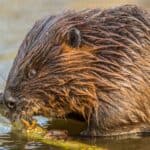
- European beaver populations have broadly recovered compared with historical lows, expanding along smaller rivers, drainage canals, and floodplain oxbows where persecution is low.
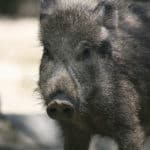
- Wild boar numbers can show sharp declines and rebounds driven by African swine fever control measures, winter severity, and hunting pressure.
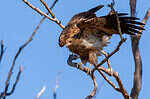
- Several large raptors associated with rivers and wetlands (notably White-tailed Eagle in many parts of European Russia) have generally improved compared with the late 20th century, tracking reduced persecution and better protection-though local outcomes depend on disturbance and nesting-tree availability.
- Ongoing drainage/straightening of small watercourses, loss of floodplain wet meadows, and agricultural intensification continue to pressure wetland and meadow specialists (e.g., snipe, some harriers, amphibians), fragmenting breeding habitat.
- Introduced/expanding generalists in European Russia (e.g., raccoon dog in many regions; American mink along waterways) tend to increase competition/predation pressure on native riparian fauna, contributing to continued rarity of European mink and vulnerability of ground-nesting wetland birds.
Wildlife Viewing
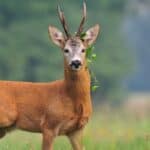
Tambov Oblast is in Russia’s forest-steppe: broadleaf forests, pine groves, the Tsna and Vorona river valleys, meadows, and farmland. Wildlife is best along riverbanks, floodplain wetlands, and protected areas—good for birdwatchers in spring and fall and for tracking mammals in winter. Expect roe deer, wild boar, fox, hare, beaver, muskrat, songbirds, raptors, and wetland birds.
Best Seasons
Spring (late March-May)
Peak bird activity: migration waves along river valleys, loud dawn choruses in woods and shelterbelts, lekking/display behavior in open areas, and strong chances for raptors and waterbirds around floodplains. High water can create temporary wetlands-excellent for shorebirds and ducks. Bring waterproof footwear and plan early-morning outings.
Summer (June-August)
Best for "slow nature" trips: beaver watching at dusk on quiet river bends, butterflies and dragonflies in meadows, and family groups of many mammals and birds. Vegetation is dense, so viewing is best from riverbanks, elevated edges, and open meadows. Mosquitoes can be significant near wetlands-pack repellent.
Autumn (September-November)
Second migration peak: flocks of geese/ducks and passerines moving through the Tsna/Vorona corridors; raptors using thermals on clear days. Forest edges and hedgerows become productive for photography as leaves drop. Expect crisp mornings, foggy floodplains, and excellent light for landscapes + wildlife.
Winter (December-early March)
Best for mammal tracking and quiet observation: fresh snow makes it easier to find roe deer, fox, hare, and boar sign; riverside thickets can hold owls and winter finches. Short days and cold temperatures favor half-day excursions with warm gear and hot drinks; sunrise/sunset are prime.
Top Wildlife Experiences
- Guided nature walk in Voroninsky State Nature Reserve (Inzhavinsky District): focus on forest-steppe ecology, old-growth fragments, and wildlife sign (tracks, feeding traces). Book in advance and follow reserve rules for access.
- Dawn birding along the Tsna River floodplain near Tambov city: scan reedbeds and wet meadows for ducks, herons/egrets in season, marsh-loving songbirds, and raptors hunting the river corridor.
- Dusk beaver watch on quiet stretches of the Tsna or Vorona basin: choose a calm bend with fresh gnaw marks and slides; sit quietly 60-90 minutes before sunset for the best chance of sightings.
- Autumn raptor watch from open high ground at the forest-field edge (any large ridge/raised terrace above the river valleys): look for buzzards, harriers, kestrels, and passing migrants using thermals.
- Night listening walk on the edge of mixed woodland (spring-early summer): target owls and nocturnal calls; combine with a brief spotlight-free scan of clearings for fox/hare activity (keep disturbance minimal).
- Winter 'tracks and signs' route in pine groves and riparian thickets: follow fresh trails to identify species presence (roe deer, fox, hare, boar; plus mustelids if you're lucky). Great for photographers who like storytelling shots.
- Meadow-and-gully exploration in the forest-steppe belt: in late spring/summer, combine wildflower meadows with insect watching (butterflies, bees, dragonflies) and edge birding along shelterbelts.
Wildlife Watching Types
Guided Options
- Voroninsky State Nature Reserve: official guided excursions on approved ecological routes (typically by prior arrangement; inquire about seasonal access, group size limits, and whether bird-focused walks are available).
- Local museum/nature center programs in Tambov and district towns: look for weekend naturalist walks, birding lectures followed by field trips, and seasonal biodiversity days (often aligned with migration periods).
- University or eco-club led birding outings: in many regions, local ornithology/biodiversity groups run spring/fall bird counts that visitors can join with permission-excellent for finding the best floodplain spots.
- Kayak/canoe-based wildlife outings on calm river sections (where rentals exist): best at sunrise/sunset for low-disturbance viewing; ask operators to plan 'quiet paddles' focused on wildlife rather than speed.
- Forest-steppe photo walks with a local guide/photographer: arrange a half-day sunrise session (raptors/fields) or a dusk session (beaver/river) and request ethical viewing practices (no baiting, no playback in sensitive areas).
Ecosystems
Tambov Oblast lies in Russia's forest-steppe belt, creating a mosaic of broadleaf forests, meadow-steppe grasslands, and extensive agricultural land on fertile black soils. Natural ecosystems persist mainly as river-valley floodplains (notably along the Tsna and its tributaries), forest tracts, ravine/gully systems, and lowland wetlands; open water is mostly riverine with scattered ponds and small lakes/reservoirs.
Biomes
Forest-steppe and meadow-steppe communities on fertile black soils; much of the original steppe-like cover has been converted to cropland, with remaining grasslands in field margins, ravines, protected areas, and less-plowed patches.
Patchy remnants; historically widespread, now largely fragmented and often secondary within an agricultural matrix.
Temperate broadleaf and mixed forests typical of the forest-steppe zone, including oak- and linden-dominated stands, with birch/aspen succession in disturbed areas; forests concentrate on poorer soils, sandy terraces, and along river valleys.
Scattered tracts and belts; more continuous locally in river valleys and less arable areas.
River networks (e.g., Tsna basin and tributaries), oxbows, small reservoirs, and ponds support aquatic vegetation, fish communities, and riparian corridors.
Widespread as linear features (rivers/streams) with localized standing waters (ponds/reservoirs).
Floodplain wetlands, seasonally inundated meadows, reedbeds, and peat-forming depressions/oxbow complexes associated with low-gradient rivers; important for waterfowl, amphibians, and nutrient retention.
Localized but regionally important; concentrated in floodplains and lowlands, especially along the Tsna and tributaries.
Habitats
Dominant land cover: extensive grain/row-crop fields on fertile black soils, with shelterbelts, drainage features, and fallows that provide secondary habitat for steppe-edge species.
Meadow-steppe and mesic meadows in protected fragments, ravines, and along river terraces; often species-rich with forb-grass mixtures where not intensively grazed or plowed.
Forest-steppe elements (drier, more steppe-like patches) on well-drained soils and south-facing slopes; typically highly fragmented and vulnerable to conversion.
Broadleaf stands (often oak, linden, maple) in patches and along valleys; provide core forest biodiversity within the forest-steppe landscape.
Open-canopy forest-steppe woodlands and shelterbelt-like tree belts, including secondary birch/aspen growth on former clearings or abandoned fields.
Mixed forest tracts and riparian forests that function as ecological corridors across a heavily cultivated region.
Tsna and tributary channels with riparian strips, sand/silt bars, and oxbow connectivity; key for dispersal and floodplain biodiversity.
Small natural lakes/oxbows and reservoirs (locally important rather than extensive), supporting aquatic plants and breeding waterbirds.
Farm and village ponds and small impoundments; common across the agricultural landscape and important for amphibians and local fisheries.
Floodplain wet meadows, reedbeds, and backwater complexes that expand during spring floods and contract in summer low water.
Reed/sedge-dominated marshes in oxbows, backwaters, and low-lying floodplain depressions; often seasonally inundated.
Small peat-influenced wetlands in depressions and poorly drained lowlands; limited in extent compared with northern regions but present locally.
Cities and towns (e.g., Tambov) with parks and riverfront green space; includes heat-island and disturbance-tolerant species assemblages.
Summer-cottage and garden-allotment belts, peri-urban gardens, and mixed low-density development around settlements, forming semi-natural mosaics with hedgerows and ponds.
Ecoregions
Conservation
Primary Threats
- Ongoing pressure to maximize arable land on highly fertile black-earth soils reduces or fragments remaining steppe remnants, meadow habitats, and small woodlots; field consolidation can remove shelterbelts and uncultivated margins used by ground-nesting birds and small mammals.
- The forest-steppe mosaic has been simplified into large cropland blocks; loss of floodplain meadows through conversion or degradation reduces breeding/foraging areas for rare birds and impacts semi-aquatic species dependent on intact banks and backwaters.
- River regulation, drainage/straightening of small tributaries, and alteration of floodplain hydrology (including pond building and bank reinforcement) reduce oxbows, shallow wetlands, and stable water levels needed by species such as the Russian desman and wetland birds in the Tsna and associated basins.
- Diffuse agricultural runoff (nutrients, pesticides) into rivers and wetlands contributes to eutrophication and reduces aquatic invertebrates and fish prey; localized industrial/municipal discharges near settlements can further degrade water quality in smaller watercourses.
- More frequent summer heat and drought periods in the forest-steppe increase low-flow conditions and drying of shallow wetlands, stressing floodplain ecosystems and amplifying fire risk in grasslands, peatier patches, and reedbeds.
- Invasive/introduced predators and competitors (notably American mink in many Central Russian river systems) can depress native semi-aquatic fauna and exacerbate declines of sensitive species such as the European mink; invasive plants can also simplify floodplain vegetation structure.
- Legal hunting pressure plus occasional poaching can affect waterfowl and large mammals; in floodplains and along reservoirs/pond systems, disturbance and illegal take can be especially harmful during migration and breeding seasons.
- Local overharvest in rivers, oxbows, and ponds can reduce fish biomass and alter food webs, affecting fish-eating raptors and waterbirds; unregulated or poorly controlled fishing in sensitive wetland areas also increases disturbance.
- Recreation, shoreline access, and vehicle use along riverbanks (including in popular fishing spots) can disrupt nesting of wetland birds and degrade riparian vegetation; spring and early-summer disturbance is particularly impactful in floodplain meadows.
- Roads, bridges, and bank stabilization projects can fragment habitats and increase mortality (vehicle strikes), while also enabling greater access for disturbance and illegal harvest in previously quieter floodplain and forest areas.
- Although Tambov is not a major timber region compared with northern oblasts, logging and fuelwood extraction in remaining forest patches can reduce old-growth features and nesting sites, and can simplify riparian woodland structure important for rare birds.
- Extraction of sand, clay, and other construction materials can disturb river terraces and floodplain edges, increasing turbidity and bank erosion and degrading nearby wetlands when poorly sited or inadequately rehabilitated.
- Expansion around Tambov city and other towns increases pressure on nearby floodplains through water demand, wastewater loads, and conversion of peri-urban green zones; this is most pronounced along accessible river corridors.
Did You Know?
Despite being one of Russia's classic black-soil agriculture regions, Tambov Oblast's most wildlife-rich patches are often narrow: oxbow lakes, reedbeds, and floodplain forests along rivers like the Tsna can function as biodiversity "islands" in an otherwise ploughed landscape.
In Tambov Oblast's forest-steppe, forest and steppe animals live close together: elk and forest mustelids in woods, while steppe species like polecats and ground squirrels use open fields and ravines.
Beavers can be a hidden water-management force in Tambov's small tributaries: their dams slow runoff, trap sediment, and create shallow wetlands that are quickly colonized by amphibians and waterfowl-often increasing local biodiversity without any human restoration project.
Some common wetland mammals in Tambov today aren't 'native classics' at all: muskrats (a North American species) were introduced in the Soviet era and became established in many Central Russian river systems, including the Tsna basin.
The "Tambov wolf" is an important symbol, but today's mostly farmed forest-steppe with many towns has far fewer wolves than Russia's unbroken taiga; wolves there are usually passing through or only in the largest, least broken forests.
Voroninsky State Nature Reserve is Tambov Oblast's only federal strict nature reserve and the region's top-tier wildlife refuge; it covers about 10,320 hectares of the Vorona River valley's forest-wetland mosaic.
Tambov Oblast's riparian zones (especially the Tsna and Vorona basins) support the Eurasian beaver-Europe's largest native rodent-whose dam-building can reshape entire small-stream valleys into chains of ponds and wet meadows.
The largest wild herbivore regularly occurring in Tambov Oblast is the Eurasian elk (moose), the world's largest deer species; it persists in the oblast's remaining larger forest blocks within the forest-steppe landscape.
Large river-floodplain habitats in Tambov Oblast can host the white-tailed eagle-Europe's largest eagle by wingspan (up to ~2.4-2.5 m)-a species strongly tied to big-water wetlands and riparian forests like those along the Tsna/Vorona systems.