N S W E
Wildlife Expeditions

Wildlife of
Evrejskaja avtonomnaja oblast'

A compact Amur River oblast where taiga meets Manchurian forests, creating floodplain wetlands and migration corridors that host cranes, storks, and big-game Far Eastern fauna.
8 Species
36,271 km² Land Area
Overview

About Evrejskaja avtonomnaja oblast'

The Jewish Autonomous Oblast (JAO) lies on the middle-lower Amur basin at Russia's border with China. Water shapes its wildlife: river floodplains, oxbow lakes, marshes, and seasonally flooded meadows fed by the Amur and its tributaries. These wetlands, with nearby forested hills, are an important home for Far Eastern life, especially birds, while also holding taiga mammals like moose and brown bear. Key habitats include Amur floodplain wetlands—reedbeds, sedge marshes, and shallow lakes—that serve as resting and feeding stops on major East Asian flyways and as breeding areas for large waterbirds. Above the floodplain, mixed conifer-broadleaf forests and secondary woodlands form a transition between Siberian taiga and Manchurian temperate forest, supporting prey for big carnivores and many forest birds. The JAO stands out for its dense wetlands in a small area and its ecotone (mixing zone), so seasons bring different birds and scenes, from spring meltwater pulses to autumn migrations.

Physical Features

Geography

The Jewish Autonomous Oblast lies in the Amur River basin where wide floodplains, oxbow lakes, and wetlands meet foothills of the Lesser Khingan. This lowland to upland mix gathers waterbirds and migratory species in riparian marshes and river islands. Mixed taiga-temperate forests and montane valleys give paths for Far Eastern mammals and forest birds along the Russia-China border.

36,271 km² Land Area
Small federal subject by Russian standards (in the lower half of Russia's regions by area) Size Rank
Russia Country
Federal_subject Type
Elevation Range

Low Amur floodplains (~50-100 m) to roughly ~1,400 m in the Lesser Khingan uplands

Coastline

No ocean coastline; the region's most coastline-like habitat is its extensive riverbanks and wetland margins, especially along the Amur River and major tributaries.

Key Landscapes

Amur River mainstem and riparian belt (international border reach; river islands, sandbars, backwaters) Amur River basin floodplains with extensive seasonal wetlands, marshes, and oxbow/floodplain lakes Bira and Bidzhan river valleys (key tributary corridors crossing the oblast and linking lowlands to foothills) Lesser Khingan (Small Khingan) foothills and low mountains along the southern border-forest mosaics and elevational refugia Mixed conifer-broadleaf forests (taiga-temperate transition), including riverine willow-poplar galleries and birch-larch stands Meadow and agricultural forest-steppe openings on low terraces (important edge habitat for some birds and ungulates)
Parks & Reserves

Protected Areas

The Jewish Autonomous Oblast lies in the middle Amur basin, with floodplains, oxbow lakes, reedbeds, and riparian forests grading into taiga-mixed forests on low mountains. Its protected areas center on a federal strict nature reserve plus regional sanctuaries and monuments protecting wetlands, bird staging sites on the East Asian-Australasian Flyway, and habitat for Amur tiger and Asiatic black bear.

Protected Coverage

≈15%

National Parks & Preserves

Bastak State Nature Reserve (Государственный природный заповедник "Бастак")

≈90,000 ha (≈900 km²), plus surrounding buffer lands

The flagship federal protected area in the JAO, combining low-mountain forest, river valleys, and wetland complexes important for breeding and migrating waterbirds. It is also a key refuge and movement corridor for Far Eastern forest mammals, including occasional Amur tiger presence linked to the Amur-Ussuri landscape.

Amur tiger (Panthera tigris altaica) Asiatic black bear (Ursus thibetanus) Mandarin duck (Aix galericulata) Oriental stork (Ciconia boyciana) White-naped crane (Antigone vipio)

Bastak State Nature Reserve - Zabelovsky Cluster (Забеловский участок заповедника "Бастак")

≈10,000-20,000 ha (order-of-magnitude; wetland cluster within the federal reserve system)

A wetland-focused cluster associated with Amur-basin floodplain habitats; especially notable for crane and stork feeding/stopover areas, shallow lakes, wet meadows, and reedbeds that concentrate birds during migration.

Red-crowned crane (Grus japonensis) Hooded crane (Grus monacha) Oriental stork (Ciconia boyciana) Steller's sea eagle (Haliaeetus pelagicus) Eurasian otter (Lutra lutra)

Amur River Floodplain Protected Complex (federal-level wetland protection zones along the Amur; includes seasonal-use restrictions on key wetlands/islands)

Variable; multiple sites totaling tens of thousands of hectares (site-based protection)

A set of federally governed protective regimes applied to especially sensitive Amur floodplain habitats (river islands, backwaters, and reedbeds). These areas are primarily valuable for mass concentrations of waterfowl and raptors, and as spawning/nursery habitat supporting fish-eating birds.

Steller's sea eagle (Haliaeetus pelagicus) White-tailed eagle (Haliaeetus albicilla) Oriental stork (Ciconia boyciana) Whooper swan (Cygnus cygnus) Mandarin duck (Aix galericulata)

State & Provincial Parks

Bira-Bidzhan Floodplain Regional Wildlife Sanctuary

Typically tens of thousands of hectares (regional sanctuary scale; boundaries vary by site designation)

Regional floodplain protection emphasizing oxbow lakes, wet meadows, and riparian forest that support high densities of breeding waterbirds and provide critical stopover habitat during spring and autumn migration.

Oriental stork (Ciconia boyciana) White-naped crane (Antigone vipio) Northern goshawk (Accipiter gentilis) Eurasian beaver (Castor fiber) Moose (Alces alces)

Pompeyevsky Ridge Regional Protected Area

Typically hundreds of km² (regional forest reserve scale)

Protects mixed conifer-broadleaf forests and headwater streams that serve as refugia for forest mammals and owls; valuable for tracking and quiet wildlife viewing due to low road density.

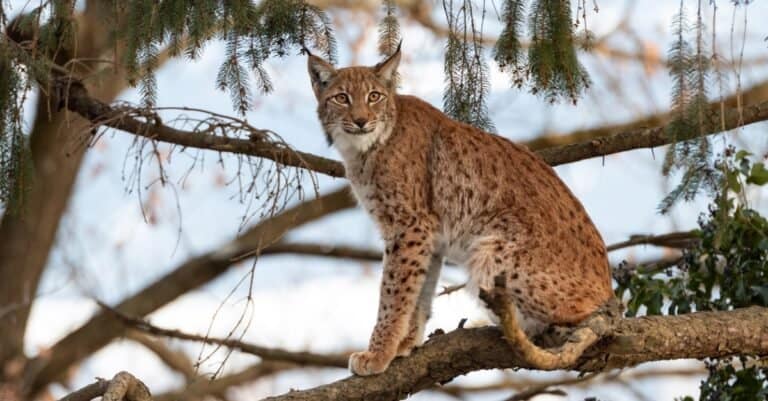
Asiatic black bear (Ursus thibetanus) Sable (Martes zibellina) Eurasian lynx (Lynx lynx) Blakiston's fish owl (Bubo blakistoni) Hazel grouse (Tetrastes bonasia)

Bidzhansky Forest-Wetland Regional Wildlife Sanctuary

Typically tens of thousands of hectares (regional sanctuary scale)

A mosaic of forest edge, wetland, and meadow habitats that helps maintain landscape connectivity between river valleys and uplands; important for ungulates and the predators and scavengers that follow them, and for wetland birds in open basins.

Siberian roe deer (Capreolus pygargus) Wild boar (Sus scrofa) Brown bear (Ursus arctos) White-naped crane (Antigone vipio) Black woodpecker (Dryocopus martius)

Wildlife Refuges

Zabelovsky Cluster (Bastak State Nature Reserve)

Part of Bastak State Nature Reserve (total reserve area reported as 91,375 hectares).

A wetland and floodplain sector of the federally protected Bastak State Nature Reserve in the Jewish Autonomous Oblast, recognized for its importance to migratory and breeding waterbirds (including cranes and storks) and broader Amur-region wetland biodiversity.

Red-crowned crane (Grus japonensis) Hooded crane (Grus monacha) Oriental stork (Ciconia boyciana) Greater white-fronted goose (Anser albifrons) Eurasian marsh harrier (Circus aeruginosus)

Amur River Islands Waterbird Refuge

Variable; multiple island groups totaling thousands to tens of thousands of hectares depending on water level

Protects nesting and roosting sites on river islands and sandbars; especially important for eagles, storks, and colonial waterbirds that require low human presence during breeding and migration stopovers.

Steller's sea eagle (Haliaeetus pelagicus) White-tailed eagle (Haliaeetus albicilla) Oriental stork (Ciconia boyciana) Great egret (Ardea alba) Common goldeneye (Bucephala clangula)

Middle Amur Riparian Forest Refuge

Typically tens to hundreds of km² (linear floodplain refuge complexes)

Targets protection of riparian forest strips and backwater channels that function as travel corridors for mammals and as key foraging habitat for fish-eating birds and owls.

Eurasian otter (Lutra lutra) Amur tiger (Panthera tigris altaica) Blakiston's fish owl (Bubo blakistoni) Mandarin duck (Aix galericulata) Siberian musk deer (Moschus moschiferus)

Wilderness Areas

  • Low-road-density forest blocks of the Bastak Range and adjacent uplands (best remaining continuous backcountry in the oblast)
  • Amur River floodplain backwaters, reedbeds, and oxbow-lake belts (seasonally roadless, high bird concentrations)
  • Bira-Bidzhan interfluve mixed-forest landscape (patchwork of remote headwaters and boggy valleys with limited access)
  • Remote tributary headwaters draining to the Amur (quiet stream corridors used by otter and fish-eating raptors/owls)
Animals

Wildlife

The Jewish Autonomous Oblast (JAO) sits in the lower Amur basin where broad floodplains, oxbow lakes, reedbeds, and riparian forests meet southern taiga and temperate mixed forests. This ecotone creates high bird diversity (especially during spring/autumn migration along the Amur flyway) and a distinctly "Far Eastern" mammal community that includes large ungulates and occasional top predators. Wetlands and slow rivers are central to the wildlife experience, supporting cranes, storks, raptors, and an important but heavily pressured assemblage of Amur basin fishes (including sturgeons).
~60-70 species Mammals
~280-330 species (many migratory) Birds
~7-10 species Reptiles
~6-8 species Amphibians
~70-110 species (Amur basin rivers and floodplain lakes) Fish
Examples

Iconic Species

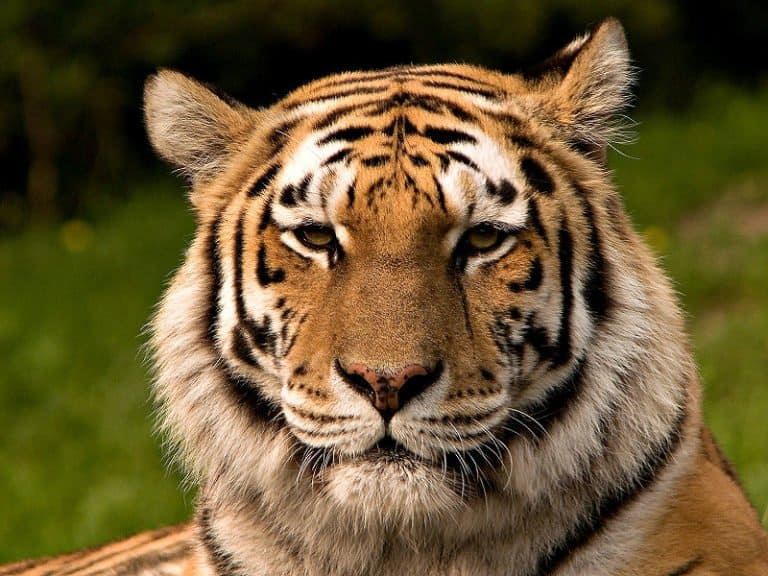
Amur (Siberian) Tiger An emblem of the Russian Far East; JAO lies within the broader Amur tiger landscape, where individuals may disperse along forested river corridors and protected areas such as Bastak Nature Reserve.
Oriental (Far Eastern) Stork A flagship wetland bird of the Amur basin; visitors come to see it in floodplains and marshes where it feeds on fish and amphibians and uses tall trees or platforms for nesting.
Red-crowned Crane One of the world's most celebrated cranes; wetlands of the Amur region are important on its migration routes, and it is a sought-after species for birdwatchers in open marsh landscapes.
Hooded Crane A characteristic migratory crane of the Russian Far East; it uses Amur floodplains and wet meadows as stopover habitat, especially during migration seasons.
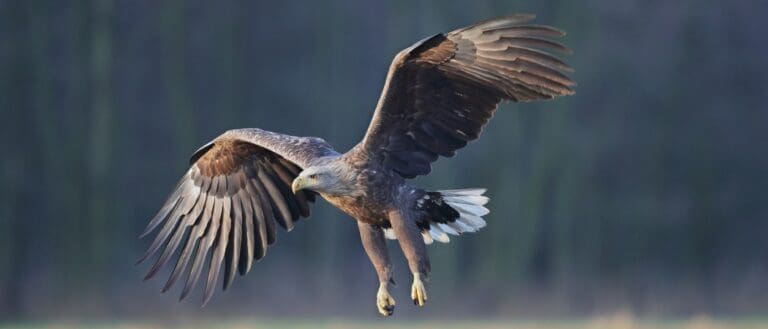
White-tailed Eagle
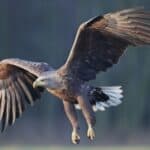
White-tailed Eagle A large fish-eating raptor frequently associated with major rivers and lakes; the Amur and its wetlands provide prime hunting and roosting habitat.
Mandarin Duck A colorful Far Eastern specialty of wooded rivers and oxbow lakes; commonly highlighted in mixed forest-wetland mosaics typical of JAO.
Eurasian Beaver
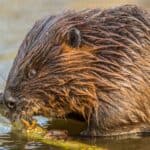
Eurasian Beaver A defining engineer of floodplain streams and backwaters; its dams and canals help create the wetland complexity that drives local biodiversity.
Moose
Moose A prominent large herbivore of swampy forests and riverine thickets; sightings are most likely near wet woodland edges and quiet floodplain habitats.

Endemic & Rare Species

Oriental (Far Eastern) Stork

Ciconia boyciana

IUCN: Endangered (global)

JAO's floodplains are part of the core regional landscape for this species, making protection of nesting sites and foraging wetlands nationally important.

Red-crowned Crane

Grus japonensis

IUCN: Endangered (global)

A wetland-dependent species sensitive to disturbance, fire, and drainage; Amur basin stopovers are critical to maintaining viable migration networks.

Hooded Crane

Grus monacha

IUCN: Vulnerable (global)

Relies on intact marshes and wet meadows during migration; habitat loss and wetland degradation along flyways make high-quality stopovers valuable.

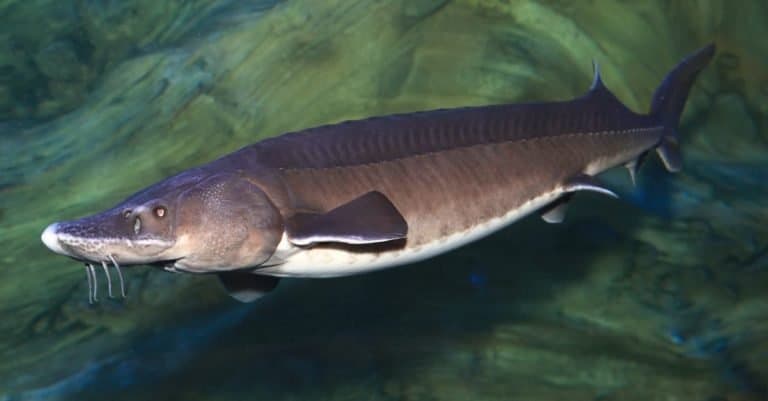
Amur Sturgeon

Acipenser schrenckii

IUCN: Endangered (global)

A signature Amur basin fish; populations have been reduced by overharvest/poaching and habitat impacts, so remaining fish in the Amur system are conservation priorities.

Kaluga

Huso dauricus

IUCN: Critically Endangered (global)

One of the world's largest freshwater fishes, native to the Amur basin; its persistence depends on effective anti-poaching enforcement and river-scale habitat protection.

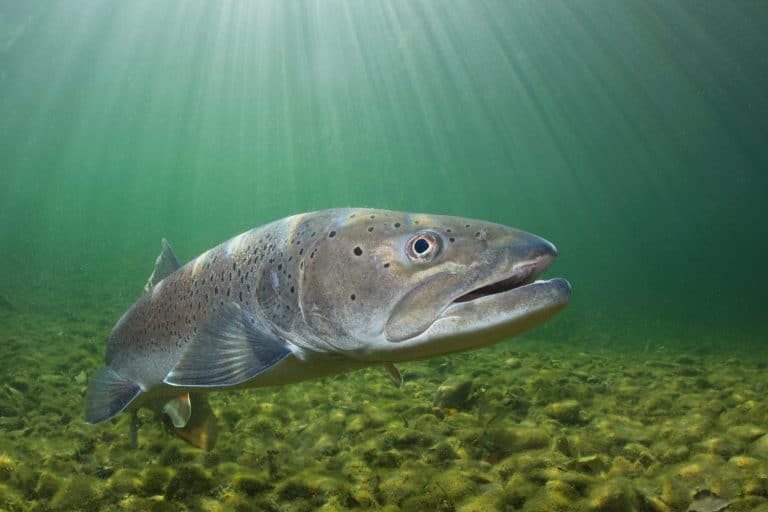
Siberian (Hucho) Taimen

Hucho taimen

IUCN: Vulnerable (global)

A top predatory salmonid of large, cold rivers and tributaries; threatened by overfishing and habitat degradation, making intact tributaries in the region important refuges.

Blakiston's Fish Owl

Ketupa blakistoni

IUCN: Endangered (global)

A rare Far Eastern owl tied to old-growth riparian forests with ice-free fishing areas; any occurrences in or near JAO are highly significant because the species is patchy and habitat-specialized.

Notable Populations

  • Amur basin floodplains in and around JAO function as a major migratory corridor and staging area for East Asian waterbirds (cranes, storks, ducks, geese).
  • Regionally important breeding and foraging habitat for Oriental stork within the Russian Far East wetland network.
  • Nationally significant assemblage of Amur basin fishes, including globally threatened sturgeons (Amur sturgeon, kaluga), making river protection and enforcement outcomes especially consequential.
  • JAO contributes forested connectivity within the broader Amur tiger landscape, supporting dispersal between stronger populations in neighboring regions.

Recent Changes

  • Amur tiger presence has been reported to rebound in parts of the Russian Far East over recent decades, with occasional dispersal into adjoining landscapes; connectivity and prey availability influence how consistently tigers use JAO.
  • Oriental stork numbers have shown improvement in some areas of the Russian Far East where nesting support and protection increased, though breeding success remains vulnerable to disturbance and wetland changes.
  • Continuing declines and high pressure on Amur sturgeons (Amur sturgeon, kaluga) due to illegal harvest and broader river impacts; conservation outcomes depend heavily on enforcement and basin-wide management.
  • Increasing frequency/intensity of landscape fires and altered flooding patterns in parts of the Amur basin have affected marsh and meadow nesting/stopover habitats for cranes and other waterbirds.
  • Warming trends have supported northward or more frequent occurrence of some temperate-associated species (and their parasites), while also stressing cold-water fish habitats in smaller tributaries during warm/low-flow periods.
Visit

Wildlife Viewing

The Jewish Autonomous Oblast on the Amur flyway has floodplains, oxbow lakes, reedbeds and taiga-temperate forests for birding, wetland photos and river and forest visits. Bastak Reserve protects wetlands and has migratory birds and Far Eastern mammals: moose, roe deer, wild boar, brown bear and sable. Look at wetland edges, river corridors and forest openings at dawn and dusk.

Best Seasons

Spring (late April-May)

Peak migration and courtship season in Amur floodplains and reserve wetlands: large movements of geese/ducks, waders, and raptors; cranes and other wetland birds displaying; songbird chorus ramps up in forest edges. Water levels rise, so boat-based or boardwalk-style wetland outings (where available) become especially productive.

Summer (June-August)

Breeding season: consistent bird activity (reedbed specialists, forest passerines), dragonflies and butterflies, amphibians around ponds, and chances of mammal sightings along quiet forest roads at first/last light. Expect lush vegetation (harder long-distance viewing), warm humid conditions, and mosquitoes-bring proper insect protection.

Autumn (September-October)

Second major migration pulse: mixed flocks of waterfowl and shorebirds staging on lakes and flooded meadows; raptor passage on clear days. Forests show strong color, and visibility improves after leaf-fall-often the most comfortable time for photography and longer hikes.

Winter (November-March)

Snow-tracking season: the best time to read the landscape for mammals (tracks of roe deer, wild boar, fox, hare, mustelids; occasionally larger predators by sign rather than sight). Clear, crisp days can be excellent for "quiet forest" photography. Access may be limited by weather/roads, so guided trips are strongly recommended.

Top Wildlife Experiences

  • Birding the Amur floodplains and oxbow lakes near the Amur River: sunrise waterfowl counts, scanning for cranes, waders, and raptors from levees and riverbank viewpoints (best in April-May and September-October).
  • Bastak State Nature Reserve (near Birobidzhan): ranger-led wildlife walk focused on mixed forest-wetland edges, looking for woodpeckers, owls, forest passerines, and fresh mammal sign (best year-round; highest bird diversity May-July).
  • Wetland photography session in Bastak's wetland-focused areas (reserve clusters): low-angle reeds-and-reflections shooting, listening for reedbed birds, and scanning for herons/egrets and migrating flocks in shoulder seasons.
  • Dusk roadside mammal watch on quiet forest tracks around Bastak-buffer habitats: slow drive/short walks to spot moose/elk, roe deer, wild boar, and fox at the forest edge (best June-September, also early autumn).
  • Autumn raptor and migration day: position on open viewpoints along river corridors and floodplain margins to watch passing hawks/eagles and mixed passerine movements (September-early October).
  • Winter snow-tracking workshop with a local guide: follow fresh tracks to learn movement patterns, feeding signs, and safe wildlife observation ethics in taiga-temperate forest (December-March).
  • Amur River nature outing (seasonal): short boat or riverside excursions focused on wetland birds, river landscapes, and (with luck) fish-eating birds and mammals along calm backwaters (late spring through early autumn, subject to local conditions/permits).

Wildlife Watching Types

Migratory birding on the Amur Basin flyway (waterfowl, cranes, waders, raptors) Wetland and floodplain wildlife photography (reeds, oxbows, staging flocks, dawn/dusk light) Forest birding (woodpeckers, owls, mixed flocks, songbirds in breeding season) Mammal watching at forest edges (moose/elk, roe deer, wild boar, fox; often by sign) Snow-tracking and winter ecology trips (tracks, scat, feeding sign; occasional predator sign) River-and-lake outings (boat-based or shore-based scanning, depending on access and season) Night listening/spotting walks for owls and nocturnal wildlife (guided, limited-impact)

Guided Options

  • Bastak State Nature Reserve visitor programs: contact the reserve administration for permitted routes, ranger-led excursions, and rules for accessing protected zones (permits/advance coordination often required).
  • Birobidzhan-based nature guides for custom birding days: floodplain migration scouting, dawn stakeouts, and logistics for reaching productive wetlands and forest edges.
  • Specialized birding/photo tours timed to spring and autumn migration: small-group trips that prioritize staging areas, raptor movement days, and ethical distance/fieldcraft.
  • Winter tracking and naturalist interpretation outings (local guides): focused on mammal signs, taiga ecology, and safe travel in snow conditions.
  • Seasonal river outings arranged through local operators (where available): short Amur/backwater trips emphasizing birds and landscape photography; always confirm border-zone and navigation rules in advance.
Habitats

Ecosystems

The Jewish Autonomous Oblast lies in the middle Amur Basin along the Amur River border with China. Lowlands have broad floodplains, oxbows, peatlands, and big wetlands that host migratory birds. Nearby hills and low mountains (Lesser Khingan-type) hold mixed temperate forests that grade into taiga-like conifer stands on colder high sites. Farming is in fertile valleys.

Biomes

Temperate Forest

Amur-Manchurian mixed forests dominate many uplands and foothills, with broadleaf-conifer mixes (e.g., oak/birch/aspen with spruce/fir/larch on cooler sites) and rich river-valley woodlands.

Widespread in foothills and lower mountains; one of the dominant biomes region-wide (~40-60% combined with boreal elements depending on district).

Boreal Forest (Taiga)

Cooler taiga-like conifer forests occur on higher elevations, north-facing slopes, and colder continental interiors, with larch and spruce-fir components and simplified understories relative to mixed forests.

Patchy to extensive in northern/upper-elevation tracts and colder slopes (~15-35%).

Wetland

Large floodplain wetlands, peatlands, sedge-reed marshes, and seasonally inundated meadows along the Amur and major tributaries create key stopover/breeding habitat for waterfowl and other migratory birds.

Concentrated in the Amur lowlands and major valley bottoms; locally extensive (~10-25% in lowland areas, lower in uplands).

Freshwater

The Amur River and its tributary network (channels, oxbows, backwaters) drive high aquatic productivity and dynamic habitats shaped by ice, floods, and sediment deposition.

Linear but ecologically dominant along the Amur corridor and major rivers; many oxbow and floodplain water bodies in lowlands.

Temperate Grassland

Floodplain meadows, open valley grasslands, and steppe-like patches occur where flooding, fire, or land clearing maintains open vegetation, often adjacent to wetlands and riparian woods.

Scattered pockets in river valleys and human-influenced landscapes (~2-10%).

Habitats

Forest

Extensive mixed forest cover across hills and low mountains; includes both primary stands and secondary regrowth after logging/fire.

Deciduous Forest

Broadleaf stands (e.g., birch, aspen, oak in warmer/southern exposures) common in foothills and as post-disturbance forests.

Coniferous Forest

Larch, spruce, and fir forests on cooler slopes and higher ground; more continuous toward the north and in upland blocks.

Woodland

Open-canopy riparian woods and forest-meadow mosaics on terraces and valley margins; important ecotones for wildlife.

Grassland

Floodplain and valley meadows, including wet meadows that shift seasonally with inundation and drying.

Shrubland

Willow/alder shrub thickets on river bars, cutbanks, and wet margins; common in early-successional floodplain zones.

Mountain

Low mountain and ridge systems (Lesser Khingan-related uplands) with strong slope/aspect effects on forest composition.

Cliff/Rocky Outcrop

Localized rocky outcrops and steep river-valley bluffs providing nesting/denning microhabitats and erosion-driven succession.

River/Stream

The Amur and major tributaries with braided/side-channel sections, seasonal ice cover, and flood pulses that maintain habitat diversity.

Lake

Oxbow lakes and floodplain lakes formed by channel migration; variable connectivity to the main river during floods.

Pond

Small floodplain ponds, beaver-like impoundment analogs, and human-made ponds that support amphibians and waterbirds.

Wetland

Complex wetland mosaics (marsh-meadow-shrub swamp) across the Amur floodplain and tributary bottoms.

Swamp

Forested and shrub swamps in poorly drained floodplain depressions and abandoned channels.

Marsh

Sedge/reed marshes and shallow emergent wetlands-highly productive and critical for migratory birds.

Bog

Peaty wetlands and waterlogged basins, especially where drainage is impeded; includes acidic, moss-influenced patches in colder areas.

Agricultural/Farmland

Valley-bottom croplands and hayfields on flatter, more fertile soils; creates strong edge effects with adjacent wetlands/forests.

Urban

Built-up areas (e.g., Birobidzhan and settlements) concentrated along transport corridors and river valleys, with fragmented green spaces.

Ecoregions

Manchurian mixed forests Amur meadow steppe
Protection

Conservation

Primary Threats

  • Commercial and illegal logging in mixed conifer-broadleaf forests (including riparian forests) fragments habitat, reduces old-growth structure needed by cavity nesters/raptors, increases road access for poaching, and elevates erosion/sediment loads into Amur tributaries and wetlands.
  • Conversion and degradation of floodplain meadows, marsh edges, and forest patches near settlements and transport lines reduce nesting/foraging areas for cranes and storks and interrupt movement corridors for wide-ranging mammals along the Amur basin.
  • Flood-control embankments, channel works, drainage/straightening of small rivers, and wetland reclamation alter the Amur floodplain's seasonal inundation patterns, simplifying habitats (fewer shallow-water marshes/oxbows) critical for migratory birds and spawning fish.
  • Major rail and road routes (including the Trans-Siberian corridor) and associated expansion increase wildlife mortality (vehicle collisions), create barrier effects across floodplains, and open previously remote forest to logging and hunting pressure.
  • Sedimentation and runoff from logging roads, municipal wastewater near urban centers (e.g., Birobidzhan area), and localized industrial/mining discharges degrade water quality in tributaries feeding Amur wetlands, affecting fish, amphibians, and the prey base for fish-eating birds.
  • Placer and hard-rock extraction (where present) can disturb riverbeds and floodplain soils, increase turbidity and heavy-metal risks, and leave a legacy of disturbed land that is slow to recover in the humid continental Far Eastern climate.
  • Illegal hunting and snaring pressure on ungulates (e.g., roe deer and wild boar) reduces prey availability for large carnivores and can also directly threaten rare predators when snares are set in forest-floodplain edges.
  • Proximity to an international border increases risk of trafficking in high-value wildlife products (e.g., parts of large carnivores and some medicinal/ornamental species), complicating enforcement and incentivizing poaching.
  • Fishing pressure in the Amur system (including illegal harvest) threatens large, late-maturing migratory fish such as sturgeons, particularly when combined with habitat disturbance and water-quality impacts.
  • Seasonal human activity (fishing, recreation, haymaking, and access via winter roads) can disturb breeding and staging sites in open wetlands and floodplain islands, increasing nest abandonment risk for sensitive waterbirds.
  • As forests are fragmented and wild prey reduced, occasional conflicts can rise (predators near villages, crop damage by ungulates), which can lead to retaliatory killings or pressure to remove wildlife from key habitats.
  • Disturbed floodplain soils and transport corridors facilitate the spread of invasive or aggressively expanding plants that simplify meadow-marsh mosaics; aquatic introductions and bait releases can also alter fish communities in oxbows and small lakes.
  • High-density bird congregation in Amur wetlands during migration elevates vulnerability to avian diseases (including avian influenza), with potential impacts on already small populations of rare cranes and storks.
  • Shifts toward more extreme floods/droughts and warmer winters can alter floodplain hydroperiods, increase wildfire risk in surrounding forests, and change ice and flow regimes that affect fish spawning and wetland food availability for migratory birds.
  • Where floodplain margins and gentle slopes are converted to cropland or intensified, remaining wetlands can become more isolated and exposed to fertilizer/pesticide drift, reducing invertebrate and amphibian prey availability for wetland birds.
  • Incremental expansion around population centers increases pressure on nearby riparian corridors (shoreline hardening, drainage, disturbance), which are disproportionately important refuges and movement routes in a heavily linear river landscape.
Fun Facts

Did You Know?

"Taiga with vines" is real here: in the JAO's mixed Amur-basin forests, you can encounter a temperate-forest mashup where northern conifers stand alongside lianas (woody vines) like Amur grape and actinidia-plants many people associate with much warmer latitudes.

The Amur's snakehead can 'breathe': the Amur basin includes the northern snakehead (Channa argus), a predatory fish that can gulp air using a suprabranchial (air-breathing) organ-an advantage in warm, stagnant floodplain backwaters that can become oxygen-poor.

Storks and raptors often use human-built structures: in the Amur lowlands, large birds (including storks) commonly adopt man-made platforms, pylons, and tall solitary trees along open floodplains-so "wild" nesting can be surprisingly tied to the built landscape.

Wildlife along the Amur River is shared: animals from sturgeons to migratory waterbirds cross the Russia-China border freely, so a nest or spawning site on one side can depend on habitat on the other.

Floods create wildlife 'reset buttons': the Amur's big flood years can abruptly rearrange sandbars, backwaters, and reedbeds-temporarily boosting some wetland birds and fish while wiping out other patches-so prime habitat can shift noticeably from one season to the next.

Amur tiger at the edge of its range: forests in the Jewish Autonomous Oblast, especially near Bastak, mark the northern fringe of its range. The Amur tiger is the world's largest living cat by weight and length.

The Amur River by the JAO is home to the kaluga (Huso dauricus), one of the biggest freshwater fish. Old records say some were over 5 m long and about 1,000 kg.

A "two-sturgeon" river system: the Amur bordering the JAO is famous for supporting both kaluga and Amur sturgeon (Acipenser schrenckii) in the same basin-an iconic sturgeon stronghold in Northeast Asia compared with many rivers that have lost their native sturgeons.

The Amur floodplains and wetlands in and near the JAO lie on the East Asian-Australasian Flyway and are key stopover and breeding sites in Russia for large, threatened waterbirds like the Oriental stork (Ciconia boyciana) and cranes.

Thank you for reading! Have some feedback for us?