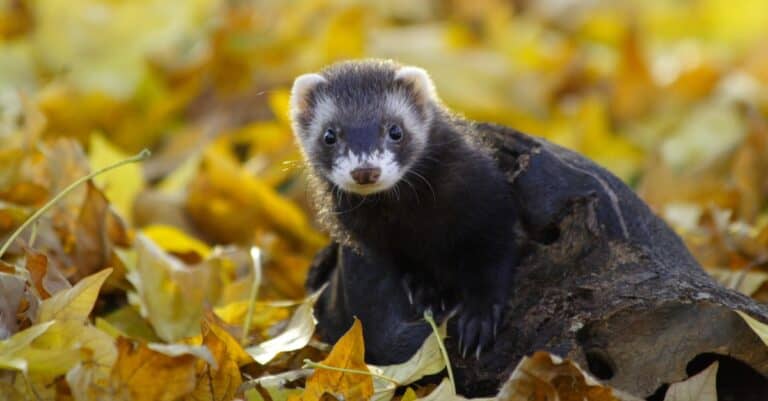
European Polecat
Masked hunter with a musky warning

Smolensk Oblast sits on the East European Plain where mixed conifer-broadleaf forests meet a cool continental climate. Large spruce and pine stands, birch and aspen patches, and areas of oak-linden woodland make layered homes for elk, wild boar, red fox, pine marten, woodpeckers, owls, and many small songbirds. Much land outside towns is lightly settled, so wildlife often feels like it is in deep woods.
The region also has wide wetlands and river corridors fed by headwaters that flow into the Dnieper basin and other systems. Floodplain meadows, alder swamps, peatlands, and lakes support beavers, frogs, fish nurseries, and many wading and hunting birds. Seasonal changes—spring thaw, autumn migration, winter tracking in snow—shape where animals gather. Smolensk is a “headwaters country” where boreal and broadleaf species live close together, and its borderland position forms a route toward Belarus for migrating birds and large mammals.
Smolensk Oblast lies on the East European Plain near headwaters of major rivers, notably the Dnieper. Wildlife is shaped by mixed conifer-broadleaf forests, floodplains, and peatland wetlands. A cool continental climate and glacial terrain with many small lakes and bogs support forest and riparian species, while upland ridges and well-drained interfluves create drier patches that add biodiversity.
Approximately ~130-320 m above sea level (low river valleys to upland ridges)
None (landlocked; aquatic habitats are dominated by rivers, floodplains, wetlands, and numerous inland lakes)
≈8-10% (approx.; depends on whether smaller regional monuments/zakazniks are included in the accounting)
The flagship wildlife-viewing landscape in the oblast: a large lake-and-forest mosaic with extensive wetlands, boggy shorelines, and old mixed forests. It is especially notable for waterbirds and raptors around the lakes, plus healthy populations of wetland-dependent mammals (beaver/otter) and classic East European forest ungulates.
A headwaters-and-wetland protected landscape around the Dnieper's origin area, with spring-fed streams, alder carrs, wet meadows, and peatland edges. Good for riparian birds, amphibians, and signs of beaver/otter in quiet backwaters.
A large protected lake-and-forest landscape in Smolensk Oblast, created to conserve the region's glacial lakes, mixed forests, and wetland habitats. Notable for supporting a diverse set of forest mammals and wetland-associated wildlife.
A large protected area in Smolensk Oblast safeguarding a lake-rich glacial landscape of forests, wetlands, and shorelines. It is important habitat for waterbirds and wetland-associated mammals and helps conserve connected lake and bog ecosystems.
Protected river-valley segments and floodplain forests that support spawning and juvenile fish habitat, amphibians, and rich birdlife along oxbows, wet meadows, and riparian woods-important as movement corridors across an otherwise forest-agriculture mosaic.
Smolensk Oblast lies in the mixed conifer–broadleaf zone of the East European Plain. It has many bogs, floodplains, lakes (notably the Smolensk Lakeland), and patchy forests. Spruce and pine stands mix with oak–lime–birch woods and wet river corridors. These habitats support typical western Russian woodland animals: moose and wild boar, beavers that shape streams, and many birds such as grouse, cranes, raptors, and waterfowl. Most species occur around lake districts, peatlands, and the Dnieper headwaters, where water areas and old forest patches hold rare breeding birds and semi-aquatic mammals.

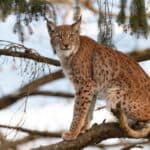
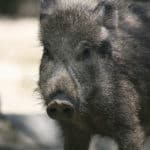
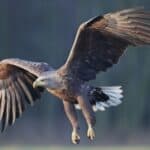
Smolensk Oblast has classic East European Plain wildlife: mixed spruce-pine and broadleaf forests, lakes, peatlands, wetlands, and river areas near the Dnieper headwaters. Look for woodland mammals (moose/elk, roe deer, wild boar, beaver) and many birds (forest grouse, raptors, cranes, migrating waterfowl). Great for photos, especially in Smolensk Lakeland National Park.
Peak bird migration and courtship: cranes and waterfowl on thawing wetlands, drumming woodpeckers, early raptor activity (osprey/white-tailed eagle possible near larger lakes). Forests wake up with amphibian choruses and fresh tracks on muddy roads. Best for birding and soundscapes; dress for cold mornings and wet trails.
Long days for canoeing and quiet lake/river exploration. Look for beaver at dusk, otter sign along clean rivers, and a high diversity of songbirds and dragonflies around marshes. Good for family-friendly wildlife time, but plan around mosquitoes and ticks and target dawn/dusk for mammals.
Prime season for large mammals: moose/elk activity increases, deer are more visible at forest edges, and beavers intensify food-caching near lodges. Forests are photogenic, mushrooms abound, and migrating geese/ducks stage on lakes. Cooler air improves comfort and reduces insects.
Best for tracking: fresh snow reveals fox, hare, wolf/lynx (rare) routes, plus clear signs of boar and moose. Silent ski or snowshoe outings can produce close encounters at feeding areas and along forest roads. Watch for wintering owls and flocks of tits and waxwings; bring optics and warm layers.
Smolensk Oblast, on the East European Plain in western Russia, has a cool continental climate and mixed conifer-broadleaf forests, large river valleys, peatlands, and lake districts. Near the headwaters of basins like the Dnieper, it has many riparian corridors, floodplain meadows, and wetlands that make varied habitats alongside farming and managed forests.
Dominant matrix of mixed broadleaf-conifer forests (spruce/pine with birch, aspen, oak and other broadleaves), including secondary stands shaped by forestry and historical land use; rich understory and numerous forest-edge mosaics.
Widespread across most of the oblast; the primary terrestrial biome (roughly the majority of land area).
Taiga-influenced coniferous elements (spruce and pine) and colder-site communities on poorer soils, with a more northern character in species composition and structure than the southern mixed-forest patches.
Patchy; more common in the north and on nutrient-poor sandy/peaty substrates.
Headwater rivers, meandering lowland streams, floodplain waters, and numerous small lakes/ponds; strong riparian influence due to dense drainage and basin divides.
Linear network throughout; locally extensive in river valleys and lake districts.
Peat-forming bogs and fens, swampy forest depressions, and seasonally flooded floodplains; includes mire complexes and wet meadow systems.
Significant, especially in low-lying areas, forest depressions, and major river floodplains; scattered but locally dominant.
Extensive managed and semi-natural forest landscapes forming the main habitat matrix, with frequent edge mosaics and secondary regrowth.
Birch/aspen-dominated secondary forests and mixed broadleaf stands (including oak in warmer sites), often on richer soils and around settlements.
Pine and spruce stands on sandy or colder/wetter sites; includes production forests and more natural spruce-dominated patches.
Open, fragmented tree cover in forest-field mosaics, including shelterbelts and regenerating cutovers.
Floodplain meadows and hayfields, plus dry meadow patches on glacial/river terraces; important for ground-nesting birds and pollinators where managed traditionally.
Willow/alder shrub zones along rivers and wet margins, and early-successional shrub growth on abandoned fields.
Dnieper headwaters and tributary networks with broad riparian belts, oxbows, and alluvial habitats; key movement corridors for wildlife.
Numerous small lakes (including glacial/kettle types in places) with reedbeds and mixed aquatic vegetation; often linked to wetland complexes.
Small natural and artificial ponds (including former peat workings and farm ponds) supporting amphibians and waterfowl.
Mosaics of fens, wet meadows, and swampy lowlands; high seasonal water variability in floodplains.
Alder and mixed swamp forests in poorly drained depressions and along slow-flowing channels.
Reed- and sedge-dominated margins of lakes and slow rivers; common in floodplain backwaters.
Peat bogs/mire systems with sphagnum communities and acidic pools in low-lying areas.
Large areas of cropland and pasture interspersed with remnant forest patches, field margins, and drainage features.
Urban ecosystems centered on Smolensk and other towns (parks, riverside embankments, brownfields) embedded within the forest-agriculture matrix.
Dacha belts and peri-urban mosaics of gardens, small fields, and mixed woodland, often increasing edge habitat and synanthropic species.
Smolensk Oblast sits on a water divide: some streams flow to the Black Sea via the Dnieper, while others go to the Caspian Sea via the Ugra → Oka → Volga, so nearby wetlands feed different river networks.
Smolensk's wetlands and mature forests also host the shy black stork (Ciconia nigra). It nests deep in woodlands and forest swamps, avoids people, so you may not see it in stork country.
Tea-colored bog water, stained by peat tannins, can be rich in life. Headwater streams and wetlands support amphibians, invertebrates, and fish, and make feeding zones for otters and fish-eating birds where bog channels meet clearer lakes.
In Smolensk Lakeland landscapes (mixed forest with wet hollows), beaver dams can turn small headwater creeks into stepping‑stone wetlands, helping frogs and newts and increasing local bird diversity by adding shallow shoreline.
Birthplace of a giant river: the Dnieper River starts in Smolensk Oblast near Bocharovo in Sychyovsky District. At about 2,200 km long, it is one of Europe’s longest rivers and its Black Sea basin begins in these forests and bogs.
Europe's largest deer lives in the oblast: the Eurasian elk (moose, Alces alces)-the biggest member of the deer family in Europe-uses Smolensk's forest-wetland mosaic for feeding (willow/aspen) and cover.
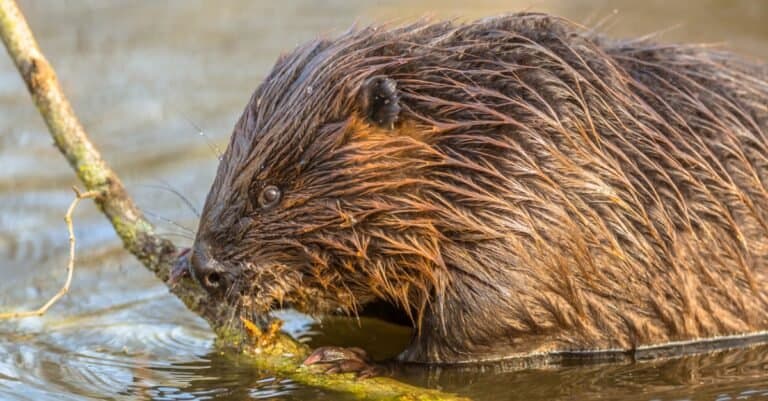
The Eurasian beaver (Castor fiber), the largest rodent in Europe, lives in the Dnieper/Desna/Ugra headwater network in Smolensk Oblast. Its dams create chains of ponds and wet meadows.
The white-tailed eagle (Haliaeetus albicilla), often called Europe's largest eagle by wingspan, is found in Smolensk Oblast, especially in Smolenskoye Poozerye's lakes and wetlands where fish-eating birds of prey live.
2 species documented in our encyclopedia
Thank you for reading! Have some feedback for us?
We appreciate your help in improving our content.
Our editorial team will review your suggestions and make any necessary updates.
There was an error submitting your feedback. Please try again.