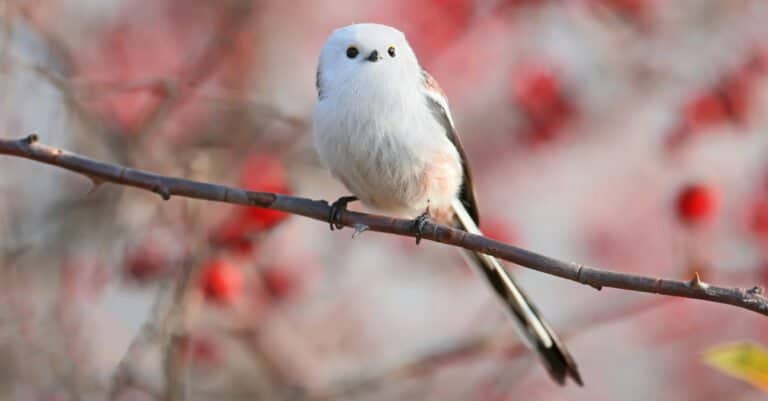
Long-Tailed Tit
Long tail, tight flock, big personality

Long tail, tight flock, big personality

Taiga's "black gold" marten
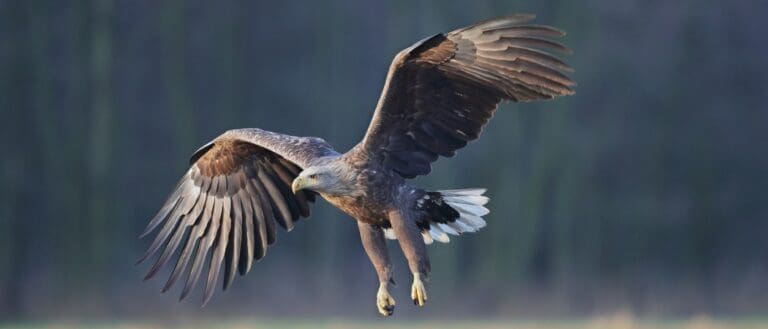
Wedge-tailed ruler of northern waters
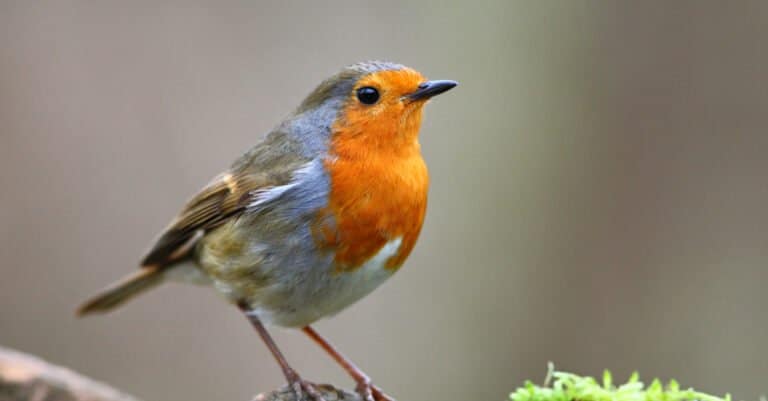
Tiny bird, huge attitude.
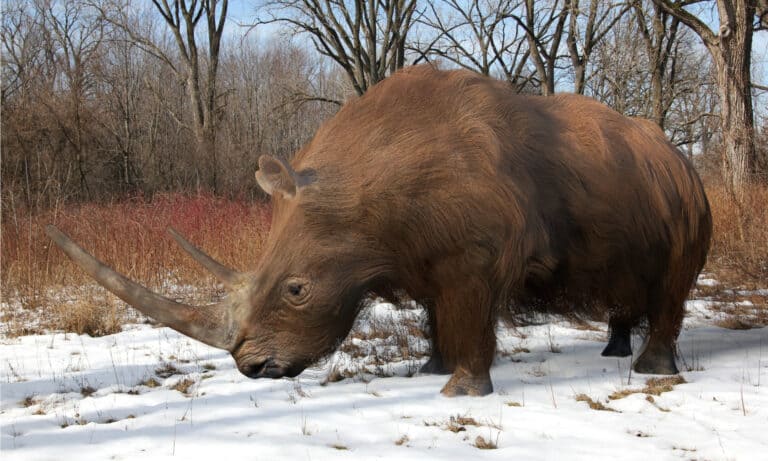
Shaggy titan of the mammoth steppe

Green-flanked sprinter of the sands
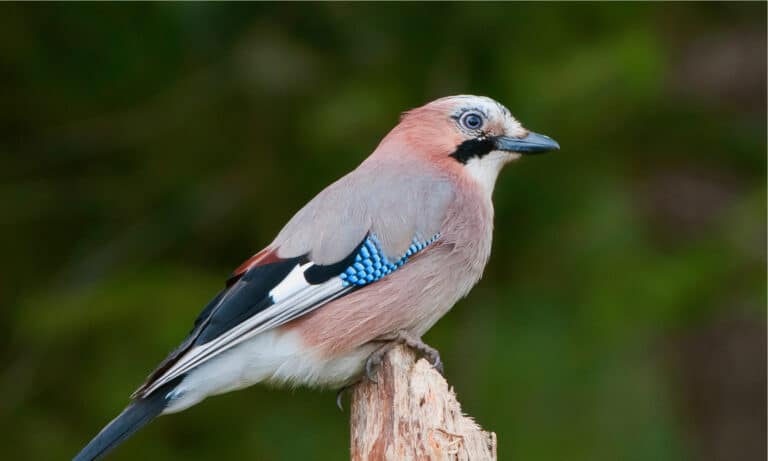
Oak Forest Planter with a Blue Flash
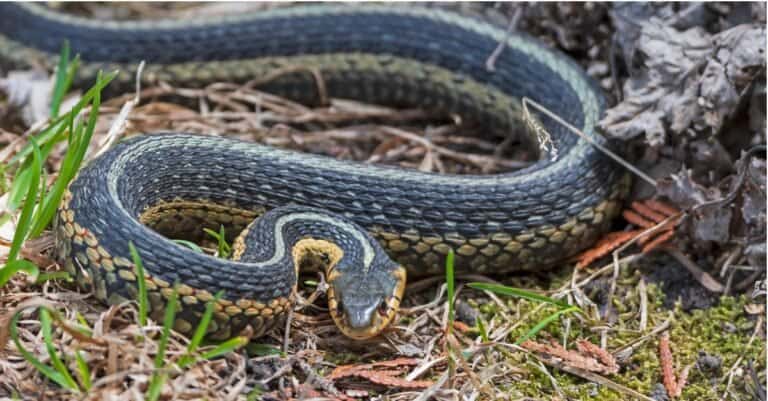
The wetland snake that plays dead
Kemerovo Oblast has a contrast: the crowded Kuznetsk Basin sits next to wide taiga slopes and rugged highlands where big mammals and secretive forest birds still live. It is southwestern Siberia’s edge where West Siberian forest-steppe changes into darker, wetter mountain taiga, creating a mix of open-country and deep-forest species. Main places are the Kuznetsk Alatau mountains and the forested ridges and river valleys of Mountain Shoria. There are spruce-fir and Siberian pine (cedar) forests, boggy taiga flats, and subalpine meadows. Cold rivers like the Tom, Kondoma, and Mrassu hold salmonids such as grayling and locally taimen. Floodplains and forest-steppe patches have roe deer and many raptors. Compared with flatter West Siberia, Kuzbass offers quick access from cities to mountain-taiga, rivers, and protected areas like Kuznetsk Alatau Nature Reserve and Shorsky National Park, where snow tracks and dawn bird songs feel far from the mines.
Kemerovo Oblast (Kuzbass) lies where the West Siberian lowlands meet the Kuznetsky Alatau uplands. Habitats change from forest-steppe valleys to dark conifer taiga and alpine/subalpine zones. Big rivers like the Tom (an Ob tributary) make migration routes and riverside habitats. The Kuznetsk Basin’s plains and mining areas break up habitats, pushing wildlife into forest blocks, mountains, and protected river catchments.
Approximately ~70-2,178 m (low river valleys/forest-steppe up to the highest peaks of the Kuznetsky Alatau), supporting habitats from floodplains and steppe-edges to montane taiga and alpine meadows
Kemerovo Oblast (Kuzbass) protects nature with two big federal core areas in the Kuznetsk Alatau and Mountain Shoria, plus regional wildlife sanctuaries, nature monuments (relic forests, caves, rock outcrops) and river-valley sites. These areas protect dark conifer taiga, mountain tundra and alpine meadows, river headwaters, large carnivores and taiga ungulates from coal mining pressures.
≈12-13% of the oblast (order-of-magnitude estimate; varies by how regional zakazniks/nature monuments are counted)
One of the best-preserved mountain-taiga landscapes in southwestern Siberia, protecting the upper basins of Shoria rivers and extensive cedar-fir forests that support taiga mammals and raptors; valued for low-fragmentation habitat and wildlife viewing by river valleys.
A strict-protection reserve safeguarding high-elevation taiga, subalpine meadows, mountain tundra, and headwater ecosystems of the Kuznetsk Alatau; important for intact predator-prey systems and sensitive alpine/taiga fauna.
A protected Tom River terrace/forest complex (with cultural heritage) that also functions as an accessible refuge for river-valley wildlife and migratory birds near the regional capital-useful for easy wildlife observation in a heavily developed area.
A rare relic broadleaf (linden) forest enclave within a predominantly taiga region; notable for high local plant/insect diversity and as a shelter habitat for forest birds and small mammals.
A set of regional protected parcels around Mountain Shoria that help maintain connectivity between the national park and surrounding taiga ridges, supporting wide-ranging mammals and spawning rivers.
A regional wildlife sanctuary aimed at conserving taiga and river habitats (including nesting and foraging areas for forest birds and raptors) and maintaining refuge conditions in a landscape with increasing human use.
Floodplain and riparian sanctuary protecting wetlands, oxbow lakes, and riverine forests; important for waterbirds and as a migration stopover along the Tom River.
Sanctuaries focused on conserving the remaining large forest tracts on/around the Salair Ridge, important as stepping-stone habitats and for maintaining regional genetic connectivity of forest mammals.
Kemerovo Oblast (Kuzbass) sits at a junction of West Siberian forest-steppe, boreal taiga, and the foothills/mountains of the Altai-Sayan system (notably Kuznetsk Alatau and Mountain Shoria). This mix produces high habitat diversity-from river floodplains and marshy lowlands to dark conifer forests and alpine meadows-supporting a classic south-Siberian fauna. The best wildlife experiences are typically in large forest tracts and protected areas (e.g., Kuznetsk Alatau Nature Reserve and Shorsky National Park), while intensive coal-mining landscapes create fragmentation and pressure near major valleys.


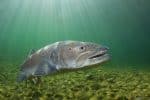
Kemerovo Oblast (Kuzbass) has classic southwestern Siberian wildlife across taiga, forest-steppe, mountain rivers, and alpine meadows. Key places—Kuznetsky Alatau Nature Reserve, Shorsky National Park, Salair Ridge—hold moose, brown bear, Siberian roe deer, grouse, owls, raptors, plus waterfowl and songbirds. Best viewing uses protected areas, summer daylight, or winter snow tracking with local rangers/guides.
During migration and mating season, cranes, geese, ducks and other waterfowl gather on thawing rivers and floodplains; woodland edges fill with owls and drumming woodpeckers. Forest-steppe near the Tom River is good for early birding. Expect muddy roads in the spring thaw (mud season), variable temperatures, and limited access—plan flexible day trips and use local guides.
Peak access and peak diversity: long daylight, passable forest roads, and active mammals along river valleys. Prime time for hiking in Kuznetsky Alatau and Shorsky National Park, river-based wildlife viewing (rafting/kayaking), and photographing taiga birds. Expect mosquitoes in wetlands/taiga, afternoon storms in mountains, and best viewing early/late in the day.
Best overall for big-mammal chances and photography: crisp air, fewer insects, and strong activity as animals feed before winter. Great for rut-season ungulates (moose/roe deer) at dawn/dusk, and for raptors and mixed flocks during fall movement. Larch and birch color in mountain valleys makes scenic wildlife hikes. Nights can be cold; early snow is possible in higher elevations.
Snow tracking and forest birding: fresh snow makes tracks easy to read, and many birds concentrate around conifers and river corridors. Combine Sheregesh-area winter trips with day wildlife tracking in nearby taiga (with a guide). Expect severe cold, short daylight, and the need for proper clothing and safety planning; some protected areas require advance permission and/or ranger accompaniment.
Kemerovo Oblast (Kuzbass) spans the shift from West Siberian lowlands to the Altai‑Sayan mountains, creating taiga, forest‑steppe and montane belts. River valleys like the Tom cut through coal plains. Kuznetsk Alatau, Salair Ridge and Mountain Shoria have cold wet conifer forests and small alpine patches. Mining, urban areas and farming alter the land, but large forests and headwaters remain important.
Dominant taiga landscapes of Siberian conifers (pine, spruce, fir, larch) across much of the oblast, especially in the north and in montane-foothill areas; includes dark conifer forests in wetter mountain settings.
Widespread; roughly the majority of the territory (about half to two-thirds), strongest in northern and upland/montane areas.
Forest-steppe and steppe-like openings in the Kuznetsk Basin lowlands and broad valleys, with meadow-steppe grasses and scattered birch/aspen groves; often converted to cropland and pasture.
Patchy but prominent in central/southwestern lowlands and valley bottoms; roughly a quarter to a third locally (lower where forests dominate).
Mixed and deciduous-dominated stands (birch, aspen) on disturbed sites, foothills, and forest-steppe mosaics; often secondary forests following logging, fire, or land conversion.
Intermixed with taiga and forest-steppe; locally common but not the dominant regional biome (broadly ~10-20% as mixed/deciduous components within mosaics).
High-elevation belts above treeline in the Kuznetsk Alatau and Mountain Shoria: alpine meadows, cold rocky slopes, and tundra-like communities in the highest ridges and summits.
Limited to highest mountains; small overall area (generally <5%).
Large river network of the Ob basin (Tom and tributaries such as the Inya and Kondoma), floodplains, oxbows, and reservoirs supporting riparian forests, aquatic vegetation, and fish communities.
Linear and valley-confined but regionally important; small areal footprint (a few percent) spread across the oblast.
Bogs, fens, wet meadows, and floodplain wetlands in lowlands and poorly drained depressions, plus peat-forming sites in cooler/wetter areas.
Scattered; locally significant in lowlands and floodplains but limited overall (typically a few percent).
Taiga and montane dark-conifer forests (spruce-fir-pine/larch), especially in the Kuznetsk Alatau, Salair, and Mountain Shoria; key for large mammals and watershed protection.
Birch and aspen forests common in forest-steppe mosaics and as secondary regrowth around settlements, old burns, and logged areas.
Forest-steppe groves and sparse stands on drier slopes and valley margins, grading into grasslands and agricultural land.
Meadow and forest-steppe grasslands in basin lowlands and broad valleys; many areas are hayfields or grazed pastures.
Steppe-like openings and dry meadow-steppe patches on well-drained soils, often fragmented by cultivation and infrastructure.
Willow/alder riparian thickets, post-disturbance shrubfields, and subalpine shrub zones near treeline.
Kuznetsk Alatau, Salair Ridge, and Mountain Shoria create strong elevational zonation, cold headwaters, and rugged terrain with high habitat heterogeneity.
Treeline and above-treeline herb meadows in high ridges (short growing season, snowbeds), important summer grazing habitat for wildlife.
Rock outcrops and steep river valley walls in mountainous areas, with specialized cliff flora and nesting sites for birds.
Karst and rock cavities in upland/limestone-bearing areas (notably around ridge systems), providing bat roosts and specialized invertebrate habitats.
Tom River system and tributaries with riffle-pool sections, riparian corridors, and floodplains; affected in places by mining/industrial runoff and channel modification.
Mostly small natural lakes/oxbows plus artificial reservoirs and flooded pits; important for waterfowl locally.
Oxbow ponds, small impoundments, and mining-related waterbodies that can create novel aquatic habitats (often with water-quality constraints).
Floodplain wetlands and wet meadows along major rivers and lowland depressions; key for amphibians, waterbirds, and nutrient cycling.
Peat-forming bogs/fens in poorly drained sites, especially in cooler/wetter sectors and lowland basins.
Reed/sedge marshes in floodplains, lake margins, and slow-water backwaters.
Major urban-industrial footprint (e.g., Kemerovo, Novokuznetsk) with heavy transport corridors and air/water pollution pressures.
Cropland and hayfields concentrated in forest-steppe zones and fertile valley bottoms; drives fragmentation of native steppe/woodland mosaics.
Despite the 'Kuzbass = coal' idea, in Kemerovo Oblast you can go from forest-steppe to dark coniferous taiga quickly, so open-country species (roe deer, meadow and river birds) overlap with deep-taiga animals (sable, wolverine).
The Siberian salamander isn't just cold-tolerant; its life strategy is built around Siberian winters-its ability to survive freezing means it can breed in tiny, temporary snowmelt pools that would be lethal to many other amphibians.
Relict linden stands in Mountain Shoria create a local 'warm' ecological pocket: under a taiga-climate sky, you can find broadleaf-forest-associated understory plants and insects that feel out of place for southwestern Siberia.
The Mrassu-Kondoma river system (Shoria) shows why big fish can live near heavy industry: its remote headwaters and protected upper catchments stay cold and oxygen-rich, saving picky species like taimen.
In the Kuznetsk Alatau and Shoria, nut- and berry-heavy years (cedar pine nuts, rowan, bilberry-type berries) can visibly re-route food webs-bears and many birds concentrate on plant foods, and their movements become far more predictable than in lean years.
Two main protected areas are each about 4,000 km²: Shorsky National Park (~4,139 km²) and Kuznetsk Alatau State Nature Reserve (~4,129 km²). In a very industrial coal region, that's a huge wild area of mountain taiga and river valleys.
Kemerovo Oblast's cold taiga hosts the Siberian salamander (Salamandrella keyserlingii), famous as one of the most freeze-tolerant vertebrates on Earth-documented surviving being frozen at extremely low subzero temperatures and then reviving in spring.
Mountain Shoria and the Kuznetsk Alatau rivers are home to the Siberian taimen (Hucho taimen), often called the world's largest salmonid. Individuals can exceed 2 m long and be very heavy—a true South Siberian river giant.
The Eurasian lynx (Lynx lynx)-the largest lynx species in the world-occurs in the oblast's taiga landscapes (notably in and around the Kuznetsk Alatau and Shoria), sitting at the top tier of native mid-sized predators.
Kuzbass sits inside a natural 'island' of Siberian linden (Tilia sibirica) relict forests in Mountain Shoria, like Kuzedeevo — a broadleaf forest leftover near the northern edge of linden stands.
8 species documented in our encyclopedia
Thank you for reading! Have some feedback for us?
We appreciate your help in improving our content.
Our editorial team will review your suggestions and make any necessary updates.
There was an error submitting your feedback. Please try again.