N S W E
Wildlife Expeditions

Wildlife of
Kamchatskiy kray

Volcanoes, vast salmon rivers, and two wild seas make Kamchatka one of Earth's premier strongholds for brown bears, seabirds, and marine mammals.
50 Species
472,300 km² Land Area
Overview

About Kamchatskiy kray

Kamchatka Krai is a rare place where wildlife still rules: a huge, sparsely settled peninsula of volcanic peaks, tundra, and free rivers. Its seas are full of nutrients and it has some of the world’s most productive salmon systems—fuel for brown bears, eagles, foxes, and coastal scavengers. The result is a large wildlife show set against steaming geothermal valleys and ash-dusted slopes. Important habitats include Pacific salmon rivers and floodplains (key spawning and nursery areas), coastal lagoons and estuaries (migration stopovers and feeding grounds), and the meeting of the Bering Sea and Sea of Okhotsk (very productive waters supporting whales, seals, and seabirds). Alpine tundra, subalpine shrublands, mixed forests, and wetlands give homes to waterfowl and raptors. Kamchatka is special for strong predator-prey interactions tied to salmon pulses and for easy access to intact wilderness, volcanoes, bear viewing, mass seabird colonies, and reliable marine mammal sightings.

Physical Features

Geography

Kamchatka Krai is a rugged volcanic peninsula with sharp climate differences between wet Pacific coasts and the drier interior. Active volcanoes, many rivers, and mostly roadless wilderness form tundra, alpine areas, boreal forests, wetlands, and rich coastal and marine zones. Large salmon runs in the Kamchatka River system feed many brown bears, raptors, seabird colonies, and marine mammals.

472,300 km² Land Area
~10th largest federal subject of Russia (by area) Size Rank
Russia Country
Federal_subject Type
Elevation Range

Sea level to 4,750 m (Klyuchevskaya Sopka), creating strong vertical zonation from coastal wetlands and forests to alpine tundra and permanent snow/ice

Coastline

Extensive Pacific coastline bordered by the Bering Sea (east) and the Sea of Okhotsk (west), with numerous bays/estuaries (e.g., Avacha Bay) plus offshore island habitats (including the Commander Islands) that are critical for seabirds and marine mammals

Key Landscapes

Volcanic mountain belts and stratovolcano clusters (Sredinny Range, Vostochny Range; Klyuchevskaya Sopka volcanic group) High-elevation alpine terrain, glaciers, and volcanic plateaus/pyroclastic fields shaping treeline and tundra habitats Major river basins and salmon-spawning networks (Kamchatka River, Bystraya, Bolshaya and many coastal streams) Large freshwater systems important for fish and bears (e.g., Kuril Lake and connected rivers) Geothermal areas (calderas, hot springs, Valley of Geysers) creating localized warm microhabitats and winter refugia Boreal forest (taiga) valleys and foothills transitioning to shrub tundra and alpine meadows with elevation and exposure changes (especially in the interior) Volcanic mountain belts and stratovolcano clusters (Sredinny Range, Vostochny Range; Klyuchevskoy volcanic group) High-elevation alpine terrain, glaciers, and volcanic plateaus shaping treeline and tundra habitats Major river basins and salmon-spawning networks (Kamchatka River and major tributary systems, plus many coastal streams) Large freshwater systems important for fish and bears (for example, Kuril Lake and connected rivers) Geothermal areas (calderas, hot springs, Valley of Geysers) creating localized warm microhabitats and winter refugia Boreal forest (taiga) valleys and foothills transitioning to shrub tundra and alpine meadows with elevation and exposure changes (especially in the interior) and coastal plains/lowlands in some areas of the peninsula, including wetland complexes that support waterbirds (notably along the Sea of Okhotsk side) and coastal cliffs, headlands, and island rookeries supporting seabird breeding colonies and pinniped haul-outs (including the Commander Islands)
Parks & Reserves

Protected Areas

Kamchatka Krai has one of Russia's most intact wilderness networks. It includes large federal strict nature reserves, wildlife sanctuaries, and regional Nature Parks that support the UNESCO Volcanoes of Kamchatka. They protect salmon rivers, brown bear strongholds, seabird colonies, and marine mammal habitat near Commander Islands. Access ranges from mostly closed reserves to parks with limited tourism and wildlife watching.

Protected Coverage

Roughly 25-35% of the krai's land is under some form of legal protection (higher if adjacent marine protected waters and large marine reserves are included).

National Parks & Preserves

Kronotsky State Nature Biosphere Reserve (Кроноцкий государственный природный биосферный заповедник)

≈11,000 km² (strict reserve; size varies by source and zoning/buffers)

A flagship strict reserve combining coastal tundra, volcanic landscapes, and salmon rivers; famous for exceptionally dense brown bear use of salmon runs and for large seabird concentrations along the Pacific coast. Protection of intact predator-salmon ecosystems makes it one of the world's premier bear-conservation landscapes.

Kamchatka brown bear sockeye salmon chinook (king) salmon Steller's sea eagle sea otter

Komandorsky State Nature Biosphere Reserve

≈36,000 km² (predominantly marine protected area, plus island land area)

Centered on the Commander Islands and surrounding seas, this reserve is globally significant for marine mammals and seabirds-an outstanding place for viewing large rookeries/haul-outs and pelagic wildlife in a protected setting.

sea otter northern fur seal Steller sea lion killer whale tufted puffin

Koryaksky State Nature Reserve

≈3,000-3,500 km² (strict reserve; figures vary by component areas)

A vast, remote Arctic-to-subarctic reserve protecting tundra, wetlands, and mountain systems used by wide-ranging mammals and migratory birds; important for maintaining intact predator guilds and undisturbed nesting/breeding areas.

wild reindeer Kamchatka brown bear wolverine gyrfalcon Pacific salmon (river systems in/near the reserve)

State & Provincial Parks

Bystrinsky Nature Park

≈13,000 km²

Large interior landscapes of mountain tundra and river valleys that support strong populations of large mammals and raptors; valued for relatively accessible wildlife viewing in an otherwise very roadless region.

Kamchatka brown bear snow sheep wild reindeer golden eagle Pacific salmon

Nalychevo Nature Park

≈2,500-2,700 km²

A mix of volcanic valleys, hot-spring basins, and salmon streams that attracts bears and raptors; notable for concentrated wildlife use of river corridors and for being one of the more visitable protected areas near Petropavlovsk-Kamchatsky (with regulation).

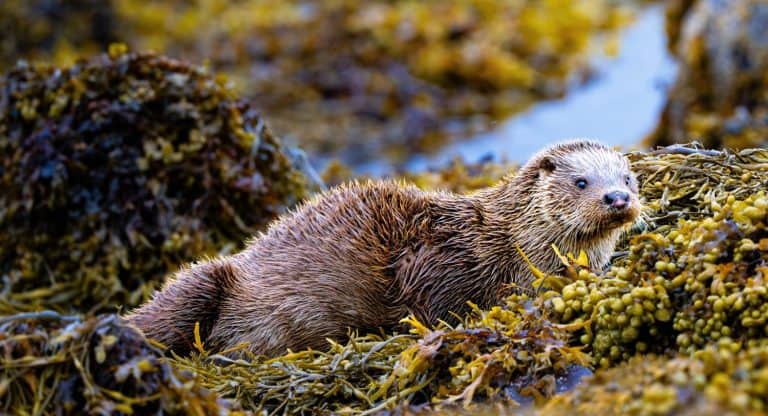
Kamchatka brown bear sockeye salmon Steller's sea eagle Eurasian river otter red fox

Klyuchevskoy Nature Park

≈3,500-3,800 km²

Protects parts of the Klyuchevskaya volcanic group and surrounding wilderness; important for wide-ranging mammals using volcanic plateaus, and for maintaining large, unfragmented habitats tied to the Kamchatka River basin.

Kamchatka brown bear moose wolverine gyrfalcon Pacific salmon

Wildlife Refuges

South Kamchatka Federal Wildlife Sanctuary

≈3,000-3,500 km² (area varies by zoning and sources)

A key protected complex around major salmon rivers and coastal bear habitat in southern Kamchatka; renowned for high-density bear activity during salmon runs and for safeguarding coastal ecosystems used by raptors and marine mammals.

Kamchatka brown bear sockeye salmon chinook (king) salmon Steller's sea eagle Steller sea lion

Karaginsky Island State Nature Sanctuary (Wildlife Refuge)

1,930 km² (193,000 ha)

A coastal island protected area in the Bering Sea important for seabird colonies and marine mammals, including haul-out sites and nearshore feeding areas.

sea otter spotted seal (largha) Steller sea lion common murre tufted puffin

Parapolsky Dol Wetlands Wildlife Sanctuary

≈3,000-4,000 km² (figures vary by delineation)

A major wetland complex crucial for migratory waterfowl and breeding birds in northern Kamchatka; provides large-scale protection of marshes, lakes, and riverine habitats.

whooper swan Steller's sea eagle sandhill crane (regional populations/migrants) brown bear salmonids (in connected river systems)

Wilderness Areas

  • Central Kamchatka volcanic interior (large roadless tracts between major river basins and volcanic massifs)
  • Klyuchevskaya Sopka-Tolbachik backcountry (highly remote lava fields and alpine plateaus with minimal infrastructure)
  • West Kamchatka coastal plain and river mouths along the Sea of Okhotsk (salmon rivers, bear habitat, and wetlands with long stretches lacking permanent roads)
  • Northern Kamchatka / Koryak Highlands tundra (very low road density; important for wide-ranging mammals and migratory birds)
  • Remote Pacific coast headlands and beaches north and south of Kronotsky (seabird cliffs and marine-mammal shoreline habitats with limited access)
Animals

Wildlife

Kamchatka Krai is one of the world's most intact temperate-subarctic wilderness regions: a volcanic peninsula with vast river systems, tundra and taiga, rugged mountains, and two highly productive marine coasts (Bering Sea and Sea of Okhotsk). Wildlife diversity is defined by enormous Pacific salmon runs that feed exceptionally high densities of brown bears and eagles, plus globally important seabird colonies and rich marine-mammal communities (otters, seals, whales). Terrestrial diversity is lower than more southern regions, but biomass and viewing opportunities are extraordinary where rivers and coasts concentrate food.
≈70-90 native terrestrial mammals (plus many marine mammals along both coasts) Mammals
≈240-320 species recorded (large seasonal component: migrants and seabirds) Birds
≈2-5 species (very limited by climate) Reptiles
≈2-4 species Amphibians
Freshwater ≈40-60; marine fishes are far higher (hundreds of species regionally), with salmonids dominating the visitor experience Fish
Examples

Iconic Species

Brown Bear
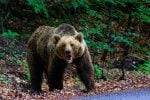
Brown Bear Kamchatka is famous for dense concentrations of large brown bears, especially at salmon rivers and lakes (e.g., around major sockeye runs), making it one of the premier bear-viewing regions on Earth.
Steller's Sea Eagle A flagship raptor of the Russian Far East; Kamchatka is a key breeding and wintering area where these massive eagles gather along coasts and salmon rivers.
Sockeye Salmon
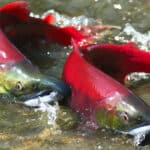
Sockeye Salmon The emblematic salmon of Kamchatka's great runs; sockeye fuel the region's bear concentrations and draw eagles, gulls, and other predators to river mouths and lake outlets.
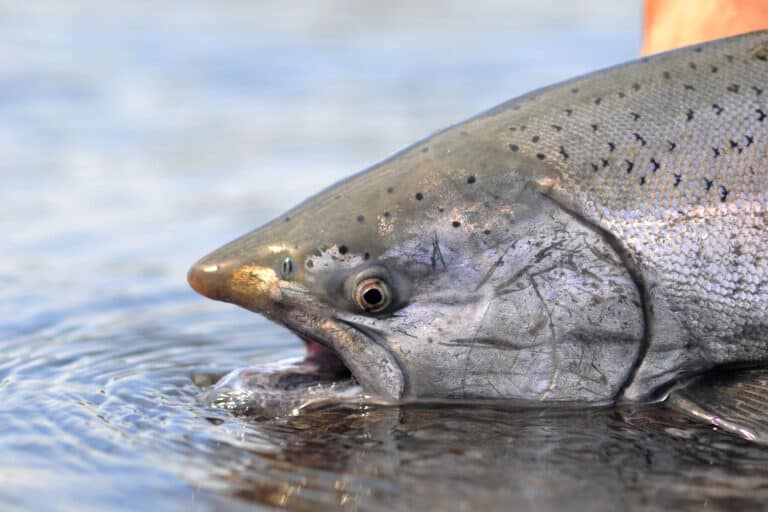
Chinook (King) Salmon The largest Pacific salmon; prized by anglers and ecotourists, and an important seasonal food source for bears and coastal predators.
Sea Otter
Sea Otter A charismatic keystone predator of kelp forests; commonly encountered along parts of Kamchatka's coasts and around island groups, where it helps maintain productive nearshore ecosystems.
Killer Whale (Orca) Frequently seen in coastal waters, especially where currents concentrate fish and marine mammals; both fish-eating and mammal-eating ecotypes occur in the broader region.
Humpback Whale
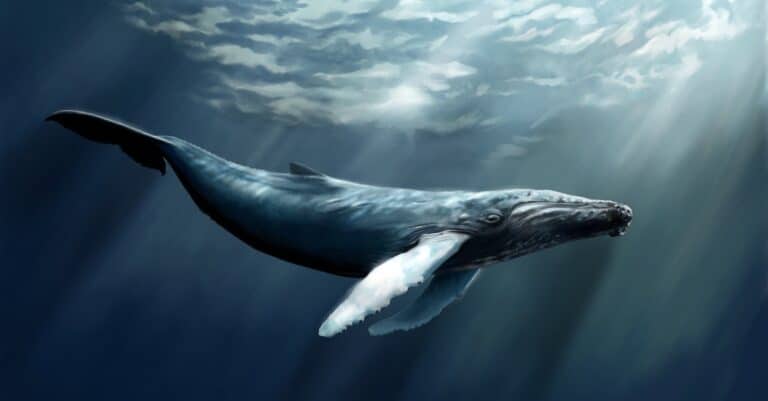
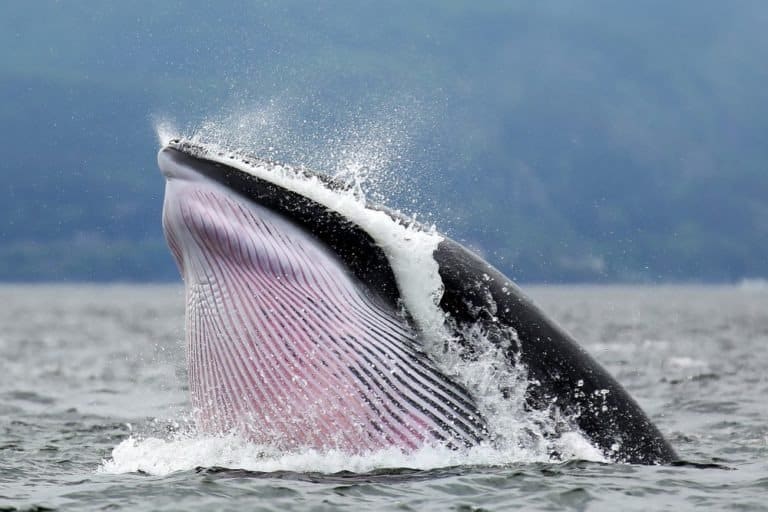
Humpback Whale A headline species for marine wildlife viewing during the feeding season; Kamchatka's productive seas support regular humpback sightings.
Tufted Puffin One of the most sought-after seabirds on the peninsula; nests in colonies on coastal cliffs and islands, often alongside other alcids.
Steller Sea Lion A large, loud, and conspicuous pinniped at haul-outs and rookeries in the wider Kamchatka-Kuril-Commander region, strongly associated with the area's marine productivity.

Endemic & Rare Species

Steller's Sea Eagle

Haliaeetus pelagicus

Globally Vulnerable (IUCN)

Kamchatka is one of the species' principal strongholds, supporting major breeding and seasonal concentrations tied to salmon rivers and ice-free coastal waters.

Steller Sea Lion

Eumetopias jubatus

Regionally sensitive; some subpopulations have experienced long-term declines

Rookeries and haul-outs in the region are important for monitoring North Pacific population trends and for maintaining healthy coastal food webs.

Sea Otter

Enhydra lutris

Endangered (IUCN) globally; status varies by population

Nearshore groups in the Russian Far East are conservation-relevant because otters strongly influence kelp-forest structure and biodiversity.

Siberian (Kamchatka) Snow Sheep

Ovis nivicola

Locally important mountain ungulate; sensitive to overharvest and disturbance

A signature high-country species of Kamchatka's rugged ranges; populations can be patchy and are often used as indicators of mountain ecosystem integrity.

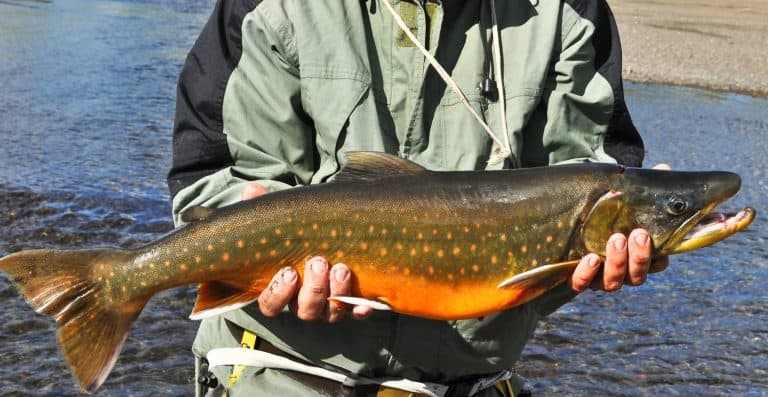
Kronotsky Lake Char (endemic char complex)

Salvelinus spp.

Local endemic forms (restricted range; conservation reliant on protected watersheds)

Several lakes and volcanic watersheds (notably in protected areas) support localized, unique salmonid forms; these are important for evolutionary studies and freshwater conservation.

Notable Populations

  • Exceptionally high densities of brown bears concentrated at major salmon systems (a global benchmark for bear-salmon ecosystems).
  • Some of the North Pacific's most important wild Pacific salmon production (especially sockeye), underpinning regional food webs and fisheries.
  • Globally significant seabird colonies (alcids, kittiwakes, murres and others) along cliffs and offshore islands in the Kamchatka-Commander/Okhotsk-Bering region.
  • A major stronghold for Steller's sea eagle, with breeding and seasonal aggregations closely linked to salmon runs and coastal waters.
  • Seasonal feeding grounds for multiple whale species (including humpbacks) in highly productive shelf and slope waters.

Recent Changes

  • Climate-driven shifts in river temperature and flow timing are affecting salmon run phenology in some watersheds, with knock-on effects for bears and scavenging birds (timing and concentration of wildlife viewing can vary more year to year).
  • Sea otter numbers have rebounded in parts of the North Pacific compared with historical lows, though local trends can fluctuate with food availability and bycatch risk.
  • Some seabird colonies show periodic declines or poor breeding years linked to ocean-condition changes (marine heatwaves, prey shifts), increasing attention on long-term monitoring.
  • Range expansion and population increases of introduced/expanding semi-aquatic mammals (notably beaver, Castor fiber) have altered some riparian habitats through dam-building and wetland creation.
  • Growing tourism and vessel traffic in key coastal hotspots has increased management focus on disturbance (whales, pinnipeds) and on bear-human interactions near salmon rivers.
Visit

Wildlife Viewing

Kamchatka Krai is a wild peninsula with active volcanoes, between the Bering Sea and Sea of Okhotsk. It has huge roadless areas, salmon-rich rivers, and coasts that draw whales, seals, and big seabird colonies. Wildlife viewing is often by helicopter, boat, raft, or 4x4, with famous brown bear encounters, high bird cliffs, tundra, and rugged coastlines.

Best Seasons

Late winter-early spring (Feb-Apr)

Deep snow and long daylight let you track wildlife on snowfields and river valleys. Great views for combining wildlife watching with winter travel (snowmobile or over-snow vehicles where allowed). Coasts may hold sea birds and marine mammals, but boat access is often blocked by ice and weather. Best for adventurous travelers seeking winter landscapes and signs of predators and ungulates.

Spring (May-Jun)

Rivers open, tundra greens up, and birdlife ramps up rapidly-migratory waterfowl, shorebirds, and raptors become active. Bears emerge and begin foraging in valleys and coastal meadows; early season is great for tracks and fresh activity but less predictable concentration than peak salmon months. Good for birding, scenic hiking, and early marine trips if seas allow.

Summer (Jul-Aug)

Best all-around wildlife season. Salmon runs start or peak by river, drawing brown bears to river mouths and shallows. Long daylight lets you do bear viewing, rafting, volcano hikes, and sea kayaking. Coastal waters often have whales, dolphins/porpoises, and sometimes sea otters, plus huge seabird colonies. Crowds form at top bear sites and weather can change.

Early autumn (Sep)

Often excellent bear viewing as salmon runs continue and bears feed intensively before denning; autumn colors add dramatic scenery. Bird migration continues and raptors can be notable. Fewer visitors than peak summer; weather becomes cooler and stormier, increasing the importance of flexible plans and buffers.

Late autumn-early winter (Oct-Nov)

Shoulder season with fewer tours and more volatile weather. Bears increasingly den; marine wildlife can still be present offshore but sea conditions frequently limit trips. Best suited to experienced travelers seeking solitude and dramatic atmosphere rather than guaranteed viewing.

Top Wildlife Experiences

  • Brown bear viewing at Kuril Lake (South Kamchatka State Nature Sanctuary): watch bears fishing during salmon runs, often from controlled viewpoints or while moving between stations with rangers/guides.
  • Brown bear and salmon ecology in the Bystraya River valley: multi-day rafting/float trips that combine wildlife watching (bears, foxes, birds) with quiet river travel and volcanic backdrops.
  • Avacha Bay boat trip from Petropavlovsk-Kamchatsky to the 'Three Brothers' sea stacks: seabird colonies (guillemots, puffins in season), sea lions/seals, and chances for whales offshore depending on conditions.
  • Whale-watching and pelagic birding expedition toward Kronotsky Bay / along the Pacific coast: look for gray and humpback whales (seasonal), orcas, porpoises, and large gatherings of shearwaters and alcids.
  • Birding the wetlands and coastal lagoons near Ust-Bolsheretsk and river mouths on the Sea of Okhotsk side: migratory waterfowl, shorebirds, and raptors; best in late spring and early autumn.
  • Sea-kayaking wildlife encounters along sheltered coastal stretches (where operators run trips): close-to-water perspectives on seabirds, seals/sea lions, and occasional whale sightings, with volcanic scenery throughout.
  • Helicopter day trip combining volcanos + wildlife: fly over remote valleys and calderas to reach bear-rich salmon rivers or coastal haul-outs that are otherwise inaccessible by road (operator and permit dependent).

Wildlife Watching Types

Brown bear viewing focused on salmon runs (river shallows, lake outlets, and spawning channels) Whale watching (seasonal; gray/humpback and occasional orca sightings depending on route and conditions) Seabird colony viewing from boats and coastal cliffs (alcids, gulls, cormorants; strong pelagic birding offshore) Marine mammal watching (seals, sea lions; occasional sea otters depending on area) River/float-trip wildlife watching (bears, foxes, waterfowl, raptors along riparian corridors) Birding in wetlands, tundra, and estuaries (migratory waterfowl and shorebirds in spring/autumn) Wildlife tracking/photography in winter and shoulder seasons (tracks, sign, landscape-wildlife combinations)

Guided Options

  • Kuril Lake bear-viewing programs with permitted lodge/station access inside the protected area (typically arranged via licensed tour operators with required permits and ranger coordination).
  • Multi-day Bystraya River rafting/float safaris (guided rafting with wildlife-focused naturalist support; often includes hot springs/volcano-view camps).
  • Avacha Bay wildlife and seabird cruises departing Petropavlovsk-Kamchatsky (half-day to full-day small-boat trips; some run dedicated pelagic birding/whale-search routes).
  • South Kamchatka expedition packages combining helicopters + remote camps (access to bear rivers, volcanic landscapes, and coastal wildlife; logistics-heavy but high reward).
  • Specialized wildlife photography tours (bear-focused or marine-focused) timed to salmon runs and peak seabird/whale periods, typically using small groups and fixed hides/viewpoints where allowed.
Habitats

Ecosystems

Kamchatka Krai has one of the largest intact wilderness areas on the North Pacific Rim. It includes subarctic coasts, salmon river systems, peatlands and an active volcanic belt. Habitats range from boreal forests to tundra and alpine slopes, with rich coastal and marine waters (Pacific Ocean, Bering Sea, Sea of Okhotsk) supporting seabirds, marine mammals and kelp.

Biomes

Boreal Forest (Taiga)

Boreal (taiga) ecosystems dominate much of the peninsula's lowlands and foothills, including larch/spruce-fir elements, extensive stone birch forests, and mixed conifer-broadleaf stands shaped by volcanic soils, heavy snow, and maritime influence.

Widespread in lowlands and lower mountain slopes across central and southern Kamchatka; generally the dominant terrestrial biome.

Tundra

Tundra covers northern and exposed high areas with dwarf shrubs, sedge-moss communities, and wind-scoured heaths. Coastal tundra and inland tundra mosaics are found on cold, wet, poorly formed volcanic soils.

Extensive in northern Kamchatka and in exposed upland/plateau areas; also present as patches above treeline.

Alpine

Alpine communities occupy high elevations on volcanic massifs and ridges, including alpine meadows, heaths, scree/ash fields, and sparse vegetation on recent lava and tephra; glaciers and perennial snowfields create strong elevational gradients.

Common in the Central Range and major volcanic clusters; concentrated at higher elevations above treeline.

Freshwater

Freshwater ecosystems are globally significant due to dense networks of cold, clear rivers and lakes supporting large Pacific salmon runs (spawning and rearing), along with char, trout, and rich riparian corridors.

Widespread throughout the peninsula-major river basins (e.g., Kamchatka River) and numerous lakes/streams.

Wetland

Wetlands include peatlands, floodplain wetlands, wet tundra, and river-delta marshes; these provide key breeding/stopover habitat for waterfowl and cranes and help regulate hydrology in lowland basins.

Patchy but extensive in lowlands, floodplains, and poorly drained northern/central basins; notable in large river valleys and coastal lowlands.

Marine

Marine ecosystems cover the Pacific Ocean, Bering Sea, and Sea of Okhotsk coasts, with rich shelf waters, upwelling/mixing zones, and kelp beds that support seabird cliffs, pinniped haul-outs, and migratory whales.

Encircling coastline and adjacent shelf waters on the eastern (Pacific Ocean and Bering Sea) and western (Sea of Okhotsk) sides, plus offshore/deep waters.

Temperate Forest

Milder, maritime-influenced forests in southern/coastal areas include richer mixed stands and tall stone birch forests with lush understories, grading toward boreal types inland and upslope; local microclimates can be comparatively temperate.

Limited to pockets in the south and some coastal/river-valley sites; generally secondary to boreal coverage.

Habitats

Forest

Extensive wilderness forest cover with strong volcanic-soil influences; key for brown bears and ungulates and tightly linked to salmon-bearing rivers.

Coniferous Forest

Taiga conifer stands (larch/spruce/fir components depending on locality) occur in cooler interiors and foothills, often interspersed with birch and shrub layers.

Deciduous Forest

Stone birch-dominated forests are characteristic in many areas, especially on slopes and after disturbance; autumn mast and riparian productivity support wildlife.

Woodland

Open, patchy tree cover and krummholz near treeline, often with dwarf birch/willow and wind-shaped forms on exposed ridges.

Shrubland

Dwarf pine (Pinus pumila) and willow/alder shrublands are widespread, especially on slopes, avalanche tracks, and transitional zones between forest and tundra.

Tundra

Wet sedge-moss tundra in low-lying northern areas and dry heath tundra on exposed uplands; important for ground-nesting birds and seasonal grazing.

Alpine Meadow

High-elevation meadows and herbfields on volcanic slopes during the short growing season, interspersed with scree and ash substrates.

Mountain

Volcanic mountains, calderas, and geothermal areas create sharp habitat mosaics (lava flows, ash fields, snowfields) and frequent disturbance-driven succession.

Cliff/Rocky Outcrop

Coastal and island cliffs host major seabird colonies (auks, gulls, kittiwakes, etc.), with nesting ledges and strong marine nutrient inputs.

Lake

Volcanic and glacially influenced lakes provide cold-water habitat and staging areas for waterbirds; some are connected to salmonid river systems.

River/Stream

Large, intact river networks (notably salmon rivers) with gravel spawning reaches, braided channels, and forested riparian zones that concentrate bears and other predators.

Wetland

Floodplain wetlands, peatlands, and wet tundra complexes; critical for breeding waterfowl and for hydrologic storage across lowlands.

Marsh

River-delta and coastal-lowland marshes with sedges and reeds, especially near estuaries and along slower river reaches.

Bog

Peat-accumulating bogs in poorly drained basins and coastal lowlands; often acidic and moss-dominated with stunted shrubs.

Estuary

Estuaries at major river mouths mix fresh and marine waters, supporting juvenile fish rearing, migratory birds, and rich benthic productivity.

Coastal

Long, sparsely developed coasts on both seas, including lagoons, spits, and storm-dominated shorelines used by seabirds and marine mammals.

Beach

Sandy and gravel beaches, including barrier and pocket beaches, with seasonal use by shorebirds and occasional pinniped haul-outs.

Rocky Shore

Rocky intertidal zones with tidepools and algal communities; important feeding areas for birds and nearshore fish.

Kelp Forest

Nearshore kelp beds (especially along rocky coasts) provide structure for invertebrates and fish and foraging areas for marine mammals.

Open Ocean

Pelagic waters off Kamchatka support migratory whales, seabirds, and large fish, driven by high productivity of the North Pacific boundary region.

Deep Sea

Deep offshore habitats including slope and trench-adjacent waters (notably along the Kuril-Kamchatka margin) supporting deepwater fauna.

Seabed/Benthic

Broad shelf and slope seabeds in the Bering Sea and Sea of Okhotsk with benthic communities important to groundfish and invertebrates.

Urban

Very limited urban footprint (e.g., Petropavlovsk-Kamchatsky area) relative to the size of the region; strong contrast with surrounding wildlands.

Agricultural/Farmland

Small, localized agricultural areas near settlements (fodder crops, small-scale farming), constrained by climate and remoteness.

Ecoregions

Kamchatka taiga (WWF terrestrial ecoregion) Kamchatka Mountain tundra and alpine meadows (WWF terrestrial ecoregion) Bering Sea (MEOW marine ecoregion context for eastern coastal waters) Sea of Okhotsk (MEOW marine ecoregion context for western coastal waters)
Protection

Conservation

Primary Threats

  • Heavy fishing pressure and illegal/unreported catch in coastal waters and river mouths can reduce returning salmon and degrade food availability for brown bears, Steller's sea eagles, and scavenging wildlife; bycatch risks affect seabirds and marine mammals in the Bering Sea/Sea of Okhotsk fisheries.
  • Poaching and unregulated take remain episodic concerns, especially where access improves along roads and river corridors; large mammals (brown bear) and waterfowl can be targeted, and conflicts around salmon streams can increase pressure.
  • High-value wildlife products (e.g., bear parts, raptor specimens/eggs, and some marine products) create incentives for illegal collection and trafficking, particularly near transport hubs and export pathways.
  • Localized pollution hotspots occur near settlements and ports (Petropavlovsk-Kamchatsky area) from wastewater, fuel spills, and solid waste; marine debris and lost fishing gear can entangle marine mammals and seabirds along the coast and island colonies.
  • Placer and hard-rock mining proposals/operations risk sedimentation and heavy-metal contamination in salmon-bearing watersheds, with outsized impacts because salmon rivers underpin terrestrial and marine food webs across the peninsula.
  • Road construction, port expansion, and utility corridors increase habitat fragmentation in otherwise intact landscapes, open remote salmon rivers to greater access (and poaching), and elevate disturbance near bear feeding areas and sensitive nesting/roosting sites.
  • Nature-based tourism (volcanoes, geysers, bear viewing, rafting, seabird cliffs) is growing; without strict zoning and enforcement it can displace brown bears from key salmon reaches, disturb seabird colonies, and increase trampling/erosion in fragile volcanic and tundra habitats.
  • Brown bears attracted to salmon runs and human food sources can cause conflicts around settlements, camps, and tourist sites; increased encounters can lead to lethal control, especially during poor salmon years.
  • Warming alters snowpack and river hydrology, affects timing/temperature of salmon spawning and juvenile rearing, and reshapes marine productivity (prey availability for seabirds and marine mammals). Increased frequency of extreme weather can also reduce seabird breeding success on exposed coasts.
  • Invasive plants around disturbed sites and settlements, and potential marine invasives via shipping/port activity, pose a growing risk; even limited invasions can spread along roadsides, riverbanks, and coastal infrastructure footprints in otherwise native-dominated ecosystems.
  • Disease risks rise with greater wildlife aggregation at salmon bottlenecks and garbage sites (bears), and with aquaculture-related pathogen concerns in the wider region; monitoring is challenging due to remoteness and limited veterinary capacity outside major centers.
  • Industrial-scale logging is limited compared to other regions, but localized timber removal and riparian degradation near accessible valleys can reduce bank stability and cover in salmon tributaries if not tightly managed.
  • Overall habitat conversion is low, but concentrated loss occurs around expanding settlements, gravel extraction sites, and coastal/river infrastructure; small areas can have disproportionate impacts when they overlap with salmon spawning reaches, seabird colony access routes, or bear corridors.
  • Urban growth is largely concentrated around Petropavlovsk-Kamchatsky and satellite settlements; it increases coastal pollution loads, shoreline modification, and demand for transport corridors into previously roadless areas.
  • Hydrotechnical works (bank armoring, small diversions, channel modification near bridges/roads) can disrupt salmon habitat structure and connectivity; even small modifications can matter because salmon rivers are keystone systems for the peninsula's ecology.
Fun Facts

Did You Know?

Kamchatka's "salmon economy" runs on nutrient transfer: bears frequently drag salmon into forests, and stable-isotope studies in the region show marine-derived nutrients from salmon end up fertilizing riparian plants and even trees-salmon feed the forest.

Volcanic and geothermal landscapes don't just shape scenery-they shape habitats: warm springs and geothermal influence can keep sections of streams from freezing, creating winter refuges and altered spawning/incubation conditions for fish and the predators that rely on them.

Bears and eagles often form a predictable seasonal food chain: Steller's sea eagles regularly shadow salmon runs and scavenge remains from bear kills, turning bear fishing sites into temporary "buffets" for huge raptors.

Kamchatka has extremely low reptile and amphibian diversity: reptiles are limited (for example, the viviparous lizard, Zootoca vivipara), and amphibians are represented by only a few cold-tolerant species.

The Commander Islands are one of the North Pacific's most wildlife-dense coastlines: seabird cliffs and marine-mammal haul-outs can stack multiple species (auks, gulls, seals, sea lions, otters) into a single viewpoint-more like an oceanic island ecosystem than mainland Russia.

Kuril Lake and its outlet, the Ozernaya River, form the largest sockeye salmon (red salmon) spawning system in Eurasia-runs can reach several million fish in strong years, making it a global hotspot for sockeye reproduction.

Summer bear gatherings around Kuril Lake are among the highest brown-bear densities recorded anywhere: in peak season, park/field counts can exceed 200 bears concentrated along a relatively short stretch of salmon shoreline.

The Commander Islands (Kamchatka Krai) have Russia's largest northern fur seal (Callorhinus ursinus) breeding rookeries — among the world’s biggest, with colonies reaching hundreds of thousands depending on year and count method.

Steller's sea eagle (Haliaeetus pelagicus)-often cited as the world's heaviest eagle-has one of its most important breeding and feeding strongholds in Kamchatka, where salmon-rich rivers support large seasonal gatherings.

Thank you for reading! Have some feedback for us?