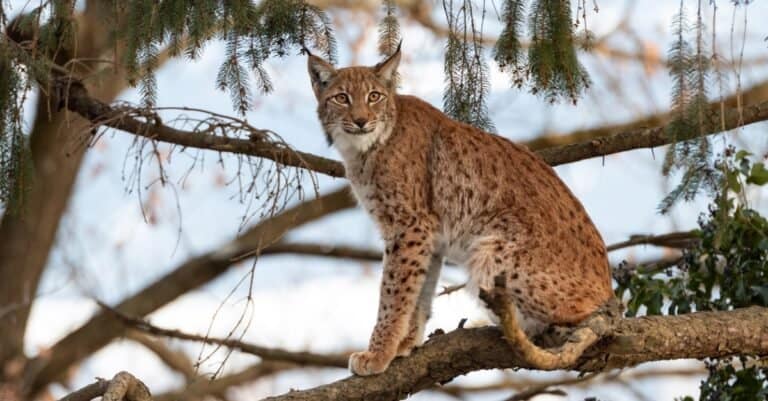
Eurasian Lynx
Silent forest hunter with tufted ears

Silent forest hunter with tufted ears
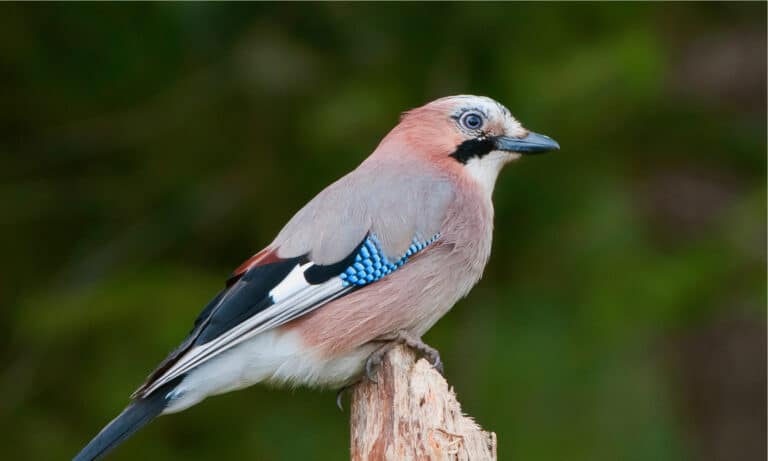
Oak Forest Planter with a Blue Flash
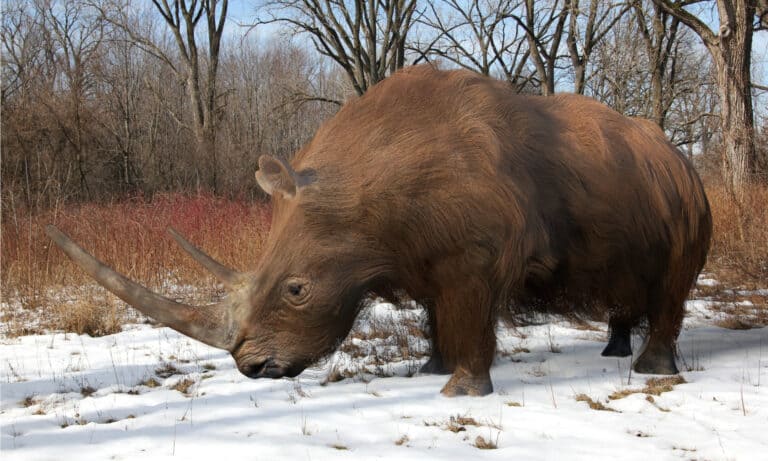
Shaggy titan of the mammoth steppe
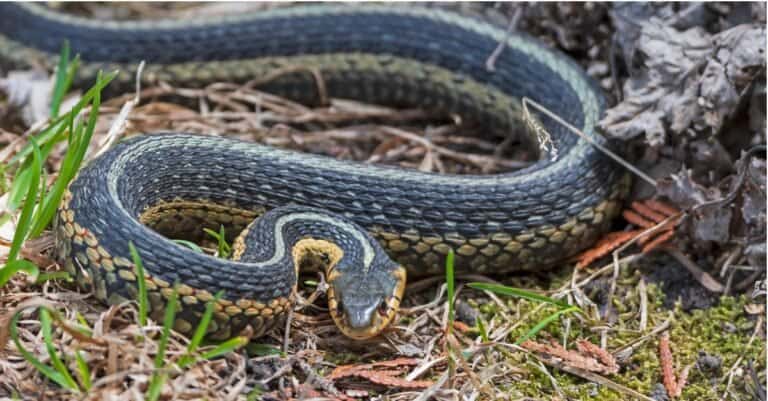
The wetland snake that plays dead

Not cavemen-Ice Age people
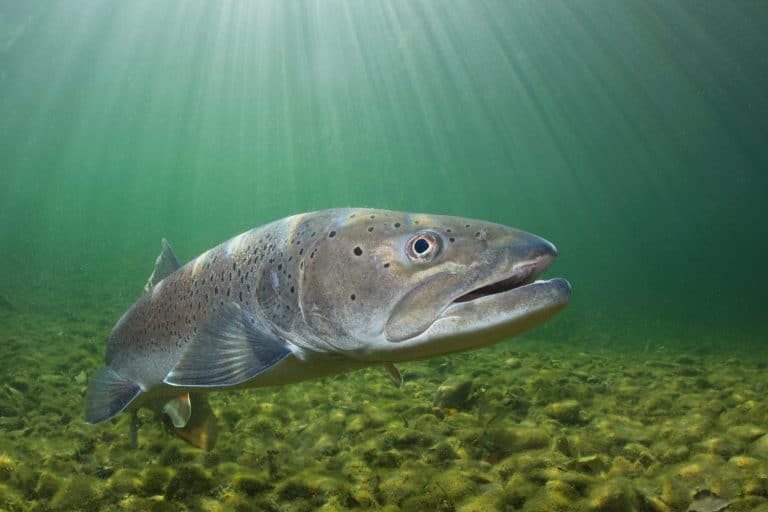
Cold-river king of the taiga

Flat-faced monarch of the steppe
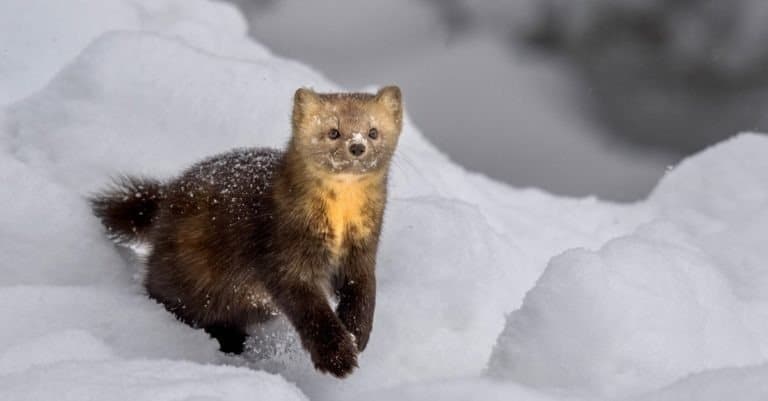
Taiga's "black gold" marten
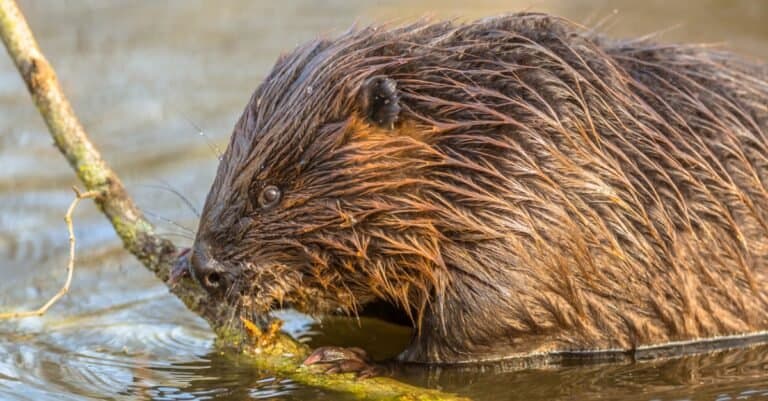
Nature's wetland engineer
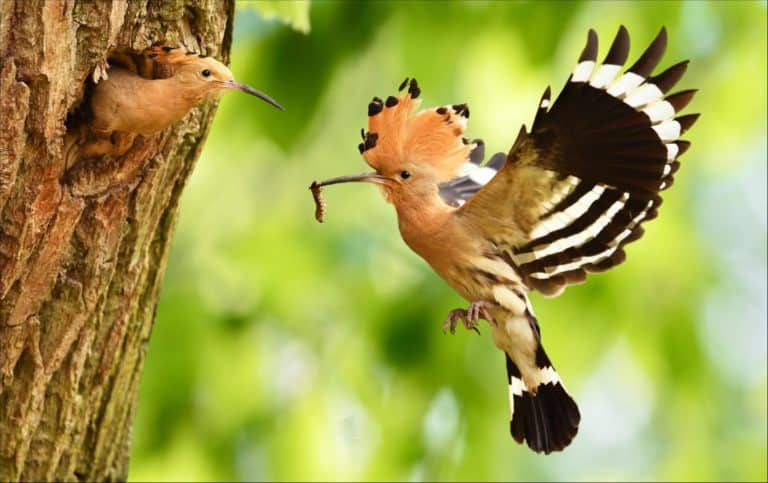
Crest up, bill down-hoopoe on patrol.
Altai Krai lies where the West Siberian Plain, the Altai uplands, and lands toward Kazakhstan meet. It is an edge zone where forest and steppe species overlap, so you find moose and capercaillie near ground squirrels, steppe raptors, and many migrating birds. Main ecosystems are steppe and forest-steppe (meadows, birch-aspen groves, and farmland), plus the wide river valleys and floodplains of the Ob. River corridors hold wetlands, oxbow lakes, reedbeds, and riparian forests vital for breeding waterbirds and for migration between Central Asia and Siberia. In winter, forests and valleys hide hoofed animals and predators; spring floods and summer wetlands gather birds. Altai Krai is less mountainous than the Altai Republic but more mixed than the flat West Siberian Plain, with rapid changes that let you see many Eurasian species close together, especially during migration when raptors and cranes fill the skies.
Altai Krai lies where the West Siberian Plain meets the Altai foothills, making sharp changes in habitat that shape wildlife. Broad steppes and forest-steppe support grassland and edge species. River floodplains and wet meadows hold waterbirds and semi-aquatic mammals. Higher land to the southeast adds montane forests and rocky valleys, raising biodiversity.
~80 m to ~2,490 m (from low Ob/Kulunda lowlands to the highest peaks of the southeastern ranges)
No ocean coastline; shoreline habitats are provided by large inland lakes and wetlands (notably steppe lakes in the Kulunda depression, including saline lakes), plus extensive riverbanks along the Ob and tributaries.
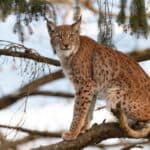
Altai Krai's protected areas center on two federal cores—a strict reserve and a national park—plus regional sanctuaries and small monuments protecting wetlands, ribbon pine forests, and steppe-lake habitats. Key sites: Tigirek and Salair mountains, Ob floodplains and oxbow lakes, and Kulunda steppe with lakes for waterbirds. Notable wildlife: raptors, cranes, winter swans, moose, Siberian wapiti, bear, lynx.
≈5% of Altai Krai's land area is under some form of legal protection (federal + regional protected areas; approximate).
Protects one of the largest remaining blocks of dark conifer and mixed forests on the Salair Ridge in Altai Krai, with extensive old-growth structure, river valleys, and wetlands that serve as refuges for forest mammals and nesting raptors.
A well-known wintering site where ice-free spring-fed waters concentrate whooper swans and other waterbirds, making it notable for cold-season wildlife viewing and disturbance-sensitive protections.
Protected sections of the distinctive ribbon-like Scots pine forests on sandy deposits in Altai Krai, which form important forest habitat islands within a broader steppe and agricultural landscape.
A network of regional protected wetlands and steppe areas in the Kulunda lake district that support breeding and migratory concentrations of waterbirds (including cranes, geese, and colonial nesting species).
A strictly protected mountainous forest-and-ridge reserve in Altai Krai on the northwestern edge of the Altai Mountains, created to conserve natural complexes and biodiversity of this region.
Altai Krai sits at a major Eurasian transition zone where dry Kulunda steppe, forest-steppe belts, pine forests on sandy terraces, the Salair/foothill uplands, and broad river valleys (especially the Ob system) meet. This habitat mosaic supports a characteristically "mixed" fauna: steppe mammals and raptors alongside taiga-associated ungulates and carnivores, plus high bird diversity in wetlands and floodplains used by migrating and breeding waterbirds. Wildlife viewing is often defined by open-country species (cranes, eagles, bustards, marmots/ground squirrels) and riverine species (eagles, storks, otter, large cyprinid and salmonid fishes).
Altai Krai offers classic Eurasian wildlife along wide steppe, forest-steppe, pine forests, and big river valleys (especially the Ob and its tributaries). Good birding—raptors, cranes, waterfowl—and steppe and wetland mammals like roe deer, elk, fox, and hare. Seasonal events include spring migration and autumn mating season. Easy road access for wildlife trips and photography.
Peak migration and display season: cranes, geese, ducks, and waders concentrate on thawing wetlands and floodplains; raptors become active over steppe and forest edges. Expect dynamic river conditions on the Ob (ice break-up, rising water), muddy roads in rural areas, and big payoffs for bird photography.
Best for breeding birdlife (songbirds, herons, terns), wildflower steppe landscapes, and long daylight for dawn-dusk field sessions. Insect activity can be high near water; mammals are most visible early/late. Good season for river excursions and mixed wildlife + hiking/field botany.
Golden forest-steppe and strong bird movement: raptor passage, departing waterfowl, and staging cranes in open country. Mammal viewing improves with cooler temperatures; rutting activity may be noticeable for deer in forested areas. Crisp air and clearer visibility suit long-lens photography.
Tracking season: snow reveals mammal presence (fox, hare, ungulates) and makes quiet forest walks rewarding. Birding shifts to resident species (owls, woodpeckers, finches) and wintering raptors in open areas. Prepare for cold, short days, and variable road access-great for guided tracking and photography rather than long DIY distances.
Altai Krai lies where the West Siberian Plain meets the northern foothills and low Altai mountains, making a strong steppe-to-forest-to-steppe pattern. Much land is farmed, but large areas of native dry grasslands, pine-birch forest-steppe, and Ob River valley wetlands and closed lake basins in Kulunda support rich Eurasian biodiversity, especially steppe birds, riverside mammals, and migratory waterfowl.
Dry and moderately dry Eurasian steppe dominates the plains (notably the Kulunda/Barnaul steppe landscapes), with feather-grass and forb communities, salt-affected patches, and meadow-steppe in less arid pockets.
Widespread across the western and southern plains; a major share of the territory outside forest belts (much converted to cropland).
Forest-steppe mosaics of birch/aspen groves, mixed small-leaved forests, and pine forests on sandy terraces (classic 'ribbon' pine forests) interspersed with meadows and agricultural land.
Broad belt across central/northern parts and on sandy river/lake terraces; patchy but extensive.
Southern-taiga influences appear locally in cooler, more humid northern/NE sectors and on upland ridges, with denser conifer presence and taiga-like understories compared with the open forest-steppe.
Limited and localized (minor proportion), mainly toward the cooler/higher or more humid fringes.
Only weakly expressed within the krai itself: low-mountain and foothill environments (e.g., Tigirek/Salair-related uplands) can show subalpine-like meadows and rocky slopes, but true alpine belts are largely outside the krai in the higher Altai Mountains.
Very limited; confined to uplands/foothills.
Major river systems (Ob and tributaries such as the Aley and Charysh), floodplain channels, oxbows, and numerous lakes (including saline/alkaline steppe lakes) provide extensive aquatic habitats.
Distributed throughout; densest along the Ob valley and in lake districts.
Floodplain marshes, reedbeds, wet meadows, lake-margin wetlands, and peatier depressions occur along the Ob and in closed-basin steppe lake systems, important for breeding and staging waterbirds.
Patchy but regionally important, concentrated in floodplains and around lakes.
Feather-grass and forb steppes (including dry and meadow-steppe variants) across the Kulunda and adjacent plains; remnants often persist in less-arable or protected tracts.
Mesic grasslands and hay meadows in forest-steppe and river valleys, often forming broad meadow complexes on floodplains.
Shrubby steppe and edge scrub (e.g., along ravines, sandy terraces, and forest-steppe ecotones), including willow scrub in wetter zones.
Forest-steppe mosaics combining groves, shelterbelts, and larger forest tracts; key for ecotone wildlife assemblages.
Birch and aspen stands (often secondary/regenerating) on richer soils and in moister parts of the forest-steppe belt.
Pine-dominated 'ribbon forests' on sandy substrates and mixed conifer pockets on uplands; important for fire-shaped dynamics and specialized understories.
Open groves and sparse tree cover in forest-steppe (parkland-like structure), providing transition habitat between grassland and closed forest.
Low mountains/foothills with dissected terrain, cooler microclimates, and mixed forests/meadows; includes rugged protected areas in the Tigirek uplands.
Small areas of high-elevation-style meadow on upland crests and cool slopes in the foothill/montane fringe (more subalpine-like than true alpine).
Rock outcrops and steep river-valley or upland faces in foothill areas, used by raptors and cliff-nesting birds where present.
Localized karst or rocky cavities in upland/foothill zones (where geology permits), providing roost sites for bats and specialized invertebrates.
Ob mainstem and tributary networks with braided sections, backwaters, and oxbow lakes; key corridors for migration and riparian forests.
Numerous steppe lakes (fresh to saline/alkaline) and floodplain lakes; critical for waterfowl, shorebirds, and fish where salinity allows.
Small natural and artificial ponds (farm and settlement reservoirs) that add breeding habitat for amphibians and local waterbirds.
Floodplain wetlands, wet meadows, and lake-margin reedbeds (Phragmites/Typha) especially along the Ob and in lake basins.
Smaller peat-accumulating depressions and wet forest hollows (more typical toward cooler/moister parts and in poorly drained lowlands).
Extensive cropland (grains, oilseeds, fodder) and pasture dominates much of the steppe/forest-steppe; field margins and fallows can retain steppe flora and ground-nesting birds.
Cities and industrial areas (e.g., Barnaul and other centers) with altered riverbanks, parks, and brownfield habitats.
Peri-urban dacha gardens, smallholder plots, and mixed residential zones forming a mosaic with shelterbelts and small wetlands.
Altai Krai sits where steppe, forest-steppe, and big-river floodplains interlock, so it's possible (in a single day's travel) to move from ground-squirrel-and-lark steppe communities to taiga-associated mammals like moose and sable in denser woodland pockets.
Some of the Krai's best bird 'magnets' are saline/alkaline steppe lakes (e.g., the Kulunda lake district): despite being too salty for many fish, their invertebrate-rich shallows can concentrate migrating waders, gulls, and terns in striking numbers.
Beavers in Altai Krai aren't limited to deep forest rivers-along forest-steppe streams and oxbows they can engineer wetlands using willow, reeds, and bank burrows, creating new amphibian and waterfowl habitat in landscapes that look 'too open' for classic beaver country.
Steppe predators such as the steppe polecat (Mustela eversmanii) often rely on other animals' architecture-especially abandoned burrow systems of ground squirrels and other rodents-so the presence of the polecat is tightly linked to intact burrowing-mammal steppe.
Because the Ob valley forms a major north-south corridor, Altai Krai can produce birdwatching 'odd couples': Arctic-bound migrants stopping alongside Central-Asian steppe species at the same wetlands during peak passage seasons.
The Great Bustard (Otis tarda)-the heaviest living flying bird-still breeds in Altai Krai's Kulunda forest-steppe/steppe landscapes, making the region part of the eastern edge of the species' global breeding range.
Altai Krai's mountain-fed tributaries of the upper Ob basin (notably the Charysh and Anuy river systems) hold the taimen (Hucho taimen), the world's largest salmonid, famous for reaching very large sizes in cold, fast rivers.
The Ob River floodplain forests in Altai Krai support moose (Alces alces), the largest species of deer on Earth; seeing the planet's biggest cervid in riparian woodland is a local 'wildlife superlative' tied to the Krai's big-river habitats.
Eurasian Eagle-Owls (Bubo bubo)-one of the world's largest owl species-are regular breeders in Altai Krai, using cliffy sections, ravines, and river valleys where large prey is available.
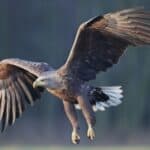
White-tailed Eagles (Haliaeetus albicilla), among the world's largest eagles by wingspan, are strongly associated with Altai Krai's large water bodies and the Ob valley, where fish and waterbirds provide abundant food.
17 species documented in our encyclopedia
Thank you for reading! Have some feedback for us?
We appreciate your help in improving our content.
Our editorial team will review your suggestions and make any necessary updates.
There was an error submitting your feedback. Please try again.